
If fireflies seem rarer than they used to, your yard may be missing the exact plants and conditions they need to thrive. In Florida, these glowing beetles depend on moisture, shelter, low chemical use, and layered native planting far more than most gardeners realize. The good news is you do not need a huge wild space to help them return. A few smart plant choices can create a cooler, damper, darker backyard where fireflies can court, lay eggs, and light up summer nights again.
1. Southern Shield Fern

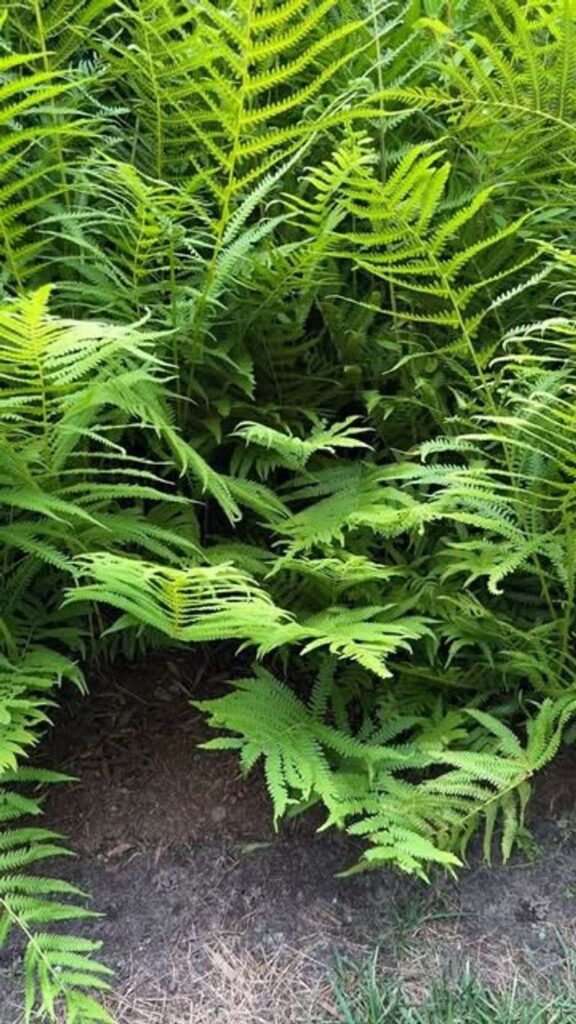
Southern shield fern is one of the easiest ways to make a yard feel cooler, wetter, and more welcoming to fireflies. Its dense fronds shade the soil, helping larvae survive in the damp leaf litter where they hunt tiny prey. If you have a dark side yard or oak canopy, this plant does a lot of quiet habitat work.
Plant it in part to full shade with compost-rich soil that stays evenly moist, especially through spring and early summer. Skip heavy cleanup beneath the fronds, because fallen leaves protect eggs and larvae. I would also avoid overhead lighting nearby, since bright night light can interrupt the flashing signals adults use to find mates.
2. Native Violet

Native violets make an excellent low groundcover for firefly habitat because they hold moisture close to the soil and spread gently without becoming a headache. Firefly larvae benefit from the cool, protected surface they create, especially in shaded beds where the ground can otherwise dry too fast. They also fit beautifully around stepping stones, shrubs, and under small trees.
Give violets morning sun or bright shade, and mulch lightly with shredded leaves instead of thick wood chips. Keep the area consistently damp during dry stretches, but do not let it stay swampy. One mistake people make is edging too aggressively, which removes the soft margins where insects hide, so let this plant form a slightly relaxed border.
3. Swamp Milkweed

Swamp milkweed helps fireflies by thriving in the same moist conditions their young need, and its upright stems add structure without casting harsh shade. This plant shines in rain gardens, low spots, and near downspouts where water lingers after summer storms. You also get the bonus of supporting butterflies, which makes the space feel even more alive.
Plant it in full sun to light shade and water regularly until roots settle in well. Leave the lower stems and surrounding mulch undisturbed through the warm season so insects can shelter beneath them. If aphids appear, resist spraying broad insecticides, because chemical use is one of the fastest ways to turn a promising firefly yard into a quiet one.
4. Buttonbush

Buttonbush is a smart choice if your yard has a wet edge, drainage swale, or pondside area that needs a sturdy native shrub. Fireflies favor humid, sheltered spaces, and buttonbush creates exactly that with dense branching and moisture-loving roots. Its unusual round flowers also pull in plenty of beneficial insects, adding more life to the evening garden.
Set it where the soil stays damp or occasionally wet, and give it enough room to reach its natural shape. Prune lightly only when needed, because thick interior growth offers better daytime cover for insects. I like pairing it with leaf litter and a nearby unmowed strip, which creates the messy-looking but highly effective habitat fireflies seem to love.
5. American Beautyberry

American beautyberry gives you a great middle layer in a firefly-friendly yard, especially along fences, tree lines, or semi-shaded borders. Its arching branches create sheltered pockets where humidity lingers and daytime hiding spots stay protected. By fall, the bright berry clusters add color, but the real value for fireflies is the soft, layered cover below and around the plant.
Grow it in part shade or sun with average soil enriched by compost and fallen leaves. Water during dry spells the first year, then let it naturalize with only occasional shaping. A common mistake is planting isolated shrubs in tidy mulch circles, when beautyberry works much better grouped with grasses, ferns, and undisturbed organic debris underneath.
6. Blazing Star

Blazing star is not the first plant people think of for fireflies, but it helps by building a more layered, insect-rich garden. The flower spikes attract pollinators by day, while the surrounding stems and mulch create sheltered ground conditions by night. In sunny beds, it pairs well with grasses that hold moisture lower to the soil surface.
Plant blazing star in full sun with well-drained soil, then mulch lightly so the crown does not stay soggy. Leave spent stems standing longer than you normally would, because tidy fall cleanup removes cover that many insects use. If your yard feels too open and bright, cluster several together near grasses or shrubs to create a softer transition zone.
7. Coreopsis

Coreopsis brings cheerful color, but its biggest firefly benefit comes when you use it as part of a layered native planting instead of a neat flower row. The stems, roots, and surrounding mulch help soften the soil surface and create insect activity that supports a healthier yard food web. That matters because fireflies do best where life below the blooms is thriving.
Choose a Florida native species, plant it in full sun, and avoid overfertilizing for faster growth. Rich fertilizer can push floppy stems and reduce the balanced, natural structure you want. I would deadhead lightly for rebloom, but leave some spent growth in place so the bed stays a little loose, sheltered, and friendlier to nighttime insects.
8. Goldenrod

Goldenrod is one of the best late-season natives for building a lively, low-maintenance insect garden that still helps fireflies. Its upright stems and clumping habit create cover at ground level, and the plant supports countless beneficial insects without much fuss. If you want a yard that feels active from summer into fall, goldenrod pulls its weight.
Plant it in full sun to light shade and give it room to spread naturally in a border or meadow patch. Cut it back only after the season if needed, and leave some stalks standing longer than feels tidy. Many gardeners wrongly blame goldenrod for allergies, but wind-pollinated ragweed is usually the culprit, so this useful native gets unfairly overlooked.
9. Muhly Grass

Muhly grass is a surprisingly helpful firefly plant because it forms a dense base that protects the soil while still looking tidy from a distance. Those fine blades trap humidity near the ground, giving larvae and other small creatures a safer place to move and hide. In a front or back yard, it adds structure without making the space feel overgrown.
Plant muhly in full sun or bright light with decent drainage, then water regularly until it establishes. Do not shear it too often or keep the base overly bare, because that removes the sheltered zone doing the habitat work. For the best effect, tuck it beside flowering natives and keep synthetic pesticides far away from the planting bed.
10. Wiregrass

Wiregrass is a strong choice for gardeners who want a more natural Florida look while still helping fireflies find cover near the soil. Its clumping form leaves small protected pockets where moisture, organic matter, and insect life can build up over time. That subtle ground habitat is often what missing firefly yards lack most.
Grow it in full sun with sandy, well-drained soil, and avoid pampering it with rich fertilizer or constant watering once established. Let leaves collect lightly between clumps instead of raking everything spotless, since larvae use that protected layer. If you combine wiregrass with a darker night sky, fewer sprays, and a nearby moist bed, you create a simple setup that fireflies can actually use.