
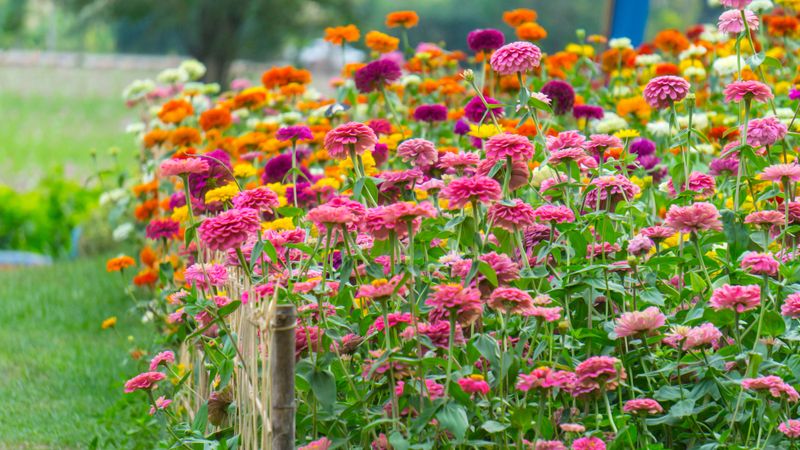
Think July is too late to sow flowers? It is actually one of the sneakiest times to fill bare spots fast, stretch color into fall, and rescue tired beds with easy blooms. A surprising number of annuals germinate quickly in warm soil and catch up fast with a little steady watering. If you want practical, reliable picks that still have time to shine, these ten flowers are the ones I would hand to any home gardener.
1. Zinnia

Zinnias are one of the smartest flowers to sow in July because warm soil speeds germination, and many varieties bloom in about sixty days. I like direct sowing them where they will grow, since they dislike root disturbance. Choose a full sun bed with decent airflow to reduce mildew later.
Rake the soil smooth, scatter seeds about a quarter inch deep, and thin seedlings so plants have room. Water gently every day until they sprout, then switch to deeper watering two or three times weekly. Deadheading keeps fresh buds coming.
For fastest color, try ‘Profusion’, ‘State Fair’, or compact ‘Thumbelina’. If you keep cutting bouquets, you usually get even more stems.
2. Calendula

Calendula is a cheerful, useful flower that often surprises gardeners with how quickly it settles in from seed. In many regions, July sowing gives you late summer flowers and an even better flush as nights cool toward fall. The edible petals are a nice bonus for salads and simple garden garnish.
Sow seeds half an inch deep in full sun to light shade, spacing them so air can move easily around plants. Keep the bed evenly moist during germination, especially during hot spells. Once established, calendula handles ordinary garden conditions well.
Pinch young plants once for bushier growth, and remove spent blooms often. Look for ‘Pacific Beauty’ or ‘Flashback’ for especially rich color.
3. Nasturtium

Nasturtiums are perfect when you want quick color without pampering, especially in beds, borders, and containers that need a midsummer refresh. Their round leaves and bright flowers make everything look abundant. You can also eat the peppery flowers and leaves, which always feels like a little gardening magic.
Soak seeds overnight, then sow them about half an inch deep in full sun or light afternoon shade. Do not overfeed the soil, because rich conditions produce leaves instead of flowers. Water regularly until plants are rooted in well.
Bush types fill gaps neatly, while trailing forms soften edges and spill beautifully. In hot climates, a little afternoon shade helps flowers last longer into fall.
4. Cosmos

Cosmos are wonderfully forgiving and often bloom fast from July sowing if they get full sun and decent moisture early on. I reach for them when a garden needs height, movement, and that airy cottage look. Pollinators love the open flowers, and the ferny foliage stays attractive even before blooming.
Direct sow seeds lightly, covering them with just a dusting of soil, then keep the surface damp until seedlings appear. Thin plants generously, because crowded cosmos flop and mildew more easily. Avoid fertilizer unless your soil is truly poor.
Choose shorter varieties like ‘Sonata’ or ‘Cosimo’ if you want quicker color and less staking. Deadhead, or cut armfuls for vases, to keep buds coming.
5. Dwarf Sunflower

Dwarf sunflowers give you that bold sunflower cheer much faster than many gardeners expect, especially when sown into hot July soil. Compact varieties are ideal because they bloom sooner and fit easily into small beds and containers. They also make great kid friendly flowers if you are gardening as a family.
Sow seeds one inch deep in full sun, spacing according to the packet so plants do not compete heavily. Water deeply after planting and keep the soil consistently moist until roots establish. Protect new seedlings from birds if they are a problem in your yard.
Look for quick types like ‘Suntastic’, ‘Sunspot’, or ‘Pacino’. Stagger sowings a week apart if you want a longer run of blooms.
6. Sweet Alyssum

Sweet alyssum is one of my favorite gap fillers for July because it sprouts quickly and starts making a soft, fragrant carpet before many gardeners expect it. The tiny blooms pull pollinators into vegetable gardens and flower beds alike. It is especially handy along path edges and container rims.
Sow the tiny seeds on the soil surface or barely cover them, since they need light to germinate well. Mist gently so you do not wash them away, and keep the top layer moist. In intense heat, give seedlings a bit of afternoon shade.
Shear plants lightly after the first flush if they get tired or leggy. ‘Carpet of Snow’ and ‘Royal Carpet’ are dependable choices for quick midsummer sowing.
7. Marigold

Marigolds are classic for a reason: they germinate fast, flower reliably, and shrug off summer heat better than fussier annuals. If your beds look tired in July, a packet of marigold seed can turn things around surprisingly quickly. The warm oranges and yellows also pair beautifully with vegetables and herbs.
Sow seeds about a quarter inch deep in full sun and thin seedlings once they have true leaves. Keep the soil evenly moist at first, then water deeply when the top inch dries. Pinching young plants encourages fuller branching on taller kinds.
French marigolds usually bloom fastest, while signet marigolds add airy texture and edible petals. Remove spent flowers regularly to keep color going right into fall.
8. Bachelor’s Button

Bachelor’s button, also called cornflower, can still be worth sowing in July if you choose a spot that is not brutally dry and give seedlings steady moisture. The blue shades are especially striking when late summer gardens start leaning orange and gold. Bees adore them, and the flowers are excellent for cutting.
Direct sow seeds about half an inch deep in full sun, then thin plants to improve airflow and stem strength. In very hot climates, a little afternoon shade helps them settle in. Mulch lightly to keep the root zone cooler and reduce watering stress.
Shorter strains tend to perform best from midsummer sowing. Keep picking blooms or deadheading, and you can often carry flowering well into the early fall weeks.
9. Phacelia

Phacelia is an underused gem for July sowing, especially if you want flowers that look delicate but work hard for pollinators. The curled clusters in lavender blue tones add a slightly wild, romantic look to beds and cutting patches. It is also a smart choice near vegetables because bees flock to it.
Sow seed shallowly in full sun and keep the seedbed evenly moist until germination, which is usually fairly quick in warm weather. Thin seedlings so plants have breathing room and stronger stems. Do not overfertilize, or you will get extra foliage and fewer flowers.
It often blooms in roughly six to eight weeks from sowing. For a longer display, make a second small sowing seven to ten days later.
10. California Poppy

California poppy is a great pick for gardeners with lean soil, strong sun, and a love of easy flowers that do not ask for much. In regions with milder late summers, July sowing can still give you a bright fall show. The satiny flowers almost glow in evening light, which makes them especially rewarding.
Direct sow where you want them to grow, since poppies resent transplanting. Barely cover the seed, press it in gently, and water with a fine spray until seedlings appear. Avoid rich fertilizer, because these plants prefer simpler conditions.
If your summers are extremely hot, wait for a slight break in the weather before sowing. Thin seedlings early, and resist overwatering once plants are established.