
Some plants sulk after their first season, but a handful of tough perennials do the opposite, they get bigger and better every year with almost no fuss from you. If you have ever watched a garden plant fade and wondered what you did wrong, these eight overachievers are the fix. They fill in bare spots, shrug off heat, and reward patience with more flowers each spring. Here are the quiet workhorses worth planting once and enjoying for decades.
1. Peony
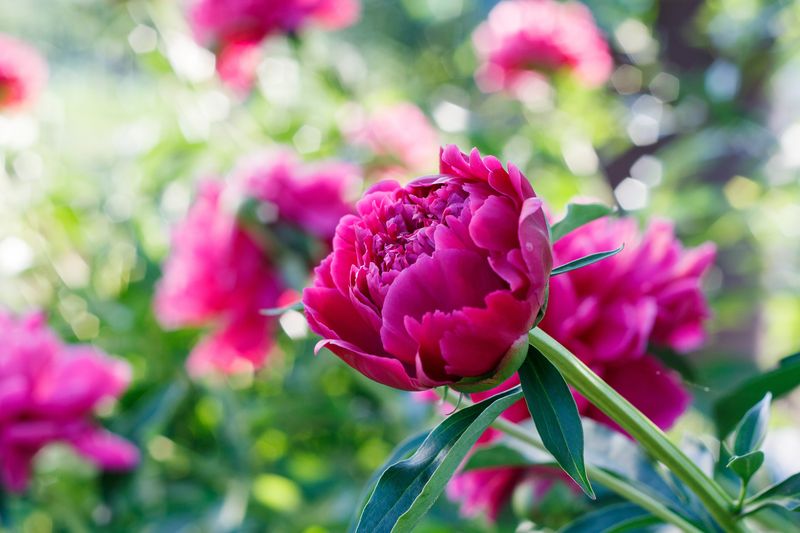
Plant a peony and you are basically planting an heirloom. Some clumps outlive the gardeners who set them, blooming faithfully for fifty years or more with zero drama.
The trade-off is patience. First-year peonies often skip flowering entirely, which panics a lot of new owners into thinking something is wrong. Nothing is, they are just building roots. By year three the show begins, and each spring after that brings fatter buds and more blooms.
If yours refuses to flower, check the depth first. Peonies planted too deep, with the pink eyes buried more than two inches, may sulk for years, so lifting and resetting them shallower often fixes stubborn no-bloom cases.
Ants crawling on the buds worry people too, but they cause no harm and can safely be left alone. Give the plant full sun, decent drainage, and a spot it can keep permanently.
Fun fact, peonies were prized in Chinese imperial gardens over a thousand years ago. Treat yours as a long-term resident and it may reward your grandchildren with the same armloads of petals.
2. Hosta
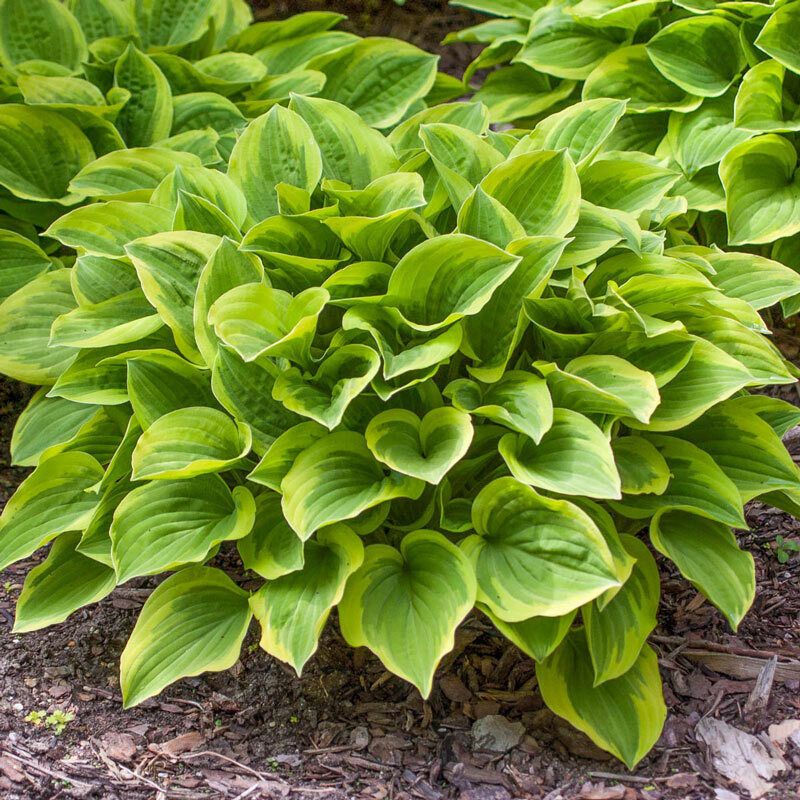
Shade gardeners, this one is for you. While most flowering plants pout without sun, hostas actually thrive in the dim corners where nothing else will grow, and they expand into bigger, showier mounds year after year.
A single small pot can balloon into a knee-high clump within a few seasons. Divide it once it gets crowded and suddenly you have free plants for the whole shady border, which is why gardeners jokingly call them the currency of the plant-swap world.
The main headache is deer, who treat hostas like a salad bar. Fencing, motion sprinklers, or repellent sprays can reduce the damage, though nothing works perfectly when hungry deer move in during a dry fall.
Slugs are the other nibbler, leaving ragged holes in the leaves. Setting out shallow beer traps or a ring of coarse grit often cuts their numbers.
Give hostas consistent moisture and steady shade, and they ask for little else. Choose blue, gold, or variegated varieties to build texture, and watch a boring dark corner turn into the calmest, leafiest part of your yard.
3. Daylily
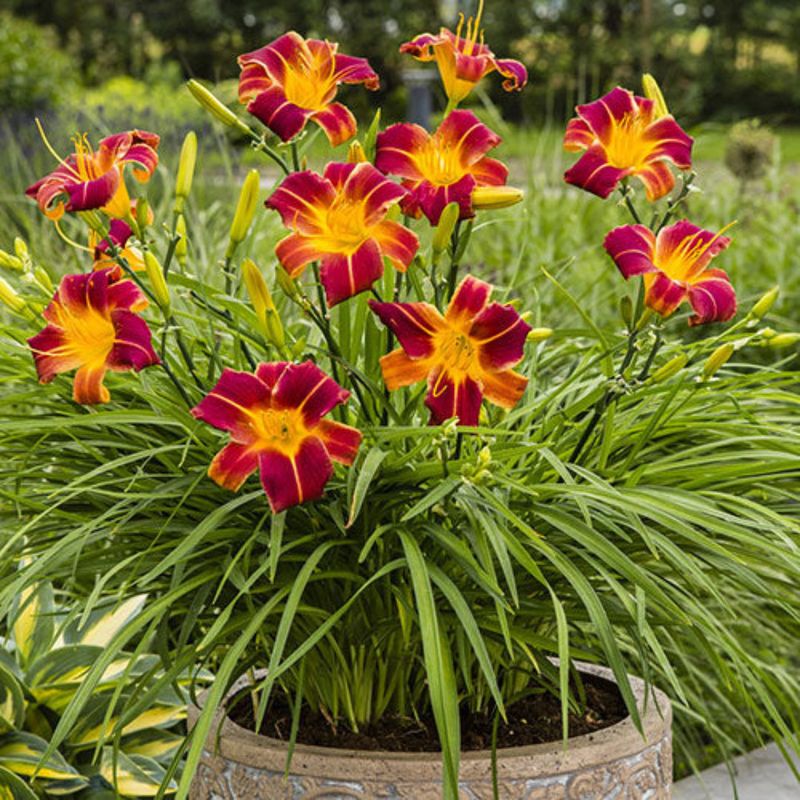
Nicknamed the perfect plant for people who kill plants, daylilies survive neglect that would flatten fussier flowers. Skip watering, forget to feed them, plant them in mediocre soil, and they still return stronger the next June.
Each individual bloom lasts just one day, hence the name, but a healthy clump pumps out dozens of buds so the color keeps rolling for weeks. As the roots multiply, next year brings even more flower stalks.
The most common complaint is a clump that stops blooming well. Usually it has simply gotten too crowded, so digging it up and splitting it every three or four years often revives the flower count.
Deer do browse daylilies, so a repellent spray during peak pressure can help reduce nibbling, though it is not foolproof.
They tolerate full sun to part shade and just about any soil that drains. Reblooming types like Stella d Oro flower on and off all summer instead of one big flush.
Line them along a driveway or a hard-to-mow slope and they will hold that ground cheerfully for years.
4. Russian Sage
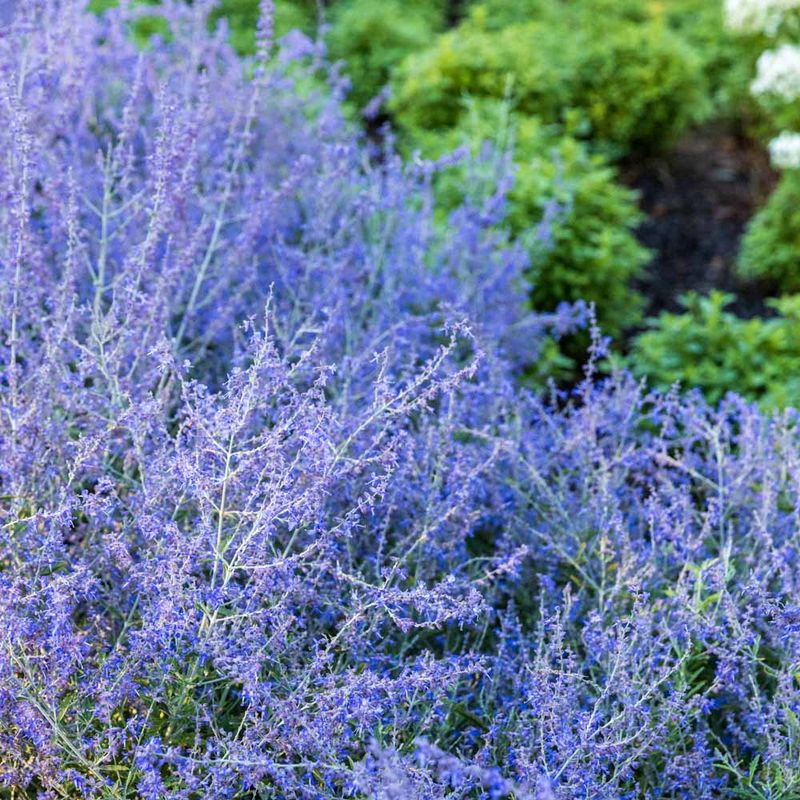
If your garden bakes in afternoon heat and you are tired of plants wilting by July, Russian sage is the airy silver-and-purple answer. Heat and drought barely register once it is established, and each summer the haze of lavender-blue flowers grows wider and fuller.
The silvery stems and tiny leaves give off a sagey scent when brushed, which happens to be a scent deer and rabbits usually avoid. That built-in defense can reduce browsing damage in yards where four-legged visitors treat everything else as dinner.
New gardeners sometimes think a floppy, splayed-open plant is failing. More often it was cut back too little or planted in too much shade, so a hard spring trim down to about six inches and a sunnier spot usually fix the flop.
Pollinators adore the blooms, so expect bees and butterflies drifting through the cloud of color from midsummer into fall.
Plant it in lean, well-drained soil and resist the urge to pamper it, since rich, soggy ground actually makes it weaker. Once settled, this is a plant that genuinely improves the drier, harder spots of a yard.
5. Coneflower
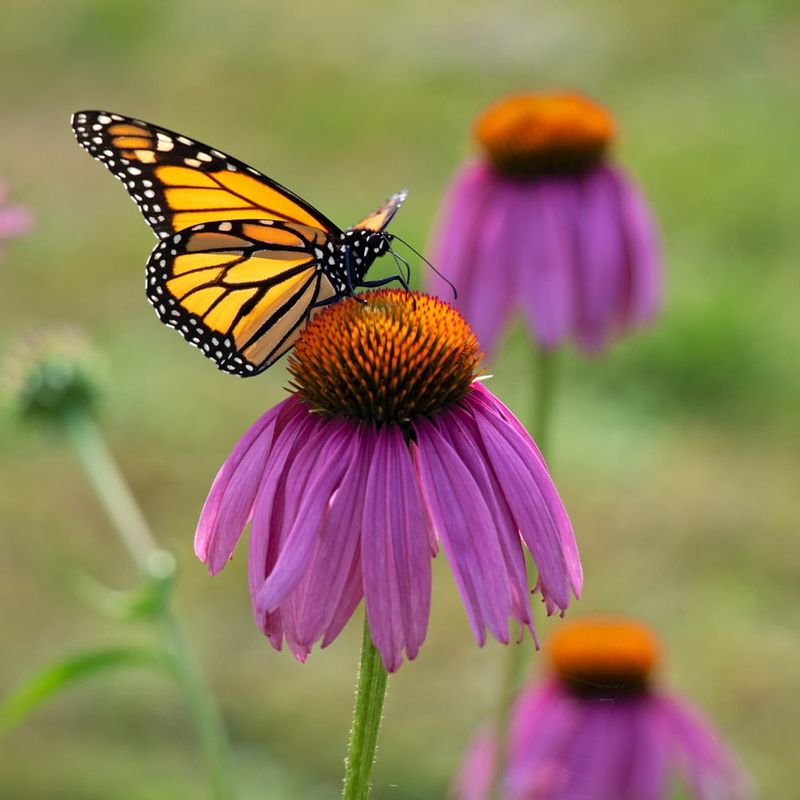
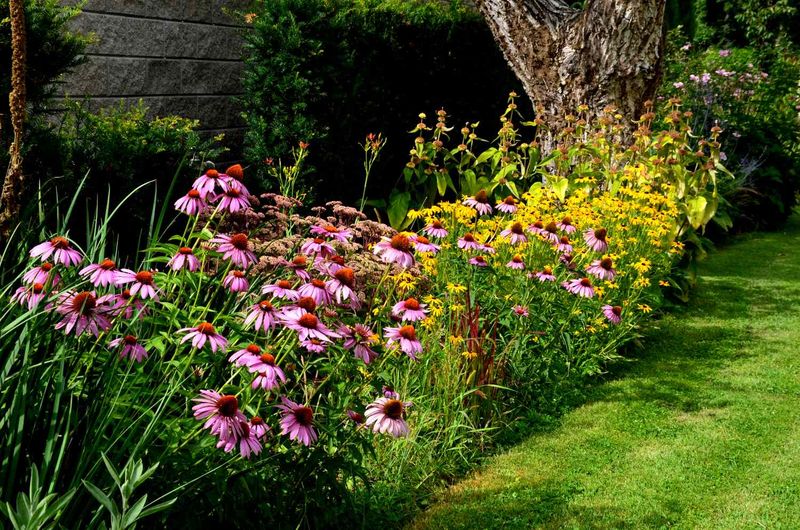
Prairie-tough and pollinator-famous, the purple coneflower earns its keep by getting sturdier and more floriferous each year while asking for practically nothing. Its deep taproot pulls water from far below, so summer heat waves that scorch shallow-rooted flowers leave it standing tall.
Butterflies and bees swarm the spiky orange centers all season, and if you leave the spent seed heads standing into winter, goldfinches show up to feast. That means one plant feeds your garden through three seasons.
A frequent worry is coneflowers that flop or grow leggy. The culprit is usually too much shade or overly rich soil, so moving them into full sun and easing off the fertilizer often firms them right up.
Aster yellows, a disease that turns flowers green and weird, can occasionally strike; removing and trashing affected plants helps limit its spread, though it cannot be cured.
Beyond the classic purple, breeders now offer orange, white, and coral shades that clump up just as reliably.
Native to the American plains, coneflowers were used medicinally by Indigenous peoples long before they became garden stars. Plant a few and let them naturalize into a low-care, wildlife-packed patch.
6. Ornamental Allium
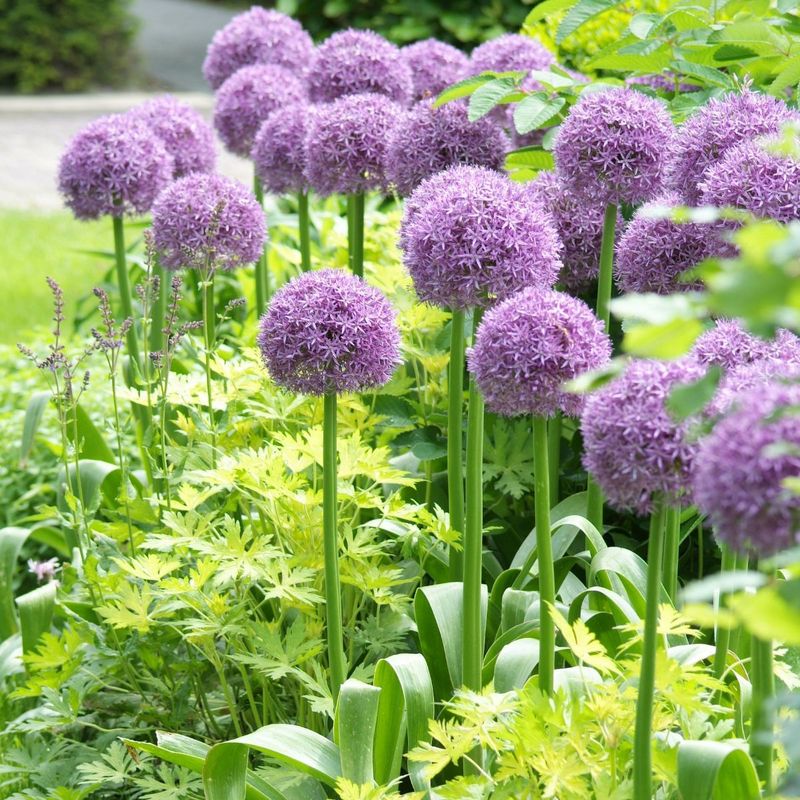
Picture purple globes the size of softballs floating above your garden in late spring, that is allium, and the bulbs quietly multiply underground so the display thickens season after season. Plant them once in fall and they surprise you every year.
Their secret weapon is the oniony scent running through every part of the plant. Deer, rabbits, and voles find it off-putting, so alliums often survive untouched in yards where tulips get devoured overnight, making them a smart choice for high-pressure gardens.
One thing that confuses beginners is the fading foliage. The strappy leaves yellow and flop right as the flowers peak, which looks messy but is completely normal, so tucking alliums behind leafy perennials hides the ugly stage.
The dried seed heads stay handsome long after the color fades, adding sculptural interest well into summer.
Give them full sun and well-drained soil, since bulbs sitting in soggy ground may rot over winter.
Fun bit, alliums are cousins of onions, garlic, and chives, which explains both the smell and the pest resistance. For a low-effort spring wow that also fends off nibblers, few bulbs pay off longer.
7. Hellebore
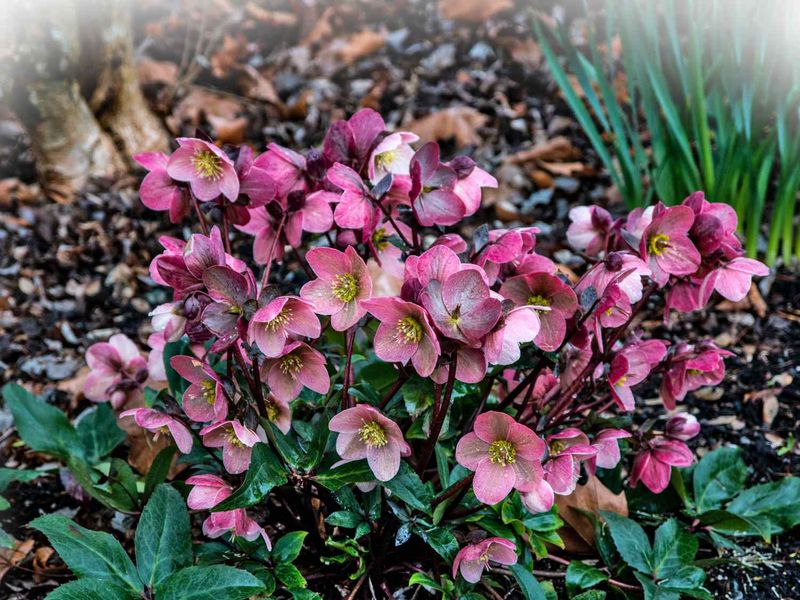
When the rest of the garden is still asleep under gray winter skies, hellebores are already blooming, nodding their leathery flowers through frost and even light snow. Few perennials give you color that early, and the clumps only widen and bloom harder as the years pass.
Gardeners often panic when the old foliage looks tattered by late winter. Snipping away those weathered leaves right before the flowers open tidies the plant instantly and lets the blooms shine.
Deer and rabbits leave them almost entirely alone because the leaves are bitter and mildly toxic, which is a genuine gift for shade gardens under constant browsing pressure.
They flourish in the same dappled shade that suits hostas, making the two natural partners. Rich soil and steady moisture keep them happiest, though established plants tolerate dry spells surprisingly well.
Once you have a few, they gently self-sow, dropping seedlings you can transplant around the yard for free.
Sometimes called the Lenten rose because it flowers around that season, the hellebore is proof that a garden can look alive in the middle of winter. Plant it in a spot you pass often so you catch the early show.
8. Sedum
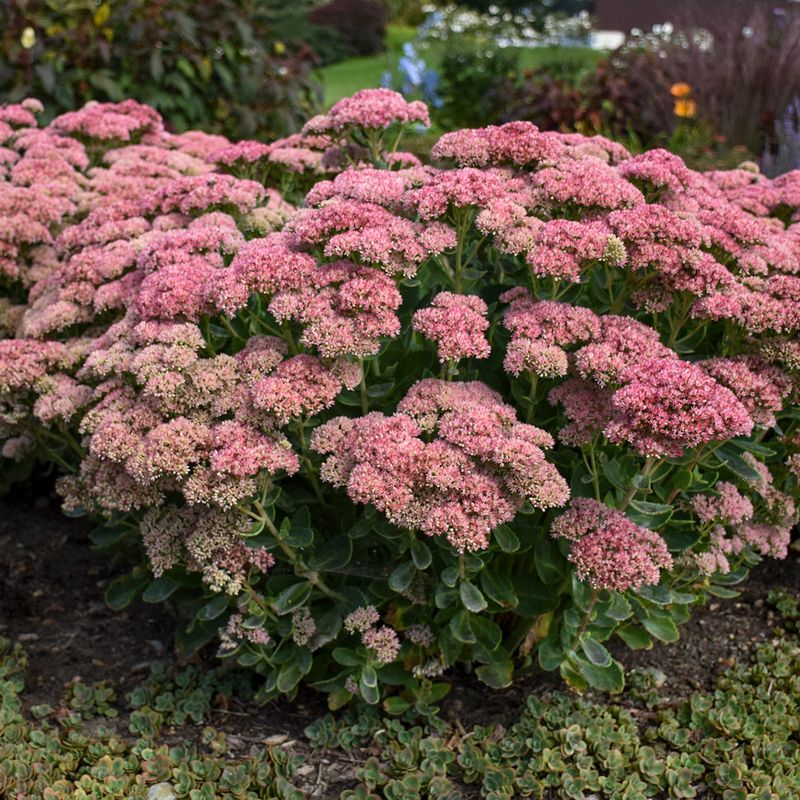
Chunky, succulent-leaved, and nearly impossible to kill, upright sedum like Autumn Joy is the plant for gardeners who forget to water. It stores moisture in its fleshy leaves, so drought that flattens everything else barely fazes it, and the clumps thicken noticeably each year.
The show peaks late, when broccoli-like flower heads shift from pale green to dusty rose to deep rust just as fall arrives and the pollinators need one last meal. Bees and butterflies cover it in a warm afternoon.
Flopping open in the middle is the classic complaint. Too much water or rich soil makes the stems weak, so easing off irrigation, or giving plants a light early-summer trim, often keeps them upright and full.
Rot from soggy feet is the only real threat, meaning good drainage matters more than any fertilizer.
Leave the faded flower heads standing through winter and they catch frost beautifully, adding structure to a bare garden.
Best of all, a broken-off stem shoved into soil usually roots on its own, so one plant quietly becomes many. For hot, neglected, sun-baked spots, sedum just keeps getting better.