
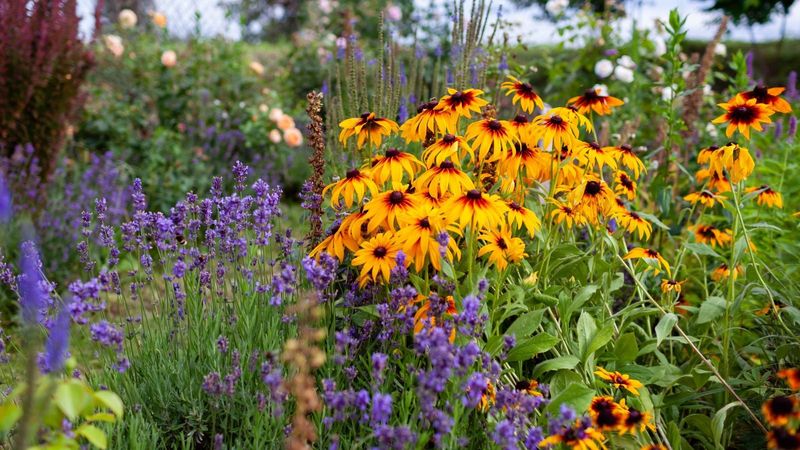
If your favorite flowers seem to quit blooming halfway through summer, the problem might not be your soil or the weather. Many perennials stop making flowers the moment they start making seeds, and those spent, faded blooms are the signal that tells them to shut down. Snipping off dead flowers, called deadheading, tricks the plant into trying again, which can stretch its bloom time way longer. Here are 16 perennials that reward you for a few minutes of clipping, plus a peek at what actually goes wrong the year you forget.
1. Coreopsis (Tickseed)
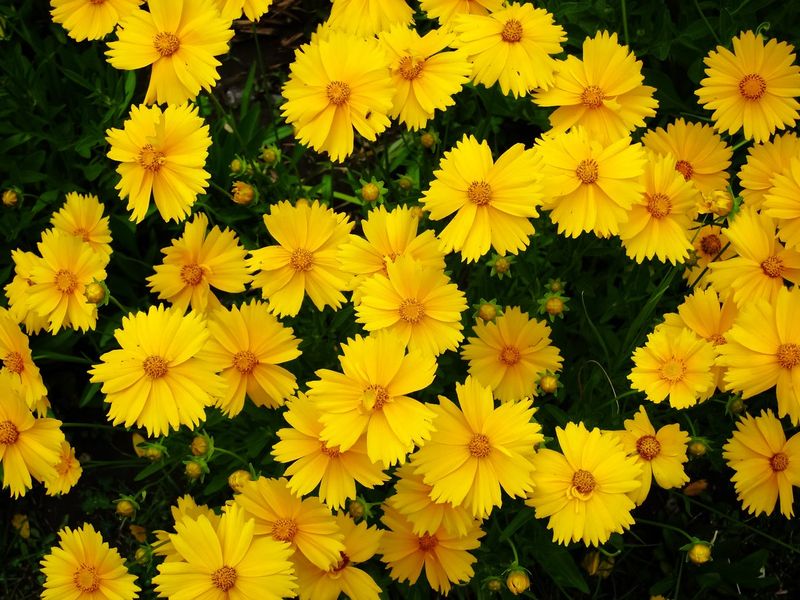
Few plants sulk as visibly as coreopsis when its daisy-like blooms fade to brown. Left alone, the whole clump can look tired and scraggly by midsummer, with more seed heads than flowers.
Snip the spent blooms back to a leaf or bud and the plant often pushes out fresh waves for weeks longer, sometimes straight into fall. A light shearing across the whole clump works when there are too many to pinch one at a time.
Skip deadheading and you tend to get one strong early flush, then a long, dull stretch where the plant pours its energy into seeds instead of petals. It rarely dies, but the show stops early.
Fun fact: the name tickseed comes from the tiny seeds that look like ticks clinging to fur. Those seeds are exactly what your plant wants to make, which is why cutting them off keeps blooms coming.
Threadleaf types respond especially well to a mid-season haircut, bouncing back tidy and covered in buds. A little cleanup here goes a surprisingly long way.
2. Salvia (Perennial Sage)
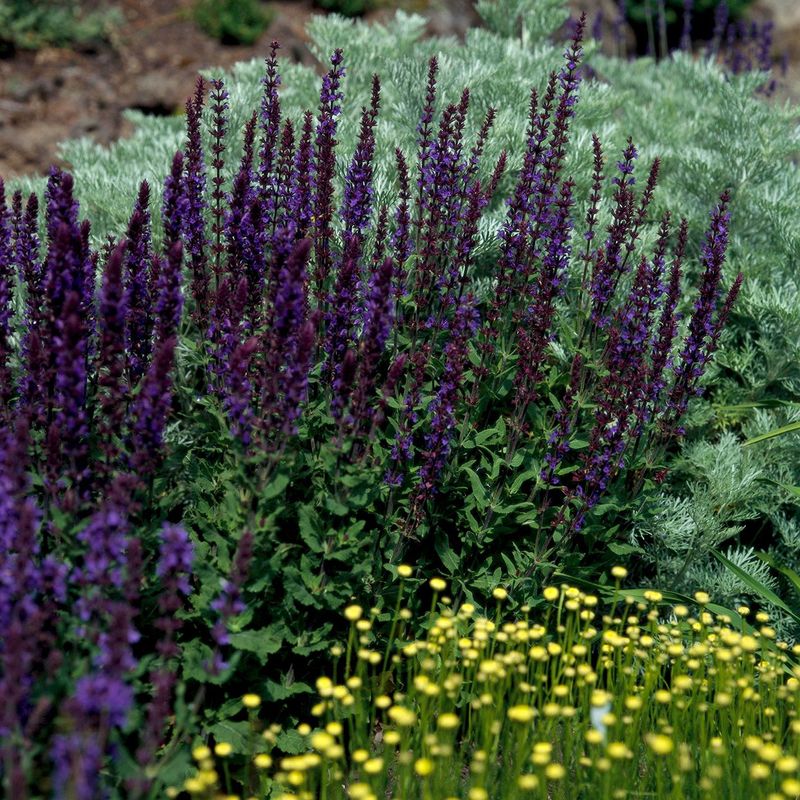
Those tall purple-blue flower spikes on salvia look amazing in June, then flop into brown stubs that just sit there taking up space. Many gardeners assume the plant is done for the season and leave it be.
Cut those finished spikes down to a fresh set of leaves and salvia frequently sends up a second and even third round of spikes. The rebloom may be shorter than the first, but it keeps the color going for months.
Ignore the spent stalks and the plant often stalls out, standing there woody and bloomless while it ripens seed. You lose the very thing you planted it for.
Bees and hummingbirds crowd salvia, so more blooms means more visitors buzzing through your yard. That alone makes the quick trim worth it.
A whole-plant shearing after the first flush can look drastic, but new growth usually fills in fast. Give it water afterward and expect fresh spikes within a few weeks.
3. Shasta Daisy
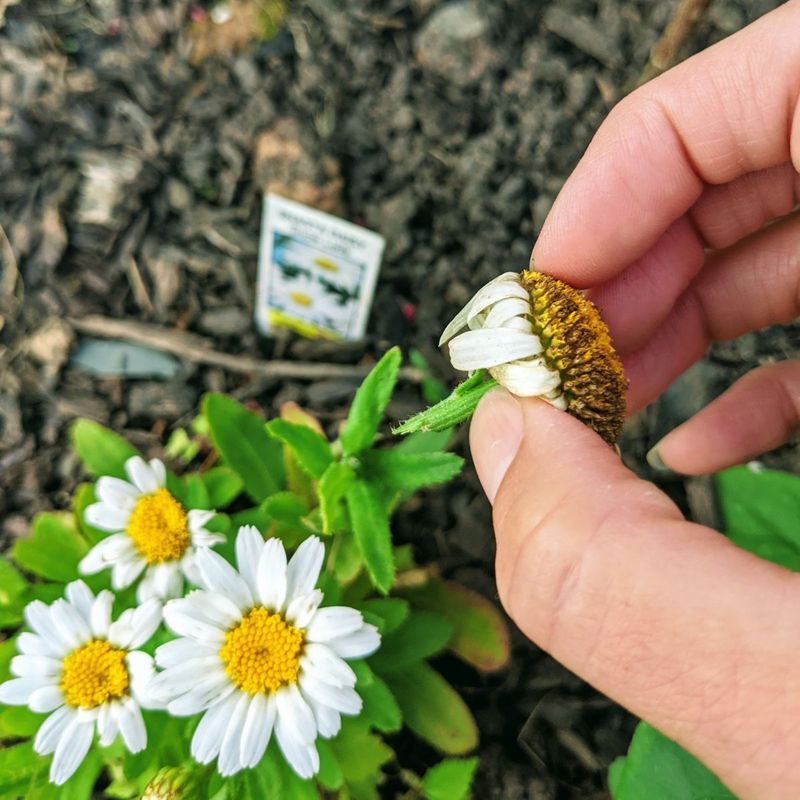
Classic white petals around a sunny yellow center make the Shasta daisy a summer staple, but it fades fast once flowers start browning. A clump full of dead centers looks messy long before the season is over.
Removing each spent bloom down to the next bud can double how long the plant keeps flowering, often carrying it well into late summer. The plant reads the missing seed heads as a reason to try again.
Leave the old flowers on and you usually get a single burst followed by a plant that looks worn out and goes to seed. It survives, but it stops earning its spot in the border.
Snapping off deadheads with your fingers works fine for a few plants, while pruners speed things up on a big stand. Either way, the effort is small.
Because Shasta daisies reseed easily, skipping deadheading can also mean surprise seedlings popping up where you never planned them, which some gardeners love and others quietly regret.
4. Bee Balm (Monarda)
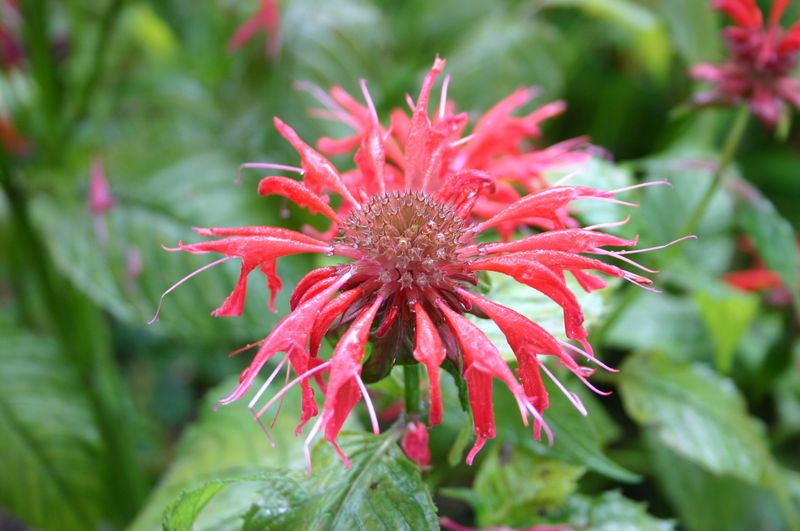
Shaggy, firework-shaped blooms make bee balm a magnet for hummingbirds, yet those flowers turn into dark, crusty seed heads almost overnight. A neglected clump can look burnt out by August.
Trim the faded blooms back to a leaf joint and side shoots often respond with a fresh batch of flowers, extending the display well past its usual window. The plant keeps the party going instead of packing up.
Let the old flowers stand and you may notice fewer blooms plus a higher chance of powdery mildew settling into the tired, crowded growth. Skipping the trim can leave you with a plant that looks and performs worse.
Good airflow matters here, so thinning and deadheading together can reduce mildew problems that plague this plant in humid US summers.
Native to North America, bee balm was once brewed into a tea by Indigenous peoples, which is where the nickname Oswego tea comes from. Clip it often and you keep both the blooms and the pollinators happy.
5. Blanket Flower (Gaillardia)
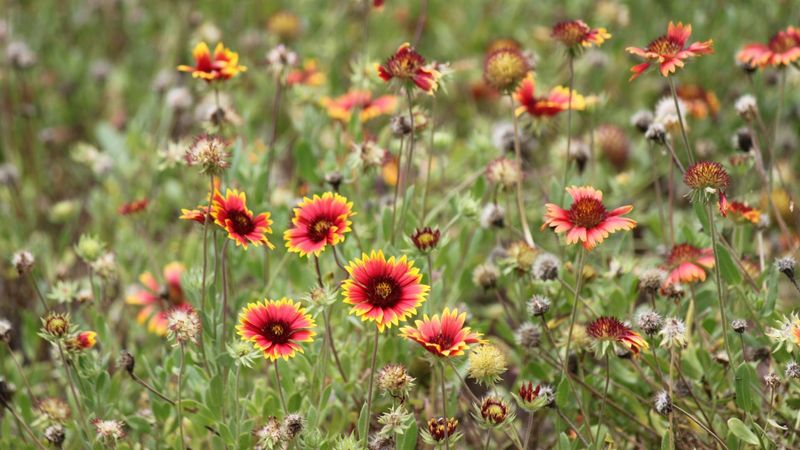
Fiery red-and-yellow pinwheels give blanket flower its cheerful, prairie-sunset look, but the show fizzles when spent blooms take over. By high summer an untended plant can look more brown than bright.
Pinch off the faded flowers just above the next bud and gaillardia keeps cranking out color right up until frost in many regions. Deadheading is honestly the difference between a few weeks and a whole season of blooms.
Neglect it and the plant tends to bloom hard, set seed, and then coast, giving you a short-lived splash instead of the marathon it is capable of. It rarely quits entirely, but the flower count drops off fast.
Heat and drought barely faze this tough plant, which makes the wilting excuse hard to lean on when blooms slow. The usual culprit is unsnipped seed heads, not stress.
Leaving a few late seed heads in fall can feed goldfinches, so a friendly compromise is deadheading all summer and easing off once cooler weather arrives.
6. Coneflower (Echinacea)
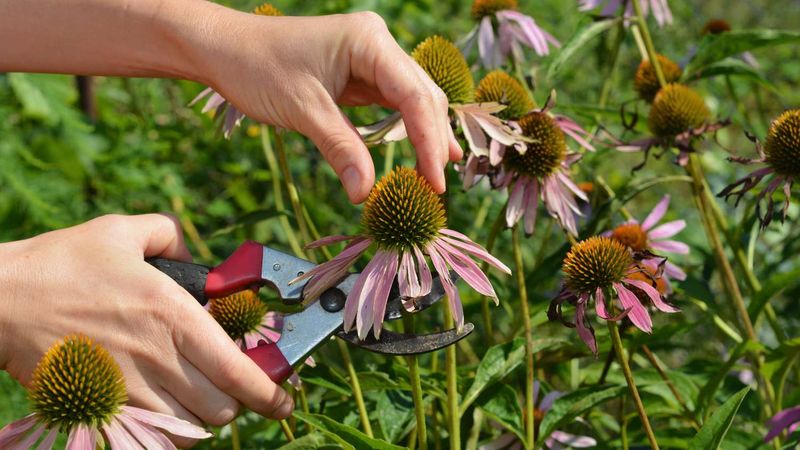
Sturdy pink-purple petals drooping around a spiky orange cone make coneflower instantly recognizable, and it happens to be one of the toughest bloomers on this list. Even so, spent flowers slow the parade.
Cut faded blooms back to a lower bud or leaf and the plant often keeps producing new flowers for weeks, stretching a good display into a great one. Fresh buds appear where you least expect them.
Leave everything standing and coneflower shifts into seed mode, giving you fewer new blooms as the cones fill out and dry. The plant stays alive and even looks architectural, just far less floral.
Here is the twist worth knowing: those dried seed cones are a favorite winter food for goldfinches, so many gardeners deadhead through summer and then stop in fall on purpose.
That friend-or-foe balance is real. If bird traffic matters more to you than a few extra September blooms, leaving the last round of cones can be a smart, wildlife-friendly choice rather than a mistake.
7. Yarrow (Achillea)
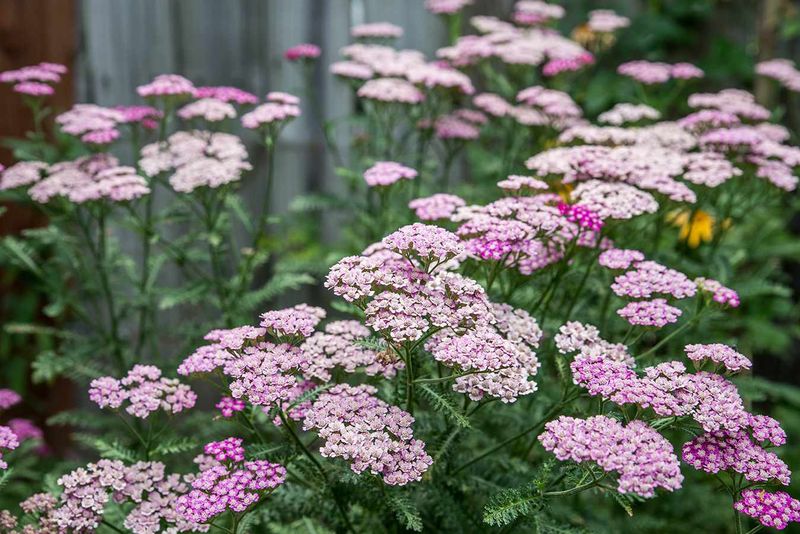
Flat-topped clusters of tiny flowers give yarrow a lacy, ferny charm that fits both wild and tidy gardens. Once those clusters fade to tan, though, the plant can look dusty and past its prime.
Snip the finished flower heads down to a fresh set of side buds and yarrow commonly rebloom, especially when you catch it early. A whole-clump shearing after the main flush can trigger a strong second showing.
Skip the chore and the plant often flops open in the middle, sends up fewer new blooms, and spreads seed you may not want. It gets floppy and thin rather than sick.
Cutting yarrow also happens to be handy because the blooms dry beautifully for indoor arrangements, so deadheading can pull double duty. Waste nothing.
Legend links this plant to the Greek hero Achilles, who supposedly used it to treat soldiers wounds, which is where the name Achillea comes from. Clip it regularly and you get more of those long-lasting, bug-friendly flowers.
8. Delphinium
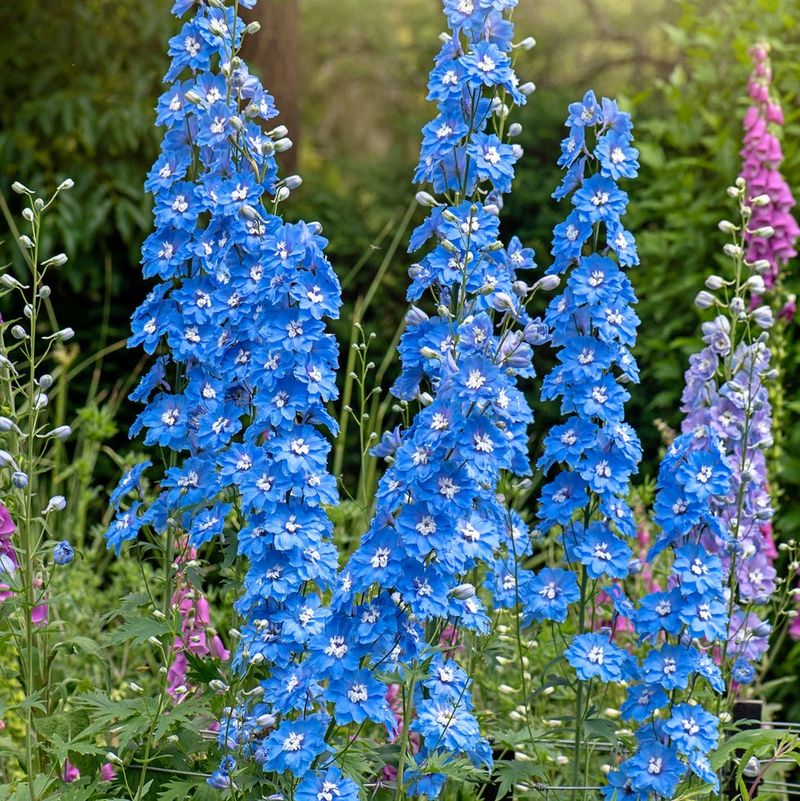
Towering spires of blue that seem almost too vivid to be real make delphinium the drama queen of the cottage border. Those spectacular spikes also fade fast, leaving bare, seedy stalks behind.
Cut a finished spike all the way down to the base foliage and delphinium can push up a second, smaller flush later in the season. The trick is removing the whole spent stem, not just the top.
Leave those stalks standing and the plant pours everything into seed, usually skipping the encore entirely and looking gawky in the meantime. You trade a possible second show for a handful of seeds.
Feed and water after cutting back, because delphinium is a hungry plant and needs fuel to rebloom. A little support against wind helps too, since those tall spikes topple easily.
Every part of this plant is toxic if eaten, which is worth remembering around curious pets and small children. Handle the trimmings with gloves and enjoy the payoff, which can be one of the most jaw-dropping second acts in the garden.
9. Phlox (Garden Phlox)
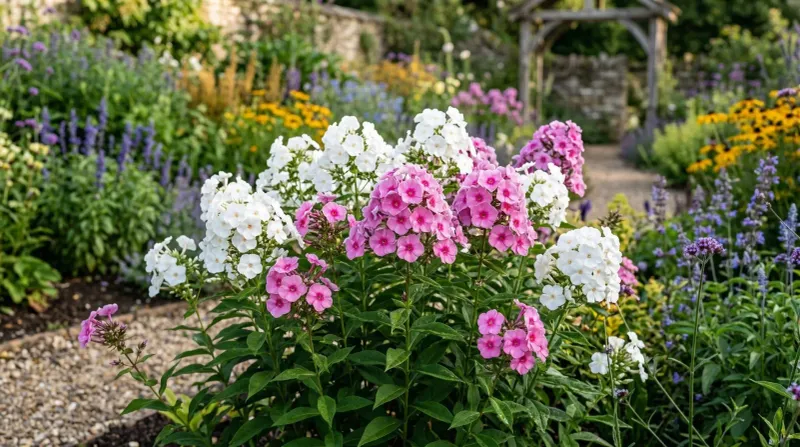
Sweet-scented clusters of pink, white, or purple make tall garden phlox a fragrant highlight of late summer, until the flower heads brown and stall. A crowded clump of spent blooms invites trouble.
Remove faded flower heads down to a set of side buds and phlox often produces smaller follow-up blooms, keeping the color and scent going longer. Deadheading also cuts down on the volunteer seedlings that can crowd out the original plant.
Leave it alone and you risk two problems: reduced blooming and a swarm of self-sown seedlings that rarely match the parent flower color. Those seedlings can slowly take over.
Powdery mildew loves phlox in humid climates, so pairing deadheading with good spacing and airflow can reduce those telltale white patches on the leaves.
Because the reverted seedlings usually turn out a muddy magenta, gardeners who skip deadheading sometimes wonder why their prized white phlox slowly changed color. It did not change; it was quietly replaced by its own offspring.
10. Catmint (Nepeta)
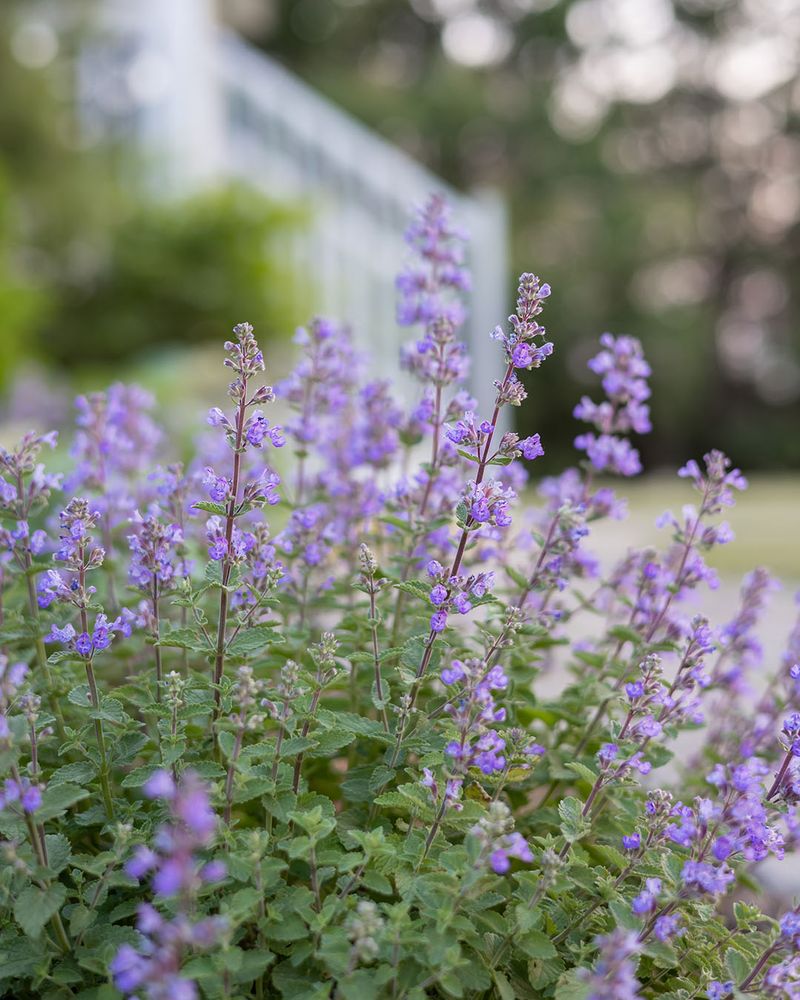
Clouds of small lavender-blue flowers over silvery foliage make catmint one of the easiest, most forgiving perennials around. It still hits a slump when the first big flush winds down and the plant sprawls open.
Shear the whole plant back by about a third after that first bloom and catmint bounces back tidy, mounded, and covered in fresh flowers within weeks. Few plants respond to a haircut this dramatically.
Leave it unpruned and you get a floppy, splayed-open plant with a hollow middle and only scattered late blooms. It looks tired well before it needs to.
Cats really do find this plant irresistible, so do not be surprised if the neighborhood felines flop right into your freshly sheared clump. Consider it a bonus feature.
Pollinators adore the long bloom too, so a mid-season trim keeps the bees busy and your border neat at the same time. This is honestly one of the highest-reward, lowest-effort trims in the whole garden.
11. Daylily (Reblooming Types)
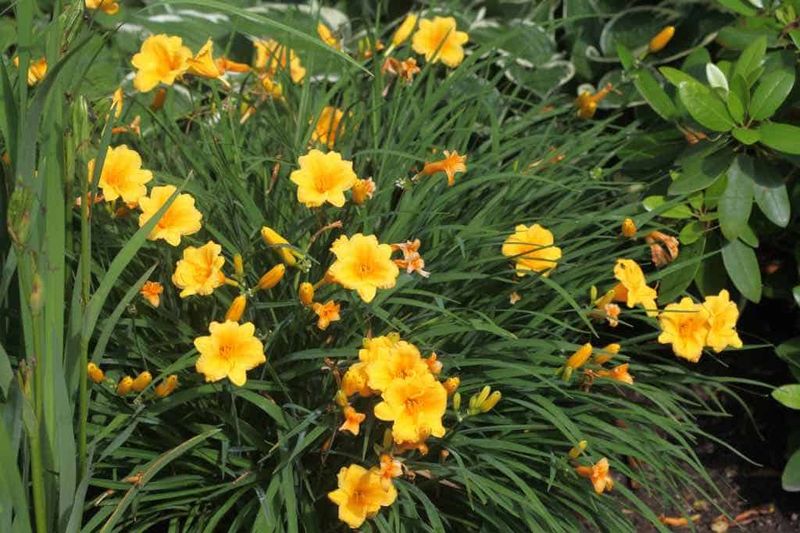
Each daylily bloom lasts a single day, which means spent flowers pile up fast and turn to slimy mush on the stems if left alone. A neglected clump can look genuinely gross by afternoon.
Pinch off the faded blooms daily and remove the whole flower stalk once it is done, and reblooming varieties like Stella de Oro often flower again and again through the season. Deadheading keeps the plant from wasting energy on seed pods.
Let those pods form and reblooming types tend to slow down or stop, since the plant thinks its job is finished. You get a shorter season and a messier plant.
The mushy spent blooms can also stick to fresh buds and cause spotting, so a quick daily pinch keeps everything looking clean. It becomes a pleasant little ritual.
Not every daylily reblooms, so choose repeat-flowering cultivars if a long season is your goal. With the right variety and steady deadheading, you can keep color coming from early summer into fall.
12. Blackeyed Susan (Rudbeckia)
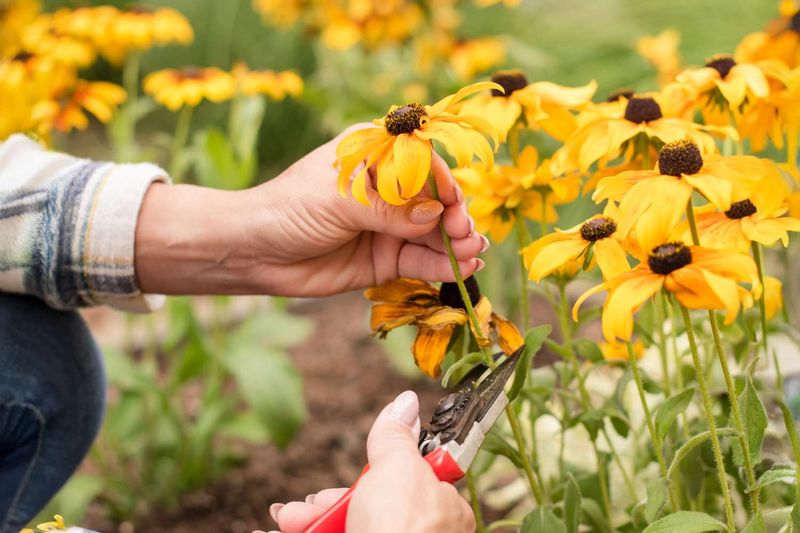
Golden petals circling a dark brown center make blackeyed Susan the picture of late-summer cheer, and it blooms hard for weeks. Even a champion like this slows once seed heads start dominating.
Cut faded flowers back to a bud or leaf and the plant keeps sending up fresh blooms, pushing the display later into the season. Regular clipping also keeps the clump looking crisp instead of shabby.
Leave the spent flowers on and you get earlier seed set, fewer new blooms, and a plant that starts leaning toward its fall wind-down sooner than it has to. The color show fades before it should.
Those dark seed heads feed goldfinches and other birds in fall, so a smart plan is deadheading through summer and leaving the final round standing for wildlife.
Rudbeckia self-sows enthusiastically, so if you never deadhead, expect a spreading colony of seedlings next spring. Whether that feels like a gift or a chore depends entirely on how much space you want it to claim.
13. Geranium (Hardy Cranesbill)
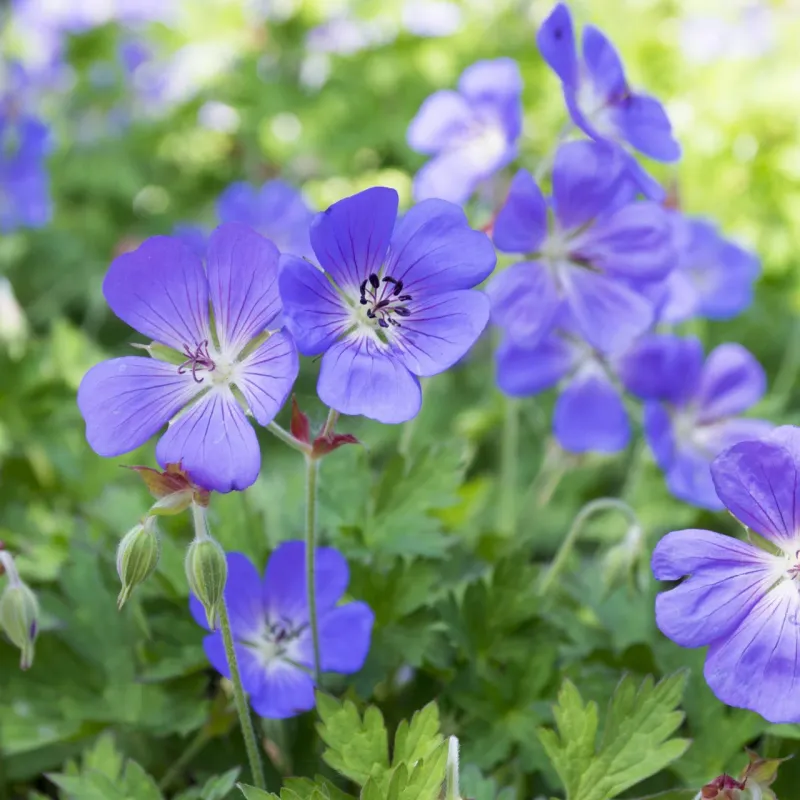
Delicate saucer-shaped flowers scattered over mounding foliage give hardy geranium a soft, cottage feel, and it hides a neat trick. When the first flush fades, the whole plant can look leggy and spent.
Shear the entire plant back hard, sometimes nearly to the ground, and hardy geranium regrows fresh foliage and a whole new round of flowers within a few weeks. It is one of the most satisfying comebacks in the border.
Skip that cutback and you get a sprawling, tired mound with sparse late flowers and a floppy, open center. The plant lingers but stops pulling its weight.
Do not confuse this true perennial geranium with the annual bedding geraniums, called pelargoniums, sold in spring pots; the hardy type comes back year after year.
The nickname cranesbill comes from the long, beak-shaped seed pods that form after flowering, which look just like a crane bill. Cut them off before they ripen and you nudge the plant toward blooming again instead of setting seed.
14. Veronica (Speedwell)
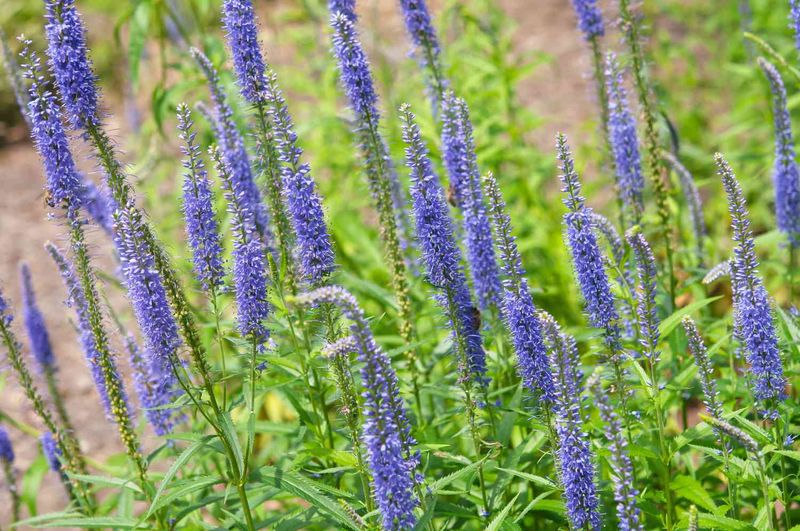
Slim upright spikes packed with tiny blue, pink, or white flowers give veronica a vertical punch that plays nicely with rounder blooms. Those spikes fade from the bottom up, leaving a tatty look if ignored.
Snip each finished spike back to a set of side shoots and veronica frequently rewards you with a fresh crop of smaller spikes, extending bloom time by weeks. Catching them early keeps the plant looking sharp.
Leave the old spikes standing and the plant tends to slow its flowering and put energy into seed, giving you a shorter, less colorful season. It stays healthy but goes quiet.
Bees and butterflies work these spikes constantly, so more blooms means a livelier patch of garden. That steady buzz is part of the appeal.
Some spreading, groundcover types of speedwell bloom heavily in one spring burst and benefit from a light overall trim afterward, while the upright kinds respond best to spike-by-spike deadheading. Match your method to the type for the best repeat show.
15. Lupine
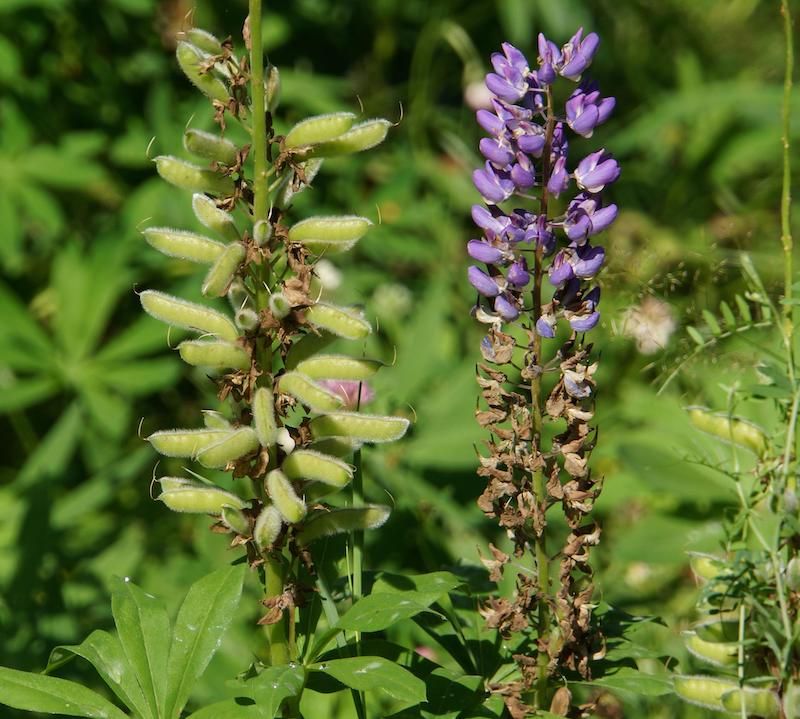
Bold, cone-shaped towers of stacked pea-like flowers make lupine look like something out of a fairy tale, blooming in blues, pinks, purples, and yellows. The magic fades quickly once the spikes turn to fuzzy seed pods.
Cut a spent flower spike down to the base and lupine will sometimes produce a second, smaller round of blooms later in the season. Removing the spikes before pods form is the key to that encore.
Leave those pods to develop and the plant almost always skips the rebloom, dumping its energy into making seeds instead. You trade a possible second act for a scatter of volunteers.
Speaking of volunteers, unclipped lupine self-sows readily, and the seedlings often revert to plain blue or purple rather than the fancy colors you planted. Deadheading keeps your chosen shades in charge.
These plants also fix nitrogen in the soil through their roots, quietly improving the ground around them. Clip the spent spikes, feed lightly, and you may be rewarded with a fresh flush plus healthier soil.
16. Perennial Geum (Avens)
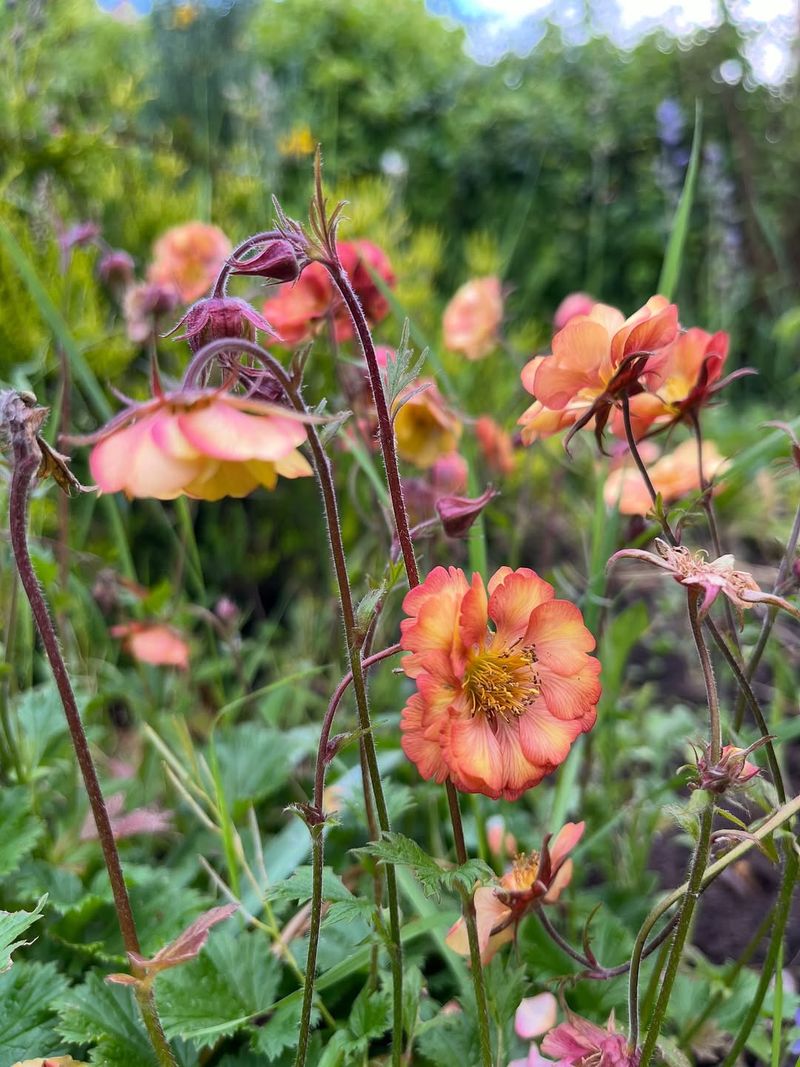
Cheerful little cups of orange, red, or yellow bobbing on wiry stems give geum a playful, dancing quality above tidy rosettes of leaves. The dancing stops when spent blooms and fuzzy seed heads take over.
Snip off the faded flowers and their stems regularly and geum often keeps producing new blooms in flushes rather than one short burst. Some modern varieties are bred to rebloom heavily when you keep them clipped.
Leave the old flowers on and the plant tends to bloom once, form its distinctive whiskery seed heads, and then coast for the rest of the season. It does not fail, it just clocks out early.
Because geum sits fairly low, it works beautifully at the front of a border where its long season really shows off, making the deadheading effort extra worthwhile there.
A tidy tip: cutting the flower stems right down to the leafy base keeps the plant looking neat, since half-cut stems can stand there looking awkward. Keep after it and this cheerful little plant can stay in flower for months.