
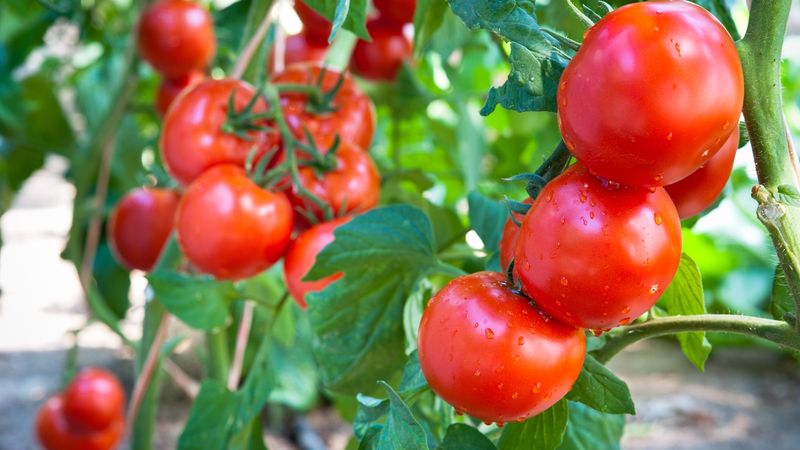
If your tomato plants look tired, pale, or stubbornly refuse to set fruit, the fix might already be sitting in your kitchen or garden shed. You do not need a shelf full of fancy fertilizers to grow heavy, healthy fruit. Sometimes a single, simple ingredient can nudge struggling plants back on track and push them toward a bigger harvest. Here are 17 easy feeds that keep things simple and let you spot what is actually working.
1. Crushed Eggshells
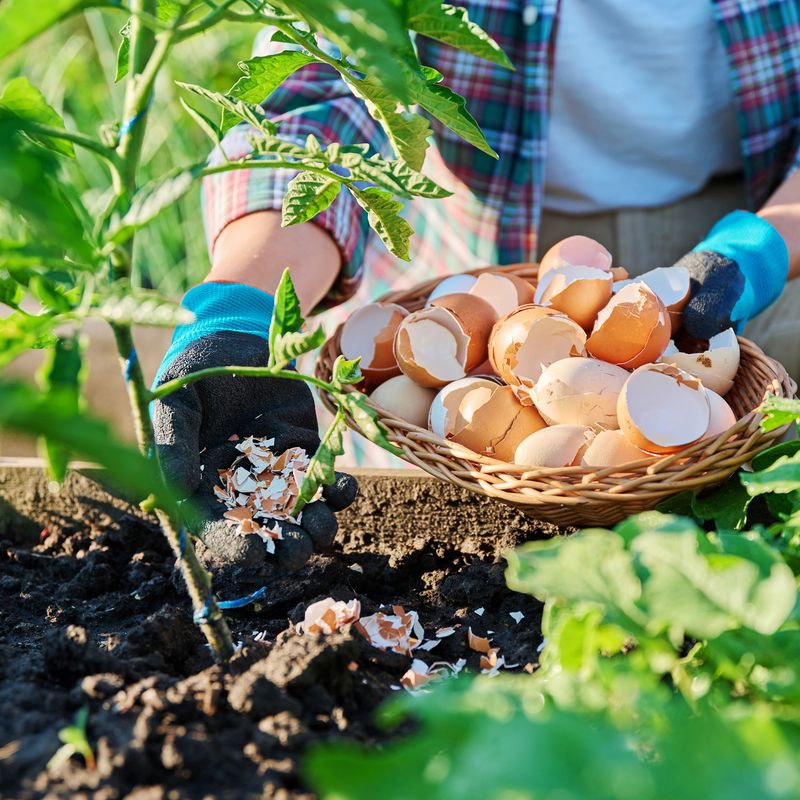
Ever notice a brown, sunken patch on the bottom of your tomatoes? That ugly spot is blossom end rot, and it usually points to a calcium shortage in the fruit. Crushed eggshells are a slow, steady way to add calcium back into your soil.
Rinse your shells, let them dry, then grind them into a coarse powder using a blender or a rolling pin. Work a small handful into the planting hole, or scatter the powder around the base of established plants and lightly scratch it in.
Because eggshells break down gradually, they will not fix a severe deficiency overnight, but over a season they can reduce the odds of that rot returning. Consistent watering matters too, since even calcium-rich soil cannot move the mineral into fruit when plants dry out and rehydrate wildly.
A quirky bonus: the sharp edges of coarsely crushed shells may also discourage soft-bodied pests like slugs from crawling across them to reach your stems. It is a tidy way to recycle breakfast scraps while quietly strengthening next season’s crop.
2. Epsom Salt
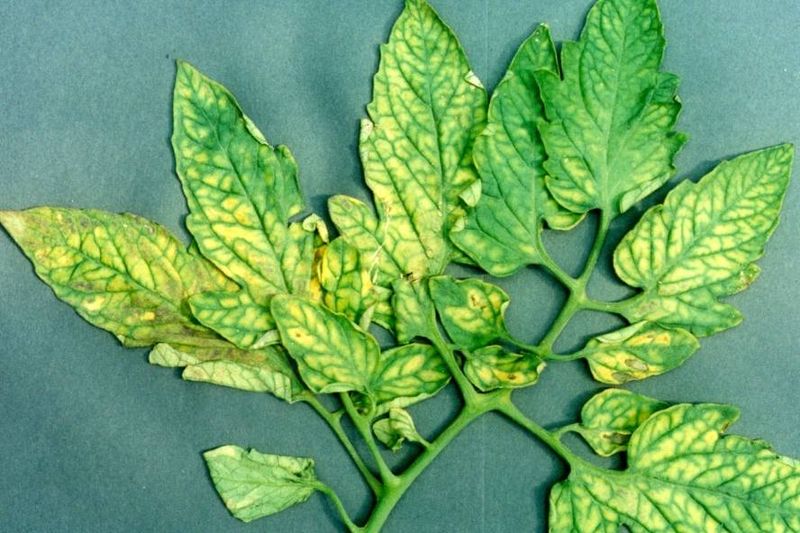
Yellowing leaves with stubbornly green veins can make a tomato grower panic, and often the culprit is a lack of magnesium. Epsom salt, which is simply magnesium sulfate, can help green things back up when that is the real problem.
Dissolve about one tablespoon in a gallon of water and pour it around the root zone, or mist it onto the leaves for faster uptake. A monthly application is plenty for most plants during the growing season.
A word of caution keeps this honest: Epsom salt only helps when magnesium is genuinely short. Dumping it on healthy soil will not boost your harvest and can throw off the balance of other nutrients over time.
Many gardeners swear it improves fruit sweetness and overall vigor, and while results vary, the magnesium boost can support stronger chlorophyll production. Think of it as a targeted pick-me-up rather than an all-purpose miracle. If your leaves show that telltale yellowing pattern between the veins, this cheap pantry staple is worth a careful try before reaching for anything stronger.
3. Used Coffee Grounds
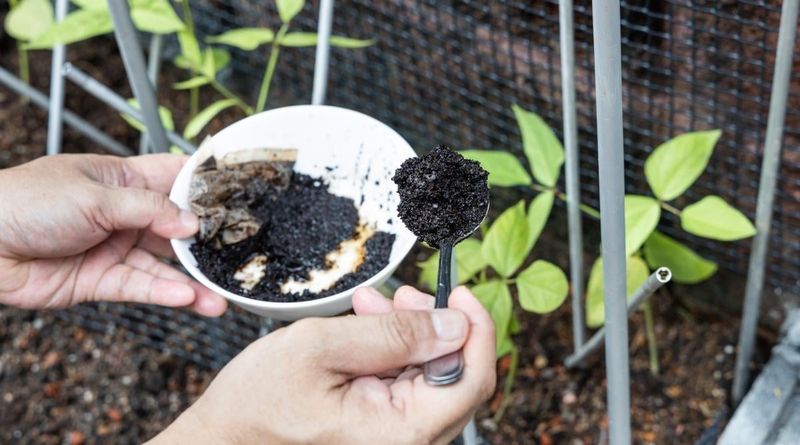
That soggy filter you toss every morning holds a mild dose of nitrogen your tomatoes would happily use. Used coffee grounds deliver a gentle nutrient trickle plus a bit of organic matter that helps soil hold moisture.
Sprinkle them thinly around the base of plants and mix them into the top inch of soil, or better yet, add them to your compost pile first. A thick, wet layer can mat and repel water, so spread them out rather than piling them up.
Contrary to popular belief, brewed grounds are close to pH neutral, so they will not dramatically acidify your soil the way whole beans might. What they will do is feed earthworms, whose tunneling improves drainage and root access to air.
Fun tidbit: many coffee shops give away spent grounds by the bag for free, so this feed costs nothing but a quick ask. Because the nitrogen releases slowly, coffee grounds shine as a background supplement during the leafy growth phase rather than a fast fix for a hungry, pale plant that needs quicker action.
4. Banana Peels
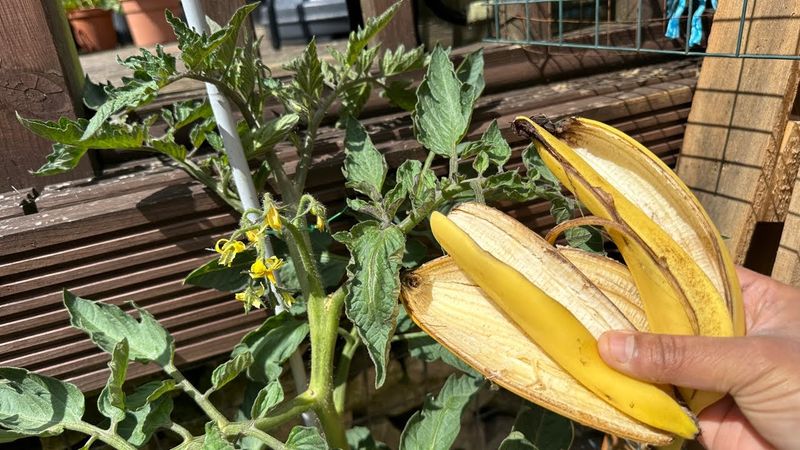
Right when tomatoes start flowering and fruiting, they crave potassium, and banana peels are loaded with it. Instead of trashing that peel, you can turn it into a slow-release snack for your plants.
Chop peels into small pieces and bury them a few inches deep near the roots, where they will break down and feed the plant over several weeks. Some gardeners soak peels in water for a day or two and use the strained liquid as a light drench.
Potassium supports flower formation, fruit development, and overall disease resistance, so a steady supply during the second half of the season can pay off at harvest. Chopped peels decompose much faster than whole ones, so a little prep speeds up the benefit.
Here is a homey trick worth remembering: dry your peels on a windowsill, then crush them into flakes you can store and sprinkle whenever you plant. It keeps the potassium handy without the mush. While no peel guarantees a bumper crop, giving fruiting plants this potassium nudge often improves how many blossoms actually set.
5. Wood Ash
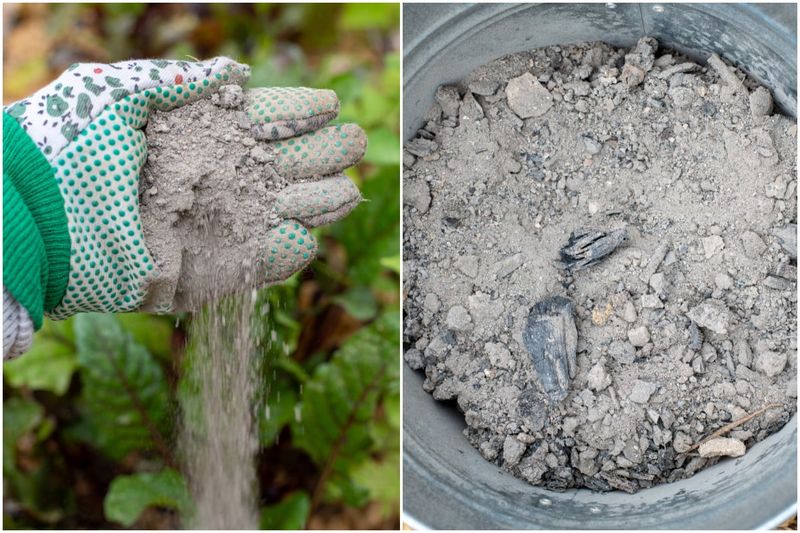
Leftover ash from a wood stove or fire pit is not garbage, it is a potassium and calcium source hiding in plain sight. A light dusting can perk up tomatoes that need a mineral boost, especially in soils that lean acidic.
Scatter a thin layer around plants and rake it into the top of the soil, using no more than a small handful per plant. Because ash raises pH, go easy and skip it entirely if your soil already tests alkaline.
Only use ash from clean, untreated wood, never from painted lumber, charcoal briquettes, or anything with chemical additives, since those can introduce contaminants you do not want near food. Store it dry, because rain quickly leaches out the nutrients you are after.
Old-timers spread ash around garden beds long before bagged fertilizers existed, and the practice can still reduce the chance of blossom end rot when calcium runs low. Used sparingly and thoughtfully, wood ash offers a genuinely free way to return minerals to your tomato patch while cleaning out the hearth at the same time.
6. Fish Emulsion
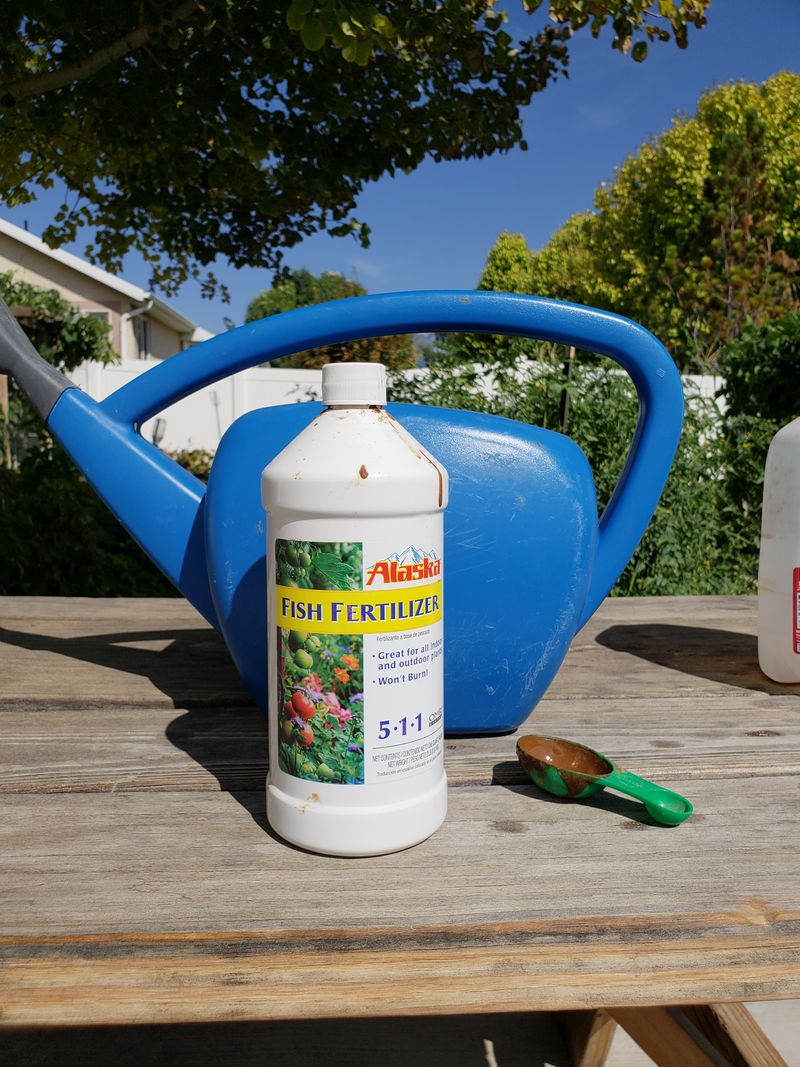
The smell is unforgettable, but fish emulsion earns its place because it delivers fast, balanced nutrition that plants drink up quickly. When your tomatoes look pale and stalled in early growth, this is one of the speediest single-ingredient rescues around.
Made from broken-down fish, it carries a good hit of nitrogen along with trace minerals. Dilute it according to the label, usually a few tablespoons per gallon of water, and pour it around the roots every couple of weeks during active growth.
Because the nutrients are already in a form roots absorb easily, you often see greener, perkier foliage within days rather than weeks. That quick response makes it handy when seedlings need a jump start after transplanting.
One honest heads-up: the odor can attract cats, raccoons, and curious dogs, so water it in well and avoid leaving puddles. The scent usually fades within a day once it soaks in. If you can look past the fishy aroma, this concentrated feed gives struggling young plants a reliable, gentle push toward vigorous, productive growth.
7. Compost

If there is one feed that does a bit of everything, it is finished compost, the dark crumbly stuff that smells like a forest floor. It is technically many things broken down into one, but as a single amendment it quietly covers most of what tomatoes need.
Spread a one to two inch layer around your plants as a top dressing, keeping it slightly away from the stem to avoid rot. As you water, nutrients seep down to the roots while the material improves soil structure.
Compost feeds slowly and steadily, releasing nitrogen, phosphorus, potassium, and micronutrients as soil microbes do their work. That gentle timing rarely burns plants, which makes it forgiving for beginners who worry about overdoing it.
Beyond feeding, it boosts the soil’s ability to hold water, which can reduce the stress swings that trigger cracked fruit and blossom end rot. A trowel of homemade compost mixed into each planting hole gives roots a friendly welcome. It is the closest thing to a set-and-forget foundation, and building a pile means free food for every future season.
8. Blood Meal
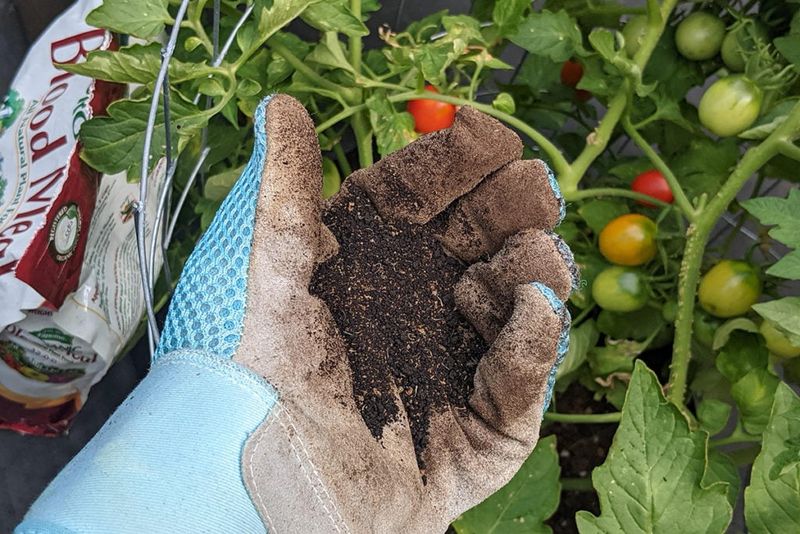
Nothing signals a hungry tomato quite like pale, stunted leaves creeping up from the bottom of the plant. Blood meal, a dried powder made from animal blood, is one of the strongest single-ingredient nitrogen sources you can buy.
Because it is so concentrated, a little goes a long way. Sprinkle a light amount around the drip line and water it in, following label rates closely so you do not scorch the roots with too much nitrogen at once.
The payoff is lush, deep-green foliage, which matters early in the season when plants are building the leafy engine that later powers fruit. Overdo it, though, and you can push so much leaf growth that flowering slows, so timing and restraint really count.
An unexpected perk: its scent may help deter deer and rabbits nosing around your bed, though determined animals can ignore it. Reapply after heavy rain, since it washes away over time. When a plant clearly reads as nitrogen-starved, blood meal delivers a fast, dramatic green-up that few other pantry-style feeds can match.
9. Bone Meal
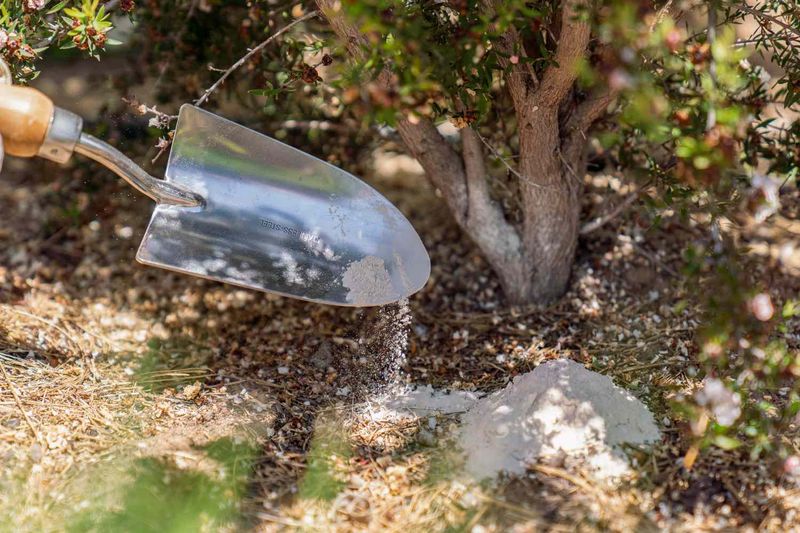
When your tomatoes flower nicely but the blooms drop before setting fruit, weak phosphorus levels may be part of the story. Bone meal, ground from animal bones, is a classic slow-release source of exactly that nutrient.
Mix a couple of tablespoons into the planting hole at transplant time, or scratch it into the soil surface around established plants. Phosphorus fuels root development and flowering, so it is most valuable early on and again as buds form.
It breaks down slowly, feeding plants over weeks rather than days, which makes it a patient investment instead of a quick fix. Slightly moist, warm soil helps release the phosphorus faster, so it pairs well with consistent watering.
Because it also carries calcium, bone meal can pull double duty against blossom end rot in low-calcium beds. Keep the bag sealed and stored dry, and water it in after applying so it starts working near the roots. Sturdy roots and steady blooms are the foundation of a heavy crop, and this humble powder helps lay that groundwork without any complicated mixing.
10. Molasses
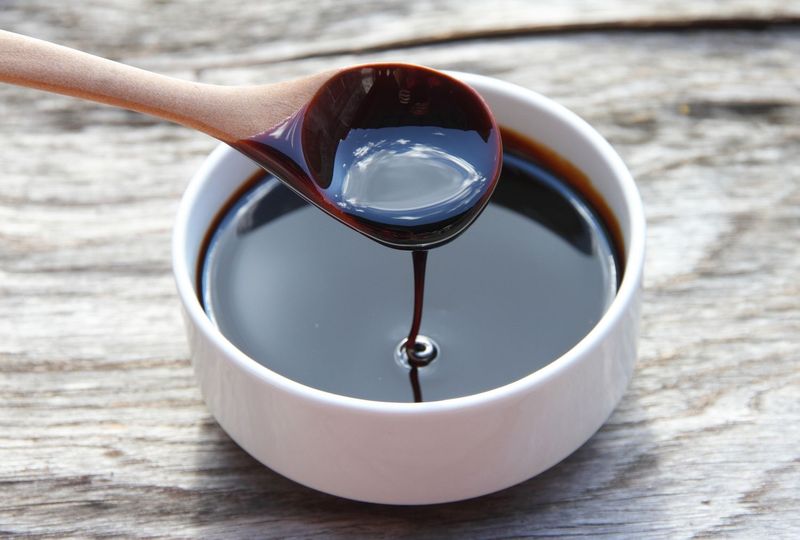
Sweetening the soil sounds odd, but a spoonful of molasses does something clever: it feeds the microbes rather than the plant directly. Those tiny organisms then unlock nutrients already sitting in your soil, making them easier for roots to grab.
Stir one to two tablespoons of unsulfured molasses into a gallon of water and use it as a drench every couple of weeks. The sugars act like a snack that wakes up beneficial bacteria and fungi in the root zone.
A livelier microbe population can improve how efficiently your tomatoes take up minerals, which may translate into stronger growth over time. Molasses also carries small amounts of potassium and trace minerals as a bonus.
Some gardeners like to combine it with other liquid feeds to help those nutrients cycle faster, though on its own it still supports soil life nicely. Choose unsulfured blackstrap for the richest mineral content. While it will not replace a real fertilizer, this pantry sweetener is a low-cost way to keep the underground ecosystem humming, and healthy soil biology tends to show up later as healthier plants.
11. Kelp Meal
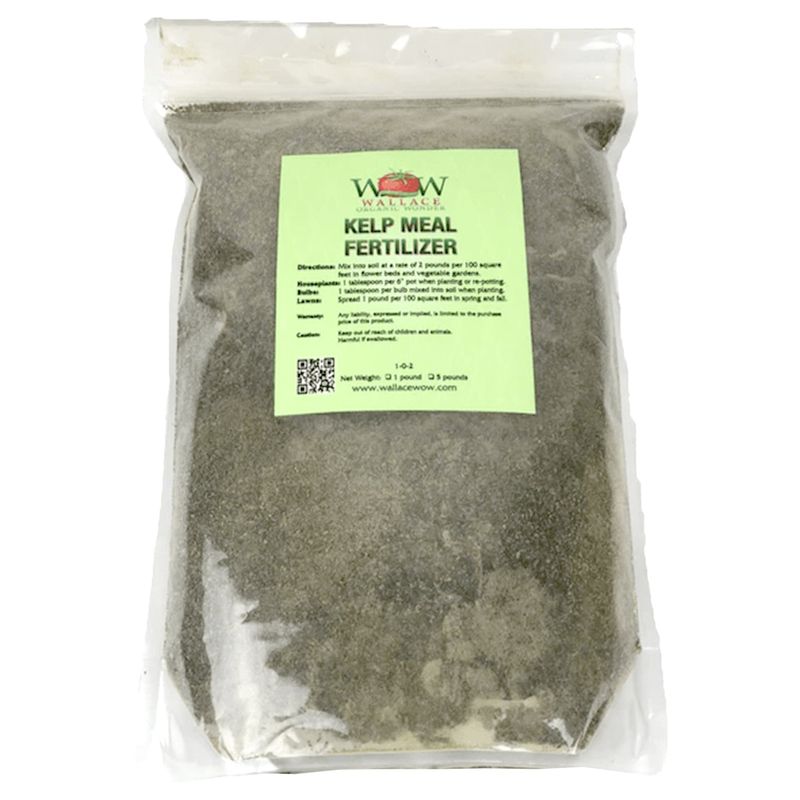
Seaweed pulled from the ocean might be the last thing you picture in a tomato bed, but kelp meal packs a remarkable range of trace minerals and natural growth hormones. It is less about big nitrogen numbers and more about filling small gaps other feeds miss.
Work a light handful into the soil around each plant, or brew it into a tea by steeping the meal in water before drenching the roots. Those trace elements support enzyme functions that keep plants running smoothly.
Kelp is especially prized for helping tomatoes handle stress, whether from heat, transplant shock, or a sudden cold snap. The natural hormones it contains can encourage sturdier roots and more resilient growth.
Because it releases gently, kelp rarely burns and pairs well as a steady background supplement. Coastal gardeners once gathered fresh seaweed and dug it straight into their plots, a tradition that hints at how long this feed has been trusted. If your plants get everything they need yet still seem to lack pep, this mineral-rich boost from the sea may supply the missing pieces.
12. Worm Castings
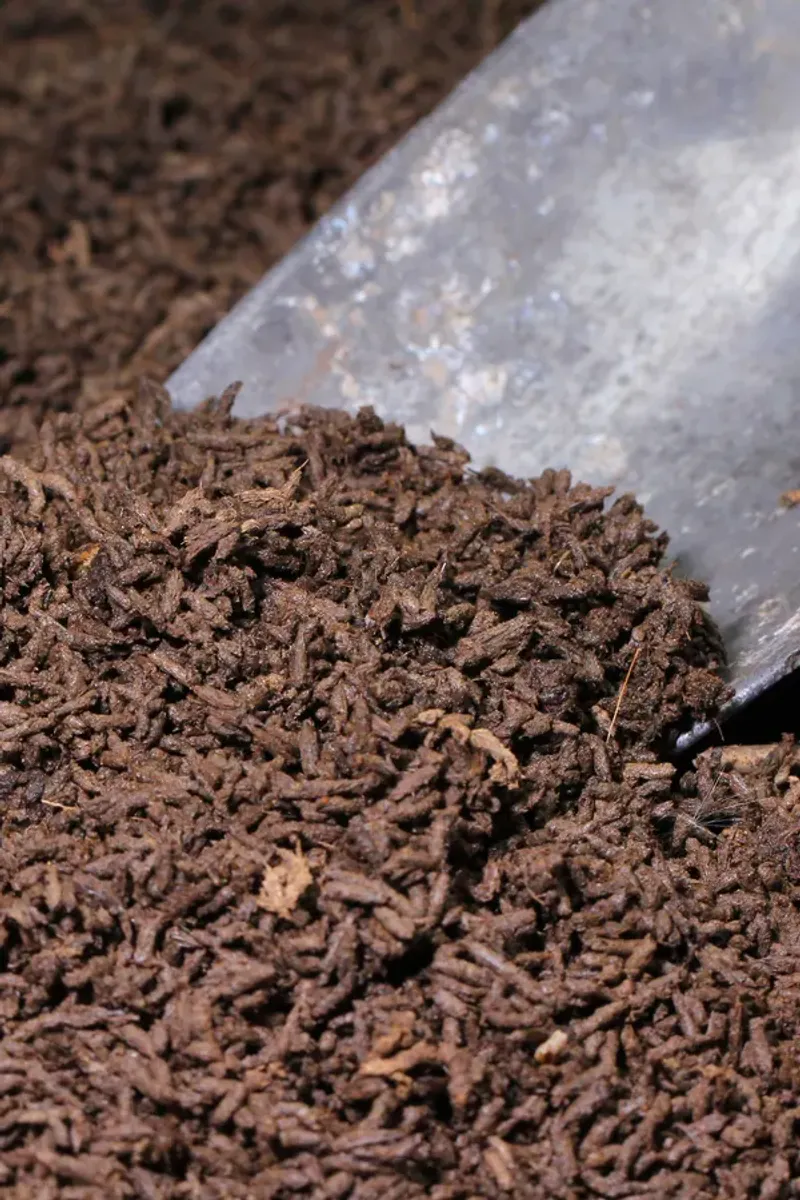
Gardeners sometimes call worm castings black gold, and once you see how plants respond, the nickname makes sense. This crumbly, odorless material is essentially processed organic matter left behind by earthworms, packed with nutrients in plant-ready form.
Sprinkle a handful around the base of each tomato and gently work it into the surface, or mix it into the soil at planting time. Unlike strong fertilizers, castings are so gentle you cannot really overdo it, which makes them wonderfully beginner friendly.
Beyond the balanced nutrition, castings are alive with beneficial microbes that help fend off certain soil-borne problems and improve nutrient cycling. They also hold moisture well, easing the water stress that leads to cracked fruit.
You can brew them into a tea for a quick liquid drench, or simply top-dress every few weeks through the season. Setting up a small worm bin turns kitchen scraps into an endless free supply. For plants that need steady, no-burn feeding plus a boost to soil life all in one scoop, worm castings are hard to beat.
13. Grass Clippings
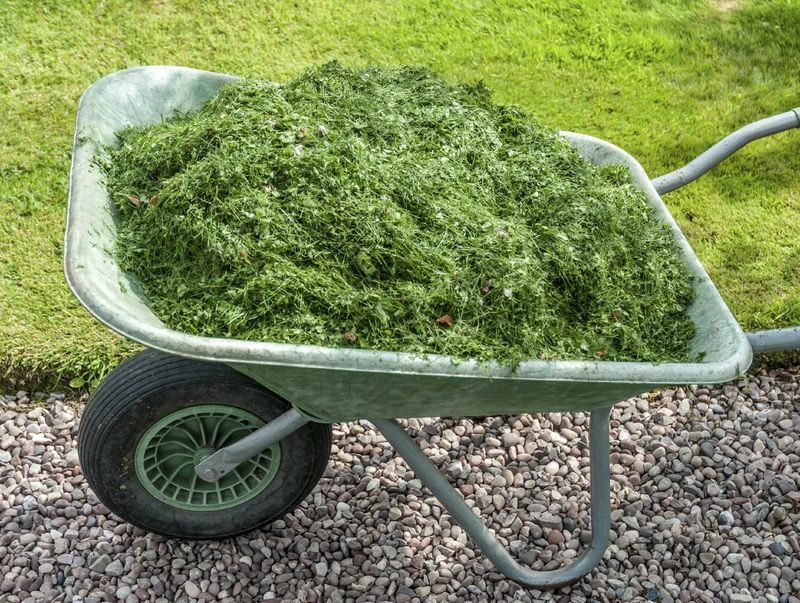
The pile of clippings after mowing can do more than fill a yard-waste bag. Fresh green grass is surprisingly high in nitrogen, making it a free feed for leafy tomato growth right when the season kicks off.
Spread a thin layer around your plants as a mulch, and as it decomposes it releases nutrients into the soil below. Keep the layer loose and shallow, because thick wet clumps can mat down, smell sour, and block airflow.
Doubling as mulch, the clippings also lock in soil moisture and shade out weeds that would otherwise compete with your roots. That moisture buffer helps smooth out the wet-dry swings tomatoes dislike.
One important rule: only use grass from lawns that have not been treated with herbicides, since those chemicals can linger and harm your vegetables. Let clippings dry slightly before applying to reduce matting. It is a genuinely zero-cost way to feed and protect your plants using something you would toss out anyway, and your tomatoes get a nitrogen lift while your beds stay cooler and moister.
14. Alfalfa Meal
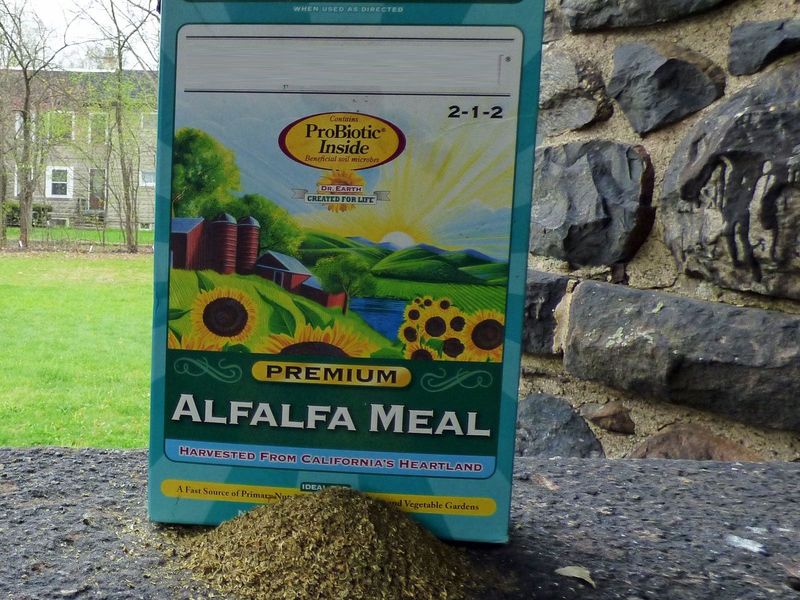
Horse owners know alfalfa as feed, but gardeners have a secret use for it that tomatoes love. Alfalfa meal contains a natural growth stimulant called triacontanol, which can encourage more vigorous stems and healthier foliage.
Scatter a modest amount around each plant and scratch it into the topsoil, or steep it in water overnight to make a nutrient-rich tea. It supplies a moderate dose of nitrogen along with trace minerals for well-rounded feeding.
As it breaks down, alfalfa also feeds soil microbes and adds organic matter, gradually improving the ground your roots live in. The result over a season is often bushier, greener plants that look genuinely energized.
Watch your amounts, because alfalfa heats up as it decomposes and heavy applications can temporarily warm the soil or spark rapid microbial activity. A light hand keeps things balanced. For growers who want a plant-based feed that does more than just add nitrogen, this humble hay product offers a subtle growth edge that can help your tomatoes hit their stride faster.
15. Aged Manure
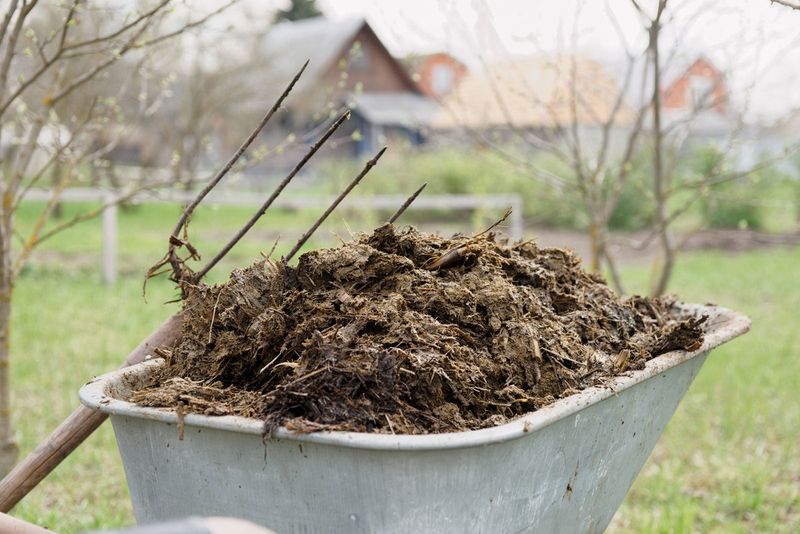
Farmers have leaned on manure for centuries, and there is a good reason it never went out of style. Well-aged cow, horse, or chicken manure is a rich, all-around feed that supplies nitrogen and organic matter to hungry tomato beds.
The keyword is aged, because fresh manure is too hot and can burn roots or introduce pathogens near food crops. Let it compost for several months, then mix a few inches into the bed before planting or use it as a top dressing.
As it breaks down, manure improves soil texture, feeds microbes, and holds moisture, giving roots a comfortable home to spread out. Chicken manure runs especially strong in nitrogen, so use it more sparingly than cow or horse.
Because it releases nutrients slowly, well-rotted manure supports steady growth without the spikes that stress plants. Source it from a trusted farm to avoid herbicide residues that can pass through animals. When properly composted, this old-fashioned staple remains one of the most dependable ways to build fertile ground and grow a generous, satisfying crop.
16. Comfrey Leaves
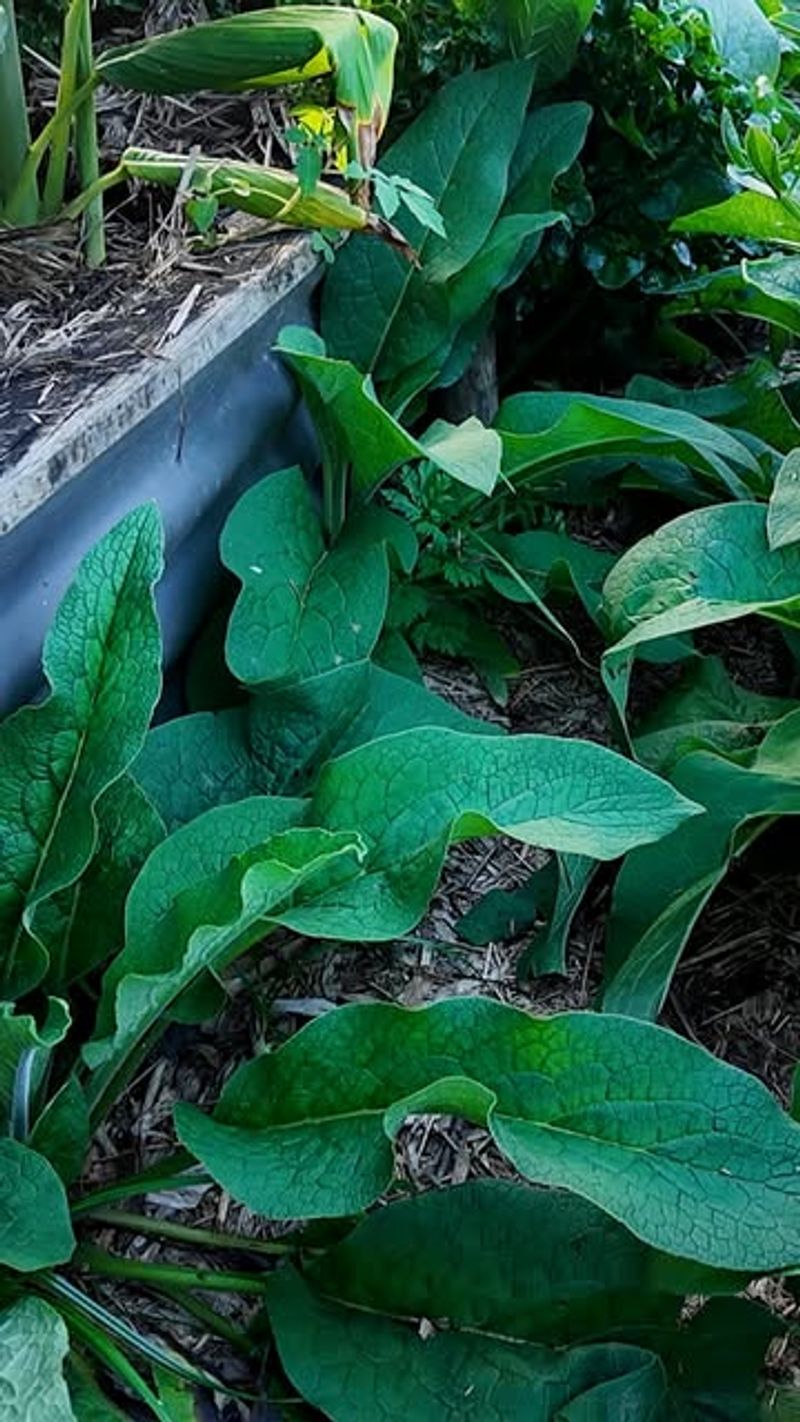
Tucked in the corner of many old gardens grows comfrey, a leafy plant whose deep roots mine potassium and minerals from far below the surface. Those nutrient-rich leaves make one of the best homemade tomato feeds you can grow yourself.
Chop the leaves and lay them as mulch around plants, or pack them into a bucket, cover with water, and let them steep into a potent liquid feed. Be warned, the fermenting tea smells strong, so keep it away from the porch.
Dilute the finished brew until it looks like weak tea, then pour it around the roots when flowers and fruit are forming. The high potassium content supports abundant blooms and fruit set, exactly what heavy croppers need.
Growing a comfrey patch gives you a renewable feed you can harvest several times a season, cutting it back and letting it regrow. Choose a sterile variety so it does not spread everywhere. For gardeners who love a self-sufficient loop, comfrey turns free backyard greenery into a powerful, potassium-packed boost for fruiting tomatoes.
17. Rock Phosphate
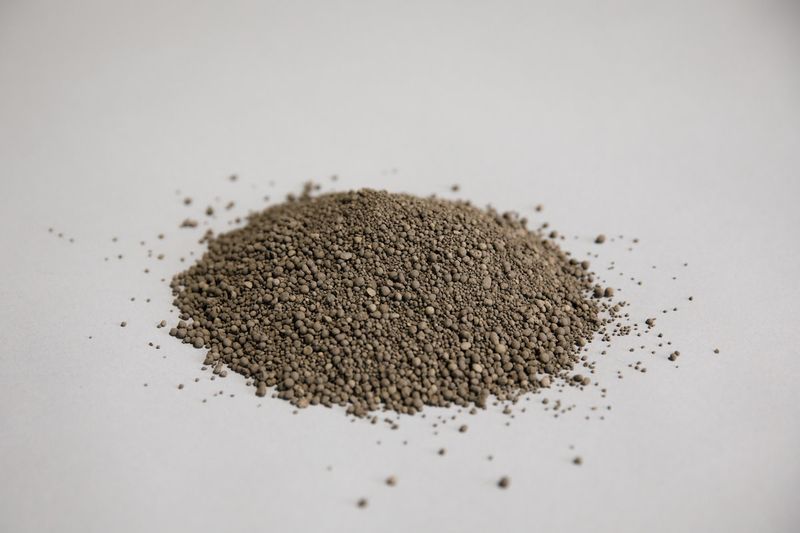
For gardeners who plan ahead, rock phosphate is the long-game feed that keeps giving season after season. Mined from natural mineral deposits, it is a slow, steady phosphorus source that supports strong roots and heavy flowering.
Mix it into the soil at planting time, ideally worked down near where the roots will grow, since phosphorus does not travel far once it settles. A single application can feed plants gradually for a year or more.
Because it releases so slowly, it is best treated as a foundation you build into the bed rather than a quick fix for a struggling plant. Slightly acidic or biologically active soil helps make its phosphorus more available to roots over time.
It pairs beautifully with compost or worm castings, whose microbes help unlock the mineral for plant use. Warm, moist soil speeds the process along. If you are preparing a bed and want lasting phosphorus power without reapplying every few weeks, this rugged mineral gives your tomatoes a durable base for the blooms and fruit you are hoping to harvest.