
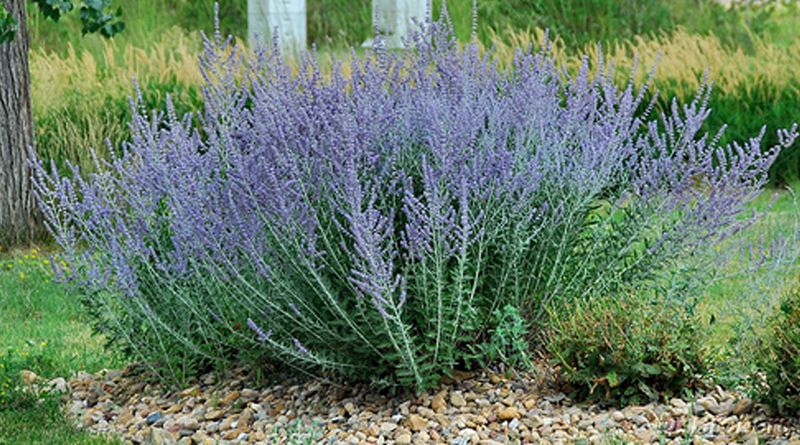
When July arrives and your garden hose feels like a full-time job, some flowers just give up and crisp at the edges. The good news is that plenty of tough perennials keep blooming even when the soil bakes and the rain disappears for weeks. These plants have deep roots, waxy leaves, or other clever tricks that help them survive on very little water. Here are 18 dependable bloomers that stay colorful through the hottest, driest stretch of summer.
1. Coneflower (Echinacea)
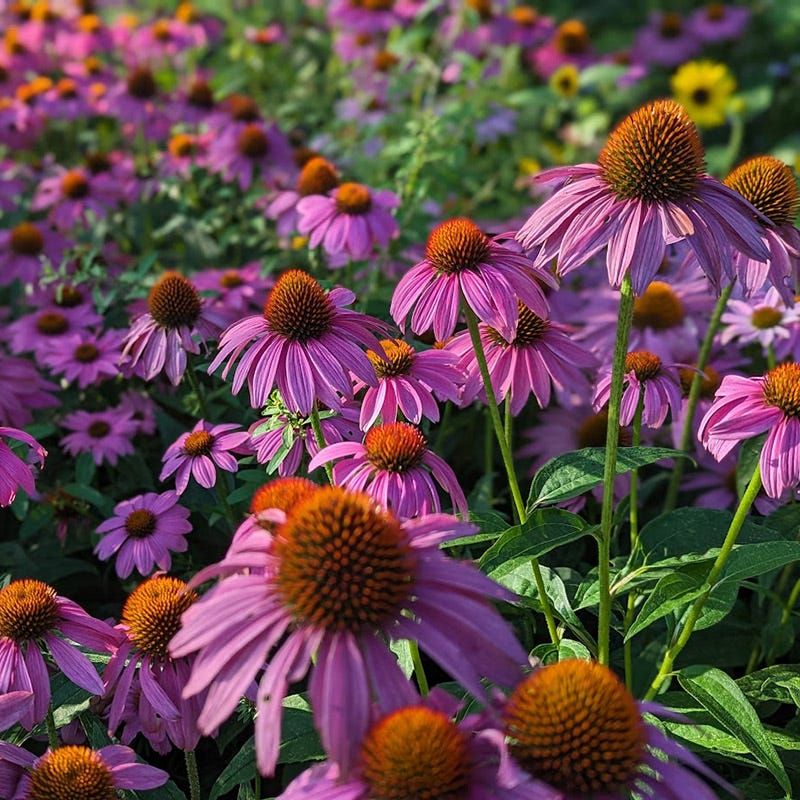
Watch a coneflower shrug off a heat wave and you will understand why prairie plants earn so much loyalty. Native to the open grasslands of the central United States, echinacea sends roots deep enough to find moisture long after thirstier flowers wilt.
The daisy-like blooms sit on sturdy stems in shades of purple, pink, orange, and white, and they keep coming from early summer well into fall. If yours starts to flop or fade, thin the surrounding plants for airflow and skip the extra fertilizer, since rich soil often makes them leggy.
Once established, a coneflower may need water only during the longest dry spells, and even then a deep soak every week or two usually does the trick. Butterflies and bees crowd the cones all season, and leaving the seed heads standing feeds goldfinches into winter.
For struggling plants, check that they are not sitting in soggy ground, because wet feet harm them far more than drought. Full sun and lean, well-drained soil give you the strongest, most drought-proof performance you can ask for.
2. Black-Eyed Susan (Rudbeckia)
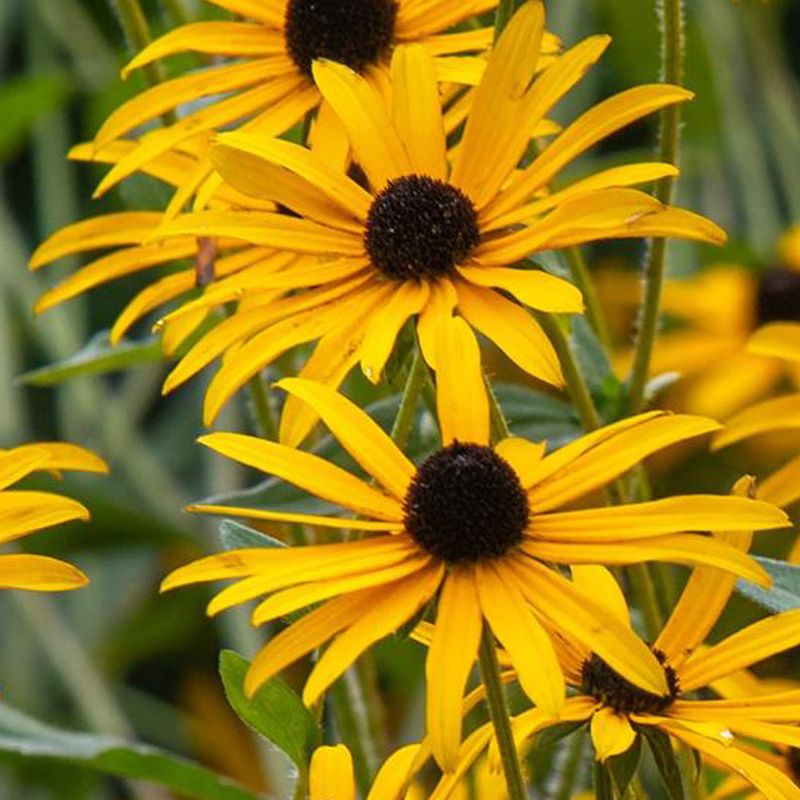
Golden petals circling a dark chocolate center make black-eyed Susan one of the most cheerful sights in a parched August garden. This native wildflower thrives where pampered plants sulk, blooming for weeks on almost no supplemental water.
Rudbeckia handles clay, poor soil, and reflected heat from driveways and walls without complaint. If your patch looks tired mid-season, deadheading the spent blooms can encourage a fresh flush of color instead of letting the plant pour energy into seeds.
The strong stems rarely need staking, and the fuzzy leaves resist the wilting that plagues softer perennials. When leaves develop dark spots during humid stretches, improving spacing and watering at the base rather than overhead often reduces the problem.
Pollinators adore the flat, landing-pad flowers, and songbirds pick at the seed heads once cold weather arrives. A single deep watering during extended drought keeps them lush, but many gardeners find they never water at all once the roots settle in.
Plant them in full sun, give them room to spread, and enjoy months of low-effort, high-reward gold.
3. Russian Sage (Perovskia)
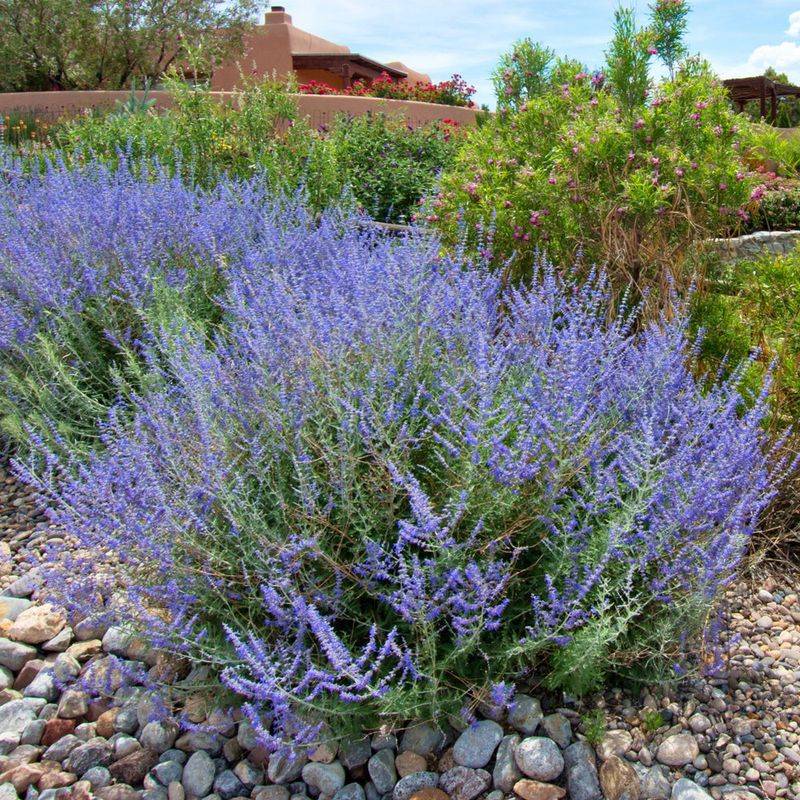
Silvery stems topped with clouds of lavender-blue haze give Russian sage an almost dreamy look, yet this plant is tough as nails underneath. Bred for hot, dry climates, it laughs at the kind of heat that scorches everything around it.
The aromatic gray-green foliage reflects sunlight and holds moisture, which is exactly why it barely blinks during drought. Bloom time stretches from midsummer into fall, filling the garden with airy purple color when many perennials have quit.
If your Russian sage sprawls open in the middle, a hard cutback in early spring keeps it upright and bushy for the season ahead. Overwatering and rich soil are its true enemies, causing floppy growth and weak stems, so lean conditions actually make it stronger.
Bees and butterflies swarm the tiny flowers, while deer and rabbits usually leave the fragrant leaves alone. A newly planted clump appreciates occasional water its first summer, but after that you can nearly forget it exists.
Give it blazing sun and gritty, well-drained soil, and it rewards you with months of effortless, shimmering blooms.
4. Coreopsis (Tickseed)
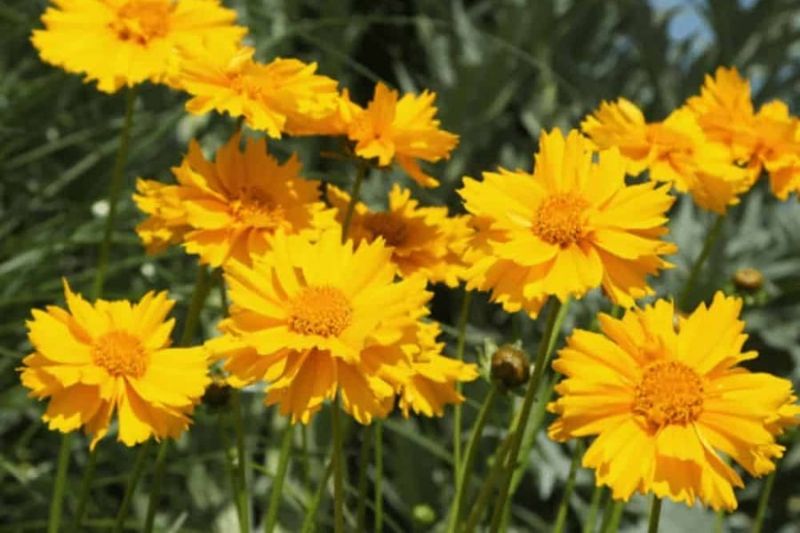
Few plants pack as many sunny little blooms into a single summer as coreopsis, and it does the whole show on barely any water. The fine, ferny foliage carries dozens of yellow, gold, or bicolor flowers that seem to glow against the heat.
Prairie roots make this native comfortable in poor, sandy, or rocky soil where fussier flowers refuse to grow. When blooming slows in the dog days, a quick shearing removes tired flowers and often triggers a whole new wave of color within a couple of weeks.
Coreopsis stays compact and tidy, so it works at the front of a bed or tumbling over a hot walkway. Root rot from soggy ground is the main thing to watch for, meaning drainage matters far more than regular watering.
Bees and small butterflies visit steadily, and the low-maintenance habit makes it a favorite for busy or forgetful gardeners. Water a young plant during its first dry spell to help roots settle, then step back.
Full sun and lean soil unlock the longest, most reliable bloom season this cheerful perennial has to offer.
5. Yarrow (Achillea)
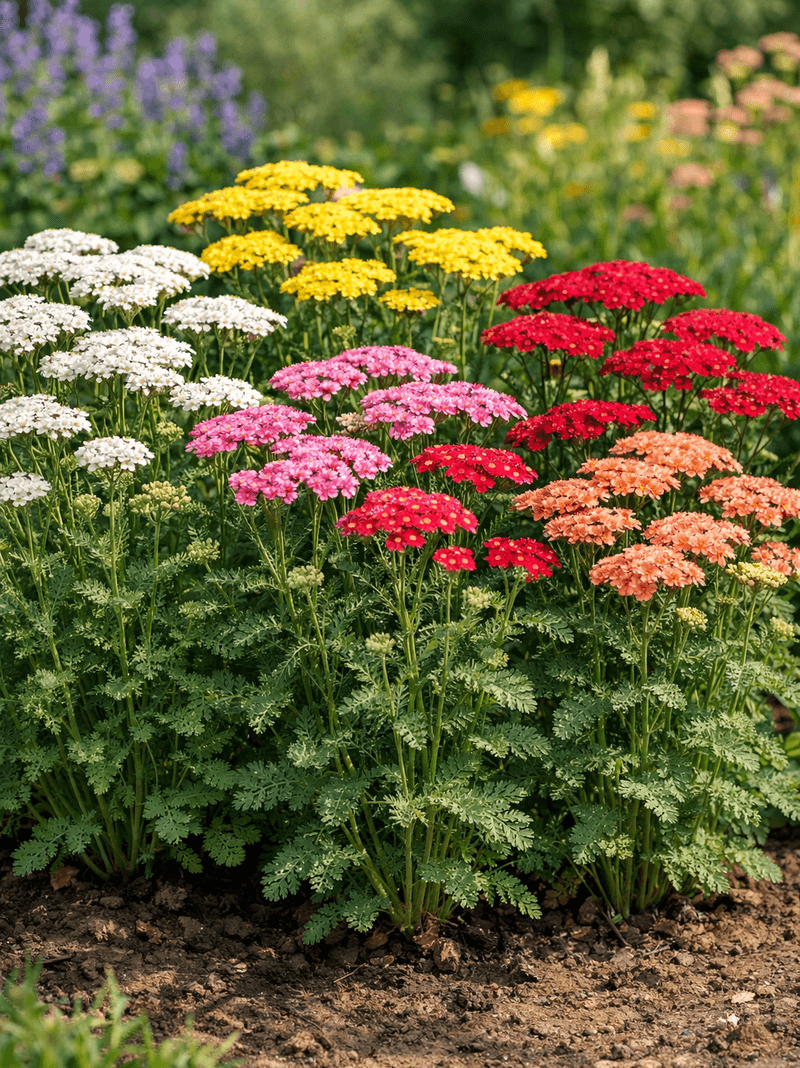
Flat, plate-like flower heads floating above lacy foliage give yarrow a distinctive silhouette that pollinators can spot from across the yard. Ancient soldiers once carried it to treat wounds, but modern gardeners prize it for surviving heat that flattens everything else.
Colors range from buttery yellow and creamy white to deep red and salmon, and the blooms hold their shape for weeks in the hottest weather. Yarrow thrives in dry, poor soil and actually turns floppy and disease-prone when it gets too much water or fertilizer.
If your clump opens up in the center, dividing it every few years keeps it vigorous and dense. Cutting back spent flower clusters encourages fresh blooms and prevents the plant from seeding itself all over the garden.
The fragrant, feathery leaves tend to be ignored by deer and rabbits, a welcome bonus in wildlife-heavy neighborhoods. Established plants may go the entire summer without a drink, drawing on tough, spreading roots.
Give yarrow full sun and sharp drainage, and it will reward your neglect with tough, long-lasting color that other perennials cannot match.
6. Blanket Flower (Gaillardia)
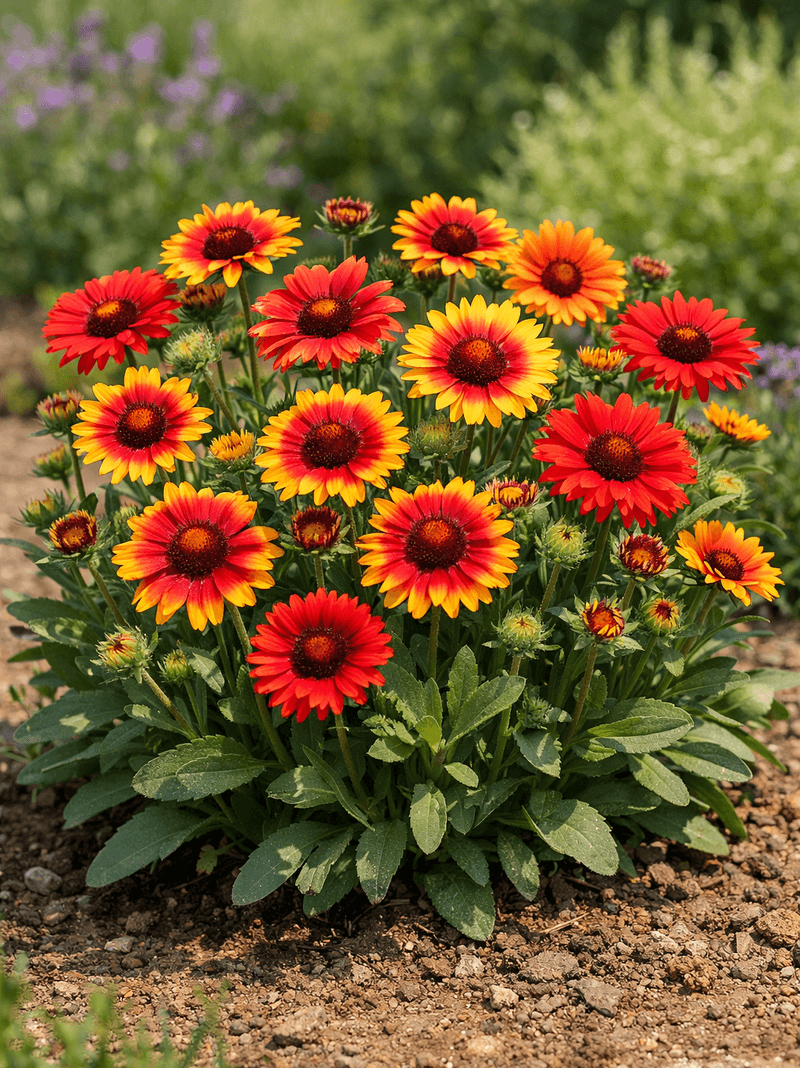
Fiery bands of red, orange, and yellow ringing each bloom give blanket flower the look of a tiny sunset planted in the ground. Named for the colorful woven blankets of Native American tribes, gaillardia brings warmth to the garden exactly when the weather turns brutal.
Sandy soil, salty coastal air, and relentless sun are its idea of paradise, which is why it flourishes where lawns turn brown. The plant blooms almost nonstop from early summer to frost, especially if you pinch off finished flowers now and then.
Should your gaillardia look short-lived, remember it often behaves like a short-lived perennial, so letting a few seed heads mature keeps new plants coming. Soggy winter soil is the usual cause of loss, meaning drainage protects it far more than water ever will.
Bees and butterflies work the blooms constantly, and the daisy shape makes an easy landing pad. A young plant appreciates a drink during its first dry stretch, then thrives on neglect.
Full sun and gritty, well-drained ground give you months of bold, heat-proof color from a plant that asks for almost nothing.
7. Lavender
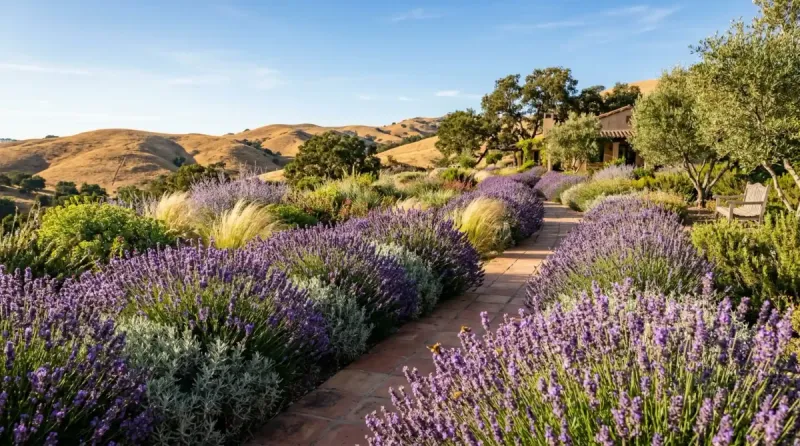
Run your hand along a lavender hedge on a hot afternoon and the released fragrance alone explains its centuries of popularity. Originally from the sun-scorched Mediterranean, this silvery shrub-like perennial treats drought as a lifestyle rather than a hardship.
The narrow, oil-rich leaves lose very little moisture, letting the purple flower spikes bloom steadily through the driest weeks of summer. Lavender despises wet feet, and more plants die from soggy soil and humidity than from any lack of water.
If yours turns woody and sparse, a light trim after the first bloom keeps it compact and encourages a second flush. Planting in raised beds or gravelly soil dramatically improves survival in regions with heavy clay or humid summers.
Bees hum around the blooms all day, and the scent naturally discourages deer, rabbits, and many nibbling insects. Once roots are established, watering is rarely necessary except in extreme, prolonged drought.
Give lavender the sunniest, driest, best-drained spot you have, and it repays you with fragrance, color, and the kind of toughness that shrugs off summer’s worst heat.
8. Salvia (Perennial Sage)
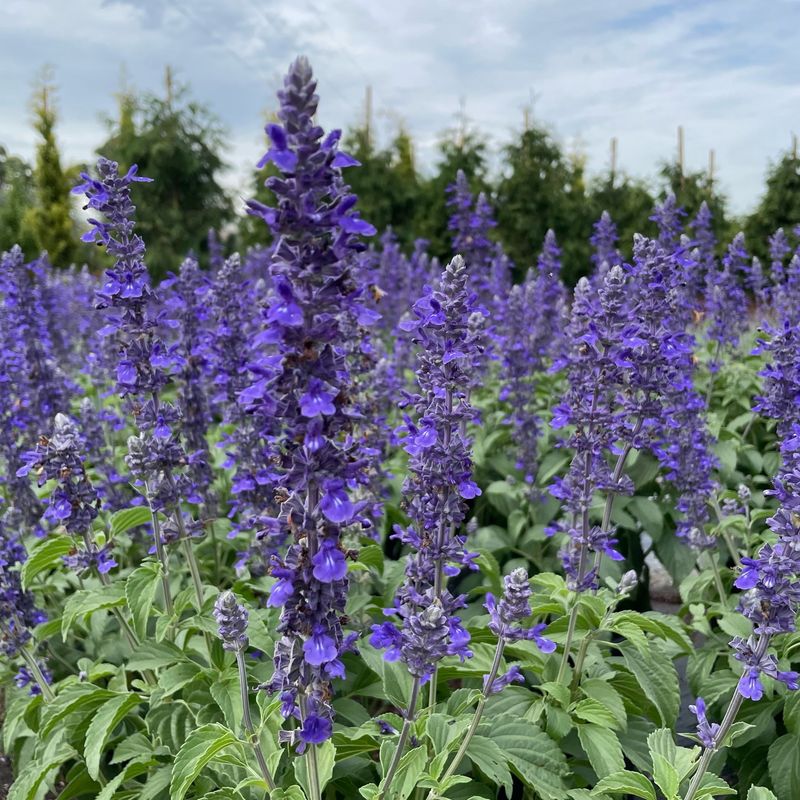
Spiky wands of purple, blue, or red rising above tidy foliage make salvia a magnet for hummingbirds and a workhorse in the heat. Dozens of tough perennial varieties exist, and most were built for hot, dry conditions that leave other flowers gasping.
The plant blooms in waves through summer, and shearing back the spent spikes almost always coaxes out a fresh round of color. Salvia handles poor soil and reflected heat with ease, holding its shape even when afternoon temperatures soar.
When a clump grows leggy or bare in the middle, cutting it back by a third refreshes the whole plant. Overwatering causes floppy stems and root problems, so err on the dry side and let the soil dry between drinks.
Aromatic leaves keep deer and rabbits at a polite distance, a real advantage in suburban yards. Established plants often sail through summer on rainfall alone, tapping into deep, resilient roots.
Set salvia in full sun with good drainage, and you get a long-blooming, pollinator-packed perennial that treats a heat wave like just another day.
9. Sedum (Stonecrop)
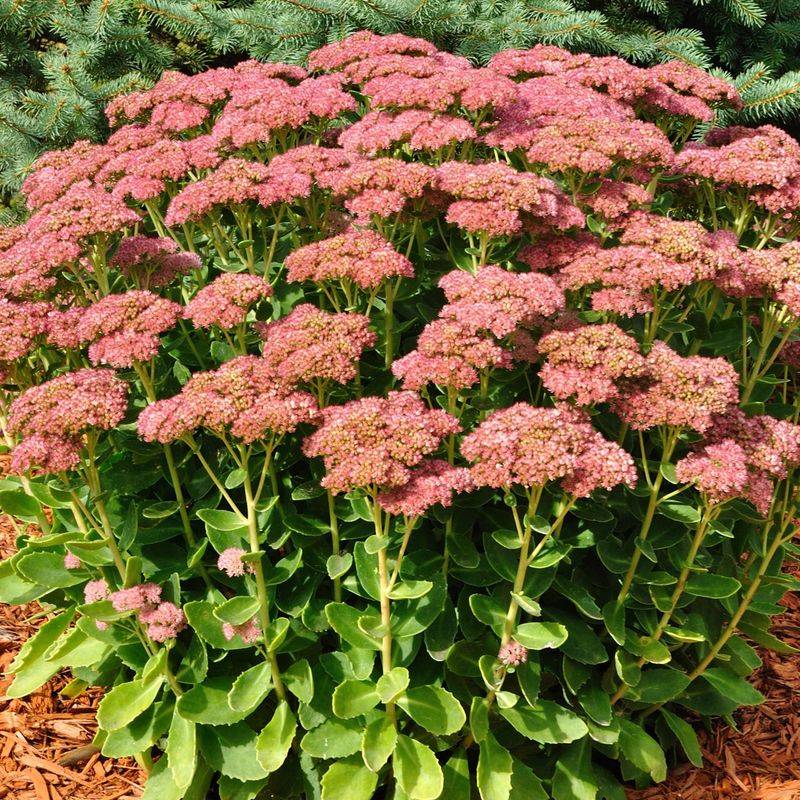
Plump, water-storing leaves make sedum the camel of the perennial world, quietly hoarding moisture for the days when rain never comes. Tall varieties like Autumn Joy build up broccoli-shaped flower heads that shift from green to rosy pink as summer fades into fall.
Because the succulent foliage handles drought so well, this plant barely flinches during heat waves that flatten softer perennials. Sedum asks only for sun and drainage, and it actually rots when kept too wet or planted in heavy shade.
If your clump splits open and flops in the center, a spring cutback or pinch keeps it sturdy and upright. Poor, lean soil produces the strongest stems, while rich ground makes them weak and floppy.
Late-season bees and butterflies flock to the flower clusters when little else is blooming, making sedum a crucial nectar source. Established plants rarely need supplemental water at all, surviving happily on neglect.
Groundcover types weave between stepping stones and over hot slopes where nothing else survives. Give sedum sun and sharp drainage, and it delivers dependable, drought-proof structure and color straight through the harshest stretch of the year.
10. Daylily (Hemerocallis)
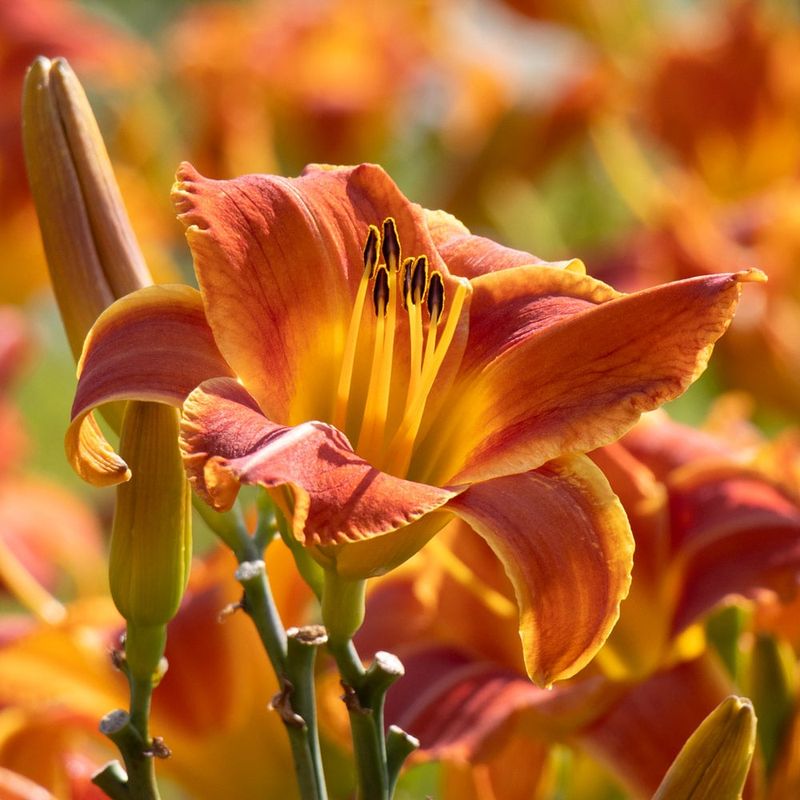
Each daylily bloom lasts a single day, yet the plant pumps out so many buds that the show never seems to stop. Famous for surviving in ditches and along baking roadsides, this perennial is practically indestructible once its thick roots take hold.
The strappy foliage forms dense clumps that shade out weeds and hold up beautifully in scorching sun. Reblooming varieties keep flowering for weeks, and snapping off spent blooms keeps the display looking fresh.
When flowering drops off, dividing crowded clumps every few years restores vigor and can even boost bloom count. Daylilies tolerate poor soil, heat, and drought, though a deep watering during a long dry spell rewards you with more flowers.
Their fleshy roots store water and energy, letting the plant coast through dry weeks that stress thirstier neighbors. Available in nearly every color except true blue, they suit almost any garden style.
Deer unfortunately do love them, so a repellent spray may help protect the buds in wildlife-heavy areas. Plant daylilies in full sun to light shade for tough, colorful, low-water blooms all summer long.
11. Catmint (Nepeta)
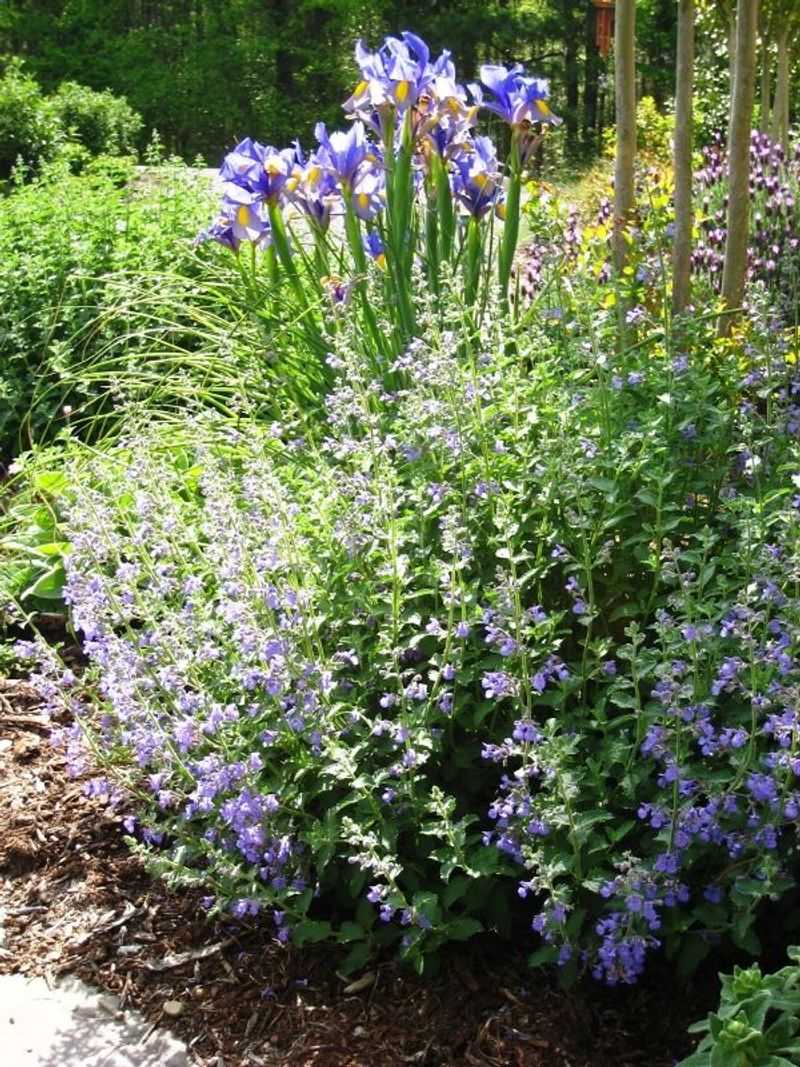
Soft mounds of gray-green foliage smothered in lavender-blue flowers give catmint the look of a low, drifting cloud along a garden path. Cousin to the herb that drives cats wild, nepeta is a tidy, drought-loving bloomer that keeps going when the mercury climbs.
The aromatic leaves resist heat and hold moisture, allowing waves of flowers to open from late spring deep into summer. A quick shearing after the first big flush removes tired blooms and reliably brings on a whole second round.
Should your catmint sprawl and flop, that midseason haircut also tightens the mound back into a neat shape. Lean, well-drained soil keeps it compact, while too much water and richness make it floppy and short-lived.
Bees swarm the flowers constantly, and the minty scent tends to keep deer and rabbits browsing elsewhere. Once established, catmint rarely needs watering and thrives on the kind of neglect that kills fussier plants.
Edge a walkway or fill a hot, dry border with it in full sun, and you get months of billowy, pollinator-friendly color for almost no effort.
12. Agastache (Hyssop)
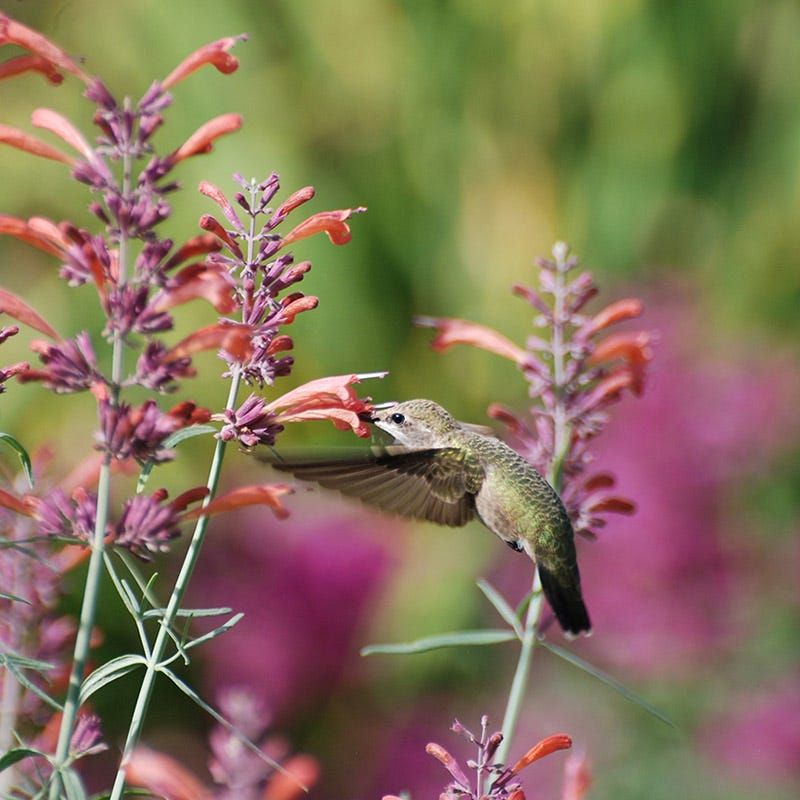
Long, bottlebrush spikes buzzing with bees and hummingbirds make agastache one of the liveliest plants you can add to a hot, dry garden. Often called hyssop, this aromatic perennial pumps out tubular flowers in orange, pink, purple, and blue for months on end.
The minty, licorice-scented leaves are built for drought, holding up in blazing sun and gritty soil where thirstier plants collapse. Bloom time stretches from midsummer to frost, and light deadheading keeps fresh spikes rising.
If your agastache dies over winter, the culprit is almost always wet, heavy soil rather than cold or heat, so drainage is everything. Planting it a little high, in sandy or gravelly ground, dramatically improves its odds of returning year after year.
Pollinators treat it like a favorite diner, while the strong fragrance usually keeps deer and rabbits away. Established clumps sail through dry spells on deep roots and rarely ask for water.
Give agastache full sun and sharp drainage, and it rewards you with fragrant foliage, nonstop nectar, and a fountain of color that thrives on summer’s worst heat.