
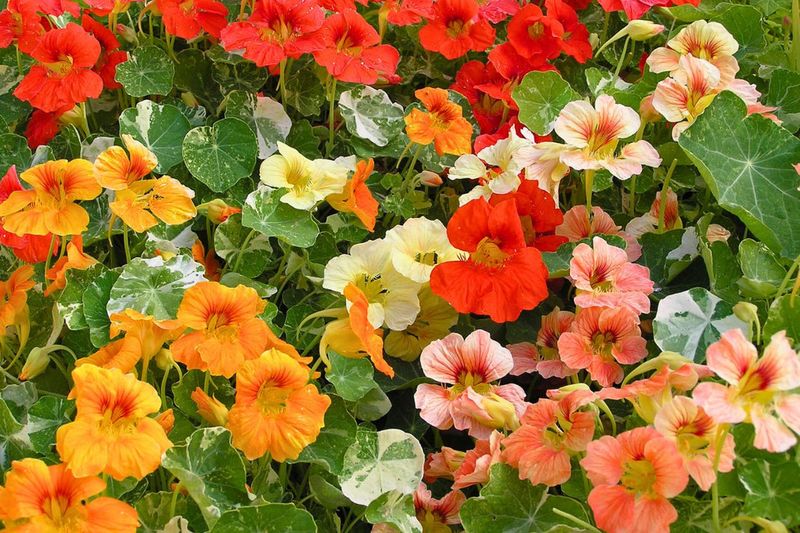
If your flower beds keep letting you down, nasturtiums might be the fix you didn’t know you needed. These cheerful bloomers thrive on neglect, shrug off poor soil, and even help protect your other plants from pests. Instead of babying fussy flowers that wilt at the first hot day, you can plant something that practically takes care of itself. Here are the reasons nasturtiums deserve a spot in your garden this season.
1. They Actually Prefer Poor Soil
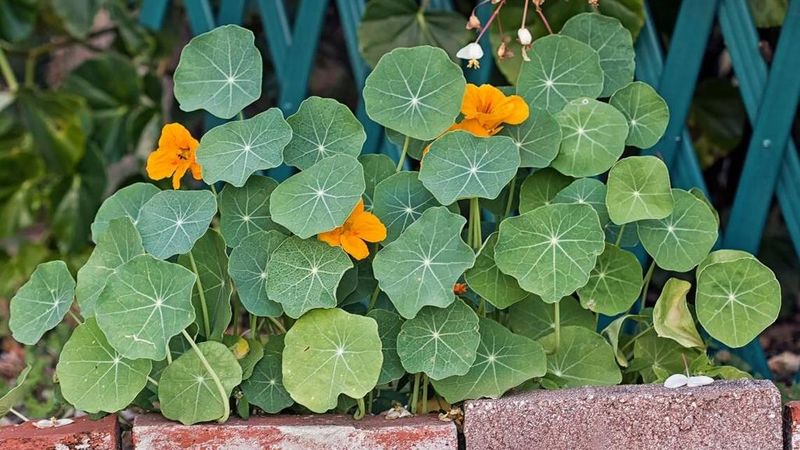
Ever poured expensive compost into a bed only to watch your flowers sulk anyway? Nasturtiums flip that whole struggle on its head. Rich, fertilized soil pushes them to grow floppy green leaves and skip the flowers entirely, which means the lazy corner of your yard is exactly where they shine.
For gardeners fighting sandy patches, rocky ground, or that stubborn strip nothing else will tolerate, this is genuine good news. You can stop buying amendments and stop feeling guilty about the dirt you already have.
Skip the fertilizer completely when you plant them. If your nasturtiums are all leaves and no blooms, over-feeding is usually the culprit, and pulling back on nutrients often coaxes the flowers back within a few weeks.
Fun bit of history: sailors once carried nasturtiums on long voyages partly because the plants asked for so little to survive. That same toughness is what makes them forgiving for beginners today. If you tend to forget your plants exist, this is the flower that quietly rewards your neglect instead of punishing it.
2. They Lure Aphids Away From Your Vegetables
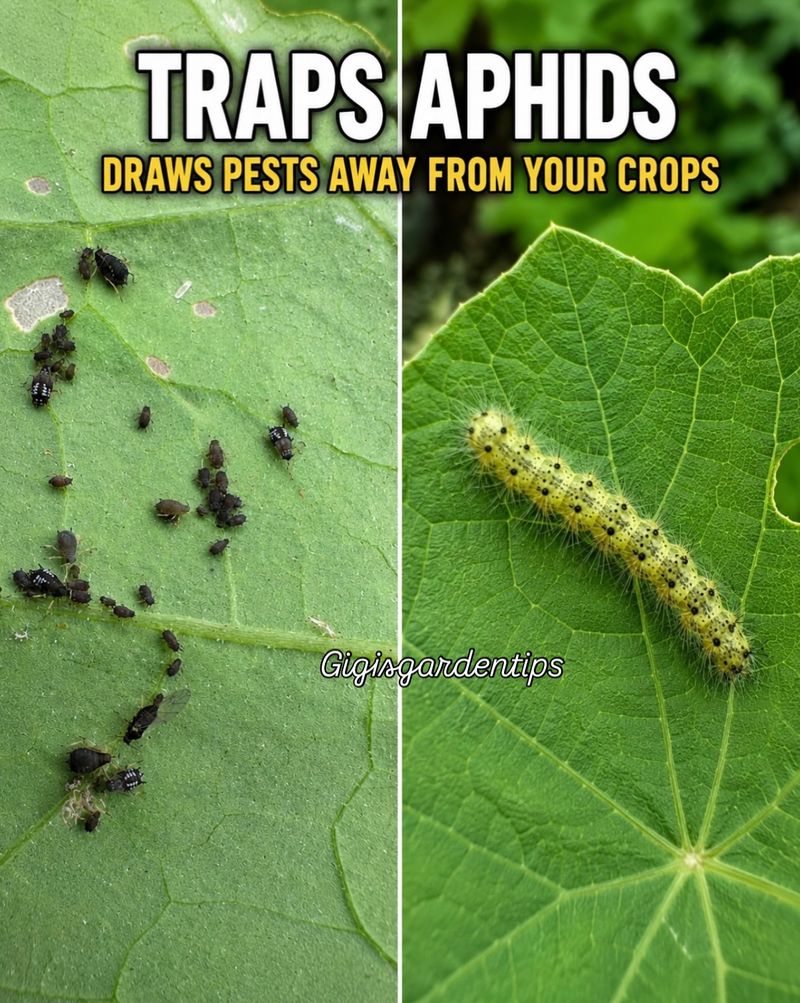
Aphids are the tiny green nightmare of nearly every US backyard vegetable bed, clustering on tender new growth until leaves curl and yellow. Here is where nasturtiums earn their keep: they act as a trap crop, drawing aphids toward themselves and away from your tomatoes, beans, and cucumbers.
Gardeners plant them as sacrificial decoys around the edges of a vegetable patch. The aphids swarm the nasturtiums, and your food crops often stay noticeably cleaner as a result.
Keep in mind this is a management tool, not a guaranteed force field. You may still see a few pests wander onto your veggies, so check your trap plants weekly and hose off or clip the most heavily infested nasturtium stems before the aphids multiply out of control.
The beauty of the trick is how cheap and low-effort it is compared to spraying. A handful of seeds tucked between rows can quietly reduce the aphid pressure on the plants you actually want to harvest, saving you both money and the frustration of watching prized vegetables get chewed up.
3. Every Part Is Edible
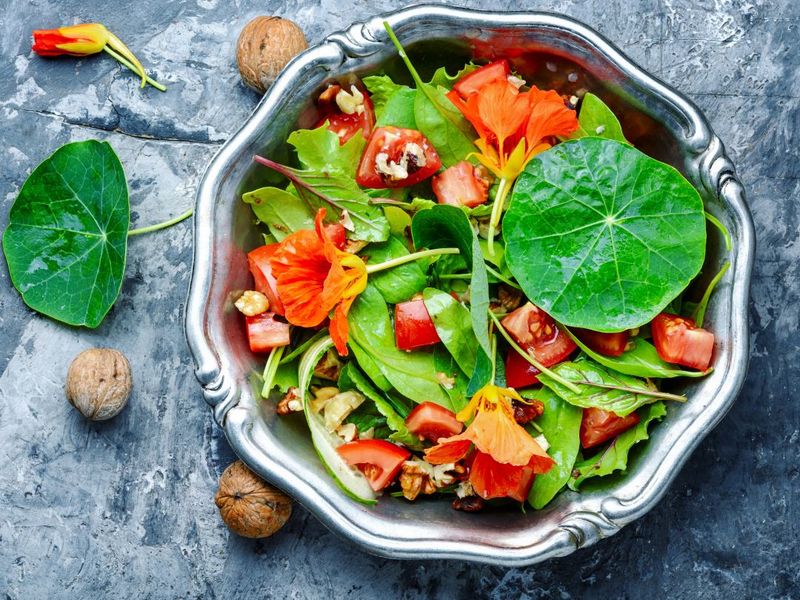
Not many flowers pull double duty as dinner, but nasturtiums land on your plate as easily as they land in your flower bed. The peppery leaves taste a bit like watercress, the blossoms add a spicy pop to salads, and the seed pods can be pickled into a caper substitute.
That means the plant you grew for color also becomes a genuinely useful kitchen ingredient, which is rare among garden flowers.
Home cooks love scattering the bright petals over summer salads for a splash of orange and a gentle kick of flavor. Kids often get a kick out of eating a flower straight from the garden too, making nasturtiums a fun gateway plant for young gardeners.
One honest note: only eat blooms you know are pesticide-free, so grow your own rather than snacking on decorative plants from unknown sources. As long as they are clean, they are safe and vitamin-rich.
Did you know the name nasturtium comes from Latin words meaning “nose twist,” a nod to that sharp, sinus-tickling bite the leaves deliver?
4. They Bloom Fast From Seed
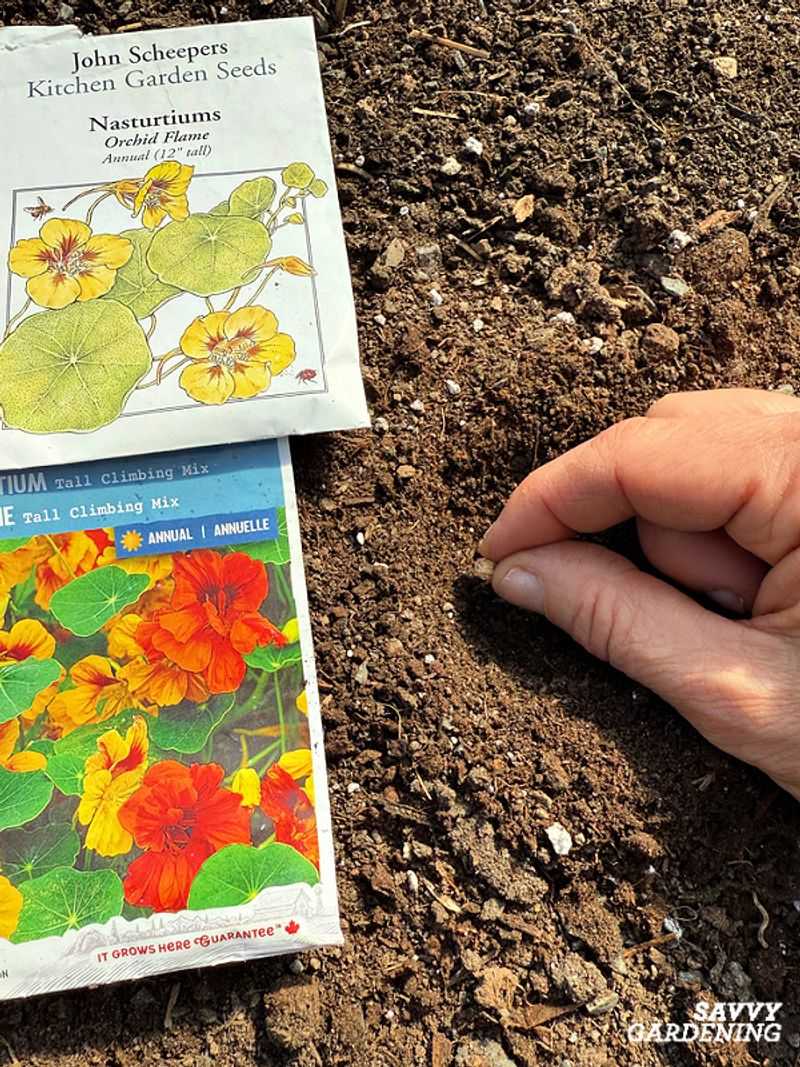
Patience is not everyone’s strong suit, and nasturtiums respect that. Drop the big, easy-to-handle seeds directly into the ground and you will often see blooms in just five to seven weeks, no seed trays or grow lights required.
Compared to fussy perennials that make you wait a whole year for a real show, this near-instant payoff feels almost like cheating.
The seeds are large enough for small fingers, which makes them a classroom and kindergarten favorite across the country. Soak them overnight before planting and you can speed germination along even further.
For gardeners who have been burned by expensive nursery starts that died within a week, direct-sowing nasturtiums removes the middleman and the heartbreak. You are working with a hardy seed that wants to grow.
Plant a fresh batch every few weeks through spring and early summer, and you can keep a rolling supply of blooms coming all season. If a heat wave knocks one patch back, a newer sowing is usually right behind it, ready to fill the gap without any fuss.
5. They Shrug Off Drought and Heat
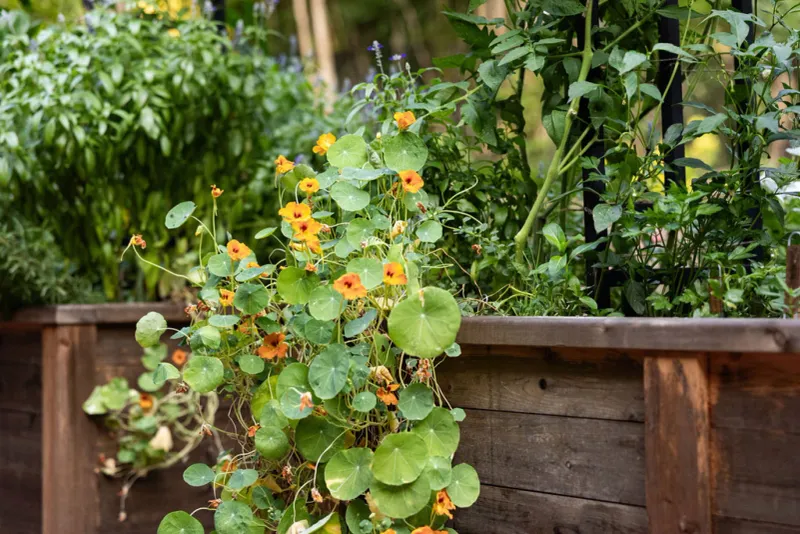
When July bakes your petunias into a sad, crispy heap, nasturtiums keep chugging along. Their ability to handle dry spells and blazing sun makes them a lifesaver for gardeners who cannot water every single day.
While they appreciate a drink now and then, they bounce back from a missed watering far better than the delicate divas of the flower world.
If your nasturtiums do start looking limp in extreme heat, a deep soak in the early morning usually perks them right back up. Mulching around the base can also help the soil hold moisture and keep the roots cooler during a scorcher.
Gardeners in hot southern zones especially appreciate how the plants tolerate conditions that flatten more demanding annuals. A little afternoon shade during the worst of summer often keeps the blooms coming when everything else has quit.
For anyone tired of nursing heat-stressed flowers back to life week after week, switching to nasturtiums can turn watering season from a chore into an afterthought. They are built to survive the kind of neglect that a busy summer schedule tends to hand out.
6. They Sprawl or Climb to Fill Empty Space
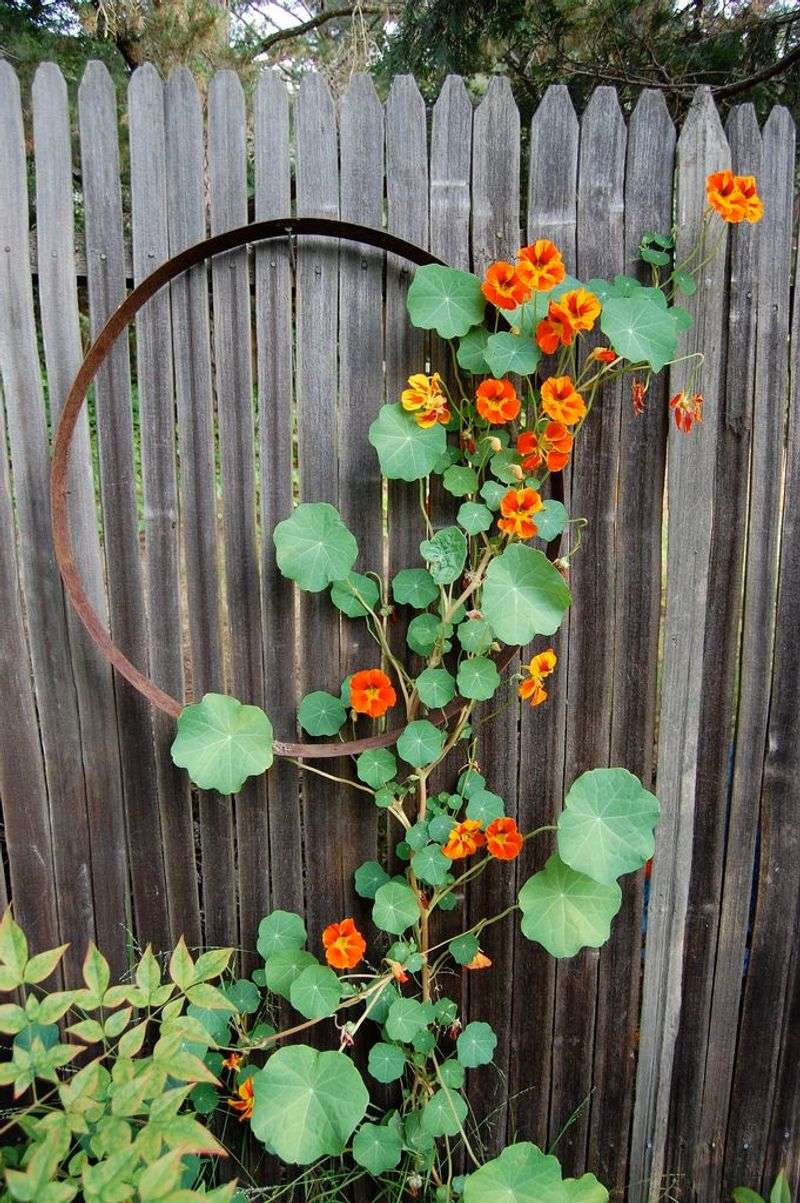
Got an ugly fence, a bare trellis, or a hanging basket begging for drama? Trailing nasturtium varieties can vine several feet, scrambling up supports or spilling over the edges of containers in a cascade of color.
Bush types stay tidy and compact, so you can pick the growth habit that matches whatever gap you are trying to fill.
Gardeners use the climbing kinds to soften chain-link fences, disguise dull retaining walls, and add height without paying for a single expensive shrub. The trailing sorts make window boxes and hanging planters look lush in a matter of weeks.
Because the vines are flexible, you can gently tuck them through trellis openings to guide the direction they grow. There is no complicated pruning schedule to memorize, just a little nudging here and there.
For a bare spot that has stumped you all season, a few nasturtiums can transform it from an eyesore into a focal point cheaply and quickly. Whether you want a mound of green or a curtain of orange, there is a variety that fits the job without demanding constant attention from you.
7. They Attract Pollinators and Beneficial Bugs
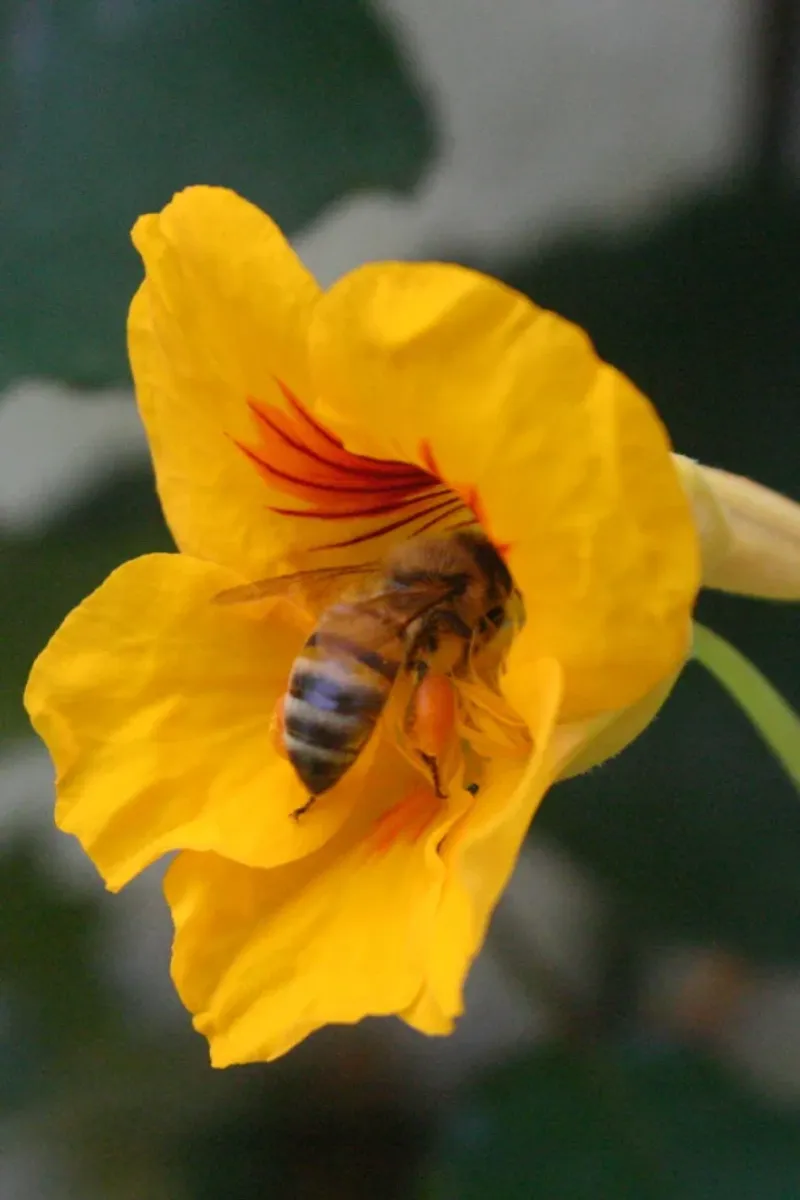
A garden buzzing with bees and hoverflies is a garden that works with you instead of against you, and nasturtiums roll out the welcome mat. Their open, nectar-rich blooms pull in pollinators that boost fruit set on your cucumbers, squash, and tomatoes nearby.
They also draw predatory insects like ladybugs and hoverflies, whose larvae happily munch the aphids threatening your other plants.
Think of it as building a tiny pest-control workforce for free. The more beneficial insects you invite, the less you may need to reach for sprays when trouble shows up.
Plant nasturtiums near your vegetable beds and let the flowers bloom rather than deadheading every single one, since those open blossoms are the buffet that keeps the good bugs hanging around.
Results vary with your local insect population and weather, so treat this as a helpful boost rather than a total pest solution. Still, a garden alive with pollinators tends to be a healthier, more productive one overall.
Bonus: hummingbirds are frequently drawn to the bright orange and red trumpet-shaped flowers, adding a little backyard magic to the mix.
8. They Reseed Themselves Year After Year
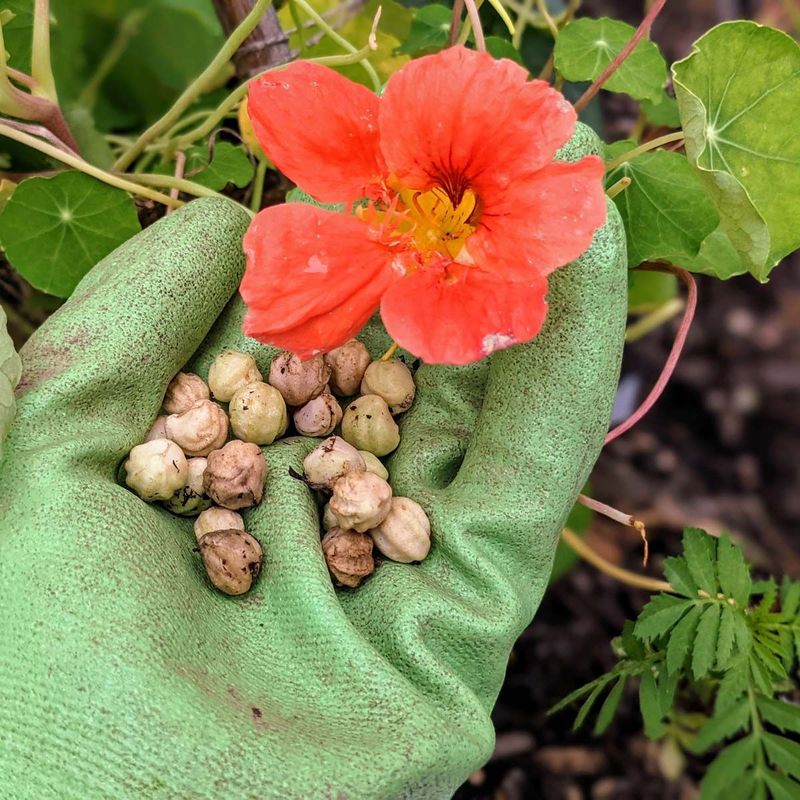
Here is the gift that keeps on giving: leave a few spent flowers on the plant and nasturtiums will drop their fat seeds right into the soil, sprouting fresh volunteers next season with zero effort from you.
In milder US zones, this self-seeding habit means one packet can quietly fill a corner of your garden for years.
Gardeners who love a cottage-garden look lean into the surprise, letting the plants pop up wherever they please. If you prefer more control, simply pull the seedlings you do not want or collect the dropped seeds in fall to plant exactly where you like next spring.
Because nasturtiums are annuals in cold climates, this reseeding trick is how they mimic a perennial without the perennial price tag. You get returning color without rebuying seeds every year.
To save seeds, wait until the pods turn from green to tan, gather them, and let them dry indoors for a week or two before storing them somewhere cool and dark.
For anyone who wants a low-cost, low-maintenance flower that basically replants itself, that hands-off cycle is hard to beat.