
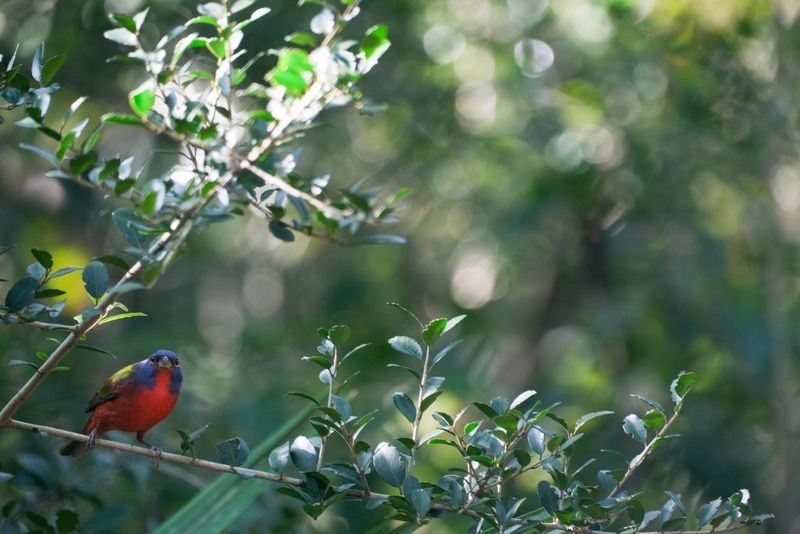
A bare fence can become one of the best wildlife features in a Florida yard. Native flowering vines add color, shade, nesting cover, and the insects that songbirds need.
Painted Buntings are shy birds, so they are more likely to visit yards with thick plant layers and safe places to hide. These seven Florida native vines can soften a fence while making your garden feel more alive.
1. Coral Honeysuckle
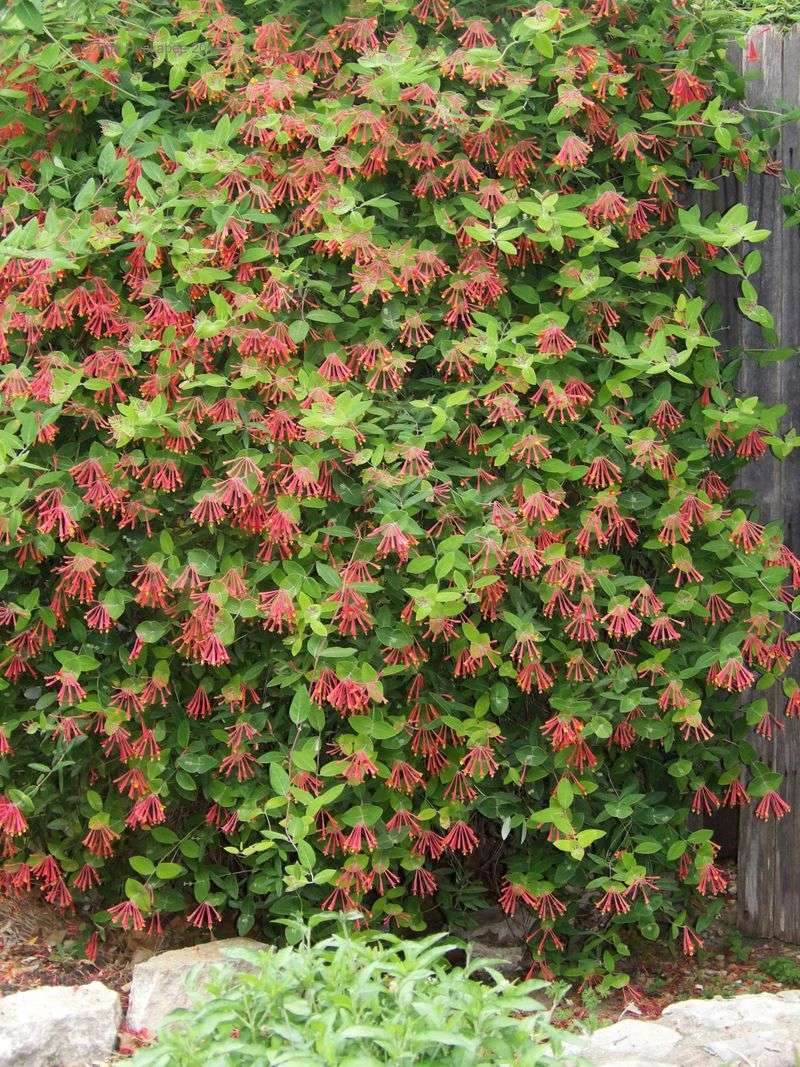
A flash of red on a fence can change the whole mood of a yard, and coral honeysuckle does it without acting like a garden bully. Unlike invasive Japanese honeysuckle, this Florida native vine is well behaved when given a trellis, wire fence, or sturdy arbor to climb.
Its red to coral tubular flowers are famous for drawing hummingbirds, but the bird value does not stop there. The vine also supports insects, and those insects are part of the food web that makes a yard more useful to Painted Buntings, especially during busy breeding and migration seasons.
For homeowners, coral honeysuckle is a strong pick because it gives color without needing rich soil. It handles Florida sun, tolerates sandy ground once established, and can be pruned after blooming to keep it from getting too bulky.
Use it where you want a neat, colorful screen rather than a wild thicket. A sunny fence along a patio, side yard, or front walk is ideal, especially if there are shrubs or grasses nearby to create the layered cover buntings prefer.
2. Purple Passionflower
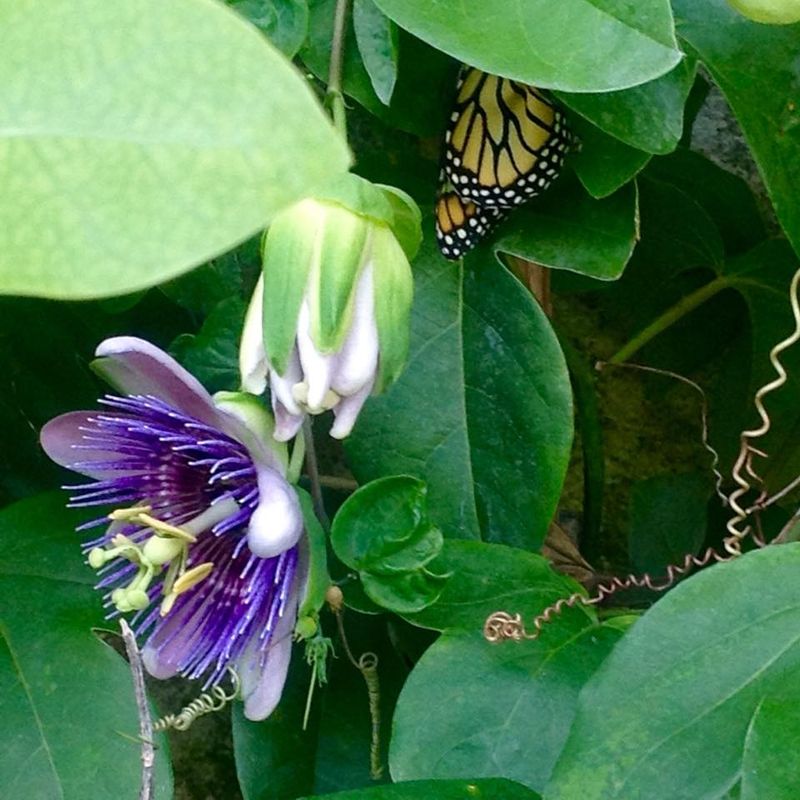
Few vines look as strange and wonderful as purple passionflower. One bloom can stop a neighbor mid-step, with its curly filaments, pale petals, and tropical-looking shape that seems far too fancy for a tough native plant.
In Florida yards, purple passionflower earns its space by feeding more than the eye. It is a host plant for Gulf fritillary and zebra longwing butterflies, which means caterpillars may chew the leaves, then become butterflies that bring movement and life to the fence line.
Painted Buntings are seed eaters for much of the year, but they also benefit from yards rich in insects and cover. A passionflower-covered fence can become part of a thicker backyard edge, especially when paired with native grasses, beautyberry, or wax myrtle nearby.
Give this vine sun, room, and something to grab. It spreads by underground runners, so place it where a slightly free-spirited plant makes sense, such as a back fence, wildlife corner, or informal side yard.
If your garden style is tidy and formal, plan to pull stray shoots. If your goal is butterflies, flowers, and bird-friendly cover, its lively nature is part of the charm.
3. Corkystem Passionflower
Not every useful vine has to shout for attention. Corkystem passionflower is the quieter cousin of purple passionflower, with small greenish flowers, slender stems, and a habit that fits beautifully into naturalistic Florida plantings.
Its biggest gift is habitat value. This native vine hosts several butterfly species, including zebra longwing and Gulf fritillary, and its small fruits can interest wildlife.
That steady insect activity helps build the kind of living fence line that makes shy birds feel safer moving through a yard.
Painted Buntings often slip through low, tangled vegetation instead of perching out in the open for long. Corkystem passionflower can weave through shrubs or a fence without making the heavy, woody mass that some larger vines create.
Try it on chain link, a light trellis, or along the edge of a native hedge. It is especially useful in smaller spaces where you want wildlife value but cannot manage an aggressive, heavy vine.
Because the flowers are subtle, place it where you will appreciate the whole scene rather than a big floral display. Think of it as the backstage crew of a bird garden, quietly keeping the show running.
4. Crossvine
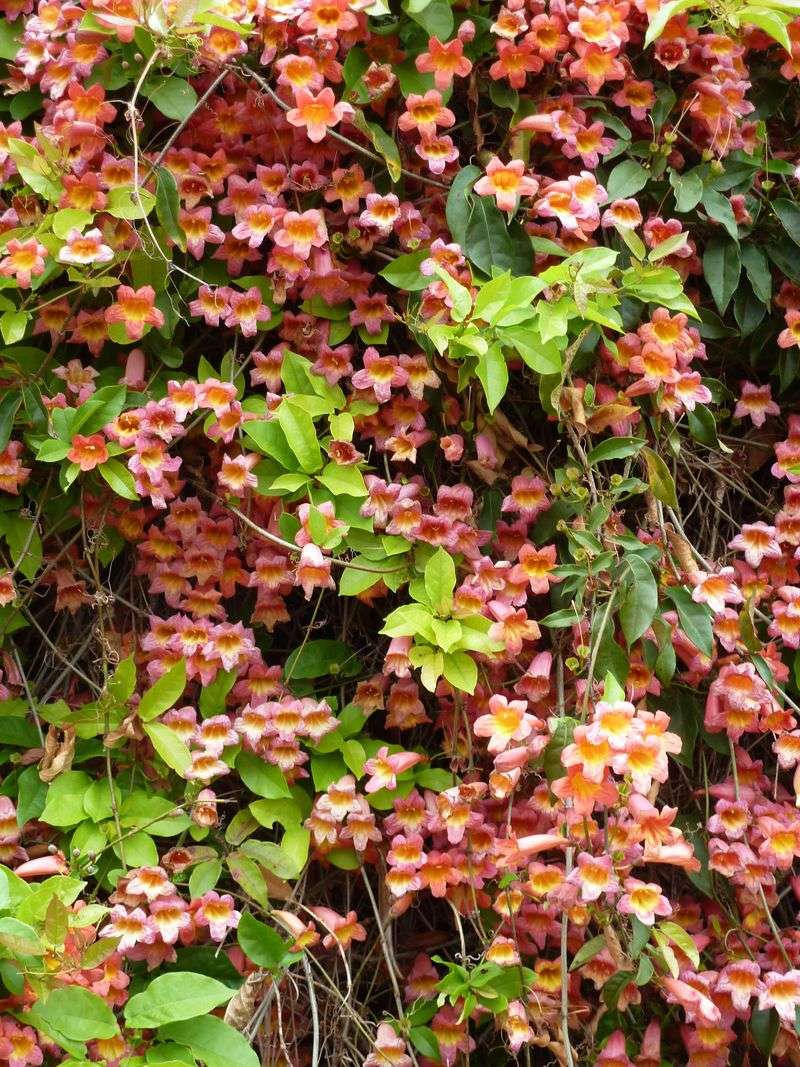
When a fence needs serious coverage, crossvine brings muscle. This native vine can climb high, bloom heavily, and turn a plain boundary into a warm wall of orange, red, and yellow trumpet-shaped flowers.
Crossvine is especially useful in North and parts of Central Florida, where it can stay semi-evergreen to evergreen depending on winter conditions. It attaches with tendrils and small holdfasts, so it is best used on a sturdy fence, arbor, or structure that can handle long-term growth.
Its spring flower show is a magnet for hummingbirds and pollinators. For Painted Buntings, the value is more about structure and habitat than direct feeding.
A dense crossvine can make a fence feel less exposed, giving small birds more cover as they move between shrubs, grasses, and feeding areas.
Plant it in sun to part shade, with sun giving the strongest bloom. Sandy Florida soil is usually fine once the plant is established, but regular water during the first season helps it settle in.
Crossvine is not the vine for a tiny mailbox trellis. Give it a real job, such as covering a long back fence, hiding a utility area, or creating a leafy screen beside an outdoor seating space.
5. Carolina Jessamine
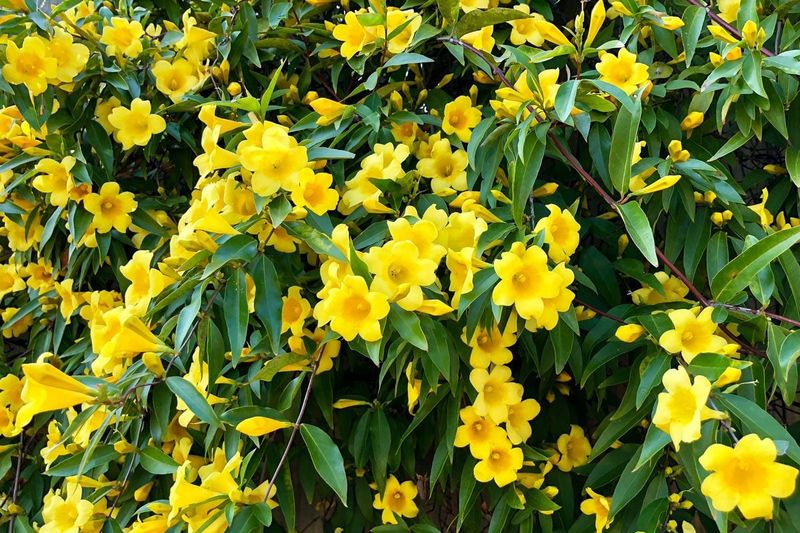
Late winter can feel a little sleepy in the garden, then Carolina jessamine opens its yellow bells and makes the fence look awake again. The flowers arrive early, often before many spring plants have started their show.
This native vine is a good fit for gardeners who want evergreen coverage with a polished look. It climbs fences and arbors with twining stems, and its glossy leaves can soften hard lines without looking messy when pruned once or twice a year.
For wildlife gardeners, Carolina jessamine adds seasonal bloom and shelter. Painted Buntings are not visiting it for nectar, but they do respond to yards with dense, layered plantings where they can feed near cover and retreat quickly if startled.
Use Carolina jessamine on a fence near native grasses, seed-producing perennials, or shrubs such as Simpson’s stopper and beautyberry. That mix gives buntings more of what they need than a single vine planted alone.
One caution matters: all parts of Carolina jessamine are toxic if eaten. Place it thoughtfully if pets or small children chew on plants, and wear gloves when pruning if you have sensitive skin.
6. Pipevine
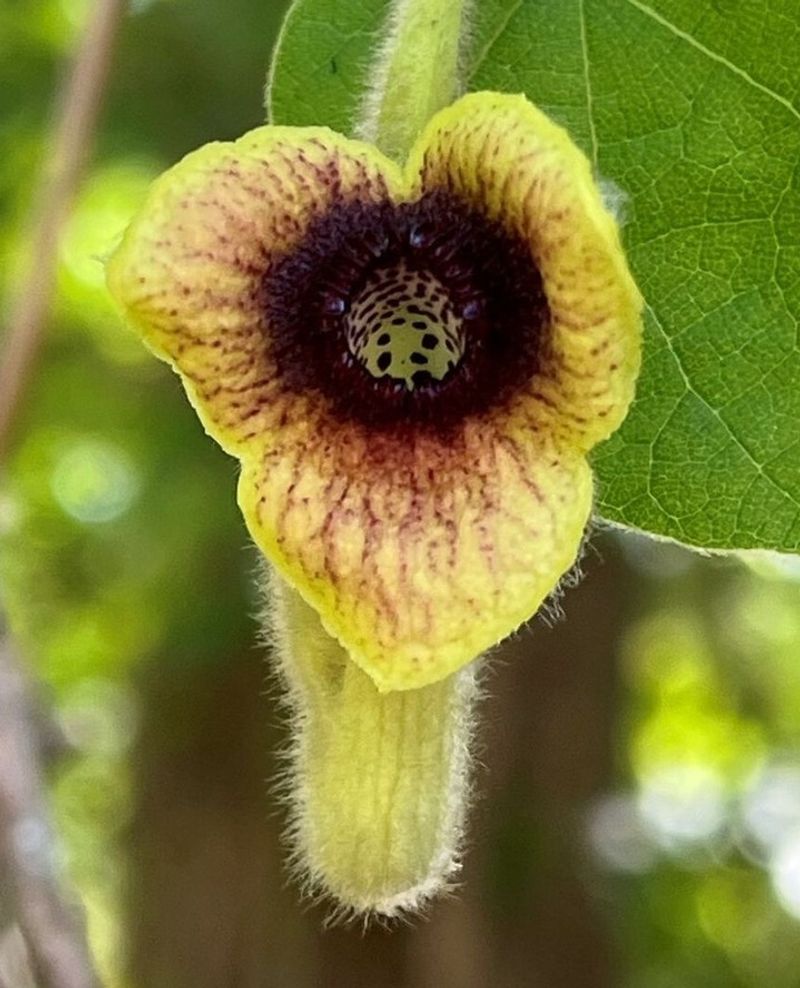
A vine with flowers shaped like tiny pipes sounds like something from a storybook, but pipevine is very real and wonderfully odd. In the right Florida garden, it adds leafy cover and a hidden world of unusual blooms.
Native pipevines are best known as host plants for pipevine swallowtail butterflies. If you plant the right native species for your area, you may see caterpillars using the foliage, followed later by dark swallowtail butterflies flashing blue in the sun.
That kind of insect life matters in a bird-friendly yard. Painted Buntings are strongly tied to seeds, especially from grasses and weedy native edges, but a healthy insect population supports the broader habitat that keeps small birds visiting.
Pipevine often suits part shade, woodland edges, and fences that do not bake all day. It can be a smart choice along a side yard where shrubs already create cover, or near a back fence under high pine or oak shade.
Be careful when shopping, because not every pipevine sold in nurseries is a safe or useful native host plant. Ask for Florida-appropriate native Aristolochia species, and avoid mystery vines that may not support local butterflies well.
7. Skyblue Clustervine
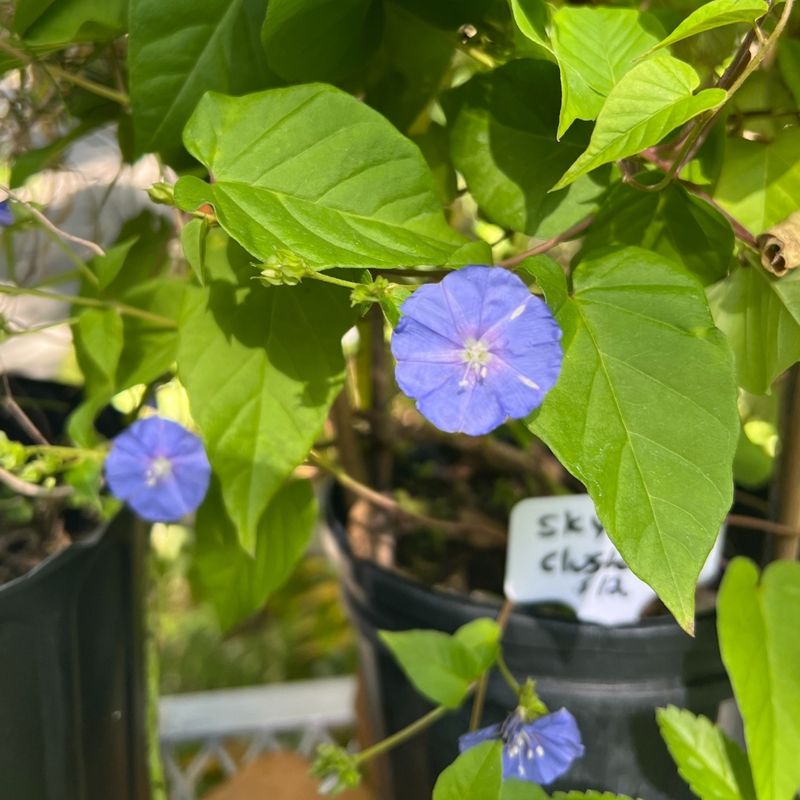
Soft blue flowers are not as common in Florida vine gardens, which makes skyblue clustervine feel like a small surprise. In South Florida, this native vine can bring a breezy, coastal look to a fence without the heavy feel of larger climbers.
Its blooms are smaller than passionflower or crossvine, but the color is fresh and charming. The vine works well where gardeners want a lighter screen, a pollinator-friendly fence, or a native alternative to more aggressive ornamental vines.
Skyblue clustervine is especially relevant for warm South Florida gardens with sandy, fast-draining soil. Once established in the right spot, it can handle sun and heat while keeping a softer texture than many thick woody vines.
For Painted Buntings, think of it as one piece of a habitat puzzle. A fence covered in flowering vine becomes more useful when the base includes native grasses, seed-bearing wildflowers, and shrubs that create hiding places close to the ground.
Use skyblue clustervine where you pass often, such as a courtyard fence, pool screen planting, or front garden edge. Its beauty is in the details, so it rewards gardeners who enjoy close-up color and a more relaxed native look.