
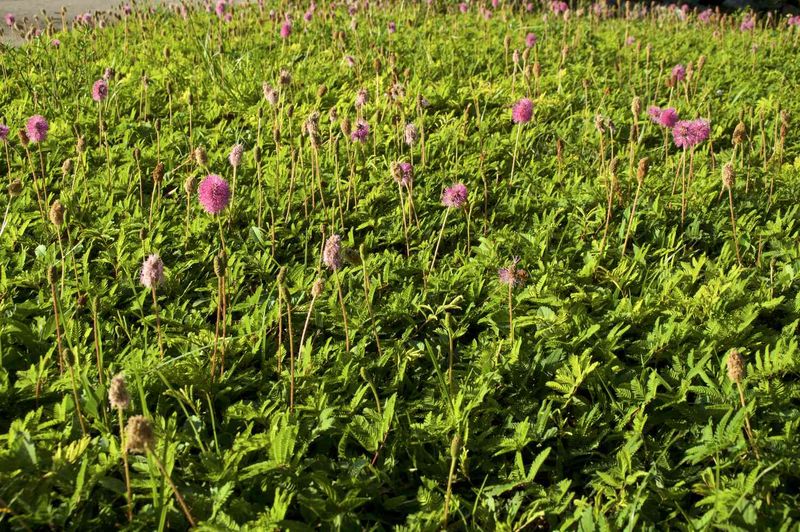
Mulch looks tidy at first, but around a Florida foundation it can stay damp, break down fast, and give roaches a cozy place to hide. Native ground covers can give that same finished look with less constant refreshing and more life in the yard.
The right plants shade sandy soil, handle heat, and create a cleaner edge beside the house. Here are seven Florida natives that can help replace mulch while making your foundation beds feel more alive.
1. Sunshine Mimosa
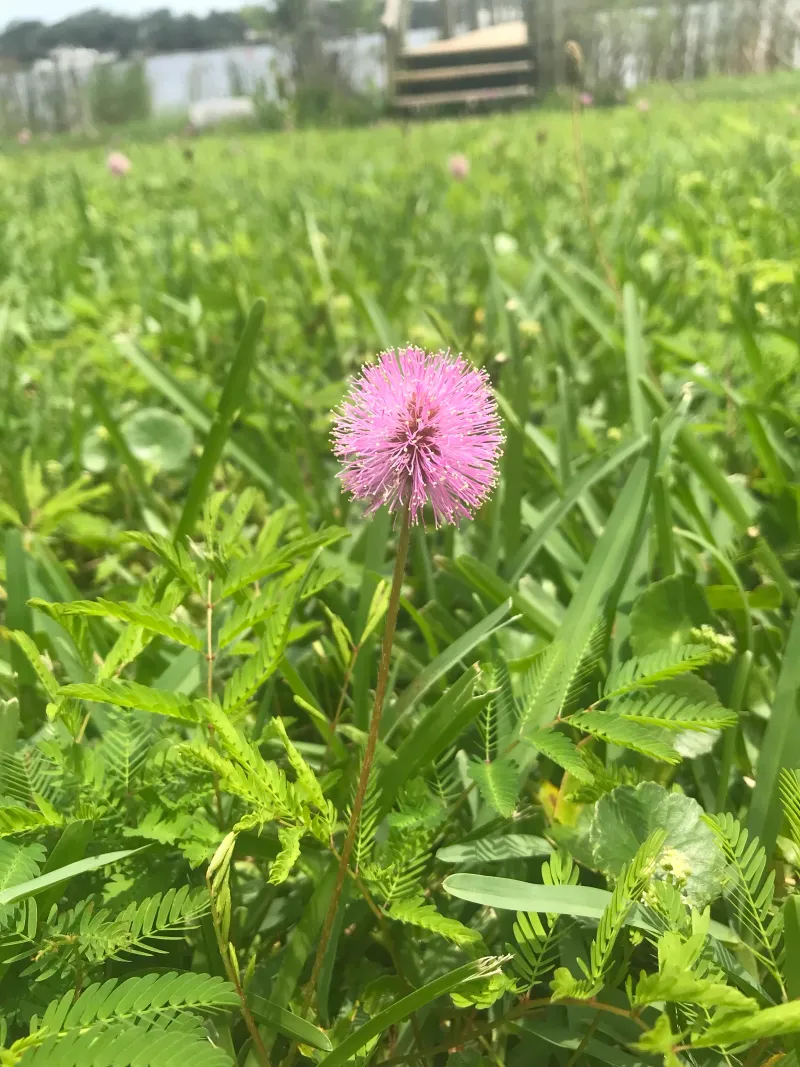
A little pink puffball flower can change the whole mood of a foundation bed. Sunshine mimosa brings a cheerful, low-growing look that feels far more alive than a strip of fading bark mulch.
This Florida native spreads by runners and forms a soft green mat, usually staying low enough to work near walkways, porch edges, and sunny walls. It is especially useful where you want a living cover that can handle heat, sandy soil, and the occasional dry spell once established.
Near the house, the big advantage is that it covers bare soil without creating the same loose, damp, decomposing layer that roaches often use for shelter. You still need good spacing, airflow, and a small clear inspection strip right against the wall, but sunshine mimosa can reduce the need for thick mulch piles in the bed.
Plant it where it gets plenty of sun. It may go thin in heavy shade, so save it for brighter foundation areas, mailbox beds, and open front-yard edges where its flowers can feed small pollinators and add curb appeal.
2. Frogfruit
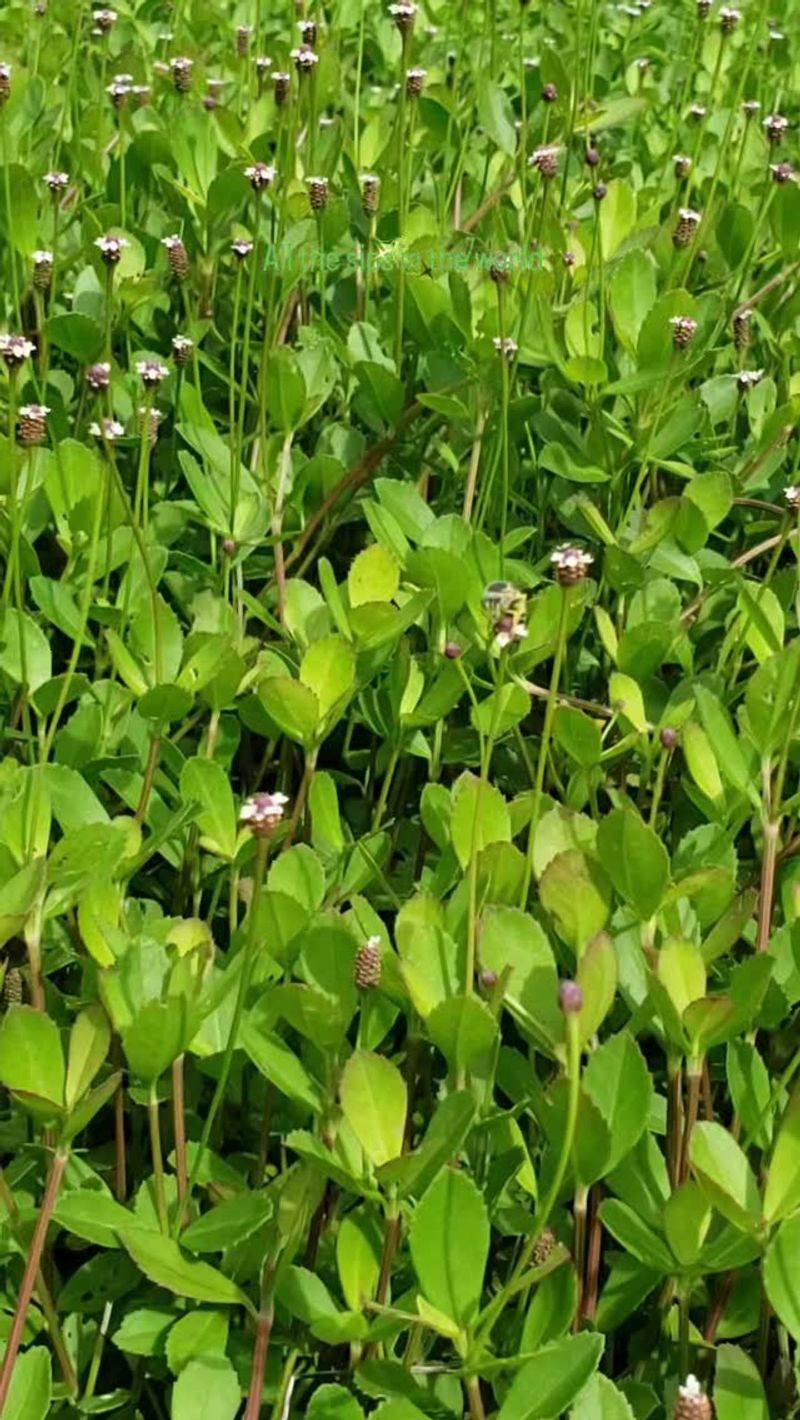
Busy butterflies often find frogfruit before people notice the flowers. The blooms are tiny, but the plant works hard, spreading into a low mat that suits casual, wildlife-friendly Florida yards.
Frogfruit is a smart pick for homeowners who want a tougher, less fussy substitute for mulch in sunny to partly sunny spots. It tolerates mowing, light foot traffic, and Florida’s sandy soil better than many prettier but weaker ground covers.
Its habit makes it different from the others on this list: frogfruit can bridge the gap between a lawn alternative and a foundation-bed plant. Use it where a bed meets turf, along a front walk, or around shrubs that have outgrown a plain mulch ring.
For roach-conscious planting, keep the growth trimmed away from weep holes, vents, door thresholds, and siding. A living mat will not make pests disappear, but it avoids the deep bark layer that can stay damp after irrigation or summer storms.
Expect a natural, meadow-like look rather than a formal carpet. If your style leans cottage garden, pollinator patch, or relaxed Florida bungalow, frogfruit can look right at home.
3. Coontie
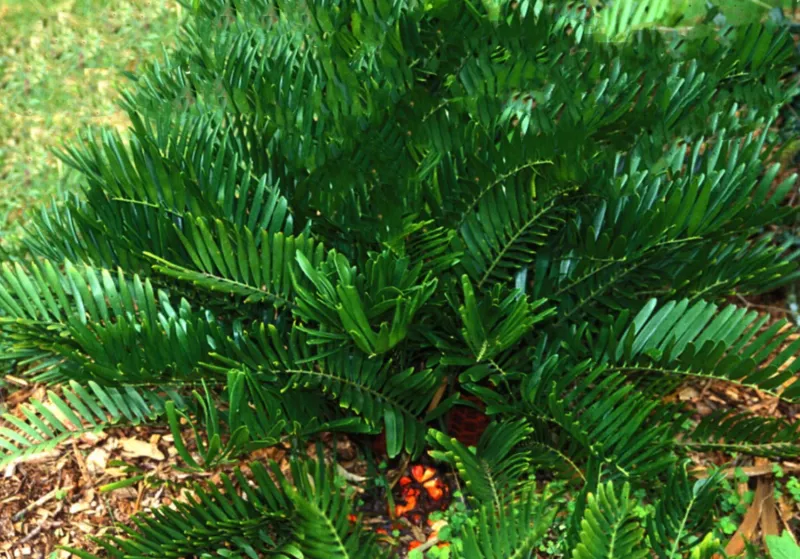
Not every ground cover has to hug the soil like a carpet. Coontie gives foundation beds a lush, finished look with glossy, palm-like foliage that stays neat without constant fussing.
This ancient-looking Florida native is a cycad, not a fern or palm, and it brings structure where flat ground covers might feel too thin. It works well under windows, beside porch steps, and in mixed beds where you want a low mass of green that does not need frequent replanting.
Coontie stands out because it handles partial shade better than many sun-loving native ground covers. That makes it useful along east, north, or tree-filtered sides of a house where mulch often becomes the default simply because grass struggles.
Once established, coontie is drought tolerant and generally low maintenance in sandy soil. It also supports the atala butterfly, a native species with a remarkable comeback story in South Florida.
Because coontie grows as clumps rather than a dense vine, it is easy to leave a clear band at the foundation for inspections and pest control. Use leaf litter lightly, avoid piling organic material into the crown, and give each plant room to show off its tidy shape.
4. Beach Sunflower
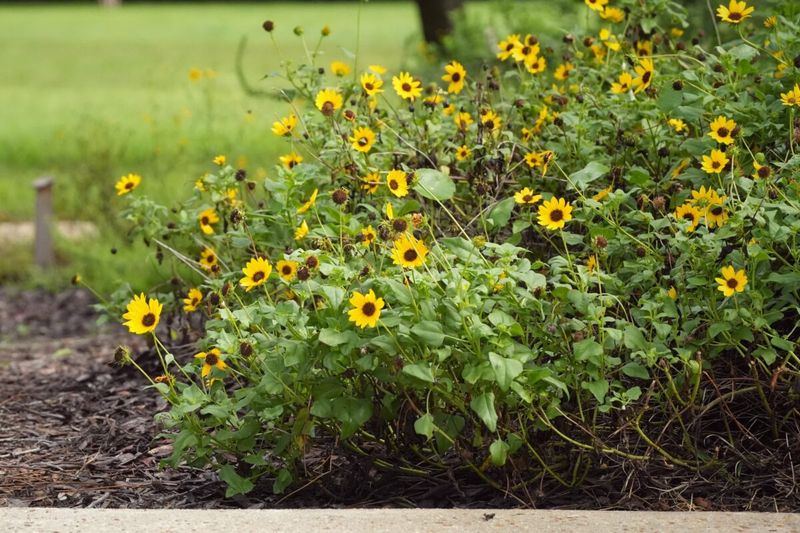
For a hot, bright wall that bakes everything else, beach sunflower can feel like a small victory. Its yellow blooms bring a sunny coastal look without demanding rich soil or pampered care.
Beach sunflower is best for full-sun foundation beds, especially in sandy sites where drainage is fast and reflected heat is intense. It spreads wider than it grows tall, creating a cheerful cover that can soften hard edges near driveways, walkways, and low walls.
The reason it earns a spot here is simple: it makes difficult, exposed beds look intentional. Instead of topping poor soil with more and more mulch, you can use a plant built for Florida’s lean, sunny conditions.
Keep in mind that beach sunflower can roam. Trim it as needed so it does not cover vents, creep over paths, or press tightly against the house.
That light maintenance also keeps the planting open and less inviting to hidden pests.
Pollinators appreciate the flowers, and homeowners appreciate the color. In a front yard that needs fast curb appeal, this native can turn a bare, hot strip into something that looks planned rather than patched.
5. Twinflower
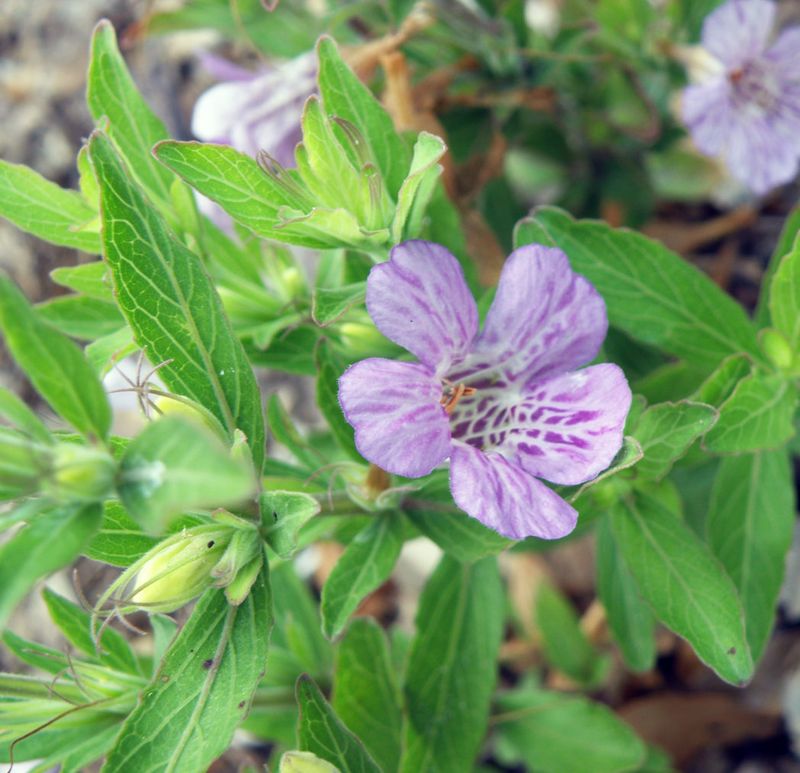
Small lavender blooms appear like tiny surprises along twinflower’s creeping stems. It is not loud or flashy, but it has a quiet charm that works beautifully in relaxed Florida landscapes.
Twinflower is useful for homeowners who want a low native cover that can handle sun to part shade and does not look too wild near the front door. It spreads along the ground and can fill open patches between shrubs, stepping stones, and bed edges.
What makes twinflower different is its delicate scale. Where coontie adds structure and beach sunflower brings bold color, twinflower creates a finer, softer layer that suits smaller foundation beds or cottage-style plantings.
As a mulch replacement, it helps cover soil while keeping the bed visually light. Avoid letting it form a thick, tangled mass against siding, and leave a narrow clear zone next to the foundation so you can spot moisture issues, ants, or roach activity early.
Give it decent drainage and avoid overwatering, especially close to the house. In many Florida yards, irrigation is set for turf and runs too often for foundation beds, which can create the damp conditions pests like.
Twinflower looks best when it is allowed to settle in, spread, and get trimmed lightly rather than soaked and smothered.
6. Lyreleaf Sage
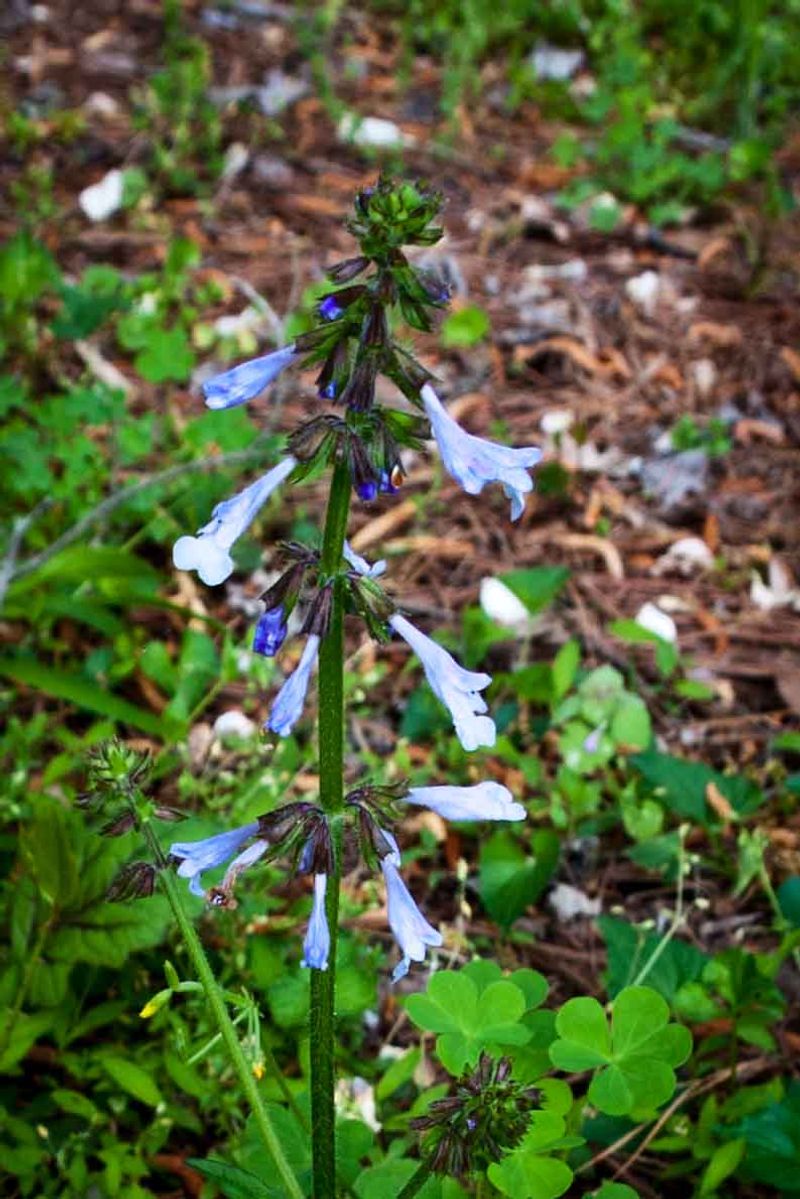
Under oaks and along shaded walls, many ground covers sulk. Lyreleaf sage is one of the native choices that can bring life to those dimmer foundation spots without forcing a high-maintenance planting scheme.
Its low rosette leaves spread gradually, and spring flower spikes add soft purple-blue color. The foliage can create a green layer beneath shrubs, especially where the soil is sandy but not constantly dry.
Lyreleaf sage belongs on this list because shade is where homeowners often give up and keep adding mulch. In part shade, especially on the north or east side of a Florida home, it can reduce bare soil while offering nectar for bees and other small pollinators.
The look is more natural than formal. If you prefer clipped hedges and sharp lines, place it in defined sweeps with edging so it reads as a choice, not a weed patch.
Near the foundation, let the leaves fill the bed but not crowd the wall. Rake out heavy leaf piles after storms, water only as needed, and avoid stacking pine bark or wood chips over the crowns.
That approach keeps the bed cleaner and less appealing as roach cover.
7. Dune Sunflower
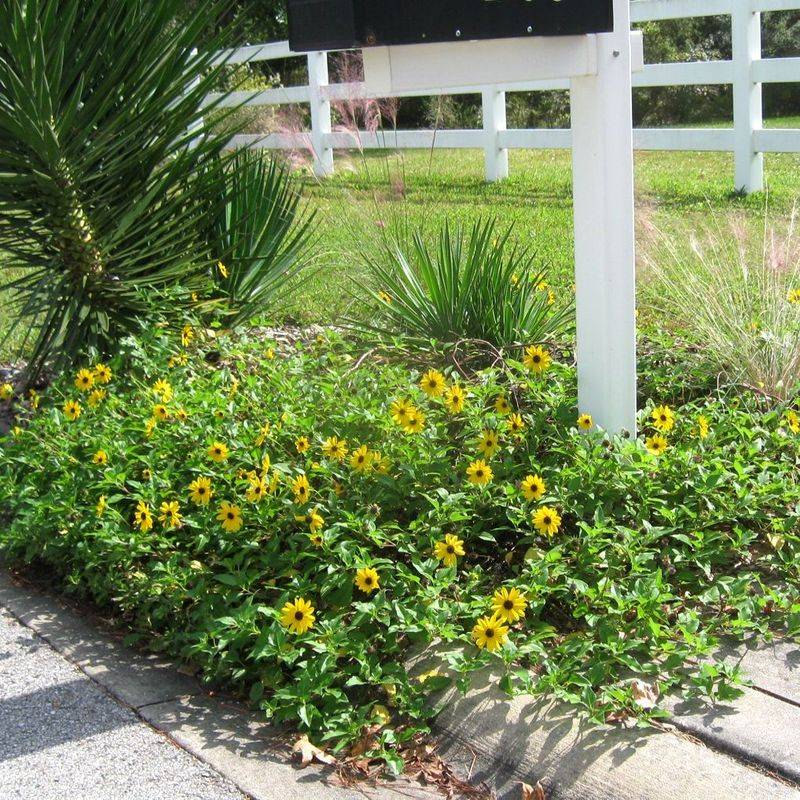
A strip of sand beside a hot wall does not have to look forgotten. Dune sunflower thrives in the kind of bright, dry, sandy place where many foundation plants need constant help.
Often confused with beach sunflower, dune sunflower is another Florida native with golden flowers and a spreading habit. It is especially fitting for coastal and near-coastal yards, but inland gardeners with very sunny, well-drained beds may also find it useful.
Its strongest role is erosion control and quick coverage in lean soil. If rainwater sheets off the roofline or a bed edge keeps washing out, dune sunflower can help knit the surface together better than loose mulch that floats, scatters, or breaks down quickly.
Give it room, because it is not a tiny accent plant. Use it on broad foundation stretches, driveway corners, or sunny side yards where a wider ground cover makes sense.
To keep the roach-prevention angle practical, prune runners before they pile against the wall and avoid hiding irrigation leaks under foliage. The goal is not a jungle at the base of the house.
It is a living, sun-tough cover that replaces deep organic mulch while still letting air move through the bed.