
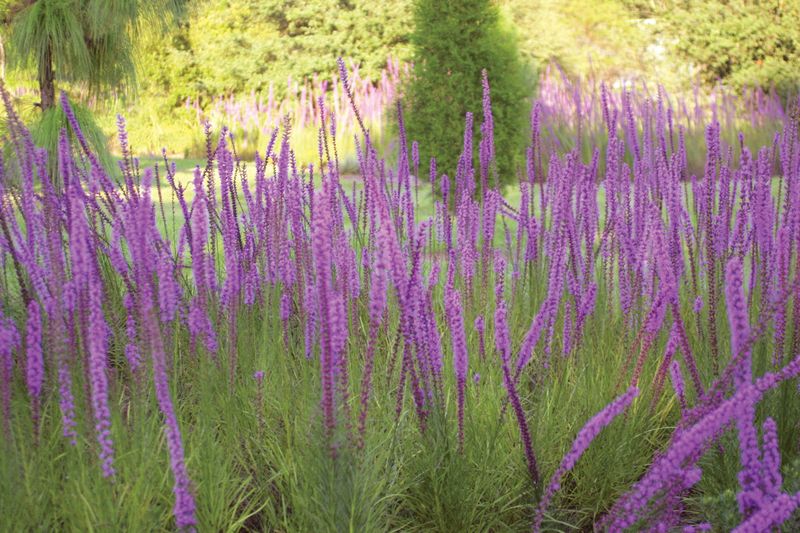
By August, many Florida yards look tired, crispy, and ready for a break. The heat is heavy, rain can be strange, and sandy soil dries out fast between storms.
Native plants can handle those local challenges better than many thirsty imports. These seven choices keep color, texture, and wildlife value going when the rest of the garden starts to fade.
1. Firebush
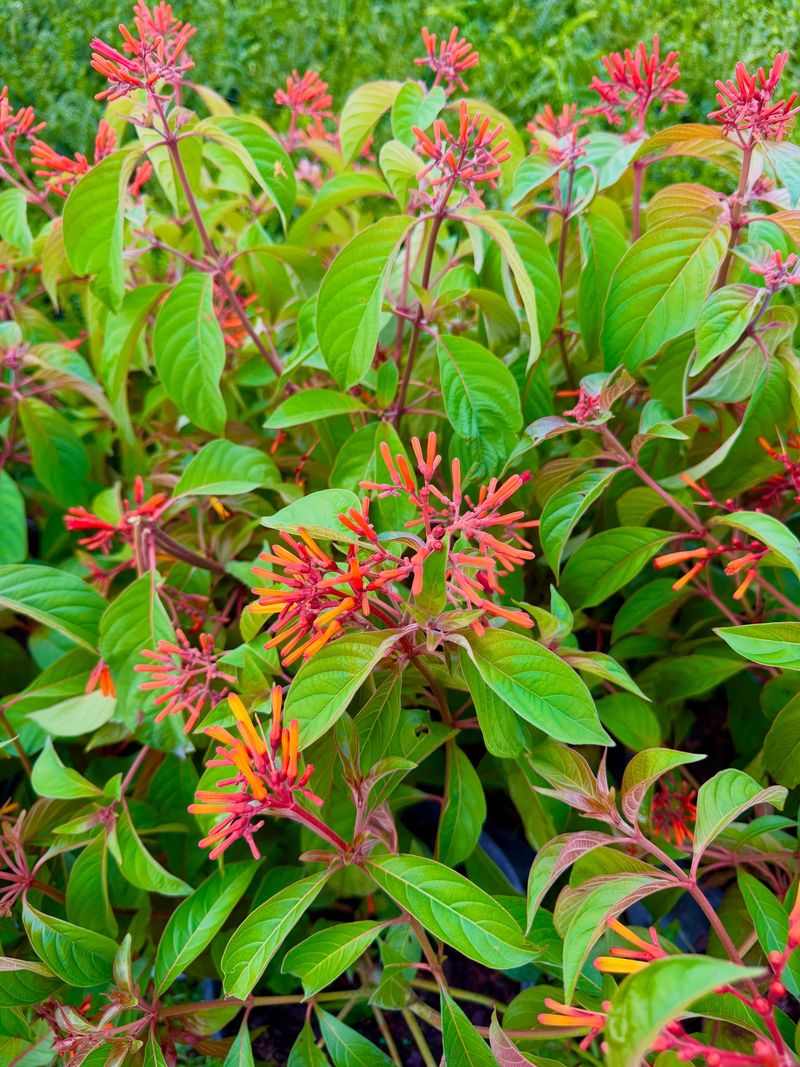
Some plants whisper through summer, but firebush practically waves a flag from the flower bed. Its red-orange blooms look bold in the kind of August heat that makes many annuals slump before lunch.
Firebush is a Florida native shrub that earns its place because it brings strong color and wildlife action at the same time. Hummingbirds love the tubular flowers, and butterflies visit often, so it turns a tired corner of the yard into a moving, lively spot.
In warm parts of Florida, it can bloom for much of the year, but summer is when it really proves its value.
Give it sun to part sun and well-drained soil, and it usually asks for little once established. It fits nicely along fences, near patios, or in the back of a mixed border where its loose, natural shape has room to breathe.
In North Florida, cold may knock it back in winter, but it often returns from the roots when warm weather comes back.
For homeowners dealing with sandy soil and blazing afternoons, firebush is one of the easiest ways to add color without constant fussing. Trim lightly if you want a neater shape, or let it grow more freely for a relaxed, wildlife-friendly look.
2. Blanketflower
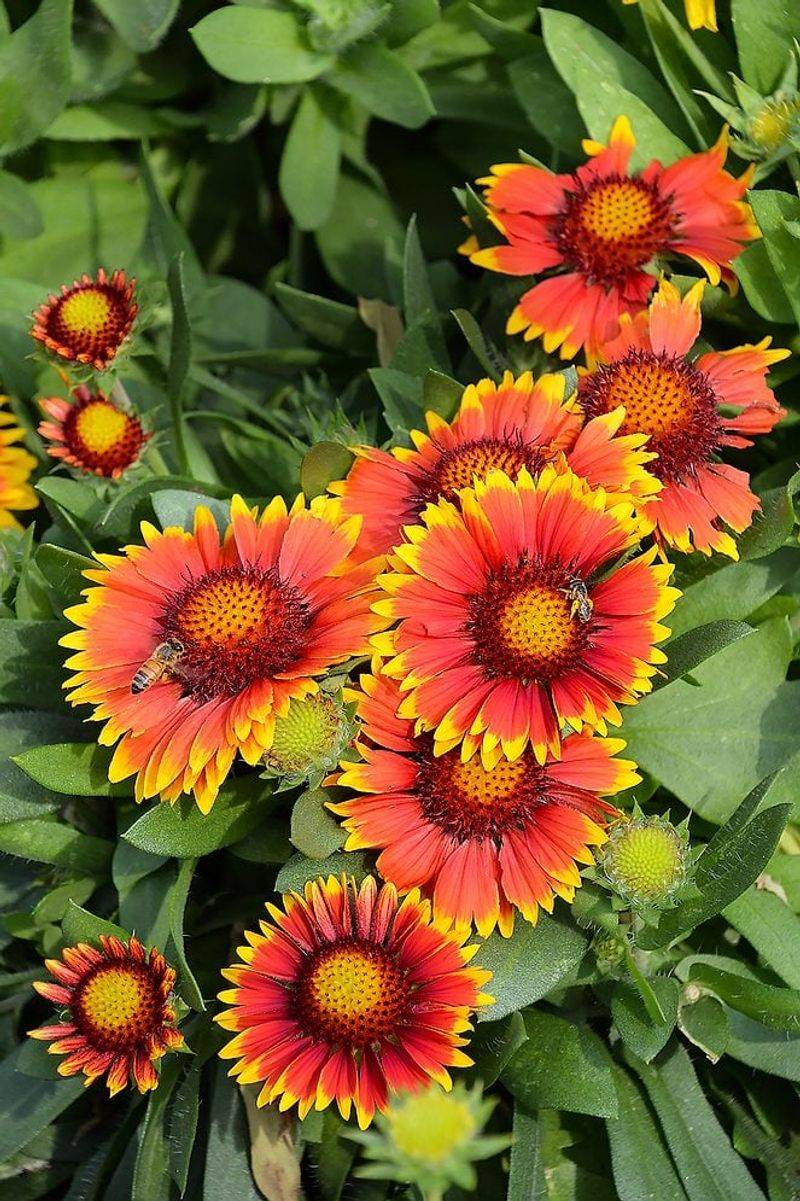
A sunny strip beside a driveway can feel impossible to plant, yet blanketflower treats that hot, dry spot like home. Its red, orange, and yellow daisy-like blooms bring a cheerful, beachy look even when the lawn nearby is losing color.
Blanketflower stands out on this list because it is compact, bright, and especially useful for sandy, fast-draining areas. It is often found in tough open places, including coastal and roadside habitats, which tells you a lot about its grit.
In a home garden, that toughness translates into flowers with far less pampering than many bedding plants need.
Plant it in full sun and avoid rich, soggy soil. Too much water or fertilizer can make it weak and short-lived, so this is a good choice for gardeners who would rather not baby every bloom.
Deadheading can encourage more flowers, but even a casual gardener can enjoy a strong show.
Use blanketflower along front walks, mailbox beds, curb strips, or sunny edges where taller shrubs would feel too heavy. The color is bold without taking over the whole yard, and pollinators appreciate the open flowers.
If your August garden needs a quick visual lift, this native brings the look of sunshine right down to ground level.
3. Beach Sunflower
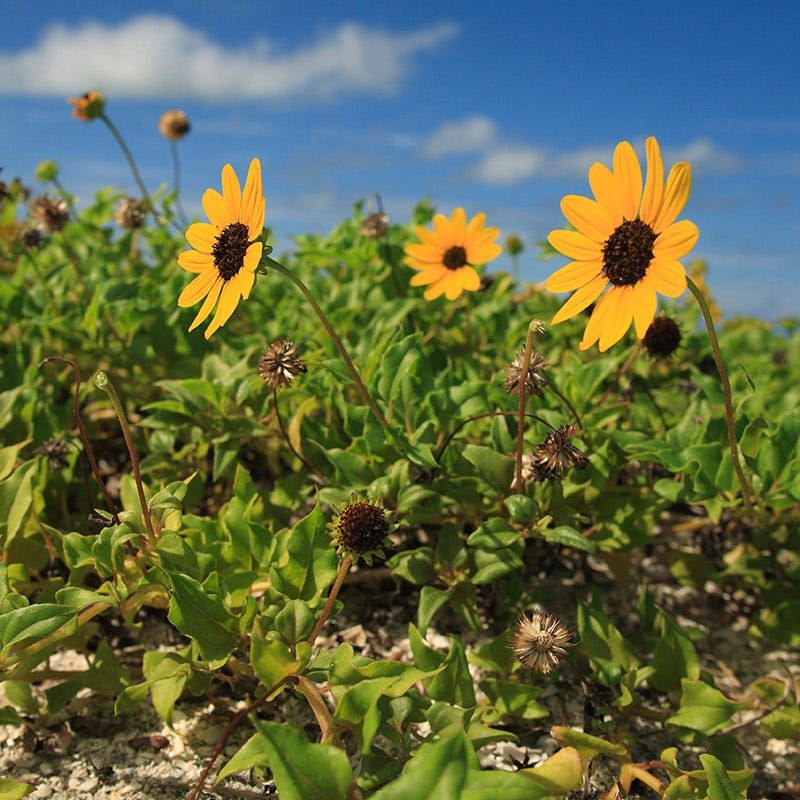
When bare sand keeps showing between plants, beach sunflower can make the whole bed look finished. It spreads low, blooms generously, and gives hot spaces a golden carpet effect that feels right at home in Florida.
Beach sunflower is different from the taller, showier flowers on this list because it works like a living mulch. Its low habit helps cover open ground, soften hard edges, and reduce that patchy look that often shows up by late summer.
The cheerful yellow blooms sit above rough green foliage and can appear through much of the warm season.
Full sun is best, and sandy soil is not a problem. In fact, this plant is well suited to dry, well-drained sites and coastal-style landscapes.
It can spread, so place it where you want coverage, not in a tiny formal pocket where every stem must stay in line.
Beach sunflower is especially useful near driveways, sidewalks, slopes, and open front-yard beds that bake in afternoon sun. Pollinators use the flowers, while gardeners get color that does not feel fussy or delicate.
In areas with occasional flooding, make sure the planting spot drains well after heavy rain, since constantly wet roots are not its favorite situation.
If your yard starts looking thin by August, this native can visually pull everything together. It fills space, blooms brightly, and gives sandy beds a more intentional look.
4. Scarlet Sage
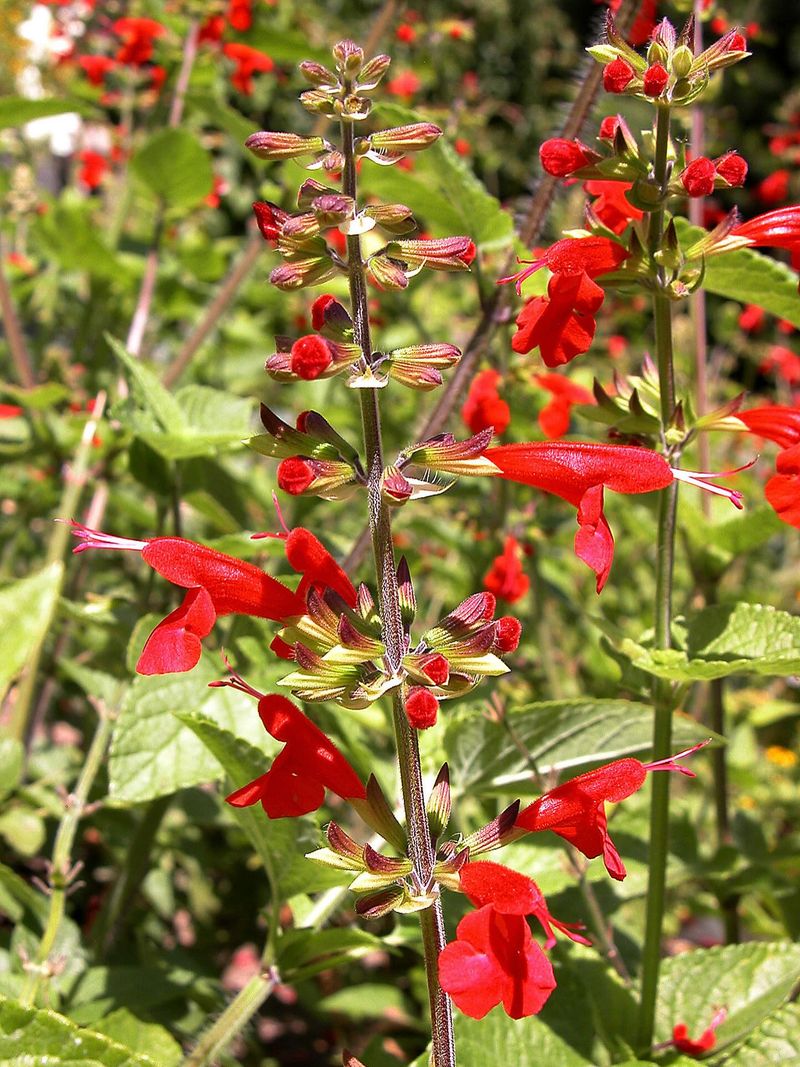
Red flower spikes have a way of waking up a sleepy garden bed. Scarlet sage brings that upright spark without needing the polished look of a formal flower border.
Its biggest strength is how well it fits into small spaces. While firebush can become a large shrub and beach sunflower spreads low, scarlet sage slips between other plants and adds vertical color.
The bright red blooms are especially attractive to hummingbirds, and butterflies may stop by too.
In Florida gardens, scarlet sage can behave like a short-lived perennial or reseeding wildflower, depending on location and conditions. That self-sowing habit is part of its charm if you enjoy a natural, cottage-style bed.
If seedlings pop up where you do not want them, they are usually easy to pull while young.
Plant it in sun to part shade, with soil that drains reasonably well. It can handle heat, but a little afternoon shade may help it look fresher in the hottest inland yards.
Cutting back tired stems can encourage a cleaner look and more bloom.
Scarlet sage is a smart pick near porches, patios, and windows where you can watch visiting hummingbirds. It also works in pollinator strips beside vegetables or herbs.
By August, when many softer plants are fading, those red spikes can still make the garden feel awake and cared for.
5. Tropical Sage
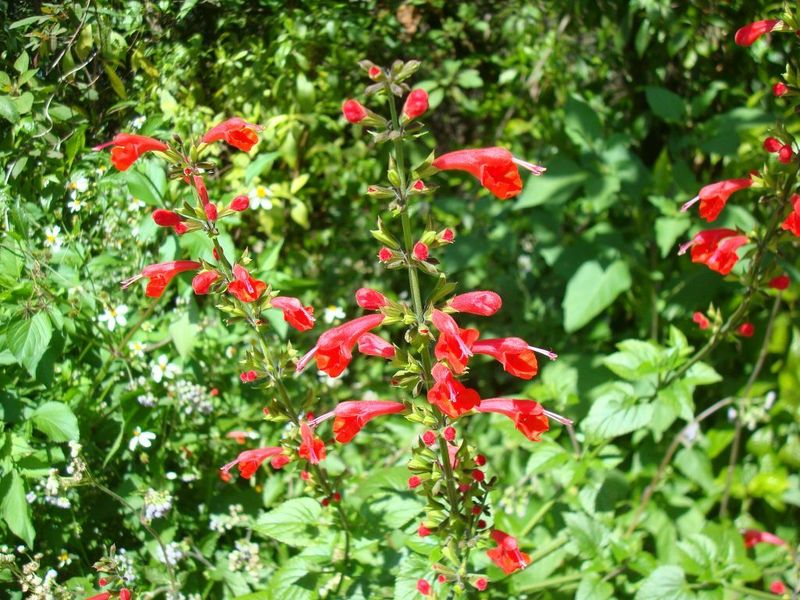
Not every bright summer plant needs to shout from across the street. Tropical sage has a looser, more natural beauty, the kind that makes a shady edge or informal border feel alive instead of empty.
This native earns a spot because it performs in places where many sun-loving summer flowers struggle. It can grow in part shade, including the dappled light under open trees, while still offering red blooms that pollinators notice.
That makes it valuable for Florida yards with oaks, pines, fences, or side yards that do not get full-day sun.
Tropical sage is often discussed along with scarlet sage, and gardeners may see the names used closely. In practice, treat it as a flexible native salvia for warm, wildlife-friendly beds.
It may reseed in friendly spots, creating a relaxed colony that looks charming rather than stiff.
Use it where you want color without heavy watering or constant replanting. It pairs well with coontie, native grasses, beautyberry, and other loose-textured Florida plants.
A light trim can keep it from looking too leggy, especially after a flush of bloom.
For August color, tropical sage is especially helpful because it brightens the middle layer of the garden. It is not a big anchor shrub or a flat groundcover.
Instead, it fills those awkward gaps with flowers, movement, and a little woodland-garden personality.
6. Dune Sunflower
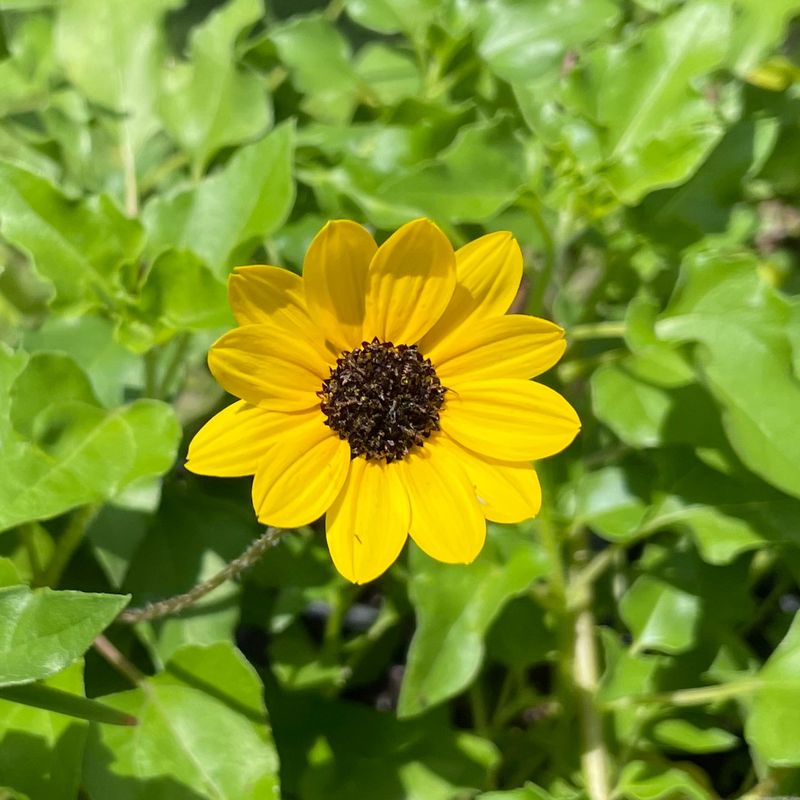
If your garden has a spot that feels more like a sandlot than a flower bed, dune sunflower deserves a serious look. It brings the easy glow of yellow blooms to some of the leanest, driest places in a Florida yard.
Dune sunflower is closely tied to Florida’s sandy landscapes, and that is exactly what makes it useful at home. It handles full sun, poor soil, and dry spells once established, which are common problems in many yards away from irrigation lines.
The flowers are simple and sunny, but the real magic is how they keep appearing when high-maintenance plants have already given up.
Because it stays relatively low and spreads, dune sunflower works well as a groundcover for broad, hot spaces. It can help stabilize bare areas, soften the front of a border, or cover a bank where mowing is annoying.
Give it room, because a happy patch will not stay tiny.
Good drainage matters. After summer storms, water should move through the area instead of sitting around the roots.
If your yard floods regularly, choose a higher bed or mound the planting area slightly.
This plant has a casual, coastal feel, so it suits gardeners who like a natural look more than a clipped one. By late summer, its bright yellow flowers can make the whole yard feel less tired, especially when grouped in generous drifts.
7. Spotted Beebalm
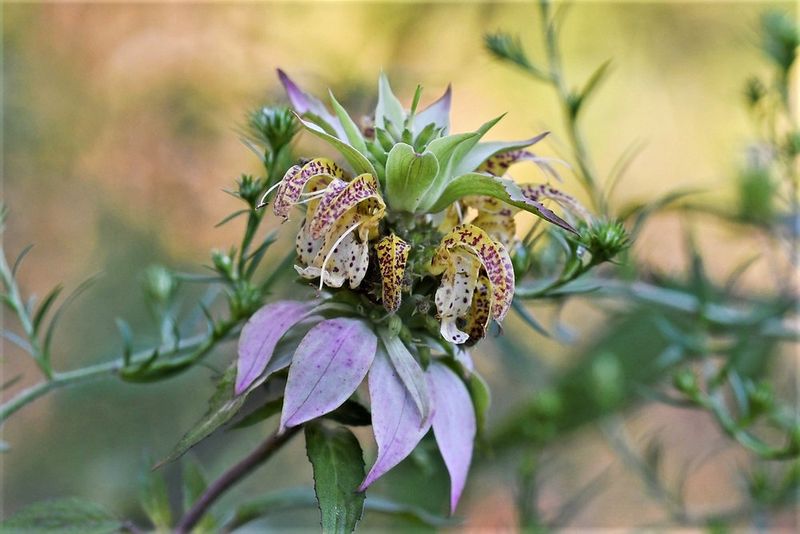
At first glance, spotted beebalm looks a little quirky, almost like a wildflower wearing stacked collars. That unusual form is exactly why it belongs in a summer garden that needs more than the same round flowers over and over.
Spotted beebalm brings soft pink, lavender, cream, and spotted flower details that feel fresh in late summer. It is especially valuable for bees, butterflies, and other pollinators, making it a smart choice for gardeners who want color plus habitat value.
Unlike the bold red firebush or golden sunflower types, this plant adds texture and surprise.
Plant it in full sun with well-drained sandy soil. It is well suited to meadow-style beds, pollinator patches, and informal borders where plants can mingle.
Avoid crowding it with thirsty, fertilizer-heavy annuals, since leaner conditions often suit native wildflowers better.
Spotted beebalm can be a short-lived perennial or reseeding plant in the right setting. That means it may move around a little from year to year, which can be a bonus if you enjoy a garden that feels natural.
Leave some seed heads if you want future volunteers and wildlife interest.
For August, its value is both visual and ecological. The blooms add pale color when many beds are either green or brown, and pollinators get another food source during a demanding season.
It is a fine choice for the gardener who likes a yard with personality.