
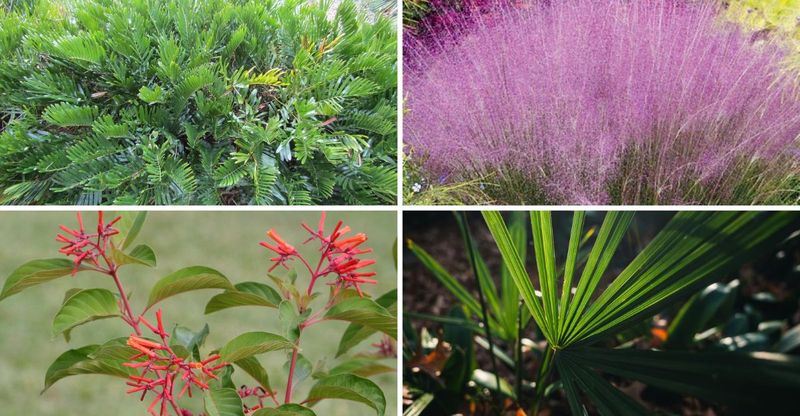
Mosquitoes and ticks can make a Florida patio feel off-limits, especially after rain or during warm evenings. The right native plants will not create a magic shield, but they can make the space less inviting while supporting pollinators and handling Florida weather. These seven picks are tough, useful, and patio-friendly when planted in pots or nearby beds. Think of them as part of a smarter pest plan, along with removing standing water and keeping leaf litter under control.
1. American beautyberry
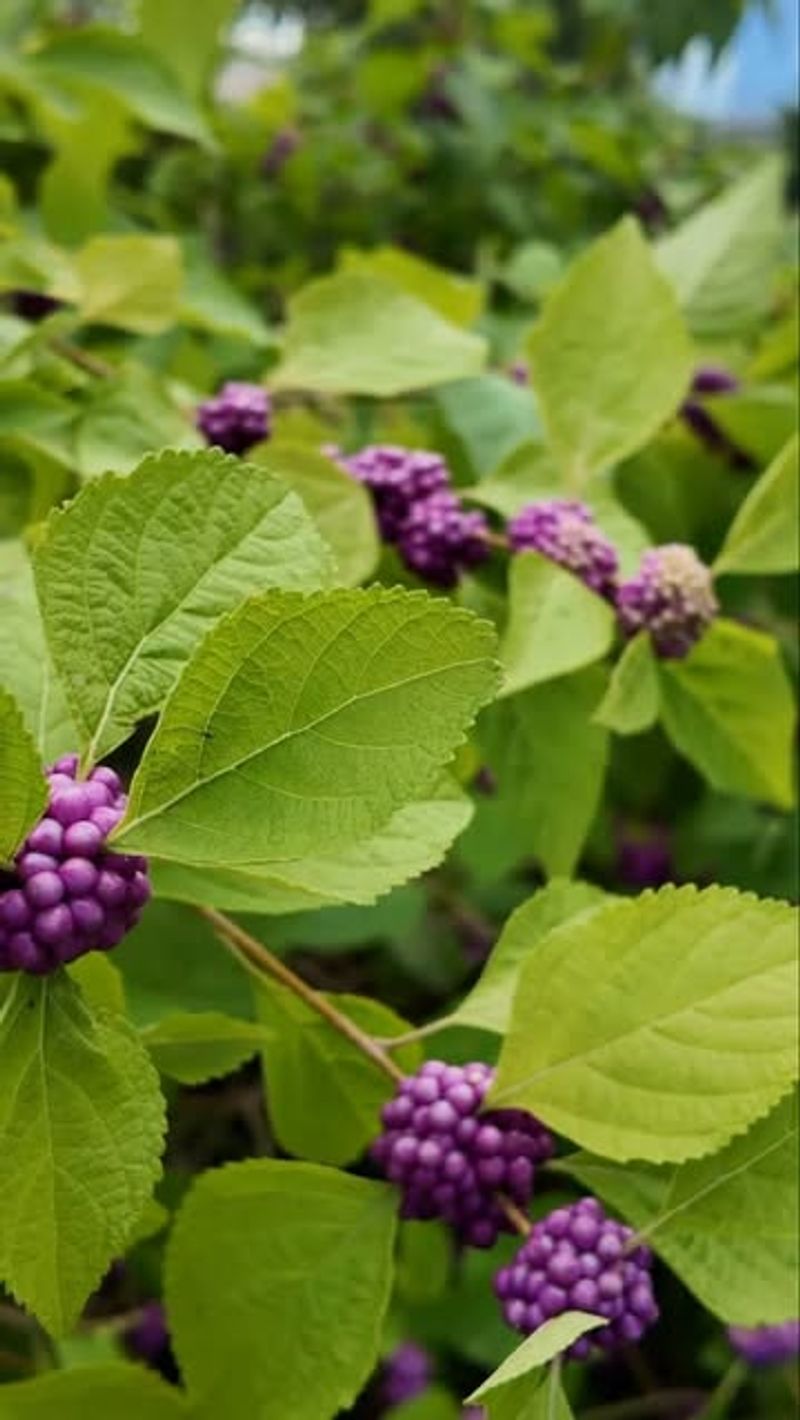
A flash of purple berries near the patio feels almost too pretty to be practical, but American beautyberry earns its place for more than looks. Florida gardeners often know it as a hardy native shrub that can handle heat, sandy soil, and the messy edges of a yard where pests like to hide.
The leaves contain compounds that have been studied for their insect-repelling qualities, especially against mosquitoes and ticks. Crushing a few leaves and rubbing them on clothing has been a folk practice in parts of the South, though it should not replace EPA-approved repellents when tick risk is high.
For a patio, beautyberry works best just outside the seating area rather than in a tiny pot. Give it room to arch, then prune lightly in late winter to keep it tidy and encourage fresh growth.
Wildlife is the bonus here. Birds eat the berries, pollinators visit the small flowers, and the shrub gives your patio a more natural edge without asking for constant attention.
2. Spotted beebalm
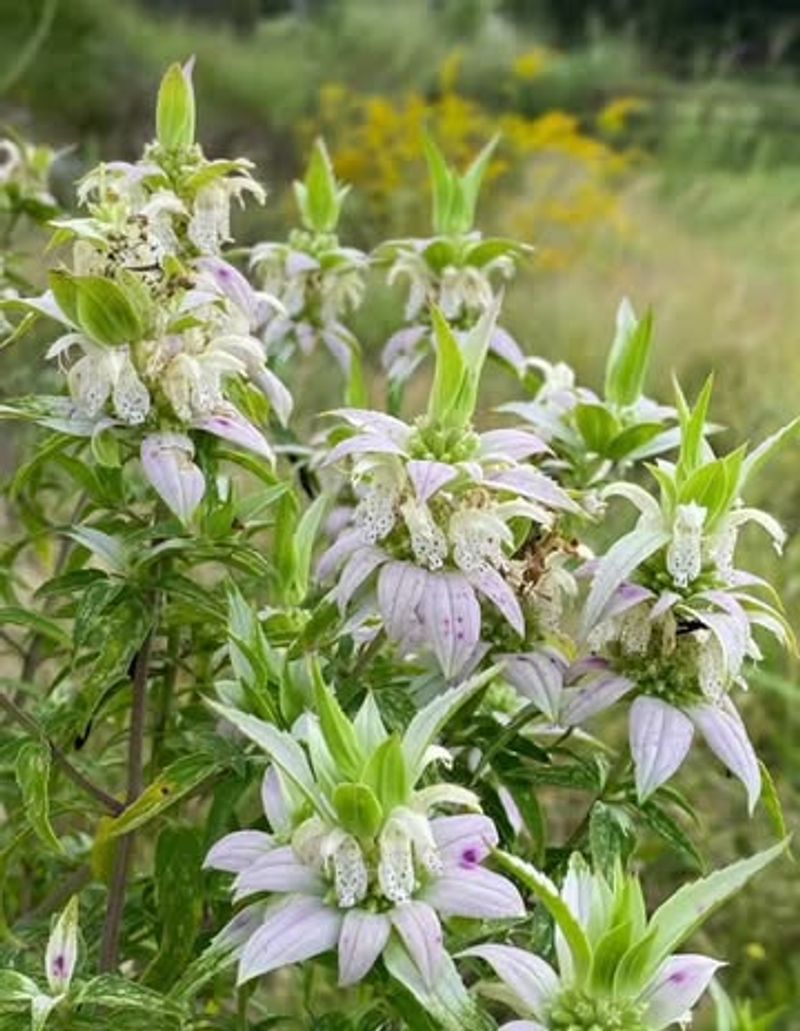
On a hot afternoon, spotted beebalm looks like a tiny fireworks show for bees. Its stacked, spotted flowers and pinkish bracts bring a wildflower feel to patios that need color without fussy care.
The reason it belongs on a pest-conscious patio is its strong, mint-family aroma. Fragrant oils in the foliage can help confuse or discourage some biting insects, and the scent becomes more noticeable when leaves are brushed or warmed by sun.
Spotted beebalm is especially useful for Florida gardeners who have dry, sandy spots near pavers or pool cages. It likes sun, drains well, and fits nicely in containers if the pot has good drainage.
Unlike some lush tropical plants that create damp hiding places, this native stays airy and upright. That matters because mosquitoes love still, humid pockets, and ticks often hang around dense, shady vegetation.
Cut back spent blooms to keep it looking fresh, but leave some seed heads if you enjoy a looser, cottage-style patio edge. You will get scent, pollinator action, and a plant that feels very Florida without looking plain.
3. Wild bergamot
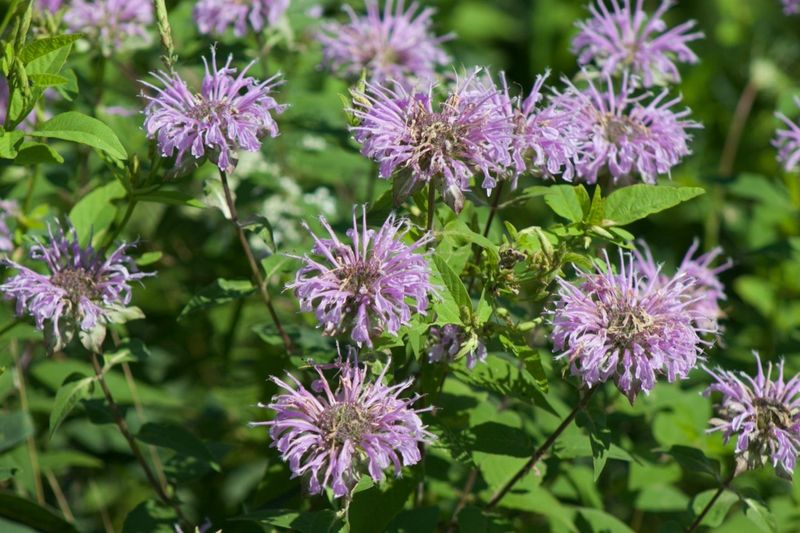
There is a reason people lean down to smell wild bergamot before they even ask its name. The leaves carry a spicy, herbal fragrance that gives a patio border the feeling of a living herb shelf.
As a member of the mint family, wild bergamot offers aromatic foliage that may make nearby seating less attractive to mosquitoes. It is not a stand-alone pest solution, but it can add scent and texture where plain mulch or bare patio edges would otherwise do nothing.
Florida growers should place it where drainage is sharp and air movement is good. In humid areas, crowding can invite leaf problems, so give plants breathing room instead of packing them tightly against a wall.
What makes wild bergamot different from spotted beebalm is its soft, rounded flower form and stronger meadow personality. It looks relaxed, almost windswept, and it pairs beautifully with grasses or low native groundcovers.
Pollinators are another reason to try it. Butterflies, native bees, and hummingbirds may stop by, turning the patio into a busier and healthier mini-habitat while the fragrant foliage adds another layer to your mosquito-reduction strategy.
4. Narrowleaf mountain mint
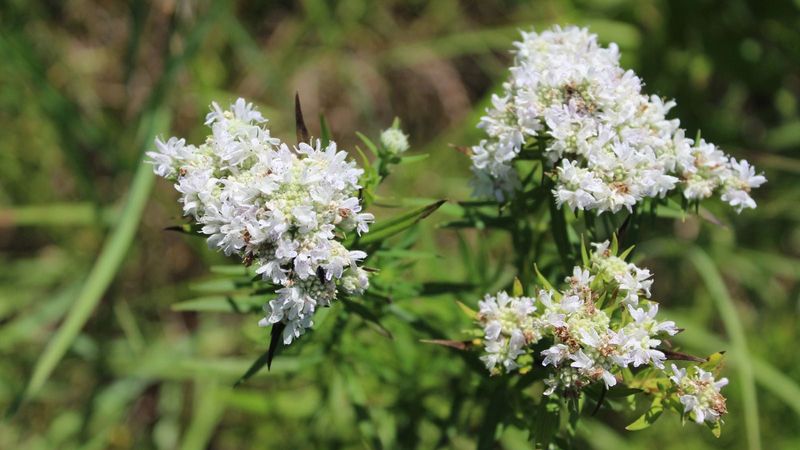
Bees seem to find narrowleaf mountain mint before people do, which is part of its charm. From a distance it reads as silvery and calm, but up close it hums with pollinator traffic.
The foliage has a clean minty scent that becomes stronger when touched. That fragrance is the reason many gardeners use mountain mints near outdoor sitting areas where mosquitoes tend to gather after rain.
Narrowleaf mountain mint stands out because it can look refined, not weedy, when planted in a container or narrow bed. Its slim leaves and pale flower clusters soften hard patio lines while still feeling neat enough for a small space.
Like many Florida natives, it prefers good drainage over rich, soggy soil. A raised planter or large pot with a gritty mix can help it avoid wet feet during heavy summer storms.
Keep in mind that mint relatives can spread when they are happy. Containers are a smart choice if you want the benefits without letting it wander into nearby beds.
For a low-effort patio, place it where you brush past it on the way to a chair. Every gentle bump releases scent, and that simple habit makes the plant more useful.
5. Lopsided indiangrass
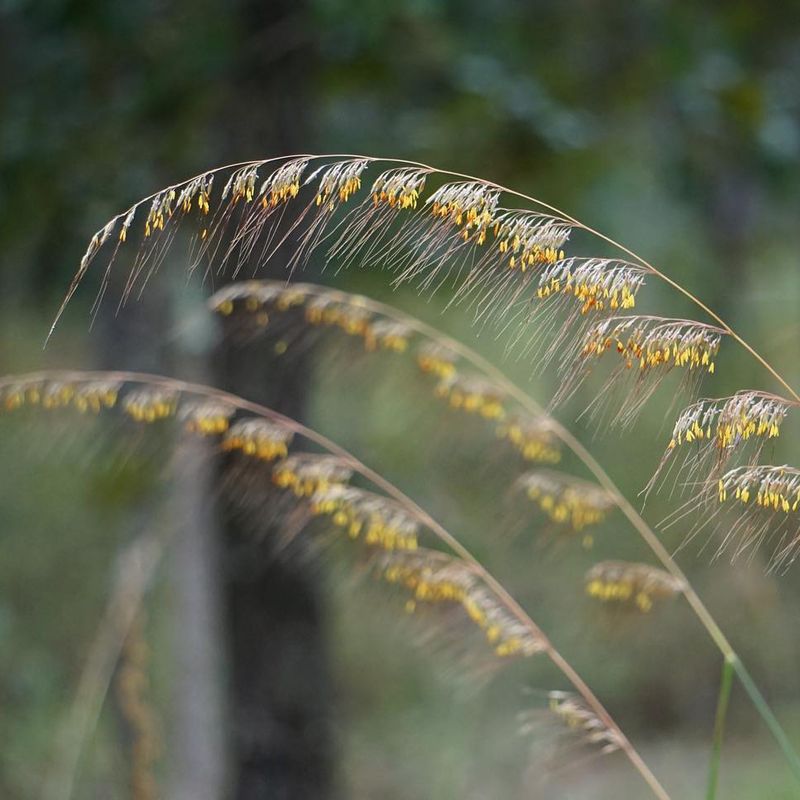
Not every pest-smart patio plant needs a strong perfume. Lopsided indiangrass helps in a different way, by replacing damp, tangled, pest-friendly growth with upright movement and open structure.
Ticks often wait in overgrown, brushy areas where animals pass through. A well-kept native grass planting can create a cleaner transition between patio and yard, especially when it is used instead of dense, unmanaged groundcover.
Lopsided indiangrass is also deeply Florida in spirit. It handles sandy soils, shines in sun, and brings golden seed heads that look especially good as the season shifts toward fall.
What makes it useful around patios is its height without heaviness. The blades sway, the clumps stay visually light, and the plant does not create the same soggy leaf mass that mosquitoes favor.
Use it in a large container, a narrow border, or the back of a native bed. Cut it back once a year before new growth begins, and remove storm-tattered stems after rough weather.
Pairing aromatic plants with structural grasses is a smart Florida move. The scented plants help with insect annoyance, while the grass improves airflow and reduces the kind of clutter where ticks and mosquitoes feel at home.
6. Frogfruit
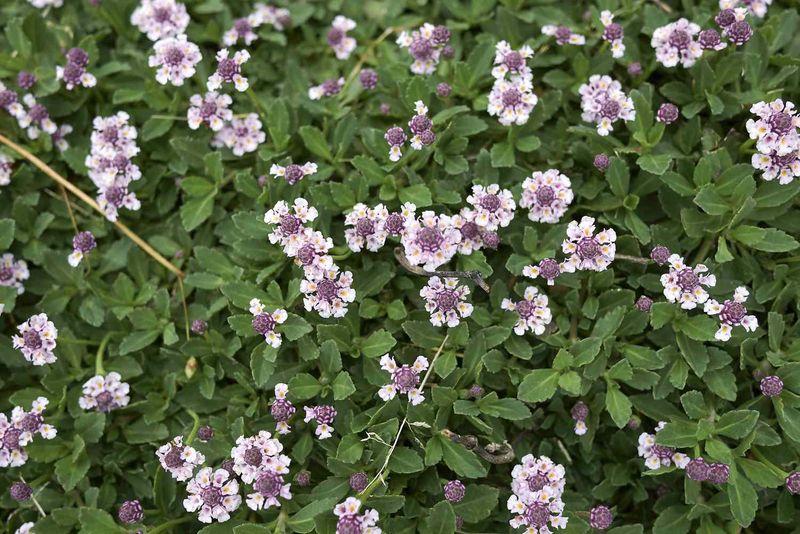
Small flowers, creeping stems, and a funny name make frogfruit easy to underestimate. Then it starts filling bare sandy patches, and you realize it is doing a job that mulch alone cannot handle.
Frogfruit is a low native groundcover that can help reduce weedy, uneven patio edges where moisture lingers and pests hide. It will not repel mosquitoes with a bold scent like mint-family plants, but it can support a cleaner, lower, easier-to-manage border.
For Florida patios, that matters after heavy rain. Bare soil can splash, weeds can explode, and forgotten corners can become messy fast in warm weather.
Frogfruit stays close to the ground and offers nectar for small butterflies, including some skipper species. It gives you a living carpet effect without demanding the water and fertilizer of a lawn.
Plant it where foot traffic is light to moderate, such as between stepping stones or along the patio edge. In very wet spots, improve drainage first because mosquito control always starts with reducing standing water.
Its personality is casual and a little wild, so it fits best in natural-style patios rather than formal designs. If you want a native plant that quietly tightens up the pest-prone fringe of a seating area, frogfruit is a clever pick.
7. Walter’s viburnum
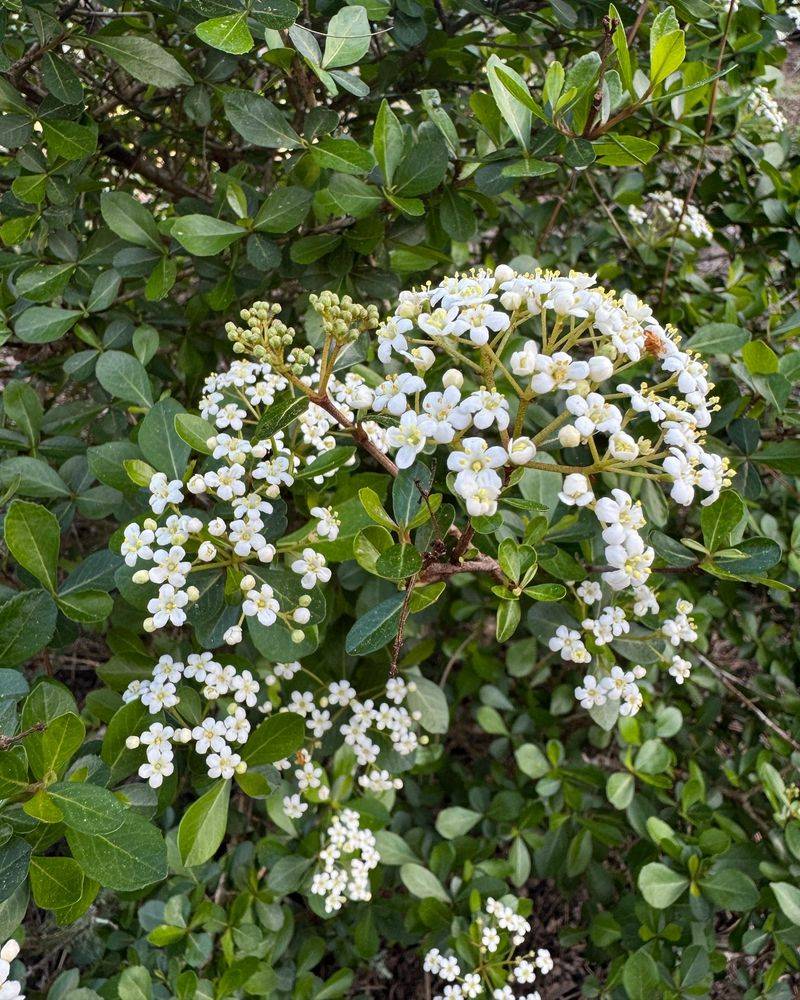
A patio feels calmer when the view is screened, but the wrong hedge can turn into a damp wall of leaves. Walter’s viburnum gives Florida gardeners a native alternative that can be clipped, shaped, and kept breathable.
Its role in a mosquito and tick strategy is all about smart structure. A trimmed, well-spaced native shrub can block wind less severely than a thick exotic hedge, while still creating privacy and habitat for birds.
Birds matter because a healthy yard with diverse wildlife is usually more balanced than a sterile one. Walter’s viburnum offers spring flowers, berries, and cover without needing constant babying once established.
For patios, choose the right form for your space. Some selections stay compact, while others become small trees or large shrubs, so check mature size before planting near pavers or screens.
Prune to keep the base open enough for airflow and cleanup. Remove leaf piles after storms, because wet debris can shelter insects and make tick-prone edges worse.
Walter’s viburnum is different from the fragrant herbs and wildflowers on this list because it builds the backbone of the patio garden. Use it as the tidy native screen, then layer smaller aromatic plants in front for a more complete pest-discouraging setup.