
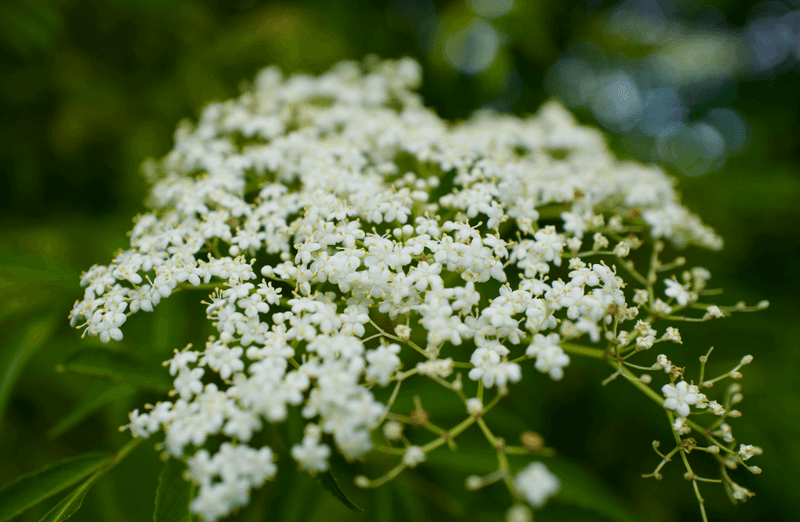
Crape myrtles can look pretty for a few weeks, but many Florida yards pay for it with constant pruning, suckers, seed litter, and mildew-prone growth. Native trees can give you flowers, shade, wildlife value, and a cleaner shape with far less fuss.
The right pick depends on your space, soil, and whether you want blooms, berries, privacy, or storm-tough structure. Here are seven Florida native trees that can make your yard look more natural and easier to manage.
1. Fringe Tree
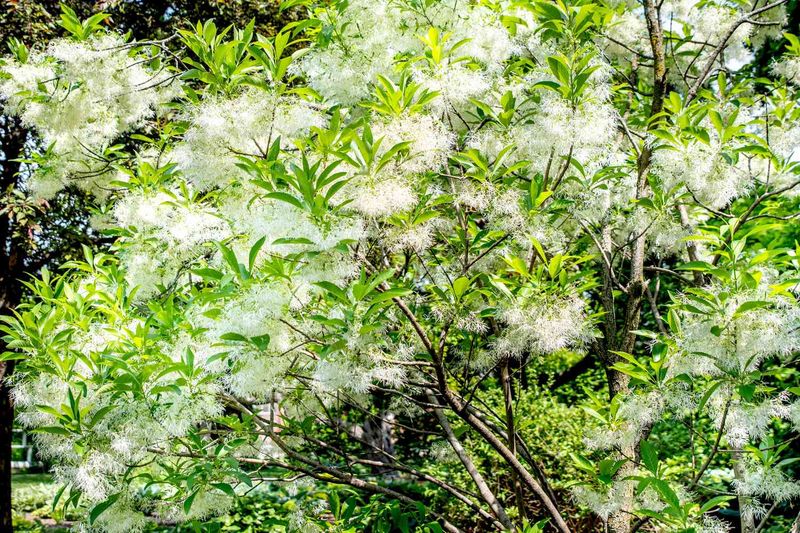
When a fringe tree blooms, it looks like someone tucked soft white streamers into the branches overnight. For gardeners who like the showy flower moment of crape myrtle but dislike the hard pruning cycle, this native offers a much calmer trade.
Fringe tree, also called Chionanthus virginicus, stays small enough for many front yards, patio edges, and mixed borders. It usually grows with a graceful, open shape, so it does not need the yearly chopping that turns many crape myrtles into knobby trunks.
Its spring flowers are the main event, but the tree also supports wildlife better than a non-native ornamental. Female trees can produce blue-black fruit that birds may visit, and the airy branching gives a softer look near porches or windows.
Give it well-drained soil and a spot with sun to part shade. In much of Florida, especially North and Central Florida, it can be a lovely choice where you want seasonal drama without a constant cleanup routine.
2. Redbud
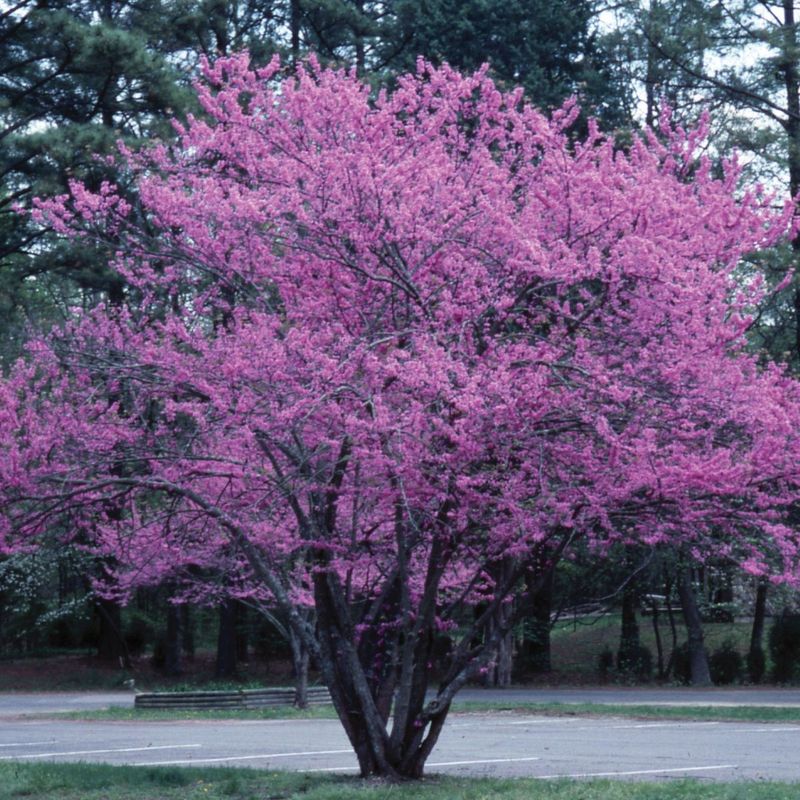
Before many trees have even leafed out, redbud throws a little spring party right on its bare branches. Those pink-purple blooms give you the color pop crape myrtle fans enjoy, but earlier in the year and with a more woodland feel.
Eastern redbud, Cercis canadensis, is especially useful for gardeners who need a small understory tree rather than a big shade maker. It fits nicely along the edge of a lawn, near a driveway bed, or in a naturalized planting under taller pines and oaks.
The heart-shaped leaves are part of its charm. After the flowers fade, the foliage makes the tree feel fresh and leafy instead of bare or awkward, and the overall form usually looks best when allowed to grow naturally.
Redbud prefers good drainage and appreciates some afternoon shade in hotter Florida sites. It is most reliable in North Florida and cooler parts of Central Florida, where it can handle the seasonal rhythm better than it would in the far south.
If your main complaint with crape myrtle is the yearly hacking and sprout cleanup, redbud offers a gentler habit. A little shaping while young is usually enough to guide it into a handsome small tree.
3. Dahoon Holly
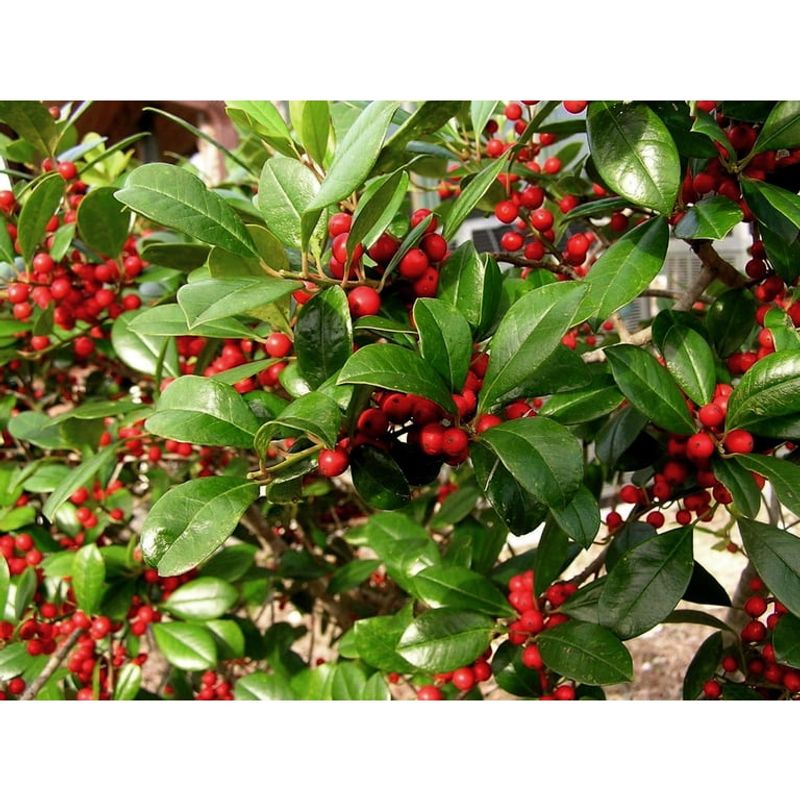
Some yards need less confetti and more backbone. Dahoon holly brings evergreen structure, glossy leaves, and bright red berries, which makes it a strong choice where crape myrtle feels too bare for too much of the year.
Ilex cassine is native to Florida and handles moist soils better than many small ornamental trees. That matters in low spots, near swales, or in yards that stay damp after summer storms, where a thirsty or poorly placed crape myrtle may struggle.
The berries are a major reason to plant it. Birds can feed on the fruit, and the red color gives winter interest without relying on flowers alone.
Dahoon holly can work as a small specimen tree, a screen, or a polished evergreen anchor near the corner of a house. It has a tidier look than many people expect from a wildlife-friendly native, especially when trained with one main trunk early on.
Plant it in full sun to part shade and give it room to mature. It does not need crape-murder style pruning, just occasional guidance to remove crossing limbs or raise the canopy as it grows.
4. Simpson’s Stopper
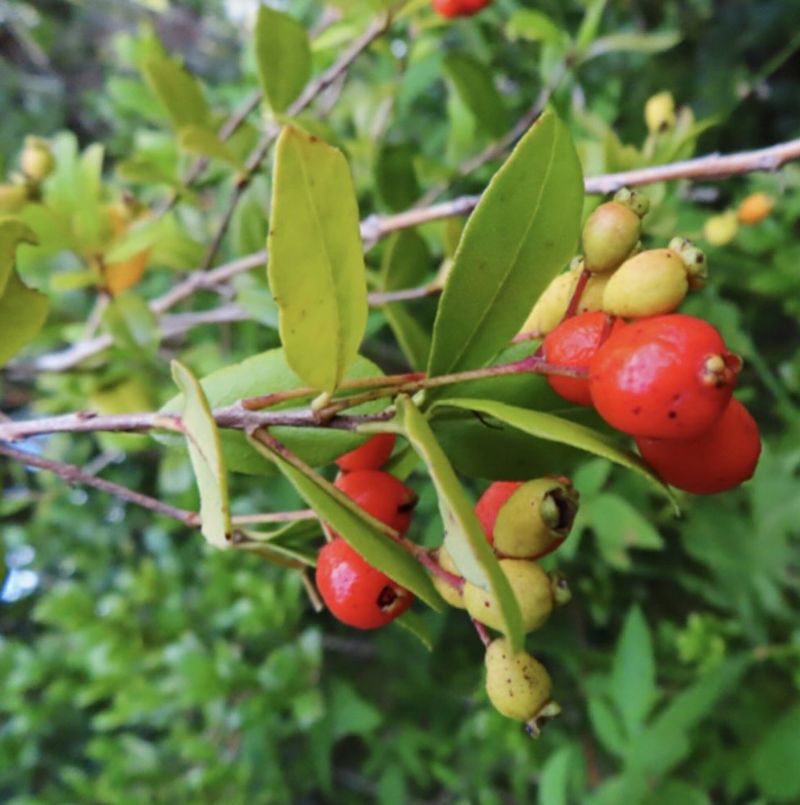
For a small Florida yard, Simpson’s stopper can feel like finding a tree that actually read the room. It stays polite, takes shaping well, and brings flowers, berries, bark texture, and wildlife value without acting like a maintenance project.
Myrcianthes fragrans is native to Florida and is especially useful in Central and South Florida landscapes. It can be grown as a small tree, a tall hedge, or a privacy screen, which gives homeowners more flexibility than a single-trunk crape myrtle.
The white flowers are not huge, but they are fragrant and attractive to pollinators. Later, orange to red berries can draw birds, giving the plant a second season of interest after the bloom period ends.
Another bonus is the bark, which can peel in attractive patches and add quiet detail up close. That makes Simpson’s stopper a smart pick near patios, entries, and side yards where people will actually notice the texture.
It handles sun or part shade and is known for being fairly adaptable once established. In sandy Florida soil, regular watering during establishment helps it settle in, but mature plants often need far less attention than a repeatedly pruned crape myrtle.
5. Walter’s Viburnum
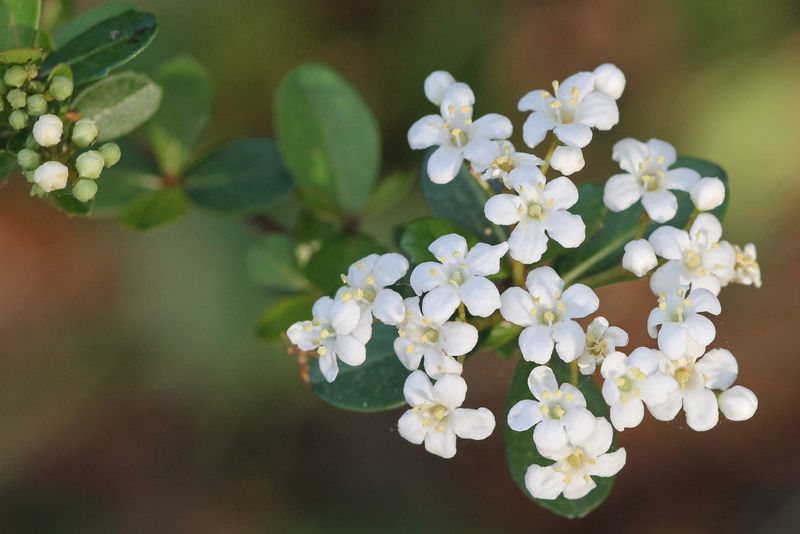
A tidy yard does not have to mean a sterile yard. Walter’s viburnum gives you the clipped, finished look many homeowners want, while still offering flowers and habitat value that fit Florida better than many imported ornamentals.
Viburnum obovatum is often used as a shrub, but it can be trained into a small multi-stemmed tree or compact standard. That makes it useful near walkways, foundation beds, and property lines where a full-size tree would be too much.
In spring, clusters of small white flowers can cover the plant and bring in pollinators. Birds may use the cover and may feed on the fruit, so it works well in wildlife-aware yards that still need curb appeal.
Walter’s viburnum is also a practical swap for homeowners tired of crape myrtle suckers and constant size control. Choose a naturally compact selection if space is tight, and prune lightly after flowering rather than shearing it into a box every few weeks.
Full sun encourages the densest growth, but part shade is workable too. Once established, it has a reputation for being dependable in Florida landscapes, including sandy soils, as long as it is watered well during the first stretch after planting.
6. Sweetbay Magnolia
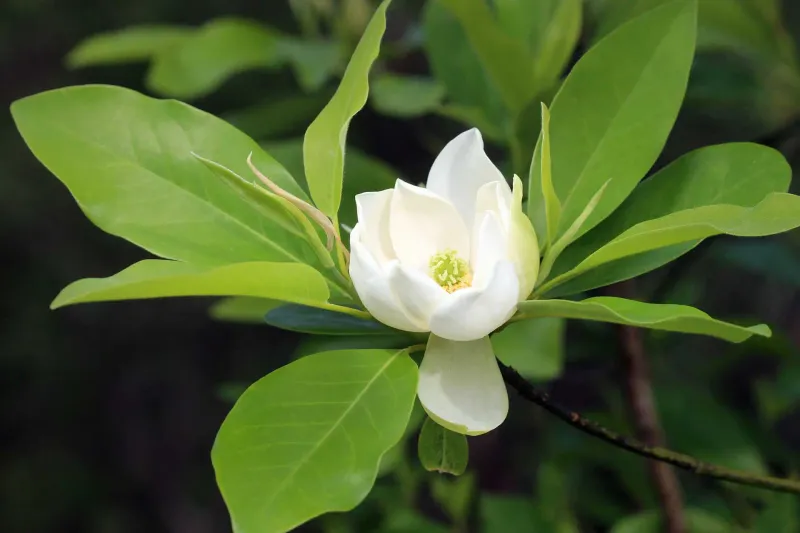
There is a quiet luxury to sweetbay magnolia. The creamy flowers have a clean lemony scent, the leaves flash silver underneath in a breeze, and the whole tree feels more relaxed than a heavily managed crape myrtle.
Magnolia virginiana is native to Florida and can be especially valuable in areas with moist soil. If your yard has a damp corner, a rain garden edge, or a spot that stays wet after storms, sweetbay may be a better match than many dry-site ornamentals.
Unlike the giant Southern magnolia, sweetbay often has a lighter, more open habit. That makes it easier to fit into home landscapes, though it still needs enough room to develop into a real tree.
The flowers are not just pretty. They support pollinators, and the red seeds can interest birds and other wildlife later in the season.
Use sweetbay where you want shade, fragrance, and a native look rather than a tight lollipop shape. It may drop some leaves and seed material, as all trees do, but it avoids the cycle of hard topping, water sprouts, and repeated flower-cluster cleanup that frustrates many crape myrtle owners.
Give it sun to part shade and avoid cramming it against the house. With space, it becomes a graceful Florida tree instead of another pruning chore.
7. Yaupon Holly
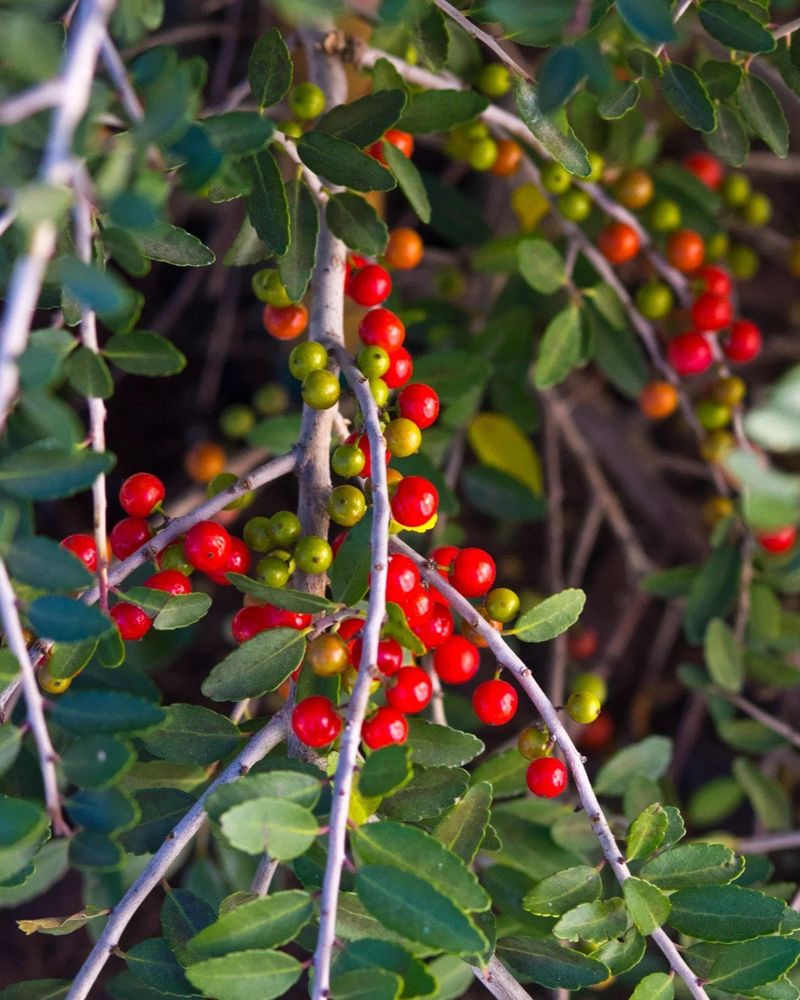
If crape myrtle feels messy in your narrow side yard, yaupon holly may be the neat overachiever you wanted all along. It has small evergreen leaves, a naturally fine texture, and enough toughness to handle many everyday Florida landscape stresses.
Ilex vomitoria is native to the Southeast, including Florida, and works well as a small tree, screen, hedge, or accent. That range of uses makes it especially handy for front entries, driveway edges, and small lawns where one plant needs to do several jobs.
Female plants can produce red berries when a male pollinator is nearby, and birds often take advantage of that winter food. The evergreen foliage also keeps beds from looking empty after flower season has passed.
Yaupon holly is a good pick for gardeners who want a crisp shape without repeated severe pruning. You can limb it up into a small tree, keep it denser for screening, or choose a weeping form for a more sculptural look.
It tolerates sun, heat, and a range of soils once established, including many sandy Florida sites. As with any new tree, water it consistently during establishment and mulch the root zone without piling mulch against the trunk.
For low-cleanup curb appeal, yaupon is hard to beat. It gives structure every month of the year, feeds wildlife, and does not need to be chopped back to look presentable.