
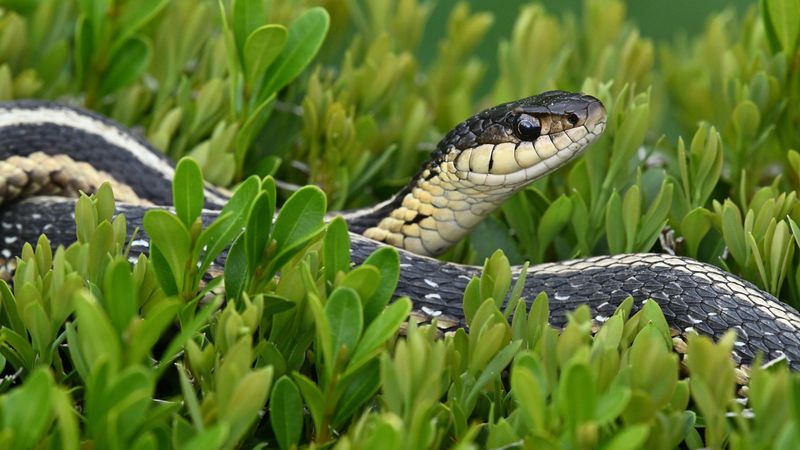
Snakes usually do not show up because they love one plant. They show up because a yard gives them shade, hiding spots, water, and small animals to eat.
In Florida, some common landscape plants can create those conditions without looking messy at first. Knowing which plants need extra care can help you keep a pretty yard that feels less welcoming to surprise slithering visitors.
1. Saw Palmetto
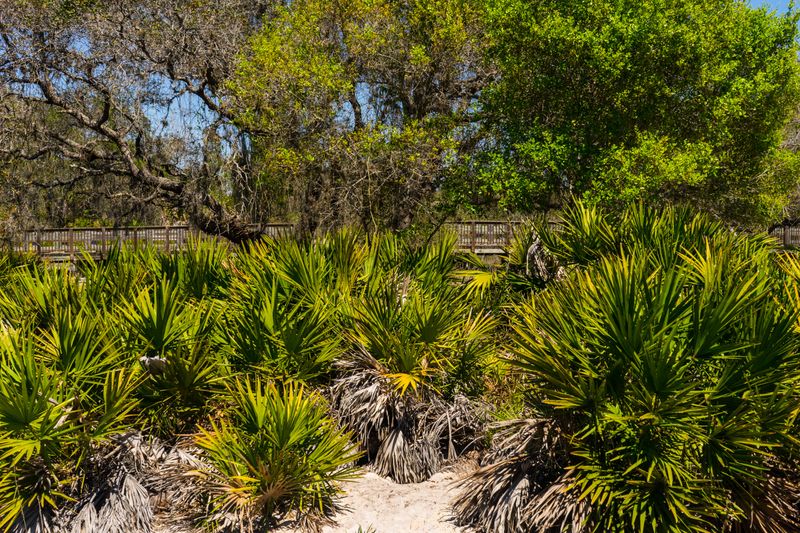
A saw palmetto patch can look beautifully wild, almost like a tiny piece of old Florida tucked beside the fence. The trouble is that its stiff fan-shaped fronds create a low, shaded maze where snakes can rest unseen during hot afternoons.
In many Florida yards, saw palmetto also gathers fallen leaves, pine needles, and small twigs around its base. That natural clutter attracts insects, lizards, frogs, and sometimes rodents, which can turn the plant into a quiet hunting zone for snakes.
Saw palmetto is not a bad plant, and it has real value in native landscapes. The key is placement and upkeep, especially near patios, play areas, sheds, and walkways where people move around without looking closely.
If you keep it, leave open space around the clump, remove heavy leaf buildup, and avoid letting it merge with taller weeds or stacked yard debris. A tidy native bed still supports wildlife, but it gives snakes fewer hidden travel lanes right next to the house.
2. Muhly Grass
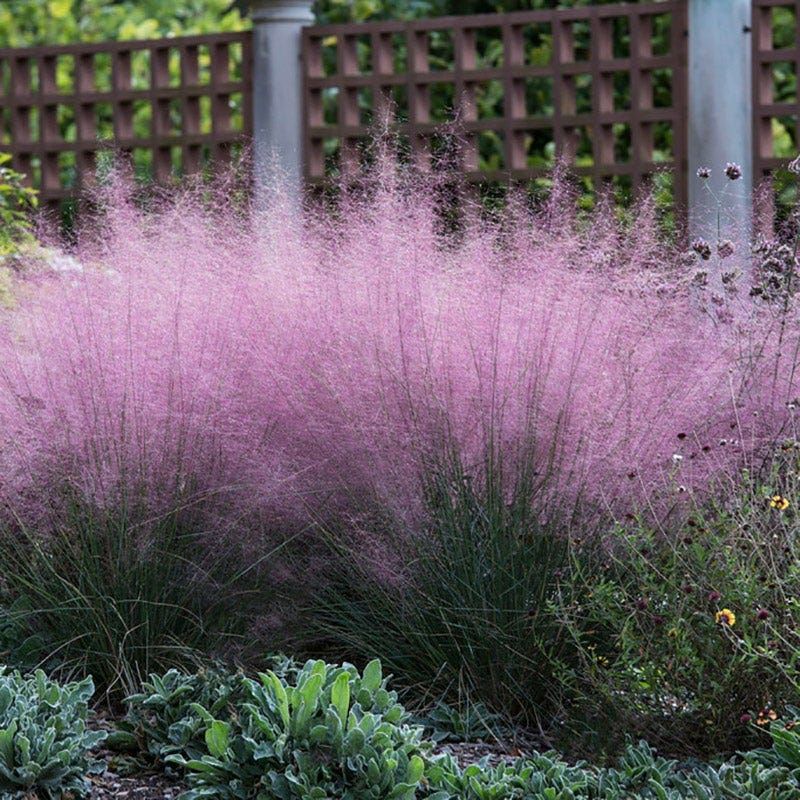
Those pink cloud-like blooms make muhly grass one of the prettiest fall sights in Florida landscaping. From the street, it looks soft and breezy, but down at soil level each clump can become a thick skirt of dry blades and protected shade.
Snakes are often drawn to places where they can move without being exposed to hawks, cats, dogs, or people. A long row of untrimmed muhly grass along a driveway, pool screen, or foundation can act like a covered path through the yard.
The plant is Florida-friendly and works well in sandy soil, so the goal is not to rip it out. Instead, treat it like a plant that needs breathing room.
Space clumps apart so you can see between them, and cut back old growth once a year before new spring growth takes over.
A clean edge makes a big difference. Keep fallen palm fronds, irrigation boxes, and decorative rocks from disappearing inside the grass, because those hidden pockets can shelter the small prey snakes follow.
3. Coontie
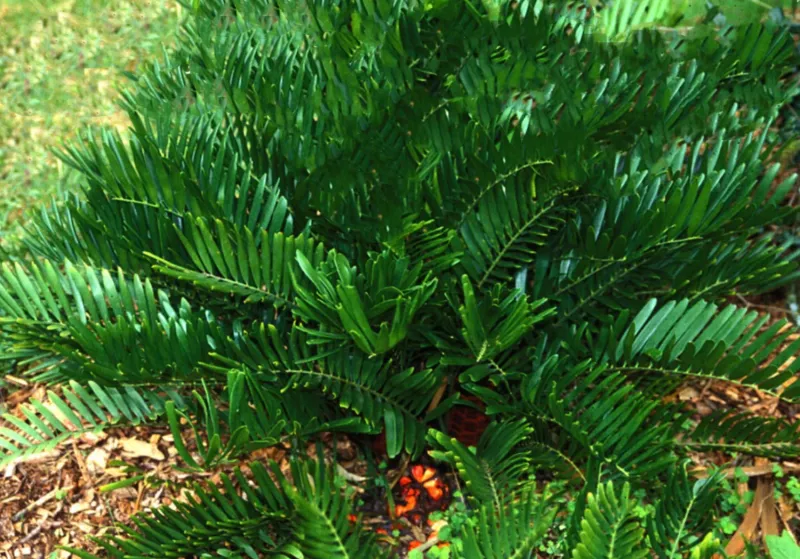
Coontie has a tidy look that can fool you. Its glossy, fern-like leaves form neat mounds, but when several plants grow together under oaks or palms, the area beneath them can stay cool, dark, and full of leaf litter.
That matters because Florida snakes do not need a jungle to feel protected. A few low evergreen plants, some damp mulch, and plenty of anole lizards can be enough to make a bed useful for cover and feeding.
Coontie is a valuable Florida native, and it is also the host plant for the atala butterfly, a conservation success story many gardeners love. So this is a plant to manage thoughtfully, not blame.
Use it where you want low native structure, but avoid packing it tightly against garage doors, porch steps, or outdoor storage areas.
Rake gently around the base so you do not bury the crowns in leaves. If the bed feels too dense to inspect with a quick glance, thin nearby groundcovers or shift stepping stones and decor so there are fewer secret spaces tucked between the plants.
4. Asiatic Jasmine
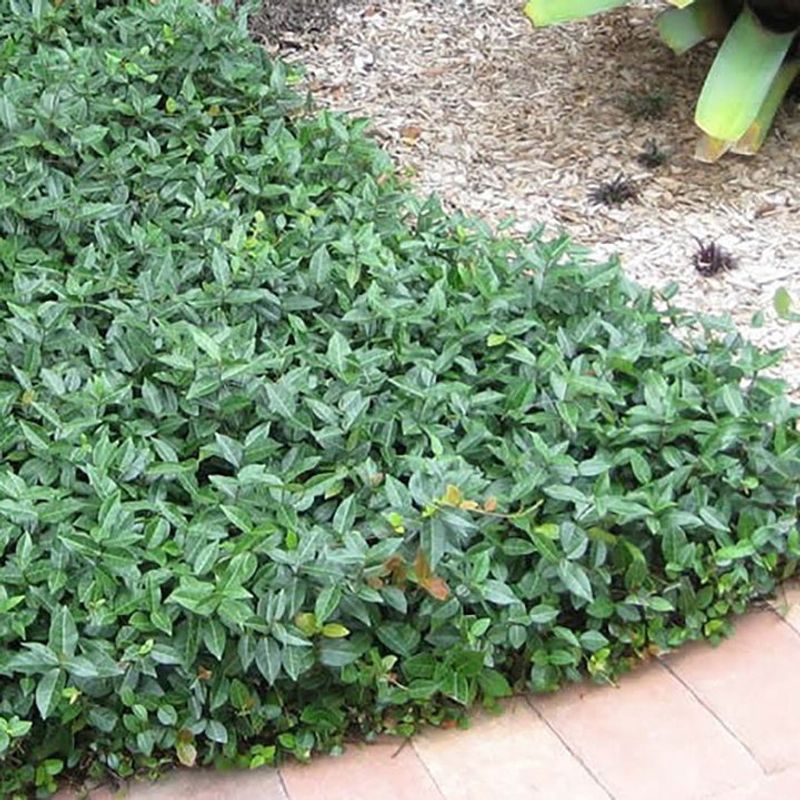
Groundcovers can be sneaky. Asiatic jasmine spreads into a glossy green carpet that hides bare sand, cuts down on weeds, and makes a bed look finished with very little daily care.
Under that smooth surface, though, the stems can form a tangled mat. Small frogs, skinks, insects, and rodents may use the cover, especially where the groundcover runs beside air-conditioning pads, hose reels, pool equipment, or stacked pots.
For snakes, a dense groundcover can be more useful than a tall shrub because it keeps them hidden while they travel. A narrow strip along the foundation may become a shaded corridor from the side yard to the back patio.
You do not have to remove every patch to make the yard easier to read. Keep Asiatic jasmine trimmed low, stop it from swallowing sprinkler heads and utility boxes, and create breaks with pavers or mulch paths.
If you cannot see the soil surface at all near your doors, that is a good sign the bed needs thinning.
5. Liriope
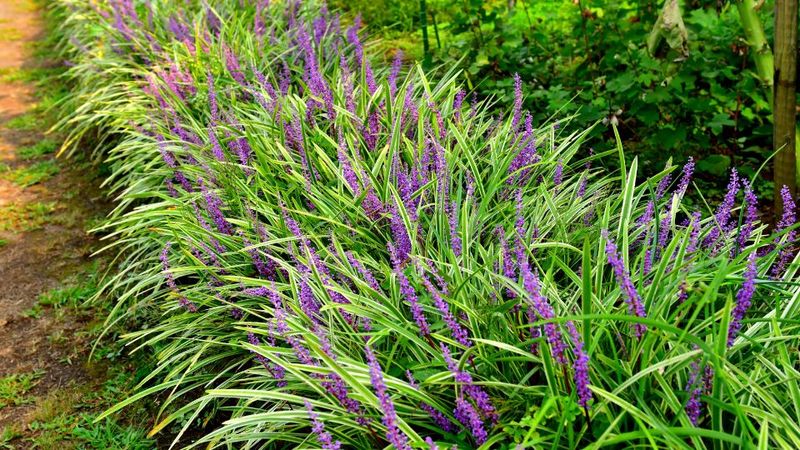
Many Florida yards use liriope as a neat little border, the kind that makes a walkway look polished without much fuss. After a few seasons, those tidy clumps can thicken into a continuous ribbon where the ground disappears.
That solid edge is the issue. Snakes are more likely to pass through areas that let them stay low and covered, and liriope can offer exactly that when it is planted in long, crowded lines along sidewalks, fences, and pool cages.
Another problem is what gets caught inside it. Oak leaves, palm seeds, mulch chunks, and windblown trash can settle in the blades.
In Florida’s warm, humid weather, those pockets can attract roaches, beetles, and lizards, which add more activity near the plant base.
Refresh liriope by dividing overgrown clumps and cutting back tired foliage at the right time for your area. Leave gaps around corners and entry points so you are not stepping over a hidden strip of cover every time you walk outside.
A little spacing keeps the clean border look while making the yard less secretive at ground level.
6. Croton
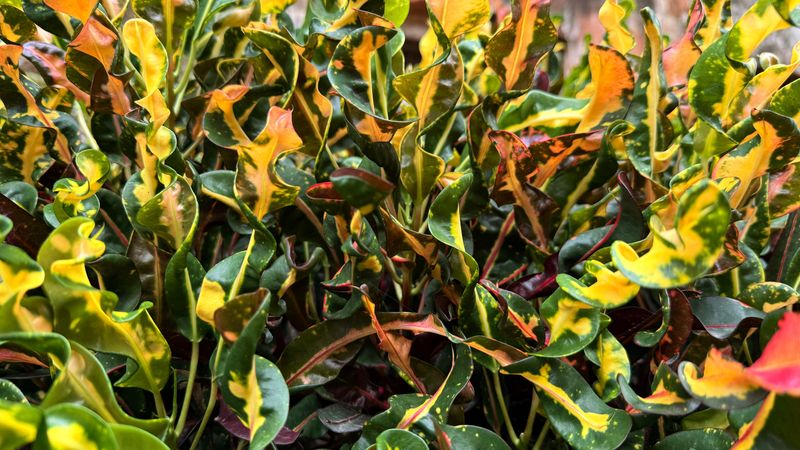
Crotons bring the color, no doubt about it. Their red, yellow, orange, and green leaves can brighten a front bed even when flowers are resting, which is why so many Florida homeowners tuck them near porches and patios.
The catch is their shape. When crotons are allowed to grow thick from top to bottom, the lower branches can shade damp mulch and create a protected pocket close to the house.
Add a dripping irrigation head or a leaky hose nearby, and frogs and insects may start using the same spot.
Snakes are not attracted to croton color, but they may use the shelter the plant creates. This is especially true in beds where crotons are mixed with rocks, pots, landscape fabric, or heavy mulch that makes small gaps underneath.
Prune crotons so you can see the base of the plant and the soil around the trunk. Keep mulch a few inches away from stems, fix irrigation leaks quickly, and avoid piling fallen leaves behind the plant.
You still get the tropical look, but without the hidden cave effect right beside your outdoor sitting area.
7. Dwarf Yaupon Holly
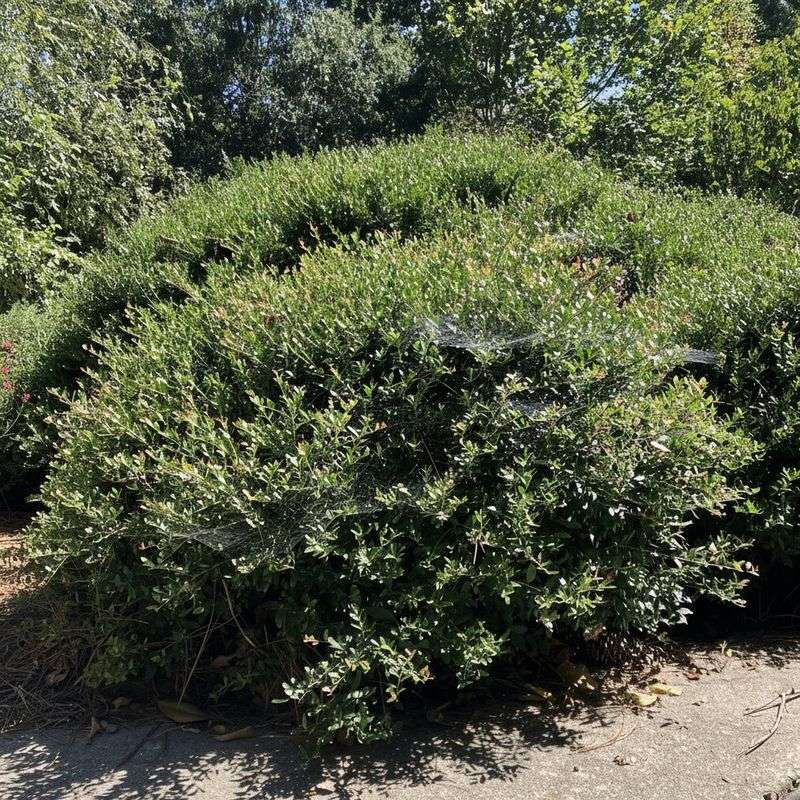
A row of clipped dwarf yaupon holly can make a Florida home look crisp from the curb. The rounded shape is tidy and traditional, but repeated shearing often creates a leafy shell with a shaded hollow underneath.
That hidden underside is where trouble can start. Lizards, insects, and small rodents may move through the cool gap beneath the shrubs, especially if the bed has thick mulch or oak leaves piled against the foundation.
Snakes may follow that food source or use the shrubs as cover while crossing the yard.
Dwarf yaupon holly is a tough native choice and handles Florida conditions better than many fussy ornamentals. The practical fix is to prune for visibility, not just shape.
Lift the lower branches slightly, remove dead interior twigs, and keep the bed edge open enough to inspect.
Pay extra attention if the shrubs sit below windows, beside a garage, or near a front step. Those are places where people reach, kneel, or walk close to the foliage.
A well-maintained yaupon hedge can still look formal while giving snakes fewer dark spaces to settle in unnoticed.