
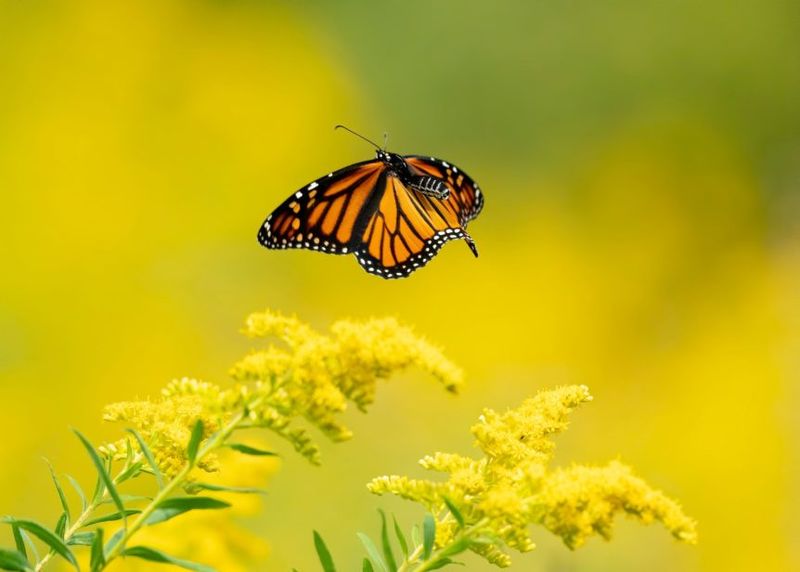
A quiet yard can feel strange when butterflies used to visit every week. In Florida, heat, sandy soil, lawn chemicals, and missing host plants can make a once-busy yard go still.
The good news is that a few smart changes can bring back color, movement, and life. Start with the upgrades that give butterflies food, safe places, and the right plants at the right time.
1. Plant Native Milkweed for Monarch Caterpillars
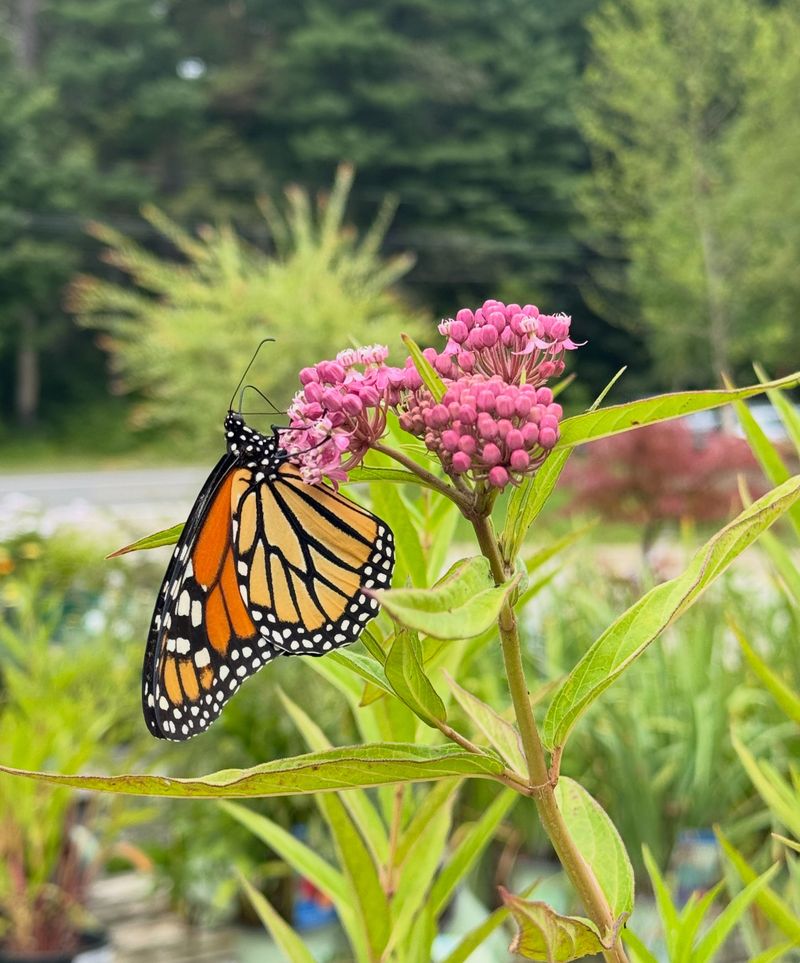
A single monarch floating over the yard can make the whole garden feel alive again, but adult flowers are only half the story. Monarchs need milkweed because their caterpillars eat milkweed leaves and nothing else.
In Florida, native choices such as aquatic milkweed, butterfly milkweed, and swamp milkweed are better fits than tropical milkweed when planted and managed responsibly. Tropical milkweed can stay green too long in warm areas, which may affect monarch movement and disease pressure if it is not cut back regularly.
Place milkweed where it gets strong sun, good air movement, and water that matches the species. Butterfly milkweed likes drier, sandy spots once established, while swamp and aquatic milkweed handle moister areas better.
Do not panic when caterpillars chew the leaves down to sticks. That ragged look means the plant is doing its job.
Tuck milkweed behind lower flowers or mix it with grasses and nectar plants so the bed still looks planned while the next flush of leaves grows back.
2. Add Nectar Flowers That Bloom Through Florida Heat
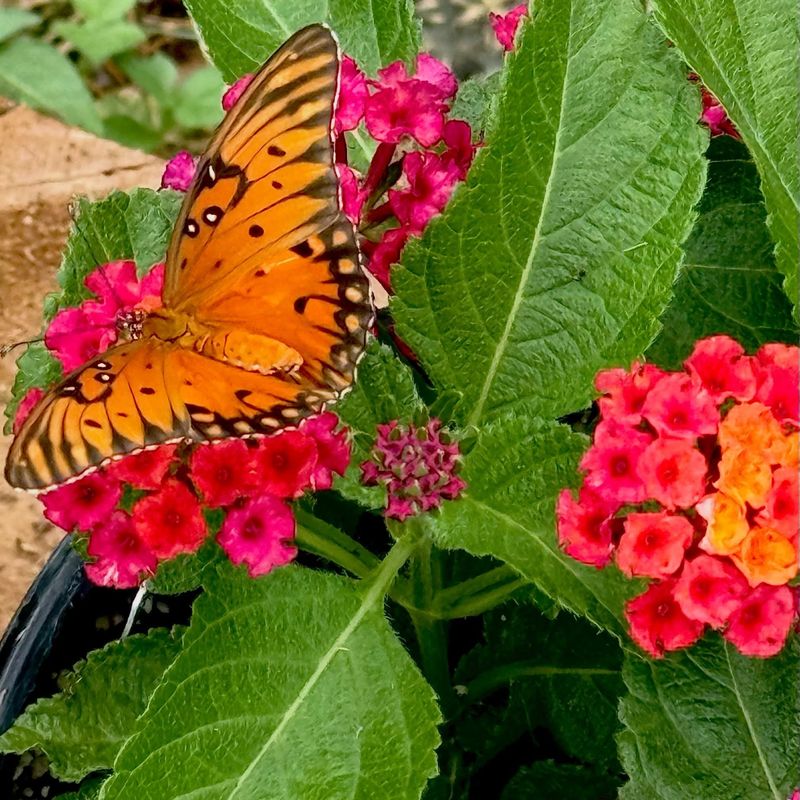
Florida butterflies do not wait for a perfect mild spring day. Many are active through long warm stretches, so a yard with only a short bloom season can feel empty fast.
Choose tough nectar plants that keep working when the sun is sharp and the soil dries quickly. Firebush, tropical sage, blue porterweed, blanketflower, coreopsis, and native lantana species can help carry a yard through the warm months when delicate flowers fade.
Aim for waves of bloom instead of one big show. Plant at least three to five of the same flower together so butterflies can spot the color from the air and feed without wasting energy hopping across the yard.
Red, orange, yellow, purple, and blue flowers tend to be especially useful in a butterfly bed, but shape matters too. Small tubular flowers feed skippers and smaller butterflies, while flat clusters give larger species a landing pad.
For sandy Florida soil, add compost lightly at planting and mulch around the roots, but avoid burying the plant crowns. Once established, the right heat-tolerant flowers need less fuss and keep the buffet open longer.
3. Create a Host Plant Patch Beyond Milkweed
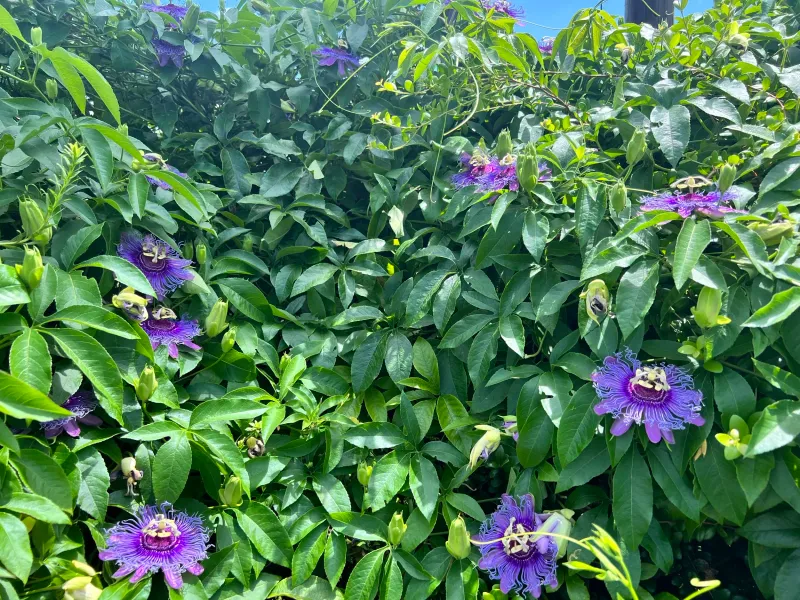
Monarchs get the spotlight, but Florida has far more butterfly stories happening in the leaves. If your yard has nectar but no host plants, butterflies may visit for a sip and leave without raising the next generation.
Host plants are the specific plants caterpillars need. Passionvine supports gulf fritillaries and zebra longwings, coontie supports atala butterflies where they occur, wild lime can help giant swallowtails, and native cassias support sulphurs.
Give these plants their own patch where a few chewed leaves will not bother you. A back corner, side fence, or sunny strip near a shed can become a nursery instead of a picture-perfect flower bed.
Expect some drama. Caterpillars may strip a vine, birds may pick off a few, and the plant may look tired for a short time.
That cycle is normal in a living Florida yard.
Before planting, check local guidance, especially for vines that can spread. Native or Florida-friendly host plants chosen for your area can turn quick butterfly visits into repeat appearances because females have a reason to stay, lay eggs, and return.
4. Stop Spraying Broad Insecticides Across the Yard
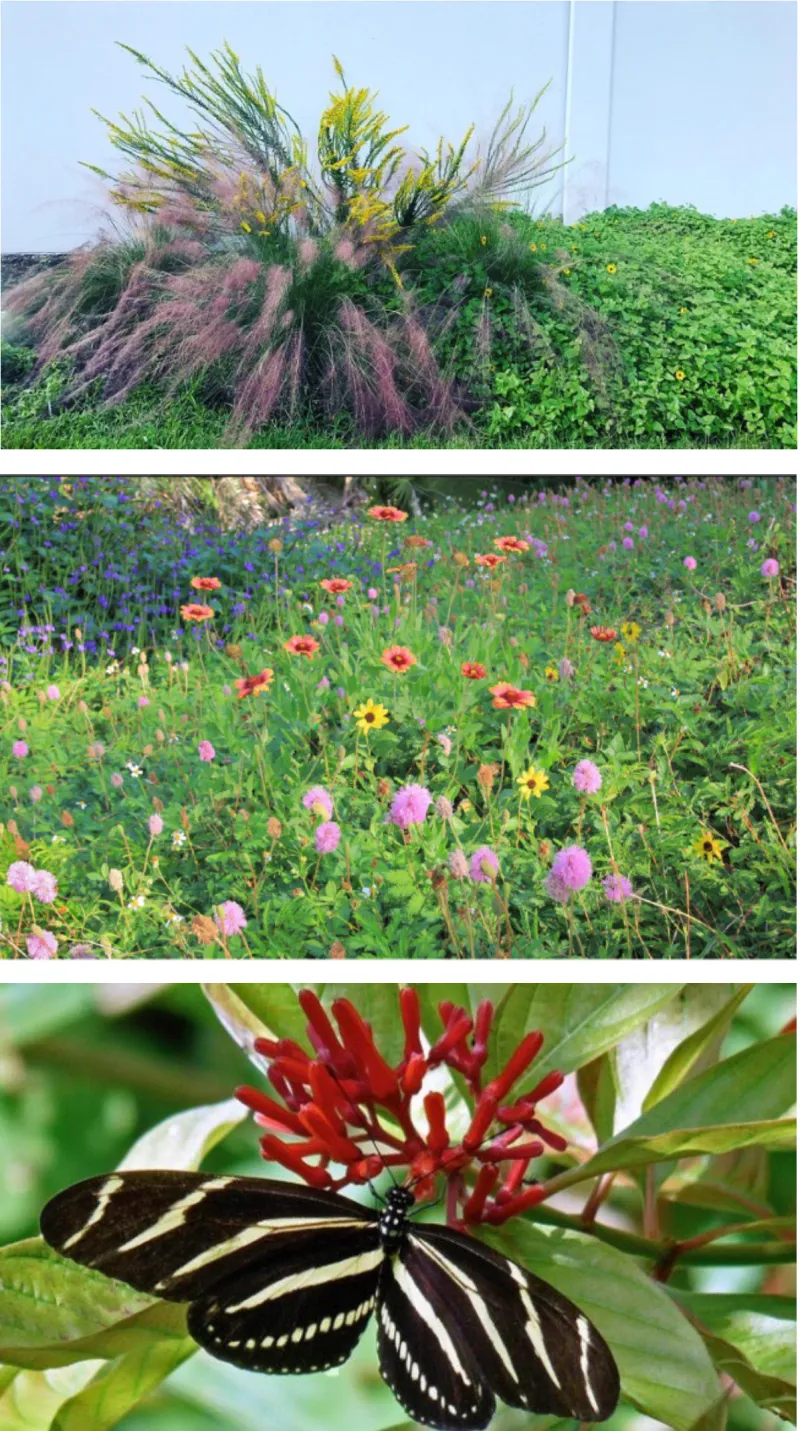
The fastest way to erase a butterfly comeback is to treat the whole yard like every bug is a problem. Broad insecticides do not sort the mosquitoes from the caterpillars, bees, moths, and other helpful insects.
If pests are chewing one plant, start with the smallest fix. Handpick caterpillars you do not want, spray aphids with water, prune a damaged stem, or use targeted treatment only after identifying the pest.
Florida yards can have heavy pest pressure, especially in warm, humid weather, but routine calendar spraying often creates a quieter, weaker landscape. It can also remove the very caterpillars that butterflies came to lay.
Be extra careful with mosquito treatments near flowering plants. Ask companies what products they use, where they spray, and whether they avoid blooms, host plants, and active pollinator areas.
A butterfly-friendly yard is not pest-free. It is balanced.
When you leave room for lady beetles, lacewings, spiders, wasps, birds, and lizards, they help manage many outbreaks without turning the entire garden into a no-fly zone.
5. Replace a Strip of Lawn With a Layered Border
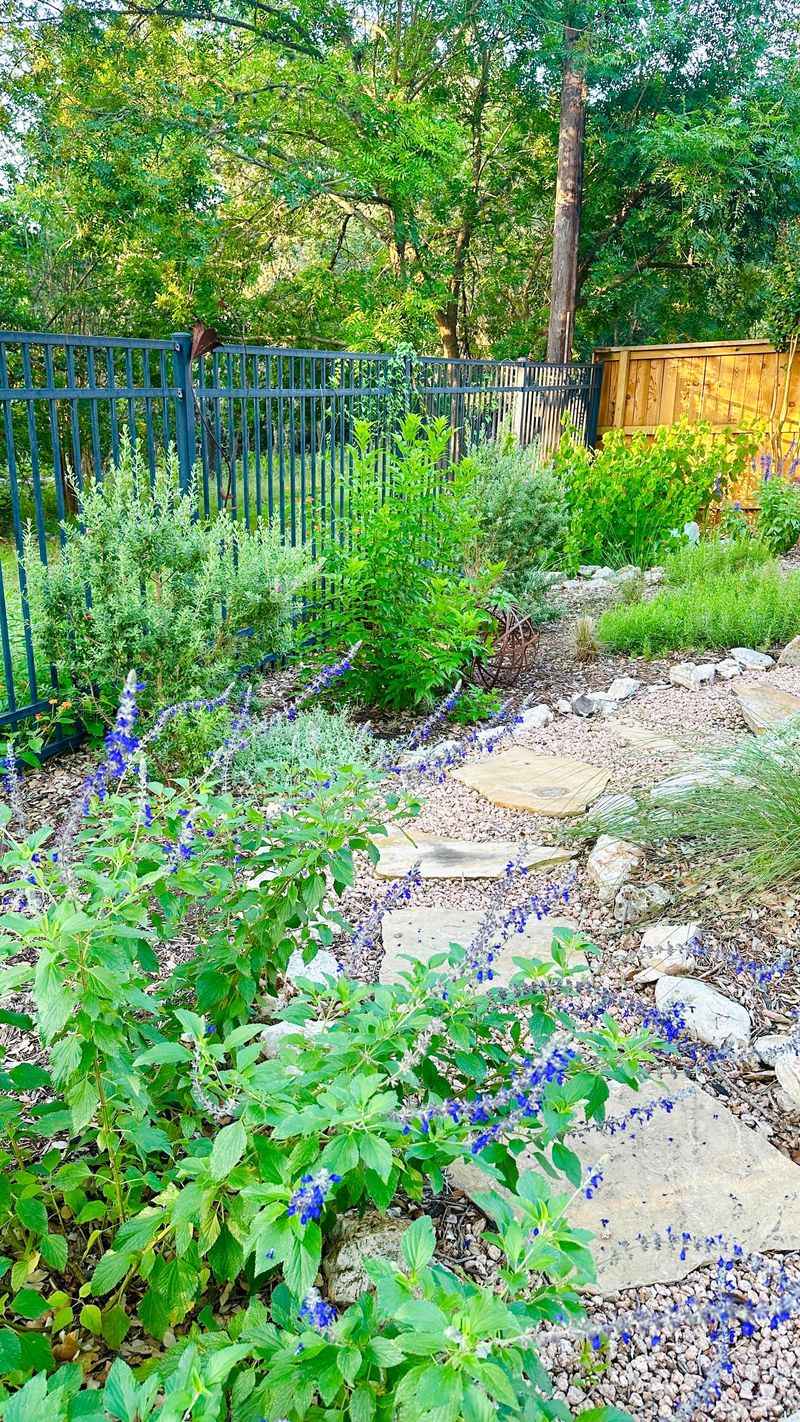
That thin strip of grass along the fence or driveway may be working harder as a mowing chore than as a yard feature. Turn it into a layered border, and suddenly it can feed butterflies, soften the view, and reduce weekly maintenance.
Start with structure. Use a few Florida-friendly shrubs such as firebush, beautyberry, or Simpson’s stopper where space allows, then add medium flowers and low edging plants in front.
Include clumping grasses or sedges for texture and shelter.
Layering matters because butterflies use yards in different ways. Adults nectar in open sunny spots, caterpillars hide and feed on host plants, and resting butterflies often tuck into leaves during wind or rain.
In sandy soil, widen the planting area enough for roots to spread and cover bare ground with pine straw, leaves, or untreated wood mulch. Keep mulch a few inches away from stems to reduce rot during rainy spells.
A curved edge can make the change look intentional instead of weedy. Even a three-foot-wide border can become a flight path if it offers blooms, host leaves, and shelter close together.
6. Add Wet Sand, Flat Stones, and Wind Shelter
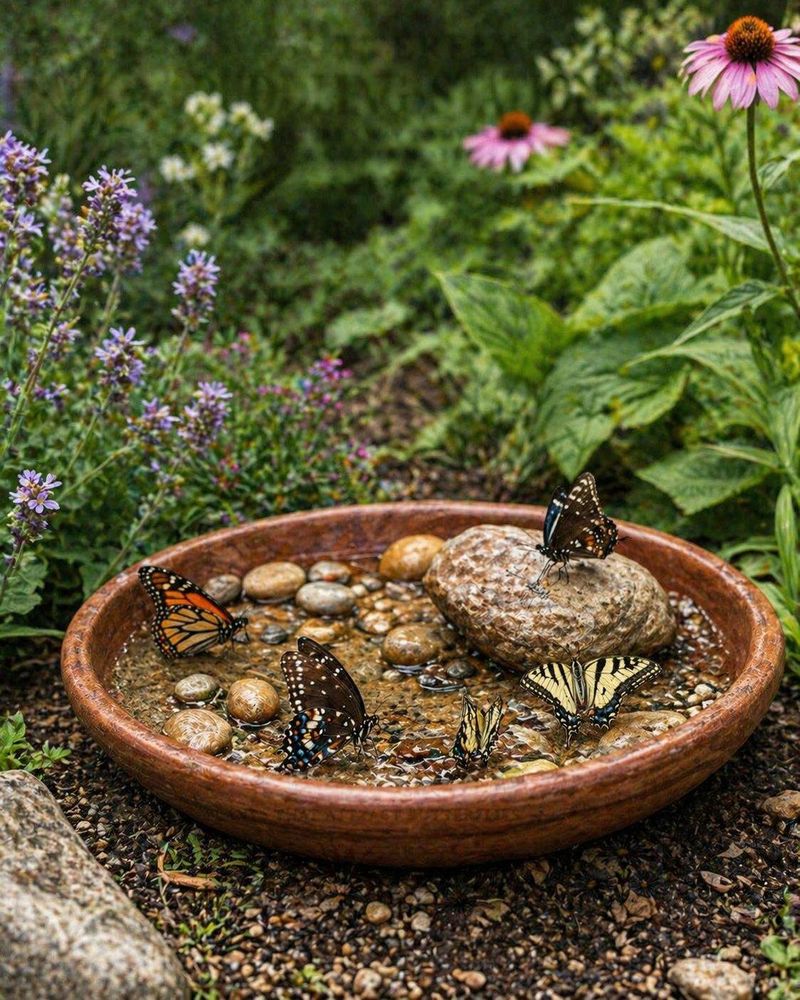
Butterflies need more than flowers, and the missing piece might be hiding in plain sight. A yard can have blooms everywhere but still feel unwelcoming if there is no water, resting warmth, or protection from gusty weather.
Instead of a deep birdbath, offer a shallow dish filled with damp sand or fine gravel. Male butterflies often visit wet mineral spots, a behavior called puddling, to take in salts and nutrients.
Place flat stones near nectar plants where morning sun can warm them. Butterflies are cold-blooded, so they often bask with open wings before they fly well, especially after rain or on cooler mornings.
Wind shelter is just as useful in Florida, where storms and sea breezes can whip through open yards. A loose hedge, fence planting, or cluster of shrubs gives butterflies a calmer pocket for feeding and resting.
Refresh damp sand often so it does not become slimy or mosquito-friendly. Keep water shallow, empty standing water that lingers too long, and place these features where you can see them from a porch or kitchen window.
7. Leave Some Leaf Litter and Skip the Perfect Cleanup
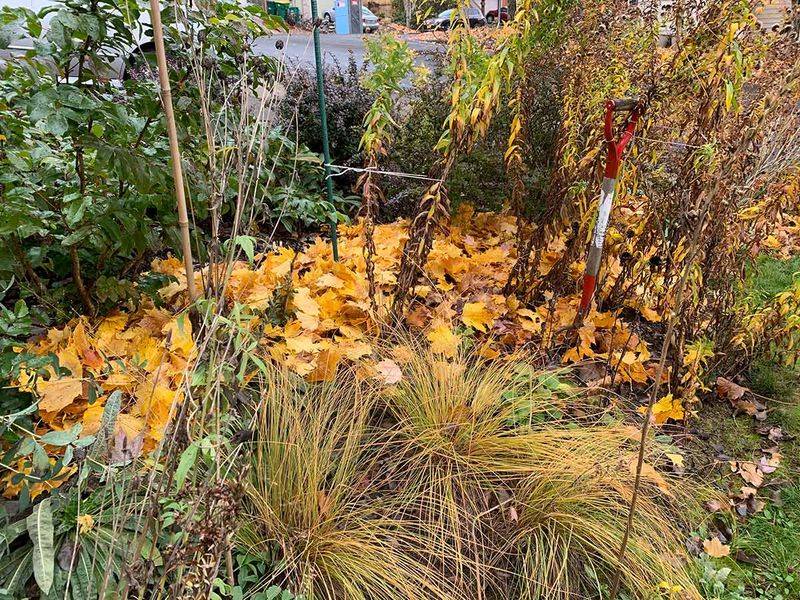
A spotless yard can look tidy to people and strangely empty to wildlife. Many butterflies and beneficial insects need leaf litter, loose stems, and quiet corners to hide, rest, or complete parts of their life cycle.
Florida storms already drop leaves, twigs, and palm bits, so use some of that natural material instead of bagging every piece. Rake leaves under shrubs, around tree islands, or into a back border where they can break down and improve sandy soil.
Keep the front path neat if you like a polished look. The trick is not to let the whole property become bare.
A mulched, leafy area under native shrubs can look intentional when it has a clean edge.
Avoid cutting every perennial to the ground at once. Leave a few seed heads and hollow stems in less visible places, then trim in stages as new growth appears.
This change also helps the garden handle Florida weather. Organic matter cools the soil, slows water loss, and cushions roots during hot stretches.
When butterflies return, they are often responding to the whole habitat, not just the flowers.