
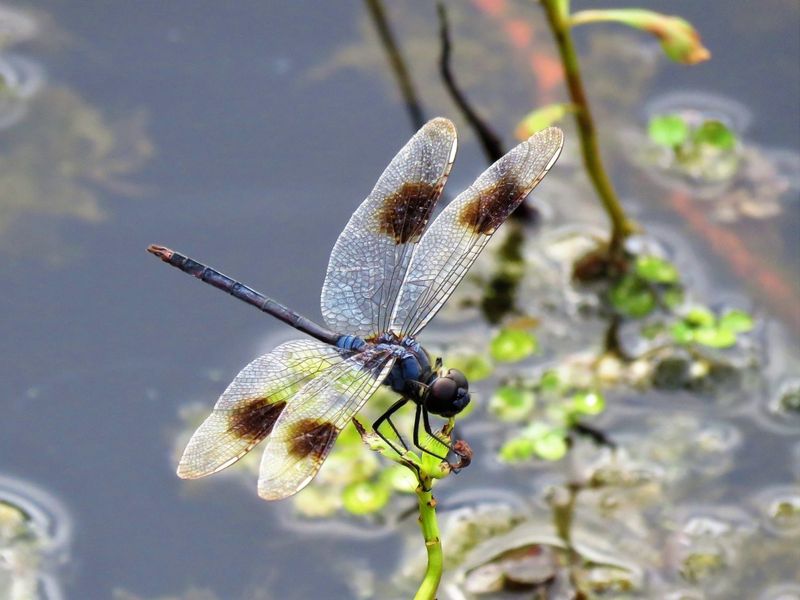
Mosquitoes can make a Florida backyard feel unusable fast. Dragonflies will not erase every bite, but they are skilled hunters that eat mosquitoes and other small flying insects.
The trick is giving them the water, perches, plants, and safe conditions they need to stick around. A few smart yard changes can make your outdoor space more useful for you and more inviting for them.
1. Add a Small Wildlife Pond With Shallow Edges
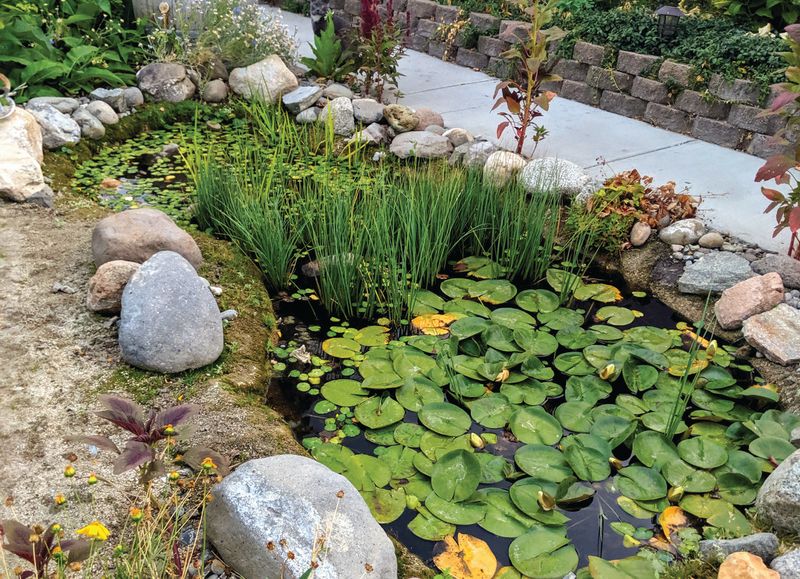
A saucer-sized puddle will not do much, but a small, well-planned pond can become the heart of a dragonfly-friendly yard. Dragonflies spend their young life as aquatic nymphs, so water is more than a drinking stop, it is where the next generation grows.
In Florida, aim for a pond that has both shallow edges and a slightly deeper middle, if space allows. Shallow margins help native plants root and give nymphs places to hide, while deeper water is less likely to heat up too quickly during long hot stretches.
Skip steep plastic sides that make the pond look like a bucket sunk into the ground. A sloped edge with stones, gravel, or planted shelves looks better and gives dragonflies landing places, plus escape routes for frogs, lizards, and other small wildlife.
Place the pond where it gets several hours of sun, since dragonflies are solar-powered hunters that warm themselves before flying. Keep it away from roof runoff if your gutters dump heavy water during storms, because sudden flooding can wash out small plants and stir up muck.
For mosquito control, movement and balance matter. A pond with healthy plants, dragonfly nymphs, tadpoles, and other tiny predators is far less likely to become a mosquito nursery than a neglected tub of stagnant water.
2. Plant Native Shoreline Plants Around Water
Think of pond-edge plants as the furniture in a dragonfly nursery. Without stems, leaves, and roots, the water may be present, but it does not offer much shelter or hunting structure.
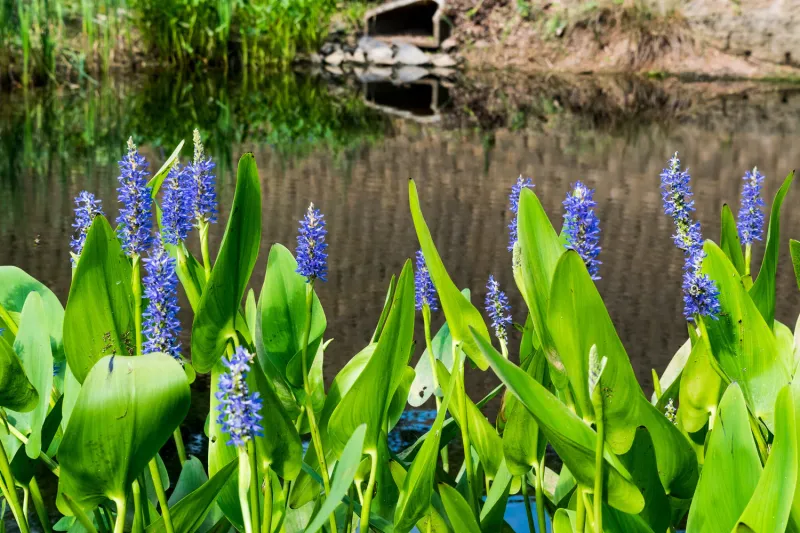
Florida native shoreline plants such as pickerelweed, duck potato, soft rush, lizard’s tail, and blue flag iris can make a small pond feel more natural. They give adult dragonflies upright stems for resting, and they give nymphs underwater cover while they stalk mosquito larvae and other tiny prey.
Pickerelweed is especially useful in sunny wet edges because its purple flower spikes also bring in pollinators. Duck potato has bold arrow-shaped leaves that look lush without needing a formal garden style, while rushes add thin vertical lines that dragonflies often use like lookout posts.
Choose plants that match the size of your water feature, because some wetland plants can spread strongly in rich, wet conditions. Containers set into pond shelves can help keep growth manageable in a tight suburban yard.
UF-IFAS resources are a smart place to check before buying, since Florida has plenty of aquatic plants that should not be moved or planted casually. Staying with appropriate natives helps your pond support wildlife without creating a new maintenance headache.
3. Create Sunny Perches With Sticks, Reeds, and Garden Stakes
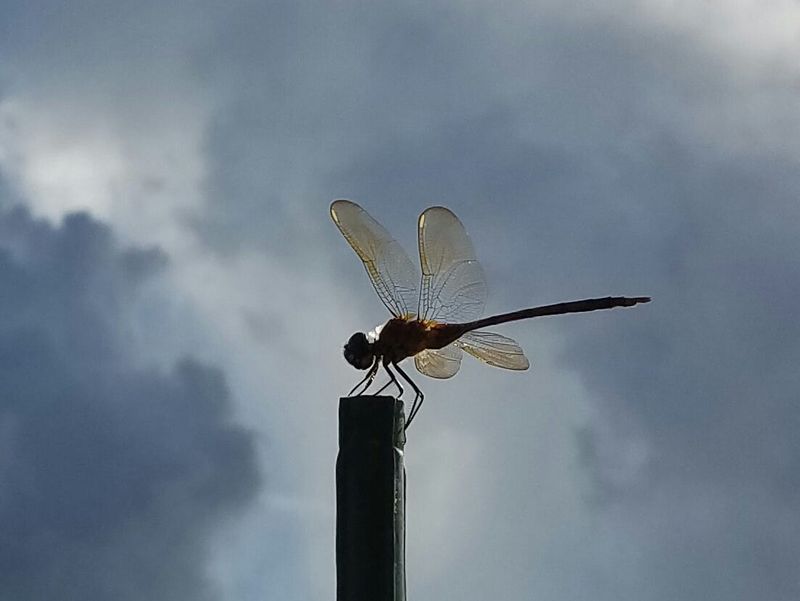
Dragonflies are the tiny fighter jets of the yard, but even they need a runway tower. A few upright perches in sunny spots help them scan for mosquitoes, gnats, midges, and other small flying insects.
Perches do not need to be fancy. Thin bamboo stakes, weathered twigs, reed stems, or the dried flower stalks of native plants can work as long as they are open enough for a dragonfly to land and launch without bumping through dense leaves.
Place several perches near water, along bed edges, and beside open lawn or patio areas where insects move through. Morning sun is valuable because dragonflies warm up on exposed stems before their hunting flights get busy.
A tidy yard can accidentally remove these useful lookout points. If you cut every spent stalk to the ground, you may be taking away the exact landing spots dragonflies prefer.
For a cleaner look, group three to five natural stakes near a pond or rain garden instead of scattering random sticks everywhere. The result can look intentional, almost like a small sculptural detail, while still giving dragonflies a practical hunting station.
Wind matters in Florida, especially during stormy stretches. Push stakes deep enough to stay upright, and avoid placing loose branches where they could blow into pools, screens, or walkways.
4. Cut Back on Broad-Spectrum Yard Sprays
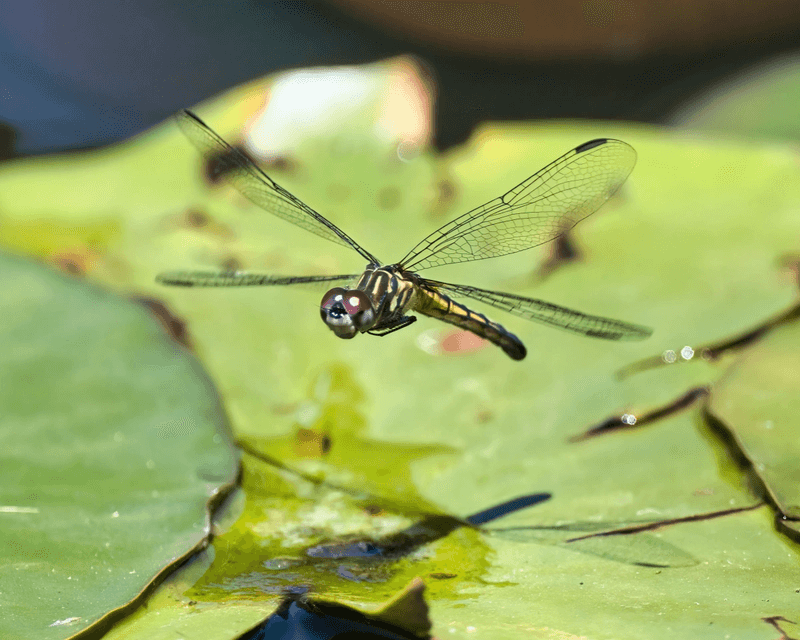
The fastest way to make a yard quieter is often the one people do not notice at first. Broad-spectrum insect sprays can knock down mosquitoes, but they can also hit the very predators that help keep pest insects in check.
Dragonflies are insects, and their food is insects too. When a yard is treated heavily and often, adult dragonflies may have fewer prey to hunt, while aquatic nymphs can be harmed if chemicals drift or wash into ponds, ditches, or rain gardens.
Florida rainstorms make this especially important. A product sprayed on a lawn or patio border can move with runoff after a hard afternoon downpour, so the spot where it lands may not be the spot where it stays.
A more dragonfly-friendly plan starts with targeted mosquito reduction. Empty plant saucers, clogged gutters, buckets, tarps, bromeliad cups near seating areas, and low spots that hold water for days.
If you use mosquito dunks or bits, follow the label and use them only where appropriate. Products based on Bacillus thuringiensis israelensis, often called Bti, are commonly used for mosquito larvae, but they still work best as one part of a larger yard plan.
Saving sprays for true problem moments helps protect the yard’s food web. The goal is not to let pests win, it is to stop wiping out allies along with the mosquitoes.
5. Build a Rain Garden for Stormwater and Hunting Space

After a heavy Florida rain, that soggy corner by the downspout might be trying to tell you something. Instead of fighting it with more fill dirt, consider shaping it into a rain garden that catches water briefly and supports insect-hunting wildlife.
A rain garden is a shallow planted dip that slows stormwater and lets it soak in. In sandy Florida soil, that can mean less runoff across driveways and patios, plus a planted area that looks intentional instead of muddy and forgotten.
Dragonflies benefit when rain gardens are designed with sun, open space, and sturdy plants. They may use the area for hunting even when it is not holding water, because small flying insects often gather around lush, moist plantings.
Good plant choices depend on whether the spot stays wet for hours or for days. Native options such as blue flag iris, soft rush, swamp milkweed in suitable areas, fakahatchee grass, and muhly grass can handle changing moisture better than fussy bedding plants.
Keep the basin shallow and make sure water drains within a reasonable time, often within a day or two, to avoid creating a mosquito problem. If water sits too long, adjust the soil, outlet, or depth before adding more plants.
Rain gardens also help during storm season by giving water a place to pause. That makes them a practical Florida upgrade, not just a wildlife feature.
6. Leave Some Open Flight Paths Beside Beds and Water
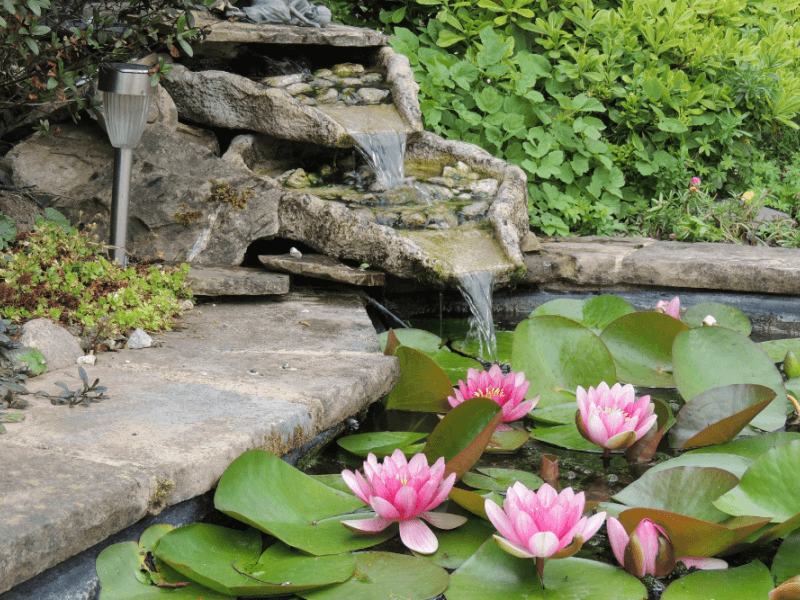
A backyard packed wall-to-wall with plants can look lush, but dragonflies still need room to work. They hunt on the wing, making quick turns through open sunny air, so a little breathing space can make your yard more useful to them.
Open flight paths are especially helpful around ponds, rain gardens, and flower borders. A narrow strip of low groundcover, lawn, stepping stones, or open mulch lets dragonflies patrol without constantly dodging shrubs and fences.
Florida gardeners often battle fast growth, especially after summer rains. Vines, sprawling perennials, and volunteer seedlings can close in quickly, turning a once-open edge into a leafy wall.
Trim plants so the water surface is not completely shaded or hidden. Dragonflies like warmth and visibility, and too much dense cover can favor mosquitoes by creating still, protected pockets where predators have a harder time reaching them.
For small yards, think in lanes rather than empty space. A clear path from pond to sunny fence rail, from rain garden to patio edge, or from flower bed to open turf can be enough.
Open areas also make the yard easier for people to enjoy. You get better sightlines, fewer overgrown corners, and more chances to watch dragonflies zip through like they own the place.
7. Add Native Flower Borders That Bring In Small Flying Insects

It sounds odd to attract insects when you are tired of mosquitoes, but dragonflies need a steady buffet. Native flower borders bring in small flies, midges, moths, and other prey that keep dragonflies hunting in your yard instead of passing through.
Florida-friendly native blooms can also make the yard brighter and easier to manage than thirsty annual beds. Coreopsis, blanketflower, tropical sage, frogfruit, sunshine mimosa, and dotted horsemint can fit sunny areas, depending on your soil, salt exposure, and local conditions.
The best border is not just a strip of flowers. Mix heights and textures so insects move through different layers, while still leaving a few open edges where dragonflies can patrol.
Near patios, choose lower or tidier plants close to seating and place taller bloomers farther back. That gives you color without making the sitting area feel buggy or crowded.
Florida’s sandy soil can dry out fast, so mulch lightly and water new plants until roots settle in. Once established, well-matched natives often need less fuss than high-maintenance ornamentals, which is a win during long warm seasons.
A flower border will not act like a mosquito vacuum. Paired with water management, fewer sprays, and good perches, it helps create the kind of active mini-habitat where dragonflies have reasons to return day after day.