
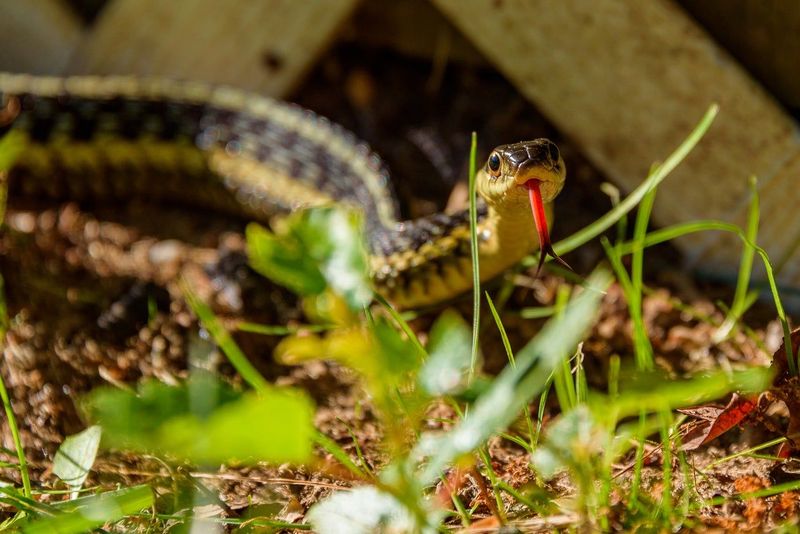
A striped snake slipping through the mulch can make any Florida gardener freeze for a second. But if it is a garter snake, your flower beds may have gained a quiet helper.
These small snakes eat pests, use hidden corners, and usually want nothing to do with people. Here are the yard clues that one has moved in, plus why that can be good news for your plants.
1. Narrow Trails Through Mulch and Pine Straw
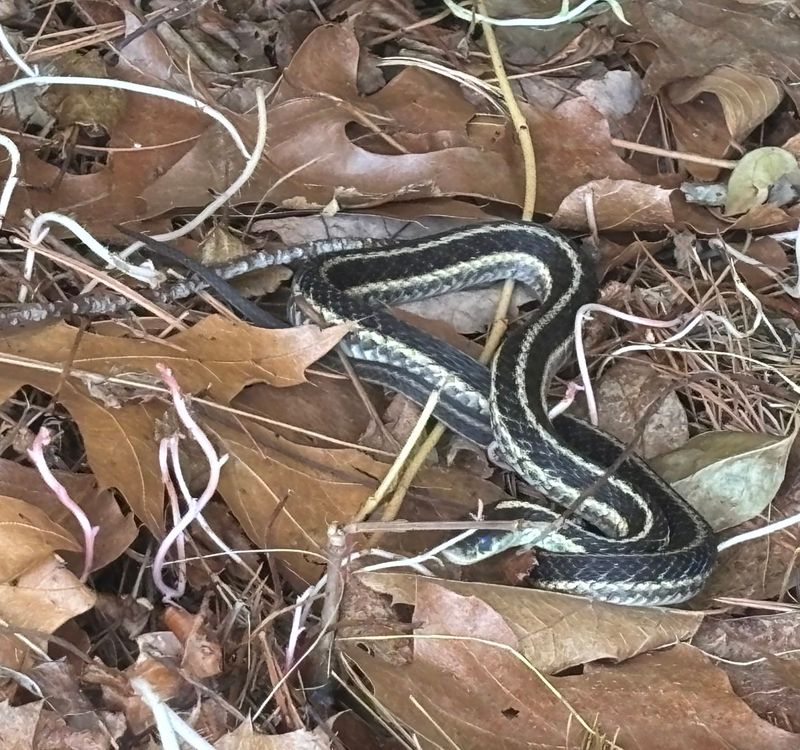
A skinny, winding line through pine straw can look like nothing at first, until you notice it keeps showing up in the same shady bed. Garter snakes often travel low and close to cover, so their routes may press a slim path through loose mulch, leaf litter, or pine needles.
In Florida yards, those trails often appear near liriope, coontie, muhly grass, salvia, or other dense plantings that give a small snake shelter from hawks, herons, cats, and the hard afternoon sun. Sandy soil makes tracks hard to read, but soft mulch can hold a faint ripple or parting after a snake passes through.
That little path is not damage. It is more like a pest patrol lane running through your beds.
Garter snakes commonly feed on slugs, small frogs, earthworms, insects, and other small prey, depending on what your yard offers. If you are seeing regular movement through mulched borders, it may mean your garden has enough cover, moisture, and food to support a helpful native predator.
For best results, leave a few lightly messy zones under shrubs instead of stripping every bed bare. A tidy front edge with a more natural back layer gives your plants polish while still leaving wildlife room to work.
2. Quick Striped Flashes Near Irrigation Zones
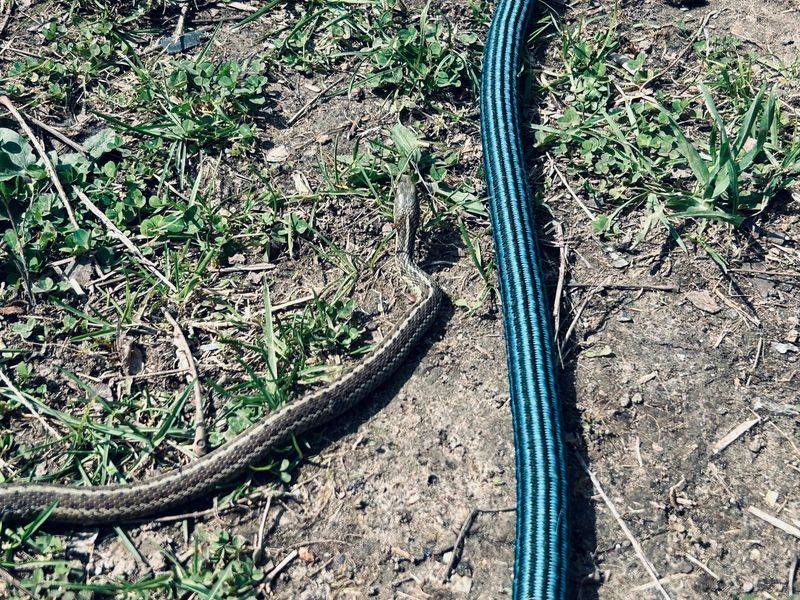
There it goes, a blink of stripes beside the soaker hose, and then nothing but leaves. Many Florida gardeners first notice a garter snake as a fast, ribbon-like movement near damp soil, especially after irrigation runs or a summer rain shower.
Moist areas attract the tiny animals garter snakes hunt. Slugs, small amphibians, worms, and soft-bodied pests are more active where soil stays damp, and snakes learn those feeding spots quickly.
You might see one near drip lines, low spots beside pavers, rain garden edges, or the shaded side of a raised bed.
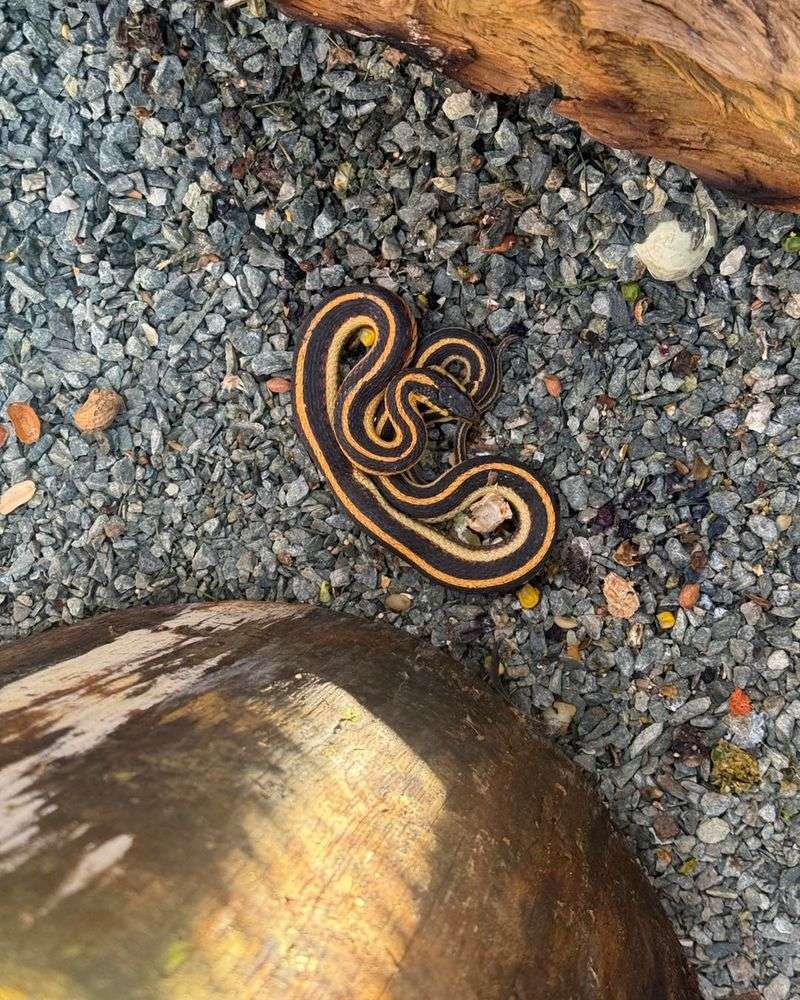
The color pattern can vary, but garter snakes usually have lengthwise stripes that help them vanish into grasses and stems. Ribbon snakes, close relatives that also live in Florida, can look similar and behave in much the same way around water and thick vegetation.
Good news for your beds: a snake checking wet zones is part of the same food web that keeps pest populations from exploding. Instead of reaching for broad pesticides, which can harm beneficial wildlife, fix the bigger issue first.
Water early, avoid soggy mulch against stems, and let the snake handle some of the small moving buffet your irrigation creates.
3. Fewer Slugs and Chewed Seedlings
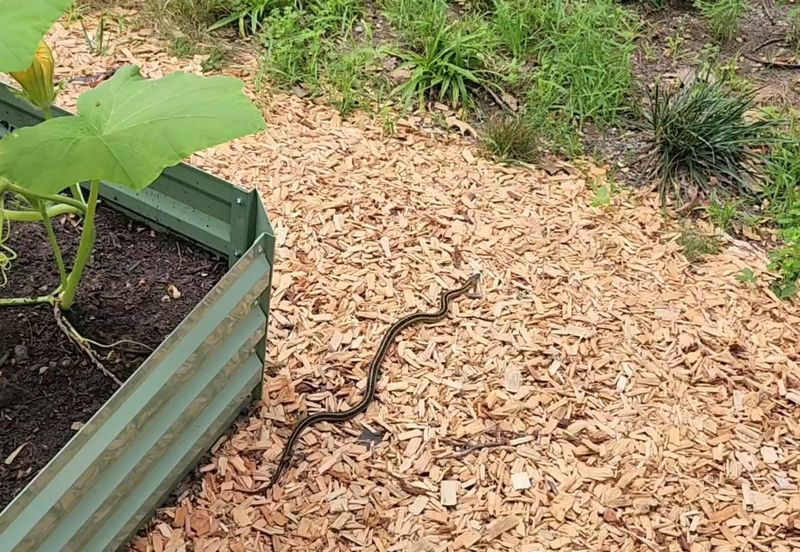
Seedlings tell on a garden overnight. One week the basil and zinnias are full of ragged holes, and the next the damage seems to slow without you changing much at all.
A resident garter snake is not a magic cure for every pest, but it can help reduce some of the soft-bodied creatures that chew tender growth. Slugs and other small prey are most active in damp, protected places, which are exactly the spots a garter snake may investigate.
In Florida, where warm weather stretches the pest season, every natural helper matters.
Look for the pattern rather than one perfect clue. If you have moist mulch, low cover, and occasional striped sightings, plus less nibbling on lettuce, coleus, marigolds, or young vegetable starts, your snake may be earning its keep.
Birds, lizards, frogs, and beneficial insects also play a part, so think of the snake as one member of a larger cleanup crew.
To keep that balance, avoid slug pellets unless the label is pet-safe and wildlife-aware, and use barriers or hand-picking where possible. A Florida-friendly garden does not have to look wild, but a little habitat under the right shrubs can help protect the plants you actually want to show off.
4. Shed Skin Tucked Under Pots or Edging
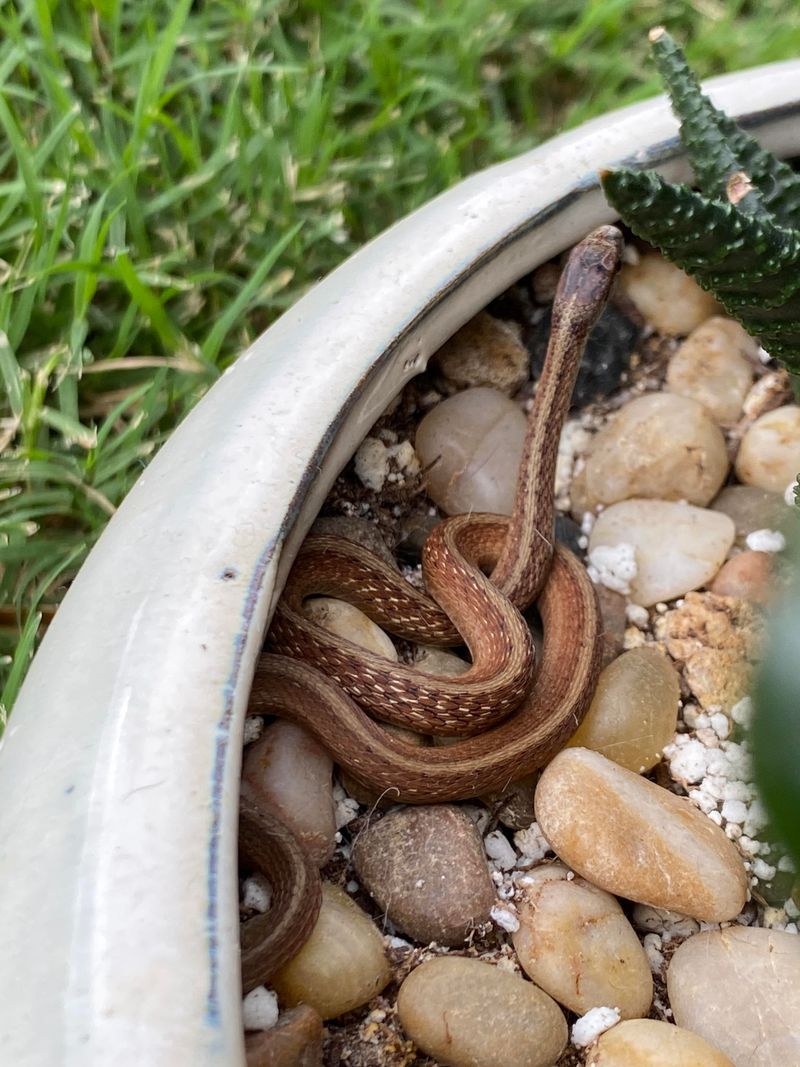
A papery strip under a pot can feel like a garden mystery left behind after dark. Snake sheds are light, dry, and almost ghostlike, sometimes showing a faint pattern of scales or even the outline of the head if the shed stayed intact.
Garter snakes shed as they grow, and they often rub against rough surfaces to loosen old skin. That means you may find sheds near brick edging, landscape stones, raised bed corners, clay pots, palm boots, or the base of a wooden fence.
In humid Florida weather, the skin may break apart quickly, so a fresh shed is a useful clue that a snake has been using that sheltered spot recently.
Finding shed skin does not mean there is a nest or an invasion. Most garter snakes are solitary for much of the year, and they are more interested in cover and food than in your patio routine.
If you want to identify the visitor, look from a distance rather than poking into tight spaces with your hands.
The plant-bed payoff is simple: a snake that feels safe enough to shed nearby is probably spending time hunting there too. Keep pot areas clean enough to avoid rats, but do not feel pressured to sanitize every leaf and twig from the garden edge.
5. A Favorite Hiding Spot Beside Dense Groundcover
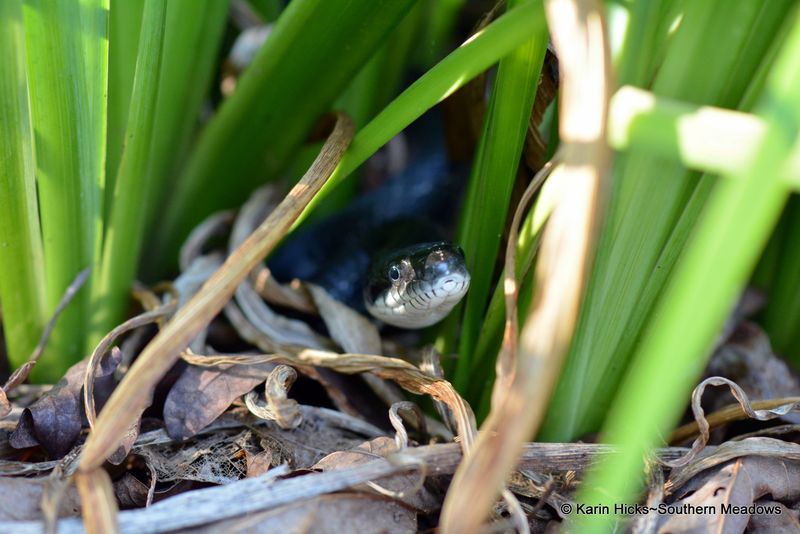
Every yard has one corner that stays a little cooler, darker, and more secretive than the rest. For a garter snake, that corner can become a dependable daytime hideout.
Watch areas where groundcover meets structure. The base of a viburnum hedge, a clump of fakahatchee grass, a patch of sunshine mimosa, or the shaded edge of a raised bed can offer the right mix of cover and escape routes.
In Florida, this matters because open sand and hot concrete can dry out small animals fast.
You may never see the whole snake there. Instead, you might catch a tail sliding under leaves, hear a quick rustle when you water, or notice the same gap in vegetation being used again and again.
Garter snakes prefer to avoid trouble, so their favorite hiding spots are often near thick roots, mulch pockets, or boards that give them a fast retreat.
Gardeners get a real benefit from these hideouts. Dense cover gives pest-eating animals a place to survive between meals, which helps your beds function more like a healthy habitat.
If the hiding place is near a walkway, leave it alone but give it space. Teach kids not to grab, and wear gloves when moving pots or edging stones.
6. Tiny Snake Droppings on Warm Flat Surfaces
Not every clue is pretty, but gardeners know the ground keeps records. Small snake droppings may appear on stepping stones, patio edges, landscape blocks, or flat mulch near a favorite route.
Snake waste is often dark with a pale, chalky portion from urates, a bit like bird droppings but usually more compact and less splattered. Size varies with the snake and its meal, so this clue is best paired with other signs, such as striped sightings, sheds, or narrow paths through cover.
If you are unsure, do not handle it bare-handed. Use gloves or a small trowel and wash up afterward.
Warm flat surfaces can attract snakes because they help with body temperature. A garter snake may pause on a stone after feeding or slip across pavers between shaded beds.
In Florida, early morning and late afternoon are common times to see reptile movement, especially when the day is hot but not yet scorching.
Why is that good for your beds? Droppings mean the snake has been eating.
A fed garter snake has likely found prey in your yard, which can include garden pests and small animals drawn to damp mulch. Keep the area healthy by reducing clutter that shelters rodents, while still allowing low plant cover where beneficial wildlife can move safely.
7. Calmer Frog, Lizard, and Insect Activity Around Beds
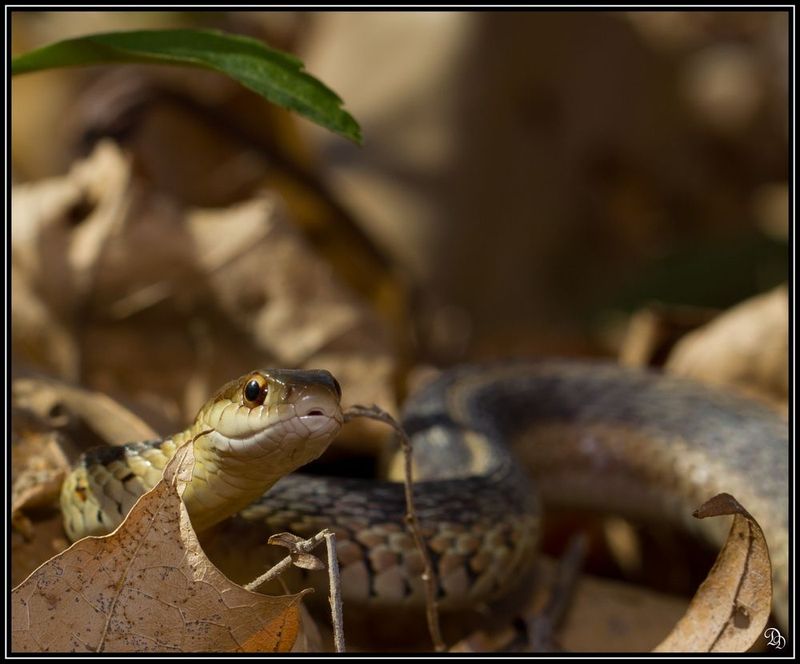
A lively Florida yard can sound like a tiny jungle after rain. Frogs call, anoles dart, insects buzz, and somewhere in that motion a garter snake may be quietly choosing its next meal.
One subtle sign of a snake is a shift in where small animals gather. Frogs may stay closer to water or dense cover, lizards may scatter suddenly from a bed edge, or insects may be less concentrated in one damp corner.
None of that proves a garter snake by itself, but paired with quick striped sightings, it suggests a predator has joined the neighborhood.
That sounds dramatic, yet it is exactly how a healthy Florida garden should work. Predators keep prey alert and help prevent one group from taking over.
Garter snakes fit into that system without digging up your plants, chewing roots, or stripping leaves. They are not a substitute for good gardening, but they support the same goal: beds with fewer pest blowups and less need for chemical rescue.
If you want to encourage the right kind of balance, plant in layers. Use mulch, native shrubs, low flowers for pollinators, and a small water-smart area that does not stay swampy against your house.
Give wildlife room, but keep visibility near doors and paths so everyone can share the yard comfortably.