
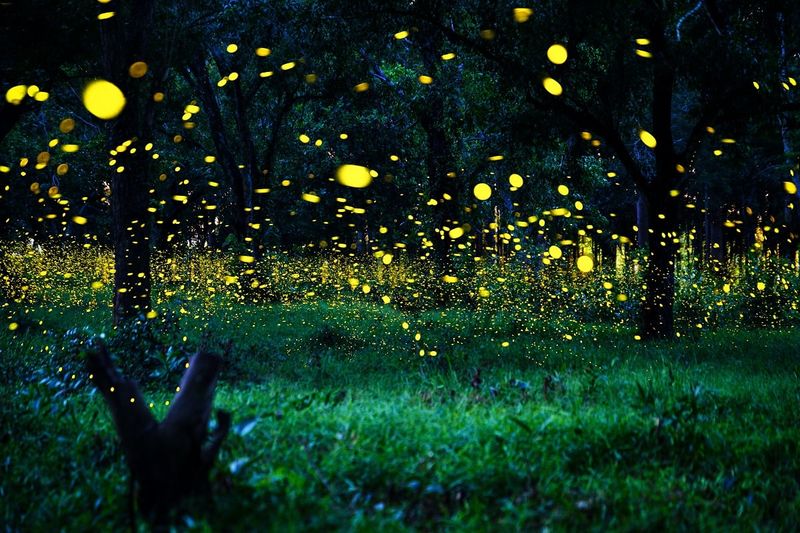
Remember catching fireflies in a jar on a warm Texas evening? Those blinking lights are getting harder to spot, and your own yard might be part of the reason why. The good news is that fireflies aren’t gone for good, and small changes to how you care for your lawn can invite them right back. Here are seven easy habits that help these glowing beetles thrive under Texas summer skies.
1. Turn Off Outdoor Lights After Dark
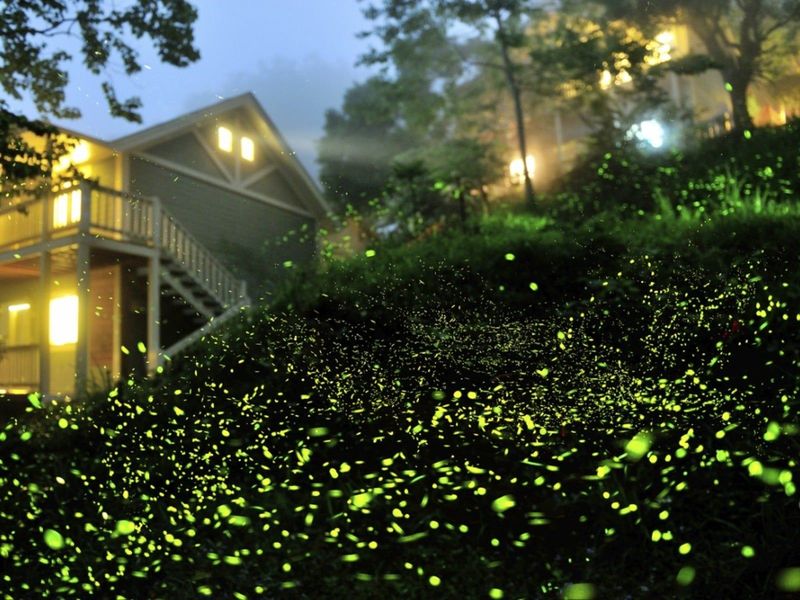
Fireflies talk to each other with light. Every flash you see on a June night is actually a firefly looking for a mate, blinking out a pattern only its own species recognizes.
Porch lights, floodlights, and glowing landscape fixtures drown out those tiny signals. When the yard is too bright, males and females simply cannot find one another, and fewer fireflies means fewer summers with that magic glow. Across many Texas neighborhoods, the steady creep of outdoor lighting is one of the biggest reasons the show has faded.
Switching off unnecessary lights for a few hours after sunset can make a noticeable difference. If you need lighting for safety, try warm amber bulbs or motion sensors that only click on when someone walks by. Point fixtures downward so the beam hits the sidewalk instead of spilling across the whole lawn. Your electric bill drops, and the fireflies get their stage back.
2. Let a Corner of Your Lawn Grow Wild
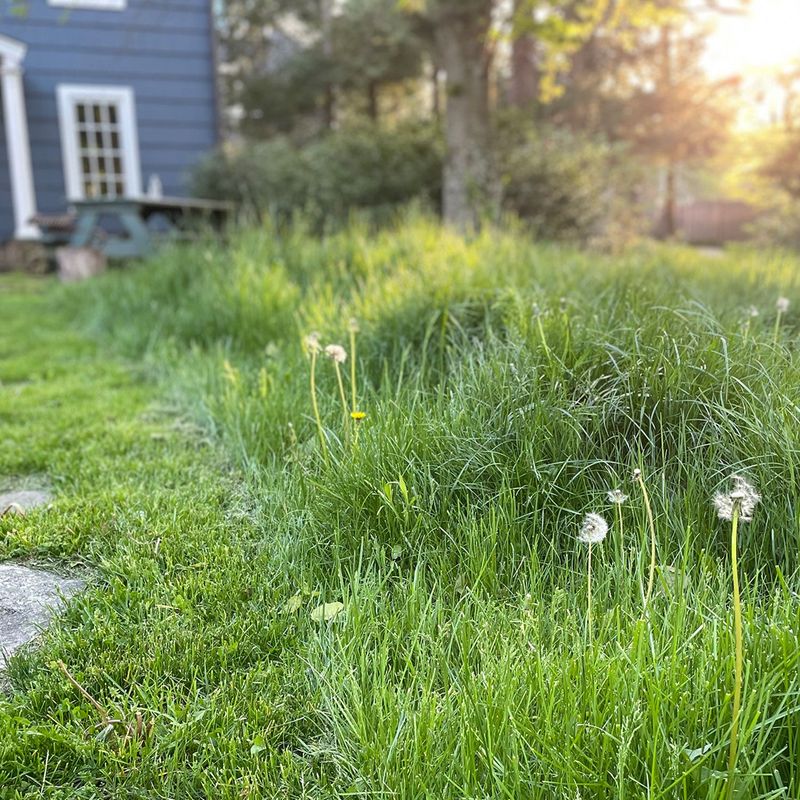
Perfectly trimmed grass looks tidy, but to a firefly it feels like a desert. These beetles rest in tall grasses and shrubs during the day, hiding from the brutal Texas sun until the cooler evening arrives.
Set aside a back corner or a strip along the fence and simply stop mowing it. Long blades of grass, native wildflowers, and leafy ground cover give fireflies shade, moisture, and a safe place to lay eggs. The taller plants also shelter the snails, slugs, and soft-bodied bugs that young fireflies feed on.
You do not have to sacrifice your whole yard. A meadow patch of just a few square feet can support a surprising number of insects. Bonus points if you fill it with Texas natives like little bluestem or Turk’s cap, which shrug off triple-digit heat and stretch your water further during summer restrictions. What looks like laziness is really a habitat, and the fireflies will thank you for it.
3. Skip the Pesticides and Lawn Chemicals
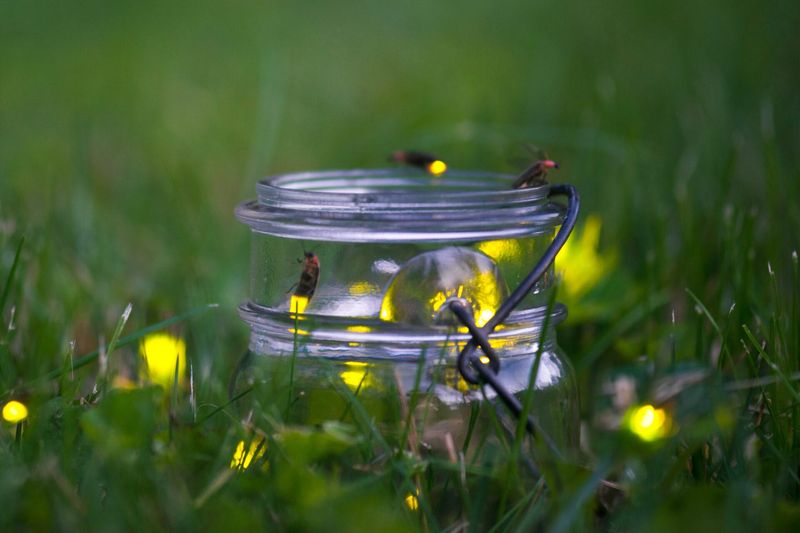
Here is a hard truth for a lot of Texas homeowners: the same sprays that knock out chinch bugs and mosquitoes also wipe out fireflies. Broad chemical treatments do not read labels, so they take the good bugs down with the bad.
Firefly larvae live in the soil and leaf litter for up to two years before they ever glow. That means lawn chemicals can quietly kill an entire generation long before you would notice them missing from the night sky.
Try leaning on gentler options instead. Spot-treating a real pest problem beats blanketing the whole yard, and encouraging natural predators like birds and toads can reduce nuisance insects on its own. Mosquito control that targets standing water tends to spare fireflies better than fogging the entire property. Cutting back on chemicals may help deter the pests you actually worry about while giving fireflies a fighting chance to reach adulthood.
4. Add a Water Feature or Damp Spot
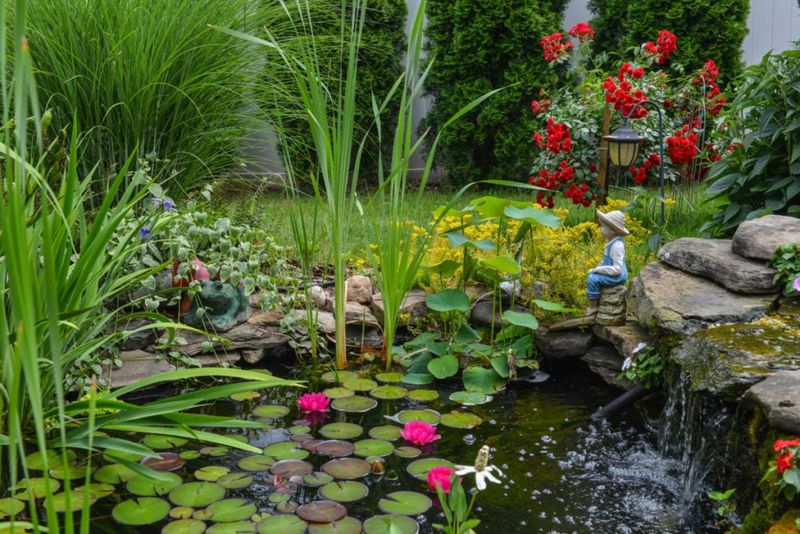
Fireflies love moisture, and in a state famous for drought that makes a little dampness precious. Many Texas species thrive near ponds, creeks, ditches, and the edges of soggy ground where their prey hangs out.
You do not need a big pond to help. A small rain garden, a shallow birdbath tucked into the shade, or a low spot that stays damp after watering can create the humid microclimate fireflies crave. Larvae hunt for slugs and snails in these moist zones, so a little water becomes a whole buffet.
Just keep it fresh to avoid becoming a mosquito nursery. Moving water from a small solar fountain, or simply refreshing a dish every couple of days, keeps things balanced. During summer watering restrictions, catching rainwater in a barrel and directing it to one damp corner stretches every drop while quietly building a firefly nursery.
5. Leave the Leaf Litter and Fallen Logs
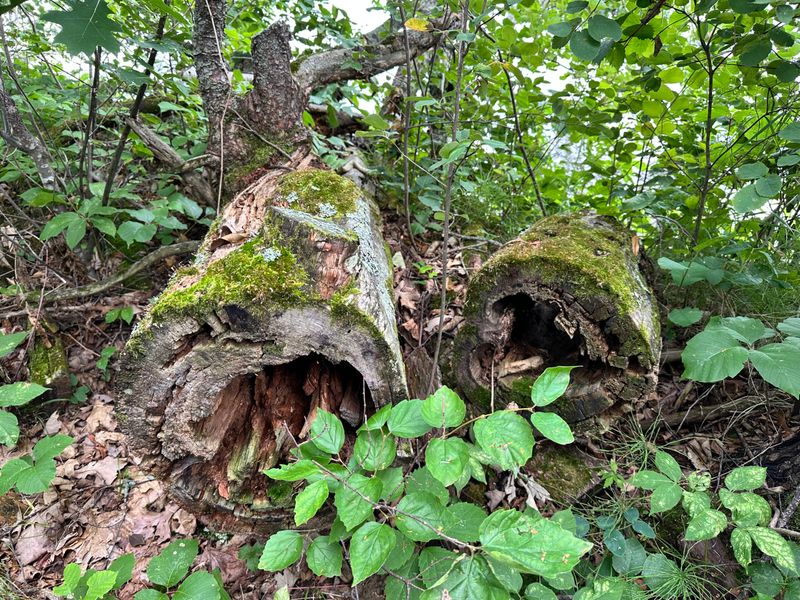
That pile of leaves you keep raking away? It is prime firefly real estate. The larvae spend most of their lives crawling through damp leaf litter and decaying wood, feeding and slowly growing toward their glowing adult stage.
When we bag up every leaf and haul off every fallen branch, we accidentally clear out the very nurseries fireflies depend on. A bare, spotless yard offers them nowhere to hide and nothing to eat.
Let some leaves stay put under trees and along garden beds. Tuck a small log or two into a shady corner and let it break down naturally over the seasons. As the wood rots, it holds moisture and draws the tiny creatures that firefly larvae hunt. Think of it as messy on purpose, a quiet layer of life working under the surface while you enjoy the flashes above it.
6. Plant Native Trees and Shrubs

Texans take pride in a yard that can handle whatever the sky throws at it, and native plants deliver on that promise while feeding the local food web fireflies rely on. Tall trees and dense shrubs give adult fireflies daytime shelter and a launchpad for their evening light shows.
Species like Texas red oak, cedar elm, American beautyberry, and Turk’s cap are built for our climate. They survive triple-digit heat, sip far less water than thirsty exotics, and support the native insects that fireflies eat at every stage of life.
Layering your yard helps too. A mix of canopy trees, mid-height shrubs, and ground cover creates cool, humid pockets that hold moisture through the hottest afternoons. That structure gives fireflies the shade they need by day and the perches they use at night. Planting native is a win for storm resilience, water bills, and the glow you are trying to bring back.
7. Be Patient and Track Their Return
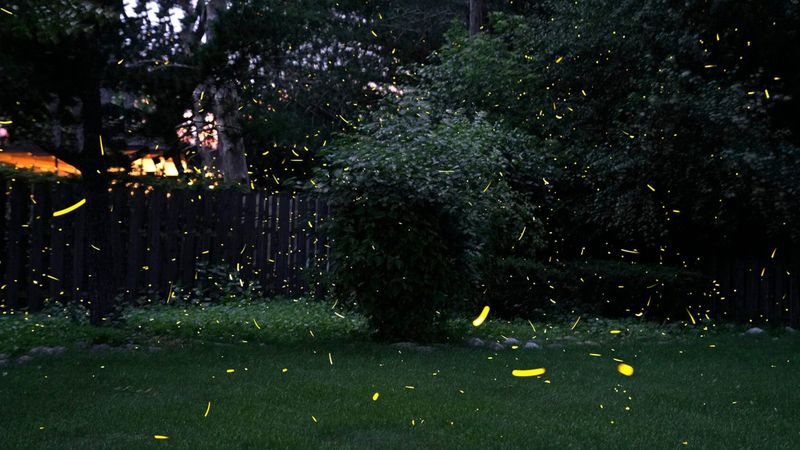
Fireflies operate on their own timeline, not ours. Because larvae can spend a year or two underground before they light up, the changes you make this summer may not pay off until next season or the one after.
Give your yard time to settle into its new rhythm. A habitat needs a few cycles of leaves, rain, and undisturbed soil before the population really rebounds, so do not give up if the first June stays dim.
Keep a simple log of what you see. Note the date, the weather, and roughly how many flashes appear on a given night, then compare year to year. Some Texans even join community firefly counts that help scientists understand where these insects are hanging on. Watching the numbers climb turns a patient wait into a quiet victory, and it teaches the whole family to read the backyard as a living, changing ecosystem rather than just a lawn to mow.