
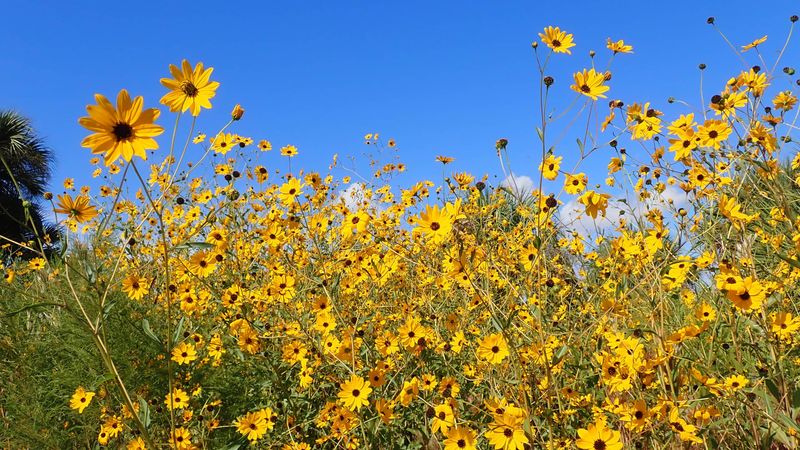
If you have ever watched a tray of store-bought annuals melt into mush by the Fourth of July, you already know Florida summers play rough. Sandy soil drains water fast, the heat feels like an open oven, and afternoon storms can flatten anything with shallow roots. Native wildflowers solve all three problems at once because they grew up in these exact conditions and never learned how to quit. Here are eight tough Florida natives that keep blooming long after the fussy annuals wave the white flag.
1. Blanketflower (Gaillardia pulchella)
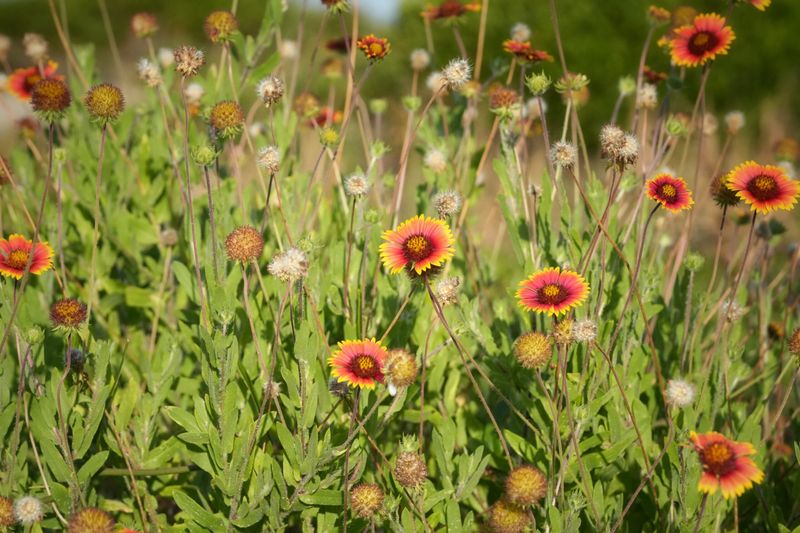
Picture a flower that actually likes being ignored, and you have blanketflower. Its fiery red-and-yellow daisies show up along Florida beaches and roadsides where nothing else dares to grow, laughing off salt spray and blazing sun.
Sandy, fast-draining soil is exactly what this plant wants, so the dirt that kills your petunias becomes a five-star resort for Gaillardia. It handles drought like a champ and keeps flowering right through the sweaty stretch of July and August when annuals typically call it a season.
UF-IFAS lists it as a reliable pick for coastal and inland gardens alike, and it reseeds itself so freely that one small planting can carpet a bed the following year. Pollinators love it too, with bees and butterflies making steady visits from morning until dusk.
Fun bit of history: early settlers thought the sprawling blooms looked like the patterned blankets woven by Native Americans, which is how it earned the name. Plant it once, water it a couple of times to get it going, then step back and let it do the work.
2. Tickseed (Coreopsis species)
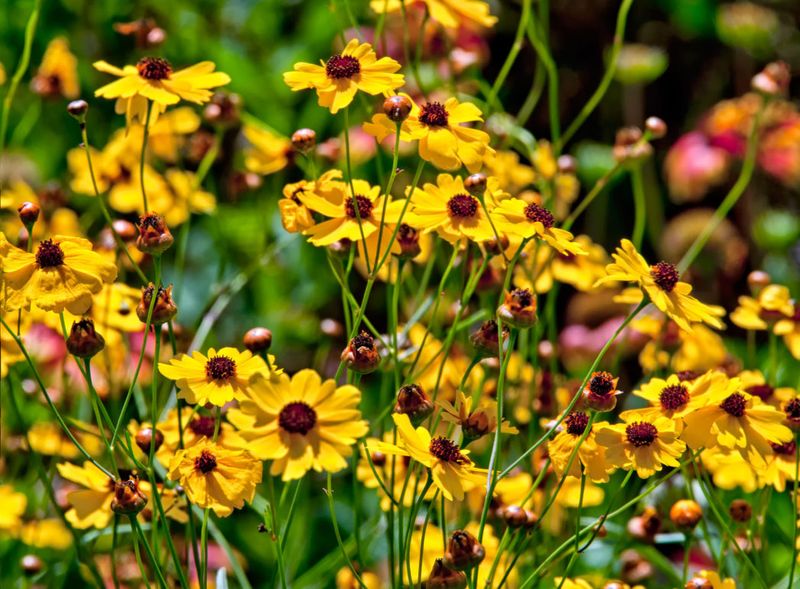
Florida loved this cheerful yellow flower so much it made Coreopsis the official state wildflower back in 1991. That is quite a resume for a plant most people mistake for a common daisy on the side of the highway.
Several Coreopsis species grow wild across the state, and nearly all of them shrug off heat, poor soil, and the occasional soggy spell after a summer downpour. The lanceleaf and leavenworth types are especially forgiving for home beds that bake in the afternoon.
What makes tickseed stand out from the other picks here is its incredibly long bloom window. Give it a quick trim after the first flush of flowers fades and it often kicks back into gear for a second show, stretching color deep into the season.
Butterflies treat these golden petals like a diner that never closes. Scatter seed in fall or early spring, keep the soil on the lean side, and you will have a low-effort splash of sunshine that outlasts anything you buy in a plastic cell pack.
3. Black-Eyed Susan (Rudbeckia hirta)
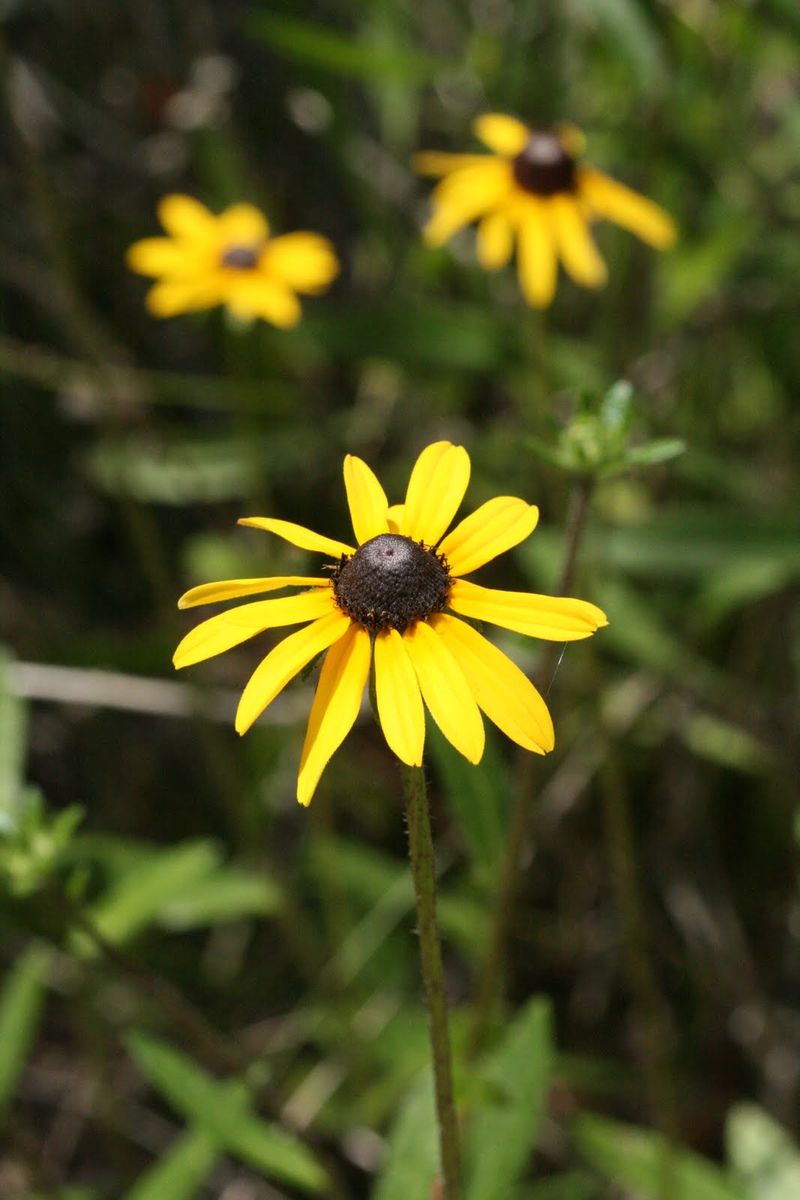
Bold, bright, and impossible to overlook, black-eyed Susan brings that classic golden-petal, dark-center look to Florida gardens without demanding a thing in return. It thrives where the sun is relentless and the soil is thin.
Unlike delicate annuals that wilt by noon, this native stands tall through midsummer heat and bounces back after storms roll through. Its sturdy stems handle wind and rain far better than the flimsy nursery flowers people tend to grab in spring.
Gardeners appreciate how it fills space quickly, spreading into generous clumps that crowd out weeds. That means less time on your knees pulling intruders and more time enjoying the show.
Honeybees and native pollinators cannot resist it, and songbirds pick at the seed heads once flowering winds down, so leaving a few spent blooms feeds the local wildlife. Plant it in a spot that gets full sun, water sparingly, and watch it deliver reliable color while your neighbors replant their annuals for the third time.
4. Tropical Sage (Salvia coccinea)
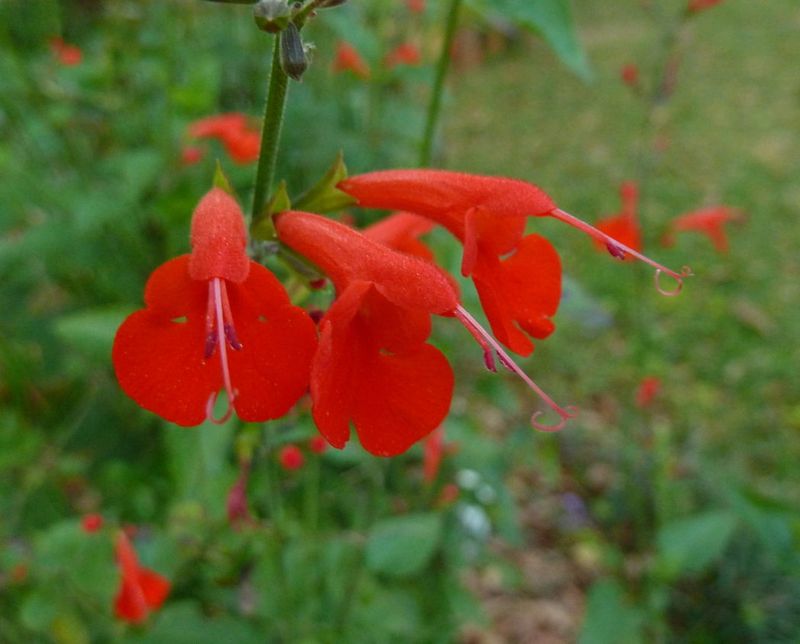
Hummingbirds will thank you for planting tropical sage, and honestly, so will your future lazy self. This scarlet-flowered native puts on a show from spring straight through fall with almost zero babysitting.
Loose, sandy ground suits it perfectly, and it takes both full sun and a bit of shade, which makes it handy for those tricky spots under a live oak or beside a fence. Drought rarely fazes it once the roots settle in.
The tall spikes of red tube-shaped blooms act like a magnet for hummingbirds and butterflies, turning a quiet corner into a busy flyway. Because it reseeds gently, you get fresh plants popping up year after year without any effort on your part.
A quirky note worth sharing: tropical sage also comes in coral, pink, and white forms, so you are not locked into red if you want a softer palette. Snip it back midseason if it gets leggy and it rewards you with a burst of new growth.
5. Beach Sunflower (Helianthus debilis)
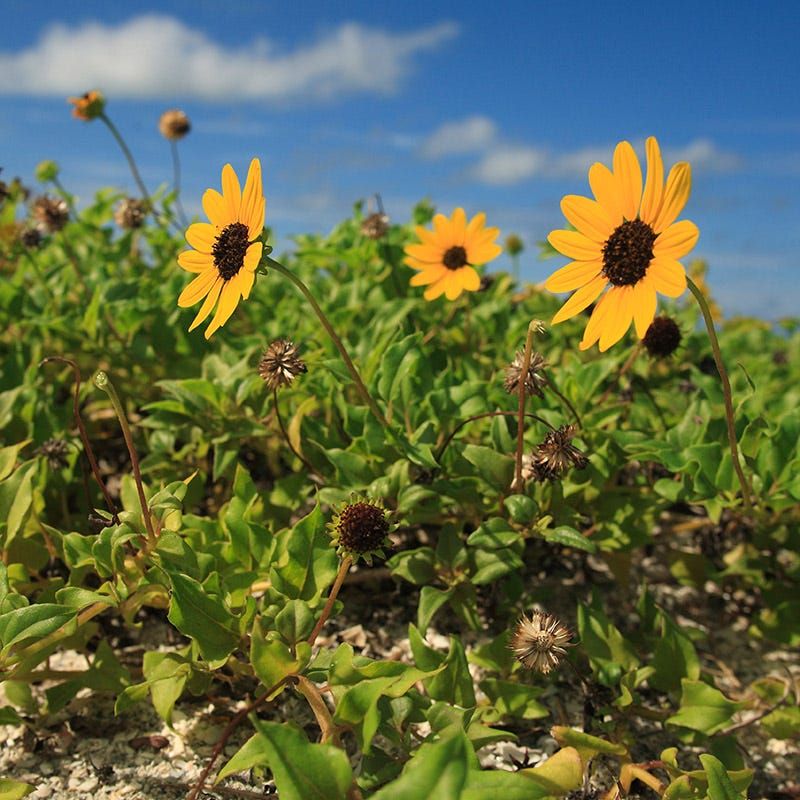
When the sun is punishing and the soil is basically pure sand, beach sunflower just grins and keeps growing. This sprawling groundcover was practically built for Florida’s toughest coastal edges.
Its habit of spreading low and wide makes it a smart pick for erosion control, holding sandy slopes in place while covering ground faster than most alternatives. The cheerful yellow flowers keep coming even during the hottest, driest weeks of the year.
Salt tolerance is where this one really separates itself from the pack. Ocean breezes that scorch other plants roll right off its leaves, so it works beautifully in beachside beds where few flowers survive.
Bees and butterflies stop by constantly, and the plant asks for nearly nothing in return once established. Skip the fertilizer, go easy on the water, and let it ramble across a hot bank or border where you would rather not fight the elements. It is the definition of set-and-forget for Florida coastal gardeners.
6. Purple Coneflower (Echinacea purpurea)
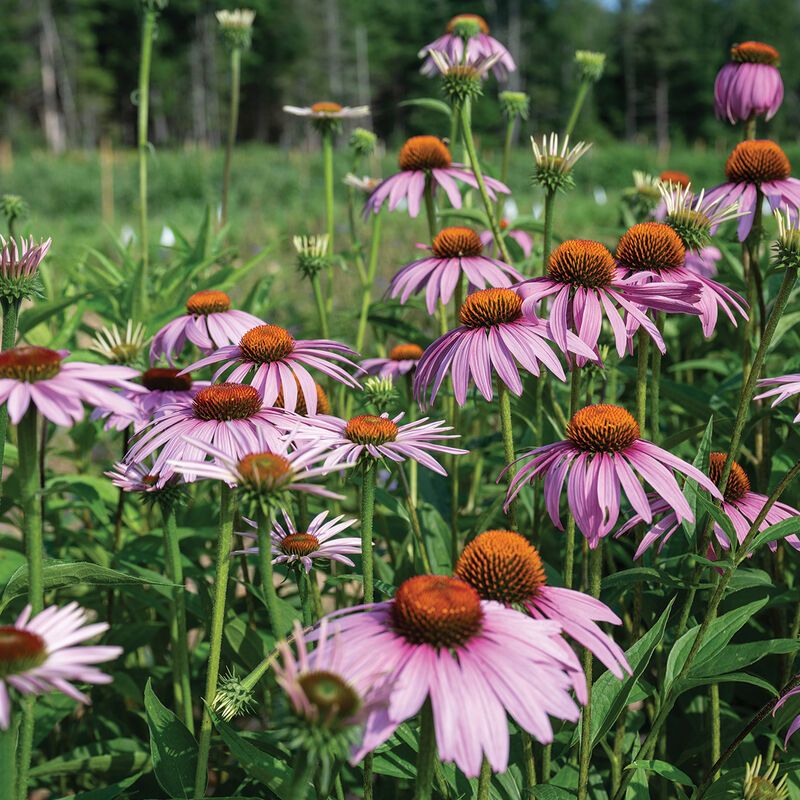
Elegant enough for a formal bed yet tough as nails, purple coneflower proves you do not have to trade beauty for durability. Its rosy-purple petals and copper-colored cones bring a refined look that annuals struggle to match all season long.
Deep taproots let it reach moisture far below the surface, which is exactly why it laughs off the drought stretches that leave shallow-rooted annuals gasping. That same root system helps it stay standing when summer storms knock lesser plants flat.
Pollinators flock to the raised centers, and if you leave the seed heads through winter, goldfinches will show up to feast. It is a two-season gift wrapped in one low-maintenance plant.
Herbalists have leaned on echinacea for generations, giving this flower a bit of folklore alongside its garden value. Give it well-drained soil and a sunny spot, then let those sturdy roots do the heavy lifting while you enjoy months of steady color.
7. Firebush (Hamelia patens)
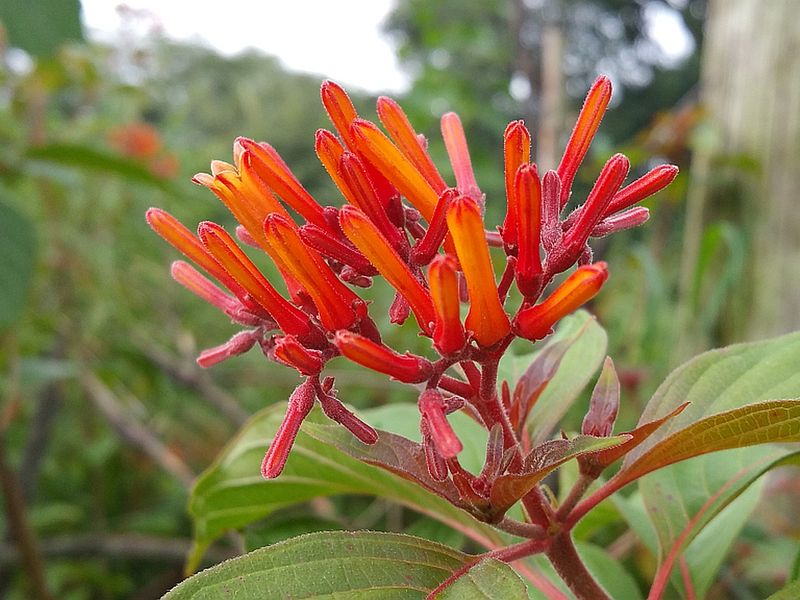
Few plants earn their name as honestly as firebush, which lights up the garden with clusters of orange-red tubular blooms that seem to glow in the summer heat. Butterflies and hummingbirds treat it like the neighborhood hotspot.
Heat is not a threat to this native shrub, it is a fuel source. The hotter and more humid Florida gets, the harder firebush works, blooming steadily through the exact window when annuals surrender.
Because it grows into a substantial shrub, it does double duty as both a flowering showpiece and a bit of privacy or structure in the landscape. After a hurricane knocks it back, it typically resprouts and recovers with impressive speed.
Make sure you get the true Florida native and not the dwarf African look-alike sold at big-box stores, since the native form supports local wildlife far better. Plant it in full sun, give it room to stretch, and you will have a fiery, storm-tough anchor that never seems to run out of energy.
8. Spotted Beebalm (Monarda punctata)
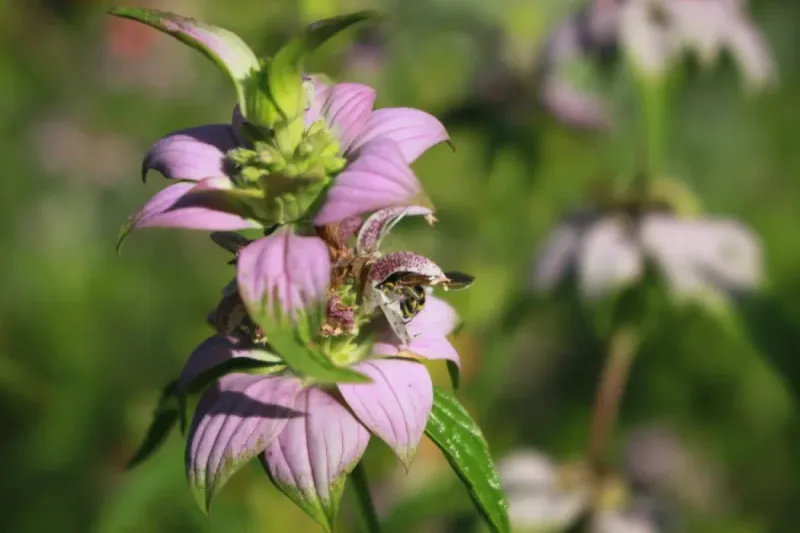
Odd, architectural, and buzzing with life, spotted beebalm looks like nothing else on this list. Its stacked whorls of pale flowers topped with pink and lavender bracts give it a sculptural quality that stops visitors in their tracks.
Sandy, dry soil is right in its comfort zone, so those quick-draining Florida beds that frustrate other flowers actually help this one flourish. It handles the heat without flinching and keeps producing its curious blooms through the muggy months.
Pollinators go absolutely wild for it. Native bees, wasps, and butterflies swarm the flowers so thoroughly that the plant practically hums, which is exactly how it got the beebalm name.
There is a bonus for your senses too: crush a leaf and you get a spicy, oregano-like scent, since it belongs to the mint family. Give it lean soil and full sun, resist the urge to pamper it, and this offbeat native will reward you with weeks of pollinator theater long after the annual displays have collapsed.