
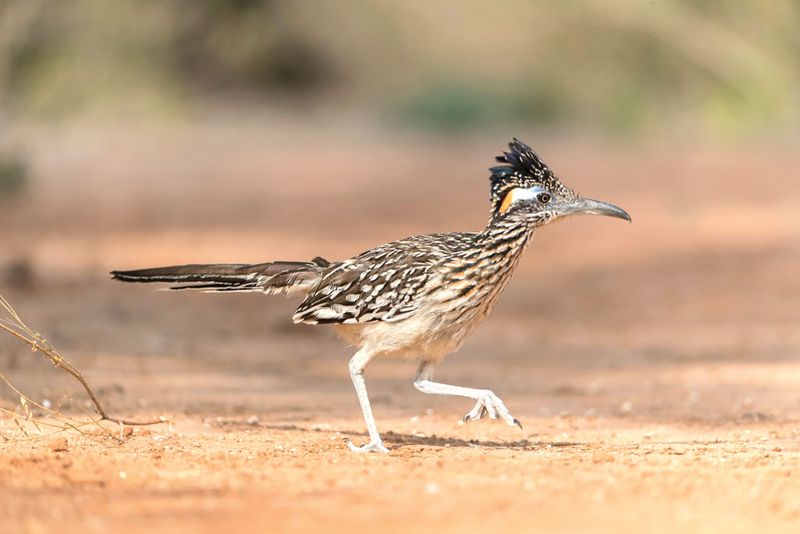
If you spot a roadrunner darting across your Texas backyard, you are looking at one of the hardest-working pest hunters around. These quick-footed birds patrol the ground all day, snatching up bugs and critters that would otherwise chew through your plants or sting your ankles. In a state where triple-digit summers already stress your garden, having a natural bug patrol on your side is a real gift. Here are eight garden pests a roadrunner happily hunts down so you do not have to.
1. Grasshoppers
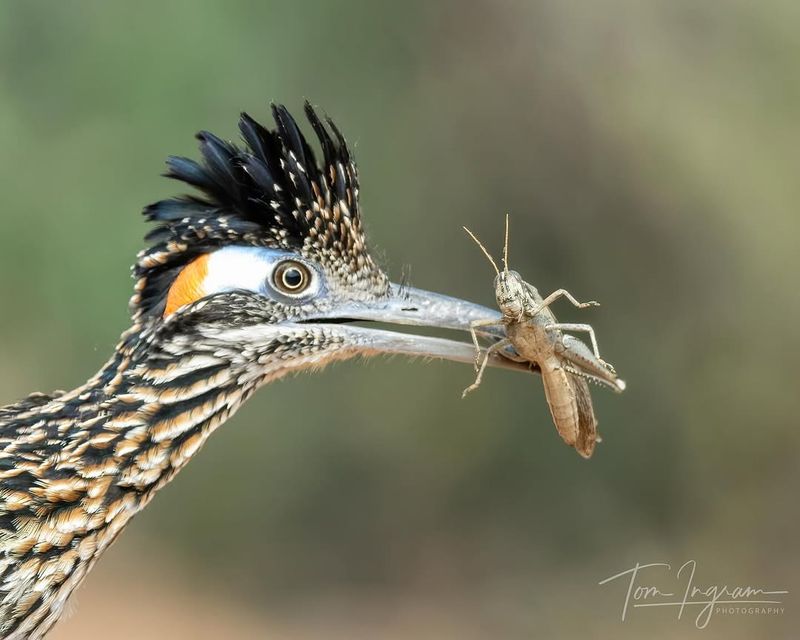
Few things test a Texas gardener’s patience like a summer swarm of grasshoppers stripping leaves down to the stems. During hot, dry stretches, these hoppers show up in huge numbers and can flatten a vegetable bed in days.
Roadrunners treat grasshoppers like a favorite snack. Built to sprint after fast-moving prey, a roadrunner will chase one down, snap it up in its beak, and give it a quick whack against the ground before swallowing it whole. Because grasshoppers are so plentiful in Texas summers, they make up a big share of a roadrunner’s daily diet.
Every hopper a roadrunner eats is one that will not lay eggs in your soil for next season. That steady, day-after-day hunting can help reduce the population pressure on your garden without a single drop of pesticide.
2. Scorpions
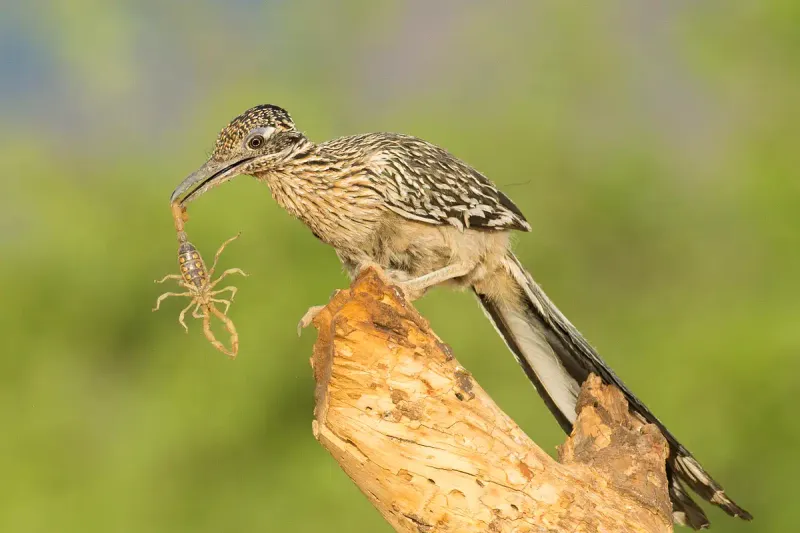
Nothing sends a Texan jumping like flipping over a garden pot and finding a scorpion underneath. Striped bark scorpions are common across much of the state, and their sting is a nasty surprise waiting near woodpiles, mulch, and stone borders.
Roadrunners, though, see a scorpion as dinner rather than a threat. They are fast and precise, grabbing the scorpion behind the stinger and bashing it against a rock before eating it. That fearless approach makes them one of the few backyard visitors willing to take on such well-armed prey.
Fewer scorpions creeping around your patio means safer barefoot mornings and less worry when the kids play outside. A roadrunner patrolling your yard can help keep those stinging surprises in check all season long.
3. Crickets
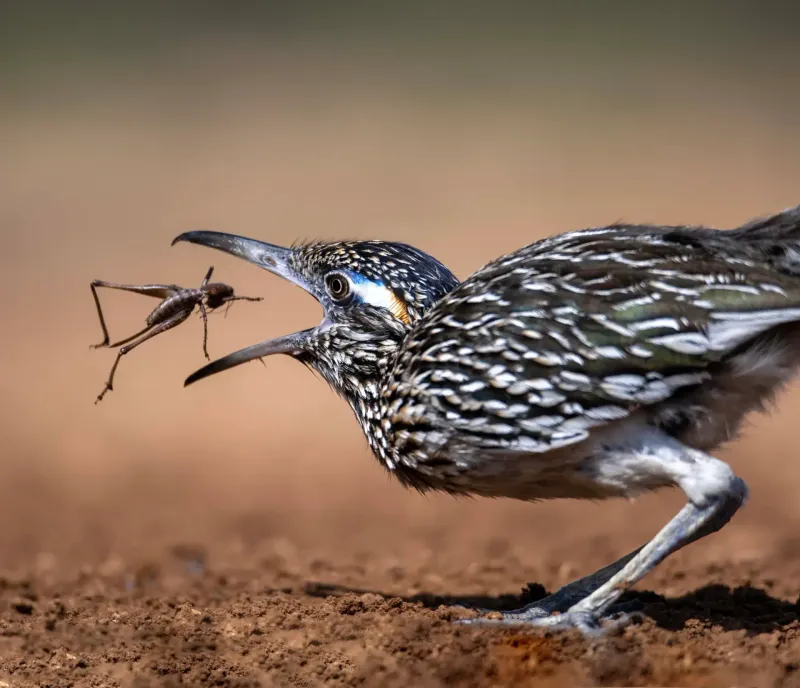
Come late summer, field crickets pour into Texas yards by the thousands, chirping through the night and gathering around doorways and garden beds. On their own they seem harmless, but big numbers can chew on seedlings and leave droppings all over your porch.
Roadrunners love an easy meal, and crickets are exactly that. Slow and abundant, they get scooped up one after another as the bird works its way along fence lines and flower borders. A hungry roadrunner can knock back dozens in a single afternoon.
Cutting down the cricket crowd does double duty. It protects tender new plants and gives you quieter evenings, which is no small thing when the Texas heat already keeps you up at night.
4. Beetles and Grubs
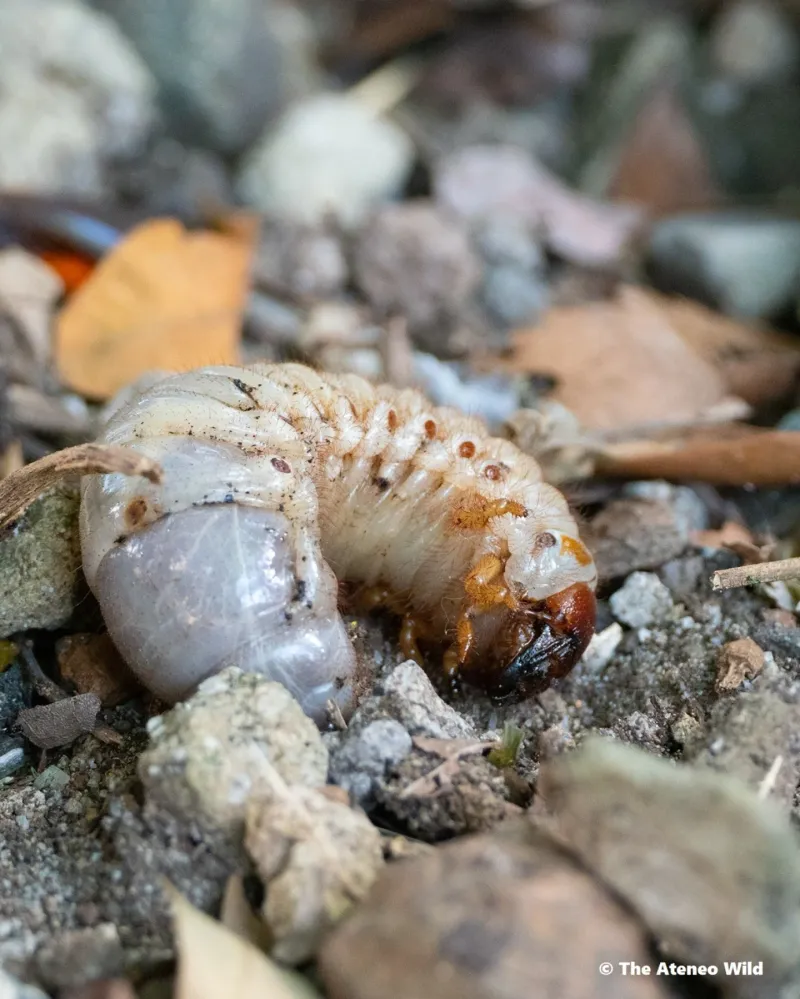
Underneath a lush green lawn, beetle grubs quietly munch on roots until brown patches start to spread. Adult beetles do their own damage above ground, chewing holes in leaves and flowers across Texas gardens.
A roadrunner works both shifts. It picks off adult beetles as they crawl or fly low, and it uses that sharp beak to dig into loose soil for the plump grubs hiding below. Watching one scratch and probe the dirt, you would think it had a treasure map to every larva in the yard.
Knocking out grubs before they mature can reduce the number of beetles hatching later, which helps break the cycle. That kind of root-level protection is exactly what a stressed Texas lawn needs during a dry summer.
5. Caterpillars
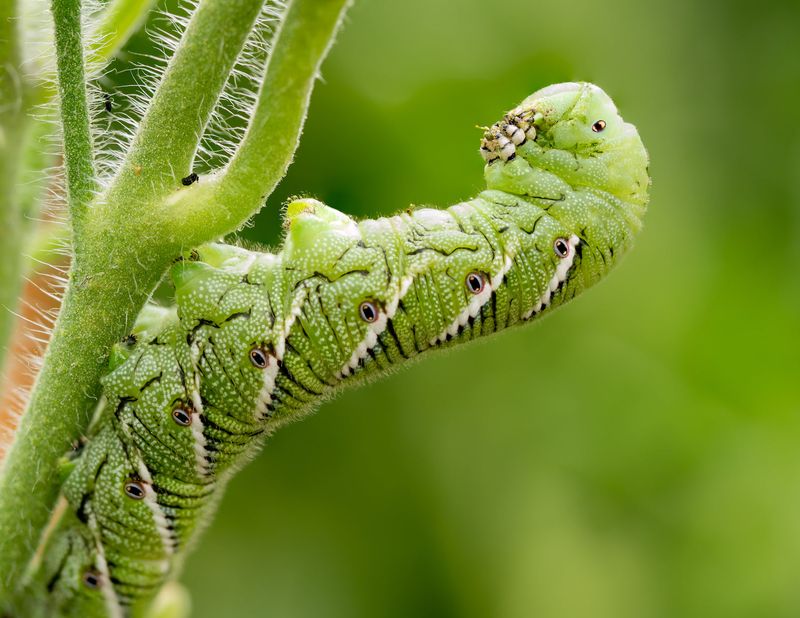
Ever find your tomato plants suddenly missing leaves overnight? Chances are a caterpillar, maybe a big green hornworm, is hiding in the foliage doing damage while you sleep.
Roadrunners have a sharp eye for these squishy targets. They comb through low branches and vegetable rows, plucking caterpillars off stems before those bugs can eat their fill. Since caterpillars barely move and offer a lot of protein, they are a high-value catch for a busy bird feeding chicks.
Removing caterpillars early spares your harvest and stops them from growing into egg-laying moths and butterflies that start the whole problem over again. For anyone growing summer vegetables in Texas, that daily cleanup is worth its weight in ripe tomatoes.
6. Centipedes and Millipedes
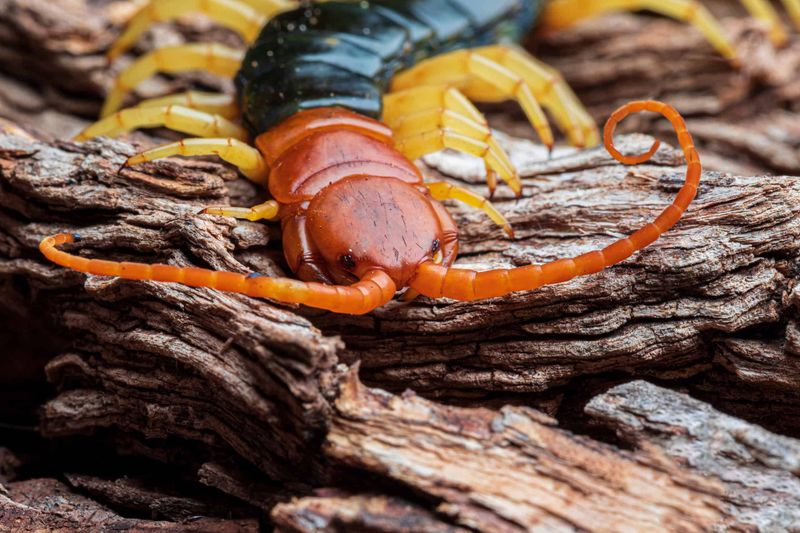
Lift a damp board or a layer of mulch and you might see a centipede wriggle away fast, all legs and menace. Texas centipedes can deliver a painful pinch, while millipedes curl up and release a smelly fluid when bothered.
Roadrunners are not squeamish about either one. They flip debris, poke through mulch, and snatch these many-legged crawlers before they vanish. Their speed lets them catch even a centipede racing for cover.
Clearing out these hidden crawlers makes your garden beds and pathways more pleasant to work in. It also means fewer creepy surprises when you reach into a compost pile or move a stack of stepping stones on a warm afternoon.
7. Snails and Slugs
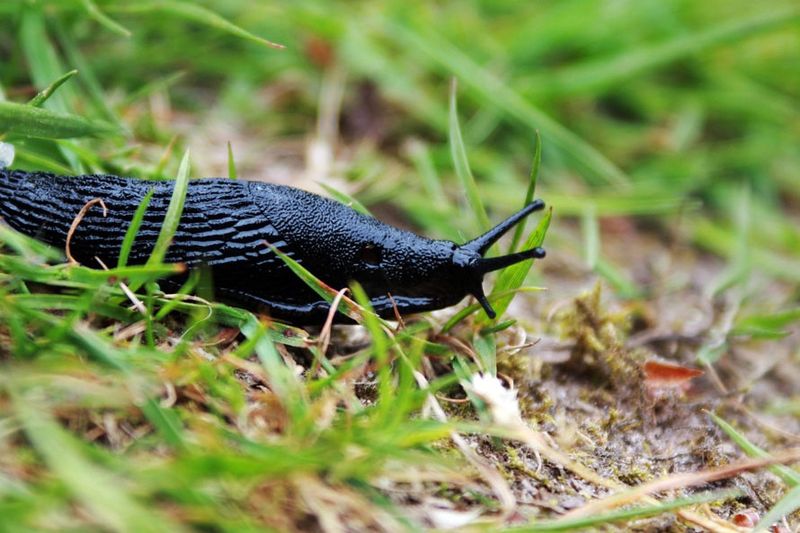
Silvery trails across your walkway are a telltale sign that snails and slugs have been feasting overnight. They love the moisture around irrigated beds and shady corners, and they can shred leafy greens and seedlings in no time.
Although roadrunners are famous for chasing fast prey, they happily slow down for these easy pickings too. A slug or snail cannot outrun anything, so it becomes a simple, reliable bite during a morning patrol. The bird just walks the beds and cleans up whatever slimy invaders it finds.
Thinning out the snail and slug crowd protects your tender lettuce and hostas and cuts back on the slime trails around your patio. In a garden where every drop of water counts, keeping these moisture-loving pests down helps your plants make the most of it.
8. Mice and Small Rodents
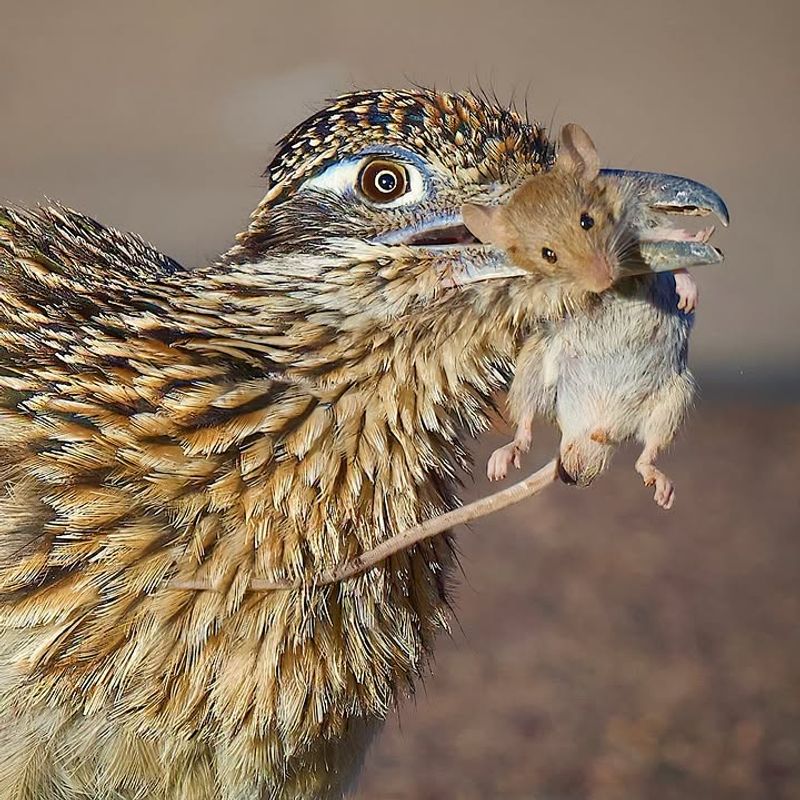
Roadrunners surprise a lot of folks with just how big a meal they will take on. Beyond bugs, these birds hunt young mice and other small rodents that sneak into gardens looking for seeds, fruit, and shelter.
With a lightning-fast dash and a strong beak, a roadrunner can catch a mouse and finish the job quickly. Rodents are a huge problem in Texas because they gnaw on plants, raid vegetable patches, and multiply fast in the warm months. Having a predator that treats them as prey adds a whole extra layer of protection.
Did you know? Roadrunners are members of the cuckoo family, and their bold, ground-hunting style is part of why early Texans nicknamed them the trusty bug-and-critter patrol. Fewer rodents around means less damage to your crops and fewer holes dug through your beds all season.