
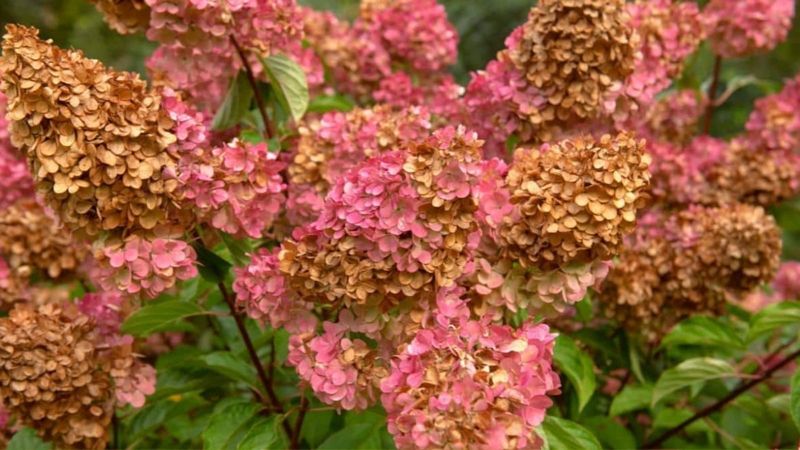
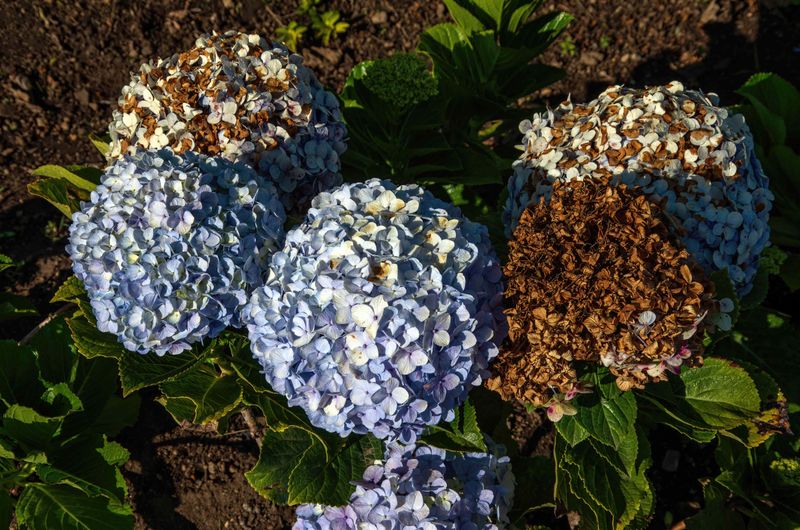
Nothing stings quite like watching your gorgeous hydrangea flowers fade from bright blue or pink to a sad, crispy brown. If your blooms are turning color way before they should, something is stressing your plant, and the good news is most causes are fixable. Below you will find eight common reasons this happens, plus a few extra troubleshooting tips to help you spot the exact problem. Let’s figure out what your hydrangea is trying to tell you so you can bring those blooms back to life.
1. Too Much Direct Afternoon Sun
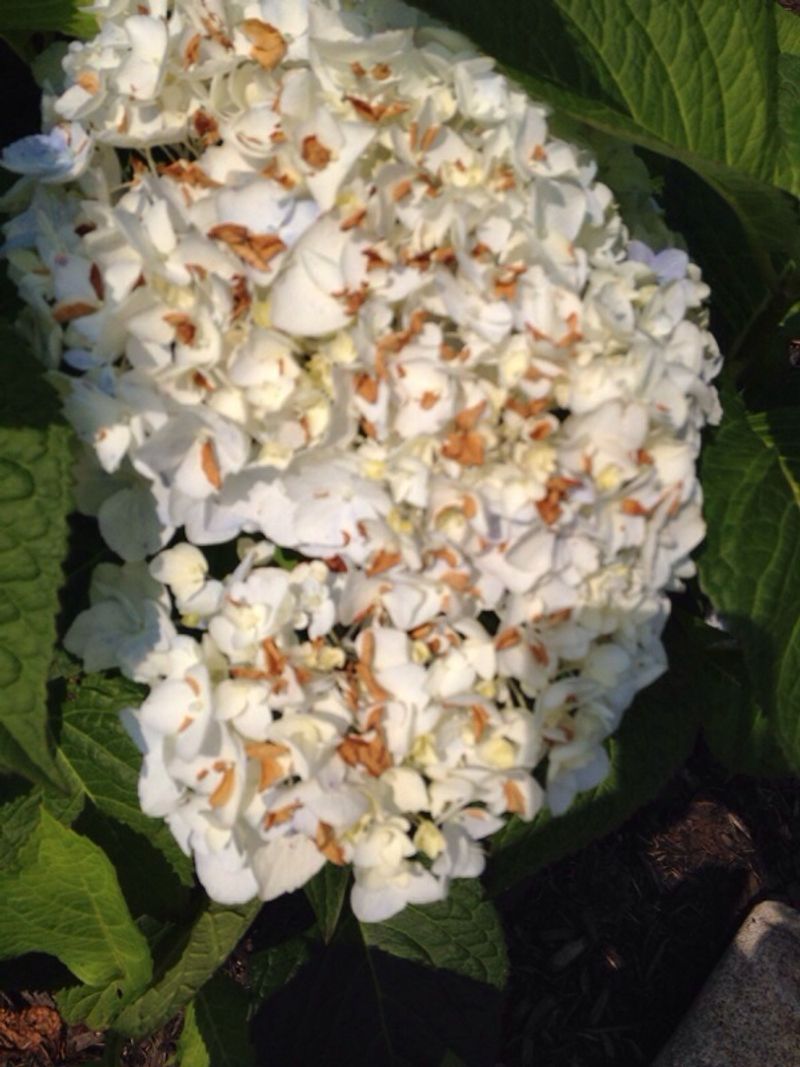
Picture a hydrangea sitting in full afternoon sun during a July heat wave, its petals practically begging for shade. Most hydrangeas evolved as woodland edge plants, so they thrive with morning light and afternoon protection.
When intense midday rays hit those thin, papery petals, the color can scorch and crisp into brown patches almost overnight. You will often notice the browning starts on the side facing the sun while the shaded side still looks healthy. That lopsided damage is a big clue that light, not disease, is the culprit.
Bigleaf and oakleaf varieties are especially sensitive, though even sun-loving panicle types can struggle when temperatures spike. If your plant is stuck in a hot, exposed spot, adding a shade cloth during peak hours may help reduce the stress.
Moving a potted hydrangea to a location with dappled afternoon shade often improves bloom color within a season. For in-ground plants, a nearby shrub or a temporary umbrella can buy time. Giving those blooms a break from relentless sun is one of the simplest fixes on this list.
2. Not Enough Water During Heat
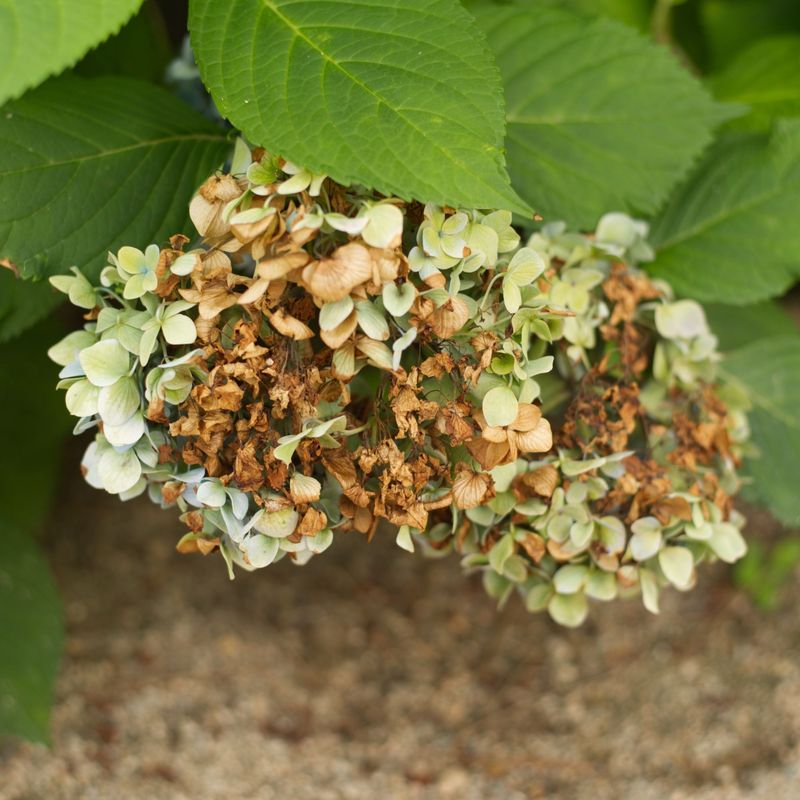
Ever watched your hydrangea droop dramatically by noon and perk back up at dusk? That daily wilt-and-recover cycle is your plant screaming for a deeper drink, and if you ignore it long enough, the blooms pay the price.
Hydrangeas have shallow roots and big, thirsty leaves, so they lose moisture fast when the mercury climbs. Once the plant runs short on water, it sacrifices its flowers first, letting the petals dry out and turn papery brown at the tips.
The name itself hints at the problem: hydra means water. These plants genuinely drink a lot, especially in sandy soil or containers that dry quickly.
Aim to water deeply a few times a week rather than a light sprinkle daily, soaking the root zone until the top several inches feel moist. Morning watering can reduce evaporation loss and help the plant stay hydrated through the hottest hours.
Adding a two to three inch layer of mulch often keeps roots cooler and holds moisture longer. Consistent watering is frequently all it takes to stop those premature brown blooms.
3. Fungal Diseases Like Botrytis
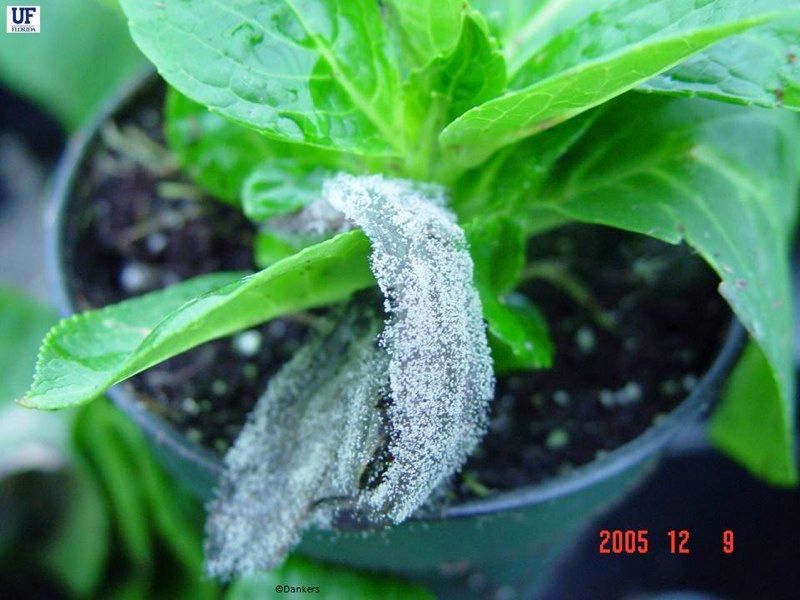
Brown blooms with a fuzzy gray coating are not just thirsty flowers, they are infected ones. Botrytis blight, sometimes called gray mold, loves the same cool, damp, crowded conditions that hydrangeas create with their dense foliage.
The trouble usually starts on spent or aging petals, then spreads to healthy blooms as fungal spores drift on the breeze. You might spot brown, water-soaked spots that quickly mush and collapse, followed by that telltale gray fuzz after a rainy stretch.
Poor air circulation makes everything worse, so plants packed tightly against fences or other shrubs tend to suffer most. Overhead watering that leaves petals wet overnight practically rolls out the welcome mat for spores.
Snip off infected blooms and toss them in the trash rather than the compost pile, since the spores can linger. Watering at the base instead of over the top, and thinning crowded stems, can reduce the moisture that fungus depends on.
In stubborn cases, a fungicide labeled for ornamentals may help slow the spread, though prevention through good airflow usually works better than chemicals.
4. Late Spring Frost Damage
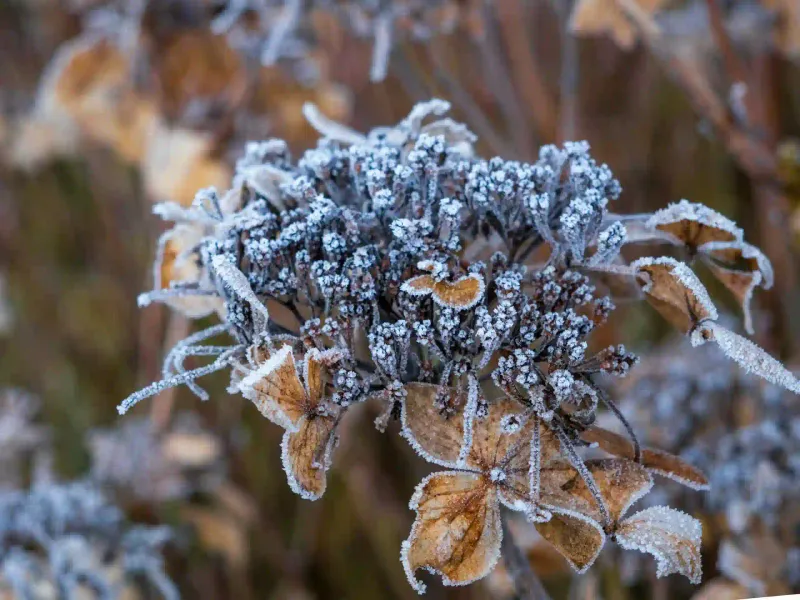
One surprise cold snap in April can undo weeks of a hydrangea’s hard work. When tender new buds and early blooms get hit by a late frost, the delicate flower tissue freezes and thaws, then turns mushy brown within a day or two.
Bigleaf hydrangeas that bloom on old wood are the most heartbreaking victims, because the frost-killed buds were already carrying this season’s flowers. You may see healthy green leaves alongside blackened, brown flower heads, which is a strong sign that cold, not summer heat, did the damage.
Frost injury tends to appear suddenly rather than gradually, often the morning after a clear, chilly night. The brown parts feel limp and translucent instead of dry and crispy.
Keeping an eye on the forecast during shoulder seasons pays off, since covering plants with a sheet or frost cloth overnight can protect emerging buds. Planting hydrangeas in a spot sheltered from cold pockets, like near a warm wall, may reduce future frost losses.
Once damage is done, trim the ruined blooms and let the plant redirect energy into recovery.
5. Too Much Fertilizer
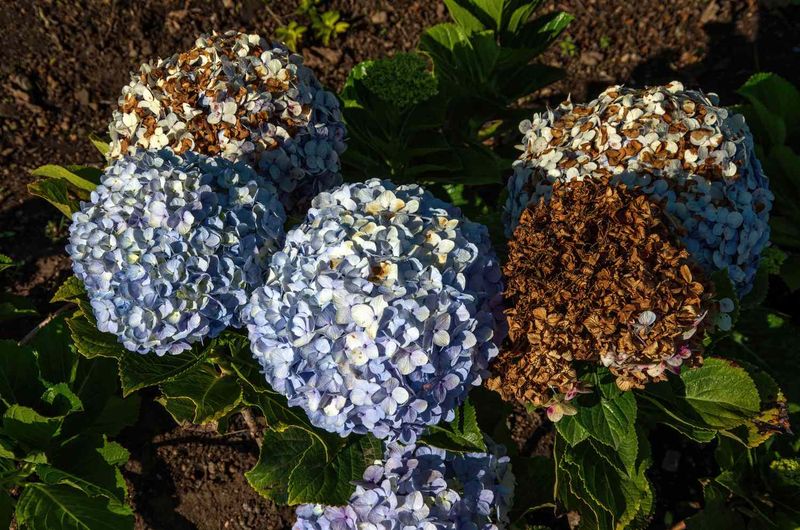
Loving your hydrangea a little too much with fertilizer can backfire in ugly brown ways. When you overfeed, excess salts build up in the soil and pull moisture away from the roots, essentially burning the plant from the inside out.
The first visible warning often shows up as browning leaf edges, but stressed plants quickly pass that damage along to their blooms too. High-nitrogen products are especially risky, pushing lots of leafy growth while leaving flowers weak and prone to crisping.
Gardeners chasing bigger, bluer blooms sometimes dump on more fertilizer than the plant can handle, expecting a payoff that never comes. Instead, they get scorched foliage and disappointing flowers.
A slow-release fertilizer formulated for shrubs, applied lightly in spring, usually gives hydrangeas everything they need. Following the label rate rather than guessing can prevent that salt buildup entirely.
If you suspect overfeeding, flushing the soil with a deep, slow watering may help wash excess salts below the root zone. Going easy on the feeding schedule often leads to healthier, longer-lasting color than any heavy-handed approach ever will.
6. Natural Aging of the Blooms
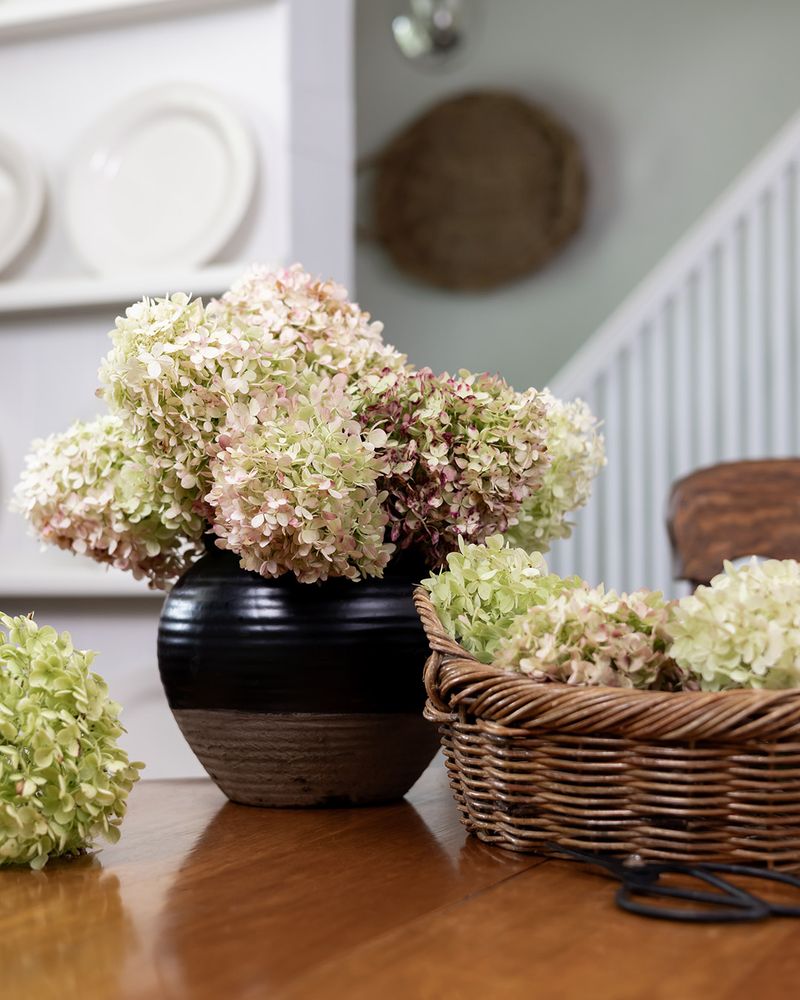
Sometimes brown blooms are not a crisis at all, just the natural rhythm of a hydrangea winding down. Every flower has a lifespan, and as the season stretches on, older heads gradually shift from vibrant color to soft antique tones before drying out completely.
Many gardeners actually prize this stage, since dried hydrangea blooms hold their shape beautifully and make lovely fall arrangements. The papery, vintage look is a feature for panicle and oakleaf types especially.
How can you tell aging apart from a problem? Natural fading happens slowly and evenly across the whole flower, usually late in summer or fall, while the leaves and stems stay perfectly healthy.
There is no fuzz, no sudden collapse, and no lopsided scorching, just a graceful transition to autumn colors. If your plant otherwise looks strong and the calendar says late season, relax and enjoy the show.
You can leave the dried blooms on for winter interest or cut them for indoor decor. Deadheading spent flowers may encourage a tidier appearance, though many varieties simply set next year’s buds and rest until spring.
7. Poor Drainage and Root Rot
Soggy feet spell trouble for a plant that hates sitting in water. While hydrangeas drink deeply, they still need soil that drains, and constant waterlogging suffocates the roots until they begin to rot.
Once roots start dying, the plant can no longer move water and nutrients up to the flowers, so blooms brown and collapse even though the ground looks plenty wet. That confusing combination of brown, wilting flowers in damp soil often points straight to drainage problems.
Heavy clay soil and low spots that pool after rain are usual suspects, as are containers without drainage holes. Root rot fungi thrive in that oxygen-starved muck.
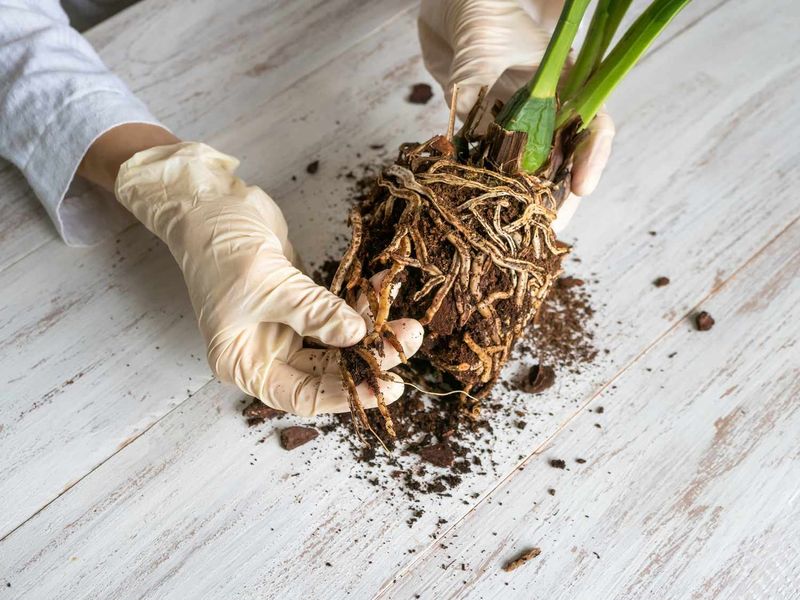
Check by digging near the base; healthy roots look firm and pale, while rotting ones turn brown, mushy, and smell sour. Improving drainage by amending soil with compost or moving the plant to a raised bed can reduce standing water.
For potted hydrangeas, make sure water flows freely out the bottom and empty any saucer that collects runoff. Letting the soil dry slightly between waterings often gives struggling roots the breathing room they need to recover.
8. Wind and Drying Air Exposure
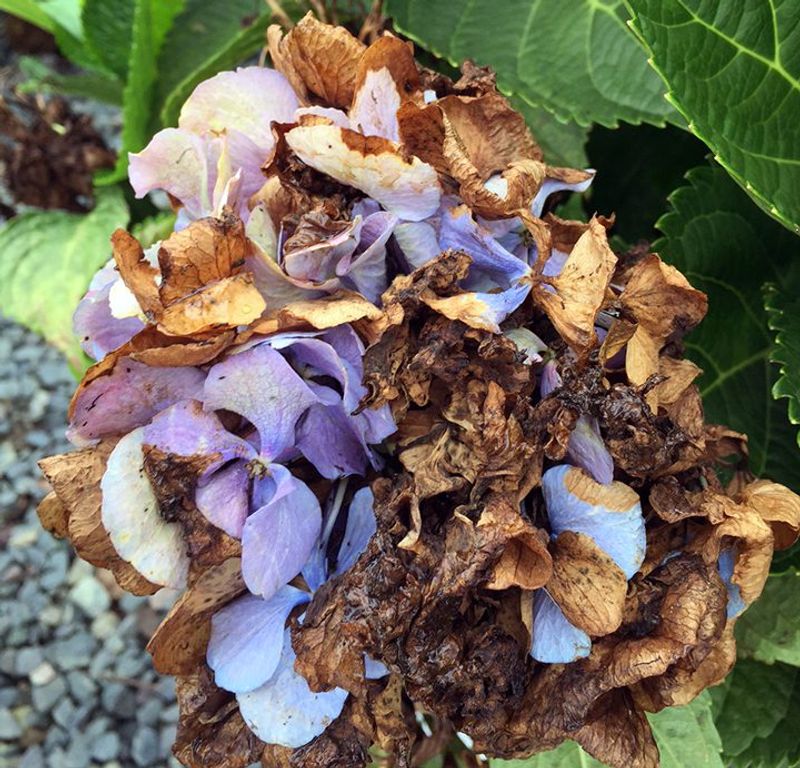
Blustery, dry wind can wick moisture out of hydrangea petals faster than the roots can replace it. Plants growing in open, exposed spots, on windy hilltops, near breezy corners of the house, or in wide-open yards, often show brown, tattered edges even when everything else looks fine.
The damage tends to appear on the windward side first, where petals face the constant airflow. Combine that wind with low humidity or high heat, and the browning speeds up considerably.
Coastal gardeners face an extra challenge, since salt-laden wind can burn tender flowers on top of the drying effect. The petals may look bleached at the edges before turning fully brown.
Creating a windbreak with a fence, taller shrubs, or a strategically placed structure can shield vulnerable plants and reduce moisture loss. Positioning new hydrangeas in a more protected pocket of the garden helps them settle in without constant battering.
Keeping soil consistently moist gives wind-stressed plants a better chance to keep up with evaporation. A little shelter goes a long way toward keeping those blooms plump and colorful all season.
9. Wrong Soil pH Stressing the Plant
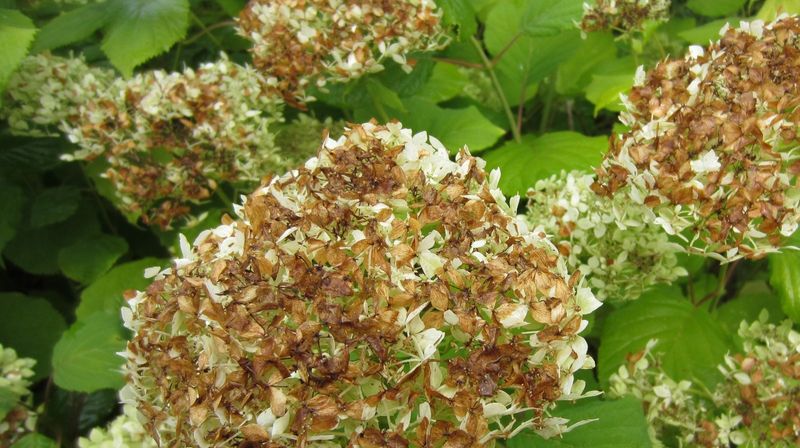
Most gardeners know soil pH changes hydrangea color, but few realize an extreme imbalance can actually stress the whole plant into browning. When pH swings too far in either direction, roots struggle to absorb key nutrients, leaving flowers weak and quick to fade.
Iron and other micronutrients become locked up in soil that is too alkaline, which shows as pale, sickly growth and blooms that brown early. On the flip side, harsh chemical treatments used to force blue color can shock the roots if overdone.
Fun fact: those famous blue hydrangeas turn blue only when acidic soil makes aluminum available to the plant, while alkaline soil keeps them pink. Chasing a specific color with too many amendments can throw the whole balance off.
Testing your soil with an inexpensive kit takes the guesswork out and tells you exactly where you stand. Adjusting gradually, using garden sulfur to lower pH or lime to raise it, is gentler than sudden heavy doses.
Aiming for a moderate, stable pH rather than an extreme usually keeps both color and overall health looking their best.
10. Transplant Shock After Moving
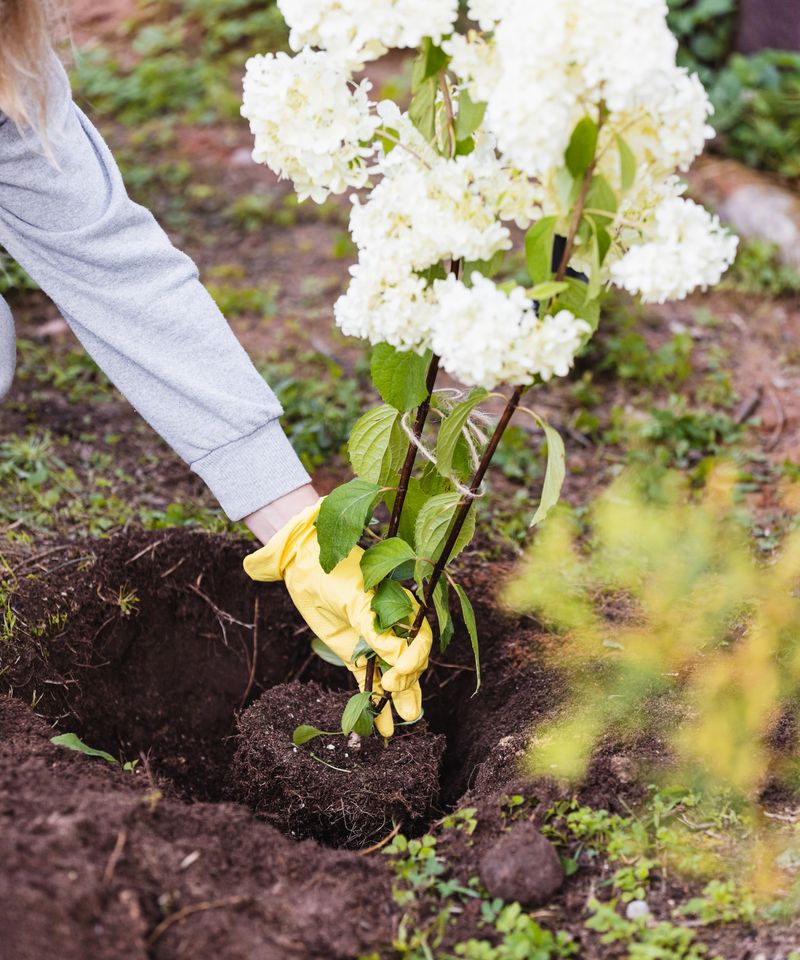
Just relocated your hydrangea and now the blooms are turning brown? Do not panic, because a recently moved plant is often simply reeling from the disruption. Digging up a hydrangea inevitably damages some roots, and with fewer roots working, the plant can not support all its flowers.
To survive, it triages, letting blooms brown and drop while it focuses energy on rebuilding underground. That sacrifice can look alarming, but it is usually a temporary phase rather than a death sentence.
Timing matters a lot here. Hydrangeas moved during hot, dry weather struggle far more than those transplanted in cool spring or fall when demands on the roots are lower.
Keeping the soil evenly moist, though never soggy, gives the recovering roots the support they need. Skipping fertilizer for a while lets the plant settle without extra pressure to push new growth.
Adding a layer of mulch can steady soil temperature and moisture during the adjustment. Most transplanted hydrangeas bounce back within a season or two, so patience often rewards you with a full flush of healthy blooms once the roots re-establish.
11. Insect Pests Sucking the Life Out
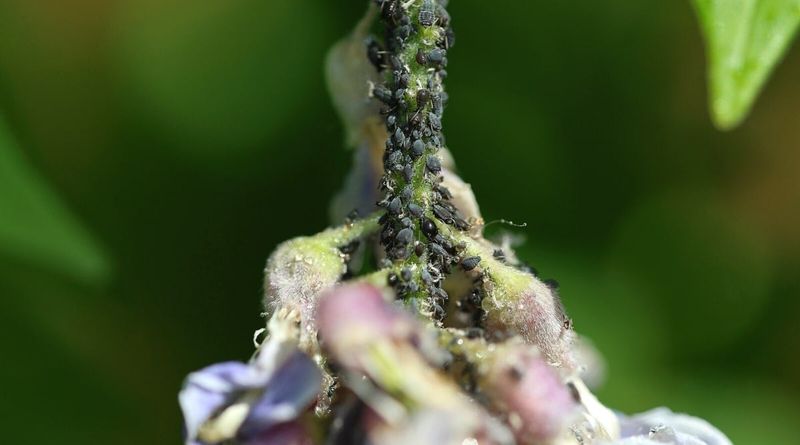
Tiny troublemakers can quietly drain a hydrangea until its blooms give up. Aphids, spider mites, and scale insects pierce plant tissue and suck out the sap, robbing flowers of the moisture and nutrients they need to stay vibrant.
Heavy infestations leave petals speckled, distorted, and eventually browned, sometimes accompanied by sticky honeydew or fine webbing on the undersides of leaves. You might notice ants marching up the stems, which often signals aphids feeding above.
Spider mites in particular love hot, dry conditions and can explode in numbers during a summer heat wave, so browning during a dry spell may hide a pest problem underneath. A quick check under the leaves with a magnifying glass usually reveals the culprits.
Blasting pests off with a strong spray of water can knock populations down without chemicals. Insecticidal soap or neem oil, applied carefully to affected areas, may help reduce heavier infestations.
Encouraging beneficial bugs like ladybugs and lacewings gives you free, ongoing pest patrol. Catching an outbreak early is the difference between a quick rinse and watching your blooms brown out completely.
12. Chlorine and Salt in Your Water
The water you pour so lovingly might be part of the problem. Heavily chlorinated tap water or softened water high in sodium can gradually stress hydrangeas, leaving leaf tips and bloom edges browned over time.
Water softeners are the sneakiest offenders, because they swap hardness minerals for sodium that builds up in the soil and interferes with the roots’ ability to take up water. The result mimics drought damage even when you are watering plenty.
Container-grown hydrangeas feel this most, since salts concentrate in the limited soil of a pot with nowhere to escape. You may notice a whitish crust forming on the soil surface or around the pot rim.
Letting tap water sit out overnight allows some chlorine to dissipate before you use it. Better yet, collecting rainwater in a barrel gives your plants a naturally soft, chemical-free drink they tend to love.
If you rely on softened water, tapping an outdoor spigot that bypasses the softener can spare your garden the sodium. Occasionally flushing potted plants with plenty of fresh water helps rinse accumulated salts down and away.
13. How to Pinpoint Your Exact Cause
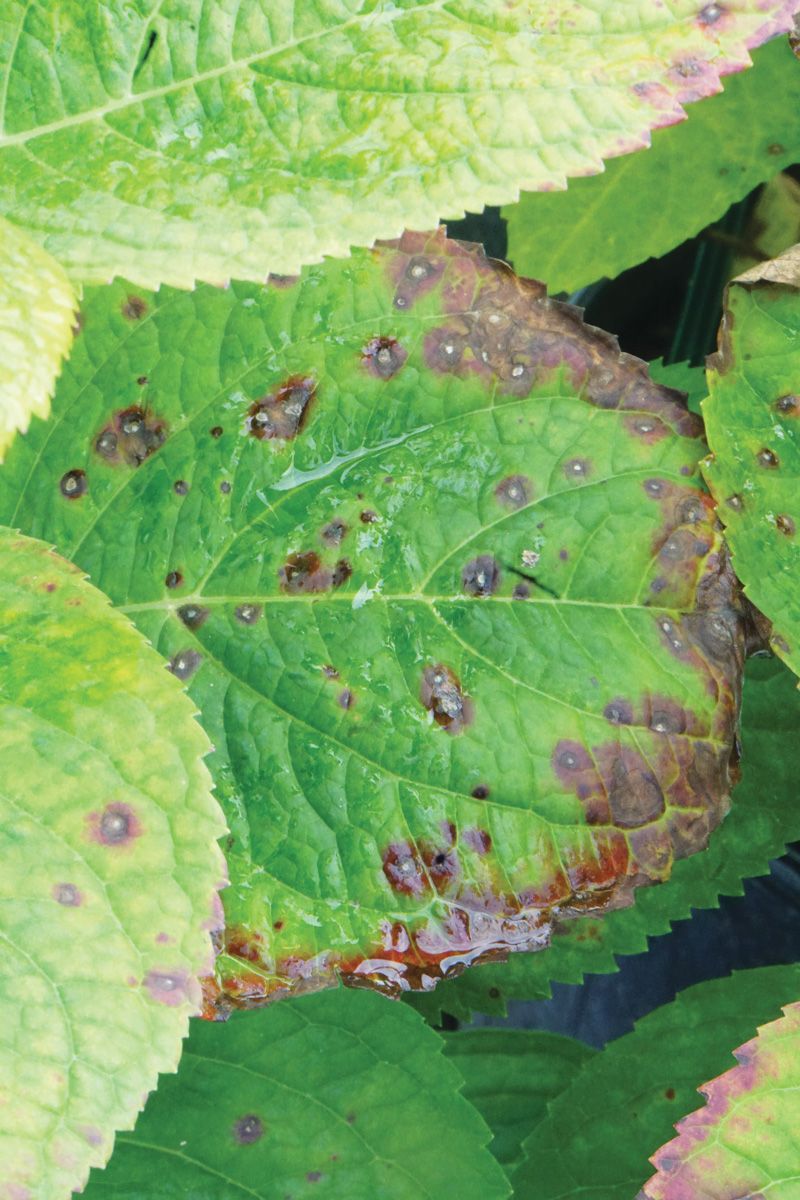
Feeling overwhelmed by all these possibilities? Playing plant detective is easier than it sounds once you know what patterns to look for. Start by noticing where the browning appears and how fast it happened.
Sudden overnight damage after a cold night points to frost, while gradual fading late in the season is usually just natural aging. Lopsided scorching on one side hints at sun or wind, whereas fuzzy gray growth screams fungus.
Next, check the soil and roots. Soggy ground with mushy roots suggests rot, while bone-dry soil and daytime wilting point to thirst. Flip the leaves over to hunt for aphids, mites, or webbing.
Consider recent changes too, such as a move, a fresh dose of fertilizer, or a switch to softened water, since these often line up perfectly with when the browning began. Testing your soil pH can rule out nutrient lockout.
Working through these clues one by one usually narrows things to a single likely cause. Once you know the real reason, the right fix becomes obvious, and your hydrangea stands a strong chance of rewarding your detective work with fresh, colorful blooms.