
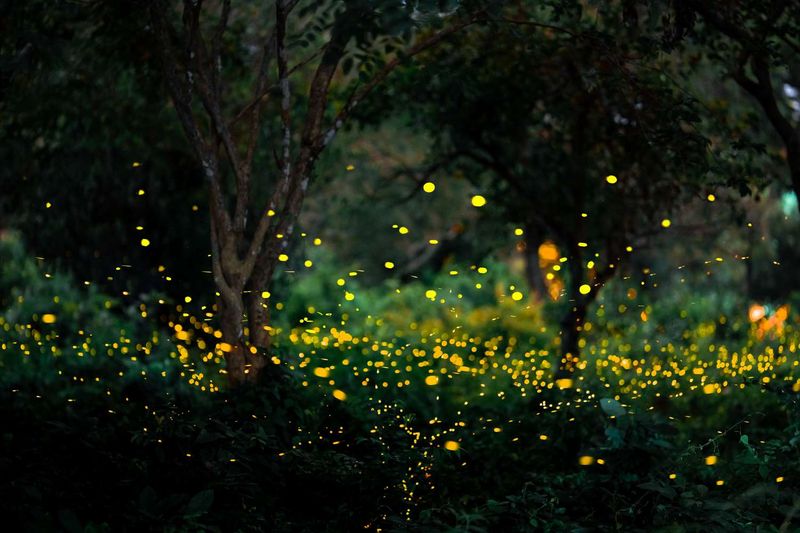
Warm Texas evenings used to sparkle with fireflies blinking across the yard, but a lot of us notice fewer of them lighting up the dark these days. The good news is that you can bring them back, and the secret starts right in your soil. Fireflies need moist ground, tall grasses to rest in, and a chemical-free spot to grow up, and the right Texas native plants deliver all of that. Here are eight tough, heat-loving natives that give fireflies the food, cover, and safe nurseries they need to glow again.
1. Little Bluestem (Schizachyrium scoparium)
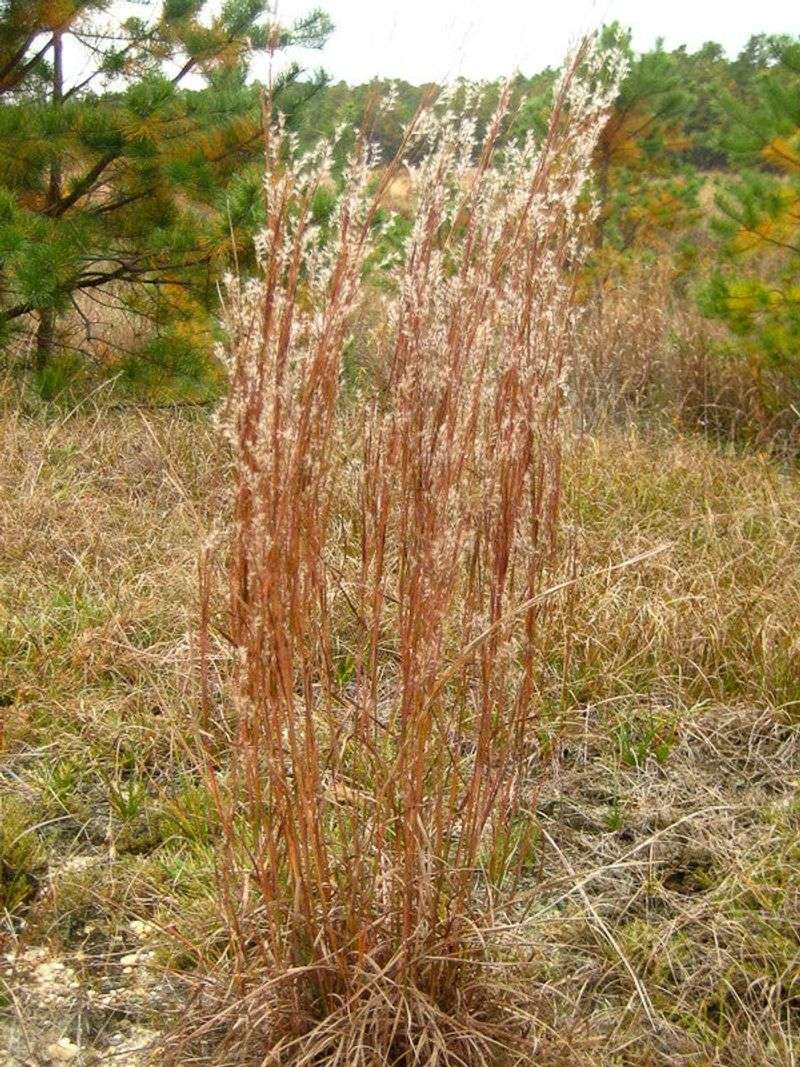
Ask any Texas prairie lover about their favorite grass and Little Bluestem usually comes up first. This bunchgrass turns a coppery-red in fall and shrugs off triple-digit summers without a single drink from your hose.
Fireflies care about it for a different reason. Adult fireflies climb the slender stems at dusk to flash their signals, and the shady base stays cool and slightly damp, which is exactly where firefly larvae like to hide during the day.
Because it clumps instead of spreading, you can tuck it into borders or let it anchor a whole meadow patch. It also handles the tight clay soils common across Central Texas without complaint.
Skip the mower here. Leaving the grass tall through the warm months gives fireflies a launchpad and protects the little glow-worms living below. A light cleanup in late winter is all it really needs.
2. Eastern Gamagrass (Tripsacum dactyloides)
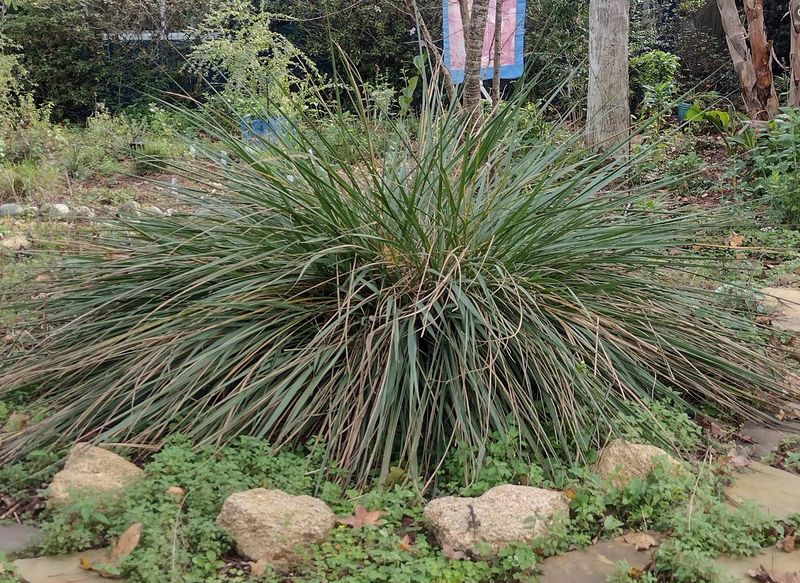
Picture a wild cousin of corn standing chest-high along a Texas creek, and you have got Eastern Gamagrass. It thrives in the damp, low spots of your yard that other plants sulk in.
That love of moisture is the whole point for fireflies. Their larvae spend up to two years living in soft, wet soil hunting slugs, snails, and worms, and the dense root zone of this grass keeps the ground moist even during a dry Gulf Coast stretch.
Plant it where rainwater pools or near a downspout to soak up runoff and cut erosion. The tall clumps also give adult fireflies plenty of perches for their nightly light show.
Fun bit of history: ranchers once prized gamagrass as premium cattle forage before overgrazing wiped out much of it. Bringing it back to your yard restores a slice of old Texas prairie and a firefly nursery at the same time.
3. Turk’s Cap (Malvaviscus arboreus)
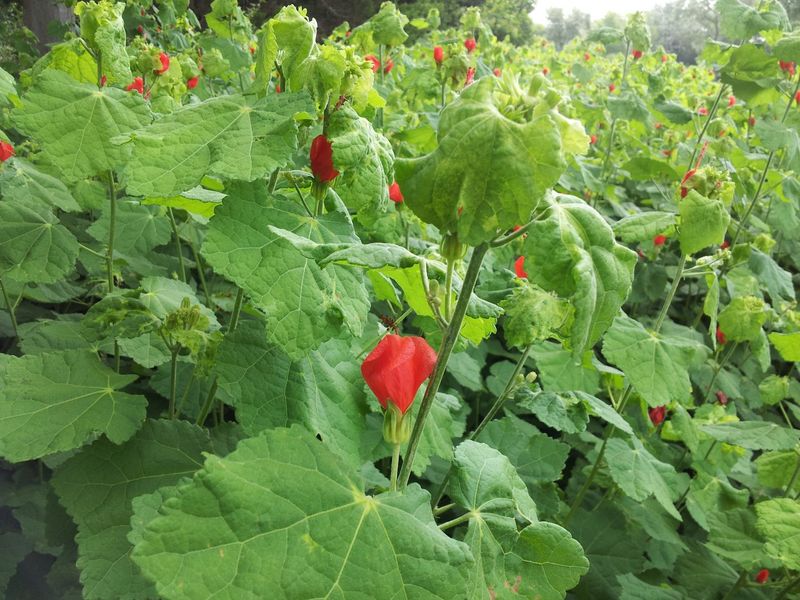
With its cheerful red swirls that never quite open, Turk’s Cap looks like a hibiscus that decided to keep its secrets. Hummingbirds adore it, and so does the shady understory of a Texas yard.
What makes it a firefly ally is the cool, humid pocket it creates. The broad leaves shade the ground and hold in moisture, giving firefly larvae a damp refuge when the afternoon sun turns brutal.
It grows happily under oaks and pecans where grass struggles, so you can fill those bare dry-shade spots with something useful. Once established, it laughs off both drought and the occasional soggy week during storm season.
Come evening, the layered foliage traps a little humidity near the soil, and that softer microclimate is where you may spot the first flickers rising from the leaf litter.
4. Frostweed (Verbesina virginica)
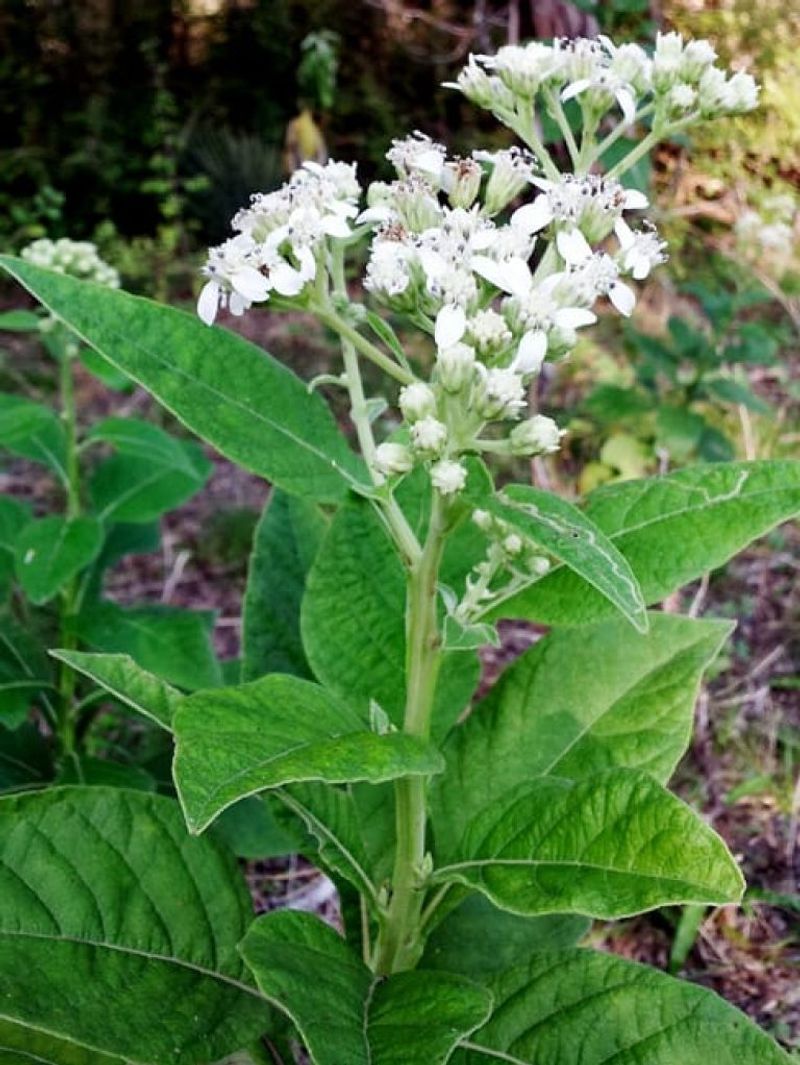
Frostweed earns its name with a strange winter trick: on the first hard freeze, its stems split and push out curling ribbons of ice. That show alone makes it a conversation starter, but its summer job matters more to fireflies.
The tall, leafy stalks build a shady, humid understory that firefly larvae treasure. Down at soil level, that moisture-holding leaf litter feeds the snails and slugs the larvae eat, so you are stocking the pantry without lifting a finger.
It handles the deep shade beneath big trees where few flowering plants will bloom, topping out with clusters of white flowers in late summer. Pollinators mob it, and the dense growth doubles as cover for adult fireflies resting through the day.
Leave the fallen leaves and spent stems in place through winter. That messy layer is the exact habitat that keeps firefly populations climbing year after year.
5. Inland Sea Oats (Chasmanthium latifolium)
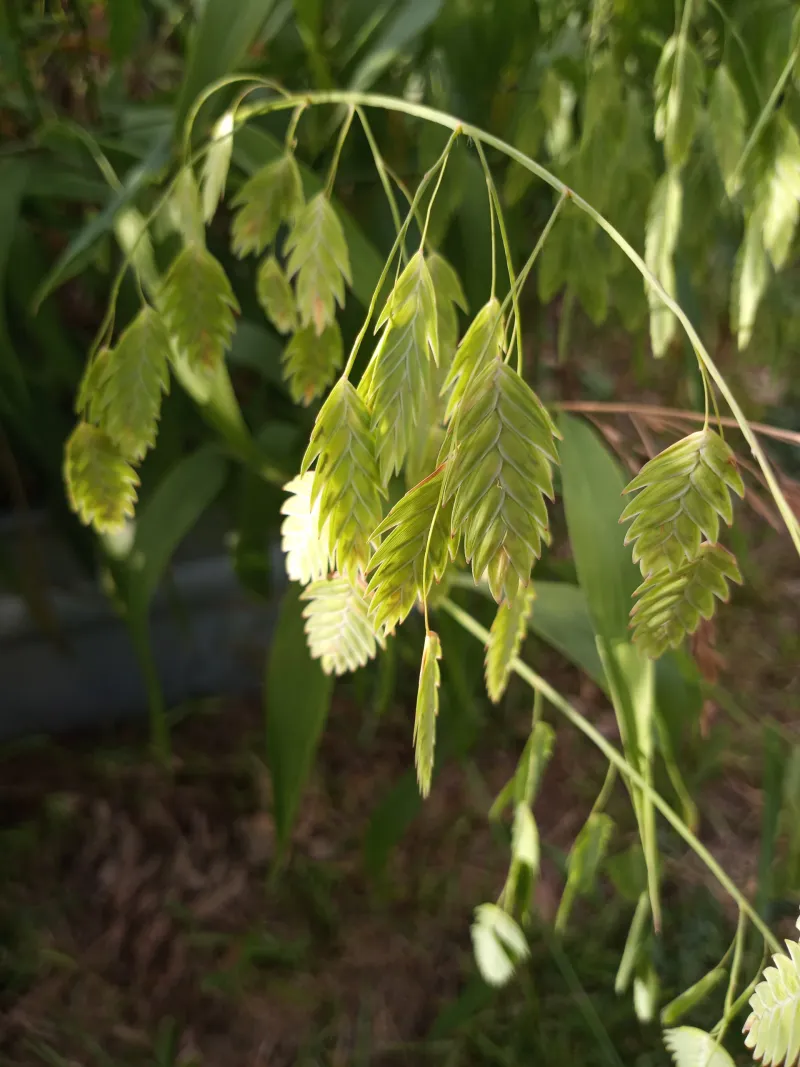
Dangling, flattened seed heads that shimmer like tiny fish scales give Inland Sea Oats an almost tropical look, yet it is a tough Texas woodland native through and through. It fills shady, moist ground where lawns give up.
Fireflies benefit from the cool blanket of shade this grass throws across the soil. The steady dampness underneath is prime real estate for larvae, which need humid ground to survive their long two-year childhood.
It spreads gently by seed, so a small starter patch slowly knits together into a lush groundcover along fences, creek edges, or the north side of the house. The arching stems also give adult beetles a place to climb and flash.
One caution worth mentioning: it reseeds enthusiastically, so plant it where a little spreading is welcome. In the right damp corner, that eagerness is a feature, not a flaw.
6. American Beautyberry (Callicarpa americana)
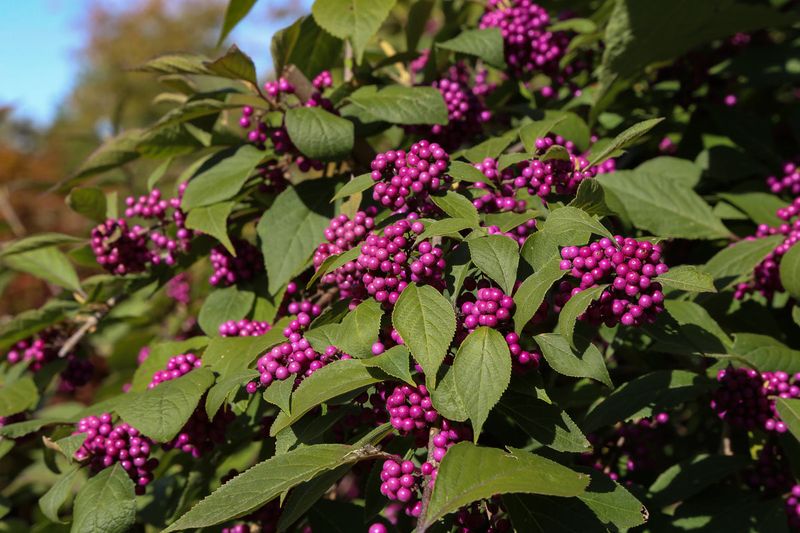
Come late summer, American Beautyberry loads its stems with clusters of berries so purple they look almost fake. Birds strip them fast, but the shrub does quiet work for fireflies long before the fruit arrives.
Its arching branches create a shaded, leaf-littered floor that stays cooler and moister than open ground. Firefly larvae burrow into that soft, damp layer, and the shrub’s shelter keeps the microclimate steady even during a scorching West Texas afternoon.
Native gardeners love that it asks for almost nothing once rooted, tolerating both drought and the humidity of the Gulf Coast. Crushed leaves have even been used as an old-time bug repellent by folks working the fields.
Plant a few along a woodland edge and you get a triple win: fireflies below, songbirds above, and a burst of purple that makes the whole yard feel alive.
7. Switchgrass (Panicum virgatum)
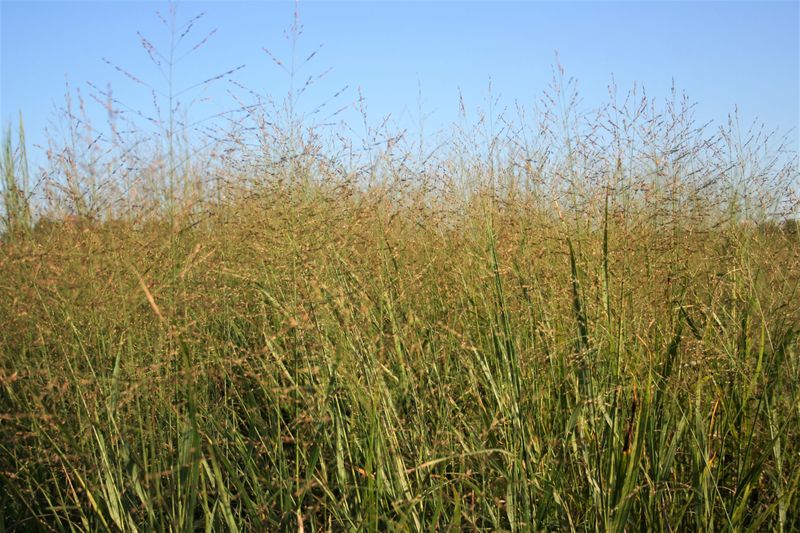
Few native grasses stand as proud as Switchgrass, sending up airy plumes that sway five feet tall in the summer wind. It once carpeted the Texas prairie in unbroken seas of green and gold.
For fireflies, height is the gift. Adults climb high into the plumes to broadcast their flashing signals so mates can spot them from across the yard, and the dense stand below holds humidity like a sponge.
It handles almost anything Texas throws at it, from clay to sand, from drought to a week of standing water after a hurricane band rolls through. Deep roots pull moisture up and keep the soil life-friendly during dry spells.
Give it a sunny back corner and let it grow untrimmed through the warm season. A tall, unmowed stand of switchgrass may become the brightest patch of your evening light show.
8. Coralberry (Symphoricarpos orbiculatus)
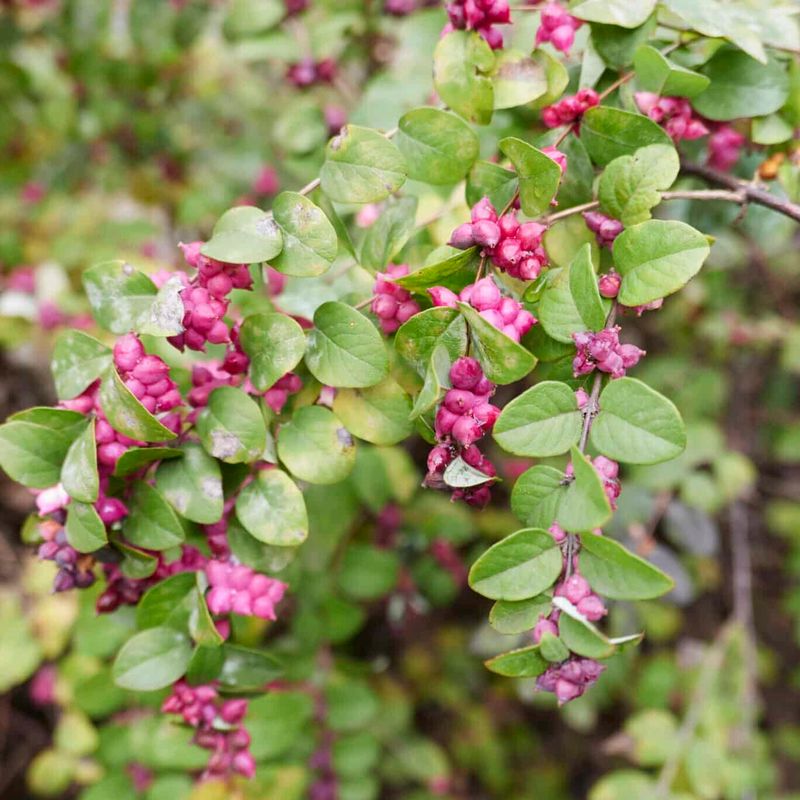
Often overlooked next to its flashier cousins, Coralberry is a low, spreading shrub that quietly does the heavy lifting in a shady yard. In fall its stems line up with dusky rose-pink berries that hang on long after the leaves drop.
The tangled, arching growth is what fireflies need most: a shaded, undisturbed floor where leaf litter stays damp and cool. Larvae hunt and hide in that thicket, safe from the baking sun and from the mower blade.
It thrives in dry shade under trees, tolerates poor Texas clay, and forms colonies that hold soil on slopes where erosion is a problem. Practically nothing bothers it, which means no need for the pesticides that quietly kill off firefly young.
Tuck it into a wild, low-maintenance corner and simply leave it be. That hands-off patch of tangled shrub and fallen leaves is exactly the kind of habitat that coaxes fireflies back for good.