
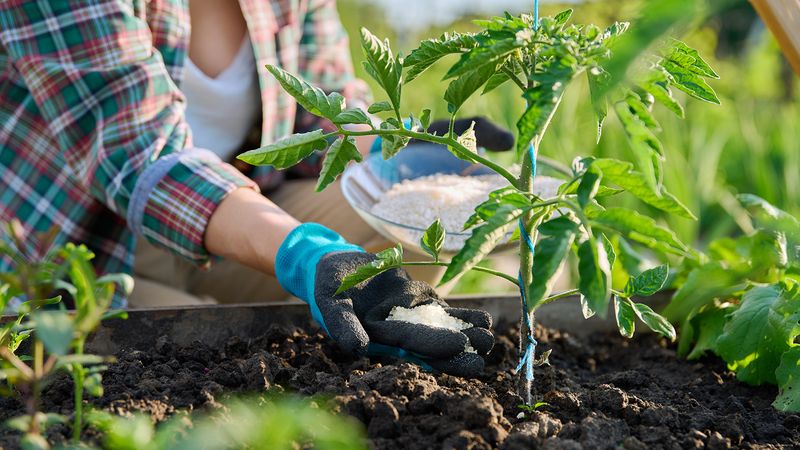
If your tomato leaves are curling, yellowing, or your plants just look tired, you may have heard that a sprinkle of Epsom salt fixes everything. The truth is trickier: Epsom salt can genuinely help in a few specific situations, but it can also quietly hurt your plants when used the wrong way. Below you will find eight smart, tomato-friendly ways to use it, followed by seven common mistakes that backfire fast. Read both halves before you reach for the box under your sink.
Fix a Confirmed Magnesium Deficiency
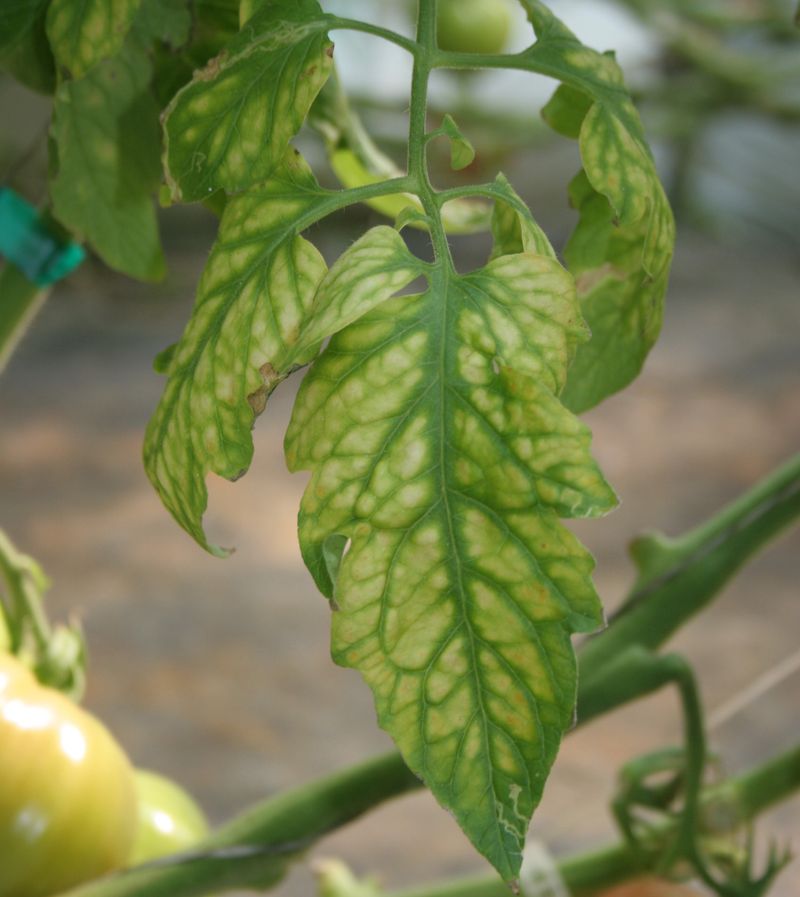
Picture an older tomato leaf turning yellow between the veins while the veins themselves stay stubbornly green. That marbled pattern is the classic signal of a magnesium shortage, and it happens to be the one job Epsom salt is genuinely built for.
Epsom salt is magnesium sulfate, so a soil drench of about one tablespoon dissolved in a gallon of water can help green those leaves back up within a week or two. Magnesium sits at the center of every chlorophyll molecule, meaning a real deficiency starves the plant of its food-making power.
Before you treat, though, confirm the cause. Yellowing has many culprits, and a cheap soil test will tell you whether magnesium is truly missing or whether you are chasing the wrong problem.
Apply the drench at the base, water it in, and watch the newest growth. If green returns, you nailed the diagnosis. If nothing changes after two weeks, the yellowing likely stems from nitrogen, overwatering, or something else entirely, and more Epsom salt will only add stress.
A Gentle Foliar Spray for Fast Uptake
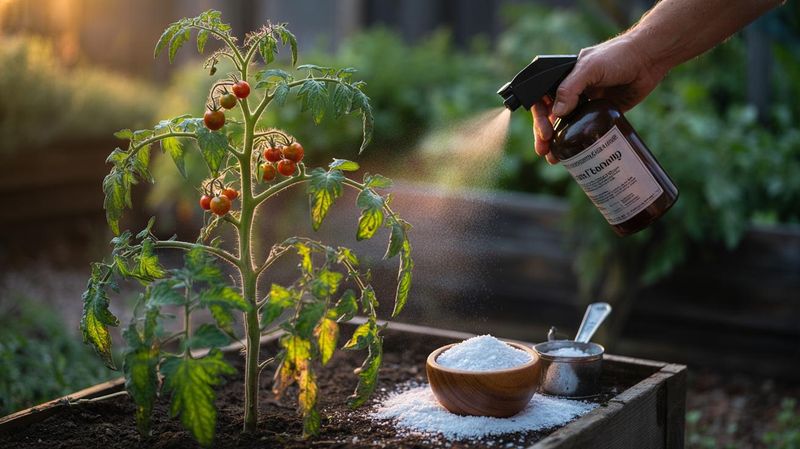
When a tomato plant is showing magnesium hunger and you want relief sooner than a root drench delivers, misting the leaves directly can move things along. A foliar spray lets the plant absorb magnesium through leaf tissue, skipping the slower trip up through the roots.
Mix roughly one tablespoon of Epsom salt per gallon of water and spray the undersides of the leaves early in the morning or near dusk. Cooler hours matter here, because spraying under a blazing midday sun can scorch the wet foliage.
Keep the mist light and even. A dripping, soaked leaf is more likely to develop spots or invite fungal trouble than one lightly coated.
Foliar feeding works best as a short-term boost while you correct the soil underneath, not as a permanent routine. Think of it as a quick snack rather than a full meal. Used once every couple of weeks during a confirmed shortage, it can help perk up struggling plants, but daily spraying does more harm than good and wastes the mix entirely.
A Small Boost at Transplant Time
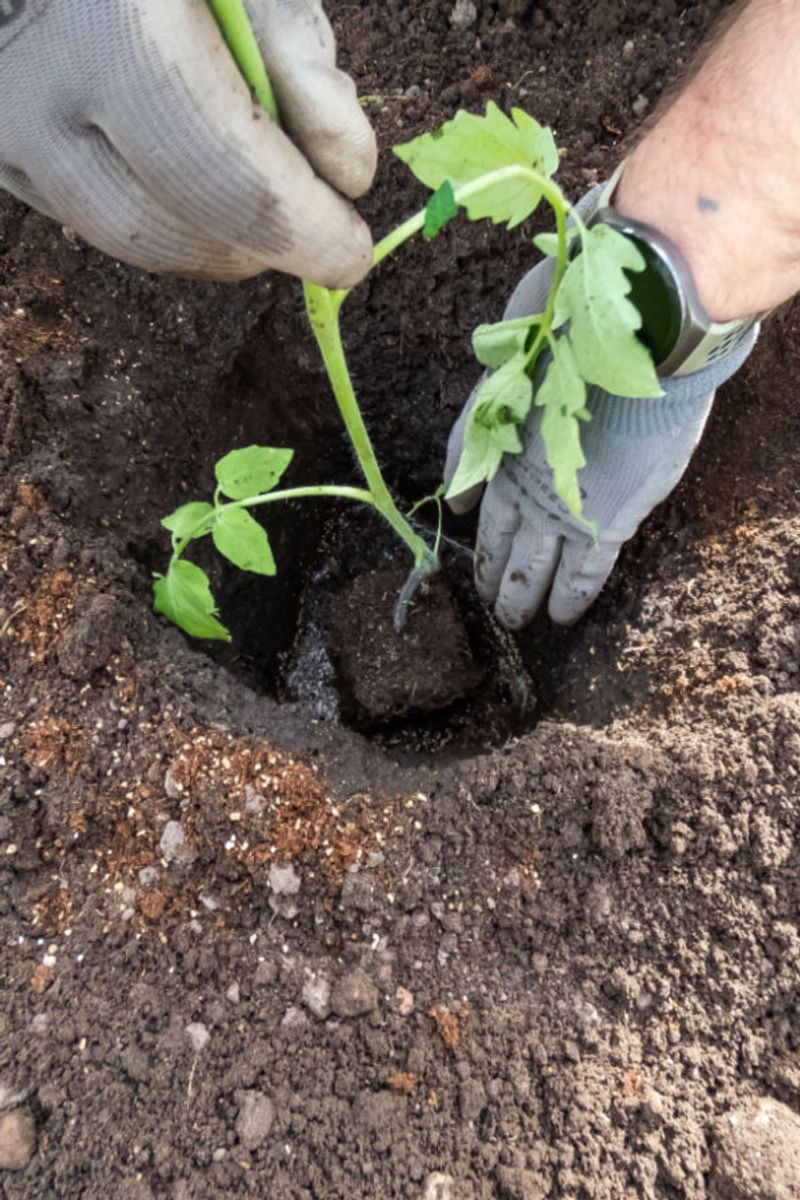
Moving a young tomato seedling into its permanent home is a stressful moment for the plant, and a modest pinch of Epsom salt in the planting hole can help ease that transition. The magnesium and sulfur support early root development and give the transplant a steadier start.
Sprinkle about one tablespoon into the bottom of each hole, then cover it with a thin layer of soil so the roots do not sit directly on the crystals. Set your seedling in, backfill, and water well to dissolve everything and carry the nutrients down to root level.
Sulfur, the often-forgotten half of Epsom salt, plays a quiet role in protein formation and can support sturdier stems as the plant settles in.
Keep the dose small. This is a one-time gesture at planting, not a habit to repeat every week. Overdoing it early can throw off the nutrient balance your seedling needs, so treat this as a single welcome gift rather than an ongoing feeding schedule that the young plant never asked for.
Support Greener Growth in Sandy Soils
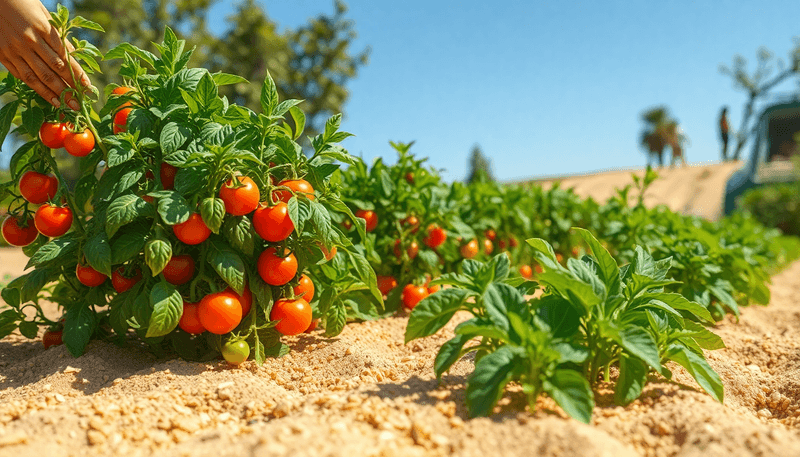
Sandy garden beds have a habit of letting nutrients slip away with every rain, and magnesium is one of the first minerals to wash straight through. Gardeners working with loose, fast-draining soil often see magnesium shortages appear far sooner than those with heavy clay.
If your beds drain almost too well and your tomatoes flash that telltale interveinal yellowing, a light Epsom salt drench can help replace what the water carried off. Because sandy soil holds nutrients poorly, small and occasional applications work better than one big dose.
Try a tablespoon per gallon watered in around the base, then reassess in a couple of weeks rather than reapplying on autopilot.
Clay-heavy gardeners rarely need this, since dense soil clings to magnesium and often already holds plenty. That difference is exactly why blanket Epsom salt advice fails so many people. Knowing your soil type turns a hopeful guess into a targeted fix, and sandy-soil growers are among the few who may genuinely benefit from routine, careful use during the growing season.
Seed-Starting Mix Amendment
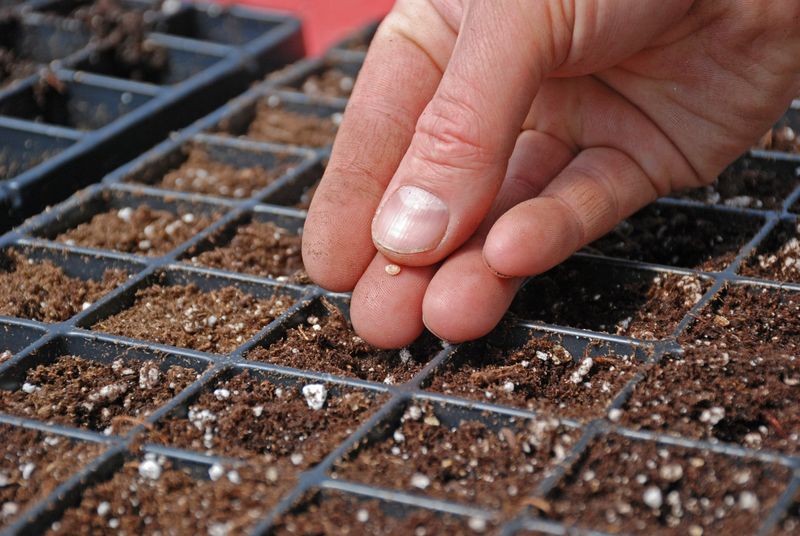
Long before your tomatoes ever reach the garden, the seed-starting stage sets the tone for how strong they grow. A tiny measure of Epsom salt worked into your starting mix can give tender seedlings the magnesium they need for healthy first leaves.
Stir in about a teaspoon per gallon of water and use it when moistening the mix, keeping the concentration far lighter than anything you would use on mature plants. Seedlings are delicate, and their small root systems are easily overwhelmed by too much of any mineral.
Magnesium at this stage supports vivid green cotyledons and the first true leaves, both signs of a seedling with good chlorophyll production.
Watch how the seedlings respond and hold off on repeating the dose unless you see genuine paling between the veins. Most quality seed-starting mixes already contain balanced nutrients, so this trick is optional and best reserved for homemade or nutrient-poor blends. Used sparingly, it can help nudge weak-looking seedlings toward sturdier growth without the risk that heavier applications bring to such small and fragile plants.
A Mid-Season Pick-Me-Up During Heavy Fruiting
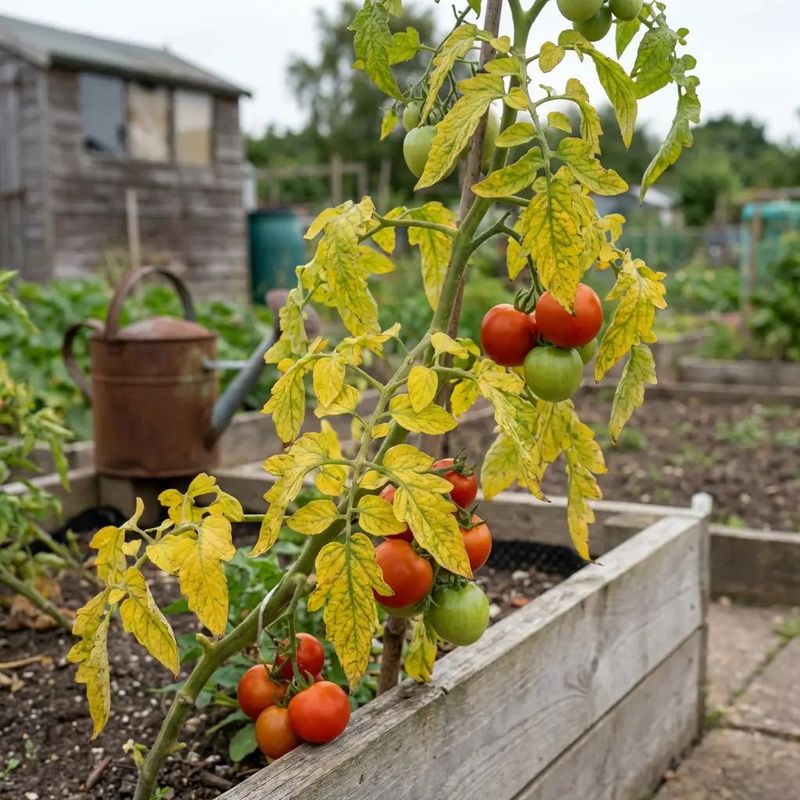
Once your tomato plants are loaded with developing fruit, they burn through nutrients at a remarkable pace, and magnesium demand climbs right along with the harvest. Heavy-fruiting plants sometimes pull magnesium from their lower leaves to feed the tomatoes above, leaving those bottom leaves yellowed and tired.
A single, measured Epsom salt drench mid-season can help replenish that reserve when you spot the pattern. One tablespoon per gallon around the root zone, watered in thoroughly, is plenty for a mature plant carrying a full load.
The goal is to relieve a temporary shortfall, not to force bigger fruit, since Epsom salt does not increase yield on its own.
Time it for when the lower leaves start fading while the plant is otherwise thriving, which points to redistribution rather than disease. Skip it if your foliage is uniformly green and your fruit is setting well, because a healthy plant gains nothing from extra magnesium. Used thoughtfully at peak production, this can help keep the lower canopy working longer and the whole plant photosynthesizing at full strength through the busiest weeks.
Correcting Container Tomato Nutrient Loss
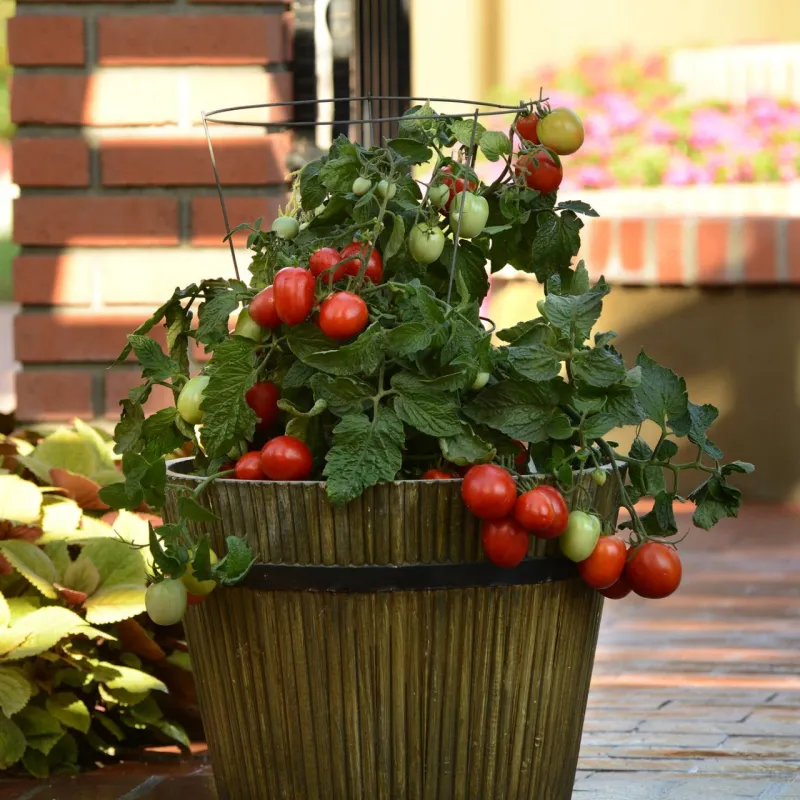
Growing tomatoes in pots comes with a hidden catch: every time you water, a little nutrition drains out the bottom holes, and magnesium leaves with it. Container tomatoes exhaust their limited soil far faster than plants rooted in open ground, so shortages creep up quickly.
When a potted plant starts showing interveinal yellowing on its older leaves, a light Epsom salt solution can help top up what repeated watering has flushed away. Use about one tablespoon per gallon and apply it as part of your normal watering, letting it soak evenly through the pot.
Frequent watering in summer heat makes container growers especially prone to this slow drain.
Because pots hold so little soil, moderation matters even more here than in the garden. Apply only when symptoms appear, and pair it with a balanced fertilizer that covers the nutrients Epsom salt cannot, like nitrogen, phosphorus, and potassium. Treating the pot as a closed, fast-depleting system helps you catch magnesium loss early and correct it before the plant stalls, which is a very real advantage for anyone growing tomatoes on a patio or balcony.
Freshening Up Chlorophyll After a Cold Snap
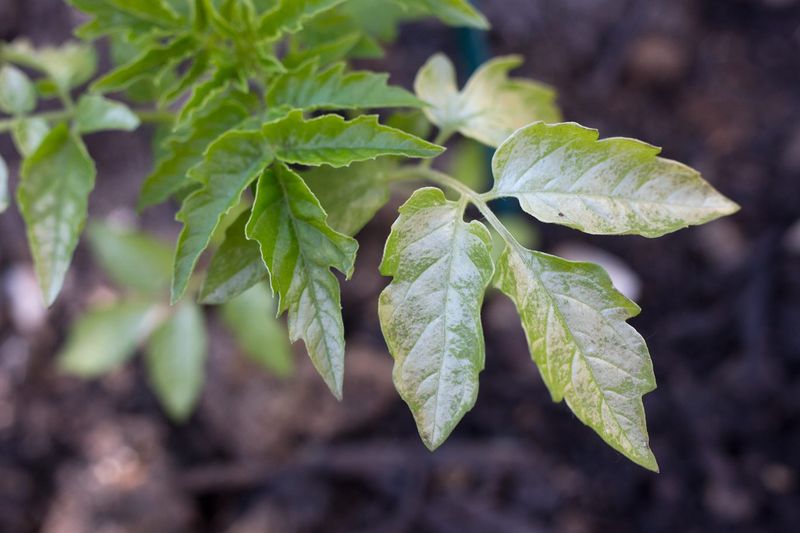
A sudden cold spell can leave tomato plants looking washed-out and pale, because chilly roots struggle to absorb magnesium even when plenty sits in the soil. The plant essentially goes hungry in the middle of plenty.
As temperatures recover, a gentle Epsom salt application can help the foliage regain its color while the roots wake back up. A mild foliar spray of one tablespoon per gallon on the leaves bypasses the sluggish root uptake and delivers magnesium where it is needed most.
Cold-shocked plants often show a purplish or dull-green cast that fades once warmth and nutrients return together.
Wait until the worst of the cold has passed before spraying, and avoid applying to frost-damaged tissue, which needs pruning rather than feeding. This use is genuinely different from the others because the magnesium was never truly missing; the cold simply locked it away. Restoring color here is about improving availability, not replacing a lost nutrient. As the weather steadies and the roots resume normal function, that quick green-up can help your plants shake off the chill and get back to growing without missing too many days.
Blaming Blossom End Rot on Missing Magnesium
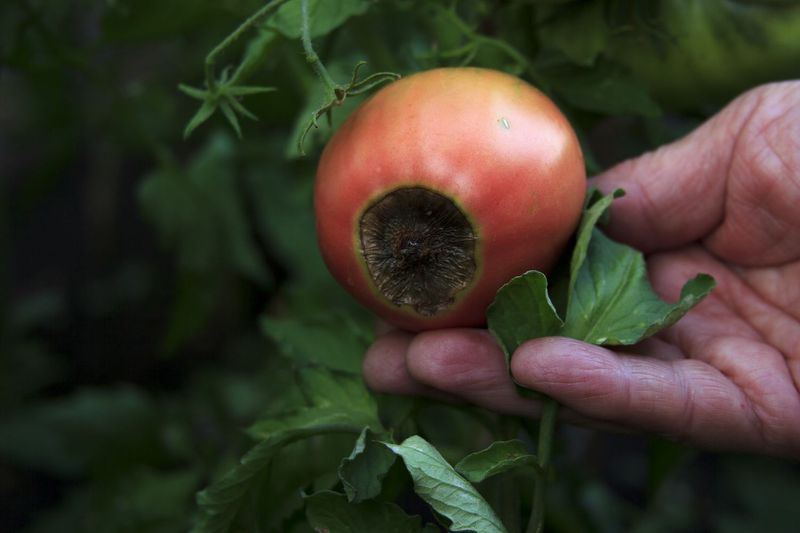
Here is where good intentions send countless tomatoes to an early grave. That sunken, leathery black patch on the bottom of your tomatoes is blossom end rot, and reaching for Epsom salt to fix it is one of the most damaging myths in the garden.
Blossom end rot is a calcium problem, not a magnesium one. Epsom salt contains zero calcium, and worse, the magnesium it adds actually competes with calcium for uptake, making the rot spread faster instead of slowing it down.
The real cause is usually uneven watering that prevents the plant from moving calcium into the fruit, even when the soil holds enough.
Fix it by watering consistently and mulching to keep soil moisture steady, not by dumping in magnesium salts. Adding Epsom salt to a plant with blossom end rot is like giving water to someone who is choking; it targets the wrong problem entirely and creates a new one. If you take away a single warning from this article, let it be that Epsom salt and blossom end rot should never appear in the same watering can.
Using It as an All-Purpose Fertilizer
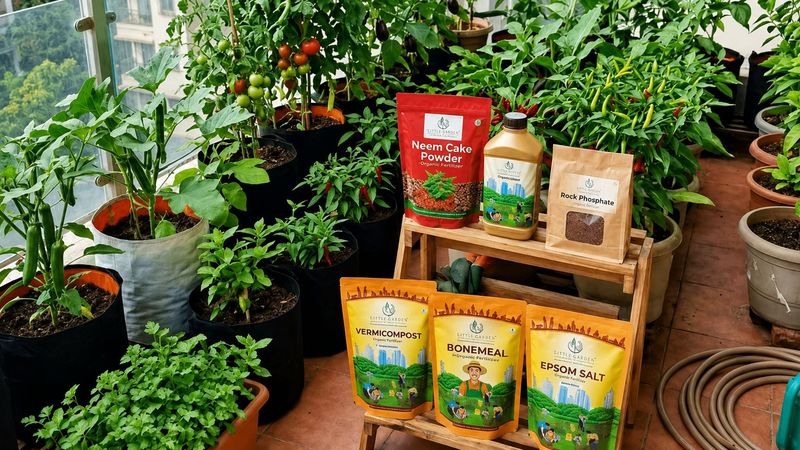
Somewhere along the line, Epsom salt got crowned a miracle plant food, and that reputation causes real trouble. Treating it like a complete fertilizer starves your tomatoes of the nutrients they actually need most.
Plants build leaves, stems, and fruit primarily from nitrogen, phosphorus, and potassium, none of which Epsom salt contains. Feeding tomatoes magnesium sulfate alone is like living on vitamins while skipping actual meals; the plant may get a supplement, but it never gets fed.
Relying on it as your main feeding leaves plants leggy, weak, and poorly productive despite your best efforts.
Use a balanced tomato fertilizer for genuine nutrition and reserve Epsom salt for the narrow situations where magnesium is truly short. Confusing a specialty supplement with a staple food is one of the fastest ways to end up with a disappointing harvest from plants you cared for diligently. Give your tomatoes the full menu they require, and let Epsom salt stay in its proper lane as an occasional helper rather than the centerpiece of your feeding routine, and you will see the difference in vigor and fruit set.
Overapplying and Building Up Soil Salts
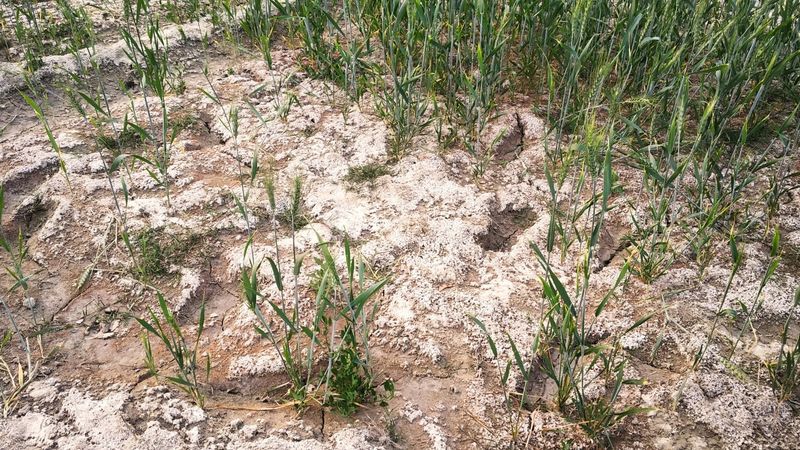
More is better feels intuitive when a plant looks sick, but with Epsom salt that instinct backfires hard. Piling on repeated heavy doses builds up salts in the soil that slowly poison the very roots you are trying to help.
Excess magnesium and sulfate accumulate, disrupt the soil balance, and make it harder for roots to draw up water and other minerals. You may see leaf edges brown and crisp, growth stall, and the plant decline even though you keep feeding it.
Salt buildup is especially punishing in containers and slow-draining beds where there is nowhere for the excess to go.
Stick to the light, occasional applications described earlier and always water thoroughly to move nutrients into the root zone rather than leaving concentrated crystals near the surface. If you suspect buildup already, flush the soil with plenty of plain water over several days to help leach the excess away. Restraint protects your plants far better than enthusiasm here, and recognizing that Epsom salt is a targeted tool rather than a generous kindness will save you from slowly salting your own garden into decline.
Spraying Leaves in the Heat of the Day
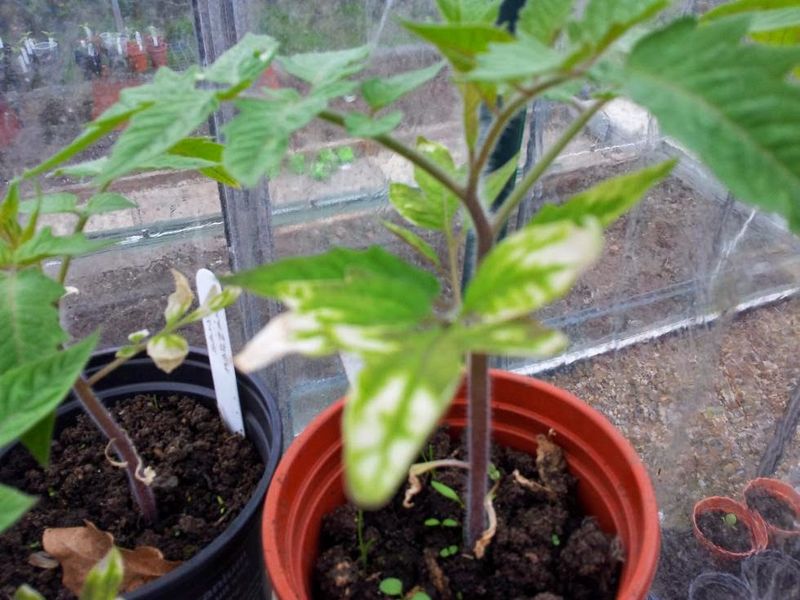
Timing turns a helpful foliar spray into a leaf-scorching mistake faster than most gardeners realize. Misting Epsom salt solution onto tomato leaves under a hot midday sun can burn the foliage and leave behind ugly, damaged patches.
Water droplets and dissolved salts concentrate as they dry in intense heat, and that concentrated residue draws moisture out of the leaf tissue. What you meant as a nourishing mist ends up as chemical sunburn across the canopy.
Wet leaves baking in direct sun also lose water quickly, adding heat stress on top of the salt injury.
Save any spraying for early morning or the cooler part of the evening, when the solution has time to absorb before the sun climbs. Keep applications light rather than dripping, and never spray a plant that is already wilting from heat. The problem here is not the Epsom salt itself but the clock, which is why plenty of well-meaning gardeners damage plants they were genuinely trying to rescue. Respect the timing and the same spray that scorches at noon can help green up a magnesium-short plant at dawn.
Treating It as a Pest or Disease Cure
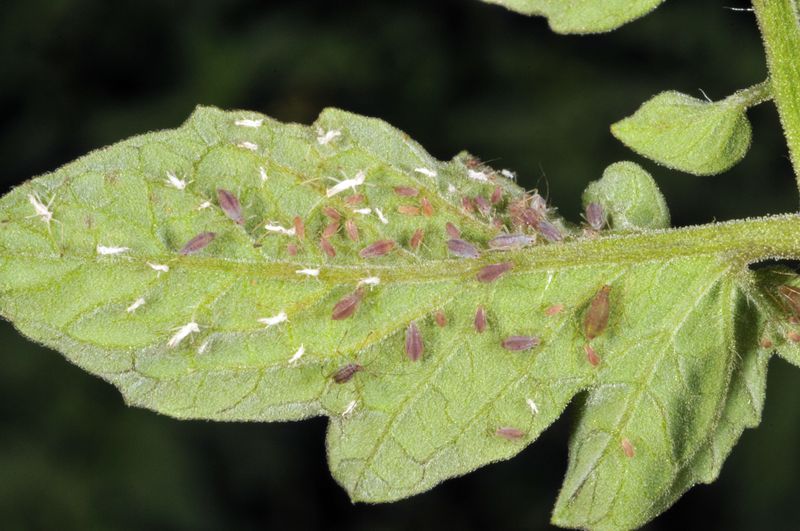
Search around online and you will find claims that Epsom salt drives off pests, prevents disease, and generally armors your tomatoes against trouble. Those promises fall apart under any real scrutiny.
Magnesium sulfate is not an insecticide or a fungicide, and it does nothing to repel aphids, hornworms, or the fungal blights that plague tomato patches. Relying on it for protection simply gives pests and pathogens a head start while you wait for a defense that never arrives.
Worse, the delay lets a manageable outbreak grow into a garden-wide problem before you switch to something that actually works.
For pests, physical removal, insecticidal soap, or targeted treatments can help far more reliably. For disease, good spacing, airflow, and clean watering habits do the heavy lifting of prevention. Leaning on an Epsom salt myth here costs you the one thing an ailing plant cannot spare, which is time. Keep magnesium sulfate filed under nutrient support only, and reach for genuine pest and disease strategies the moment you spot chewed leaves or spreading spots, because false confidence in a bystander mineral is how good gardens go bad quickly.
Dosing Without Ever Testing Your Soil
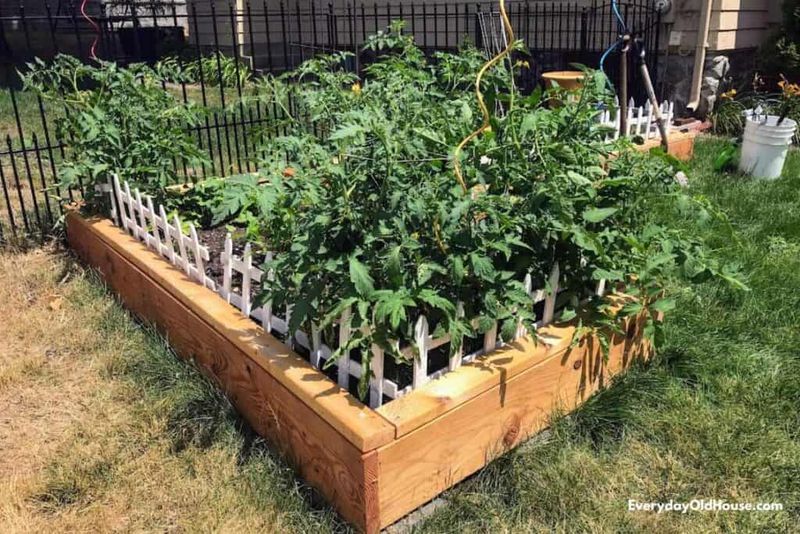
The single thread connecting every Epsom salt disaster is the same: applying it blind, with no idea whether magnesium was ever the problem. Guessing turns a precise remedy into a random gamble with your plants at stake.
Yellowing, poor growth, and weak plants have many possible causes, from nitrogen shortage to overwatering to root damage, and most have nothing to do with magnesium. Adding Epsom salt to soil that already holds enough only tips the balance and blocks other nutrients from doing their job.
A basic soil test costs little and tells you exactly what your beds are missing before you treat anything.
Test first, diagnose the real issue, then apply Epsom salt only if the numbers show a genuine magnesium gap. That one habit separates gardeners who use it as a sharp, effective tool from those who slowly harm their plants with hopeful guesswork. Your tomatoes cannot tell you what they need in words, but a soil test comes remarkably close, and letting it guide your hand is the difference between rescuing a struggling plant and unintentionally finishing it off with kindness you never confirmed it wanted.