
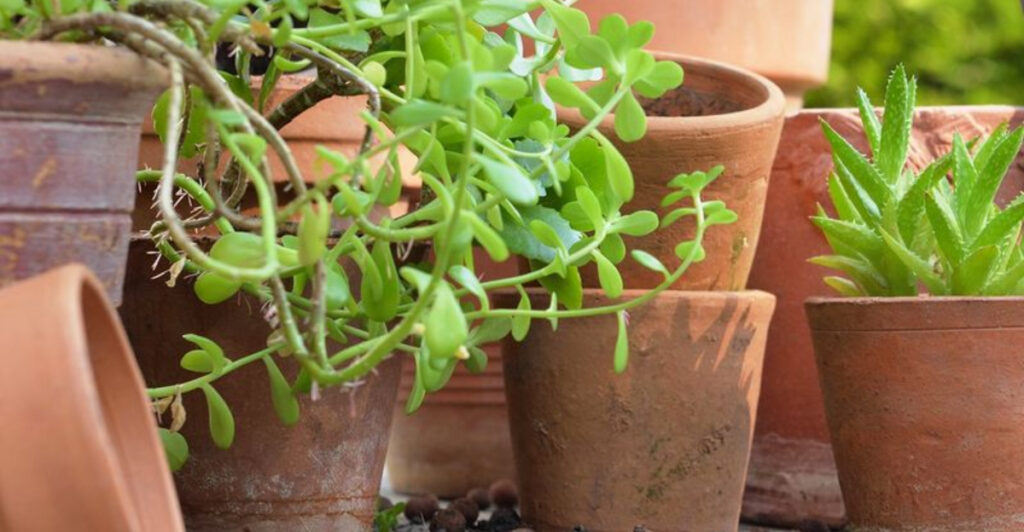
Terracotta pots, with their rich history and earthy charm, hold more secrets than most plant enthusiasts realize. While they are beloved for their rustic appeal, these clay vessels offer unique benefits and hidden characteristics that make them indispensable in the gardening world. From their natural temperature regulation to the surprising way they age gracefully, each terracotta pot tells a story of tradition and functionality. Discover the lesser-known truths about these iconic gardening staples and why they remain a favorite choice for plant lovers around the globe.
1. Breathable Material
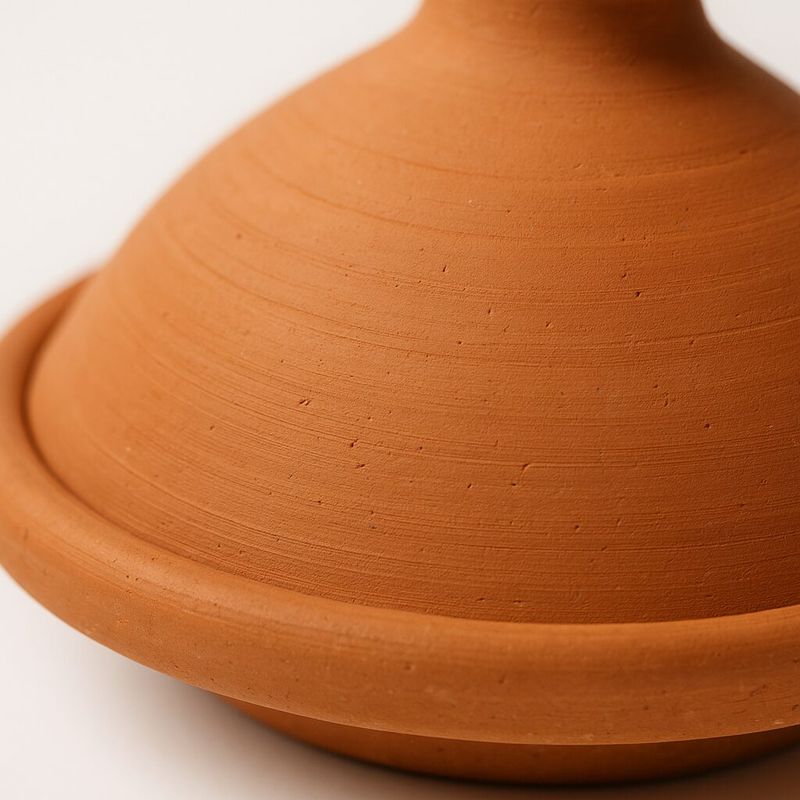
Terracotta pots are made from breathable clay that allows air and moisture to move through the walls. This unique feature helps prevent root rot and overwatering by providing natural aeration to the soil. Imagine your plants enjoying a gentle breeze underground as the terracotta regulates moisture levels, creating a healthier environment. Unlike plastic pots, these clay containers offer a natural way to monitor and control the plant’s water supply. The porous nature of terracotta also aids in evaporative cooling, which benefits heat-sensitive plants. This fascinating characteristic makes terracotta a gardener’s secret weapon.
2. Natural Aging Process
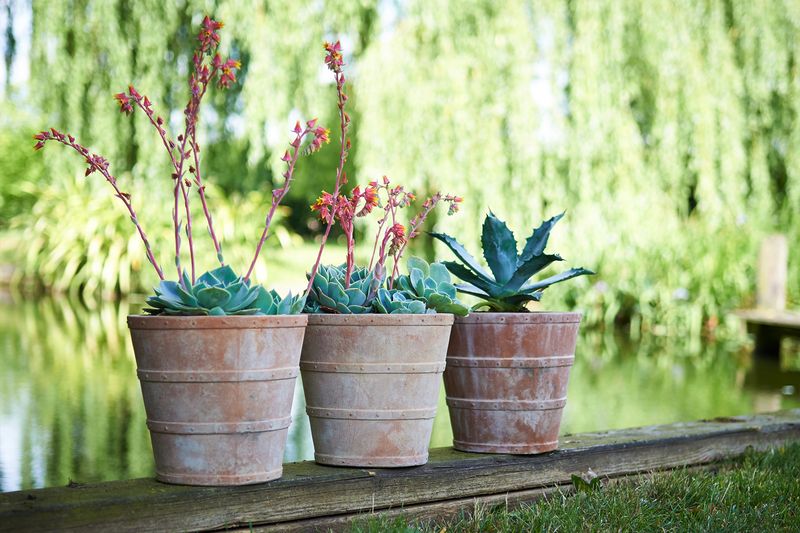
Over time, terracotta pots develop a unique patina that enhances their rustic charm. This aging process is not just aesthetic; it indicates the pot’s ability to adapt to its environment. As these pots age, they absorb minerals and salts from the water and soil, creating beautiful, organic patterns. Each mark tells a story of growth and change, adding character to your garden. The more they age, the more they blend with nature, offering a timeless appeal. This natural transformation is a testament to the durability and resilience of terracotta.
3. Temperature Regulation
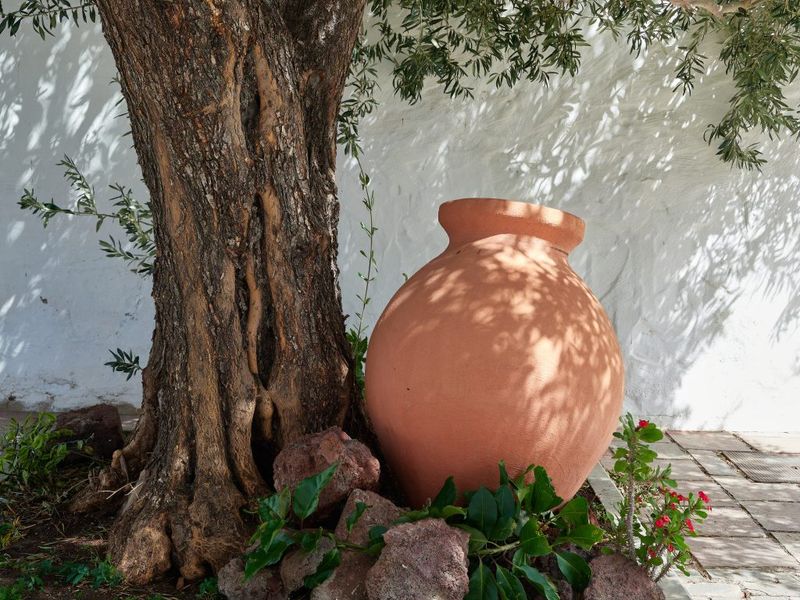
Terracotta pots are renowned for their ability to regulate temperature, keeping plant roots cool in summer and warm in winter. This inherent property comes from the clay’s porous nature, which allows heat exchange through evaporation. During hot days, the water within the pot evaporates, effectively cooling the soil. Conversely, in cooler weather, the pot retains warmth, providing a stable environment. This unique temperature regulation is crucial for sensitive plants that thrive in moderate conditions. Terracotta’s ability to balance extreme temperatures ensures plant health throughout the year.
4. Eco-friendly Choice
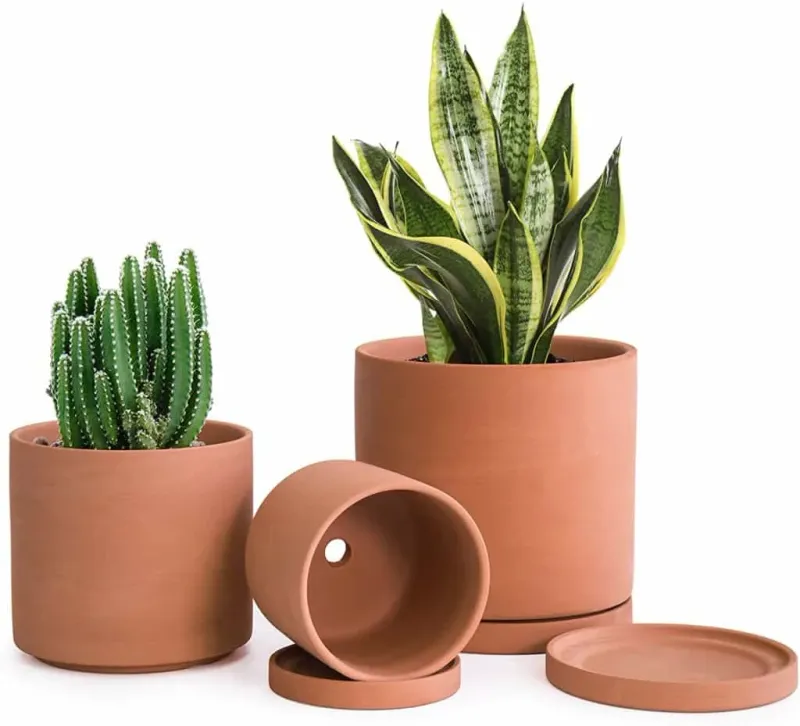
Choosing terracotta pots is an environmentally friendly decision, as they are made from natural clay and are fully biodegradable. Unlike plastic pots that contribute to landfill waste, terracotta returns to the earth without harming the ecosystem. Their production involves minimal processing, reducing carbon footprint. Furthermore, their durability means they can be reused for many years, minimizing the need for replacements. For gardeners concerned about sustainability, terracotta offers a guilt-free option. Embrace the beauty of eco-conscious gardening with terracotta, knowing you’re making a positive impact on the planet.
5. Historical Significance
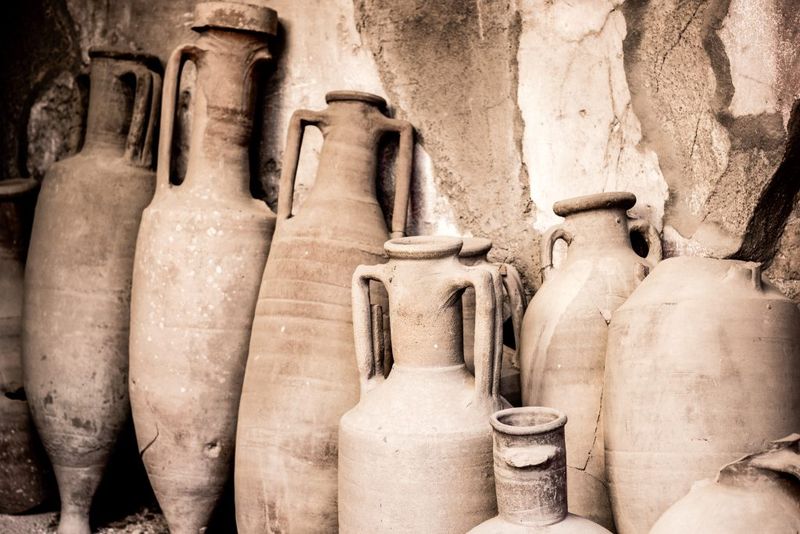
Terracotta pots have been used for centuries, with origins tracing back to ancient civilizations. Their historical significance is rich, as they were once essential for food storage and transport. The timeless appeal of terracotta is linked to its functionality and aesthetic appeal, which have transcended cultures and eras. Exploring the storied past of these pots reveals their role in agriculture and daily life. From ancient Roman gardens to modern backyards, terracotta has stood the test of time. Their enduring presence in history underscores their value and versatility in gardening today.
6. Enhancing Soil Quality
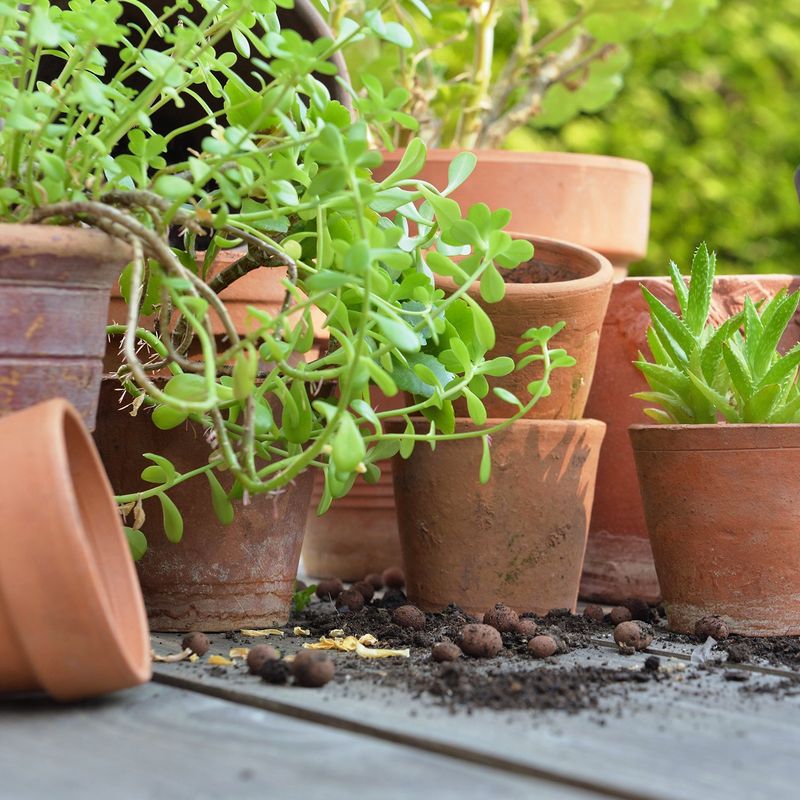
Terracotta pots naturally enhance soil quality by allowing excess salts to leach out. This process prevents salt buildup, which can harm plant roots. As water evaporates through the clay walls, it leaves behind soluble salts, ensuring that the soil remains nutrient-rich. This feature is particularly beneficial for sensitive plants that require specific soil conditions. The continual leaching process maintains a balanced environment, promoting healthier plant growth. By choosing terracotta, gardeners can optimize soil conditions naturally, leading to more vigorous plants and bountiful blooms.
7. Perfect for Succulents
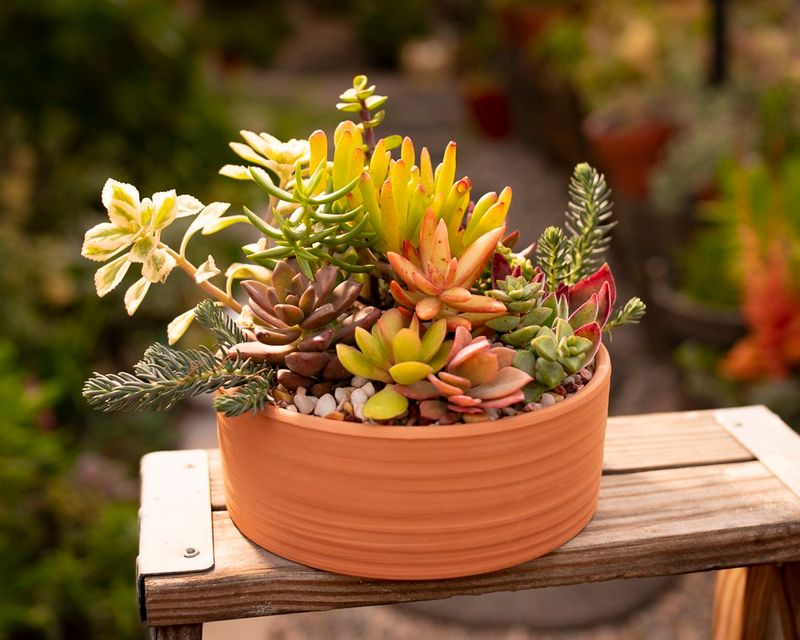
Succulents thrive in terracotta pots due to the clay’s porous nature, which provides excellent drainage. These drought-tolerant plants benefit from quick-drying soil, avoiding the risk of root rot. The terracotta’s ability to wick moisture away from the soil mimics the arid environments that succulents are adapted to. Additionally, the warm, earthy tones of terracotta complement the vibrant greens and unique textures of succulents, enhancing their aesthetic appeal. For succulent enthusiasts, terracotta pots are the ideal choice, combining functionality with beauty to create stunning displays.
8. Affordable and Accessible
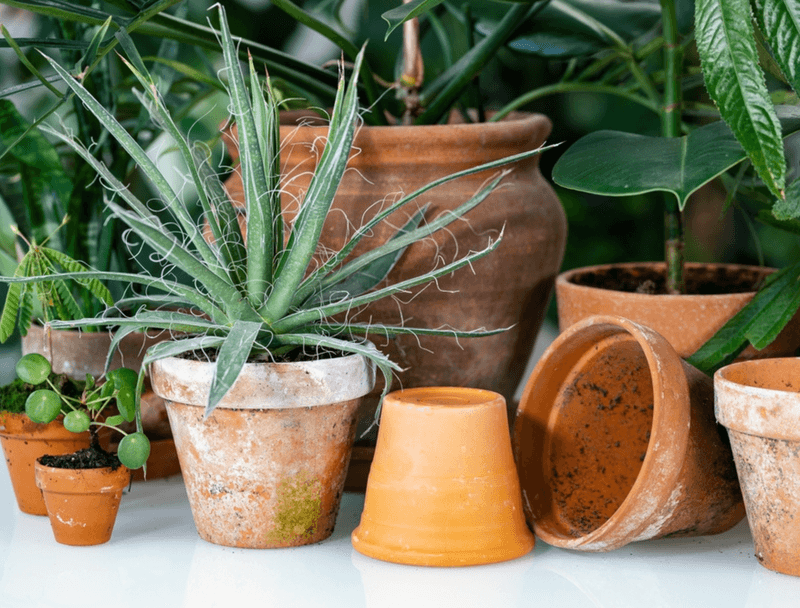
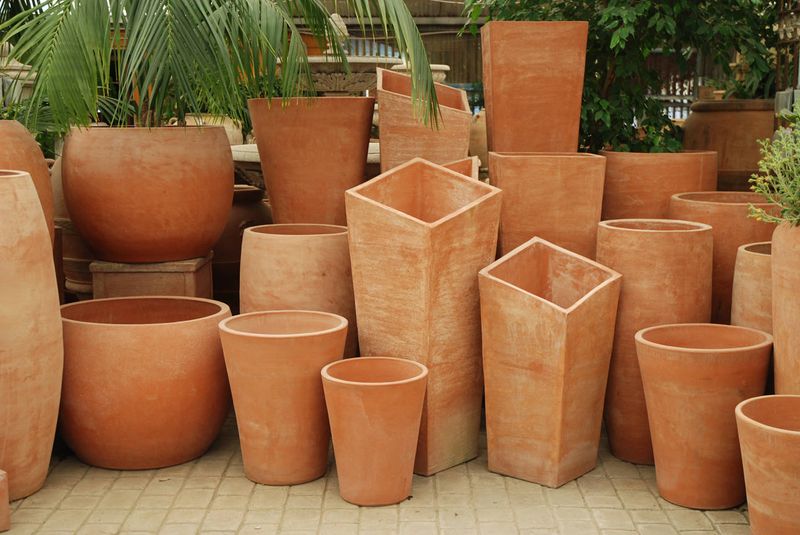
Terracotta pots offer an affordable and accessible option for gardeners of all levels. Their cost-effectiveness means you can enjoy high-quality containers without breaking the bank. Available in various shapes and sizes, they cater to diverse plant needs and aesthetic preferences. Despite their affordability, terracotta pots do not compromise on quality or durability. This accessibility allows gardeners to experiment with different plants and styles, making it easy to cultivate a vibrant garden. With terracotta, creating a beautiful and functional garden space is within everyone’s reach.
9. Terracotta Patina Mystique
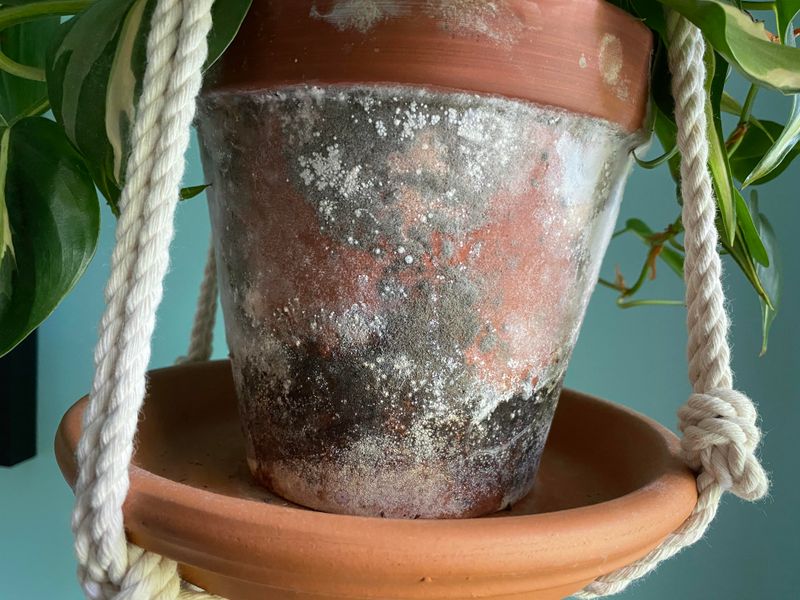
The mystique of terracotta lies in the patina that forms over time, a testament to its enduring qualities. This natural coating results from the interaction of minerals and the environment, creating a one-of-a-kind design on each pot. No two patinas are alike, adding uniqueness and character to your garden. As the terracotta ages, these patterns evolve, telling a story of resilience and adaptation. Gardeners cherish this transformation, as it enhances the aesthetic and historical value of their pots, making them treasured pieces in any collection.
10. Compatibility with Herbs
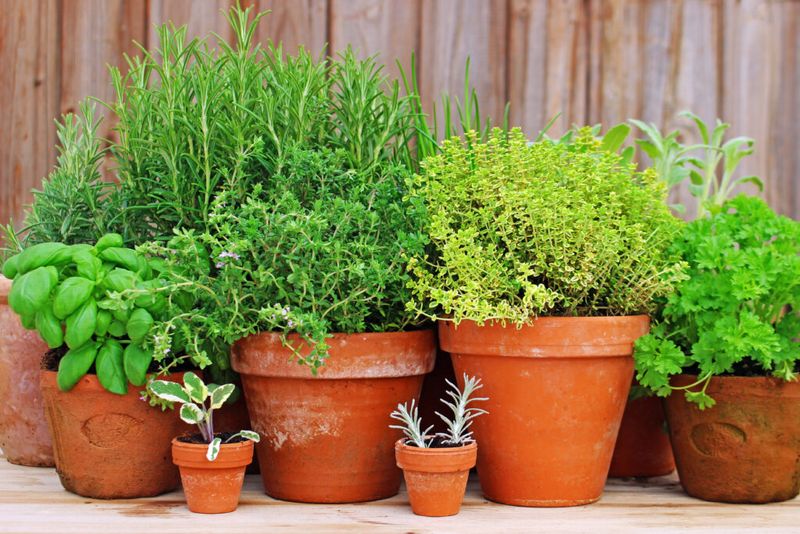
Herbs flourish in terracotta pots, benefiting from the clay’s ability to regulate moisture and temperature. These conditions are ideal for aromatic herbs like rosemary, thyme, and basil, which prefer well-drained soil and consistent hydration. The breathability of terracotta prevents root suffocation, ensuring robust growth. Additionally, the natural tones of the pots complement the vibrant greenery, creating a visually pleasing herb garden. For culinary enthusiasts, growing herbs in terracotta pots offers fresh flavors and aesthetics, enhancing both gardens and kitchens alike.
11. Resistant to Frost
Terracotta pots possess a remarkable resistance to frost, making them ideal for outdoor gardens in colder climates. This resilience is due to the clay’s ability to absorb and release moisture, preventing cracks during freeze-thaw cycles. While some pots may not withstand harsh winters, terracotta’s natural composition offers a durable alternative. Gardeners can confidently leave their terracotta pots outside, knowing they will endure seasonal changes. This frost resistance ensures that plants remain safe and healthy, even in the chilliest months, maintaining garden beauty year-round.
12. Terracotta’s Versatile Aesthetic
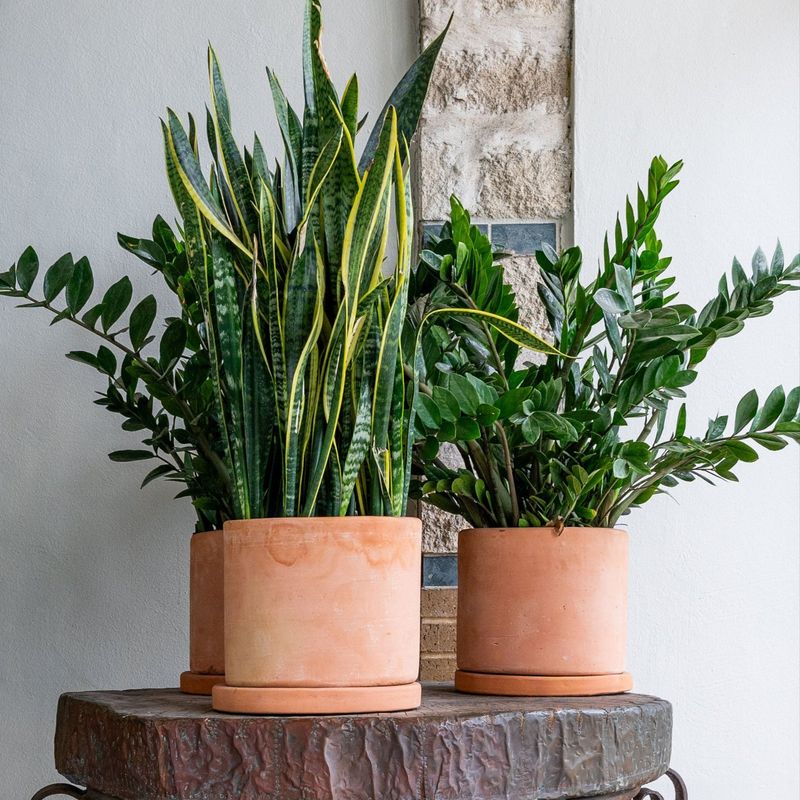
Terracotta pots offer a versatile aesthetic, seamlessly blending with diverse garden styles. Their warm, earthy tones complement both modern and traditional designs, while their classic shape adds a touch of timeless elegance. Whether arranged in a symmetrical pattern or clustered for a rustic look, terracotta enhances the visual appeal of any space. This adaptability makes them a favorite among designers and gardeners alike, as they can be dressed up or down to suit personal tastes. With terracotta, creating a unique garden style is both easy and enjoyable.
13. DIY Customization Potential
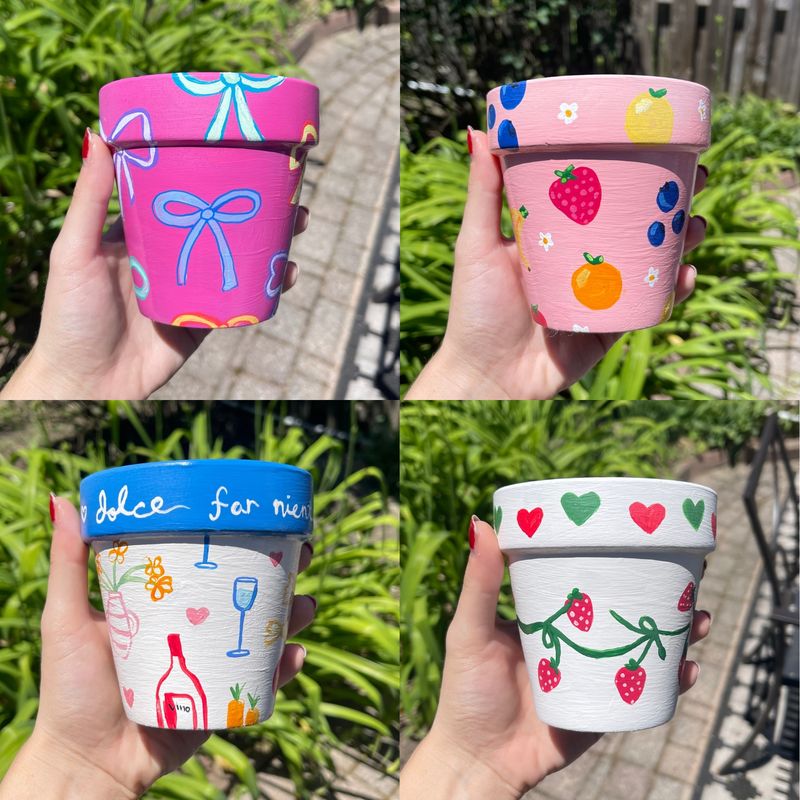
Terracotta pots offer endless possibilities for DIY enthusiasts, as they can be easily customized to match any decor. Painting, stenciling, or even carving designs into the clay allows for personalized creativity. This customization potential makes them a popular choice for craft projects and gifts. The porous surface of terracotta holds paint well, ensuring that designs remain vibrant. Whether creating a unified theme or experimenting with eclectic patterns, terracotta pots provide a blank canvas for artistic expression. This flexibility empowers gardeners to showcase their personal style.
14. Cultural Craftsmanship
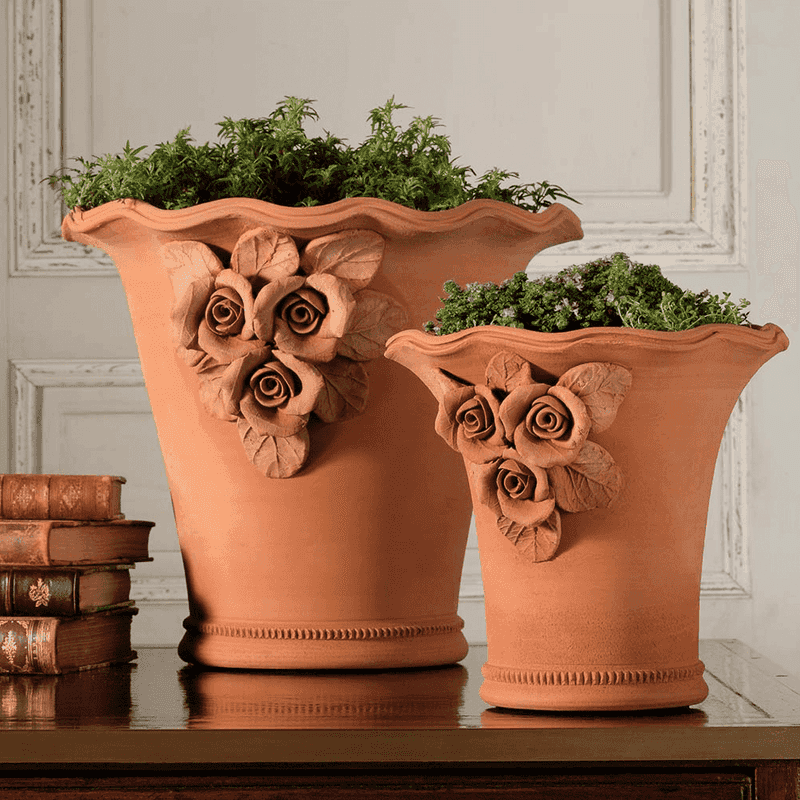
The craftsmanship of terracotta pots is deeply rooted in cultural traditions, often crafted by skilled artisans using age-old techniques. Each pot is a work of art, reflecting the heritage and expertise of its maker. This cultural significance adds depth to their aesthetic appeal, as owning a terracotta pot connects gardeners to a legacy of craftsmanship. The meticulous process of shaping and firing the clay ensures durability and uniqueness. By choosing artisan-made terracotta pots, gardeners support traditional crafts and preserve cultural heritage while enhancing their gardens.
15. Acoustic Properties
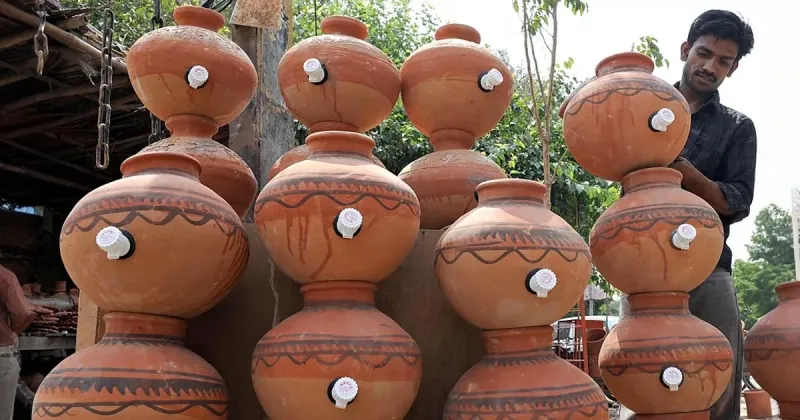
Terracotta pots have surprising acoustic properties that can enhance the ambiance of a garden. Their clay structure resonates with sound, creating a natural amplification effect. This characteristic is often used in acoustic gardens, where the pots are strategically placed to enrich the soundscape. The gentle hum of a breeze or the rhythmic patter of rain becomes more pronounced, creating a serene atmosphere. For music lovers and nature enthusiasts, incorporating terracotta pots into garden design offers an innovative way to enjoy outdoor sound experiences.
16. Indoor Plant Compatibility
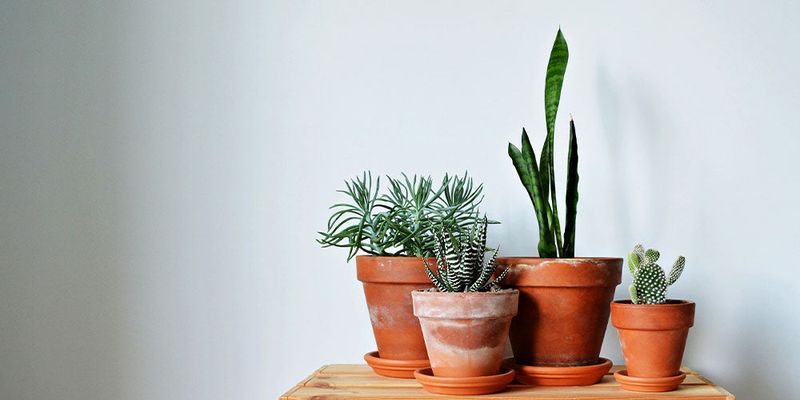
Terracotta pots are equally suited for indoor use, providing a healthy environment for houseplants. Their breathable nature prevents overwatering, a common issue with indoor plants. The clay’s natural aesthetic complements interior decor, adding warmth and earthiness to any room. Whether placed on a windowsill or as a centerpiece, terracotta pots enhance indoor plant displays. Their ability to regulate moisture ensures that houseplants thrive, turning any space into a lush, green retreat. For urban gardeners and plant enthusiasts, terracotta offers a stylish and practical solution for indoor gardening.
17. Natural Pest Deterrent
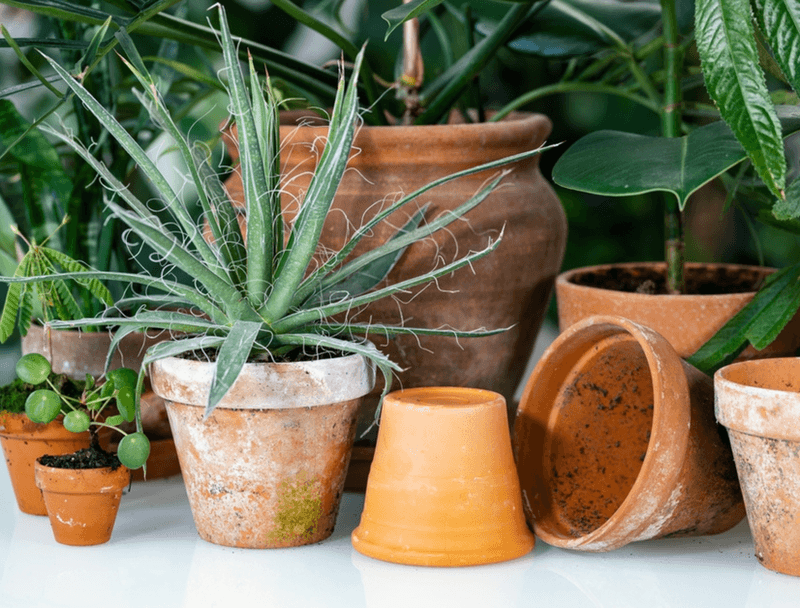
Terracotta pots can serve as a natural pest deterrent in gardens. The clay’s porous structure allows for the use of natural substances like diatomaceous earth, which can be mixed into the soil to repel pests. This environmentally friendly approach to pest control minimizes the need for chemical pesticides. Additionally, the natural look of terracotta blends seamlessly with organic gardening practices. Gardeners seeking sustainable solutions will find terracotta pots to be an ally in maintaining a healthy garden ecosystem, free from unwanted pests.
18. Winter Garden Wonders
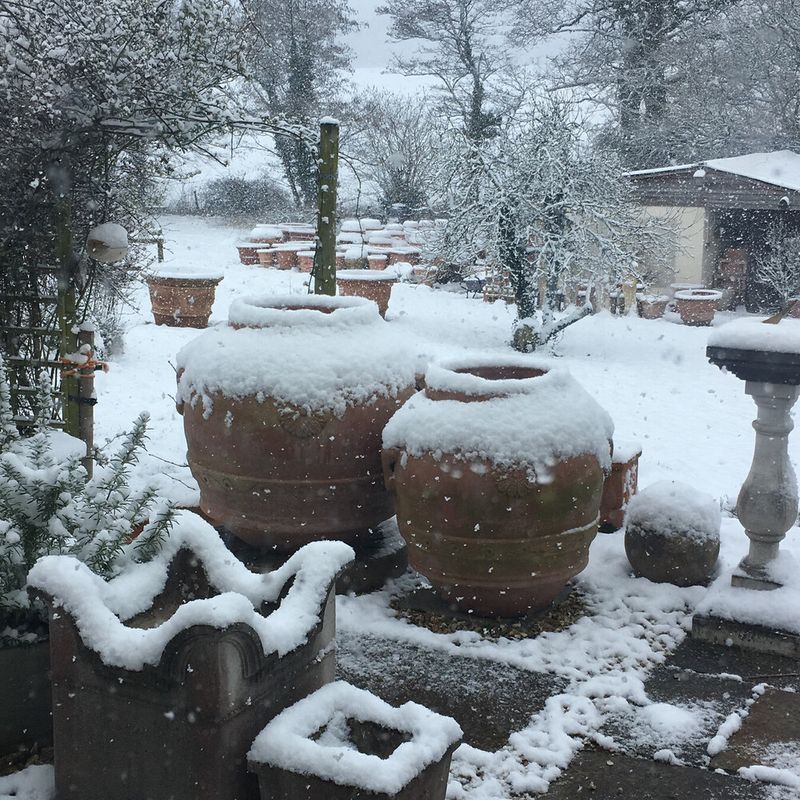
Terracotta pots can transform a winter garden into a vibrant display, defying the season’s bleakness. Their frost resistance and ability to retain heat make them ideal for showcasing winter-hardy plants. Vibrant evergreens and colorful winter blooms stand out against the rich, earthy hue of terracotta, creating a warm contrast with the winter landscape. Gardeners can use these pots to create focal points, drawing attention to the beauty of winter flora. Embrace the season’s charm with terracotta, turning a dormant garden into a lively winter wonderland.
19. Root Pruning Benefits
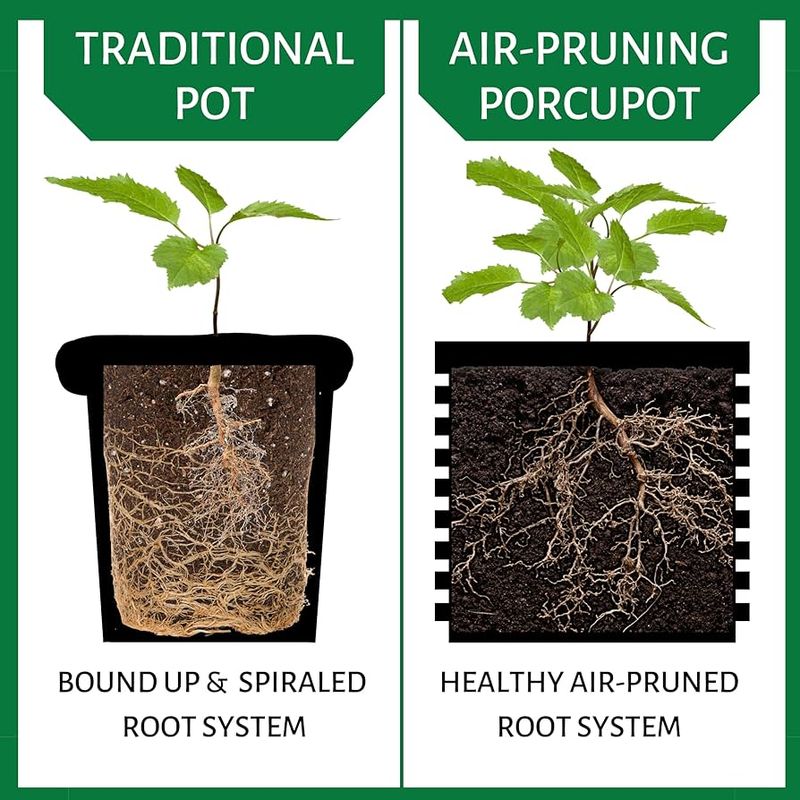
Terracotta pots naturally promote root pruning, a beneficial process for plant health. As roots grow and reach the pot’s walls, the porous nature of terracotta encourages air pruning. This process stimulates the growth of fibrous roots, improving nutrient absorption and overall plant vitality. Root pruning prevents the formation of root-bound plants, which can stifle growth. By using terracotta pots, gardeners can ensure that their plants develop robust root systems. This hidden benefit of terracotta pots contributes to healthier, more resilient plants, supporting successful gardening endeavors.
20. Terracotta’s Timeless Appeal
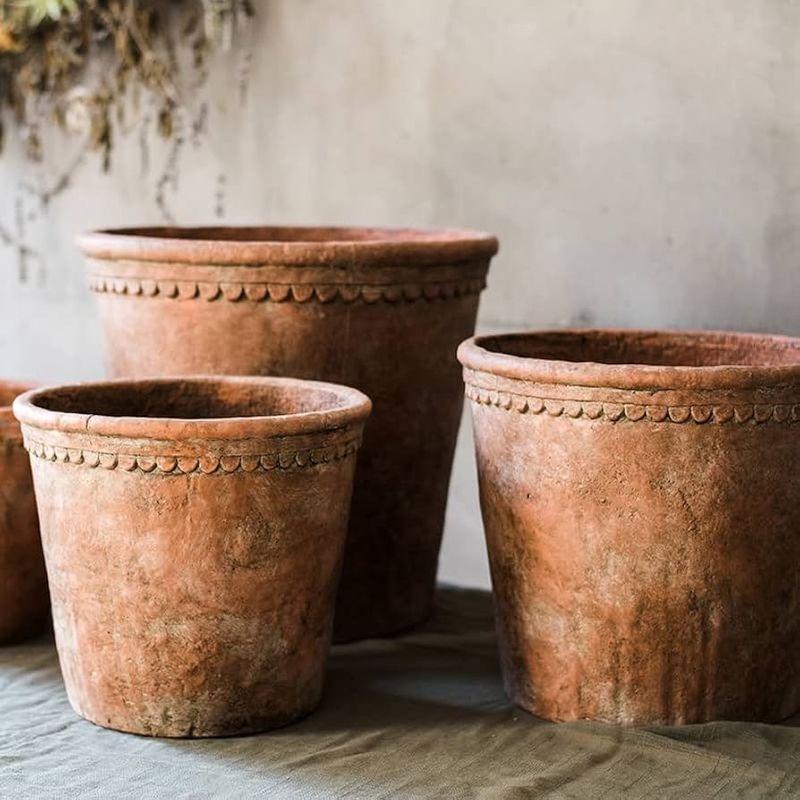
The timeless appeal of terracotta pots lies in their ability to evoke nostalgia and tradition. Their classic design and warm color palette have made them a staple in gardens for generations. This enduring popularity is a testament to their versatility and aesthetic charm. Whether in a sprawling country garden or a compact urban balcony, terracotta pots bring a touch of elegance and history. Their ability to age gracefully adds character and depth, resonating with gardeners who appreciate both beauty and heritage. Terracotta’s timelessness makes it a cherished choice.
21. Symbol of Earth and Nature
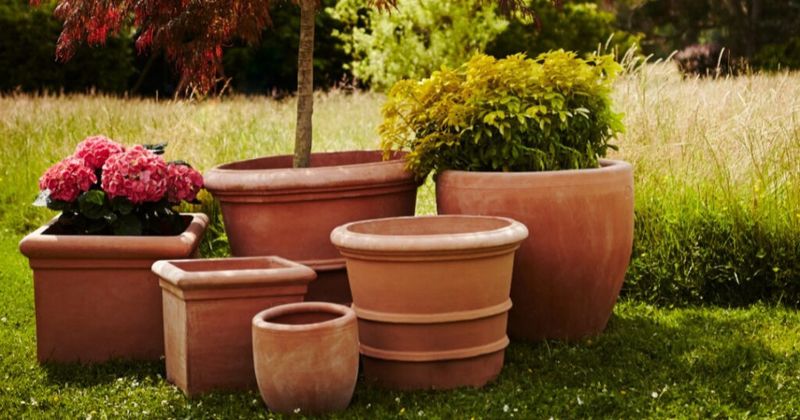
Terracotta pots symbolize the connection between earth and nature, crafted from clay that embodies the elements. This symbolism resonates with gardeners who seek harmony in their outdoor spaces. The natural, unglazed finish of terracotta reflects the raw beauty of the earth, enhancing the organic feel of gardens. By choosing terracotta, gardeners embrace a philosophy of sustainability and respect for nature. This spiritual connection adds meaning to their gardening practice, fostering a deep appreciation for the natural world. Terracotta is more than a pot; it’s a symbol of unity with nature.
22. Terracotta’s Age-Defying Strength
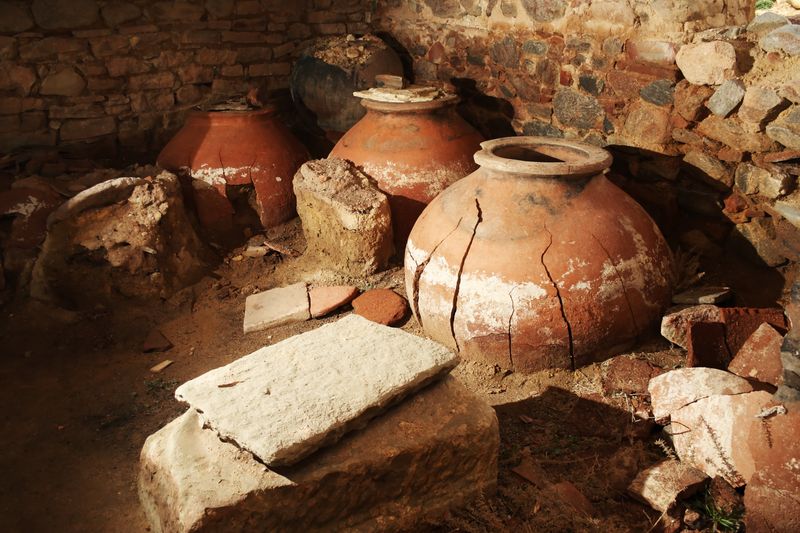
Despite their delicate appearance, terracotta pots boast age-defying strength. Their durability is proven by archaeological finds, with ancient pots surviving millennia. This strength is attributed to the firing process, which hardens the clay and enhances its resilience. Gardeners can trust terracotta to withstand the test of time, enduring harsh weather and wear. This reliability makes terracotta a practical choice for both ornamental and functional gardening. The combination of beauty and strength in terracotta pots ensures they remain a beloved option for gardeners looking to invest in lasting quality.
23. Mindful Watering Practices
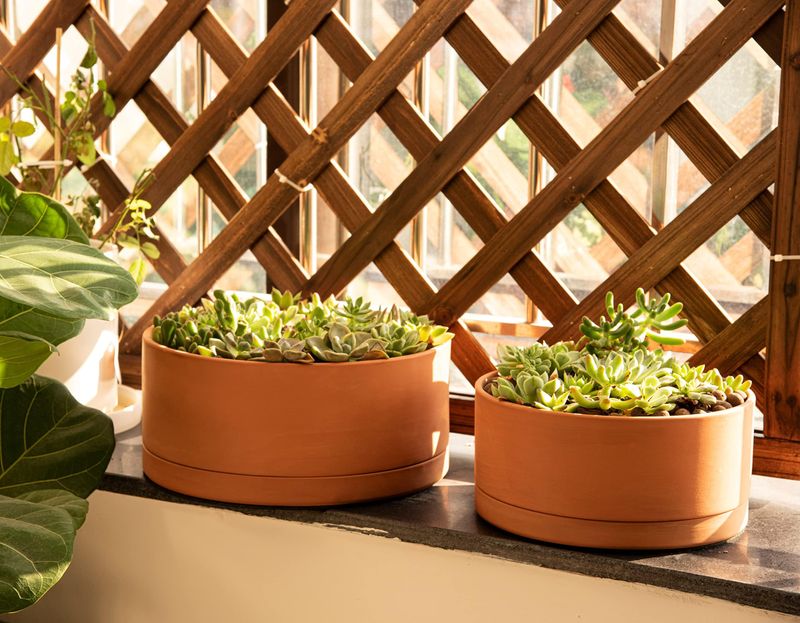
Terracotta pots encourage mindful watering practices, as they provide visual cues for moisture levels. The pots change color when wet, allowing gardeners to gauge the need for watering at a glance. This feature fosters a deeper connection with the plants, promoting attentive care. By observing these cues, gardeners can avoid overwatering, a common pitfall that can harm plants. The natural interaction between terracotta and water supports a more engaged gardening experience. Through mindful watering, terracotta pots help create a nurturing environment, ensuring healthy, thriving plants.
24. The Art of Patience
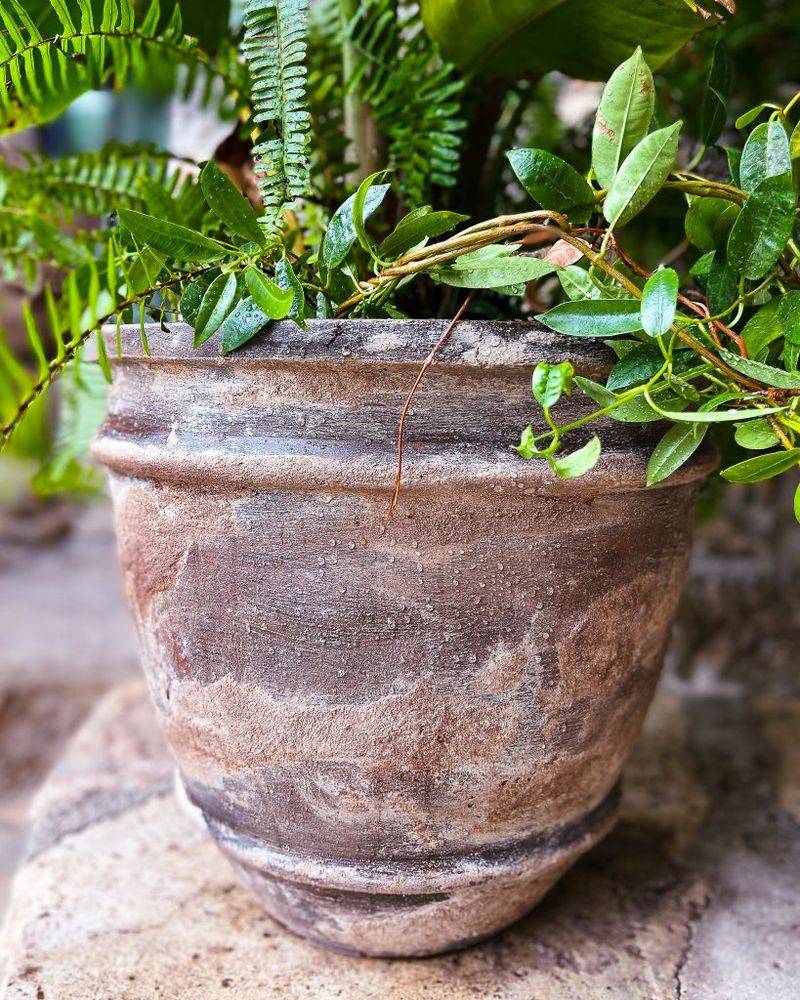
The art of gardening with terracotta pots teaches patience and appreciation for the slow growth of nature. These pots demand attentive care, rewarding diligent gardeners with thriving plants. The natural aging and patina formation are slow processes, encouraging a long-term perspective on gardening. This patience cultivates a deeper understanding of plant life cycles and the rhythms of nature. Gardeners learn to value the journey as much as the destination, finding joy in the gradual transformation of both plants and pots. Terracotta invites a mindful, patient gardening approach.