
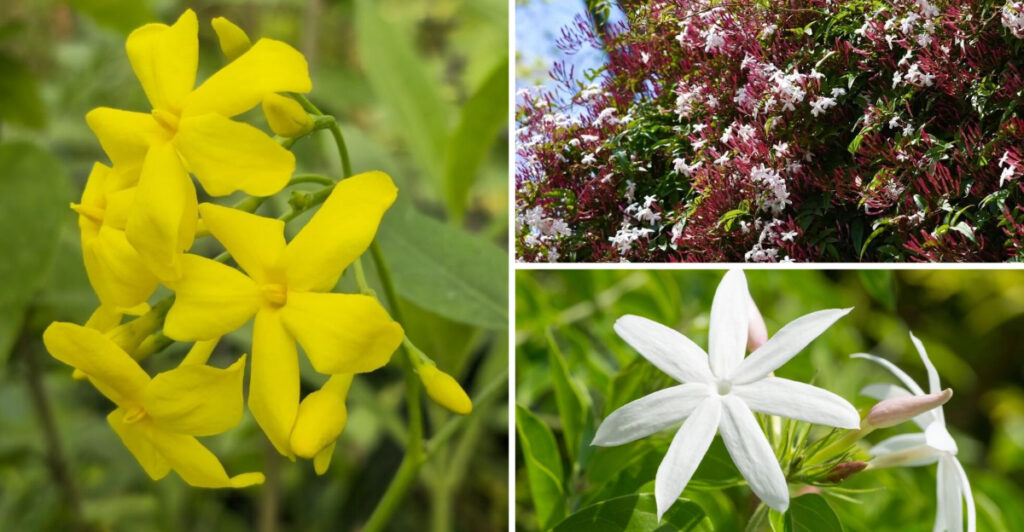
Many people associate the name “Jasmine” with a single fragrant flower, but in reality, it encompasses a diverse range of plants. This article explores 16 distinct species that all share this common name, yet differ in appearance, growth habits, and care requirements. From tropical vines to hardy shrubs, these plants offer a variety of scents, colors, and uses. Whether you’re drawn to their aromatic blossoms or unique growth forms, there’s a “Jasmine” for every garden setting. Discover how to cultivate and appreciate these captivating plants in your own outdoor space.
1. Common Jasmine (Jasminum officinale)

With its timeless elegance, Common Jasmine, or Jasminum officinale, fills gardens with a sweet aroma. Its delicate white blooms are a summer delight. This plant thrives in full sun but appreciates light afternoon shade in hotter climates. Regular pruning helps maintain its shape and encourages more blooms. A stunning addition, it can cover fences or trellises, adding a romantic touch to the garden. Originating from the Himalayas, it enjoys well-drained soil and moderate watering. Whether in a pot or garden bed, it’s sure to charm with its fragrant flowers and lush green leaves.
2. Star Jasmine (Trachelospermum jasminoides)
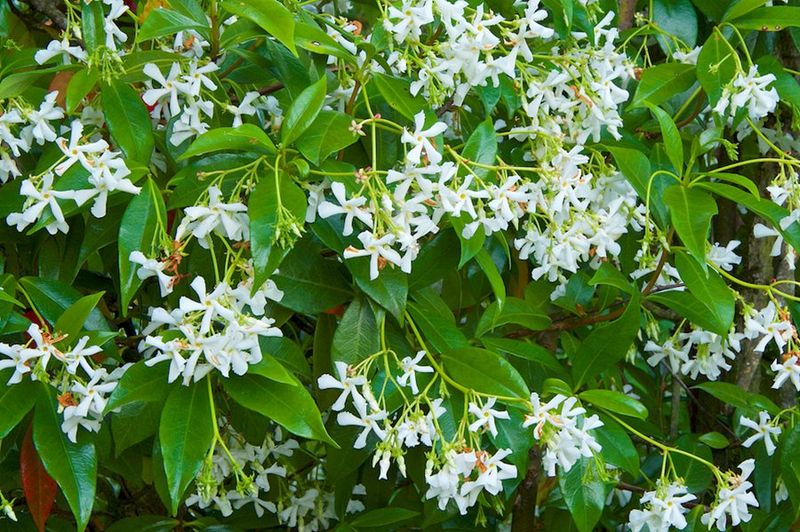
Star Jasmine, known scientifically as Trachelospermum jasminoides, is a versatile and enchanting climber. Its star-like white flowers burst forth with a captivating scent that defines warm summer evenings. Although it resembles true jasmine, this plant is actually a member of the Apocynaceae family. It prefers a sunny spot but tolerates partial shade and can be trained over arches or along walls. Native to China and Japan, it grows well in a range of soils, provided they are well-draining. With minimal care, its evergreen foliage provides a lush backdrop year-round.
3. Winter Jasmine (Jasminum nudiflorum)
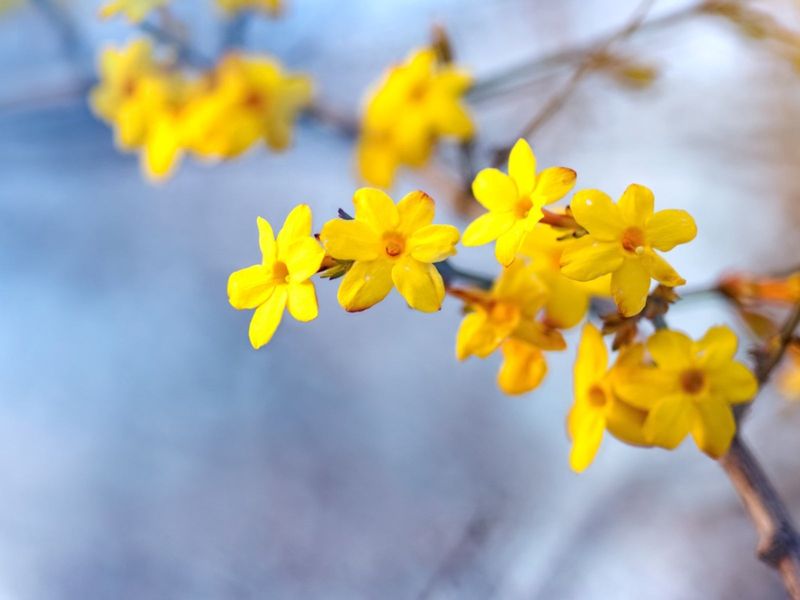
Winter Jasmine, or Jasminum nudiflorum, is known for its cheerful yellow blooms that brighten up the cold months. Unlike most jasmines, it flowers on bare stems, creating a striking contrast. Native to China, it’s prized for its resilience and ability to thrive in a variety of conditions. Plant it in well-draining soil with access to full sun for best results. An excellent ground cover or wall shrub, it requires little maintenance. As temperatures drop, its blossoms seem to warm the garden, making winter a little less bleak.
4. Arabian Jasmine (Jasminum sambac)
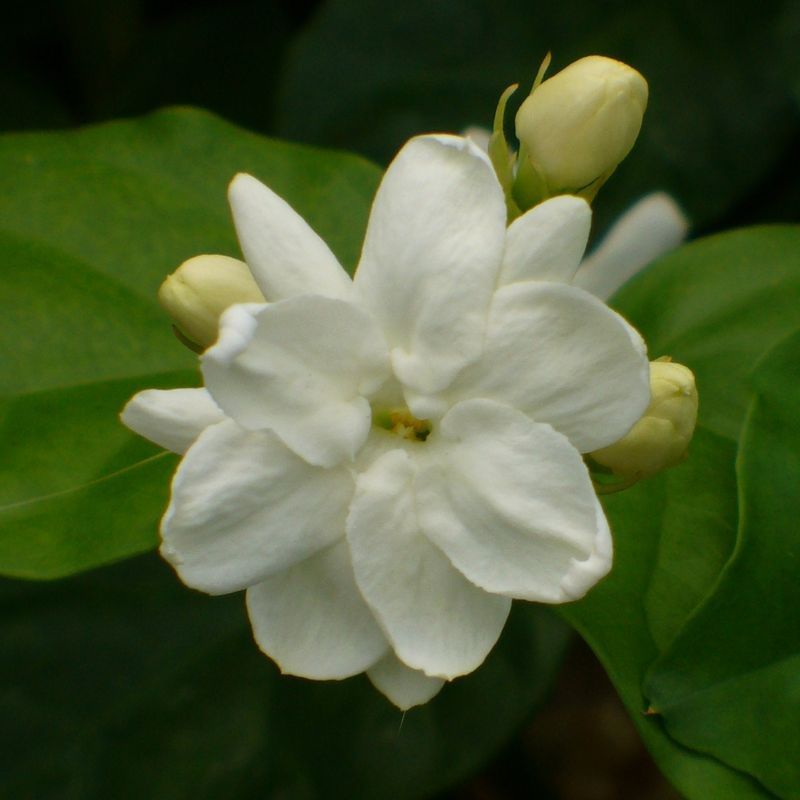
Celebrated for its sweet, heady fragrance, Arabian Jasmine, or Jasminum sambac, is a beloved plant in many cultures. Often used in perfumes and teas, its small, double white blooms are deeply aromatic. Originating from Southeast Asia, this evergreen shrub prefers warm climates and well-drained soil. It thrives in full sun to partial shade, making it perfect for patios and gardens. Regular watering and occasional fertilizing will keep it flourishing. Its blooms are often used in leis and garlands, adding a touch of exotic beauty to any setting.
5. Italian Jasmine (Jasminum humile)
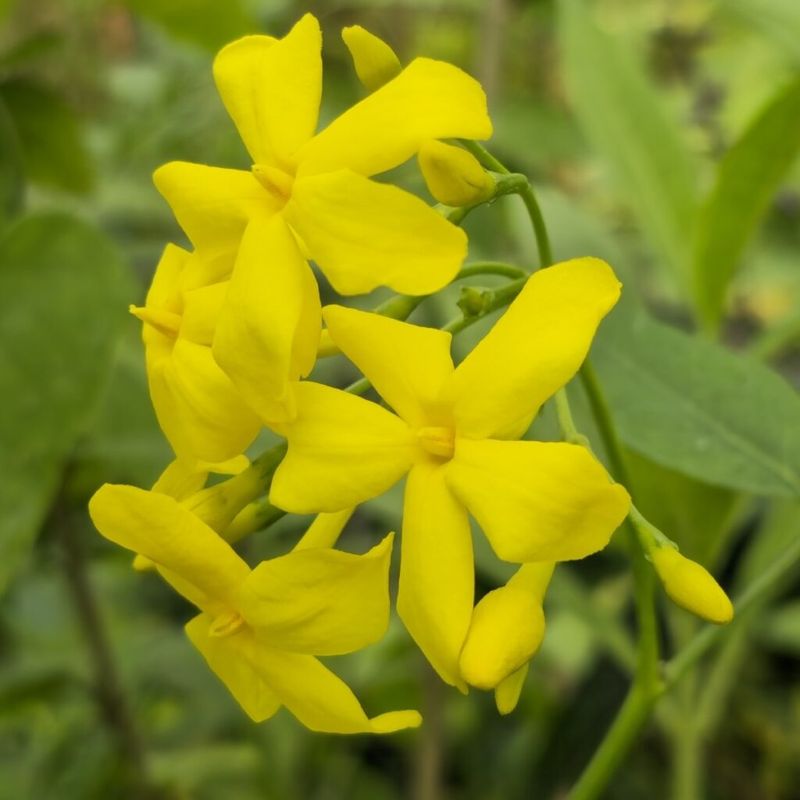
Italian Jasmine, or Jasminum humile, is a charming plant known for its bright yellow blooms. Native to Asia but flourishing in Mediterranean climates, it adds a sunny touch to gardens. Its arching branches and glossy leaves provide a lush backdrop, while its flowers bloom from late spring to summer. Plant it in full sun or light shade with well-draining soil for best results. An adaptable shrub, it can be grown in pots or as a garden border. Its cheerful flowers and ease of growth make it a gardener’s favorite.
6. Primrose Jasmine (Jasminum mesnyi)
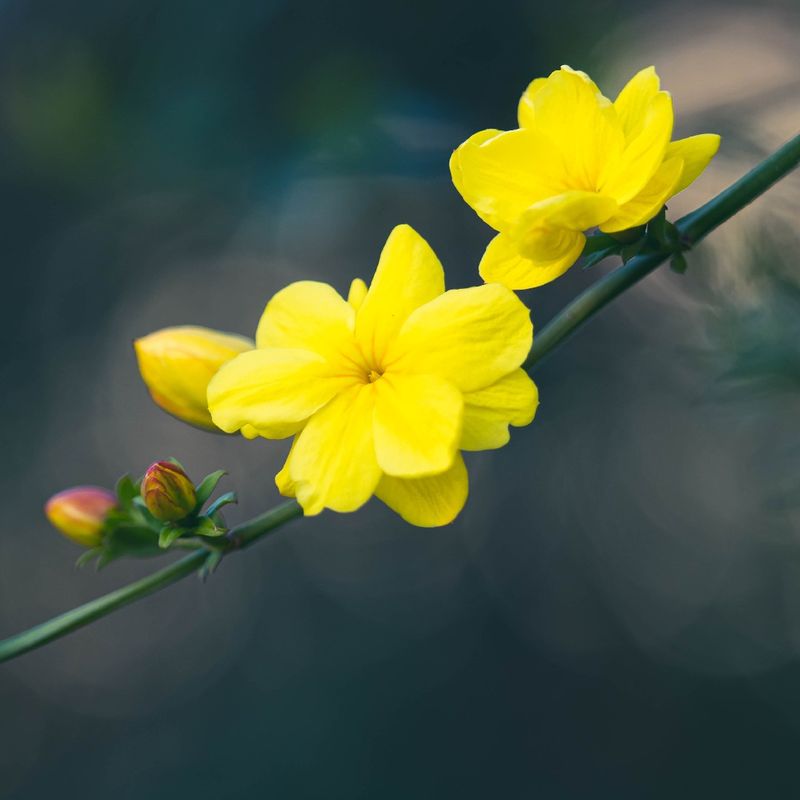
Primrose Jasmine, scientifically known as Jasminum mesnyi, captivates with its cascades of soft yellow blooms. Native to China and Vietnam, this plant adds a whimsical touch with its arching branches and glossy foliage. It thrives in full sun to partial shade and appreciates well-drained soil. A fast grower, it’s ideal for covering fences or walls. Despite its delicate appearance, it’s a hardy plant that requires minimal care. Its early spring flowers bring a burst of color, making it a delightful addition to any garden.
7. Japanese Jasmine (Jasminum polyanthum)
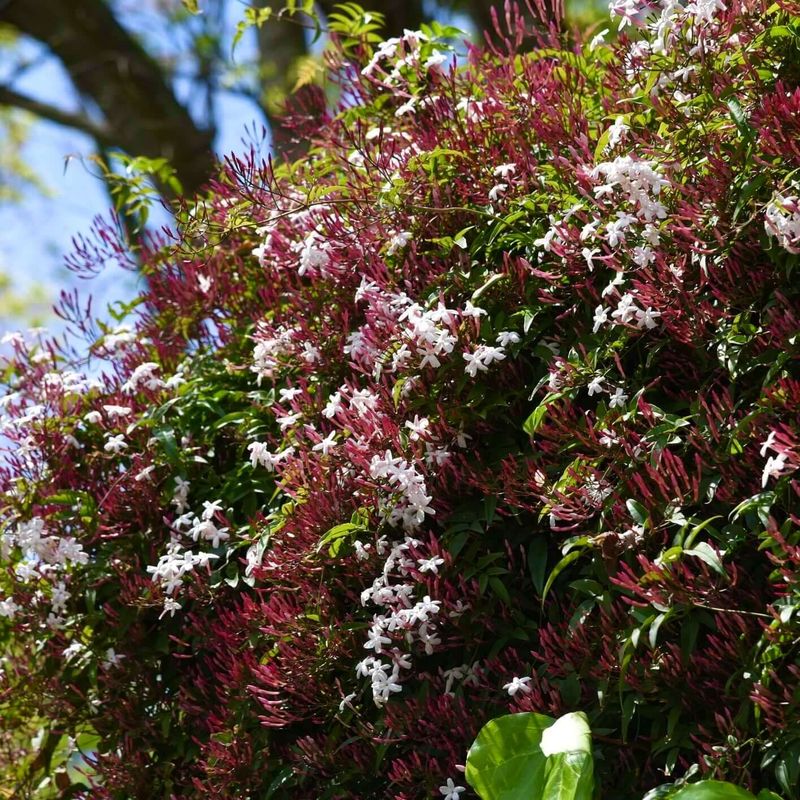
Japanese Jasmine, or Jasminum polyanthum, is a vigorous climber known for its profuse blooms and sweet fragrance. Its white flowers, tinged with pink, make a stunning display against its dark green leaves. Native to China, it’s a popular choice for indoor and outdoor plantings. It prefers bright, indirect sunlight and well-draining soil. Regular pruning helps control its rapid growth. In cooler climates, it can be grown indoors, where its scent fills the room. Its ability to bloom in winter adds a touch of spring to the coldest months.
8. Cape Jasmine (Gardenia jasminoides)
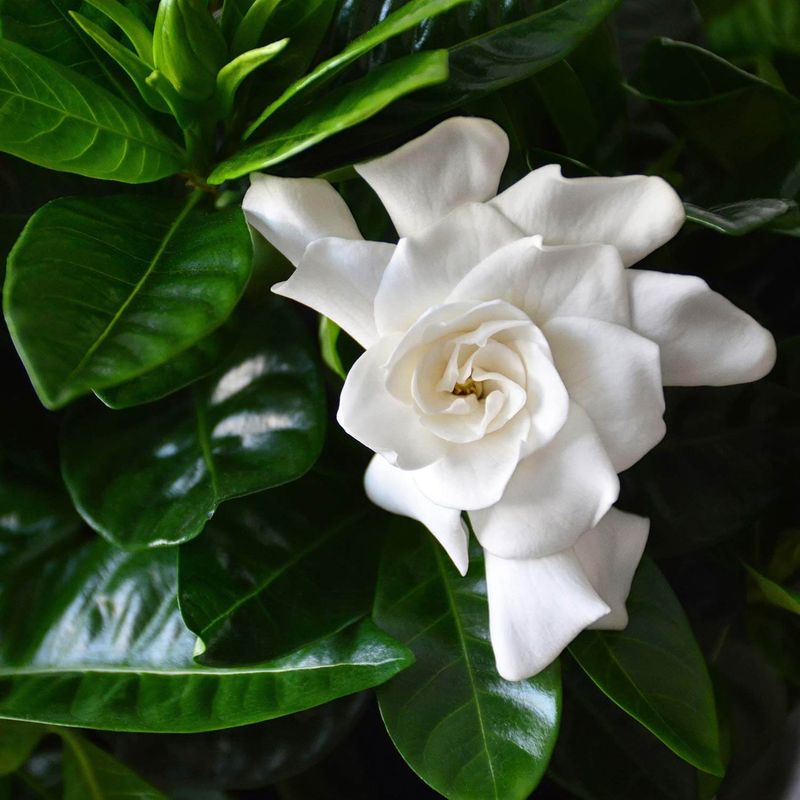
Though not a true jasmine, Cape Jasmine, or Gardenia jasminoides, is prized for its intoxicating fragrance and beautiful white flowers. Native to Asia, it thrives in warm, humid environments. Its glossy leaves and large blooms make it a favorite in Southern gardens. It prefers acidic, well-draining soil and thrives in full sun to partial shade. Regular pruning and feeding promote healthy growth. Its flowers are often used in perfumes and floral arrangements, adding elegance to any room. A symbol of refinement and grace, it’s a classic garden choice.
9. Downy Jasmine (Jasminum multiflorum)
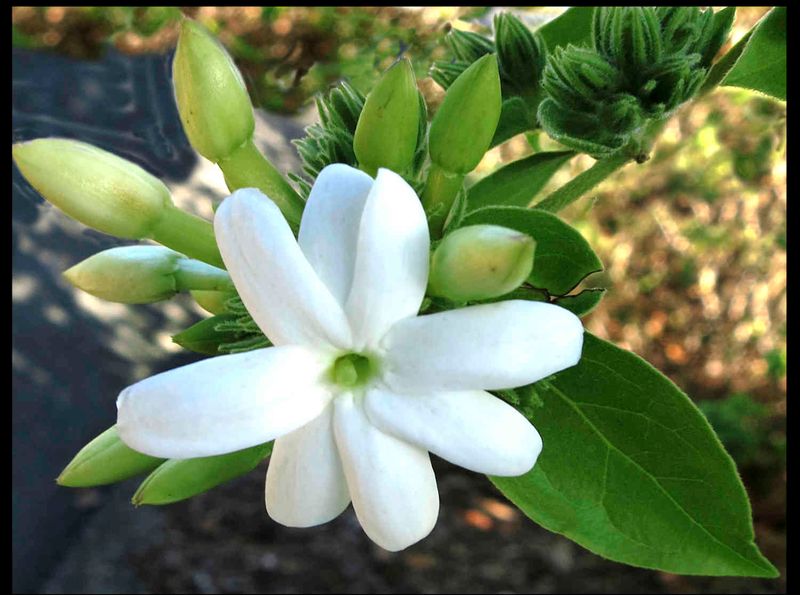
Downy Jasmine, also known as Jasminum multiflorum, is cherished for its starry white blooms and soft, downy leaves. Originating from India, it’s a versatile shrub that can be trained as a climber or left to grow as a bushy plant. It prefers full sun to light shade and well-drained soil. Its flowers bloom profusely throughout the year, offering a constant source of fragrance. Minimal pruning keeps it tidy, while its drought tolerance makes it a practical choice for many gardens. Its perpetual blooms make it a beloved garden plant.
10. Forest Jasmine (Jasminum abyssinicum)
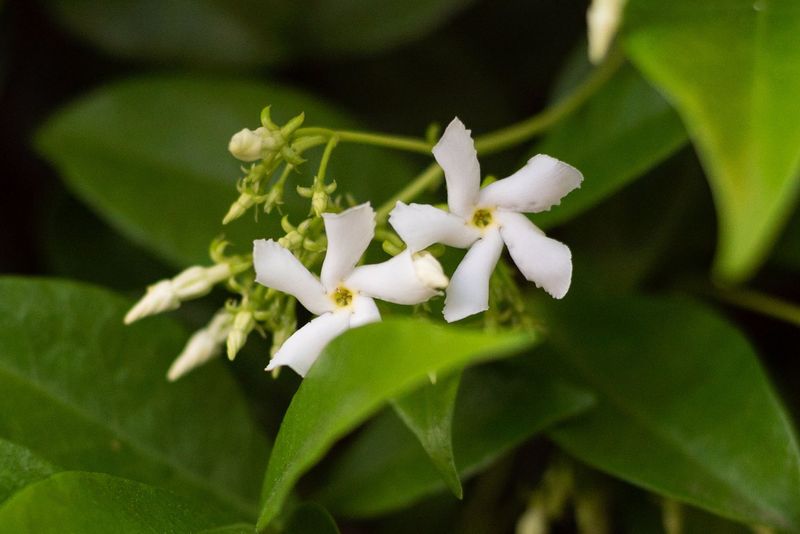
Forest Jasmine, or Jasminum abyssinicum, is a tropical gem with its delicate white flowers and glossy green leaves. Native to Africa, it thrives in warm, humid environments and adds a touch of the exotic to any garden. Plant it in well-draining soil with access to full or partial sunlight. Its fragrant blooms attract pollinators, making it a valuable addition to biodiversity gardens. Regular watering and occasional feeding keep it flourishing. Its ability to thrive in diverse conditions makes it a versatile and attractive choice for gardeners.
11. Royal Jasmine (Jasminum rex)
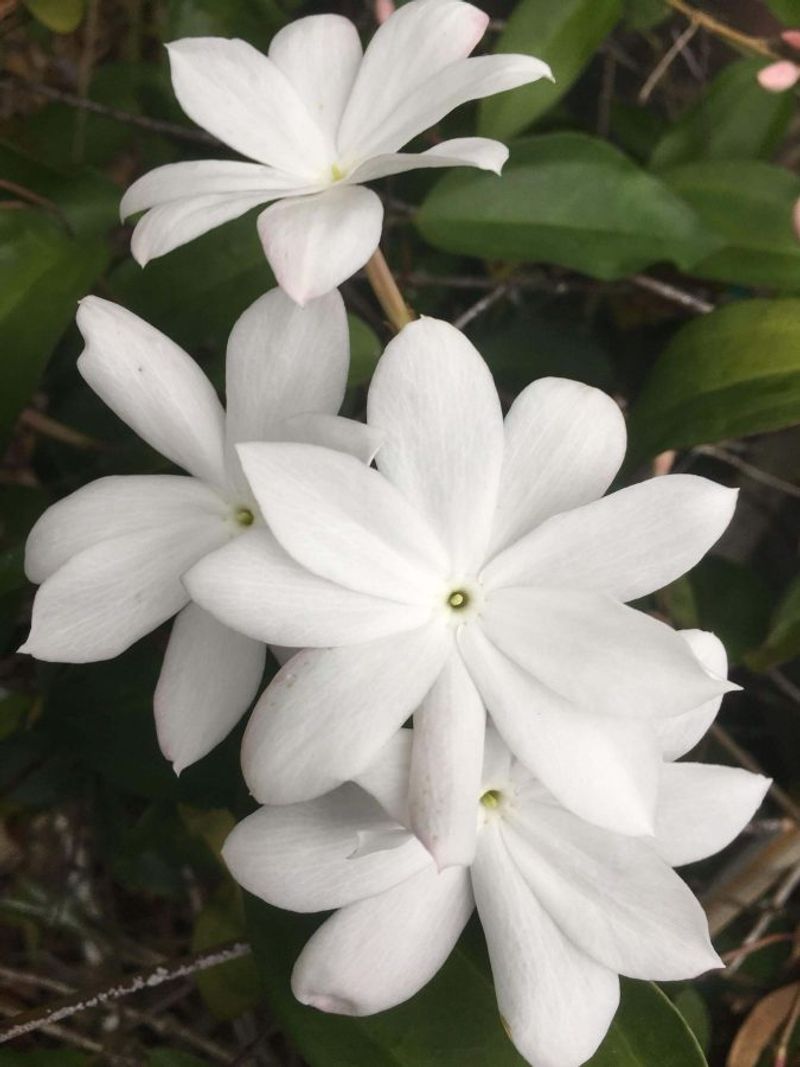
Royal Jasmine, scientifically known as Jasminum rex, lives up to its regal name with large, pure white flowers that exude elegance. Native to Thailand, this jasmine thrives in tropical climates and prefers well-draining soil and full sunlight. Its striking blooms appear in clusters, providing a showy display that captivates any onlooker. Suitable for pots or garden beds, it requires regular watering and occasional pruning to maintain its grandeur. Its majestic presence and intoxicating fragrance make it a standout addition to any garden.
12. Spanish Jasmine (Jasminum grandiflorum)
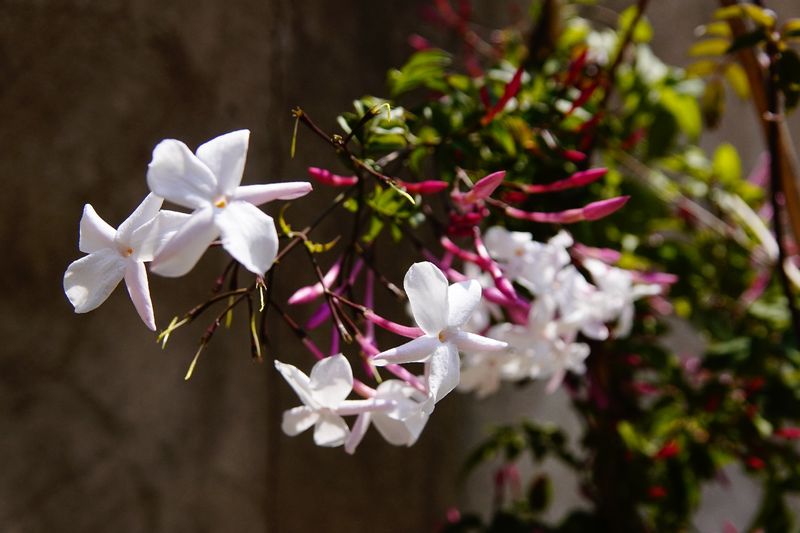
Spanish Jasmine, or Jasminum grandiflorum, is famed for its large, fragrant blooms that capture the essence of summer. Its white flowers, often tinged with pink, provide a lush contrast to its green foliage. Originating from South Asia, it flourishes in warm climates with well-draining soil. It prefers full sun and regular watering to achieve its best growth. Often used in the perfume industry, its fragrance is both sweet and intoxicating. Whether climbing over a wall or adorning a garden trellis, it brings elegance to any outdoor space.
13. Wild Jasmine (Jasminum fruticans)
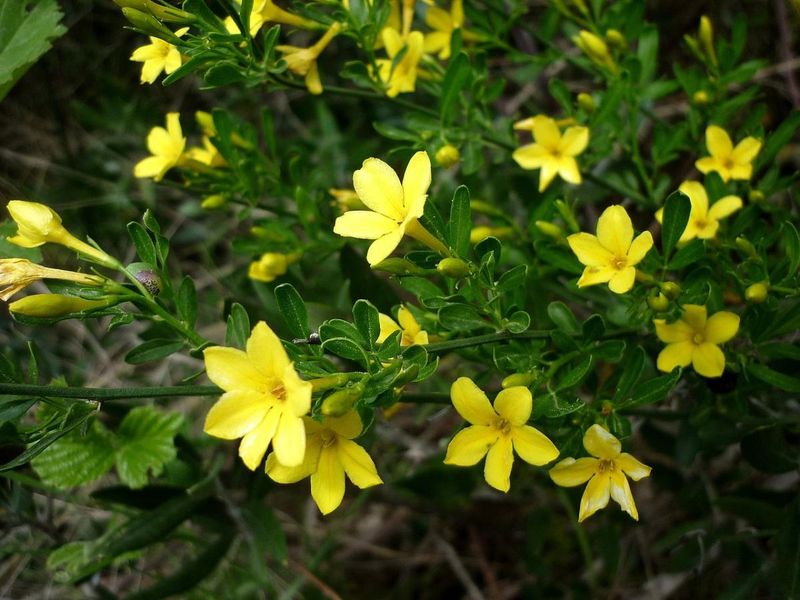
Wild Jasmine, or Jasminum fruticans, is a hardy shrub known for its bright yellow flowers and glossy green leaves. Native to the Mediterranean region, it thrives in rocky, well-drained soils and full sun. Its compact size makes it ideal for small gardens or as a ground cover. Despite its delicate appearance, it withstands drought and poor soils, making it a resilient choice for challenging sites. Its cheerful blooms and easy care requirements make it a delightful addition to any garden, adding a splash of color and resilience.
14. Dwarf Jasmine (Jasminum parkeri)
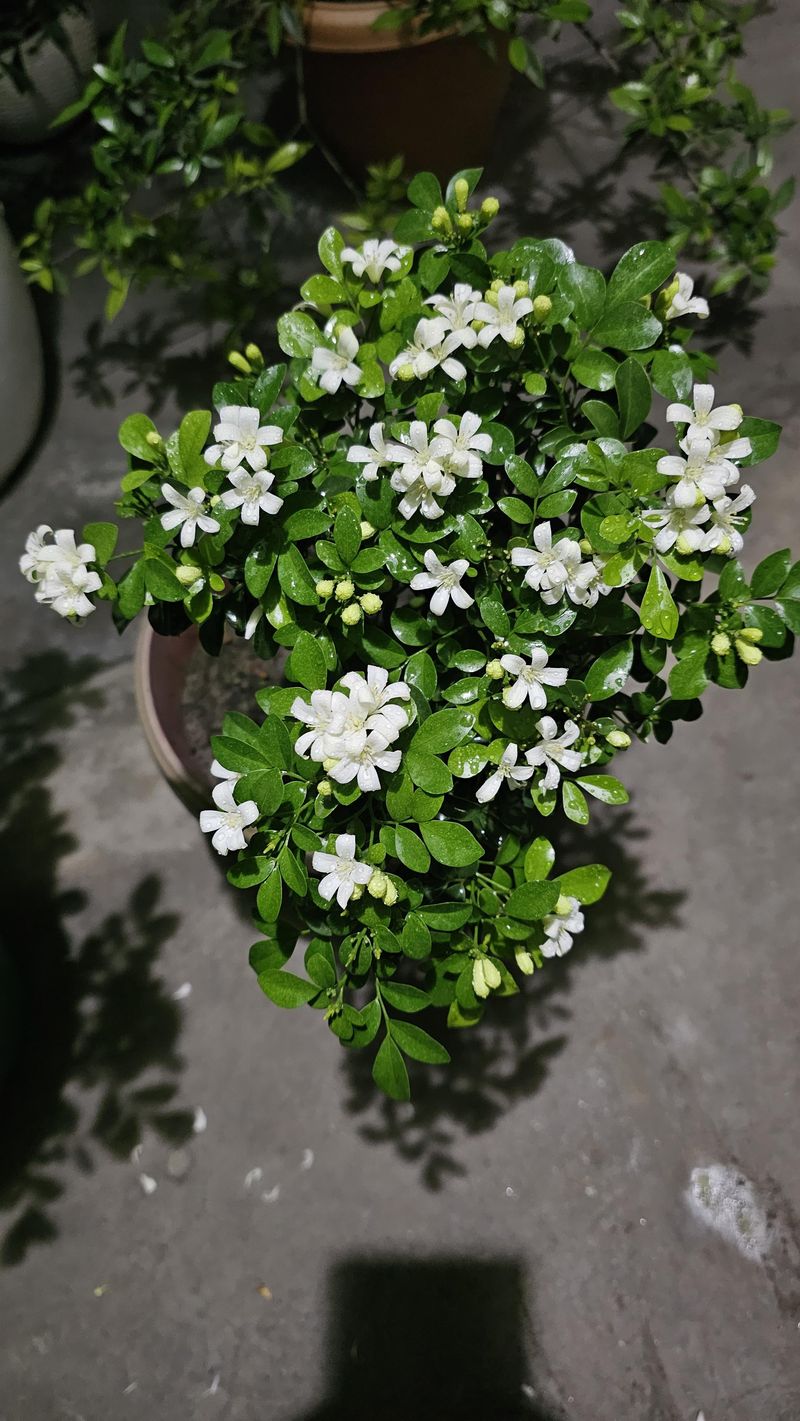
Dwarf Jasmine, known as Jasminum parkeri, is a compact, evergreen shrub with charming white flowers. Ideal for rock gardens or containers, it forms a neat, low-growing mound. Its petite size doesn’t detract from its beauty; the small, star-shaped flowers are a lovely sight against the dark green leaves. Native to the Himalayas, it prefers full sun and well-draining soil. Regular watering and minimal pruning keep it in top shape. Its tidy growth habit and year-round appeal make it a versatile choice for small spaces and garden borders.
15. Scrambling Jasmine (Jasminum subtriplinerve)
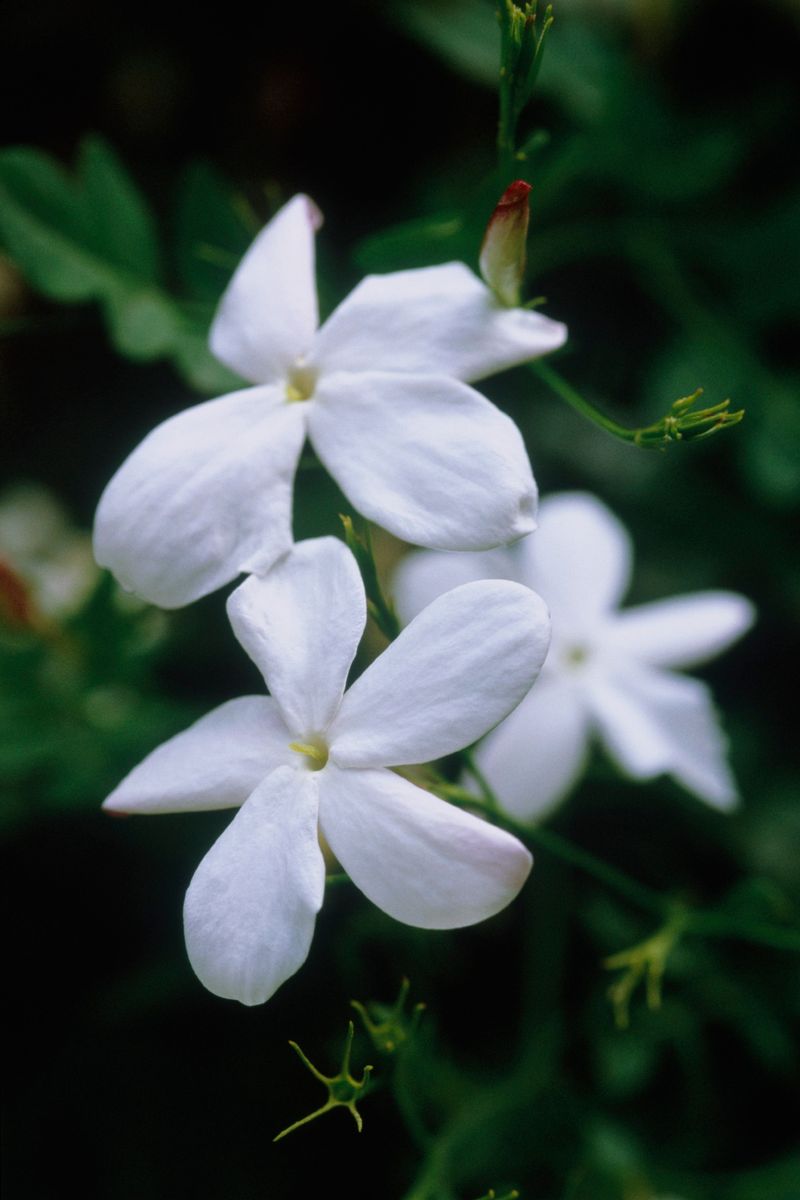
Scrambling Jasmine, or Jasminum subtriplinerve, offers a playful addition to any garden with its twining, carefree growth. Native to tropical regions, it thrives in warm, humid climates and prefers well-draining soil. Its delicate white flowers are a lovely contrast to its small green leaves. Ideal for trellises or fences, it brings a touch of whimsy wherever it grows. Regular pruning maintains its form, while its natural climbing habit allows it to cover structures effortlessly. It’s perfect for gardeners seeking a relaxed, informal garden style.
16. River Jasmine (Jasminum nymphaeifolium)
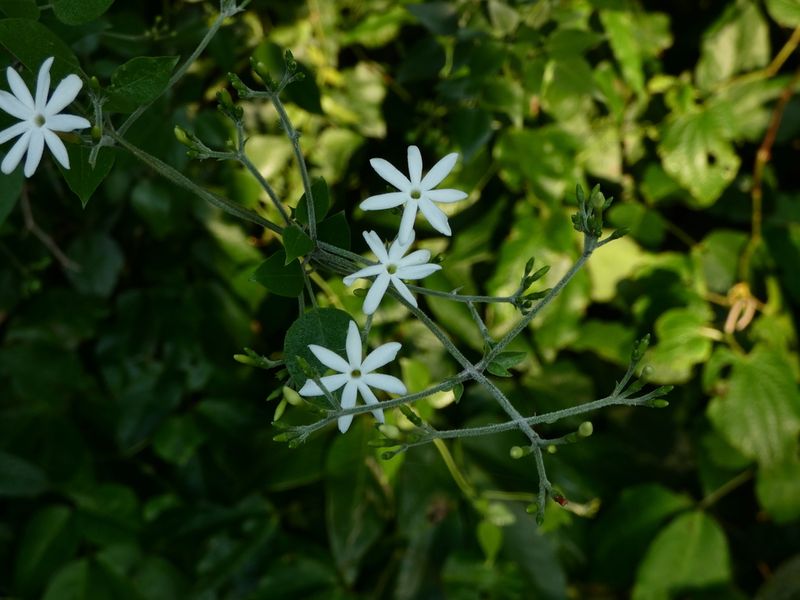
Amidst the greens of riversides, River Jasmine stands out with its exquisite white blooms. Known for its resilience, this plant flourishes in well-drained soil and partial sunlight. Its cascading flowers and lush foliage make it a captivating choice for gardeners seeking a touch of elegance.
Interestingly, the River Jasmine’s growth is reminiscent of water lilies, with a penchant for moisture-rich environments. To cultivate it successfully, ensure regular watering and occasional pruning for shape.
This unique jasmine variant thrives when supported by trellises, adding vertical interest and a fragrant allure to any garden space.