
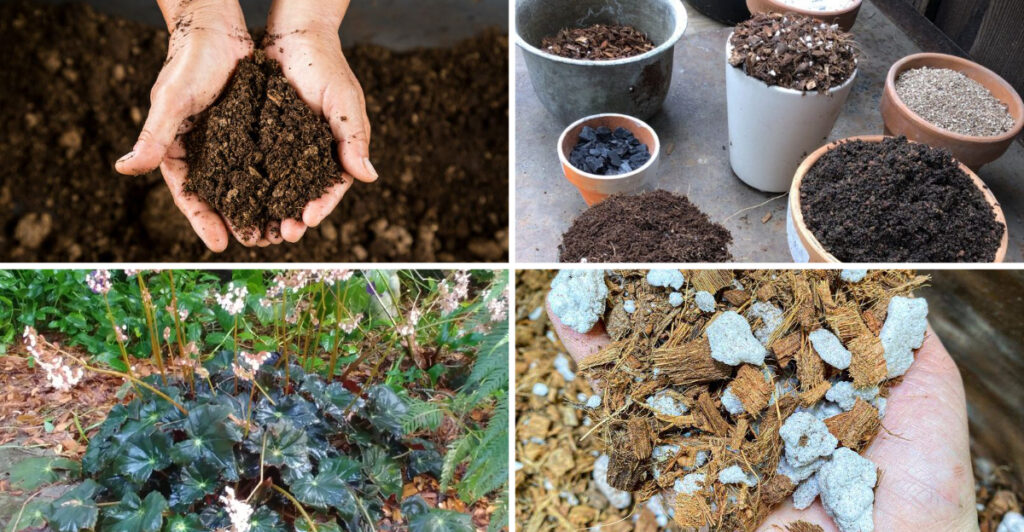
Choosing the right soil for begonias can make all the difference between a flourishing plant and a wilting disappointment. Whether you are a seasoned gardener or a curious beginner, understanding the unique needs of begonias will help you cultivate stunning blooms. Here are five soil options that can transform your begonia-growing experience.
Peat Moss Enriched Soil
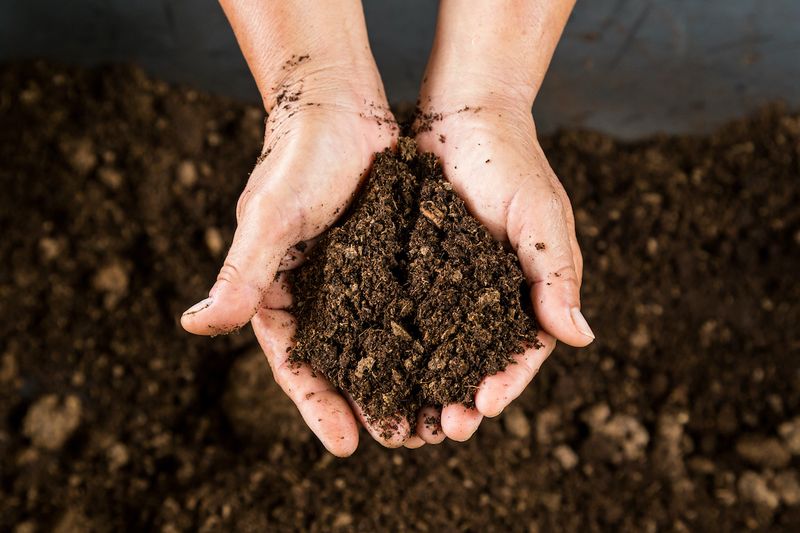
Peat moss is a game-changer for those looking to enhance their begonia’s growth. Its ability to retain moisture whilst providing excellent aeration makes it an ideal component. Perfect for environments where humidity control is a must, peat moss ensures your begonias are never thirsty.
Interestingly, peat moss is a natural product harvested from sphagnum bogs, giving it a unique texture and color. This organic material is not only easy to work with but also environmentally friendly when sourced responsibly. However, it’s vital to balance it with other ingredients to avoid too much acidity. Using peat moss can make a noticeable difference in your begonia’s health and vibrancy.
Perlite-Infused Mix
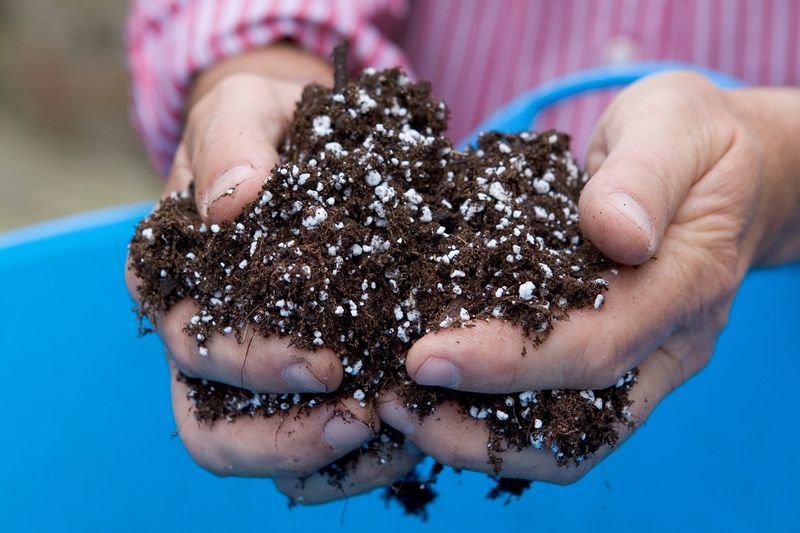
Imagine tiny pearls nestled in your soil—that’s perlite. This volcanic glass is transformed into a lightweight soil amendment that promotes drainage and prevents compaction, a common enemy of healthy begonias. A must-have for those aiming for a balanced soil structure.
The beauty of perlite lies in its versatility. It allows you to maintain the perfect balance of water retention and drainage. Gardeners often pair it with other soil amendments to tailor the soil mix to their liking. Moreover, its neutral pH ensures that it doesn’t alter the delicate balance your begonias require.
Coco Coir Blends
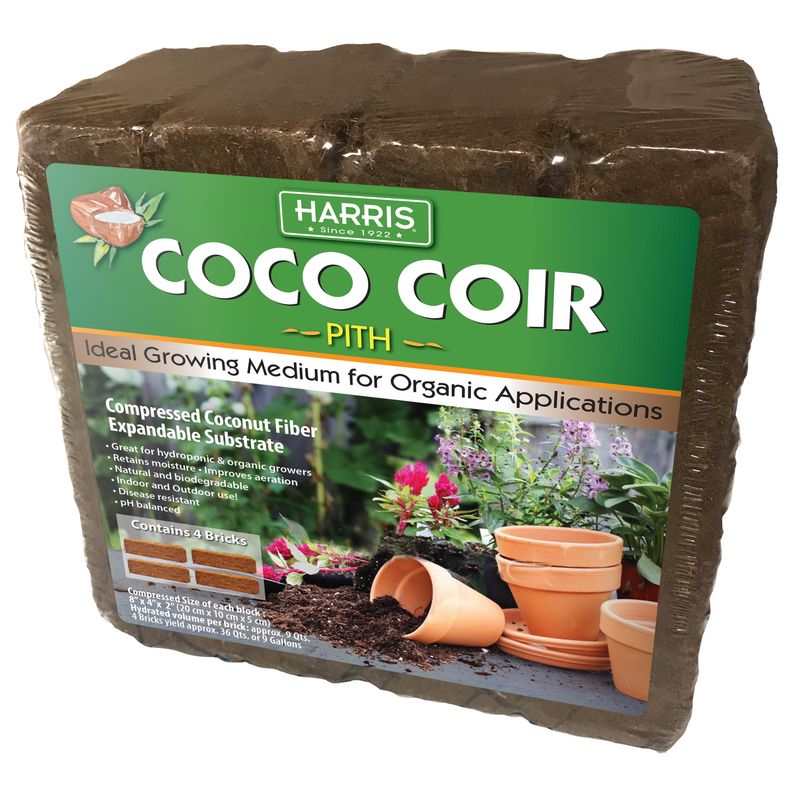
Coco coir, derived from coconut husks, is making waves among begonia enthusiasts. Its sustainable nature and excellent water retention capabilities make it a fantastic alternative to peat moss. Coco coir is known for its ability to provide a breathable medium while holding moisture evenly.
This eco-friendly option is perfect for gardeners looking to reduce their environmental impact. The natural fibers allow roots to breathe, and its lightweight nature makes handling a breeze. A note of interest: unlike peat, coco coir doesn’t compact over time, ensuring long-lasting performance.
Compost-Rich Loam
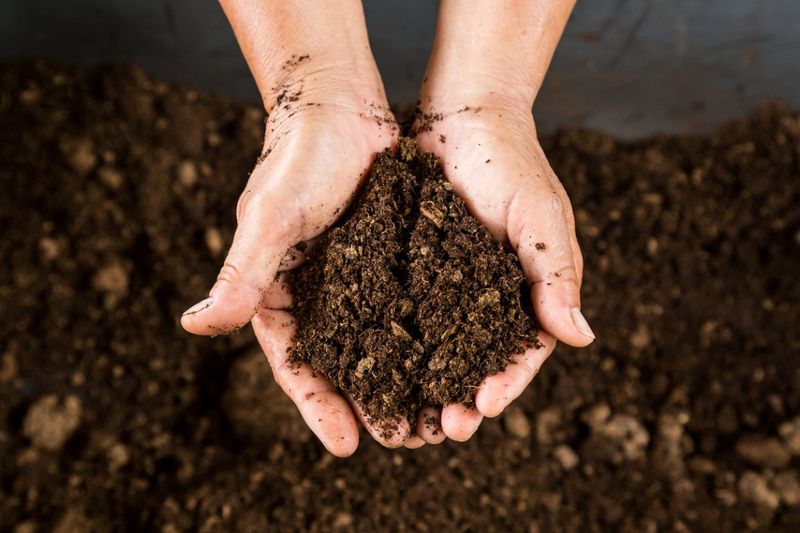
A classic choice with a twist, compost-rich loam offers a nutrient-packed option for your begonias. This soil type provides a well-balanced mix of sand, silt, and clay, enhanced by nutrient-rich compost. It’s the all-in-one solution for gardeners aiming for complete nourishment.
The organic matter within the loam feeds the plants continuously, ensuring they thrive throughout the growing season. An added bonus? The compost attracts beneficial microorganisms that further enrich the soil and promote root health.
Bark-Based Potting Mix
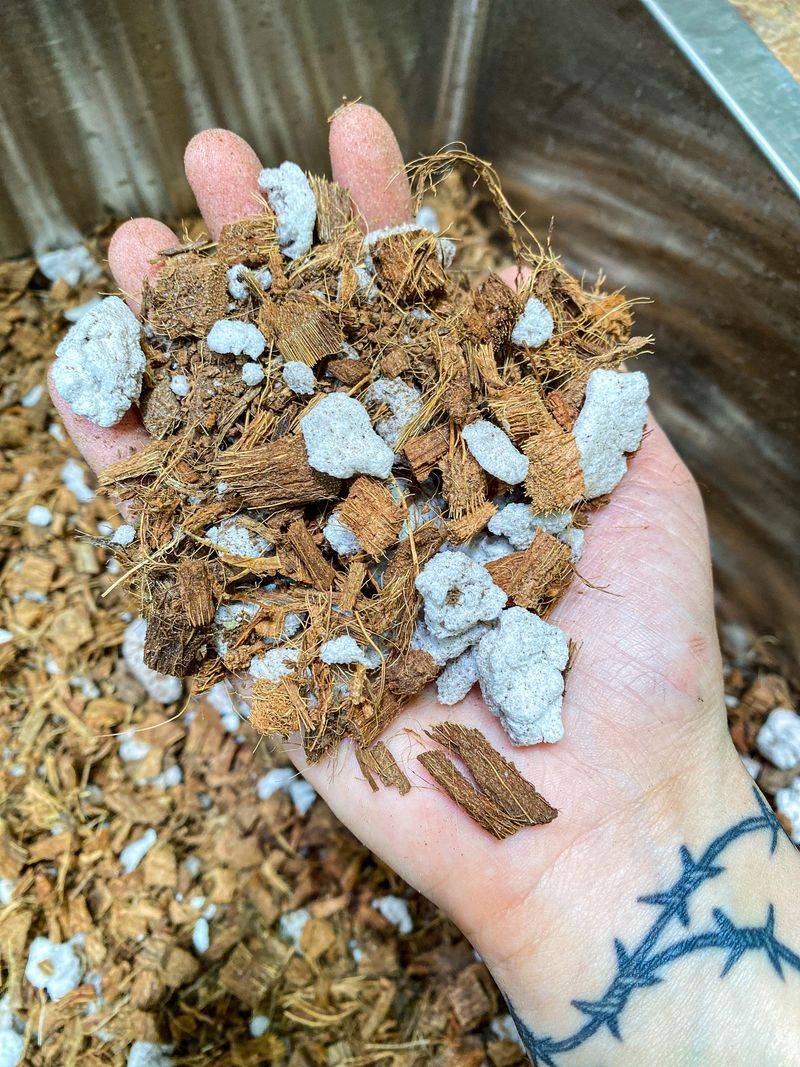
For those who crave something different, a bark-based potting mix offers an intriguing alternative. The chunky texture of bark chips allows for excellent drainage, ideal for preventing root rot in begonias. This mix is particularly effective for potted begonias that need a quick-drying medium.
Bark’s unique texture provides a tactile delight to gardeners who enjoy hands-on planting. Moreover, the natural oils in the bark can deter pests, adding an extra layer of protection for your beloved plants. This mix is a hit among urban gardeners with limited space but high aspirations.
Vermiculite-Enhanced Mix
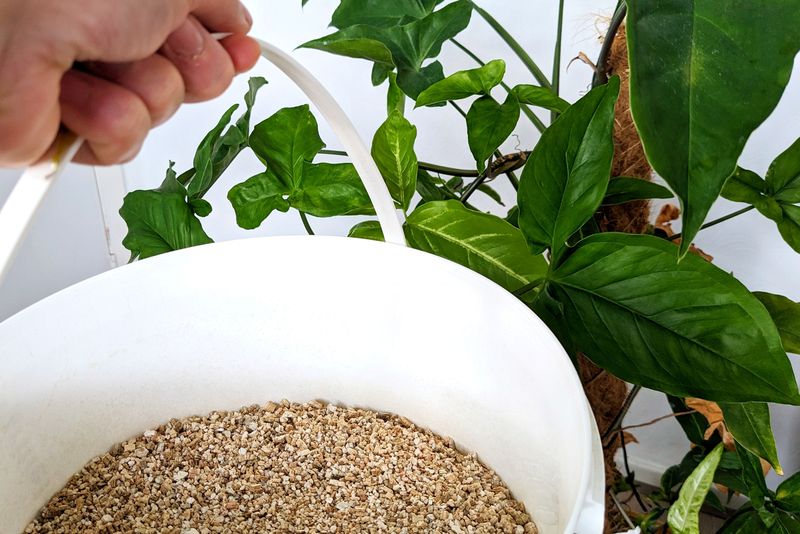
Ever wondered why some begonia plants appear more vibrant than others? The secret might be in vermiculite. This mineral optimizes moisture retention while improving aeration.
Incorporating vermiculite into your soil mix ensures water reaches the roots without waterlogging. This balance is vital for begonias, which prefer consistently moist but well-drained conditions.
Moreover, vermiculite’s ability to slowly release nutrients further benefits growth. Did you know? Vermiculite’s first significant use was in 1940 when it proved invaluable during World War II. Today, it’s a gardener’s ally, especially for begonias.
Sand-Infused Substrate
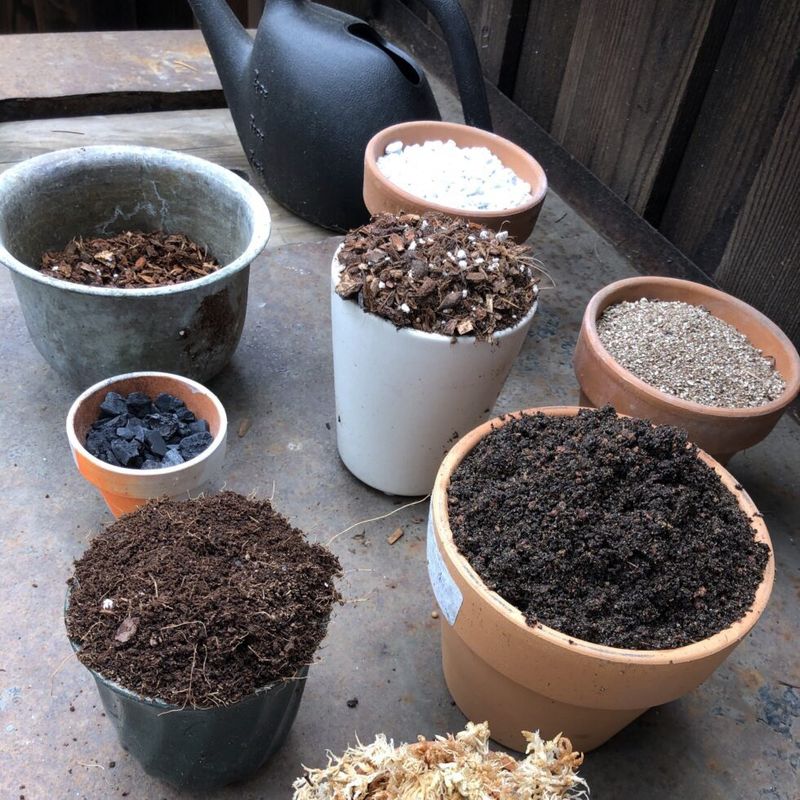
Have you ever tried adding sand to your begonia’s soil mix? It might just be the game-changer you need. Sand aids drainage, which is crucial for preventing root rot in begonias.
Unlike dense soils, sand allows for a freer movement of water and air, creating an ideal environment. This ensures roots are oxygenated, promoting healthy growth.
Interestingly, ancient Egyptians used sand to enrich soil for cultivation. Incorporating sand offers your begonias a touch of history and a healthier growing medium.
Charcoal-Based Mix
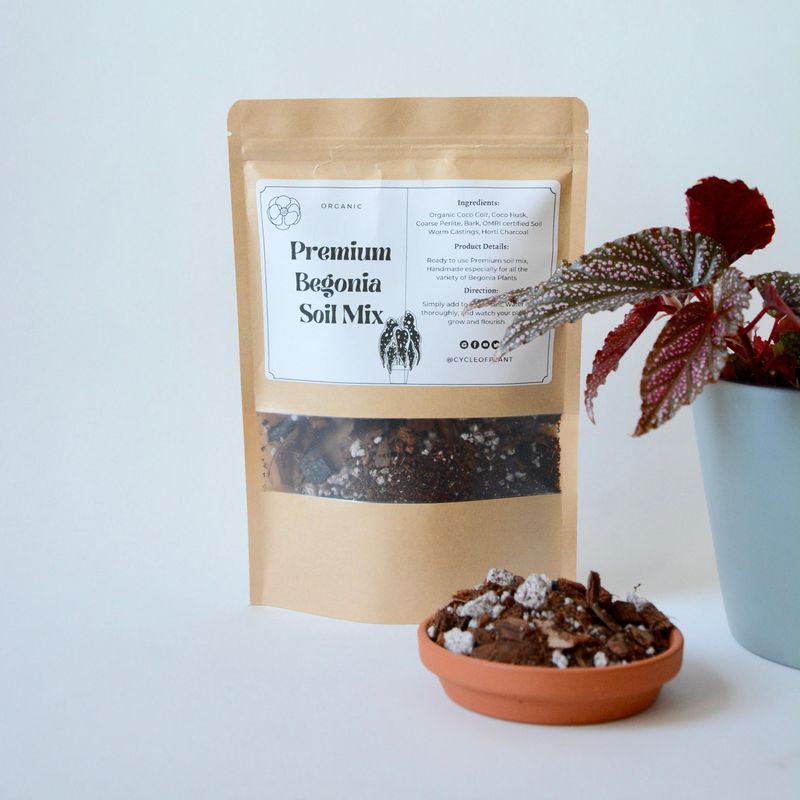
Charcoal isn’t just for grilling; it’s a formidable ally in begonia care. Known for its detoxifying properties, charcoal helps eliminate toxins and excessive moisture.
This aspect is particularly beneficial for begonias, ensuring their roots remain healthy and free from decay. Furthermore, charcoal’s porous nature maintains a balanced pH, crucial for nutrient uptake.
With a history dating back to ancient India for purification purposes, charcoal offers your begonias both modern benefits and a touch of antiquity.
Pine Needle Amendment
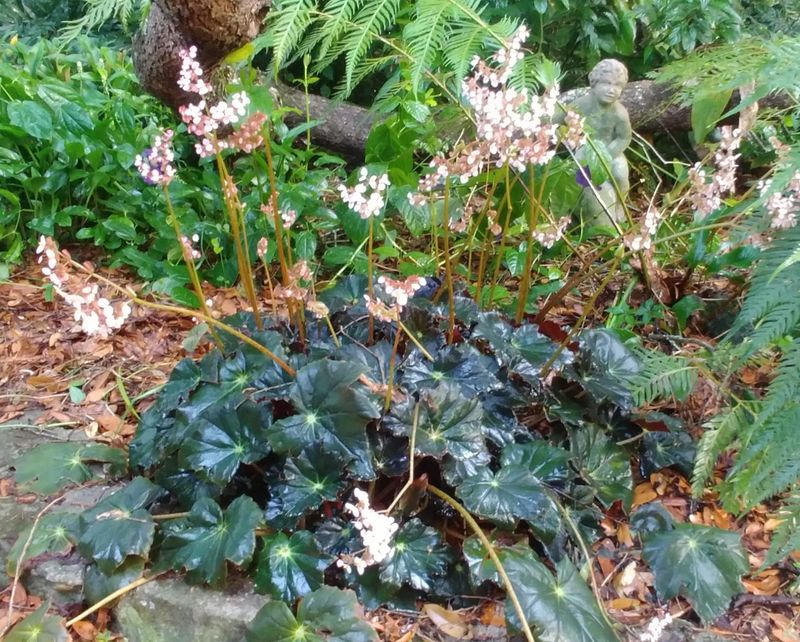
Pine needles might seem unconventional, but they offer a surprising benefit to begonia soil mixes. These natural wonders gradually acidify the soil, aligning with begonia’s preference for slightly acidic environments.
In addition to their acidifying properties, pine needles enhance soil aeration, promoting healthier root systems.
Historically, pine needles were used by Native Americans for bedding and soil enrichment, showcasing their versatility. Embrace this natural approach for thriving begonias.
Rice Hull Supplement
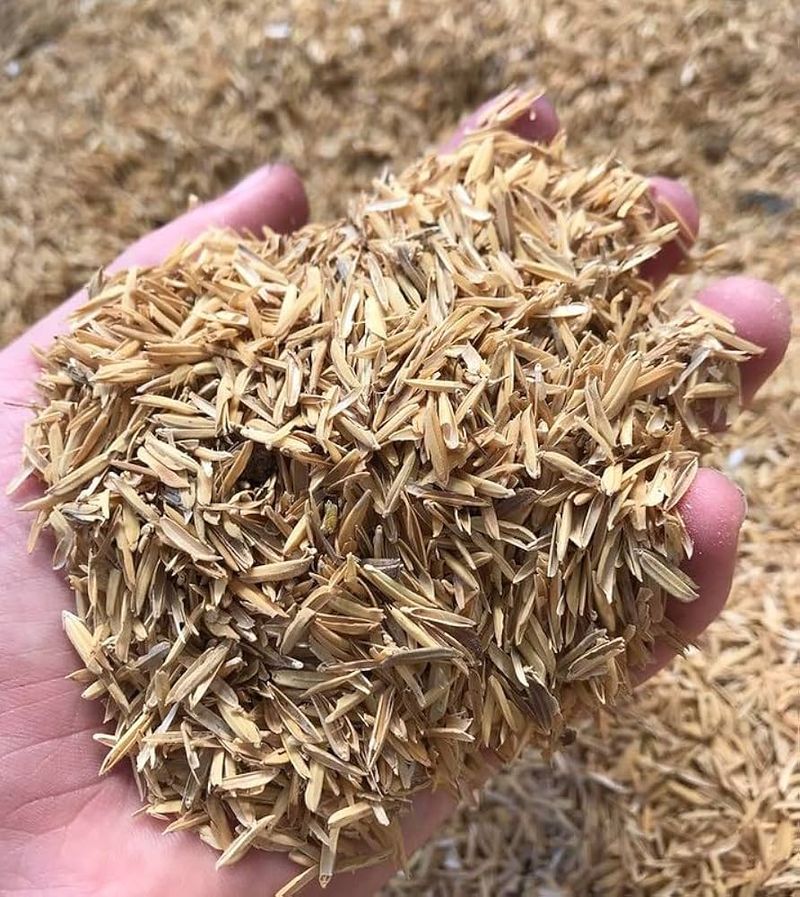
Rice hulls are often overlooked, yet they offer significant advantages for begonia soil. Lightweight and airy, rice hulls improve drainage and reduce soil compaction.
This ensures that water reaches the roots without stagnation, crucial for begonia health. Additionally, rice hulls decompose slowly, providing longer-lasting benefits compared to other organic materials.
Did you know? Rice hulls have been used in agriculture for centuries, particularly in Asia. Their addition can elevate your begonia care to new heights.
Expanded Clay Pellets
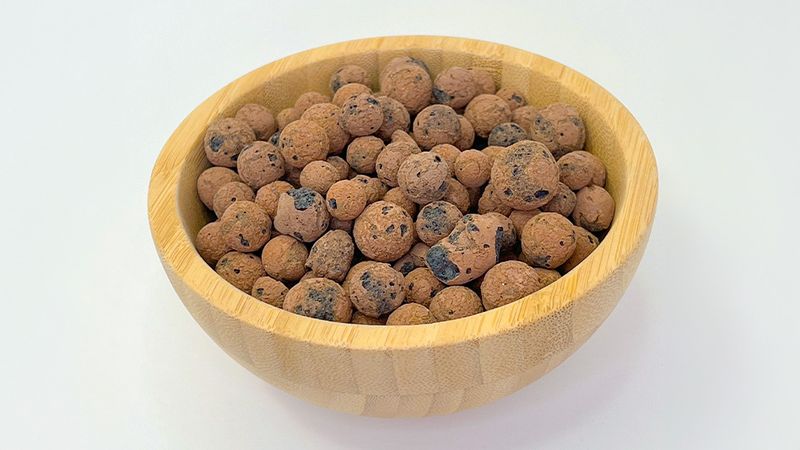
Expanded clay pellets offer a unique solution for begonia enthusiasts. These lightweight, rounded balls provide excellent aeration and drainage, essential for healthy root systems.
Their structure prevents waterlogging, while simultaneously ensuring nutrients are available to the roots. A fascinating aspect is their reusability, making them an eco-friendly option.
Originally developed in Scandinavia, these pellets have gained popularity worldwide. Embrace this innovative approach for flourishing begonias.
Zeolite-Infused Soil
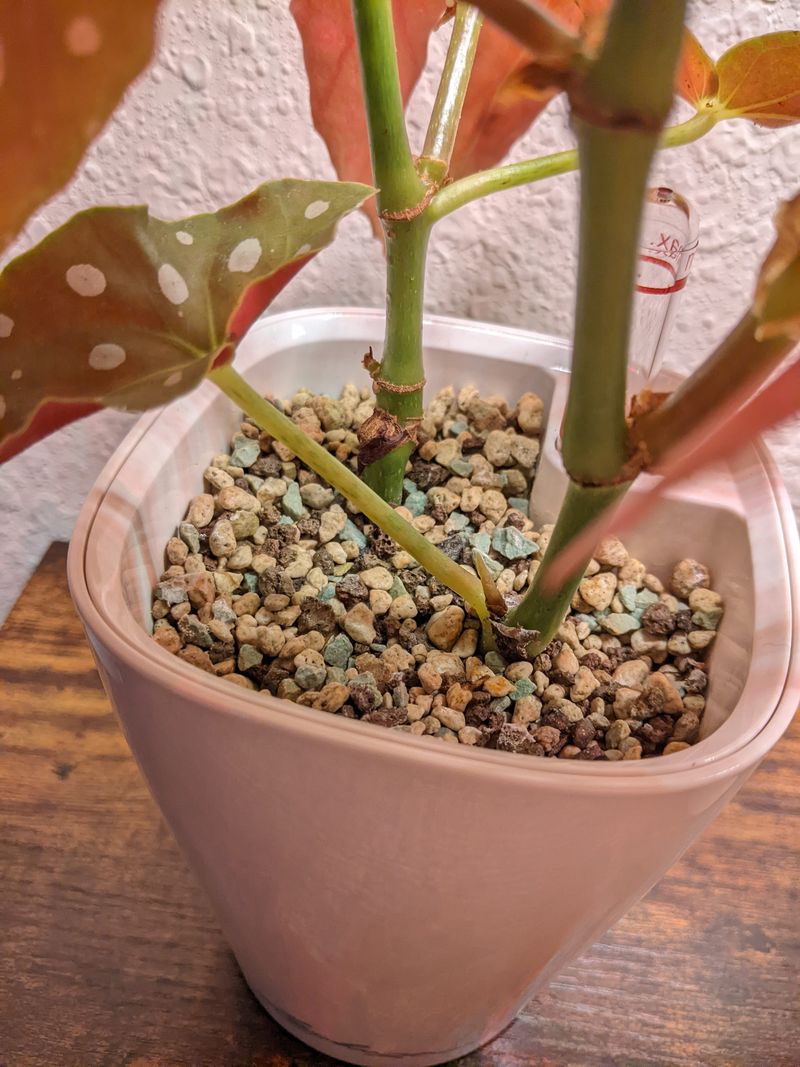
Zeolite, a natural mineral, offers numerous benefits for begonia soil. Its crystalline structure enhances cation exchange capacity, improving nutrient availability.
For begonias, this means more efficient nutrient uptake, resulting in vibrant growth. Additionally, zeolite aids in moisture regulation, preventing both drought and overwatering.
This mineral’s origins trace back to volcanic activity, adding an intriguing geological aspect to your garden. Give your begonias a mineral boost with zeolite.
Sphagnum Moss Mixture
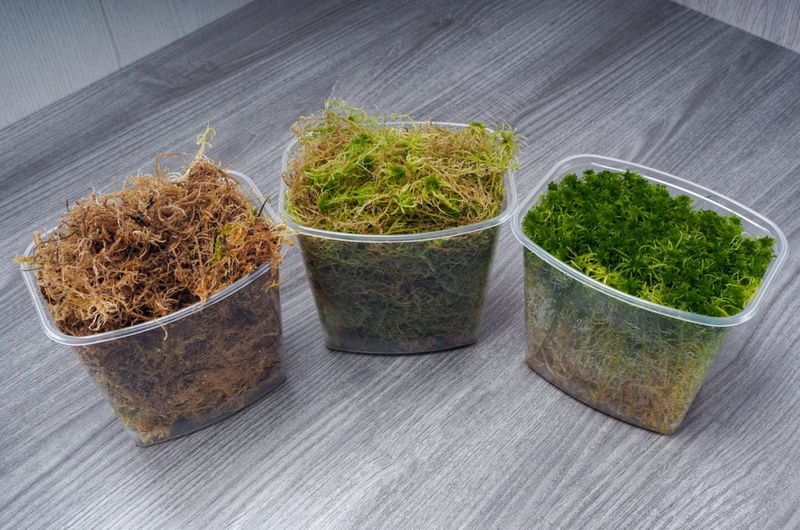
Sphagnum moss, with its spongy texture, works wonders in begonia soil mixes. It retains moisture while allowing for excellent drainage, crucial for preventing root issues.
This dual action ensures begonias receive consistent hydration without the risk of waterlogging. Furthermore, sphagnum moss gradually decomposes, enriching the soil with organic matter.
Historically, sphagnum moss has been used in wound care due to its antiseptic properties. Invite this time-tested material into your begonia care routine.
Pumice Addition
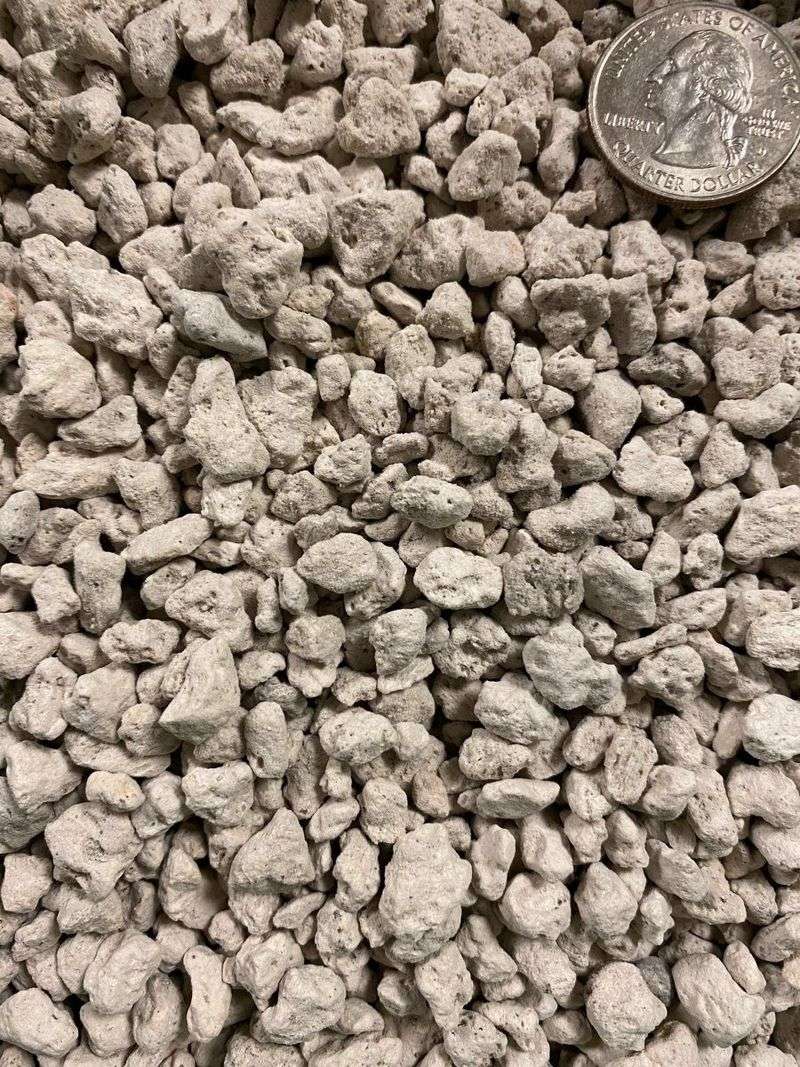
Pumice, a volcanic rock, is a gem for begonia soil enhancement. Its porous nature improves aeration and drainage, supporting robust root systems.
Pumice also prevents soil compaction, ensuring roots have room to grow freely. This aspect is pivotal for begonias, which thrive when their roots are unrestricted.
Originating from volcanic eruptions, pumice brings a piece of Earth’s fiery history to your garden. Boost your begonias’ vitality with this natural addition.
Leaf Mold Enrichment
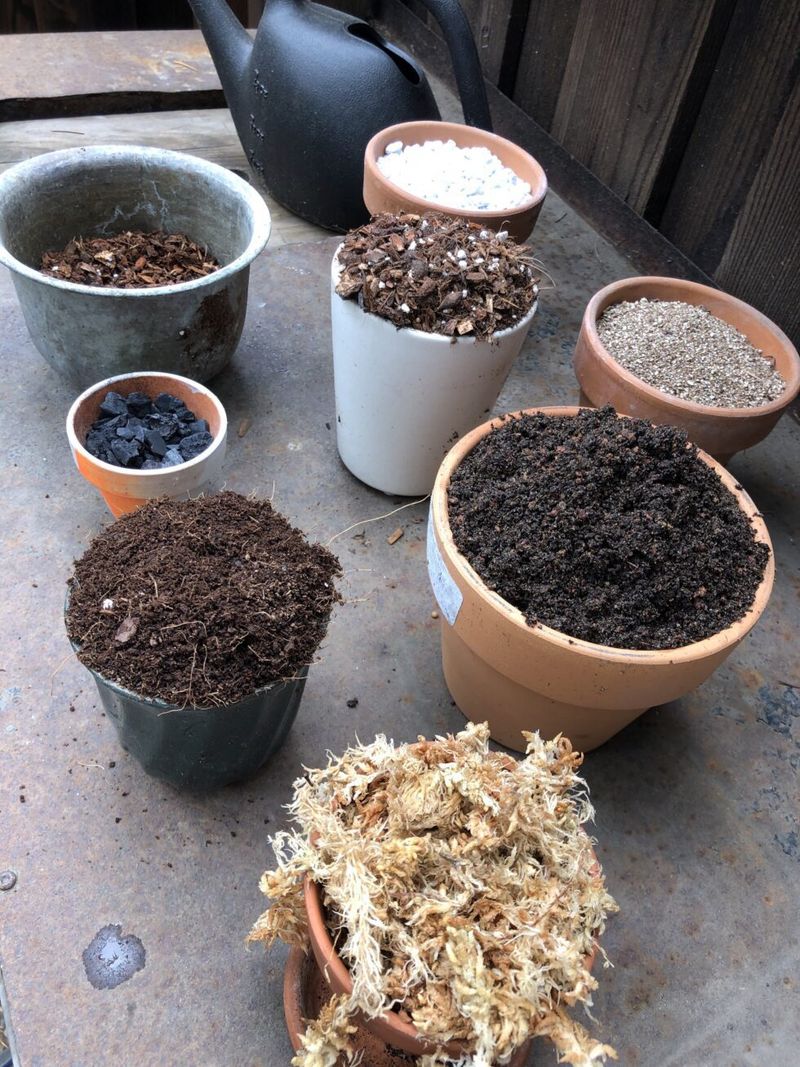
Leaf mold, a gardener’s secret weapon, offers remarkable benefits for begonia soil. Created from decomposed leaves, it enhances soil structure and moisture retention.
This organic amendment ensures begonias receive consistent hydration while improving soil aeration. Moreover, leaf mold introduces beneficial microorganisms, fostering a healthy ecosystem.
Historically used in English gardens, leaf mold has been cherished for its nurturing qualities. Enrich your begonia’s environment with this timeless treasure.