
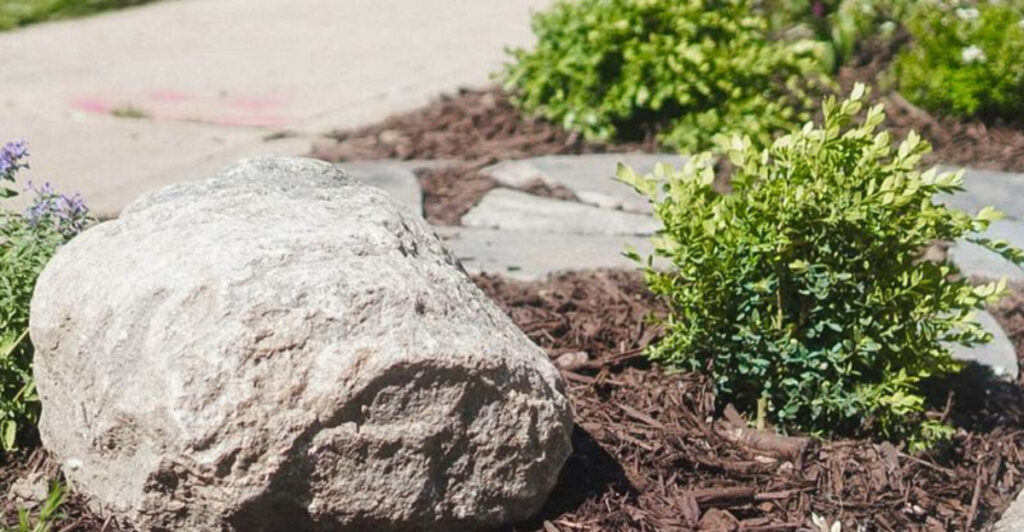
Creating a low-maintenance yard doesn’t mean sacrificing beauty or functionality. With these 18 tips, you can enjoy a stunning outdoor space that requires minimal upkeep. Explore innovative ideas that cater to different styles, climates, and preferences.
1. Artificial Grass
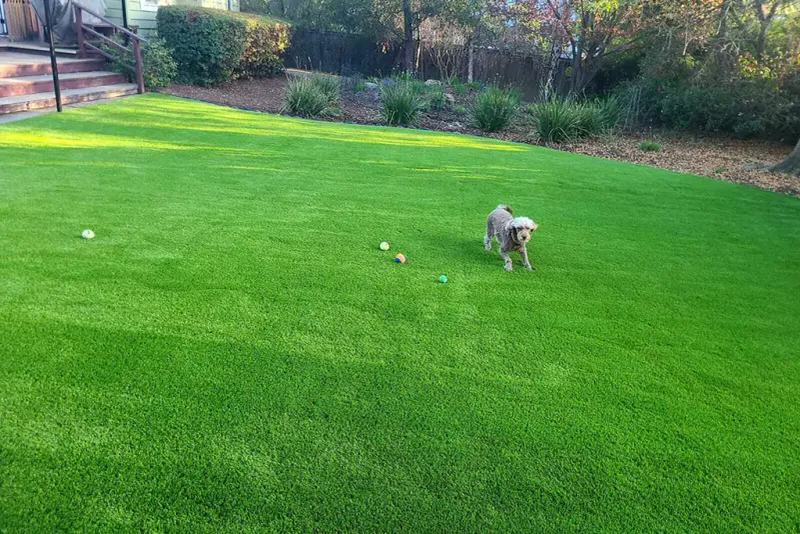
Artificial grass offers the appeal of a lush lawn without the hassle of constant care. It stays green year-round and requires no mowing, watering, or fertilizing. Plus, it’s perfect for families with children or pets, as it can withstand heavy foot traffic.
Imagine a lawn that remains pristine through summer droughts and winter chills alike. You can reclaim your weekends, no longer tethered to the chores of lawn maintenance.
Additionally, artificial grass has come a long way in appearance, mimicking the natural look and feel of traditional lawns.
2. Perennial Plants
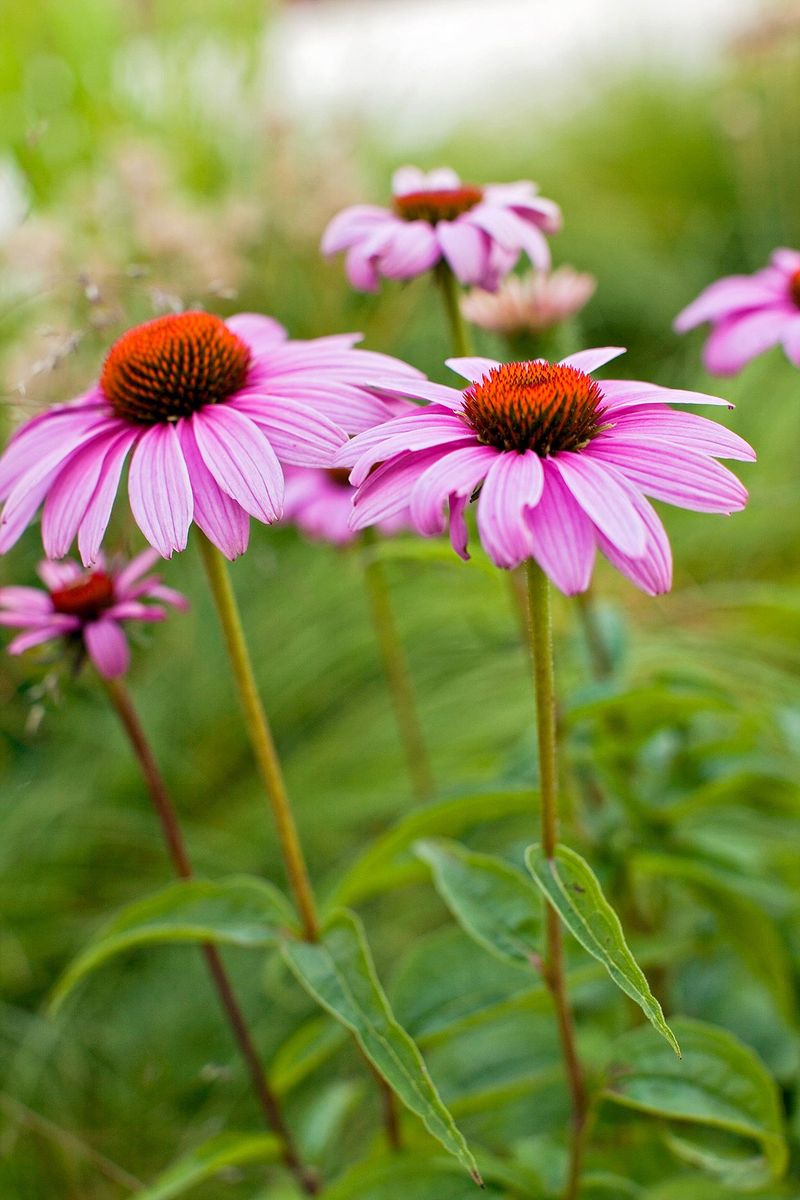
Perennial plants are a gardener’s best friend when aiming for a low-maintenance yard. These hardy plants return year after year, offering vibrant blooms without the need for replanting each spring. Their resilience makes them an ideal choice for any climate.
Perennials like hostas, daylilies, and peonies provide structure and color to garden beds with minimal effort. They adapt easily, requiring less watering and fertilization.
With perennials, you can create a dynamic landscape that evolves over time, offering new surprises with each season’s growth.
3. Mulch Beds
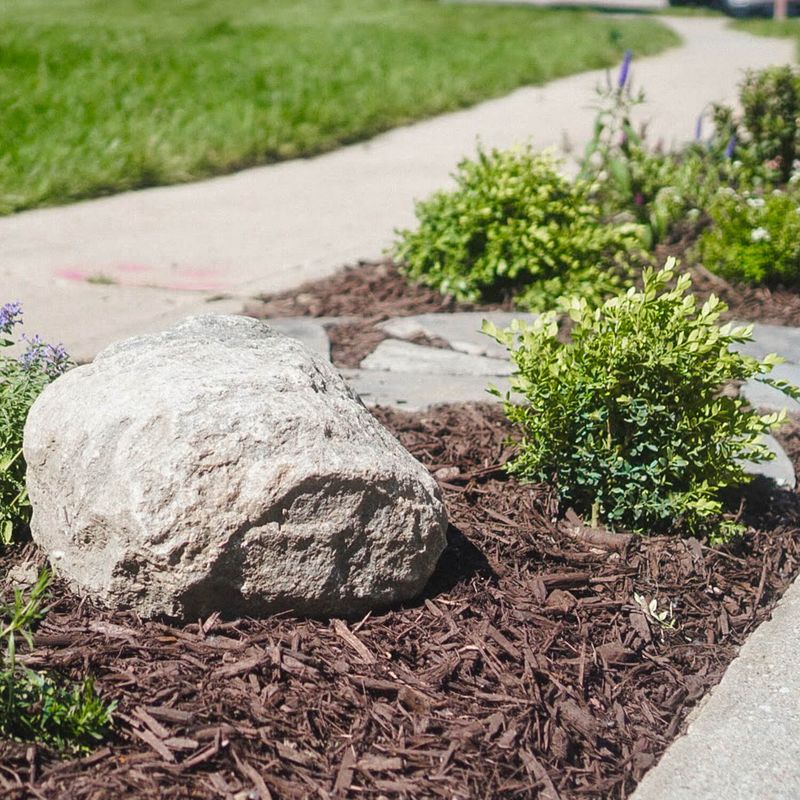
Mulch isn’t just for aesthetics—it’s a powerhouse in low-maintenance gardening. By covering soil with mulch, you reduce weeds, retain moisture, and regulate temperature. This means less watering and weeding for you.
Mulch also enriches the soil as it breaks down, providing nutrients to your plants. Choose organic mulch for an eco-friendly option that enhances your garden’s health.
Besides its practical benefits, mulch gives garden beds a neat, polished look, elevating the overall appeal of your outdoor space with minimal effort.
4. Native Plants
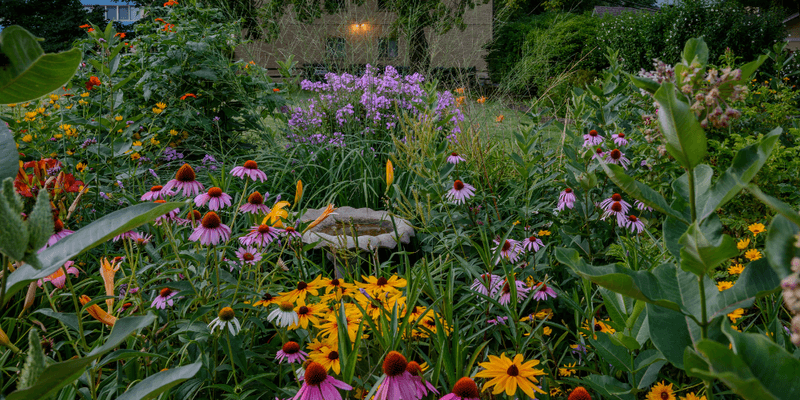
Native plants are key to a sustainable, low-maintenance yard. They are adapted to local climates and soil conditions, meaning they require less water, fertilizer, and pesticides to thrive.
These plants support local wildlife like bees, butterflies, and birds, adding life to your garden. Using native plants, you create a harmonious ecosystem that practically takes care of itself.
With their natural beauty and ecological benefits, native plants offer a practical solution for those looking to enjoy nature without the labor-intensive tasks of traditional gardening.
5. Gravel Pathways
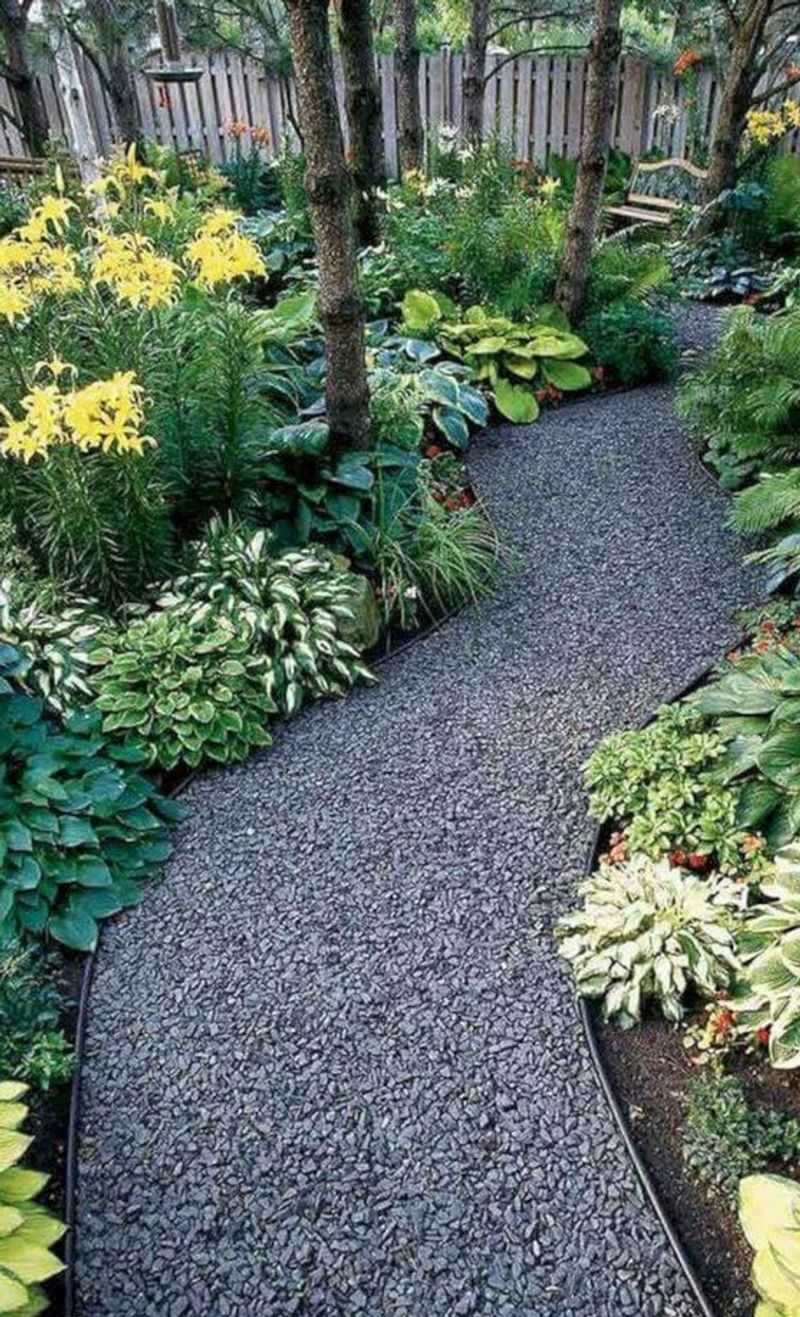
Gravel pathways combine functionality with style, offering a low-maintenance solution for garden paths. Unlike grass or paved paths, gravel requires no mowing or heavy maintenance.
These pathways allow rainwater to permeate, reducing runoff and erosion. Gravel’s natural drainage properties mean fewer puddles and less mess.
Designing with gravel can add texture and contrast to your garden, creating a visually appealing landscape with minimal upkeep. With various colors and sizes, gravel paths can be tailored to match any garden aesthetic.
6. Drought-Tolerant Plants
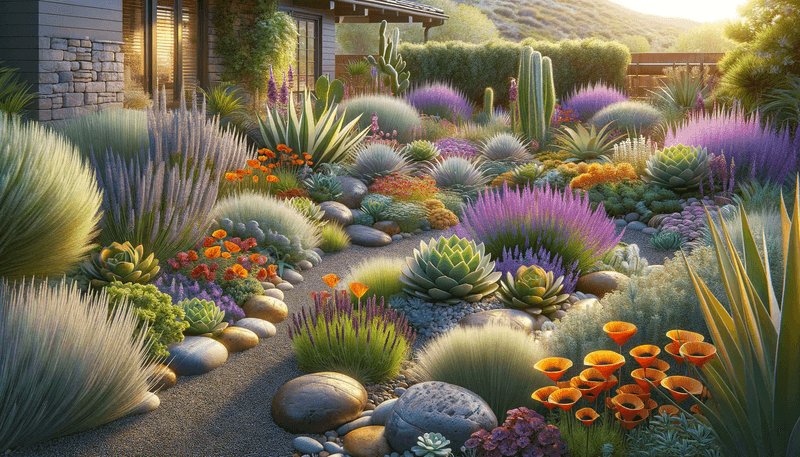
Selecting drought-tolerant plants is a wise choice for reducing water usage and maintenance. These plants thrive in dry conditions, making them perfect for regions with water restrictions or arid climates.
Succulents, lavender, and ornamental grasses are excellent examples, offering beauty with little need for irrigation. They adapt well to various soils, further reducing the need for fertilizers.
By choosing drought-tolerant species, you create a resilient garden that conserves water, lowers your utility bills, and stays vibrant even during dry spells.
7. Automatic Irrigation Systems
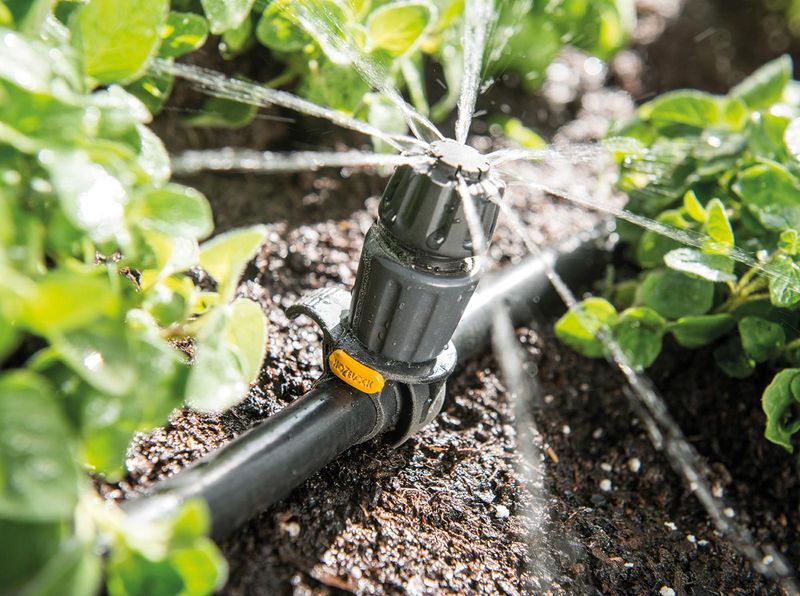
An automatic irrigation system takes the guesswork out of watering your garden. By automating this essential task, you ensure plants receive the right amount of water, reducing waste and promoting healthy growth.
These systems can be customized to suit your garden’s needs, watering different zones at optimal times. This efficiency saves time and conserves water, aligning with sustainable gardening practices.
Imagine enjoying a thriving garden without dragging hoses or worrying about overwatering. Automatic irrigation is a game-changer for low-maintenance outdoor spaces.
8. Ground Cover Plants
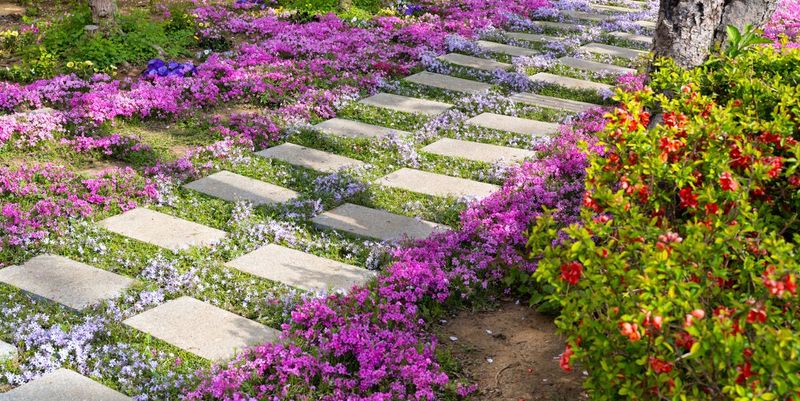
Ground cover plants are a dynamic solution for reducing yard maintenance. They spread quickly, filling gaps and suppressing weeds, thus eliminating the need for frequent weeding and mowing.
Varieties like creeping thyme and clover add visual interest with their foliage and flowers, creating a soft, textured look underfoot. These plants also stabilize soil and prevent erosion.
Incorporating ground cover into your landscape design introduces low-maintenance beauty and functionality, providing a versatile and eco-friendly alternative to traditional lawn grasses.
9. Low-Maintenance Shrubs
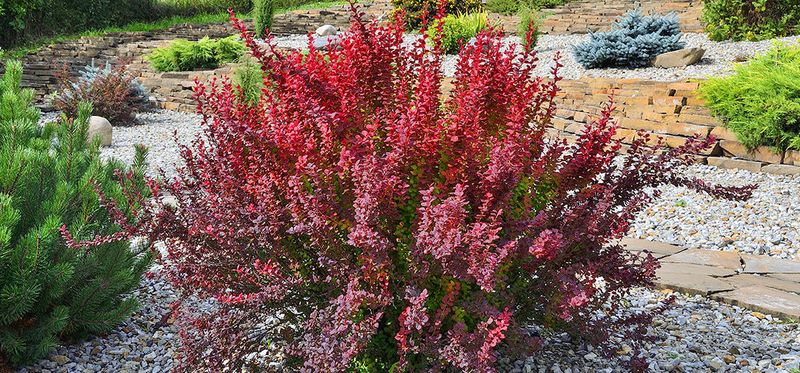
Low-maintenance shrubs are a cornerstone of easy yard care, providing structure and greenery without excessive trimming or watering. Species like boxwood, juniper, and barberry offer varied textures and colors to enhance any landscape.
These hardy shrubs resist pests and diseases, reducing the need for chemical interventions. They also serve as windbreaks, adding functional benefits to their aesthetic appeal.
With minimal pruning required, low-maintenance shrubs allow you to enjoy a manicured garden without dedicating hours to upkeep, offering a hassle-free gardening solution.
10. Compost Bins
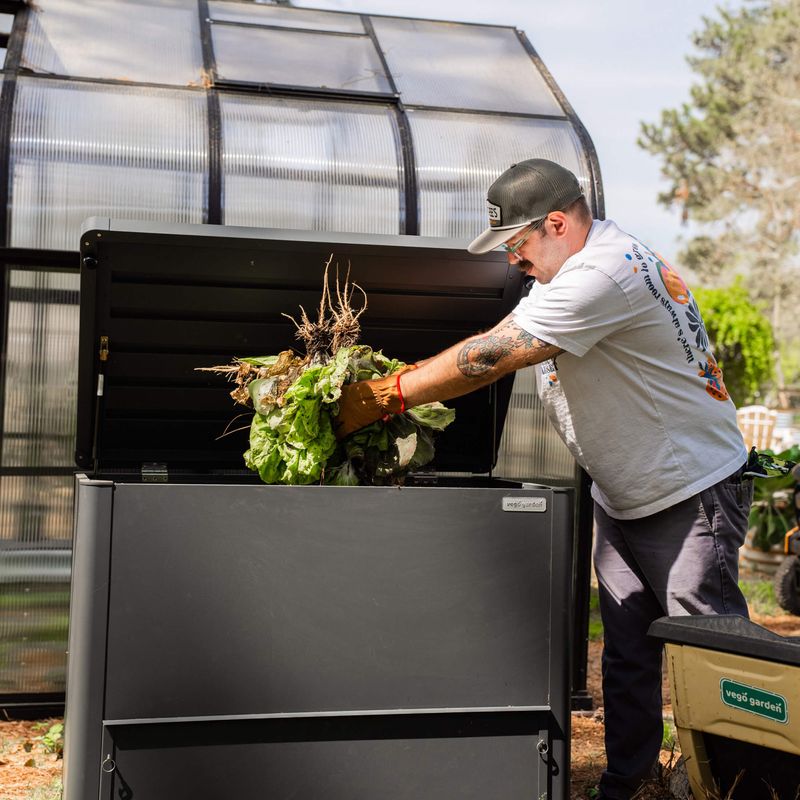
Compost bins transform kitchen scraps and yard waste into rich, nutritious soil amendments. This eco-friendly practice not only reduces waste but also enhances garden health with minimal effort.
By returning organic matter to the soil, you improve its structure, fertility, and moisture retention. Composting is a simple, sustainable way to maintain a vibrant garden without chemical fertilizers.
Setting up a compost bin is straightforward, requiring little space or investment. It reflects a commitment to green living while supporting a thriving, low-maintenance yard.
11. Rain Gardens
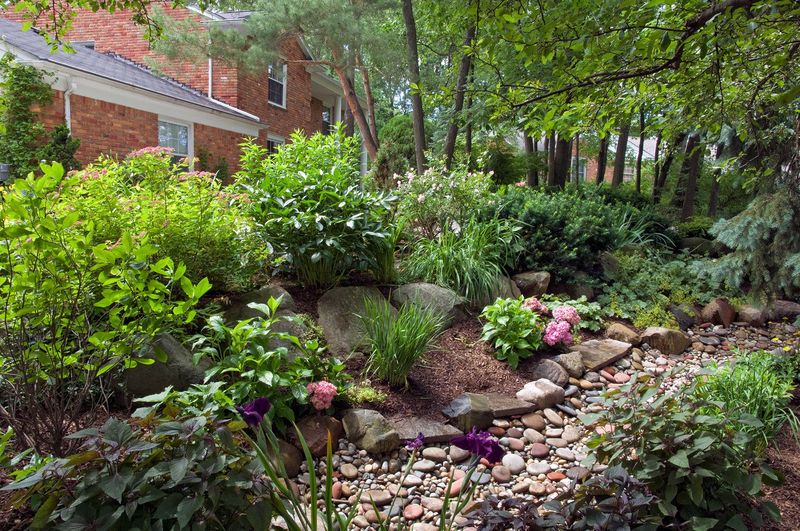
Rain gardens are designed to capture and absorb rainwater runoff, reducing erosion and pollution. Filled with native plants, they offer a low-maintenance solution that benefits both your yard and the environment.
These gardens thrive with minimal care, as the plants are chosen for their ability to flourish in wet conditions. By diverting rainwater from storm drains, rain gardens help conserve water resources.
With their natural beauty and ecological function, rain gardens are a smart choice for eco-conscious gardeners seeking to minimize yard work while supporting local ecosystems.
12. Rock Gardens
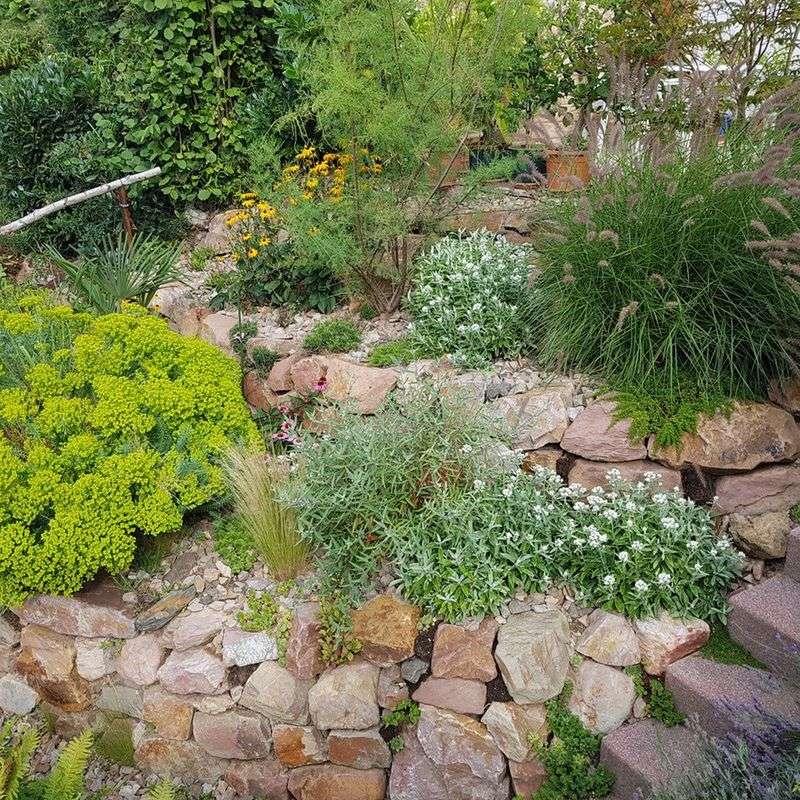
Rock gardens bring a touch of elegance to any yard, combining rocks and alpine plants for a visually striking, low-maintenance solution. These gardens require little watering and care, as they mimic natural mountain landscapes.
By choosing drought-resistant plants that thrive in rocky conditions, you create a resilient garden feature that withstands harsh weather. Rock gardens also offer excellent drainage, preventing soil erosion.
Their unique aesthetic and practical benefits make rock gardens an appealing option for those seeking beauty with minimal upkeep, enhancing the landscape with texture and natural charm.
13. Solar Lighting

Solar lighting adds a magical touch to outdoor spaces, combining beauty with practicality. These lights harness the sun’s energy during the day and illuminate your yard at night, requiring no wiring or electricity.
They are perfect for highlighting pathways, gardens, or patios, enhancing ambiance and safety with minimal maintenance. By choosing solar lights, you reduce energy costs and environmental impact.
With various styles available, solar lighting offers versatility and ease, making it a smart choice for those wanting to enjoy their yard even after the sun sets without added work.
14. No-Mow Lawn Alternatives
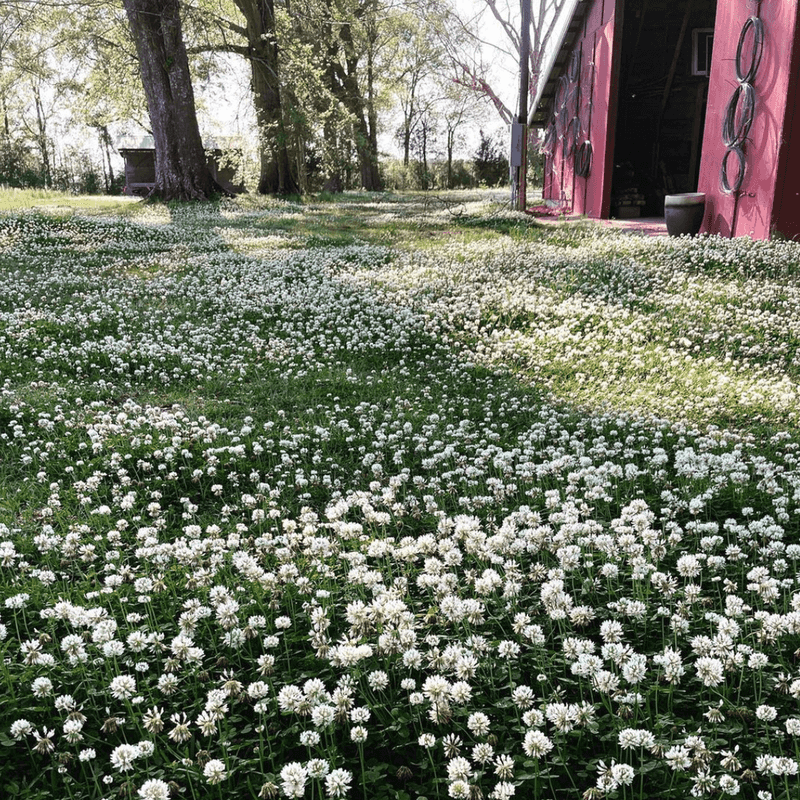
No-mow lawn alternatives provide a fresh take on traditional yards, using plants like clover or wildflowers that don’t require regular mowing. These alternatives create a natural look that’s both eco-friendly and appealing.
They support biodiversity by attracting pollinators and require less water and fertilizer than conventional grass. This means less maintenance and more time to enjoy your yard.
By embracing no-mow options, you contribute to a healthier environment while preserving the beauty of your outdoor space without the constant grind of lawn care.
15. Vertical Gardens
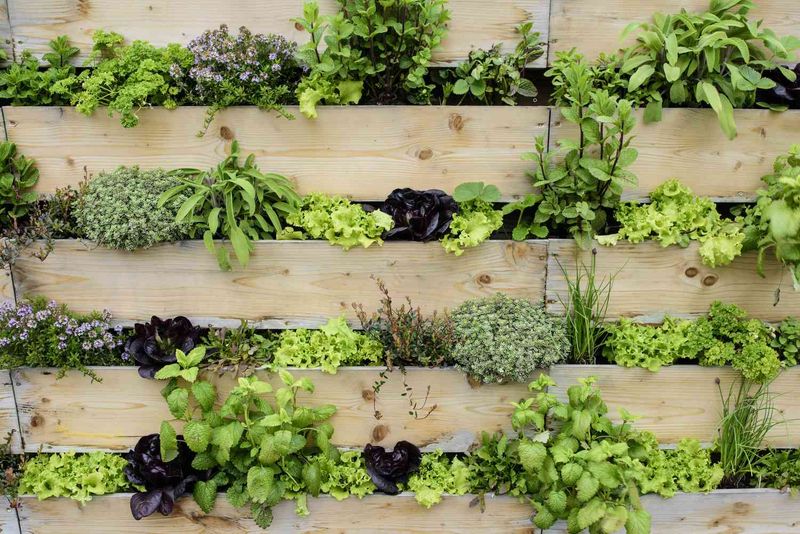
Vertical gardens are perfect for those with limited space or a desire for a unique, low-maintenance feature. These gardens maximize vertical space, growing plants upward rather than outward.
Ideal for urban environments, vertical gardens reduce clutter and make use of walls or fences. They require minimal soil and water, simplifying care and offering a striking visual presentation.
Whether filled with herbs, flowers, or vegetables, vertical gardens add lushness and life to your yard, allowing you to enjoy a garden’s benefits without extensive work.
16. Wildflower Meadows
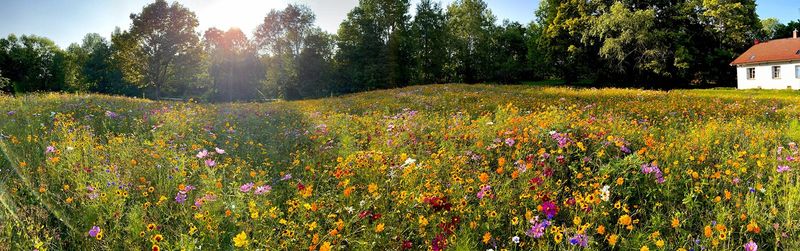
Wildflower meadows bring natural beauty and ecological benefits to your yard with little effort. They require minimal mowing and irrigation, thriving in various climates.
By planting native wildflowers, you support local pollinators and create a habitat for wildlife. These meadows add a rustic charm and burst of color to landscapes, changing with the seasons.
Easy to establish, wildflower meadows represent a sustainable choice for those who desire a lively, low-maintenance yard that connects them to nature’s cycles.
17. Hardscaping Features
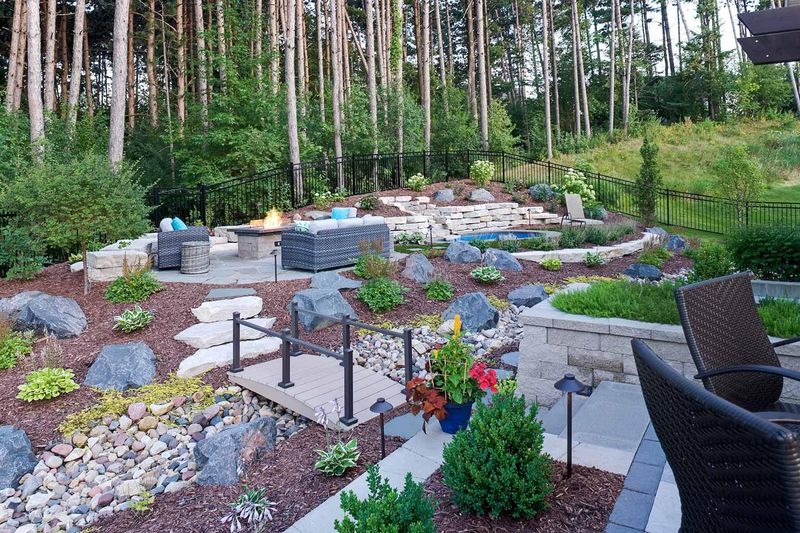
Hardscaping elements like patios, walkways, and stone walls reduce yard maintenance while adding structure and functionality. These features require no watering or mowing, offering a clean, polished look.
By integrating hardscapes, you create defined spaces for relaxation and entertainment. They provide durability and low upkeep, perfect for busy homeowners.
A well-designed hardscape can transform your yard into a personal oasis, combining style with practicality to achieve a refined, low-maintenance outdoor living area.
18. Edible Landscaping
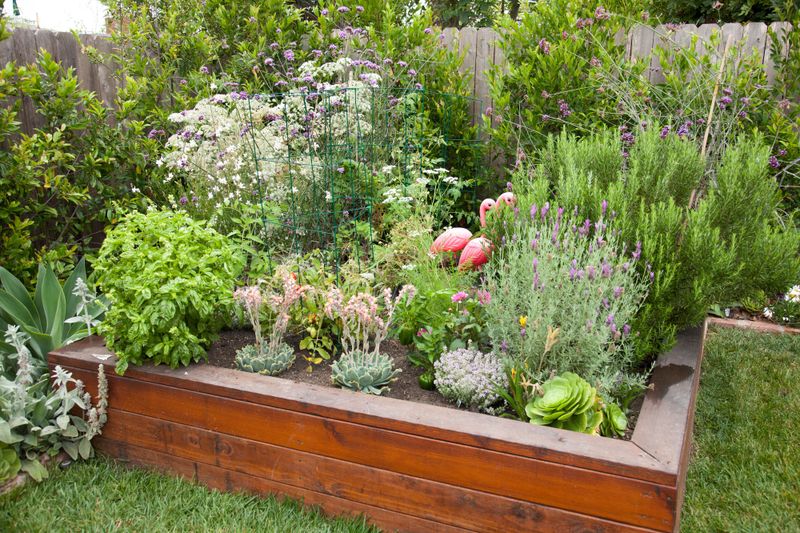
Edible landscaping merges beauty and functionality, allowing you to grow food within your garden aesthetic. It reduces grocery costs and encourages healthy eating with little effort.
By choosing low-maintenance edibles like herbs, tomatoes, and berries, you cultivate a productive garden that requires minimal care. Interplanting edibles with ornamentals adds visual interest and biodiversity.
This approach offers a rewarding experience, inviting you to savor fresh flavors while enjoying a lush landscape, blending practicality with the pleasures of gardening.