

In recent years, a captivating trend has emerged in the heart of New York’s bustling metropolis. This garden trend seamlessly blends the timeless elegance of European landscapes with the practicality and ease of low-maintenance gardening. Perfect for urban dwellers yearning for a touch of nature’s serenity, these gardens offer both aesthetic appeal and functional simplicity.
Lavender Walkways
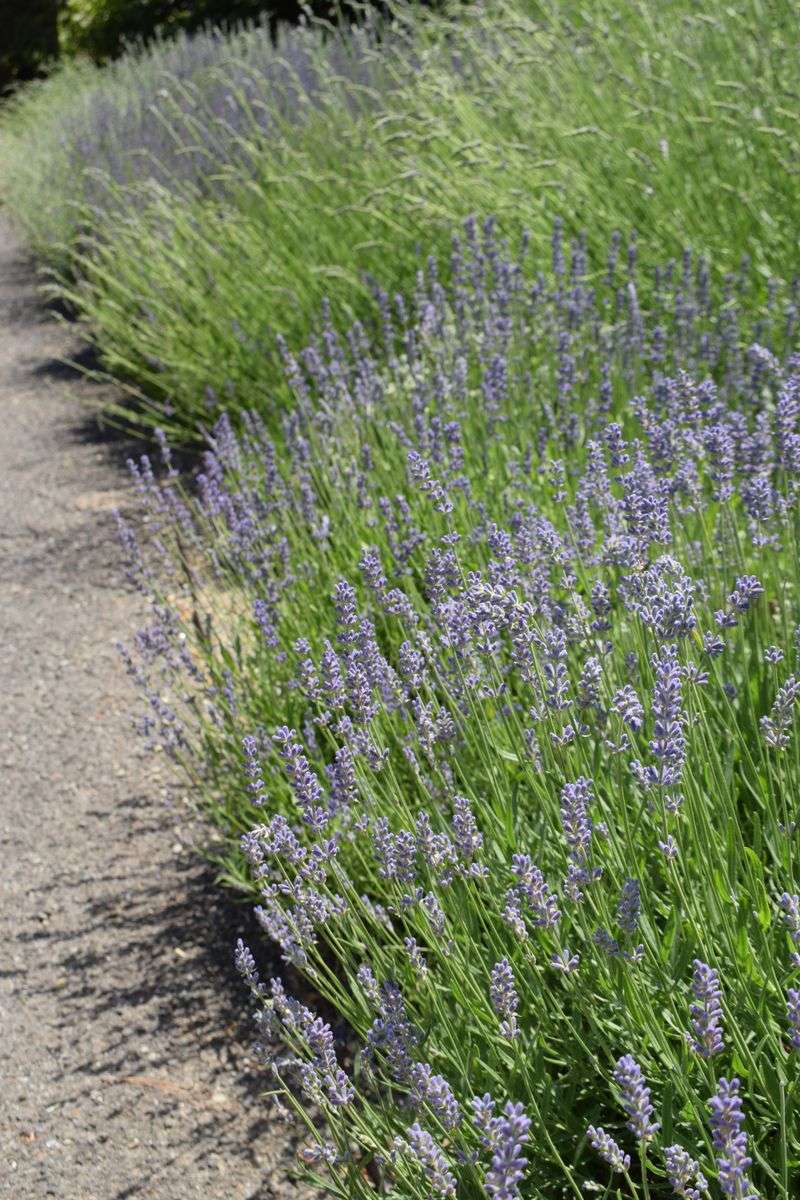
Imagine strolling through a garden where the air is perfumed with the soothing scent of lavender. These walkways, inspired by European lavender fields, are a staple in this new trend. The rich purple hue and calming aroma create a sensory experience that transports you to the French countryside.
Crafting these paths involves planting rows of lavender along slim, winding paths. This setup not only maximizes space but also ensures easy maintenance. Lavender thrives in New York’s climate, requiring minimal watering and care.
Historically, lavender symbolizes devotion and tranquility, adding a layer of meaning to these charming garden paths. The soothing effect of lavender has been cherished for centuries, making it a timeless choice for peaceful urban retreats.
Topiary Sculptures

The art of topiary brings a touch of classical European elegance to modern New York gardens. Imagine a lush green peacock gracefully perched amidst the flora, each leaf precisely trimmed to perfection. This artistry transforms ordinary shrubs into living sculptures.
Creating topiary sculptures requires patience and a creative vision. The process involves meticulously pruning and shaping plants over time to achieve the desired form. While this might seem daunting, the results reward with breathtaking beauty and a unique garden centerpiece.
Topiary art dates back to ancient Rome, where it was used to display wealth and sophistication. Today, it continues to captivate with its blend of natural beauty and artistic expression.
Vertical Gardens
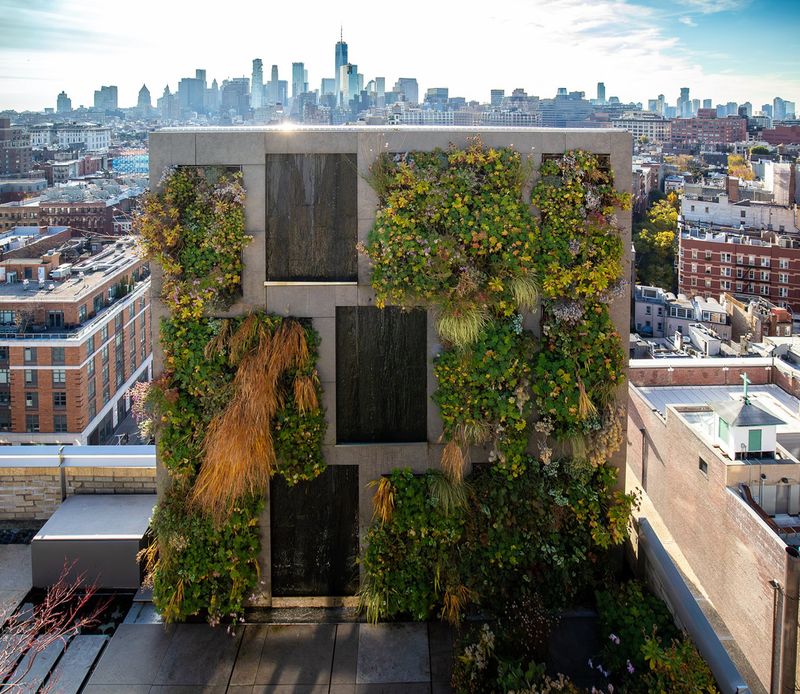
Vertical gardens are a brilliant solution for city dwellers with limited space. These living walls burst with color and texture, transforming bare surfaces into lush, green havens. Imagine a terrace where every glance reveals a cascade of greenery and blooms.
Setting up a vertical garden involves selecting a mix of plants suited for vertical growth and ensuring proper irrigation. This design maximizes space without sacrificing beauty, making it ideal for urban environments.
Intriguingly, vertical gardening has roots in ancient Babylon, with the Hanging Gardens offering an early example of this innovative approach. Today, modern design and technology have made it accessible to everyone, adding vitality to urban landscapes.
Herb Spiral
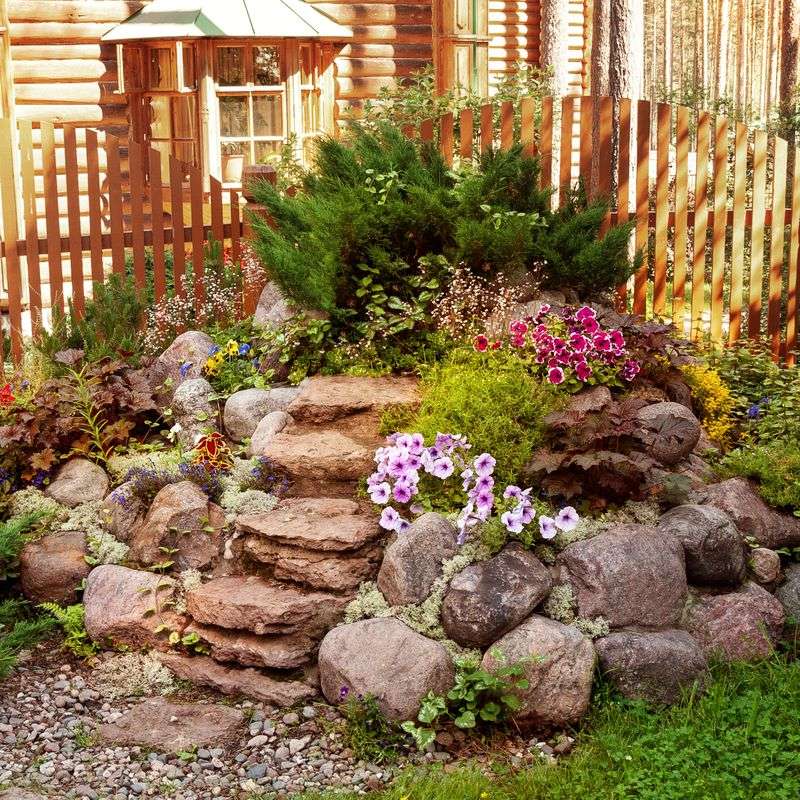
Herb spirals combine functionality with an artistic flair, offering a clever way to cultivate a variety of herbs in a compact space. Picture a rooftop garden where aromatic basil and fragrant rosemary spiral together in harmony.
These spirals are constructed by stacking soil in a helical shape, creating microclimates that suit different herbs. This arrangement optimizes sunlight and water usage, making it an eco-friendly gardening choice.
Herb spirals are inspired by permaculture principles, promoting sustainable and efficient land use. They not only provide herbs for culinary delights but also add a touch of rustic charm to urban settings.
Rustic Pergolas
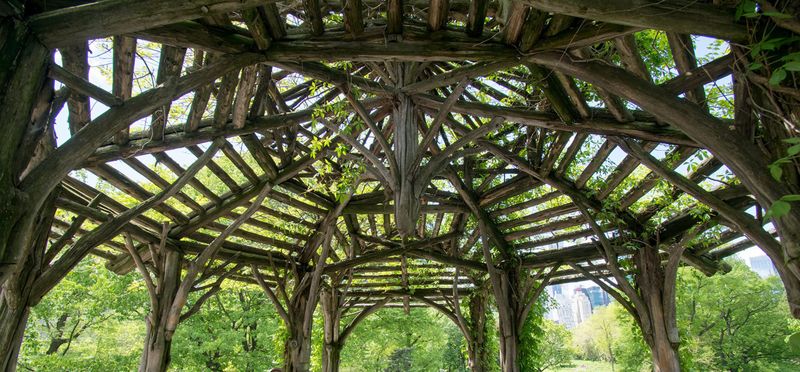
There’s something undeniably enchanting about a pergola draped with climbing roses and twinkling lights. These rustic structures offer a shaded retreat, perfect for enjoying nature’s tranquility in the midst of city life.
Building a pergola involves selecting durable wood and designing a structure that complements the garden’s landscape. When adorned with climbing plants, it becomes a focal point that enhances any outdoor space.
Rustic pergolas harken back to Renaissance Europe, where they were used in gardens to provide shade and define areas. Today, they continue to blend function with beauty, offering a romantic escape within urban gardens.