
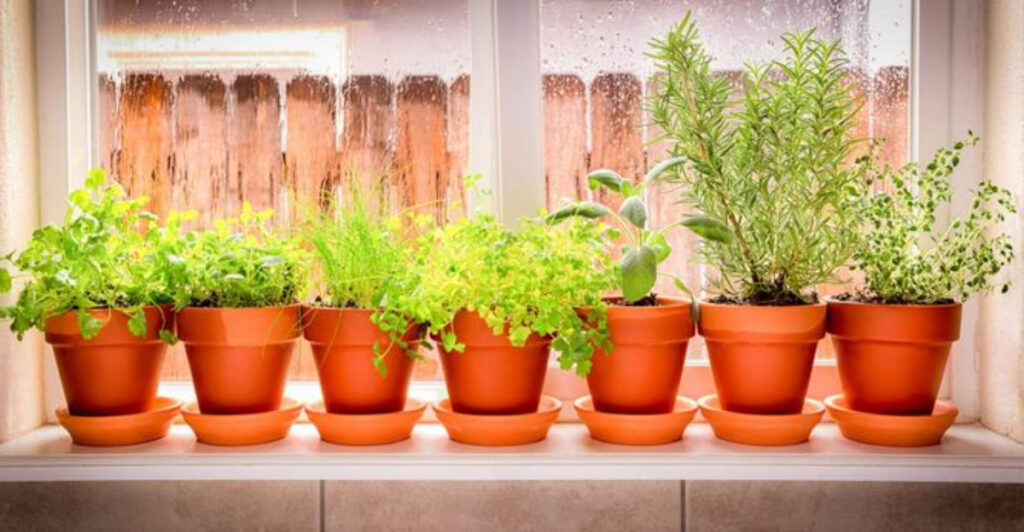
Growing herbs in urban spaces like Washington D.C. can be a rewarding experience, offering both aesthetic and culinary benefits. With limited space and unique climate conditions, choosing the right herbs and methods is crucial. This guide explores seven practical ways to cultivate herbs in the bustling environment of the nation’s capital.
1. Container Gardening
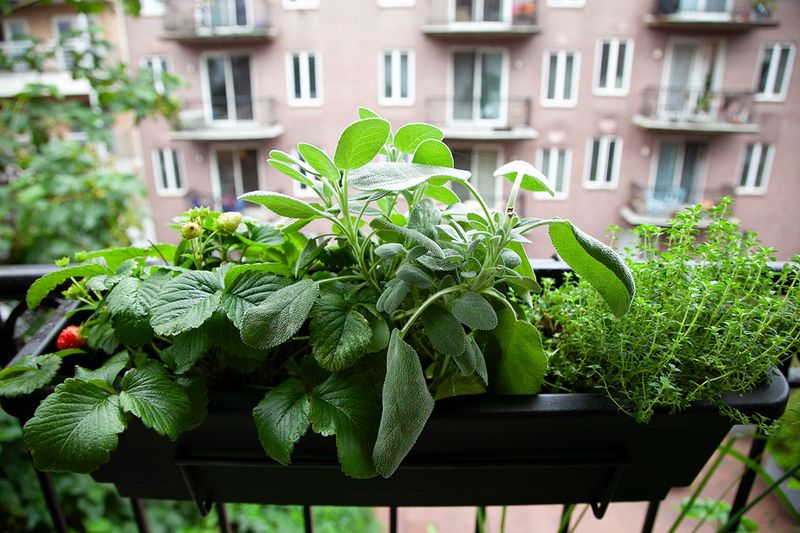
Container gardening offers an excellent way to grow herbs in limited spaces. By utilizing pots or planters, residents can transform their balconies or patios into a green oasis. Herbs like basil, mint, and cilantro thrive in containers, providing fresh flavors for urban kitchens.
A well-drained soil mix and regular watering are essential for healthy growth. Always choose containers with drainage holes to prevent waterlogging. The flexibility of moving pots ensures that herbs receive enough sunlight throughout the year.
Did you know? Thomas Jefferson was an avid gardener and advocate for growing herbs at home. His passion can inspire modern urban gardeners in D.C.
2. Vertical Gardens
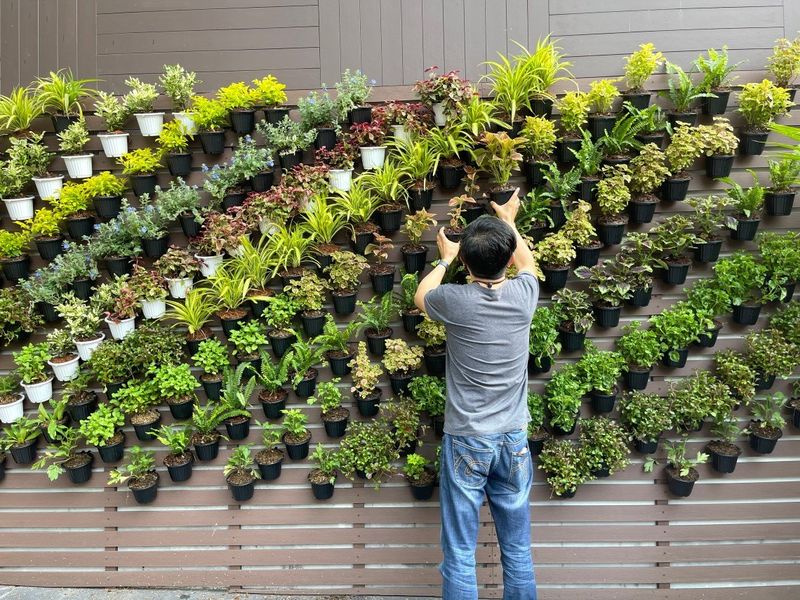
Vertical gardens bring a creative solution to maximize space. By using vertical planters or hanging pots, urban dwellers can adorn walls with lush greenery. Herbs like thyme, oregano, and parsley adapt well to vertical setups.
This method not only saves space but adds a decorative element to urban living spaces. Regularly trim and water the plants to keep them vibrant. Vertical gardens turn bland walls into living art pieces, enhancing both aesthetics and mood.
Fun Fact: Vertical gardening is inspired by ancient practices of hanging gardens, offering a modern twist to traditional techniques.
3. Community Gardens
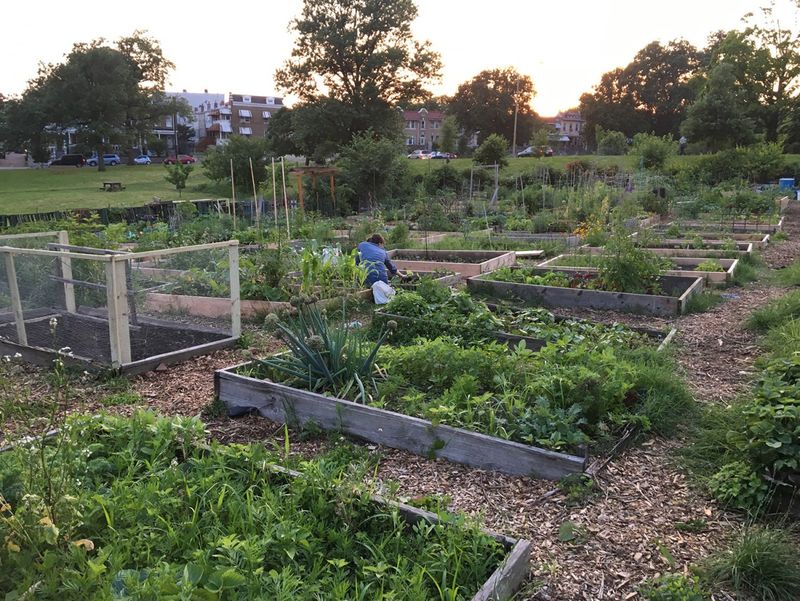
Community gardens foster a sense of togetherness and provide a shared space for growing herbs. In Washington D.C., these gardens offer plots for residents to cultivate herbs such as rosemary, chives, and sage.
Collaborative efforts make gardening more enjoyable and educational. Sharing resources and knowledge can enhance gardening skills and yield better results. Community gardens become social hubs that promote sustainability and healthy living.
Engage with local gardening groups to find community gardens in your area. These spaces often welcome newcomers, regardless of experience level.
4. Windowsill Herb Gardens
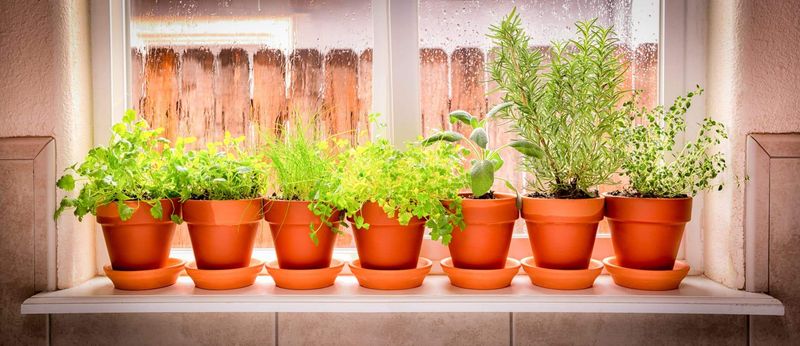
Windowsills offer an ideal spot for growing herbs indoors. By placing small pots on sunny windowsills, residents can cultivate herbs like basil, chives, and parsley right in their homes.
This method is perfect for those with limited outdoor space. Ensure the herbs receive at least six hours of sunlight daily and consider rotating the pots for even growth. Indoor herb gardens bring fresh aromas and flavors directly to the kitchen.
A windowsill garden not only serves culinary needs but also enhances interior decor with its lush greenery.
5. Hydroponic Systems
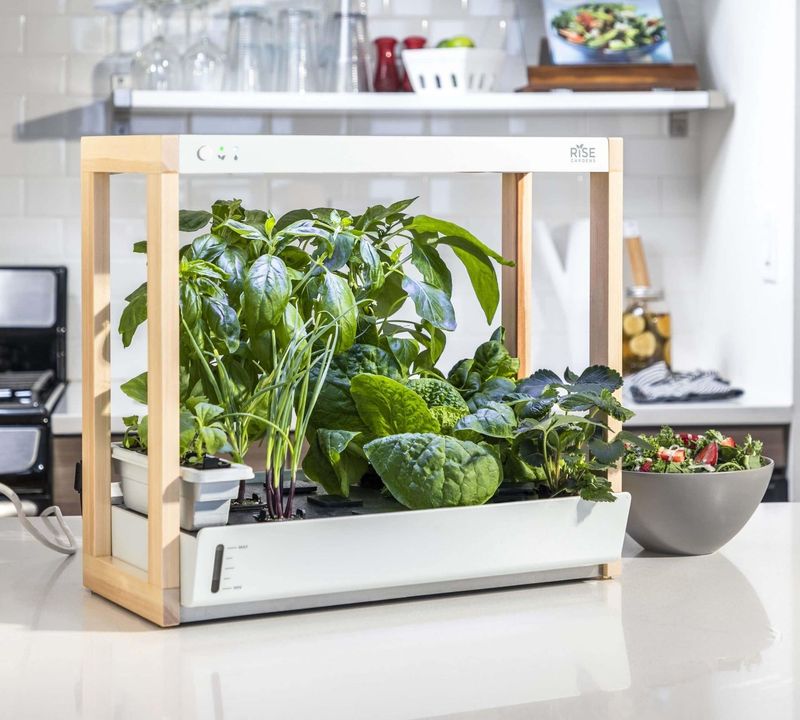
Hydroponic systems are a cutting-edge way to grow herbs without soil. Using water and nutrient solutions, herbs like basil and mint can be cultivated indoors efficiently.
This method is gaining popularity in urban spaces due to its space-saving nature and high yield. Hydroponic systems require an initial investment but offer a rewarding gardening experience with modern technology.
The precision in controlling growth conditions ensures healthy plants, making it a fascinating choice for tech-savvy gardeners.
6. Rooftop Gardens
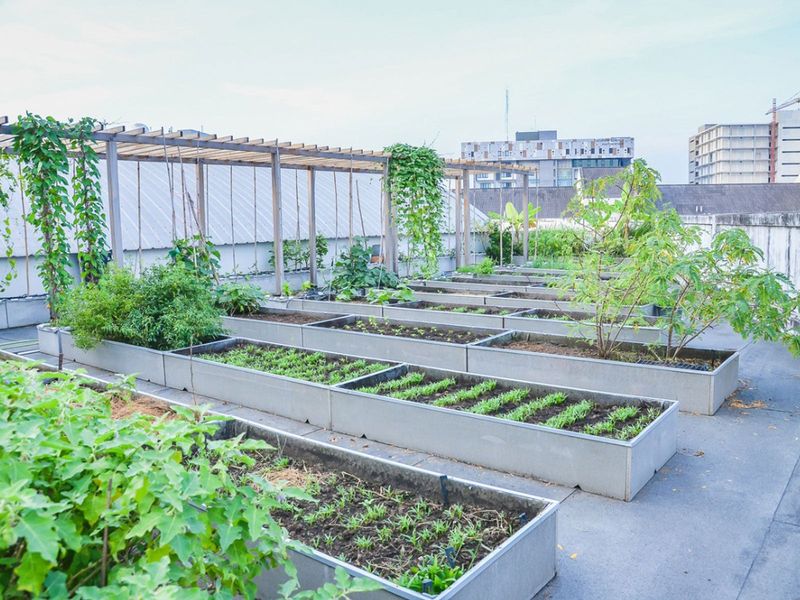
Rooftop gardens provide a unique opportunity to grow herbs with a view. In Washington D.C., utilizing rooftop space for gardening allows for the cultivation of herbs such as basil, thyme, and sage.
With proper planning and design, rooftop gardens can flourish. Choose lightweight soil mediums and ensure proper drainage to maintain plant health. Rooftop gardening combines leisure and gardening, offering an escape with nature above the bustling city.
Did you know? Rooftop gardening can reduce building heating costs, contributing to energy efficiency and environmental sustainability.
7. Indoor Grow Lights
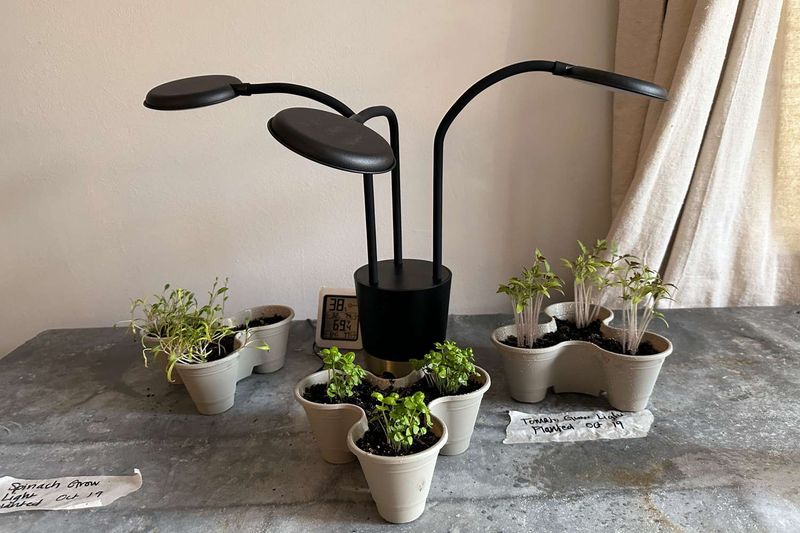
Indoor grow lights offer a solution for those lacking natural sunlight. By using artificial lighting, herbs like cilantro and parsley can thrive in any corner of a home.
This method is ideal for apartments with limited or indirect sunlight. Grow lights simulate the sun’s spectrum, providing essential energy for plant growth. The flexibility of positioning lights allows for creative indoor gardening setups.
Experiment with different light intensities and schedules to optimize growth. Indoor grow lights bring gardening possibilities to every home, regardless of natural light availability.