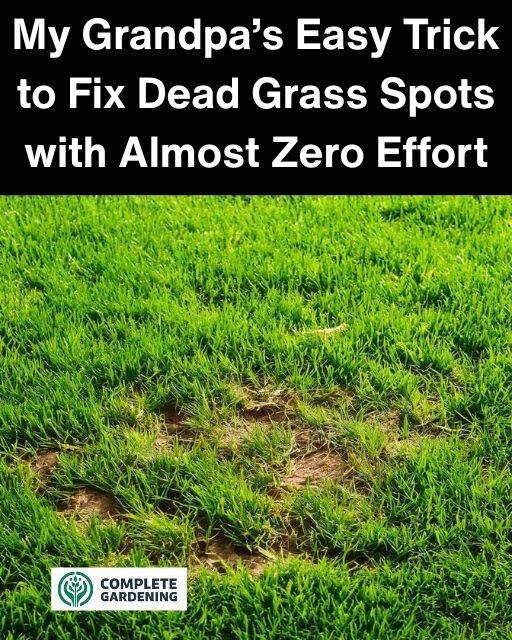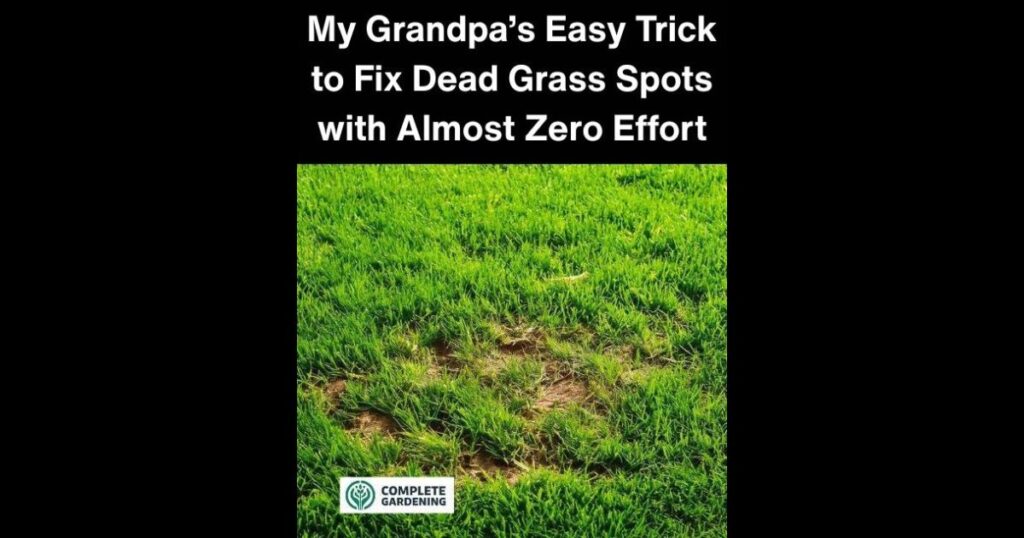
Every homeowner dreams of having a lush, green lawn that looks like it came straight out of a garden magazine. But when dead patches start appearing, they can ruin that perfect picture in an instant. My grandpa — a lifelong gardener with hands-on experience — had a simple, foolproof trick to bring those dry, lifeless spots back to green in almost no time, and it requires nearly zero effort. His method is 100% natural, affordable, and incredibly effective.
Why Grass Dies in the First Place
Dead patches don’t happen by accident. They’re usually the result of drought, poor soil, pests, or lawn diseases. Sometimes the problem is as simple as mowing too short or letting the soil get too compacted. Without proper drainage and air circulation, the roots can’t absorb the nutrients they need — and that’s when grass starts to die off. Understanding these causes is key before trying to fix the problem.
My Grandpa’s Secret Trick
The secret to reviving dead grass spots isn’t fancy fertilizer or chemical sprays — it’s using a mix of natural, organic materials to restore life to the soil itself. Grandpa always said, “Healthy soil makes healthy grass,” and he was right. This method feeds the ground, not just the grass, helping your lawn repair itself naturally while becoming stronger for the future.
What You’ll Need
You only need a few simple things, most of which you probably already have at home:
- A small bag of topsoil
- A handful of grass seeds that match your lawn type
- Some compost or well-rotted manure
- A garden rake and a watering can
These materials create the perfect environment for new grass to grow and blend seamlessly with your existing lawn.
Step-by-Step: How to Bring Dead Grass Back to Life
- Rake the Area – Remove dead grass, leaves, and debris. Loosening the soil helps new roots take hold.
- Add Topsoil – Spread a thin, even layer of fresh topsoil over the patch. This improves texture and nutrients.
- Sow Grass Seeds – Sprinkle grass seeds evenly so they’re in good contact with the soil for faster germination.
- Cover with Compost or Manure – This protects the seeds, locks in moisture, and adds essential nutrients.
- Water Gently – Keep the soil lightly moist (not soaked) until the new grass begins to grow strong and green.
Why This Trick Works
This method is so effective because it addresses the real problem — poor soil quality. The topsoil and compost add organic matter that boosts fertility, improves drainage, and retains moisture. The new seeds benefit from this nutrient-rich base, allowing roots to establish faster. It’s simple lawn science that works every single time.
Extra Tips for a Perfect Lawn
- Water regularly, especially in dry or hot weather, to prevent future dead spots.
- Mow properly — never cut your grass too short, as it weakens the roots.
- Aerate your lawn once a year to reduce compaction and improve airflow.
- Inspect often for pests or diseases, and treat them early to prevent widespread damage.
Conclusion — A Lush Lawn with Almost No Effort
Thanks to my grandpa’s no-fail trick, reviving dead grass spots doesn’t have to be time-consuming or expensive. With just a few natural materials and a couple of minutes of care, you can bring back that lush, vibrant green lawn you’ve always wanted. This simple, sustainable method keeps your yard healthy while saving time, money, and energy — proof that sometimes the old-fashioned ways really are the best.