
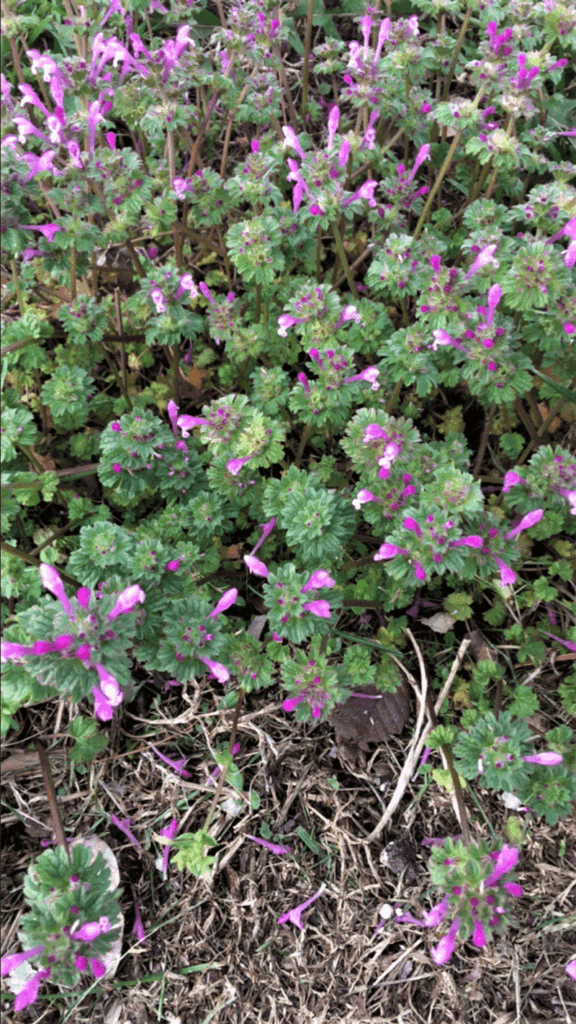
That small purple plant popping up in late winter is probably doing more good than you think. Many gardeners yank it out on sight, assuming it is just another messy lawn invader. But one common purple “weed” can feed pollinators, protect bare soil, and even signal useful things about your garden. Before you pull every stem, it is worth taking a closer look at what this surprisingly helpful plant is really doing.
1. Meet henbit, the purple weed worth noticing

If you have spotted a low plant with tiny purple flowers spreading through beds or lawn edges, you are likely looking at henbit. It shows up fast in cool weather, which is why many gardeners pull it before learning what it is. Once you know its rounded leaves, square stems, and whorled blooms, it becomes easy to recognize.
Henbit is a winter annual, so it sprouts in fall or mild winter, flowers in spring, then fades as heat rises. That short life cycle means it is often gone before summer crops need the space. In many yards, you can let a patch bloom briefly, then remove it before seeds mature if spread worries you.
2. Why pollinators love it so much

One of henbit’s best qualities is timing. It flowers when little else is available, offering nectar and pollen to bees and other early pollinators waking up hungry. If your garden feels empty in late winter or early spring, this little plant helps bridge that gap better than many people realize.
That matters most in neighborhoods filled with mowed lawns and few blooming plants. Even a small patch can support native bees, honeybees, and hoverflies during a lean season. If you want a low effort pollinator boost, leave henbit in unused corners, fence lines, or vegetable paths until other flowers open and insects have more choices.
3. What henbit says about your soil

Henbit often appears where soil sits bare, thin, or lightly compacted, so it can act like a quiet clue rather than a random nuisance. When you see a lot of it, pay attention to the conditions underneath. The plant is telling you that open ground is available and your soil management may need a small adjustment.
I would not treat henbit as a strict diagnostic tool, but it does point toward common garden issues. You may need more mulch, a cover crop, or less frequent digging that leaves soil exposed. In lawns, heavy winter thinning and weak turf density often give henbit the opening it needs, so stronger grass care can reduce future outbreaks naturally.
4. The best places to let it stay

Henbit does not belong everywhere, but it absolutely has a place in some yards. The trick is choosing spots where its short season and soft growth will not compete with prized plants. Think edges of pathways, under deciduous shrubs, around compost areas, or in temporary empty vegetable beds waiting for warm season planting.
Those are places where henbit can cover soil, feed insects, and then disappear before becoming a real problem. I like treating it as a temporary living mulch in low traffic areas. If a patch is blooming beautifully and not crowding seedlings, there is no urgent reason to rip it out just because it arrived without an invitation.
5. When you should pull it anyway

There are times when removal is the smarter choice. If henbit is crowding tiny vegetable starts, spreading through thin lawn you are trying to repair, or forming dense patches before seed set, pull it promptly. The goal is not to treat it like a villain, but to manage it before convenience turns into a bigger cleanup job.
The easiest time to remove henbit is when soil is slightly moist and plants are still young. Its roots are shallow, so whole plants usually come up without much effort. Bag or compost plants before seeds ripen, and then cover the area with mulch or replant quickly, because empty ground invites the next flush of weeds.
6. How to keep it useful without letting it spread

If you want henbit’s benefits without a future takeover, timing is everything. Let it bloom for a short window, then cut or pull plants before seed heads mature. That gives pollinators a meal while preventing the next generation from dropping into every open inch of soil around your beds.
After removal, do not leave the area bare. Add two to three inches of mulch, sow a quick cover crop, or install warm season annuals as soon as temperatures allow. This follow-up step matters more than the pulling itself. Most weed problems return not because the first plants were missed, but because the space they occupied stayed empty and ready.
7. Simple lawn and bed fixes that prevent future outbreaks

The best long term henbit control is not stronger spray. It is fewer opportunities. In beds, keep soil covered year round with mulch, dense plantings, or seasonal cover crops so winter annuals have less room to germinate. In lawns, focus on thicker turf through fall feeding, overseeding thin spots, and mowing at the right height.
Water deeply but less often, improve drainage where puddling persists, and avoid scraping beds clean after summer crops finish. Those empty, exposed spaces are exactly where henbit rushes in. A little prevention in autumn saves a lot of spring frustration. You will still see a stray plant here and there, but not the purple carpet that catches most gardeners off guard.
8. A smarter way to think about weeds

Not every volunteer plant deserves instant eviction, and henbit is a perfect example. Some weeds are truly aggressive and need firm control, but others are simply early colonizers filling a seasonal gap. When you pause before pulling, you start seeing which plants are harmful, which are helpful, and which are only troublesome in the wrong place.
That mindset makes gardening easier and often more wildlife friendly. Instead of chasing a perfectly blank surface, you can manage for function, timing, and beauty. Henbit may never become your favorite plant, but it can earn a brief place in the yard. Sometimes the smartest garden move is not removing a plant faster, but understanding it better first.