
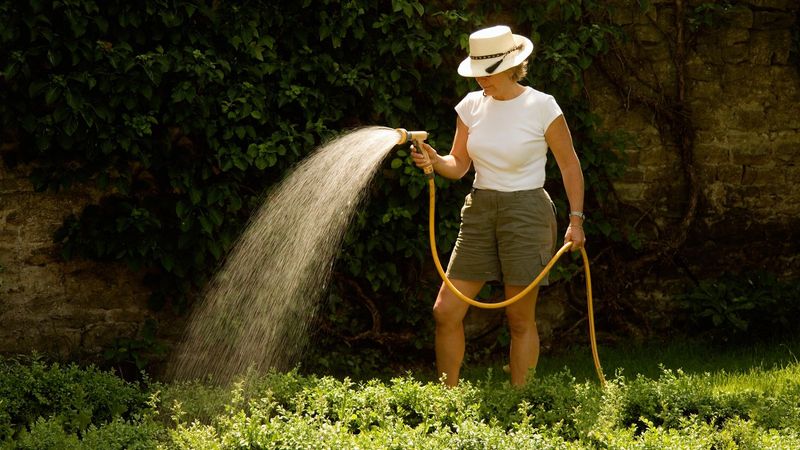
A lot of summer garden problems look like heat stress, but the real culprit is often bad watering timing. If you water at the wrong hour, you can waste moisture, invite disease, and still end up with droopy plants by afternoon. The good news is that one simple schedule change can make your beds, containers, and vegetables noticeably healthier. Here is the worst time to water in summer, plus the smarter ways to keep your garden thriving with less effort.
1. Why Midday Watering Backfires

The worst time to water your garden in summer is usually the middle of the day, especially from late morning through midafternoon. The sun is intense, the soil surface is hottest, and shallow watering disappears fast before roots can use much of it. Plants may look desperate then, but a quick splash often gives you more false reassurance than real relief.
Midday watering also encourages shallow roots when it is done too lightly and too often. That leaves vegetables, flowers, and shrubs more vulnerable when the next hot day arrives. If water hits leaves and crowded stems repeatedly, humid pockets can also support fungal problems in some gardens.
2. The Best Time to Water Instead

The best time to water instead is early morning, ideally around sunrise through a couple hours after. Temperatures are lower, wind is usually calmer, and water has time to soak deeply into the root zone before the day heats up. Leaves also dry faster than they would overnight, which lowers disease pressure on many common garden plants.
If mornings are impossible, water in the early evening rather than at noon, but keep it targeted at the soil. Avoid soaking foliage if nights are humid and warm. A deep morning watering two or three times a week often beats daily shallow sprinkles, because it trains roots to grow down where moisture lasts longer.
3. How to Tell Heat Stress From Dry Soil

Not every droopy plant needs immediate water, and that mistake causes more trouble than most gardeners realize. Many plants wilt temporarily in extreme afternoon heat even when the soil below is still moist. If you rush out with the hose every time leaves sag, you may end up overwatering roots that actually need air as much as water.
Check first by pushing a finger two to three inches into the soil near the plant, not right at the stem. If it feels cool and slightly damp, wait until morning and reassess. If it is dry at that depth and the plant still looks tired at sunset or dawn, then a deep watering is the right move.
4. Water the Soil, Not the Leaves

One of the smartest changes you can make in summer is aiming water directly at the soil instead of showering the whole plant. Wet leaves do not cool plants for long, and they do little to hydrate roots where moisture matters most. In dense crops like tomatoes, squash, cucumbers, and zinnias, repeated leaf wetting can also increase disease problems.
Use a watering wand, drip line, soaker hose, or a slow hose trickle placed near the base of each plant. Let the water sink in deeply rather than running off the surface. This method wastes less, reduces splashing soil onto leaves, and makes every gallon count during hot weather when evaporation steals moisture quickly.
5. Mulch Is Your Secret Water Saver

If you are watering at the right time but soil still dries too fast, mulch is usually the missing piece. A two to three inch layer of straw, shredded leaves, bark, or compost shields the soil from direct sun and slows evaporation dramatically. That means cooler roots, fewer stress swings, and less time spent dragging hoses around the yard.
Keep mulch a couple inches back from stems and trunks so you do not trap excess moisture against plant bases. Refresh thin spots before the hottest stretch of summer arrives. In vegetable beds, mulch also cuts down on weeds, and fewer weeds means less competition for every bit of water you work hard to provide.
6. Containers Need a Different Schedule

Container gardens play by different rules, so the worst watering time can shift if pots are baking on a patio. Containers heat up fast, dry out quickly, and often need water more often than in-ground beds, especially in terracotta or small black pots. Still, midday splashing is usually inefficient unless a plant is in genuine collapse and needs emergency help.
Check pots early every morning and water until excess drains from the bottom. On very hot or windy days, a second check in late afternoon may be necessary, particularly for tomatoes, basil, cucumbers, and flowering annuals. Grouping pots together, using larger containers, and adding mulch on top of the mix can noticeably reduce stress and frequency.
7. Deep Watering Beats Daily Sprinkling

Many summer watering problems come from frequency, not just timing. A quick daily sprinkle keeps the top inch of soil damp but rarely reaches the deeper roots that help plants stay steady through heat. As a result, roots linger near the surface, where temperatures swing wildly and moisture disappears first.
Instead, water long enough to moisten the root zone several inches down, then pause until the soil begins to dry at that depth again. For many beds, that means fewer but deeper sessions each week, though sandy soil may need more frequent attention than clay. This simple shift creates stronger root systems, steadier growth, and plants that do not panic every time summer temperatures spike.
8. Use Simple Tools to Get Timing Right

You do not need a complicated system to water well in summer, but a few simple tools make good timing much easier. A hose timer can run drip lines or soaker hoses at sunrise without you standing outside half asleep. A rain gauge and basic soil moisture meter also help you avoid watering out of habit when the garden has already had enough.
If you prefer a hands-on approach, keep a trowel nearby and check the soil before turning on the hose. Adjust schedules after rain, windy spells, or heat waves instead of following the same routine all season. Smart timing, deep soaking, and consistent observation usually fix more garden stress than any fertilizer or rescue spray ever will.