
Most gardeners spend money fighting night-flying pests without realizing a better solution may already be nearby. Bats can remove huge numbers of moths, beetles, and mosquitoes while you sleep, helping protect vegetables, flowers, and fruit with almost no effort from you. The trick is making your yard welcoming without making it risky for bats or messy for your family. These simple, safe steps can turn your garden into a better hunting ground and a healthier growing space.
1. Mount a properly placed bat house

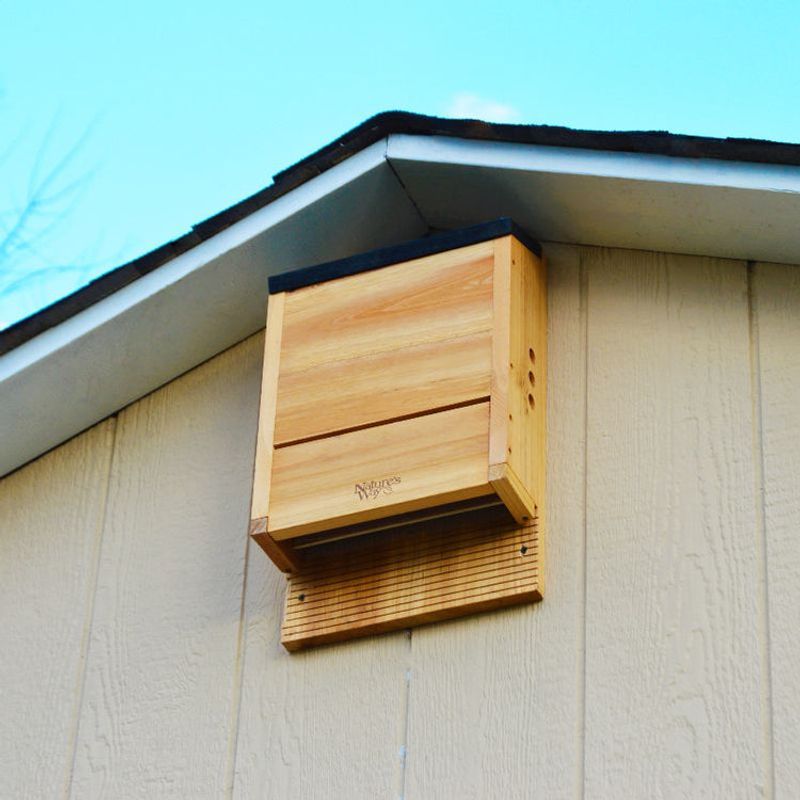
If you want bats to stay near the garden, give them a safe daytime roost instead of hoping they find one. Mount a bat house 12 to 20 feet high on a pole or building where it gets six to eight hours of sun. Choose a spot facing south or southeast, away from bright porch lights and heavy foot traffic.
Keep the house clear of overhanging branches so bats have an easy flight path in and out. I would skip trees for mounting because predators, shade, and unstable temperatures make them less attractive. A well placed house can support natural pest control right where moths, beetles, and mosquitoes are most active at night.
2. Add a shallow water source

Bats need water, and a reliable source can make your yard much more attractive during hot, dry weather. Add a shallow pond, small recirculating fountain, or wide basin with gently sloped edges so other wildlife can drink safely too. Moving water is especially useful because it helps bats locate the source by sound while reducing mosquito breeding.
Place the feature in an open area where bats can swoop low without hitting wires, netting, or dense branches. Keep it clean, topped up, and free of slippery deep sides that trap small animals. Even a modest water feature can increase evening bat activity, which means fewer insects hovering over your beds, paths, and patio vegetables.
3. Grow fragrant night-blooming plants

Many of the insects bats eat are drawn to pale, fragrant flowers that open or release scent in the evening. Plant night blooming favorites like moonflower, evening primrose, nicotiana, and four o’clocks along borders near the vegetable patch. These plants support moth activity, and moths are one of the easiest ways to bring hungry bats into your garden airspace.
Mix them with herbs and native flowers so the bed works hard during the day as well. I like placing evening scented plants near paths, where you notice the perfume and see more pollinator movement at dusk. It is a simple, low effort trick that helps build a nighttime food web around the crops you want protected most.
4. Reduce pesticide use at night

Bats cannot help your garden if insecticides remove their food or expose them to contaminated prey. Cut back on broad spectrum sprays, especially in the evening when moths and other night insects are active and bats begin hunting. Use row covers, hand picking, trap crops, and targeted treatments only when pest pressure truly crosses the damage threshold.
If you must spray, choose the least toxic option and apply it at the right time for the specific pest. Healthy soil, crop rotation, and mixed planting often prevent outbreaks before they start, which makes chemical rescue less necessary. A more balanced garden keeps enough insect life around to feed bats while still protecting harvest quality and plant vigor.
5. Keep flight paths open and safe

Bats hunt on the wing, so cluttered spaces can limit how comfortably they move through your yard. Create open corridors by pruning low branches, spacing tall shrubs, and keeping a clear route between roosts, water, and insect rich planting areas. This does not mean stripping the garden bare, only removing awkward obstacles that force sharp turns near beds and structures.
Be extra careful with fruit netting, loose garden mesh, and shiny decorative lines that can entangle or confuse flying animals. Use taut netting only when needed and store it immediately after harvest protection ends. A safer airspace helps bats hunt efficiently over vegetables, which is exactly where you want them when night feeding insects begin chewing and laying eggs.
6. Leave some natural shelter nearby

A perfectly manicured yard may look neat, but it often lacks the layered habitat that supports insects and wildlife. Leave one corner a little wilder with native grasses, shrubs, or a brush pile away from play areas and doors. That rougher patch shelters moths, beetles, and other prey species, giving bats more reason to patrol your garden after sunset.
If local rules allow it, a dead tree snag at the far edge of the property can also provide excellent roosting value. Keep natural shelter separated from the house so bats are encouraged outdoors, not in attics or vents. This balance gives you the pest control benefits of wildlife habitat without creating conflicts around your home or daily routines.
7. Use warm, low outdoor lighting

Too much bright outdoor lighting can disrupt the insects bats feed on and make some species avoid the area entirely. Swap harsh white floodlights for warm, downward facing bulbs on timers or motion sensors, especially near beds, patios, and outbuildings. You will still have safe visibility, but the yard will feel more like natural evening habitat instead of a stadium.
Focus light only where you need it, and keep the bat house and water feature in darker zones if possible. I have found that gardens with softer lighting feel calmer, show fewer swarming bugs around doors, and support better nighttime wildlife activity. Small lighting changes often make a surprisingly big difference in whether bats regularly hunt over your garden.