
Florida summer can fry weak container plants fast, especially when pots bake on patios and driveways. The good news is that some plants actually love the heat, humidity, and blazing sun that make other flowers give up. If you want color without constant babysitting, these tough picks can keep your containers looking alive when everything else looks tired. Here are the Florida favorites I would trust for long, hot months, plus the simple care tricks that make them perform even better.
1. Pentas

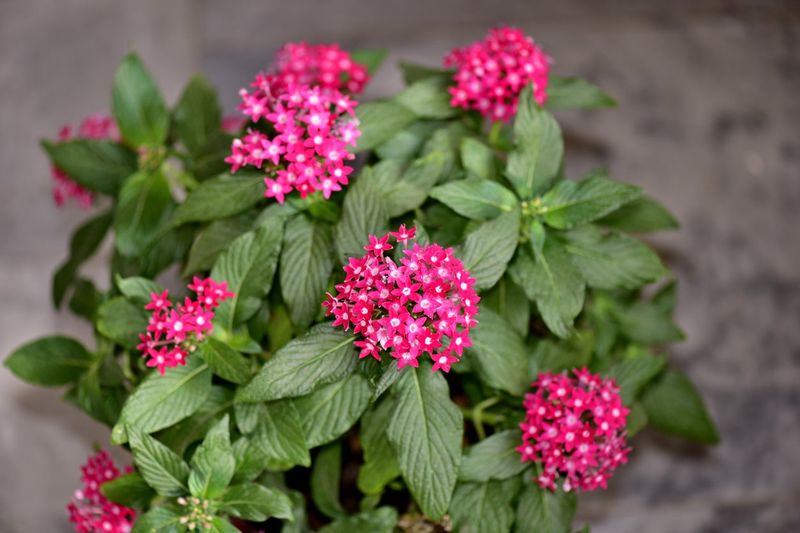
Pentas are one of the easiest heat loving flowers you can grow in Florida containers, and butterflies seem to find them almost immediately. I like them because they keep blooming through sticky, exhausting weather when fussier annuals collapse. Choose a pot with fast drainage, fill it with quality potting mix, and place it where it gets at least six hours of sun.
Water deeply when the top inch feels dry, but do not keep the soil soggy or roots can weaken. A light monthly feeding with balanced fertilizer keeps flower clusters coming without pushing soft growth. If plants get leggy by midsummer, trim them back by a third, and you will usually get a fuller, fresher flush of blooms.
2. Lantana

Lantana is famous for surviving the kind of Florida heat that makes gardeners question every plant choice they made in spring. It blooms hard, attracts pollinators, and handles missed waterings better than most container flowers. For the best results, use a roomy pot, gritty potting mix, and a spot with full sun all day.
The biggest mistake people make is loving lantana too much with water and fertilizer. Keep it on the lean side, watering only when the top couple inches dry out, and feed lightly every four to six weeks. Deadheading helps, but a quick shear in midsummer is even better if the plant looks woody, stretched, or tired after weeks of relentless heat and rain.
3. Croton

Croton brings outrageous leaf color to containers, which is useful when summer flowers slow down or wash out in pounding rain. Those fiery reds, oranges, and yellows look even better in bright light, and the plant loves warmth. If you want a tropical look without complicated care, this is one of the smartest foliage choices for Florida.
Use rich but well draining potting soil, and keep the container evenly moist while the plant establishes. After that, let the top inch dry before watering again, especially during rainy stretches when roots can stay wet too long. Watch for spider mites on stressed plants, rinse the leaves occasionally, and rotate the pot so growth stays balanced instead of leaning hard toward the sun.
4. Portulaca

Portulaca, also called moss rose, is a brilliant choice if you have a container spot that feels almost too hot to plant. Its succulent foliage stores water, the flowers glow in intense sun, and it laughs at reflected heat from concrete. I recommend it for shallow bowls, hanging pots, or the front edge of mixed planters where it can spill naturally.
The key is drainage, drainage, drainage, because heavy wet soil can rot it quickly in humid weather. Use cactus style potting mix or add extra perlite, water when the soil dries well, and skip constant feeding. If flowering slows, shear off tired stems, clear out any mushy growth after storms, and the plant usually rebounds with fresh color surprisingly fast.
5. Angelonia

Angelonia is often called summer snapdragon, but in Florida it behaves like a much tougher, less dramatic friend. It keeps its upright shape, blooms through heat, and adds height to containers without needing staking. If you like planters that look tidy for weeks, this plant is a dependable centerpiece or filler.
Give it full sun, a container with strong drainage, and potting mix that stays airy even after heavy rains. Water deeply, then wait until the top inch dries before watering again, because constantly wet roots can reduce blooming. A little slow release fertilizer at planting plus one midsummer trim usually keeps angelonia compact, bushy, and covered with flower spikes long after many common annuals have burned out.
6. Blue Daze

Blue daze is one of those plants people underestimate until they see it thriving through a brutal Florida summer with barely any complaint. The small blue flowers are especially beautiful against pale green foliage, and the trailing habit softens hard pot edges. It works best in sunny containers where you want a relaxed, coastal feel without a lot of maintenance.
Plant it in loose potting mix and avoid oversized containers that stay wet too long after storms. Water when the top layer dries, feed lightly once a month, and trim wandering stems if the center starts looking thin. If afternoon downpours make the plant messy, a quick haircut and a few bright days usually bring it back into shape very quickly.
7. Firebush

Firebush is a powerhouse shrub for large containers, especially if you want hummingbirds, nonstop color, and a plant that does not melt in high heat. In Florida, it grows fast, blooms heavily, and handles humidity like it was built for it, because it basically was. The tubular orange red flowers also give mixed patios a wilder, more natural look.
Choose a big pot from the start, since cramped roots dry out too fast and limit flowering. Use a well draining mix, water deeply when the top two inches are dry, and prune lightly to keep the shape dense instead of lanky. Check for whiteflies on the undersides of leaves, but otherwise this is one of the most forgiving container shrubs you can grow.
8. Society Garlic

Society garlic is a smart container plant if you want something nearly indestructible that still looks tidy and ornamental. The strappy leaves handle heat well, the lavender flowers pop above the foliage, and the plant shrugs off many common garden problems. I especially like it near seating areas because it adds structure without needing daily attention.
Use a pot with excellent drainage and place it in full sun for the strongest bloom production. Water when the top inch or two dries, then let excess moisture escape completely, because soggy soil is the fastest way to weaken it. Every few years, divide crowded clumps, remove old foliage at the base, and give a light feeding in spring to keep containers vigorous and floriferous.
9. Muhly Grass

Muhly grass is not the first plant most people think of for containers, which is exactly why it makes patios look fresh and interesting. The fine texture moves beautifully in summer breezes, and the famous pink plumes later in the season are a real conversation starter. In Florida heat, it stays far happier than many thirsty ornamental grasses sold for pots.
Start with a large container so the roots have room and the plant does not tip over in storms. Use a gritty mix, give it full sun, and water regularly while it establishes, then ease back and let the soil dry slightly between drinks. Cut out dead blades in late winter, avoid overfertilizing, and keep the crown above soggy mulch to prevent rot.
10. Bougainvillea

Bougainvillea loves the kind of hot, blazing Florida conditions that punish soft annuals, and it rewards a little tough love with outrageous color. In containers, it is perfect for patios where you want serious impact without constant watering. The paperlike bracts come in electric shades, and the plant often blooms better when you stop pampering it.
Use a sturdy pot, very fast draining mix, and full sun for as many hours as possible. Let the soil dry somewhat between deep waterings, feed with a bloom focused fertilizer sparingly, and resist repotting too often because slightly crowded roots encourage flowers. Wear gloves when pruning, watch for caterpillars and root rot, and never place it where summer storms keep the soil continuously wet.