
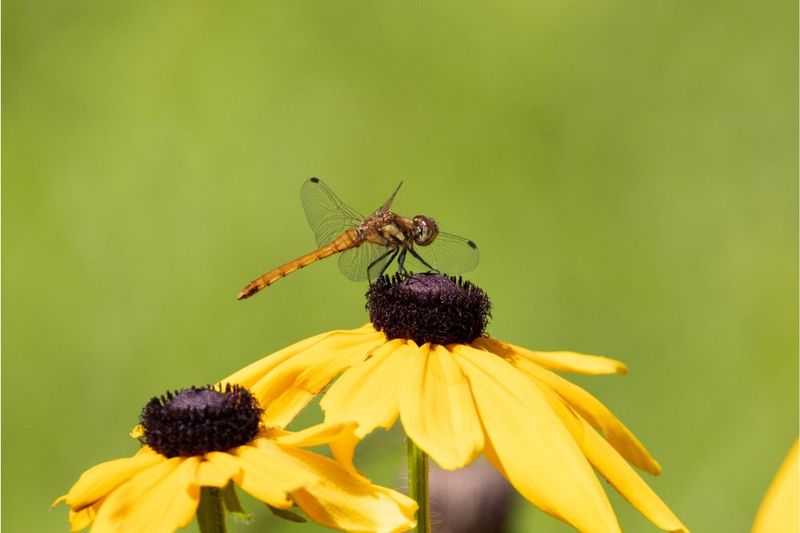
Your Texas yard can do more than look pretty. The right native wildflowers pull in dragonflies, which are some of nature’s best mosquito hunters, while a few of these plants give off scents that bugs would rather avoid. That means fewer itchy bites during those long, sticky Gulf Coast evenings and more color that shrugs off triple-digit heat. Here are seven Texas natives that turn your garden into a buzzing, bite-free ecosystem.
1. Texas Lantana
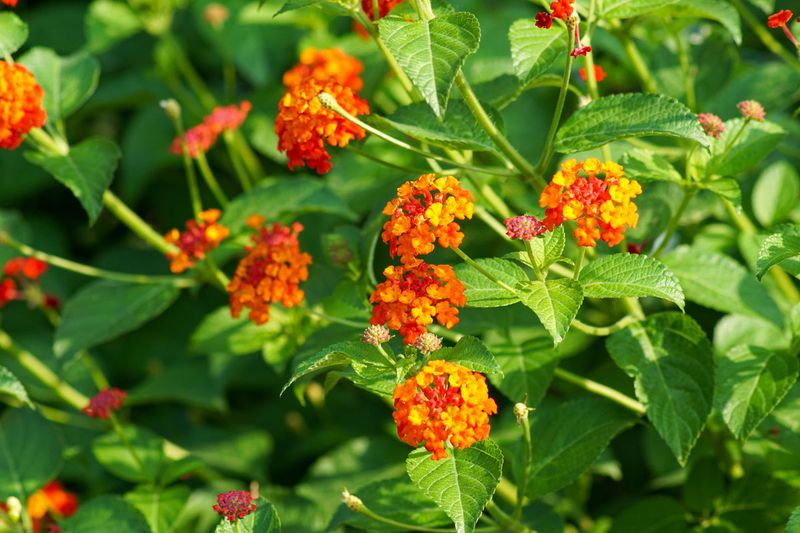
Blooming in fiery clusters of orange, yellow, and red, Texas lantana looks like a tiny sunset scattered across your flower bed. It thrives in the kind of blistering summer heat that wilts fussier plants, and it barely blinks when the water restrictions kick in.
The real magic happens above the blooms. Its dense, spreading habit gives dragonflies a place to perch and hunt, and dragonflies are voracious mosquito eaters that can gulp down dozens of the pests in a single day. At the same time, lantana leaves carry a sharp, spicy scent that many mosquitoes seem to steer clear of.
Fun fact: crush a lantana leaf between your fingers and you get a smell somewhere between citrus and pepper. That aroma may help deter some biting insects while doing nothing to stop butterflies and bees from crowding the flowers. For Texas gardeners who want a plant that survives drought, feeds pollinators, and keeps the yard a little less itchy, lantana earns its spot fast.
2. Turk’s Cap
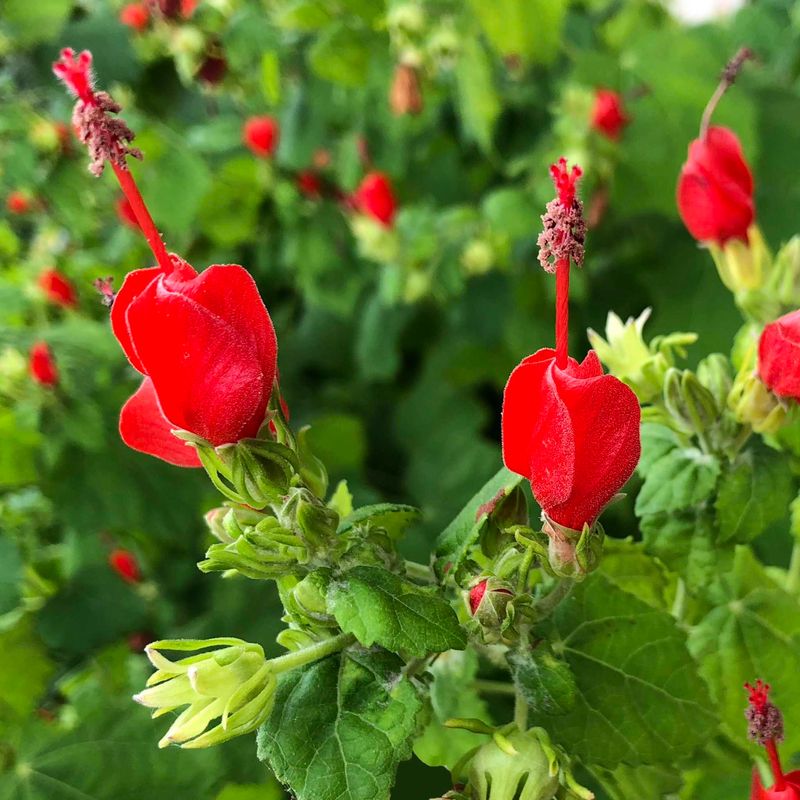
With its curious swirled red flowers that never fully open, Turk’s cap looks like a bloom caught mid-yawn. That quirky shape is built for a purpose, tucking nectar deep inside where hummingbirds and long-tongued pollinators reach in.
What makes it a standout for the mosquito fight is where it likes to grow. Turk’s cap loves the shady, damp corners of a Texas yard, the exact spots where mosquitoes love to breed. Planting it there brings in dragonflies and damselflies that patrol those humid pockets and pick off mosquitoes before they ever reach your porch.
It also happens to be tough as nails, handling both deep shade and dappled Gulf Coast humidity without complaint. Come fall, its little red fruits feed birds, extending the garden buffet well past summer. If you have a shady trouble spot that always feels buggy, this is the native that turns it into a predator’s hunting ground.
3. Gregg’s Mistflower
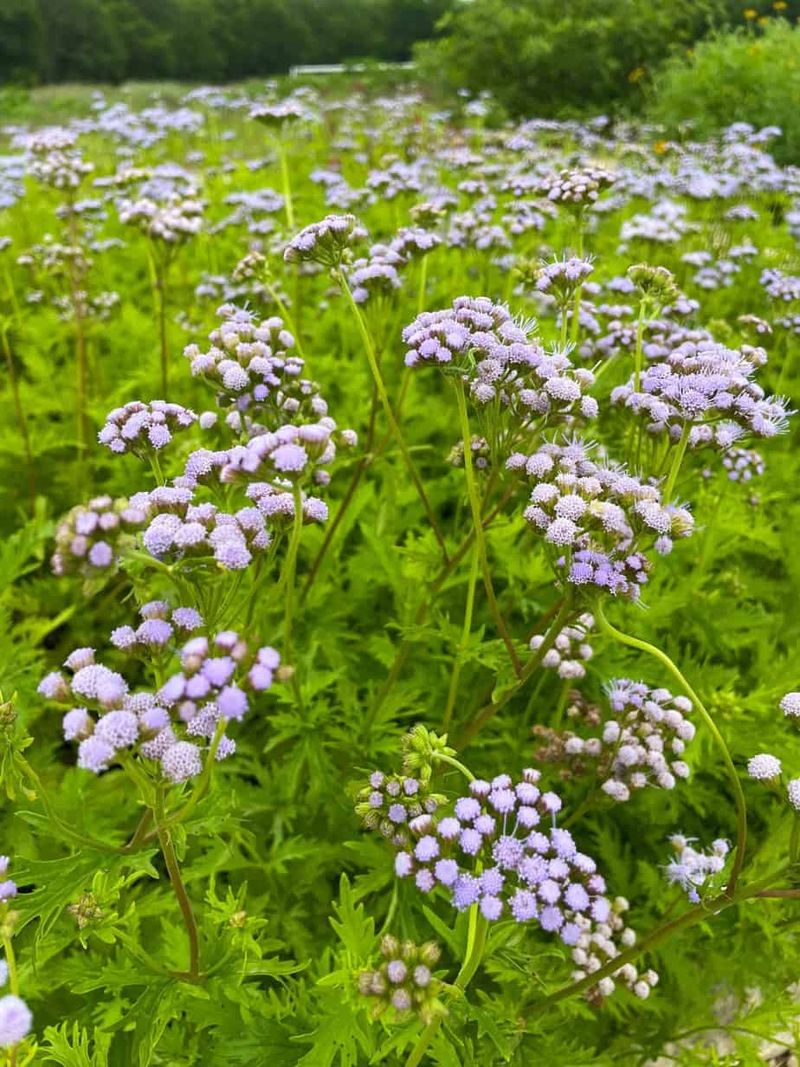
Picture a low cloud of fuzzy blue-purple flowers humming with wings, and you have Gregg’s mistflower in full swing. Queen and monarch butterflies adore it, but the soft, airy blooms also create the kind of open landing zone that dragonflies use as a launchpad.
Because it spreads into a thick mat, this native gives beneficial insects a home base right in the middle of the action. Dragonflies stake out territory near the flowers and dart out to snatch mosquitoes and gnats drifting through the yard.
Gregg’s mistflower shrugs off the heat and needs very little water once it settles in, which makes it a smart pick during a Texas drought summer. Trim it back if it wanders too far, and it rewards you with wave after wave of blooms. Few plants pack this much pollinator power into such a low-maintenance package.
4. Horsemint (Spotted Beebalm)
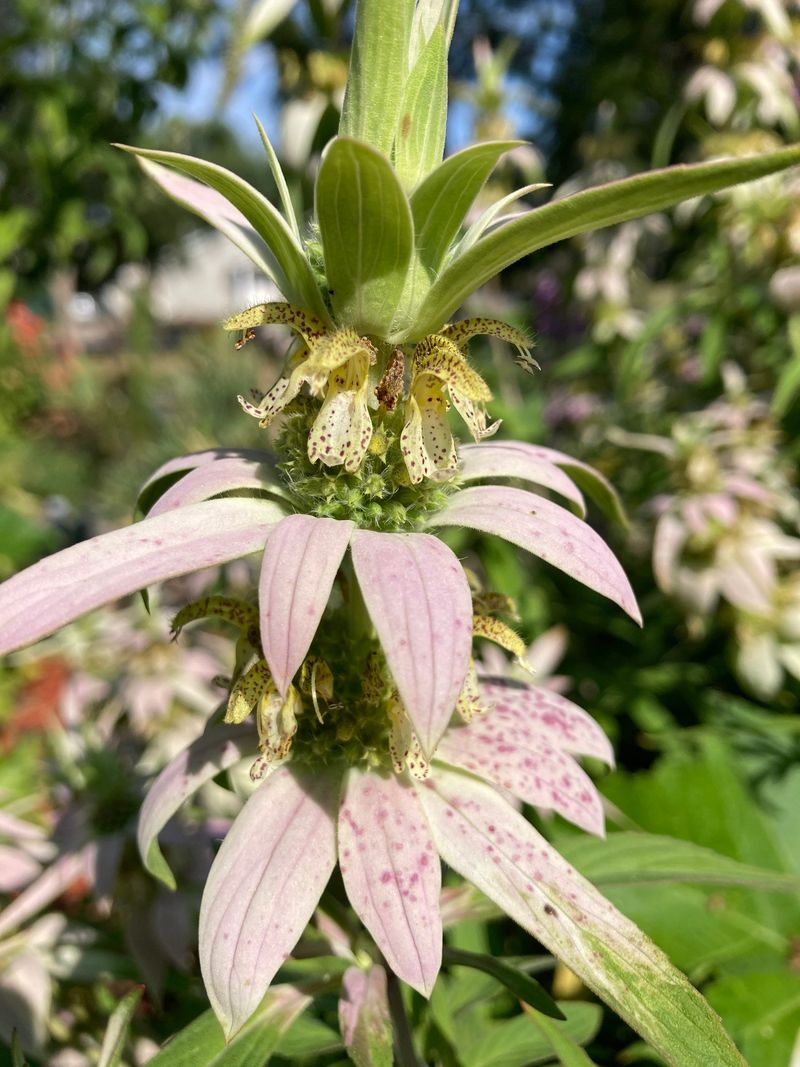
Run your hand across a patch of horsemint and you will catch a strong, minty-herbal punch that lingers on your skin. That scent comes from natural oils in the plant, and it is one of the reasons horsemint has a reputation for making mosquitoes uncomfortable.
Its stacked, spotted flowers look almost architectural, rising in tiers like tiny pagodas across the summer prairie. Bees and beneficial insects swarm the blooms, and the open, sunny stands it forms give dragonflies plenty of perching room to hunt.
Old-time Texans sometimes rubbed crushed horsemint leaves on their skin as a rough-and-ready bug repellent, a trick tied to the plant’s aromatic oils. Modern gardeners can lean on those same oils, which can reduce the number of mosquitoes lingering nearby. Drought-hardy and happy in poor soil, horsemint proves that a plant can smell like protection and still look gorgeous.
5. Black-Eyed Susan
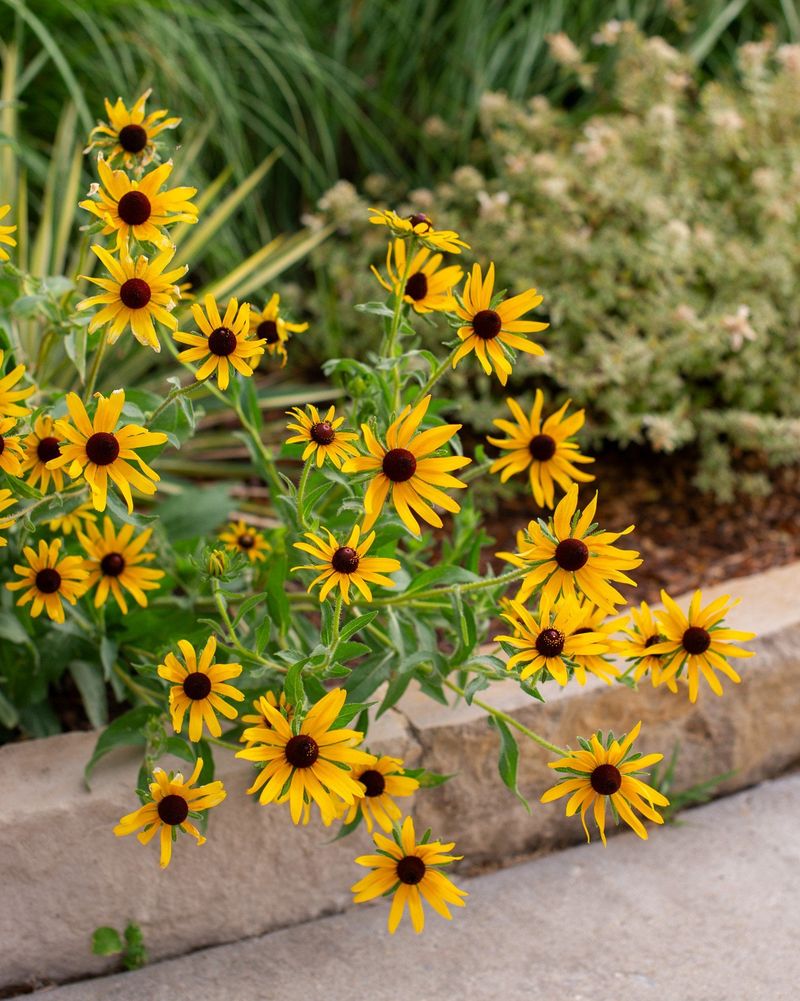
Bright golden petals ringing a dark chocolate center, black-eyed Susan is the wildflower most people picture when they imagine a Texas summer meadow. Cheerful and unstoppable, it blooms right through the hottest stretch of the year.
Its sturdy, upright stems make ideal dragonfly perches, giving these insect hunters a front-row seat to survey the yard for mosquitoes. The flat, open flowers also draw in a crowd of pollinators and predatory insects that keep the whole garden balance in check.
This native asks for almost nothing in return, tolerating drought, heat, and the tired soil that defeats other flowers. Deadhead the spent blooms and it keeps pumping out color for months, then drops seed that feeds finches into fall. For a plant that pulls its weight in beauty and pest control at the same time, black-eyed Susan is hard to beat.
6. Pickerelweed
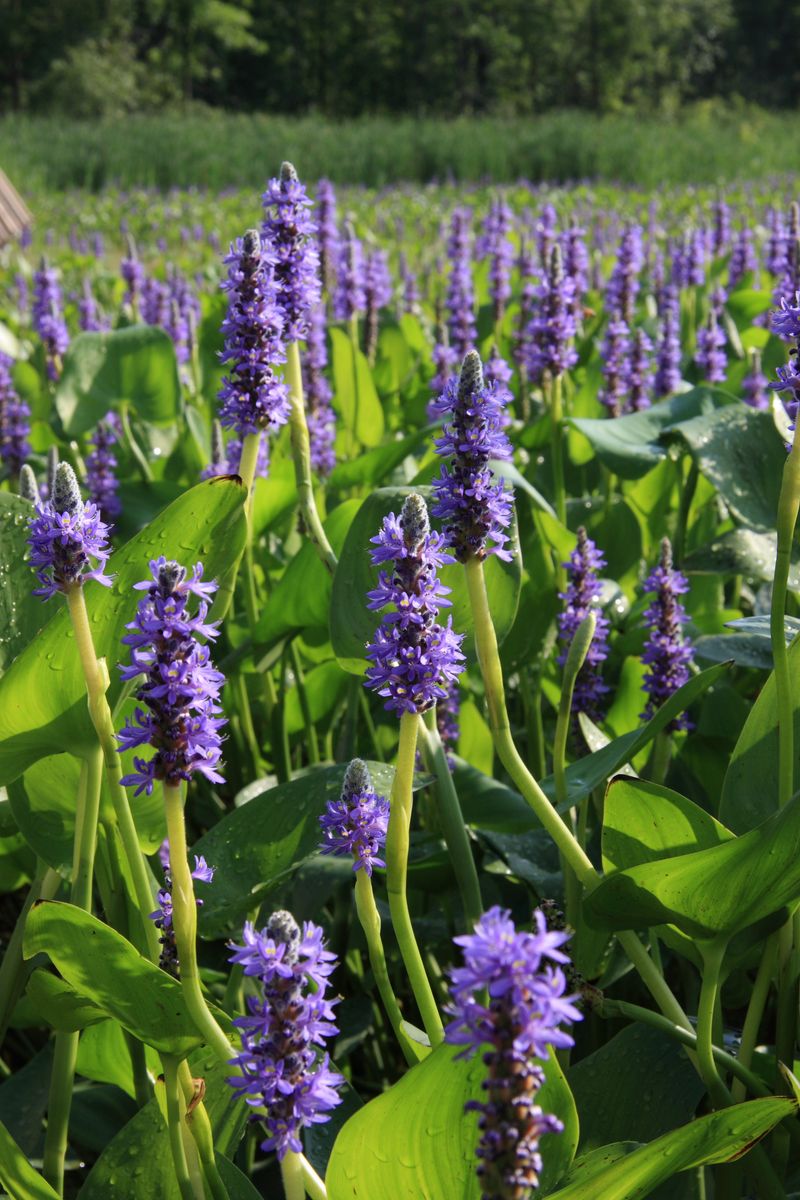
Here is the plant that fights mosquitoes on their own turf. Pickerelweed is a Texas native that grows right at the edge of ponds, rain gardens, and water features, sending up spikes of soft violet-blue flowers straight out of the shallows.
Standing water is a mosquito nursery, but pickerelweed flips the script. Its submerged stems and leaves give dragonfly nymphs a place to grow, and those hungry nymphs devour mosquito larvae before they ever take flight. Above the surface, the flower spikes host adult dragonflies doing the same job in the air.
If you have a boggy corner, a backyard pond, or a spot that stays soggy after Gulf Coast storms, this is the native that turns a liability into an asset. It looks lush and tropical while quietly running a mosquito-control operation underwater. Beautiful, functional, and perfectly suited to Texas wetland edges.
7. Texas Frogfruit
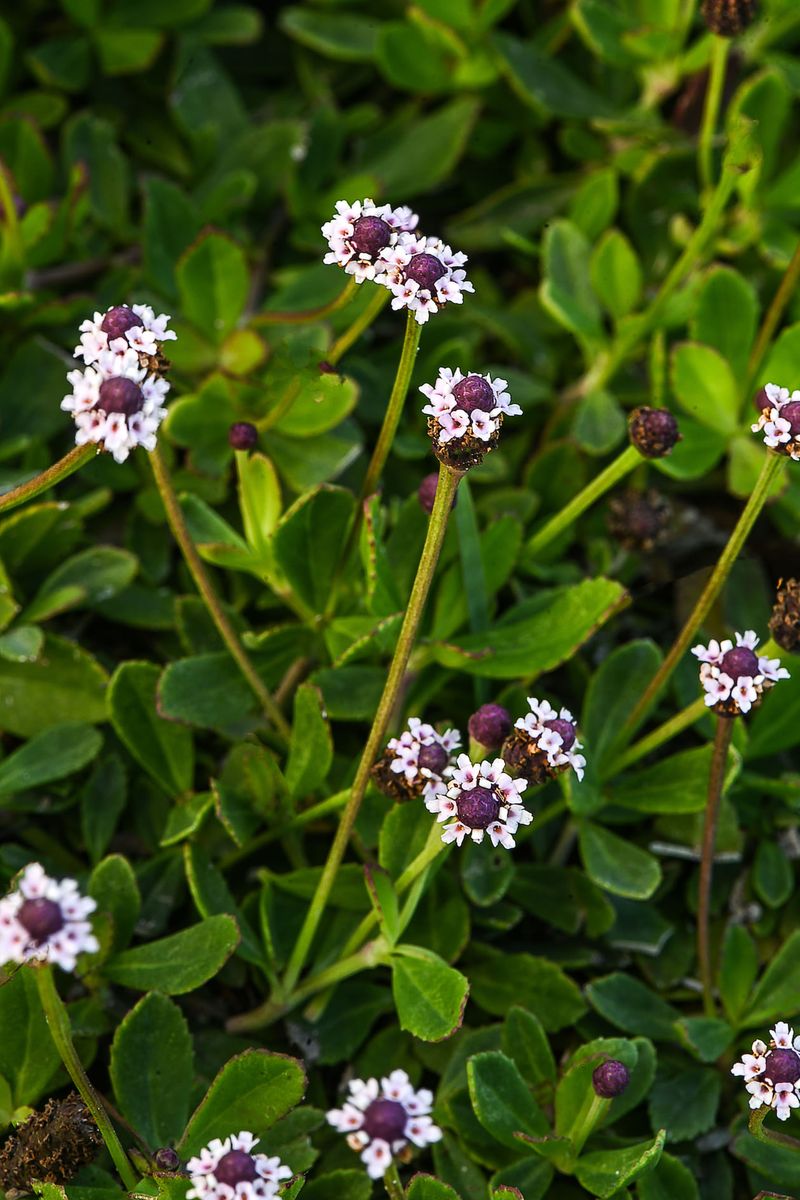
Small but mighty, Texas frogfruit spreads across the ground in a low green carpet dotted with tiny white-and-purple flowers. It is easy to overlook, right up until you notice how many insects are working it at any given moment.
As a ground cover, frogfruit fills the low layer of the garden that taller wildflowers miss, creating shelter and hunting territory for dragonflies and other beneficial bugs near ground level. That coverage helps keep the whole ecosystem humming close to the soil.
Drought hits and frogfruit barely notices, staying green when the lawn goes crispy brown. It handles foot traffic, chokes out weeds, and asks for hardly any water, which makes it a favorite for Texans dodging municipal watering rules. Tuck it between stepping stones or let it blanket a bare patch, and you get a living, bug-hunting rug that thrives on neglect.