
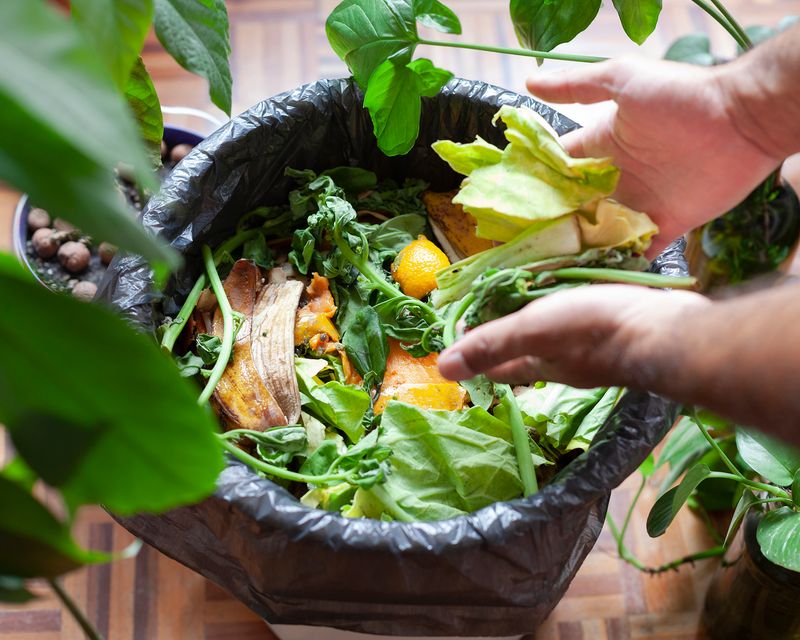
If your tomato plants look tired, pale, or stingy with fruit, the fix might already be sitting in your trash can. A lot of the stuff we toss after cooking is packed with the exact nutrients tomatoes crave, and using it saves money while cutting down on waste. Below are 17 single-ingredient kitchen scraps you can put to work, along with what each one actually does for a struggling plant. Read on to match the right scrap to whatever your tomatoes are missing.
1. Banana Peels
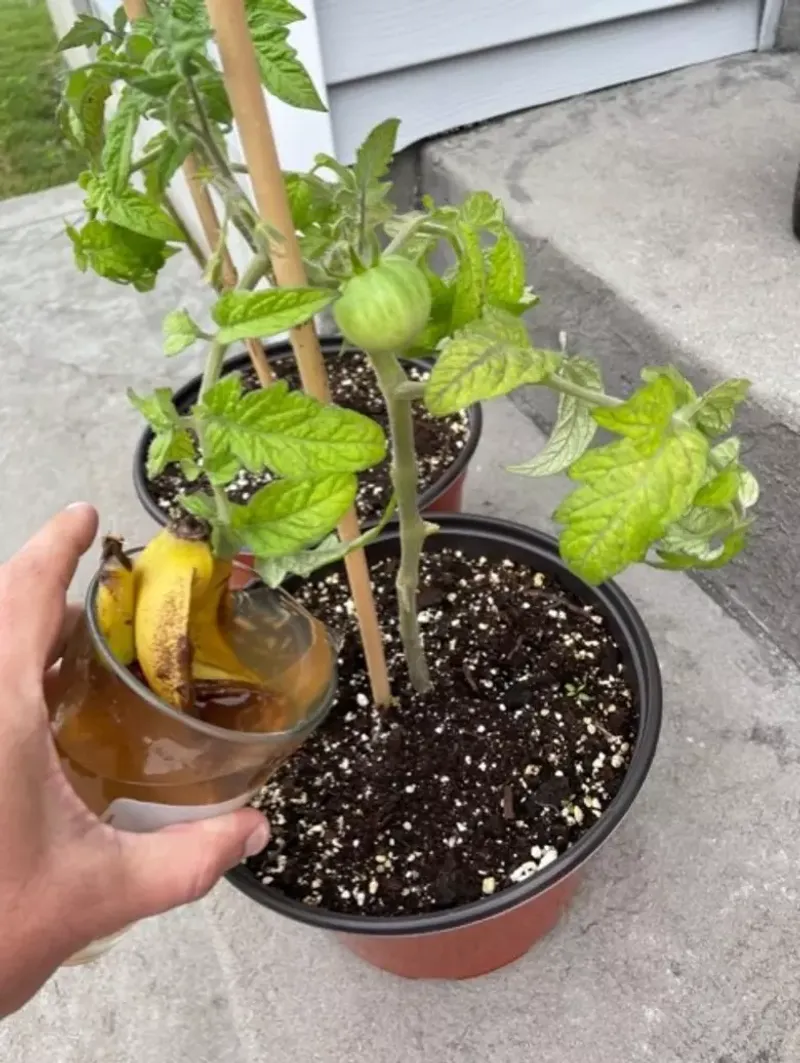
Notice your tomato plant flowering like crazy but dropping those blossoms before fruit sets? A shortage of potassium is often the culprit, and banana peels happen to be loaded with it.
Potassium helps tomatoes move sugars and water through the plant, which directly supports flowering and fruit development. Chop a peel into small pieces and bury it a few inches deep near the base, or dry and grind peels into a powder you sprinkle around the root zone.
Burying works better than laying peels on top, since surface scraps can attract raccoons and flies before they break down. Over a few weeks the peel decomposes and slowly releases potassium along with a little phosphorus and calcium.
Because the nutrients come out gradually, banana peels may help steady growth without the burn risk of a strong synthetic feed. Two or three peels per plant across a season is plenty for most backyard beds.
Fun aside: banana peels were a compost-pile favorite long before anyone marketed them as fertilizer, so gardeners have trusted this trick for generations.
2. Crushed Eggshells
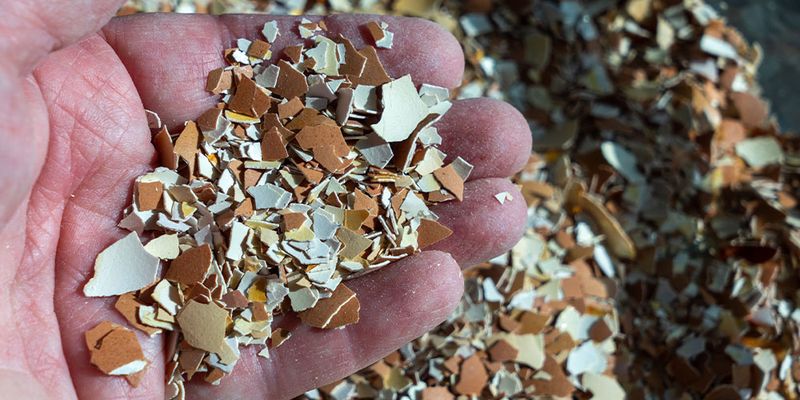
Ever pulled a tomato off the vine only to find an ugly brown, sunken patch on the bottom? That blossom end rot usually points to a calcium problem, and crushed eggshells are one of the simplest ways to add calcium back into your soil.
Rinse your shells, let them dry, then crush them as finely as you can. The smaller the pieces, the faster they break down and become available to roots, since whole shells can sit intact in the ground for a long time.
Work a handful into the planting hole before you set your seedling, or scatter crushed shells around established plants and lightly scratch them in. Some gardeners steep shells in water for a quick calcium tea to pour at the base.
Keep in mind calcium moves best when watering stays consistent, so eggshells work alongside steady moisture rather than replacing it. This scrap can reduce the odds of end rot returning, though results improve when you also fix uneven watering habits that starve fruit of calcium during dry spells.
3. Coffee Grounds
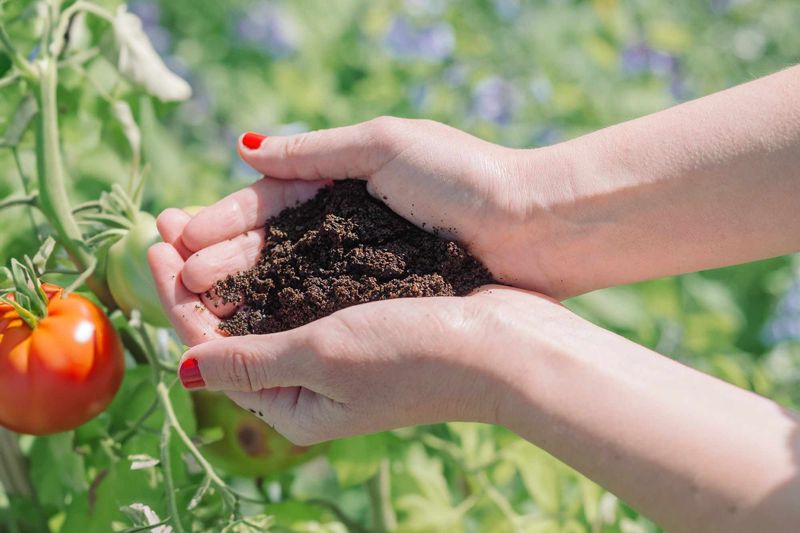
That damp pile left in your coffee filter each morning is quietly rich in nitrogen, the nutrient behind lush green leaves and vigorous new growth.
When tomato foliage turns pale or growth stalls in early summer, a light dose of used coffee grounds can nudge things along. Sprinkle a thin layer over the soil and scratch it in, or better yet, mix grounds into your compost first so they mellow before reaching roots.
Go easy here. A thick, wet mat of grounds can crust over and block water, and too much at once may hold moisture against stems. A handful scattered per plant every couple of weeks is a sensible ceiling.
Used grounds are close to neutral in acidity, contrary to the popular myth, so they won’t dramatically sour your soil. What they do offer is a slow trickle of nitrogen plus organic matter that earthworms love.
Because worms and microbes get busier around coffee, your soil structure often improves over the season, letting tomato roots breathe and drink more easily.
4. Potato Peels
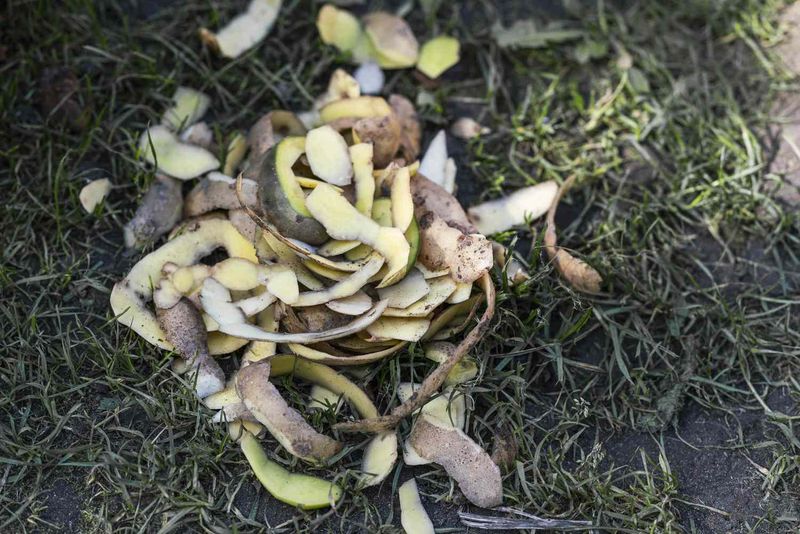
Peeling potatoes for dinner leaves you with skins that carry a surprising amount of potassium, plus traces of iron and magnesium your tomatoes can use.
Rather than tossing them, chop the peels small and bury them a few inches down near your plants, spacing them out so they decompose evenly. As they rot, the peels release potassium that supports strong stems and better fruit set.
One caution worth heeding: bury peels deep and keep them away from the surface, because exposed potato scraps can sprout or invite pests. Deep placement lets soil microbes do the breaking-down work out of sight.
Potato water, the starchy liquid left after boiling, can also be cooled and poured around plants for a mild nutrient boost, as long as you skip any salt or butter.
Because potato peels break down more slowly than soft scraps like banana, they act like a slow-release snack that may help feed plants steadily through the middle of the growing season rather than all at once.
5. Used Tea Leaves
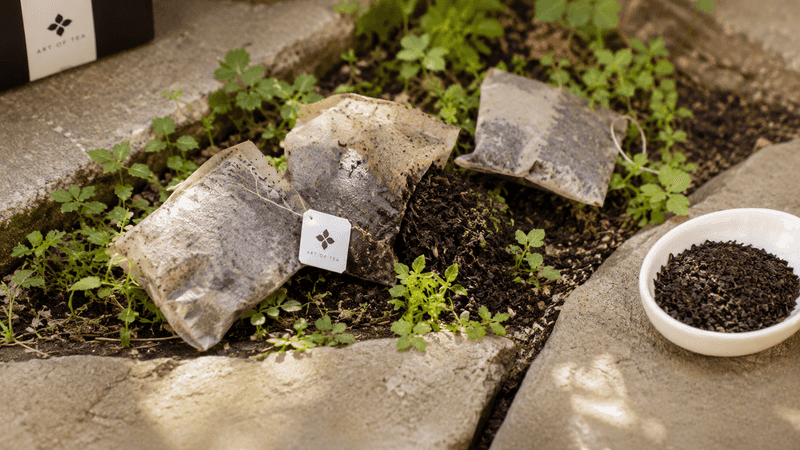
Loose tea or a torn-open tea bag might seem like nothing, yet those spent leaves add gentle nitrogen and organic matter right where tomatoes want it.
Once the leaves have cooled and drained, scatter them thinly around the base of your plant and work them lightly into the top layer of soil. They break down quickly and feed the microbes that keep roots healthy.
Skip any bags made with plastic mesh, and remove staples first, so you’re only returning the plant material to your bed. Paper bags can go straight into compost.
Tea leaves also help the soil hold moisture a little better, which matters during hot stretches when tomato roots dry out fast between waterings. That extra moisture buffer can reduce stress that leads to cracked or dropped fruit.
Because the nutrient load is mild, tea leaves are hard to overdo, making them a forgiving option for gardeners nervous about burning tender plants.
Curious bit: gardeners have long tucked spent tea around acid-loving plants, but tomatoes appreciate the organic matter just as much.
6. Onion Skins
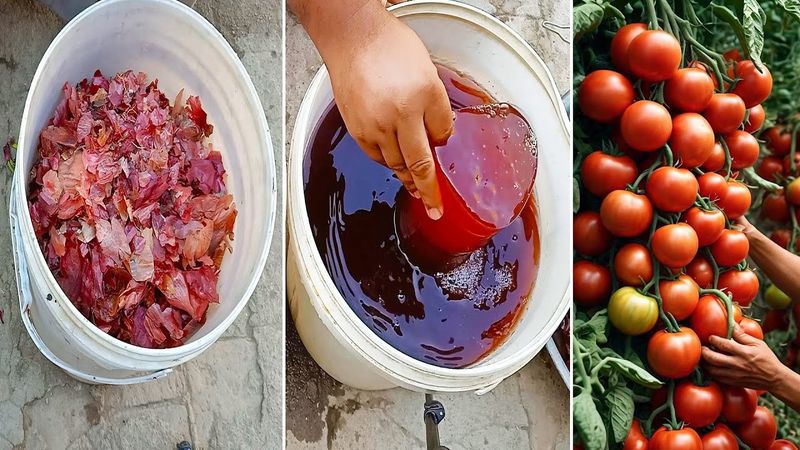
Those papery outer layers you peel off an onion before chopping are quietly full of potassium and other trace minerals that support fruiting plants.
The easiest way to use them is to soak a handful of dry skins in a jar of water for a day or two, then pour that amber liquid around your tomato roots as a homemade mineral tea. The skins themselves can also go straight into the soil or compost.
Because onion skins carry small amounts of sulfur and antioxidants, some gardeners believe the tea may help plants shrug off minor stress, though you shouldn’t expect it to cure real disease.
Use the liquid on the soil rather than the leaves, and keep the mix weak so nothing gets overwhelmed. A pale, watery brew is all you need.
Onion skin tea costs nothing and takes seconds to start, which makes it an easy habit to build every time you cook. Over a season those little pours add up to a steady drip of potassium that can support heavier fruit set.
7. Wood Ash from the Fireplace
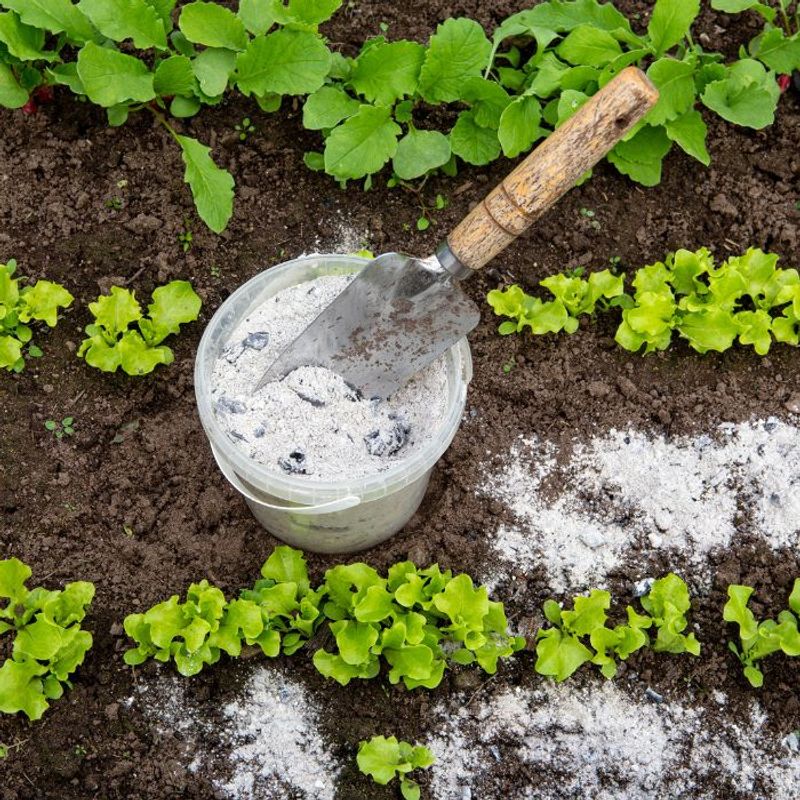
After a cozy fire burns down, the gray ash left in the grate is surprisingly rich in potassium and calcium, both prized by tomato growers.
Sprinkle a thin dusting around your plants and scratch it into the soil, but treat it like seasoning rather than a main course. A little goes a very long way here.
Only use ash from clean, untreated wood, never from painted lumber, charcoal briquettes, or anything with lighter fluid, since those leave harmful residues behind.
Wood ash raises soil pH, so it suits gardens that lean acidic and can hurt beds that are already alkaline. Testing your soil first can save you from accidentally pushing the balance too far.
Because tomatoes generally like slightly acidic to neutral ground, use ash sparingly and watch how your plants respond over a few weeks. Applied carefully, it may help firm up fruit and support flowering without any store-bought product.
Handy tip: store your ash dry in a covered metal can, because wet ash clumps and loses much of its usefulness before you ever get it to the garden.
8. Molasses
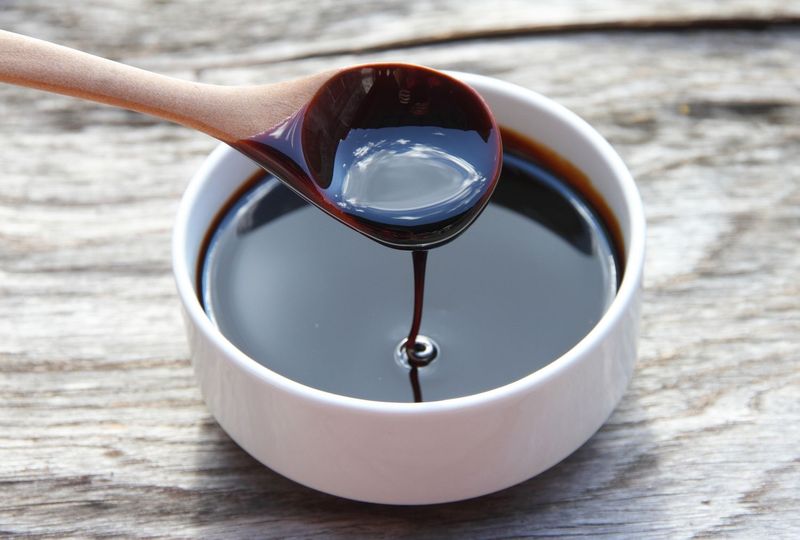
A spoonful of plain blackstrap molasses might live in your baking cabinet, but it doubles as a treat for the tiny life in your garden soil.
Molasses feeds beneficial microbes and fungi, and a well-fed microbe crowd helps unlock nutrients already sitting in your soil so tomato roots can grab them.
Mix about a tablespoon into a gallon of water until it dissolves, then pour it around the base of your plants. The sugars give soil biology a quick burst of energy without adding harsh chemicals.
Because it also supplies a bit of potassium and iron, molasses can support the sweetness and vigor of developing fruit, though it works best as a supplement to good compost rather than a stand-alone fix.
Choose unsulphured molasses when you can, since sulphured versions carry additives that soil microbes don’t appreciate. Keep the solution weak so you’re feeding, not drowning, your bed.
Used every couple of weeks through the growing season, this sticky pantry staple may help build the kind of lively soil that grows healthier, more productive tomato plants.
9. Cornmeal
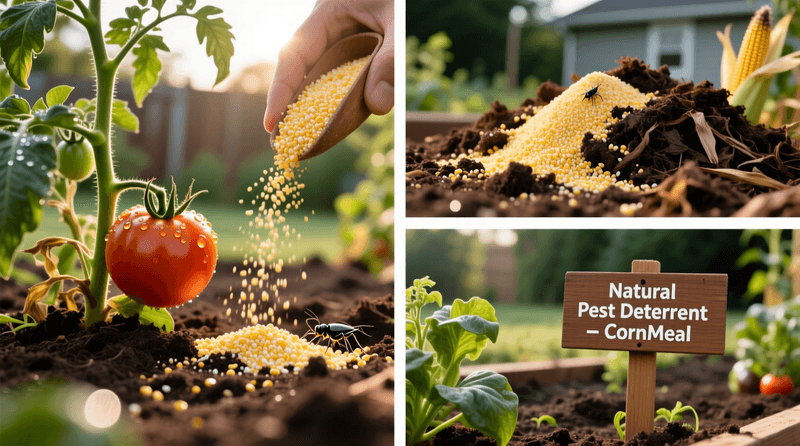
The bag of cornmeal in your pantry can pull double duty in the tomato patch, feeding soil fungi that compete against some of the pests and problems that trouble plants.
Scattered lightly over the soil surface and watered in, cornmeal breaks down and encourages beneficial microbes that some gardeners credit with keeping certain root and soil issues in check.
Think of it as a soil conditioner rather than a fast fertilizer. It won’t green up leaves overnight, but over weeks it can help build a more balanced underground environment for roots.
Use a modest handful per plant and avoid piling it thick, since a heavy layer can go moldy on top before it does any good below.
Because whole cornmeal is slow to break down, it releases its benefits gradually, which suits the long haul of a tomato season nicely.
Worth remembering: cornmeal is one of those quiet old-timer tricks that gardeners pass around at plant swaps, valued more for building healthy soil than for any dramatic overnight rescue.
10. Citrus Peels
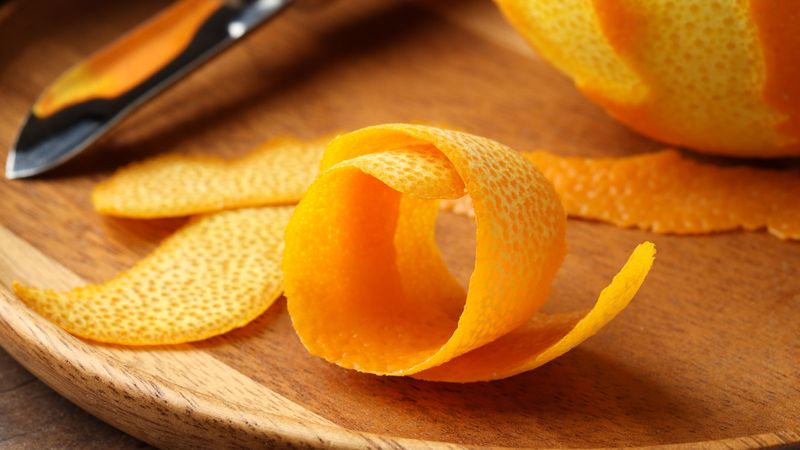
Orange, lemon, and lime rinds usually head straight for the trash, but chopped small they add slow-release nutrients and organic matter to tomato beds.
Citrus peels contribute nitrogen, phosphorus, and a bit of potassium as they decompose, so dicing them finely and burying them speeds the process along. Big chunks take ages to break down and can attract flies while they wait.
Beyond feeding the soil, the fragrant oils in citrus rind may help discourage certain soft-bodied pests and even some curious animals from nosing around your plants, though it’s no guaranteed force field.
Balance is key, because a huge pile of acidic peels could nudge soil pH in one direction, so scatter them in moderation rather than dumping a whole bag at once.
Tossing peels into your compost is often the smoothest route, letting them mellow before they reach roots.
Little-known angle: some gardeners tuck citrus peels near stems specifically to make the spot less inviting to nibbling critters, a two-for-one use that turns breakfast scraps into a mild deterrent.
11. Fish Scraps
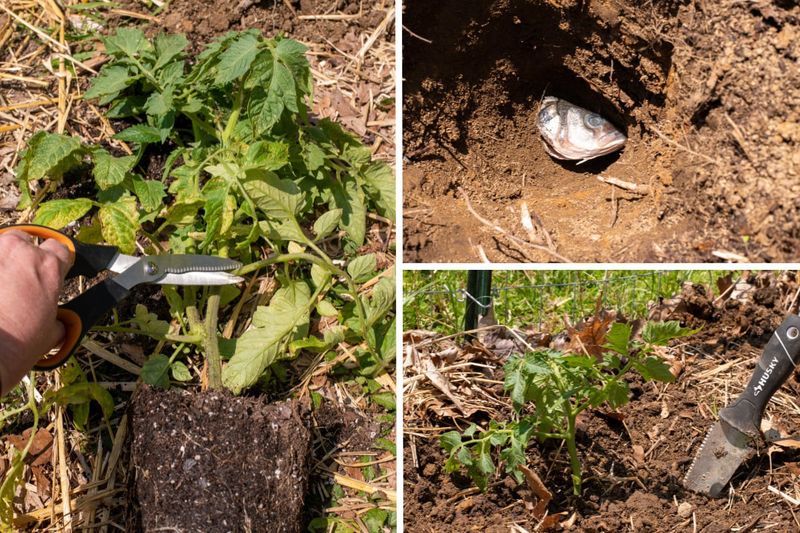
Cleaning a fresh catch or trimming fish for dinner leaves behind heads, bones, and guts that early gardeners famously buried right beneath their crops.
Fish scraps are packed with nitrogen, phosphorus, and calcium, which is exactly why the old trick of planting a fish under a tomato has stuck around for centuries.
Dig a hole several inches deeper than your root ball, drop in a small amount of fish waste, cover it with a good layer of soil, then set your seedling on top so roots reach the nutrients as they grow down.
Bury it deep and cover it well, because uncovered fish will absolutely draw cats, raccoons, and neighborhood complaints in a hurry.
As the scraps break down they deliver a rich, slow feed that can fuel vigorous growth and heavy fruiting through the season.
Historical nod: Native American growers taught early settlers to plant fish with their crops, and gardeners still swear by the strong plants it produces, making this humble scrap one of the most powerful on the list.
12. Rice Water
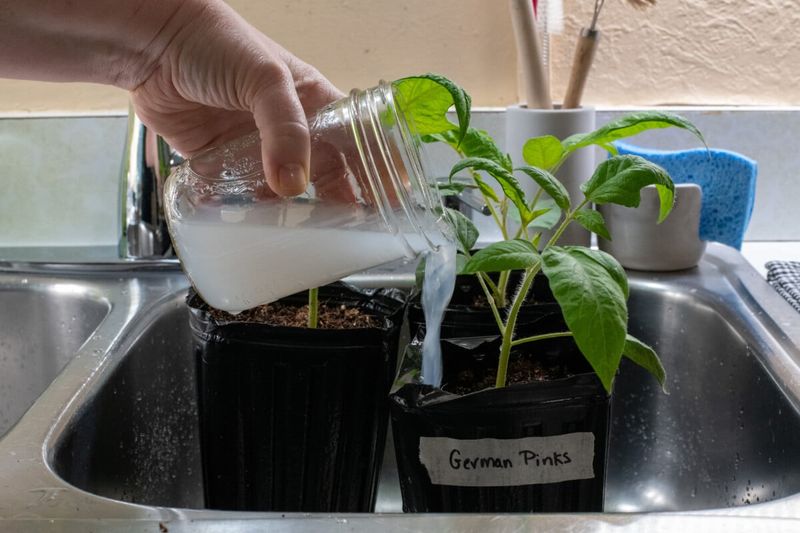
The cloudy water left after rinsing or boiling rice looks like waste, yet it carries starches and trace minerals that give soil microbes a quick meal.
Let the water cool completely, then pour it around the base of your tomato plants instead of sending it down the drain. If you boiled the rice, make sure no salt was added, since salt can harm roots.
The mild starch content feeds beneficial soil life, and a busier microbe population helps make existing nutrients more available to hungry roots.
Because it also holds small amounts of nitrogen, phosphorus, and potassium leached from the grains, rice water acts as a gentle, watery snack that’s almost impossible to overdo.
Use it fresh rather than letting it sit and sour on the counter, and pour at soil level rather than over the leaves.
Thrifty bonus: this costs you literally nothing extra and turns a daily kitchen step into a small boost for your plants, which makes it an easy habit to keep up all summer long.
13. Vegetable Cooking Water
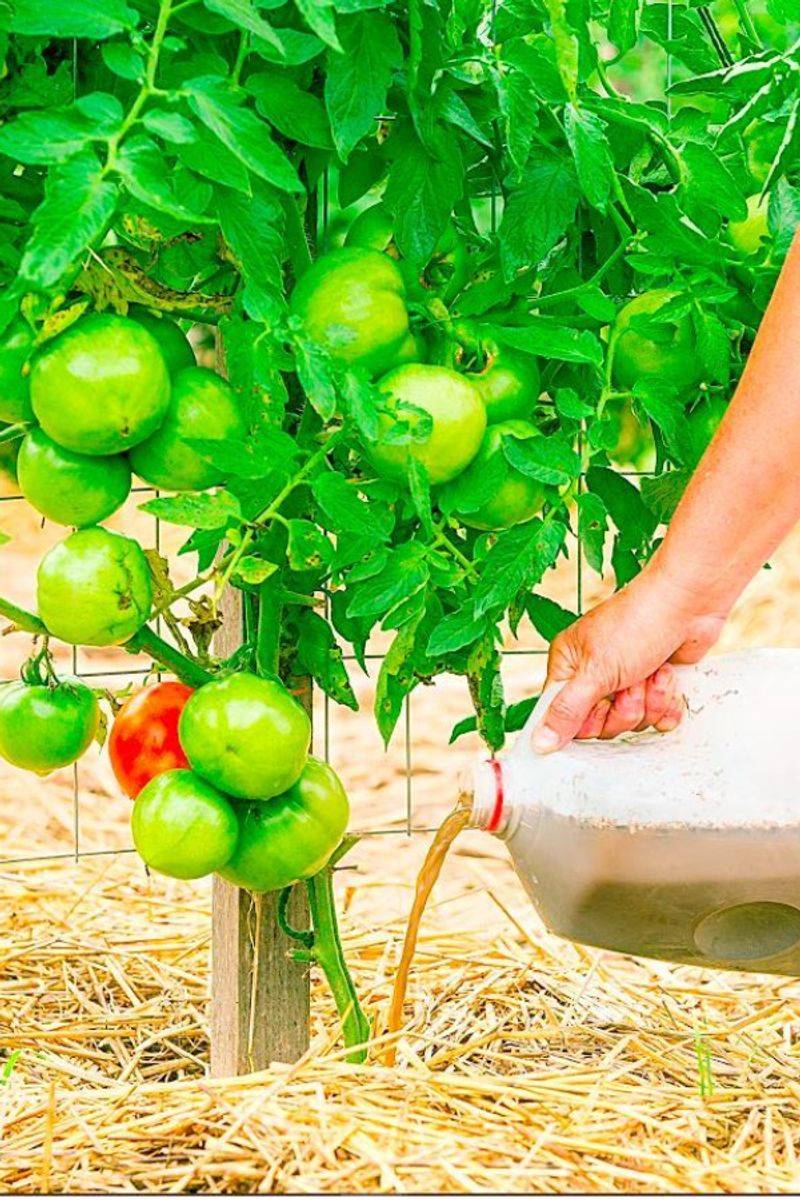
Every time you steam or boil vegetables, some of their vitamins and minerals leach into the pot, and that nutrient-tinted water is a shame to pour down the sink.
Once it has cooled and you’ve confirmed it holds no added salt, use it to water your tomatoes and hand them a light dose of whatever the veggies gave up.
Broccoli, carrot, and green bean water all carry small amounts of the minerals those plants absorbed, so your tomatoes get a diluted vitamin drink for free.
Salt is the dealbreaker here, so this only works with plain, unseasoned cooking water. Anything salted should be dumped elsewhere.
Because the nutrient concentration is low, there’s little chance of overfeeding, making this a relaxed way to stretch a resource you already created.
Pour it at the roots on a cool part of the day so the moisture soaks in instead of evaporating off hot soil.
Simple habit: keeping a jug by the stove to catch cooled cooking water turns an everyday chore into a steady, gentle feed for the garden.
14. Avocado Skins and Pits
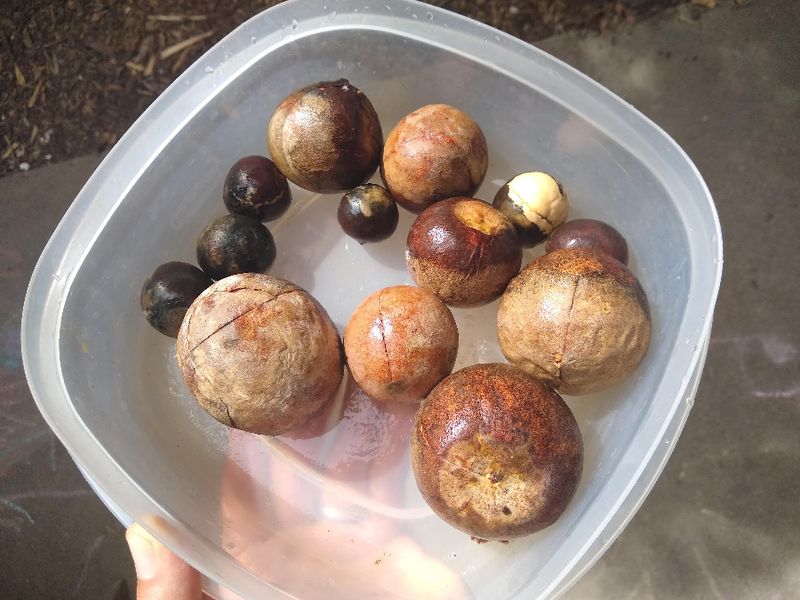
After scooping out that green flesh, most people toss the leathery skin and hard pit, unaware they still hold organic matter and nutrients worth returning to the soil.
Chopped or crushed, avocado skins break down into rich humus that improves soil texture and slowly feeds tomato roots. The pit is stubborn, so smash it or chop it before burying, or it’ll sit whole for a very long time.
Because these scraps are dense and slow to rot, they’re best added to a compost pile where heat and time can work them down before the material reaches your plants.
As they decompose, avocado leftovers contribute potassium and magnesium along with valuable organic bulk that helps sandy soil hold water and clay soil drain better.
Patience pays off with this one, since rushing a whole pit straight into the bed just leaves a lump underground.
Waste-cutting win: turning avocado skins and pits into compost means even the toughest parts of your snack end up quietly supporting a bigger tomato harvest instead of a landfill.
15. Melon Rinds
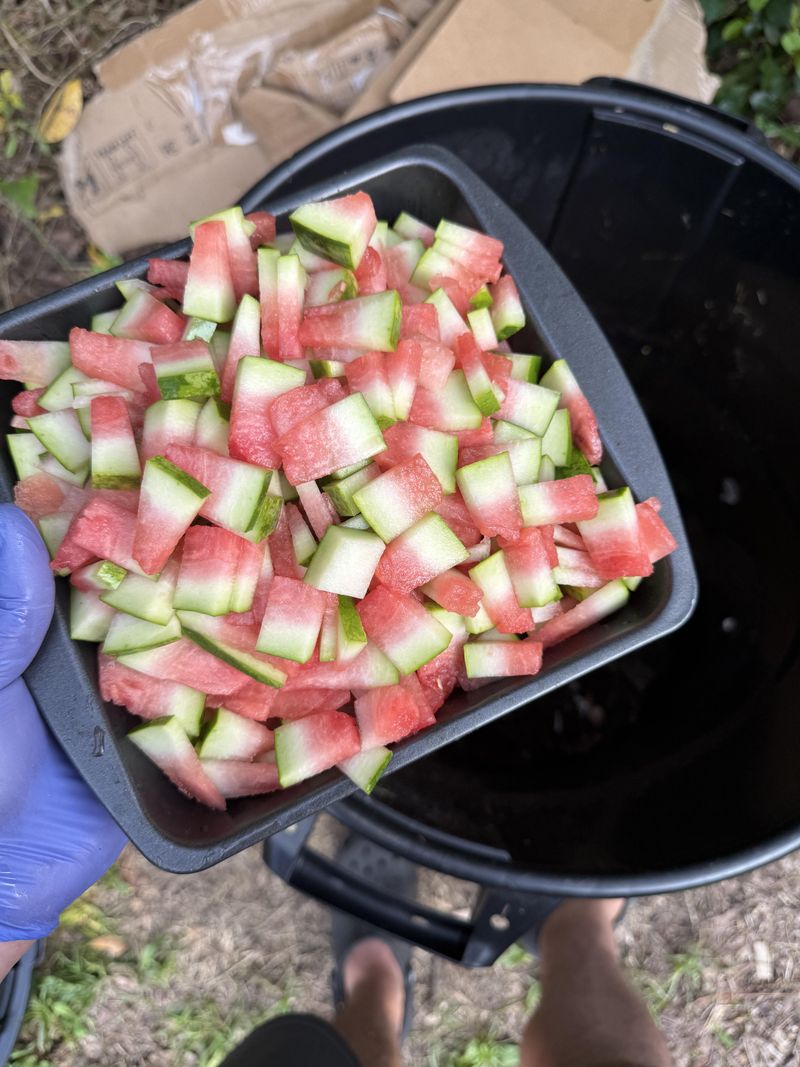
The rind left after a summer watermelon or cantaloupe feast is bulky, watery, and full of sugars and minerals that break down fast in a garden bed.
Chop the rind into chunks and either bury it near your tomatoes or add it to compost, where its high moisture content helps kickstart decomposition of drier materials around it.
Melon rinds release potassium and trace minerals as they rot, giving fruiting plants a helping hand during the very season melons are ripe, which lines up perfectly with peak tomato time.
Bury the pieces well, because sweet, soft rind on the surface is an open invitation to fruit flies, ants, and raccoons looking for a treat.
Their softness means they decompose quickly compared to woody scraps, so you’ll see them disappear into the soil within weeks rather than months.
Seasonal harmony: the same warm months that flood your kitchen with melon rinds are when your tomatoes are working hardest, making this a wonderfully timed scrap to keep feeding your plants right through the heat.
16. Nut Shells
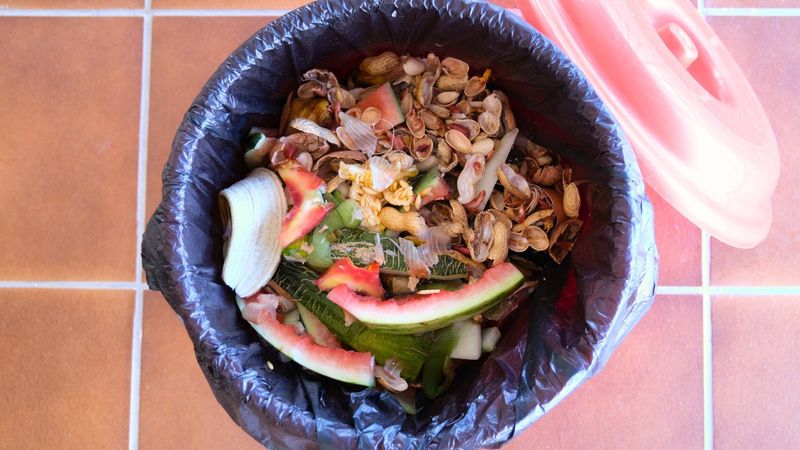
Cracking peanuts, walnuts, or almonds leaves a pile of shells that most folks sweep into the trash, missing a slow but useful source of organic matter.
Crushed nut shells break down gradually and add structure to soil, helping heavy clay loosen up so tomato roots can spread and breathe more freely.
Because they decompose slowly, they also make a tidy mulch that suppresses weeds and holds moisture around the base of plants during hot spells.
One important exception: skip black walnut shells, which contain a natural compound called juglone that can harm tomatoes, so stick with peanut, almond, or English walnut instead.
Salted shells from snack mixes should be rinsed first, since salt buildup does roots no favors.
Their slow breakdown means they won’t deliver a quick nutrient jolt, but they improve the soil for the long term and keep giving season after season.
Handy note: because crushed shells resist rotting, a layer of them can gently deter some soft-bodied pests from crawling up to your stems, adding a small defensive bonus to their soil-building job.
17. Pasta Water
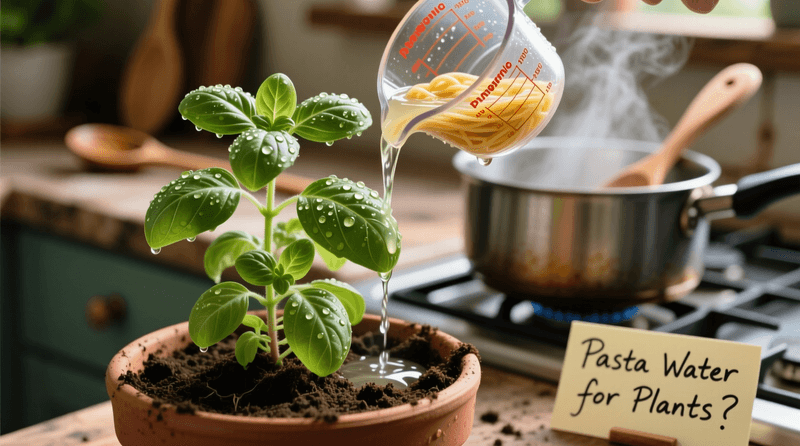
Draining a pot of pasta usually means pouring starchy water straight down the drain, but that cloudy liquid can feed the microbes living around your tomato roots.
The catch is simple: it only works if you salted the water lightly or not at all, because heavily salted pasta water will damage plants rather than help them. When in doubt, dilute it heavily or skip it.
Cooled, low-salt pasta water carries dissolved starches that give soil biology a quick energy source, and livelier soil life tends to make nutrients easier for roots to absorb.
Pour it around the base of established plants rather than tender seedlings, and never use it hot, since scalding water will shock and injure roots.
Because the benefit comes mostly from feeding microbes, treat this as an occasional boost rather than a routine feeding, and always lean toward unsalted batches.
Kitchen-to-garden tip: if you know you’re saving the water for plants, cook that batch of pasta with little or no salt so the leftover liquid is safe to pour without a second thought.