
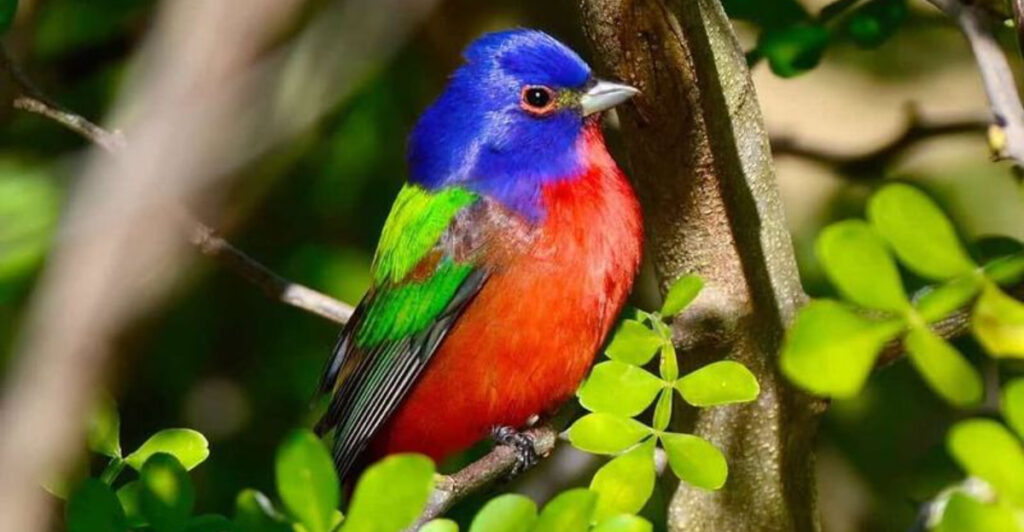
Painted buntings are some of the most colorful birds you can spot in Florida, and the right vines can turn a plain backyard fence into a magnet for them. Native flowering vines give these shy birds cover to hide, seeds and insects to eat, and blooms that also feed hummingbirds and butterflies. Best of all, plants that already belong in Florida shrug off sandy soil, summer heat, and stormy weather without much fussing from you. Here are seven native vines that will green up your fence and pull those rainbow-colored visitors right into your yard.
1. Coral Honeysuckle (Lonicera sempervirens)
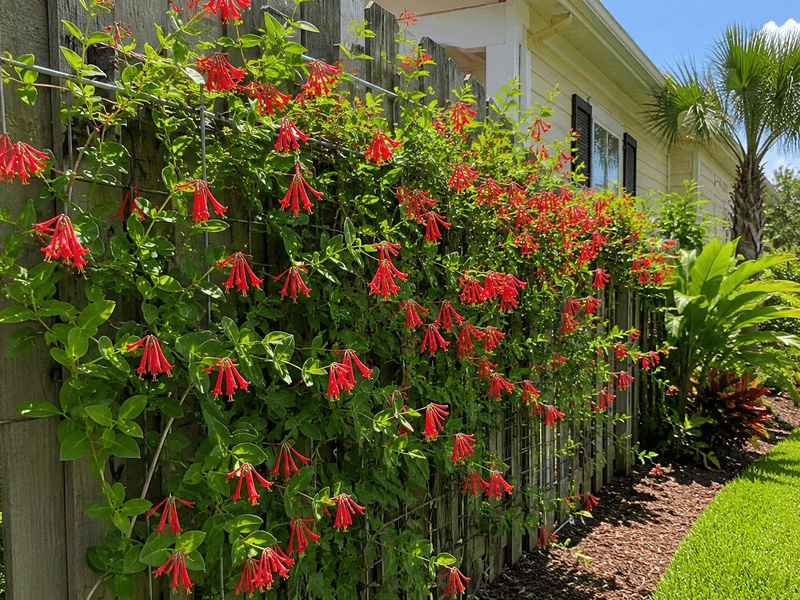
Few native vines earn their spot faster than coral honeysuckle. The trumpet-shaped red blooms show up as early as spring and keep coming through much of the year, and they are basically a neon sign for hummingbirds and buntings alike.
Unlike the invasive Japanese honeysuckle that chokes out other plants, this well-behaved Florida native stays polite on a fence. It handles the state’s sandy, fast-draining soil without complaint and asks for almost nothing once its roots settle in.
Painted buntings love the tangle of stems for shelter, and later in the season the vine produces small red berries that give them something to snack on. Plant it in full sun to part shade and let it weave through fence wire. Within a season or two you will have a living wall of color that birds treat like a rest stop.
2. Crossvine (Bignonia capreolata)
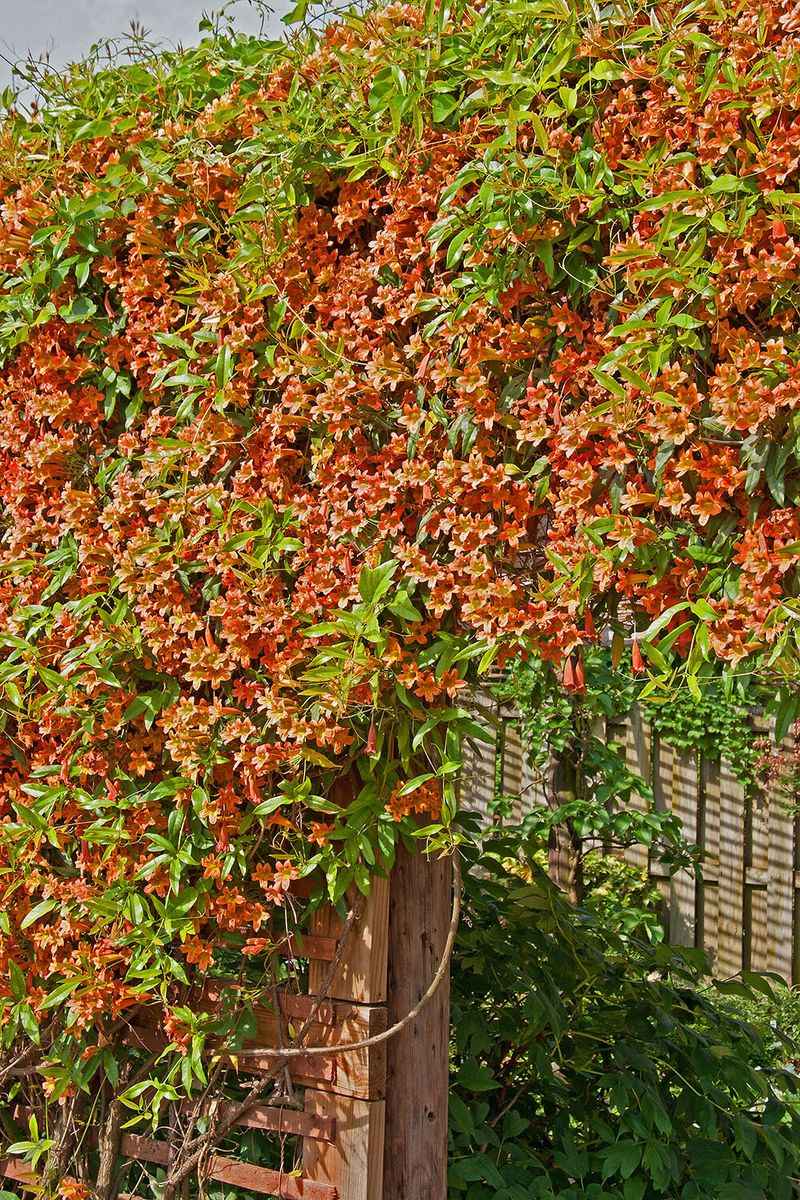
When you want a fence to disappear behind flowers in a hurry, crossvine is the overachiever of the group. It climbs fast using little clinging tendrils, and by early spring it explodes with orange and yellow trumpet blooms that stop people in their tracks.
This one is tough. It tolerates flooding better than most vines, bounces back after a bruising storm, and keeps its leaves through Florida’s mild winters, so your fence stays covered year-round.
The deep flowers are built for long-tongued visitors, but the dense evergreen cover is what really matters to painted buntings. They tuck into that thick growth to hide from hawks and rest between feeding trips. Give it a sturdy fence to grab onto, and crossvine will reward you with fast coverage and very little upkeep.
3. Carolina Jessamine (Gelsemium sempervirens)
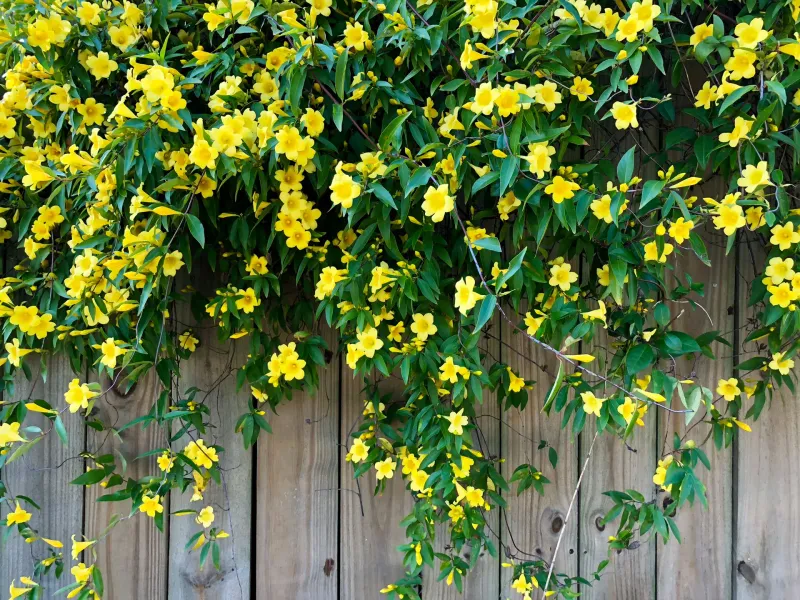
Imagine a fence that turns golden while the rest of the yard is still shaking off winter. Carolina jessamine does exactly that, unrolling sweet-smelling yellow trumpets as early as January and February when little else is blooming.
The fragrance alone is worth the planting, but the twining stems also form a neat, tidy cover that dresses up chain-link or wood fencing beautifully. It thrives in Florida’s sun, laughs off dry sandy spots, and needs only an occasional trim to stay in bounds.
Buntings appreciate the early-season shelter and the insects that gather around the blooms. A quick heads-up: every part of this plant is toxic if eaten, so keep it away from curious pets and kids who nibble. Handle it with common sense and it becomes one of the easiest, most cheerful vines you can grow on a fence line.
4. Corky-stem Passionflower (Passiflora suberosa)
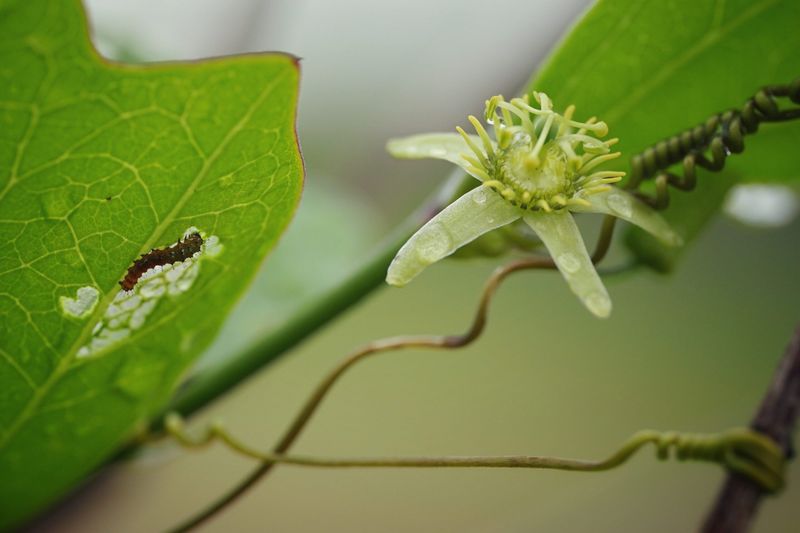
Do not judge this vine by its small, plain flowers, because corky-stem passionflower is a wildlife powerhouse hiding in a modest package. Its blooms are tiny and greenish, but the plant is a nonstop insect diner and a host for zebra longwing and gulf fritillary caterpillars.
That buzz of insect life is exactly what makes it a bunting favorite. Painted buntings feed protein-hungry chicks with bugs, and a passionflower vine on the fence keeps a steady buffet within easy reach.
It also produces small dark berries the birds pick at, and the twiggy growth gives them cover. This is a scrambling native that shrugs off heat and sand, spreading happily along a fence with almost no help. If you want a low-maintenance vine that pulls in more birds, butterflies, and beneficial bugs than its size suggests, this humble climber punches way above its weight.
5. Coral Bean Vine and Climbing Aster (Symphyotrichum carolinianum)
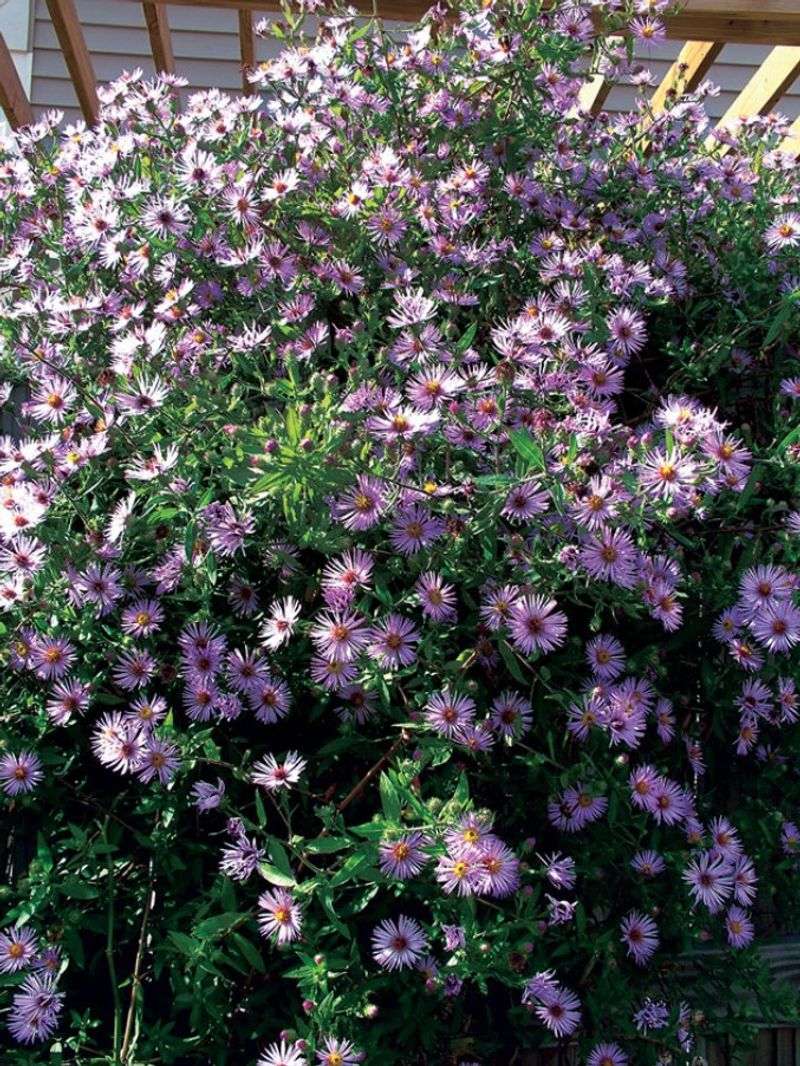
Come fall, when summer bloomers are winding down, climbing aster steps up with a cloud of soft lavender-purple, daisy-like flowers that seems to glow at dusk. The timing is perfect, since it feeds pollinators right as migrating birds are moving through Florida.
This sprawling native loves the edges of ponds and ditches, which means it takes wet feet and flooding in stride, a real plus after a soggy hurricane season. Trained onto a fence, it forms a loose, billowy screen.
Painted buntings work the seed heads that follow the flowers, and the dense stems double as a hiding spot. Because it blooms late, it fills the gap other vines leave behind and keeps your fence useful to wildlife into the cooler months. Cut it back after flowering to keep it shapely, and it comes roaring back the next year with even more blooms.
6. Trumpet Creeper (Campsis radicans)
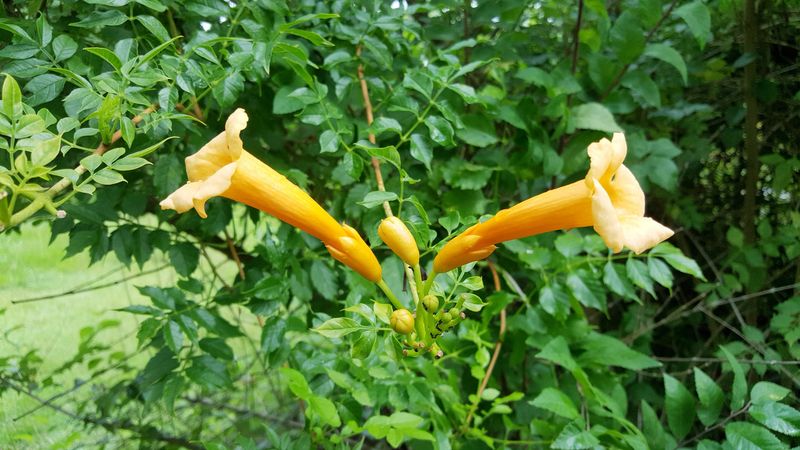
Big, bold, and impossible to ignore, trumpet creeper is the vine you plant when you want maximum drama and maximum wildlife. Its huge orange trumpet flowers bloom right through the brutal heat of July and August, feeding hummingbirds when many other plants have given up.
Growth is vigorous, so this one belongs on a strong fence where it has room to sprawl. A yearly pruning keeps it from taking over, and in return it delivers thick coverage that shelters nesting birds.
Painted buntings favor the dense tangle for cover, and the vine draws so many insects that it becomes a reliable feeding ground. It thrives in poor sandy soil and full Florida sun, which is where it looks its best. Just give it space and a firm hand with the pruners, and trumpet creeper will turn a boring fence into a summer-long wildlife stage.
7. Maypop Passionflower (Passiflora incarnata)
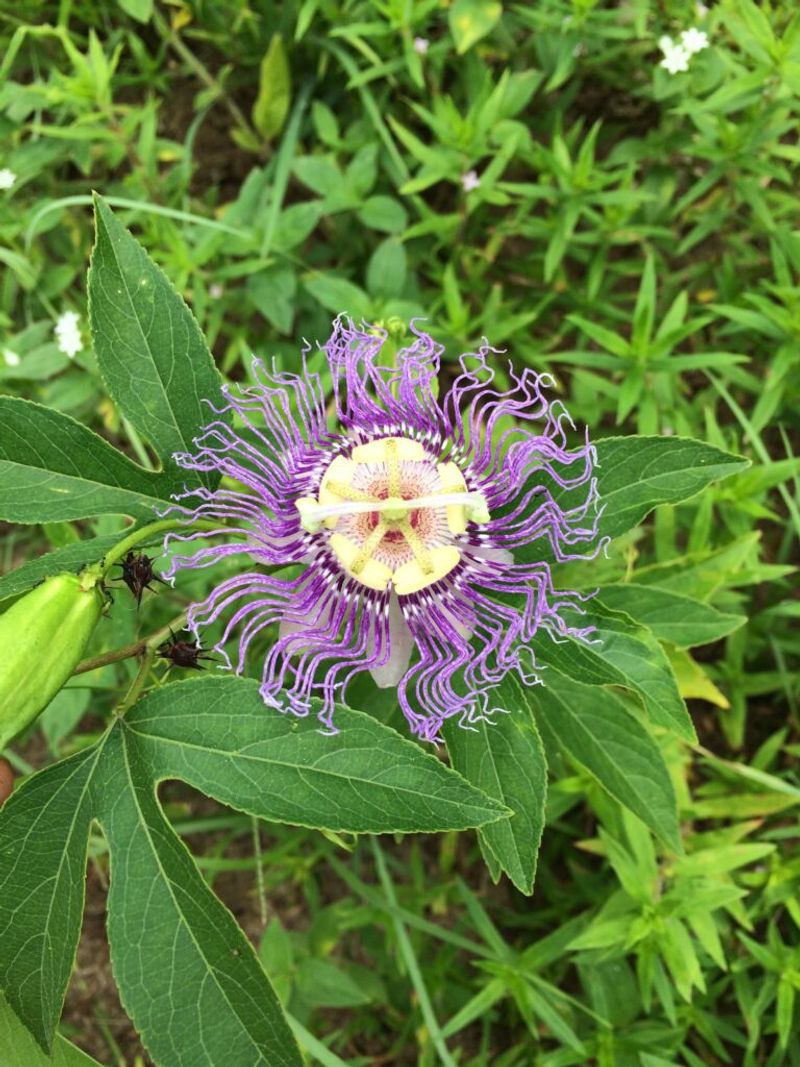
Maypop saves the showstopper for its flowers, which look like something dreamed up by an artist. The intricate purple-and-white blooms are among the most striking of any Florida native, and they open all summer long on a vine that also feeds a parade of caterpillars.
Beyond the beauty, maypop earns its keep with the egg-shaped fruit that follows the flowers, giving birds and other critters something to eat. The insects it hosts are a magnet for painted buntings hunting for protein.
It dies back in cold snaps and springs up again from the roots, so do not panic if it looks bare in a chilly winter. Plant it in sun on a fence with a little support, keep an eye on its spreading habit, and this dazzling native will hand you flowers, fruit, butterflies, and buntings all from a single hardy vine.