
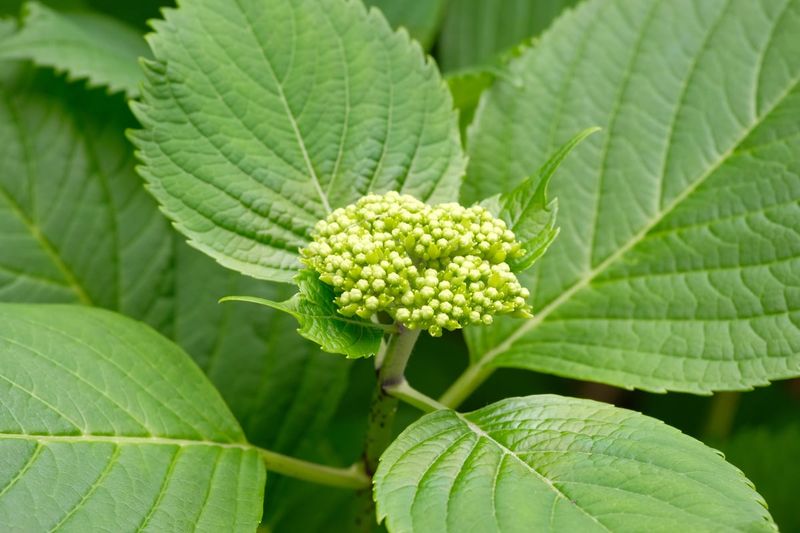
Few gardening frustrations match watching a hydrangea push out a full flush of healthy leaves every spring, then produce almost no flowers. Before assuming the plant is hopeless or the soil is wrong, it helps to know that foliage and flower buds can respond very differently to the same conditions. A pruning cut made at the wrong time of year, a hard frost, or even a hungry deer can quietly erase the coming season’s blooms while leaving the rest of the plant looking perfectly fine. Pinpointing what actually happened, starting with what kind of hydrangea you have, is the fastest path back to a blooming shrub.
Healthy leaves do not prove that the flower buds survived
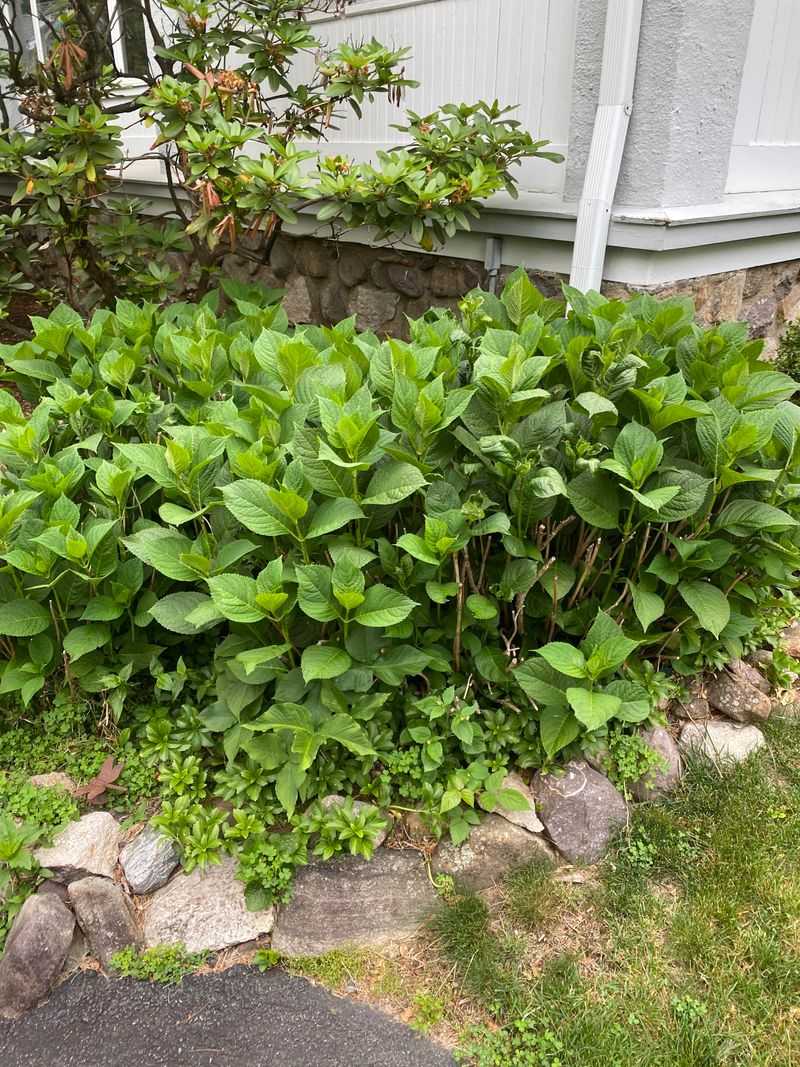
A hydrangea covered in glossy green leaves can look like a picture of good health, yet produce almost no blooms. Foliage and flower buds are not the same thing, and they do not always share the same fate. Stems can push out a full canopy of leaves after their flower buds have already been removed or killed, which is why a leafy plant does not point to any single cause on its own.
Several things can erase flower buds while leaving the rest of the plant untouched. Pruning at the wrong time of year is one possibility, especially for certain hydrangea types. But winter cold, a late spring frost, browsing by deer or rabbits, too much shade, and cultivar hardiness can each produce the same symptom: healthy foliage, almost no flowers. Penn State Extension lists all of these as documented reasons a bigleaf hydrangea may fail to bloom, and none of them automatically rules out the others.
Mistimed pruning is an important possible cause, particularly if your plant is a bigleaf or oakleaf type and someone cut it back during fall, winter, or early spring. Before deciding that pruning is the culprit, though, knowing which hydrangea you actually have is the necessary first step. Illinois Extension makes the same point clearly: the right pruning window depends entirely on the species, and applying the wrong rule to the wrong plant can create the very problem you are trying to fix.
Identify the hydrangea before choosing a pruning date
Knowing the species growing in your yard is not a botanical formality. It is the single most useful piece of information you can have before picking up pruning shears, because the correct timing differs dramatically from one type to the next. A cut that is perfectly timed for a panicle hydrangea can quietly cancel an entire season of blooms on a bigleaf plant.
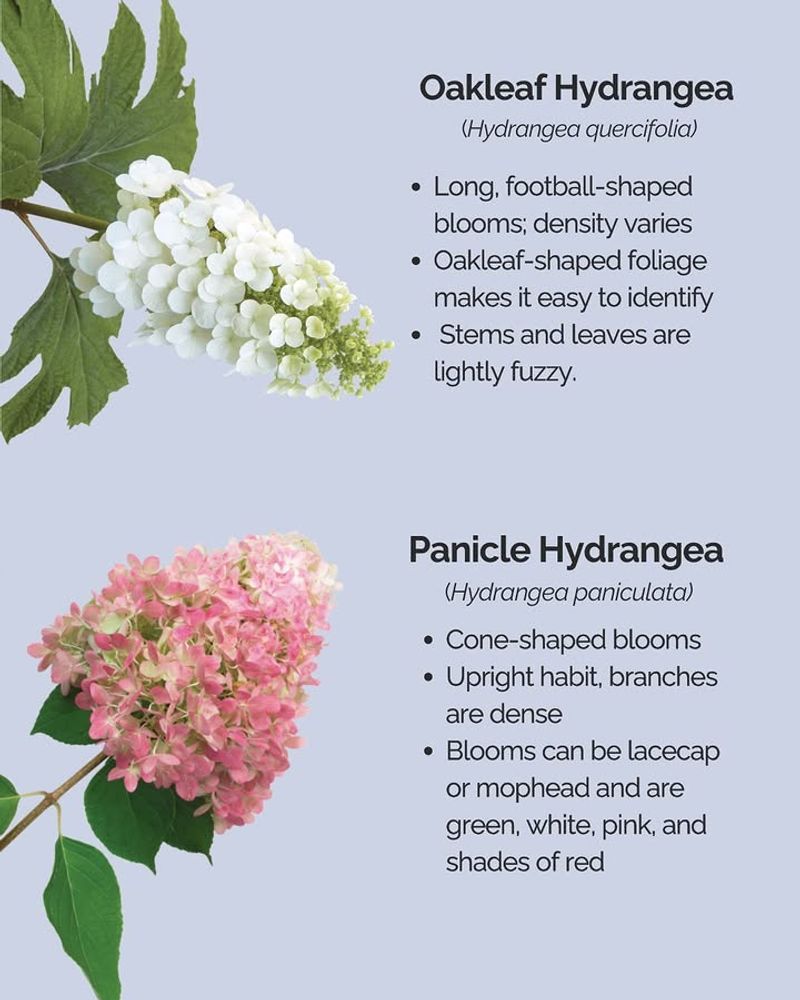
Visual clues can help narrow things down, though they are not foolproof. Bigleaf hydrangeas (Hydrangea macrophyllaH. paniculataH. quercifolia) typically carry either rounded, ball-shaped mophead flowers or flat lacecap clusters with tiny central buds ringed by larger petals. Panicle hydrangeas () are easier to spot by their cone- or pyramid-shaped flower clusters, which often turn pink or tan as the season progresses. Oakleaf hydrangeas () have deeply lobed leaves that look remarkably like red oak foliage, making them fairly distinctive even without flowers.
Smooth hydrangeas (H. arborescens), including the popular cultivar ‘Annabelle’, tend to have large rounded flower heads on a more compact, mounding shrub.
As Illinois Extension explains, these visual cues offer a reasonable starting point but are not a guarantee of correct identification. The most reliable approach is to check the original plant tag, look up the botanical name, or consult your local cooperative extension office. Getting the identity right before the next pruning season gives you the foundation everything else depends on. Penn State’s species-by-species pruning guide is a practical reference once you have confirmed which plant you are working with.
Dormant-season cuts can remove old-wood flowers
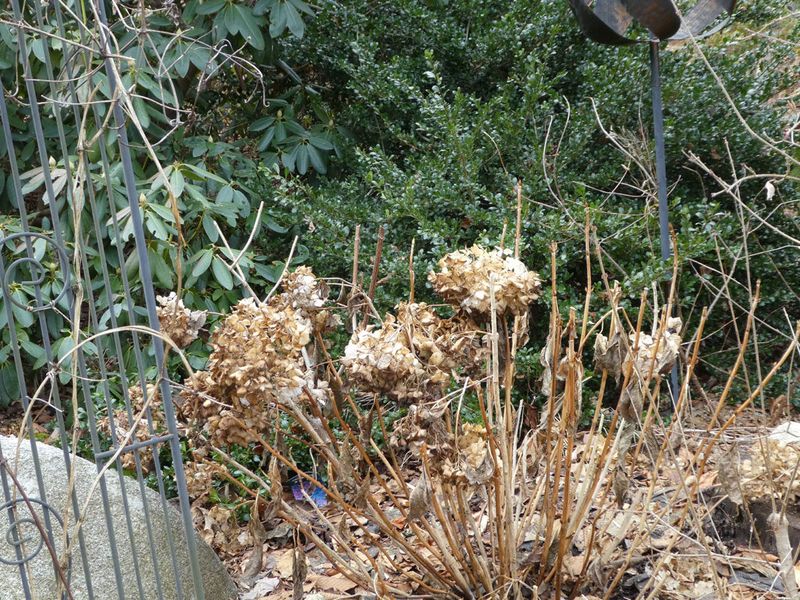
Bigleaf hydrangeas and oakleaf hydrangeas share a trait that catches many gardeners off guard: they generally form next season’s flower buds on stems that grew during the previous summer. Those stems are sometimes called “old wood,” and the buds sitting on them are already present, in a dormant state, by the time fall arrives. A cut made after that point removes the buds along with the stem.
The result is a plant that leafs out normally in spring because the roots and new growth are healthy, but produces few or no flowers because the stems carrying this season’s buds are gone. Penn State Extension identifies this as a primary reason bigleaf hydrangeas fail to bloom, and University of Minnesota Extension confirms that bigleaf hydrangeas should be pruned after flowering and before the next season’s buds form in late summer.
The risk is specific to old-wood types and to cuts made through live flowering wood. Pruning is not inherently harmful to these plants; it is the timing that matters. Removing dead or winter-damaged stems in early spring does not carry the same risk as cutting back healthy stems that still hold the season’s flower buds. Other causes, including winter cold, late frost, and animal browsing, can produce identical results even when no one has touched the plant with a tool, so pruning history is one part of the diagnosis, not the whole answer.
Prune old-wood types soon after flowering
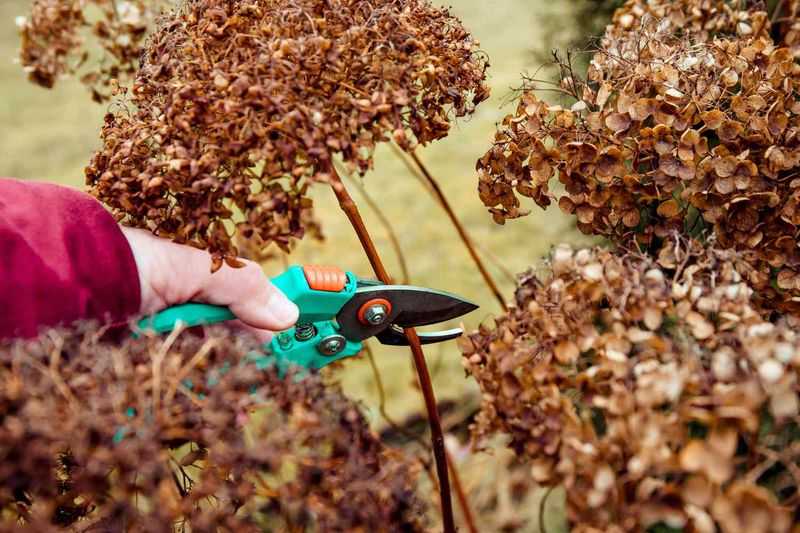
For bigleaf and oakleaf hydrangeas, the goal is to make any necessary cuts to live wood during a specific window: soon after the current season’s flowers fade and before the plant sets next year’s buds later in summer. That window varies by climate and cultivar, so rather than following a fixed calendar date, watch the plant. Once the blooms have finished and before late summer arrives, you have a reasonable opportunity to shape the shrub without sacrificing the next season’s flowers.
University of Minnesota Extension recommends making heading cuts just above a substantial bud, which helps the remaining stem direct energy toward a productive growing point. Selective cuts are almost always preferable to automatic shearing. Removing only dead, damaged, or crossing stems, and leaving healthy old wood intact, gives you the most control over the outcome. Penn State Extension advises keeping pruning of oakleaf hydrangeas minimal and limiting spring cuts to dead or winter-damaged wood only.
One distinction that trips up many gardeners is the difference between deadheading and pruning. Removing a spent flowerhead, the papery dried cluster at the tip of the stem, is a cosmetic task and does not automatically remove next year’s buds. The risk comes from cutting the live branches below the flowerhead, which is where future buds reside on old-wood types. As the Royal Horticultural Society’s hydrangea pruning guide clarifies, those two actions, removing a faded bloom versus cutting back the stem beneath it, have very different consequences for the following season.
New-wood hydrangeas can take a different schedule
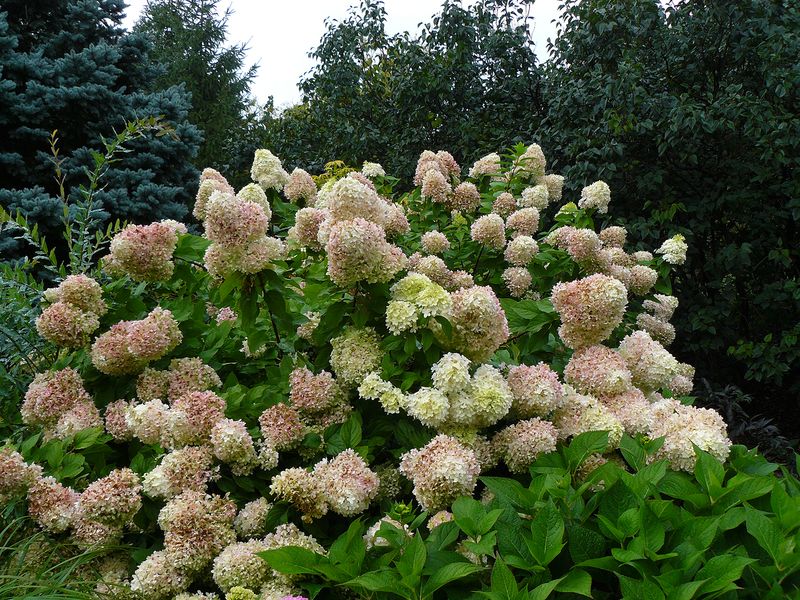
Smooth hydrangeas and panicle hydrangeas operate on a completely different schedule, and the old-wood caution does not apply to them. Both types form their flower buds on growth produced during the current season, which means last year’s stems do not carry this year’s blooms. Cutting them back in late winter or early spring removes old wood before new buds have even started to form, so the plant can still flower normally on the fresh growth that follows.
University of Minnesota Extension confirms that both smooth hydrangeas and panicle hydrangeas are generally pruned in late winter or early spring, before new growth begins. Common examples include ‘Annabelle’ for smooth types and ‘Limelight’ and ‘Quick Fire’ for panicle types, all of which are widely grown across US temperate zones. Established smooth hydrangeas may tolerate being cut back substantially, though leaving more of the woody framework in place tends to produce a larger, sturdier shrub with bigger flower clusters.
The practical takeaway is that the old-wood warning is real but not universal. Applying it to every hydrangea in the yard can actually cause problems if you end up skipping needed pruning on a panicle or smooth type out of misplaced caution. Illinois Extension puts it plainly: the old-wood versus new-wood distinction matters far more than any blanket rule about always or never pruning in a given season. Once you know the species, the appropriate schedule becomes straightforward.
Check weather, browsing, light, and plant hardiness
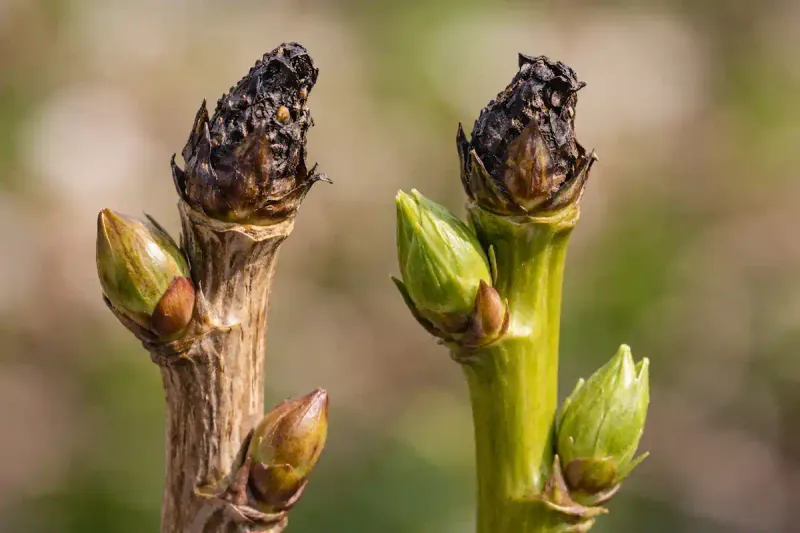
Some gardeners change their pruning habits and still end up with a flowerless hydrangea the following year. When that happens, the problem likely has nothing to do with timing. Several other well-documented causes can remove or kill flower buds just as effectively as a misplaced cut.
Winter cold and late spring frosts are among the most common culprits for old-wood bigleaf hydrangeas. Penn State Extension identifies winter injury as a major reason these plants fail to bloom, noting that roots may survive even when stems and buds are repeatedly killed in colder sites. A bigleaf hydrangea purchased from a florist or gift shop may be a tender cultivar that is poorly matched to your local winters, so the roots come back every spring but the flower buds never make it through. If you notice brown or hollow tissue inside the stems when you scratch them in early spring, winter damage is a strong suspect.
Protecting vulnerable buds with a loose layer of mulch or a temporary fabric cover before hard freezes may help reduce bud loss in future seasons, though it cannot restore buds already killed this year.
Deer and rabbits can remove the same old stems and buds that careless pruning would take. Penn State’s species pruning guide specifically notes that heavy deer browsing can produce the same outcome as fall pruning on old-wood types. Fencing or repellent strategies may help protect stems through winter.
Insufficient sunlight is another factor worth evaluating. Illinois Extension lists inadequate light alongside frost and incorrect pruning as likely causes of a bloomless season. Moisture stress is a possible contributing factor as well, particularly for bigleaf hydrangeas, which are relatively water-demanding. University of Georgia Extension notes that heat and drought stress can damage both foliage and blooms, and recommends avoiding severe pruning during periods of heat stress.
Keeping moisture reasonably consistent is a sensible precaution, though it is not a guaranteed fix for missing blooms.
Protect the next bloom cycle with a diagnosis-first plan
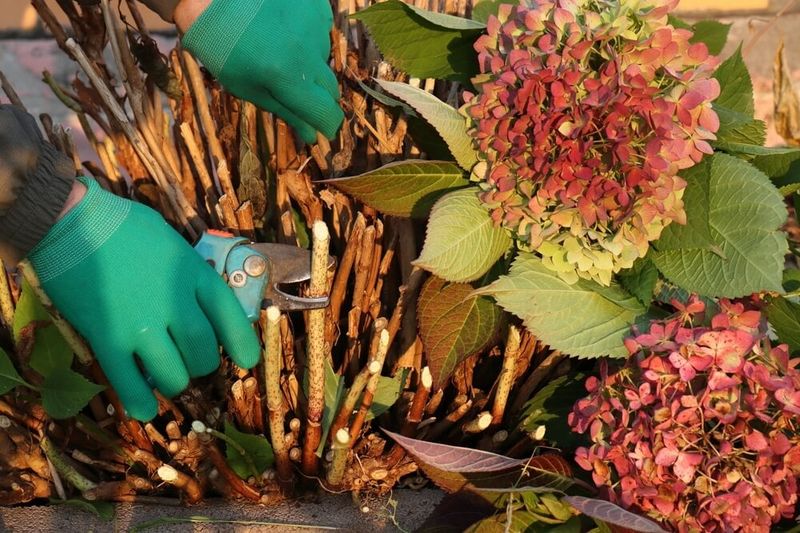
Getting flowers back starts with a short checklist before any cutting happens. Confirm the species using the plant tag or botanical name, then consider your pruning history. If you have an old-wood bigleaf or oakleaf hydrangea and it was cut back during fall, winter, or early spring, mistimed pruning is a reasonable suspect. Stop those dormant-season cuts on live wood and shift to a post-bloom schedule instead.
If you have a smooth or panicle type, late-winter or early-spring pruning generally fits the plant’s cycle and is not the cause of the problem.
After ruling pruning in or out, work through the other possibilities. Inspect the stems for winter damage, think back on whether a late frost hit after the buds had broken dormancy, check whether deer or rabbits have been active near the plant, and honestly evaluate how much direct sun the shrub receives each day. University of Minnesota Extension and Penn State Extension both recommend working through these site and environmental factors before turning to soil amendments or fertilizer, since excess nitrogen can actually push vegetative growth at the expense of flowers.
Reblooming bigleaf cultivars, such as those in the Endless Summer group, can flower on both old and new wood, giving them more flexibility, but they do not guarantee a full bloom if old buds were lost to cold. Whatever caused this season’s silence, the buds that are gone cannot come back mid-season. A clear diagnosis now is the best investment you can make in next year’s flowers.