
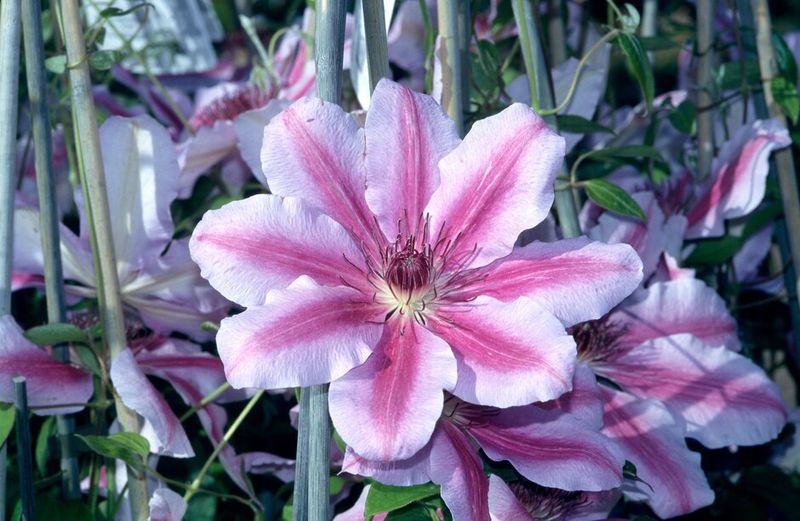
If your clematis keeps putting out leafy vines but skips the flowers, you are not alone and the plant is probably not hopeless. One common hidden cause is pruning at the wrong time for that specific vine’s flowering group, and it can silently wipe out an entire season of blooms before you realize what happened. Getting this right starts with knowing which type of clematis you have, then checking a few other growing conditions that can quietly hold the plant back.
A pruning mistake can cost a season of flowers
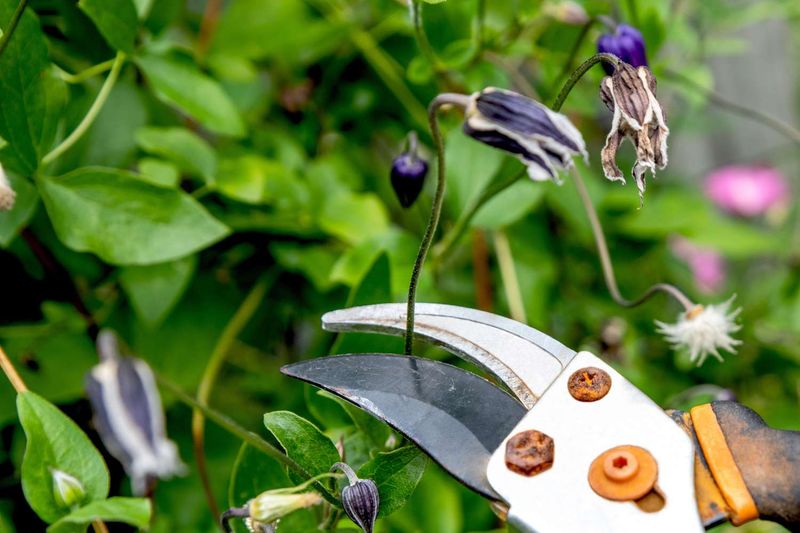
Watching a clematis push out long, healthy vines without a single flower is one of the more frustrating things a home gardener can experience. The plant looks alive, even vigorous, yet the blooms never come. Incorrectly timed pruning is a common possible cause worth investigating, but it is not the only explanation and should not be treated as a confirmed diagnosis for every flowerless vine.
Clematis do not follow one shared pruning calendar. According to the RHS clematis pruning guide, some types form their flower buds on older wood from the previous season, some use a combination of old and new growth, and others bloom almost entirely on stems that grow during the current year. Cut the wrong stems at the wrong time and you can remove developing buds before they ever open.
Early-flowering types are especially vulnerable to winter or early-spring pruning, which can strip away the very growth that carries the season’s display. Late-flowering vines face the opposite problem: skip their annual hard cut and they tend to become tangled, develop long bare sections, and push flowers only to the outermost tips. As cooperative extension guidance on poor clematis performance makes clear, light, soil conditions, drainage, establishment, and disease can all contribute to bloom failure alongside pruning timing. Pruning is the place to start looking, not the only place to look.
Identify the flowering group before using pruners
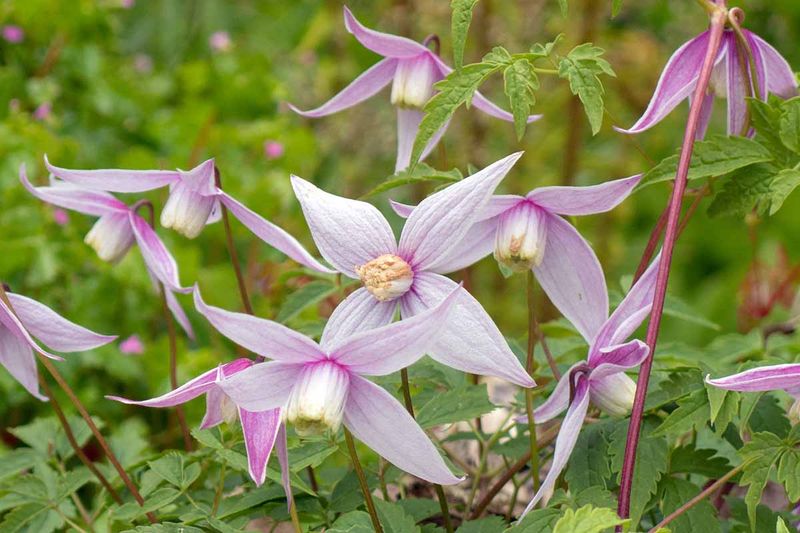
Before picking up the pruners, take one careful step: find out which flowering group your clematis belongs to. The safest way is to check the cultivar label that came with the plant or look up the name in a reliable reference. If the label is long gone, the next best move is to watch the vine through a complete flowering cycle and note when it blooms and on what kind of growth.
The NC State Extension clematis resource points out that clematis covers hundreds of species and many hybrids, each with materially different flowering behavior. Flower color, plant height, and even the common name are not reliable guides to the pruning group. A large purple flower could belong to more than one group, and two plants sold under the same nickname can have very different pruning needs.
When the cultivar name is genuinely unknown, the cautious approach is to observe the vine for a full season rather than applying a generic cut-back rule. Clemson Cooperative Extension’s clematis fact sheet reinforces this point, noting that group assignment guides every subsequent pruning decision. Getting that identification right once protects the plant from repeated accidental bud removal in future seasons.
Give Group 1 careful pruning and Group 2 light maintenance
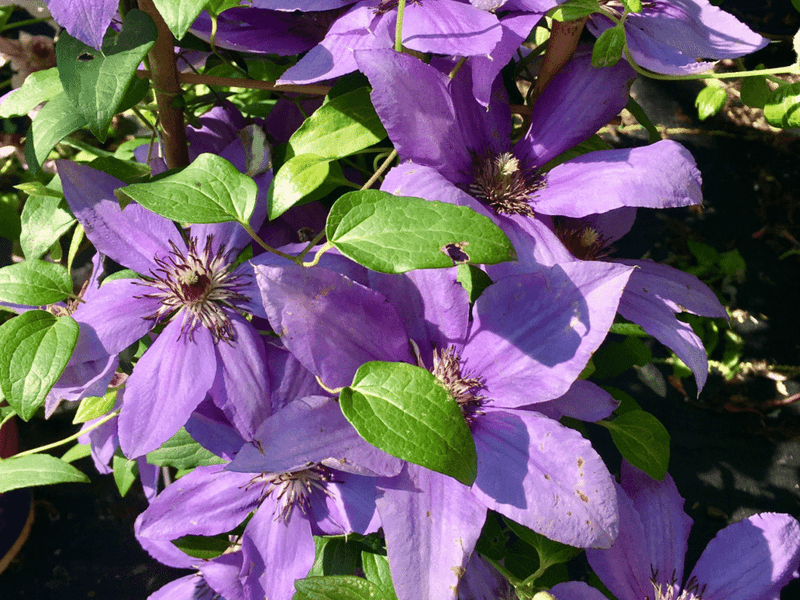
Early-blooming clematis that depend on older wood can lose their main display in a single afternoon of well-intentioned pruning. Knowing why helps prevent the mistake from repeating.
Group 1 covers the early-spring bloomers: species such as Clematis alpina, C. macropetala, C. armandii, and C. montana. Clemson Cooperative Extension explains that these plants flower on wood formed the previous season, so any pruning done in winter or early spring cuts away the growth that carries this year’s buds. The right approach is to remove only dead or damaged stems, or to shape the vine immediately after it finishes flowering, when the season’s buds have already opened and new growth for next year is just beginning.
Group 2 includes the large-flowered early-summer types, such as many of the popular hybrid cultivars. The RHS pruning guide describes these as plants that produce their main flower display on short shoots growing from the previous season’s stems, with the possibility of a later flush on current-season growth. In late winter or early spring, the appropriate response is to remove dead or weak stems and make only a light cut back to a strong pair of buds. Group 2 does not require leaving every stem untouched; clearing weak growth is fine.
What it cannot tolerate is heavy pruning across the board, which can sacrifice the entire early-summer display that most gardeners are waiting for.
The University of Illinois Extension clematis pruning guide draws the same distinction: Group 1 needs dead-wood removal only, while Group 2 calls for selective light pruning rather than a wholesale cutback.
Cut Group 3 back hard in late winter
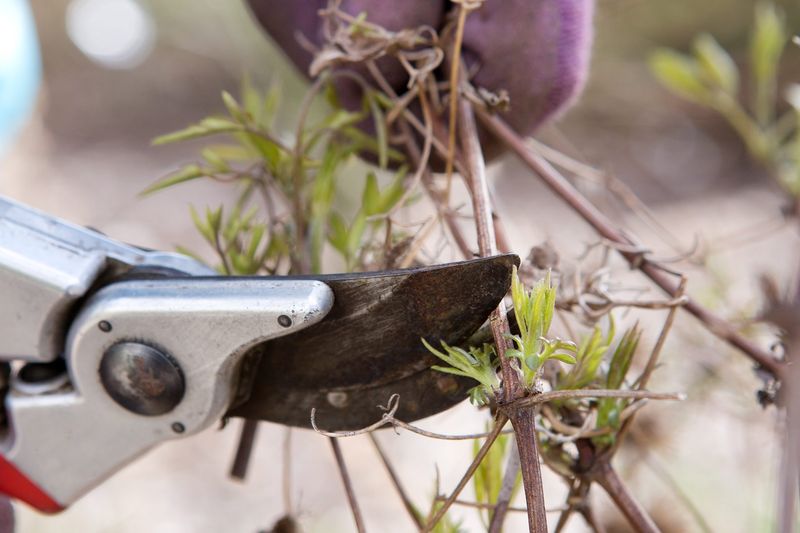
The same pruning approach that would ruin an early-blooming clematis is exactly what a late-season vine needs to perform well. Group 3 types flower on growth produced during the current season, so old tangled stems from previous years do not carry next season’s blooms. Leaving them in place tends to produce a vine that grows long and bare before pushing a cluster of flowers only at the very ends.
The RHS clematis pruning guide recommends cutting Group 3 vines back hard in late winter or early spring, typically to the lowest strong pair of buds. A rough height of 8 to 12 inches is often cited as general guidance, though the right cut for a specific cultivar may vary, and local extension recommendations are worth checking. The goal is to send the plant’s energy into fresh, vigorous stems that will carry flowers from summer into fall rather than wasting resources on old, woody growth.
Before making that hard cut, confirm the group identification. Applying Group 3 pruning to a vine that actually belongs in Group 1 would remove all of its flower buds and leave nothing to bloom. The University of Illinois Extension pruning PDF keeps this conditional framing throughout its guidance, treating hard pruning as group-specific rather than universal advice. Once the group is confirmed, though, a clean hard cut in late winter is one of the more reliable ways to set up a late-season clematis for a strong display.
Check light, moisture, and roots before blaming pruning
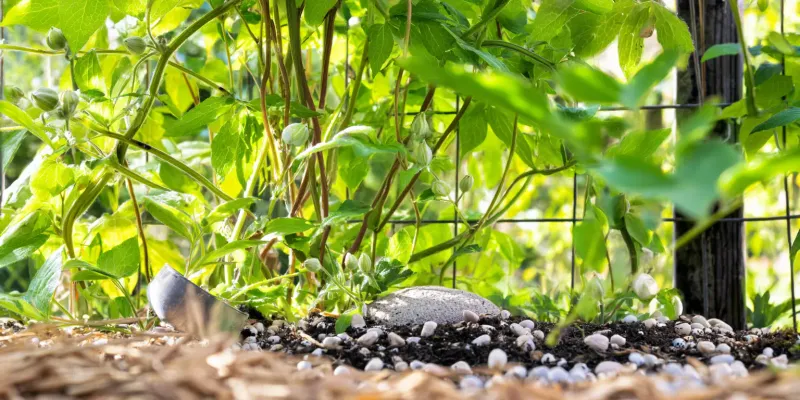
Once the pruning group is sorted out, a clematis that still struggles to bloom deserves a closer look at its growing environment. Pruning timing is one possible cause of poor flowering, but site conditions can quietly undermine even a correctly pruned vine.
Oregon State University Extension’s guide to growing clematis recommends that the foliage receive substantial light, often six or more hours per day, while the root zone stays cool, consistently moist, and well drained. In hot climates or during intense summer afternoons, some afternoon shade can protect flowers from fading and reduce heat stress on the plant. Excessive shade, on the other hand, tends to reduce flowering noticeably.
University of Illinois Extension recommends applying a 2 to 4-inch mulch layer around the base to keep roots cool and retain moisture, with the mulch kept several inches away from the stem itself to avoid rot. Mulching or planting low-growing companions near the base can serve the same purpose. The roots should stay evenly moist but never waterlogged; standing water or permanently saturated soil can damage roots just as drought can.
Penn State Extension’s clematis guidance emphasizes watering the soil deeply and consistently during establishment and dry spells, rather than wetting the foliage, which can create conditions favorable to disease. Clematis stems are brittle, so providing support early and handling vines carefully during tying and pruning helps prevent mechanical damage that can set a plant back. Illinois Extension’s Jackman clematis profile notes that root competition from nearby shrubs or trees can also limit performance, making site selection and spacing worth reviewing if other conditions look acceptable.
Inspect stems when the vine wilts or declines
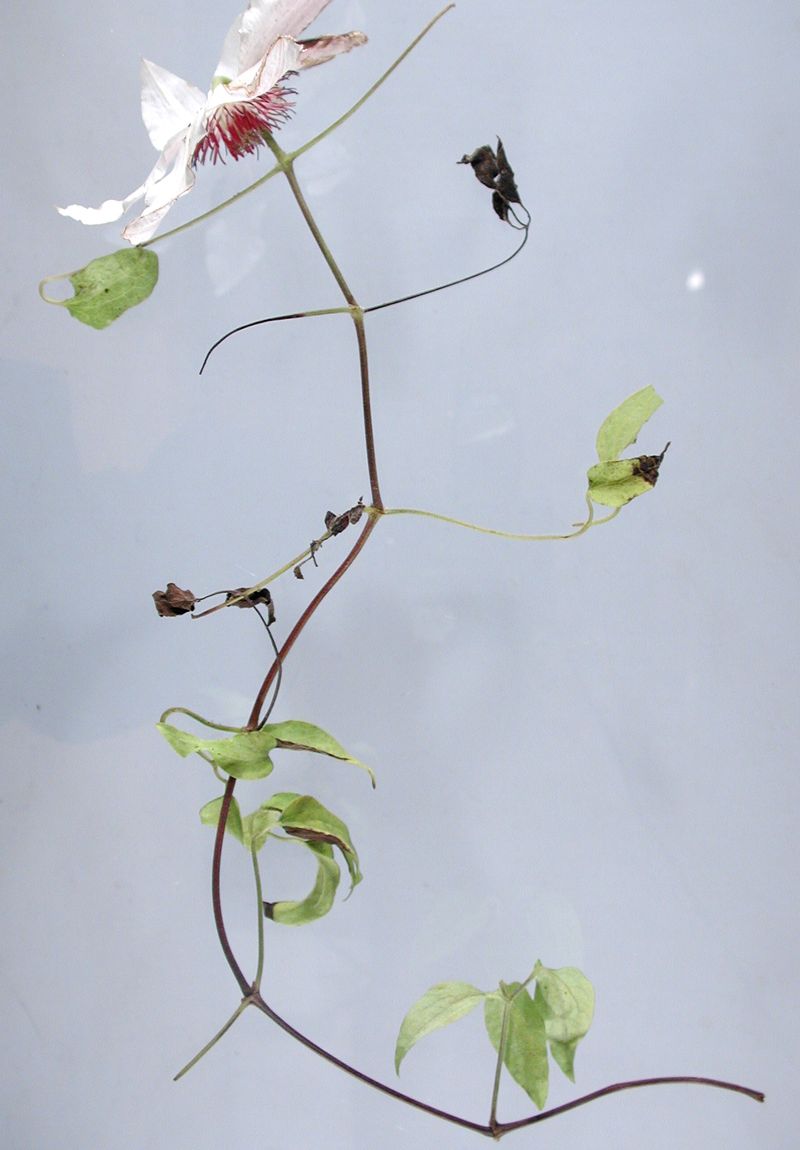
Sudden wilting in a clematis can be alarming, especially when the plant looked healthy days before. The instinct to water more or assume a root problem is understandable, but stem inspection should come first.
University of Maryland Extension’s IPM report on clematis leaf spot and wilt describes how clematis wilt or blight can cause leaf spots, stem cankers, wilting, and rapid collapse of individual stems. The disease may kill the affected stems while the crown and root system survive, and some plants recover once the damaged growth is removed. That means sudden stem collapse is not a death sentence for the entire vine, but it does require a prompt response.
Recommended management steps include removing affected stems by cutting below the visibly damaged area, improving air circulation around the plant, clearing diseased debris from the ground, and avoiding stem wounds during routine care. A related Maryland Extension resource on clematis blight notes that fungicides do not cure a stem that is already infected; sanitation and careful pruning are the central management tools.
Sudden collapse and gradual decline are different diagnostic patterns and deserve separate responses. Oregon State University Extension notes that gradual decline can involve poor drainage, root damage, voles, vine-weevil larvae, drought, or root competition rather than wilt disease. The University of Illinois Extension clematis PDF similarly cautions against treating one symptom as a confirmed diagnosis. Inspect the stems, look for patterns in the decline, and match the response to what the plant is actually showing before reaching for any treatment.
Restore the plant without overcorrecting
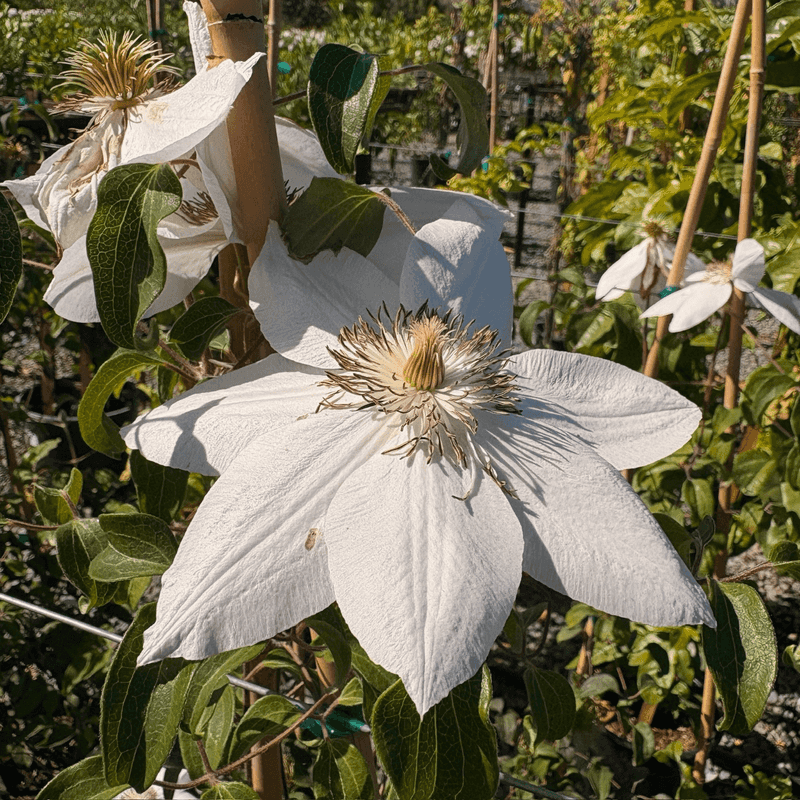
A practical recovery plan starts with one straightforward commitment: stop cutting until you know the flowering group. Record when the vine blooms and on what kind of growth, then match the pruning schedule to that group’s timing. Remove only the growth that group’s guidelines allow, and resist the urge to cut more aggressively in hopes of forcing a response.
Once the pruning schedule is right, correct any site problems that turned up during diagnosis. Adjust light exposure if the vine sits in too much shade, improve drainage if the soil stays wet, fix support structures if brittle stems are getting damaged, and address root competition from nearby plants. NC State Extension’s clematis resource and the RHS pruning guide both emphasize that cultivar identification and correct timing are the foundation of reliable flowering, with site conditions as the next layer to address.
On fertilizer, avoid reaching for a bloom booster as a reflexive fix. Soil testing is a more reliable starting point than routine feeding, and excess nitrogen can push leafy growth at the expense of flowers. If a newly planted vine has not bloomed yet, Penn State Extension notes that young plants often need time to establish before flowering reliably. Deadheading spent flowers may improve appearance and can support later flowering in some cultivars, but rebloom depends on the group, plant age, weather, and overall growing conditions, so it cannot be counted on as a guarantee.
When pruning, wear gloves and handle the stems with care. NC State’s leatherflower profile notes that clematis sap and plant material can irritate skin, and cut material should be kept away from children and pets. The real takeaway here is simple: clematis rewards group-specific attention, and a vine that seems difficult often just needs the right cut at the right time.