
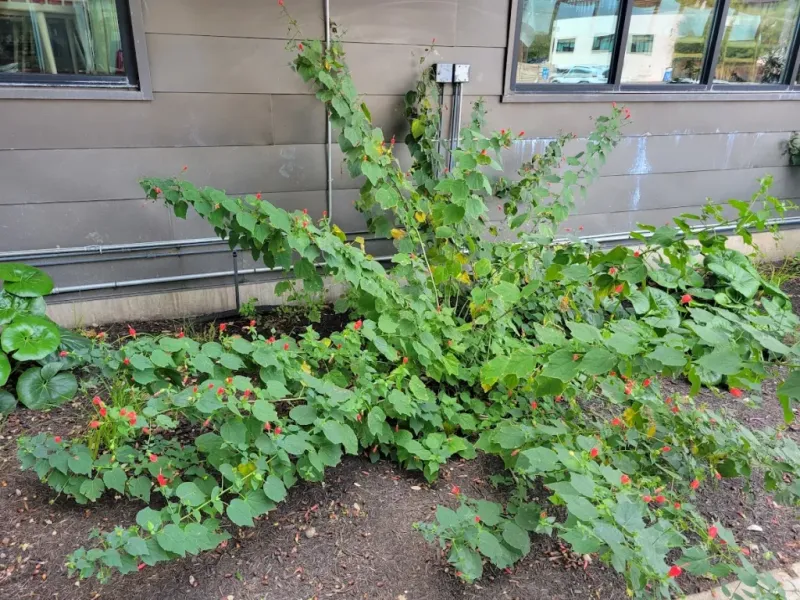
Every Texas yard has that shady spot where the sun barely reaches, tucked behind a fence, under a live oak, or along the north side of the house. Most folks give up on those dim corners and let them sit empty, but they can actually become the prettiest part of your garden. There are plenty of tough Texas flowers that would rather hide from our brutal triple-digit summers than bake in full sun. Here are nine shade-lovers that turn those forgotten spots into blooming, low-water hideaways.
1. Turk’s Cap (Malvaviscus arboreus)
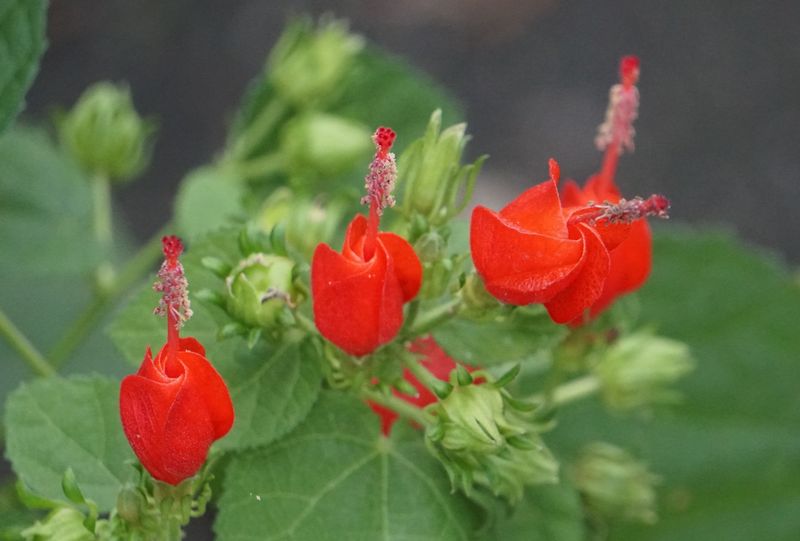
Ask any old-timer in Central Texas about their favorite shade plant and Turk’s Cap almost always comes up. Those little red flowers never fully open, staying twisted shut like a tiny turban, which is exactly how it got its name.
What makes it a standout for those dark corners is how happily it blooms from spring through fall under a canopy of oaks or against a shaded wall. Full sun actually scorches it during our worst July heat, so shade is where it shines. Hummingbirds and butterflies treat it like a roadside diner, showing up all season long.
Once it settles in, this Texas native shrugs off drought and rarely needs watering, which matters when your city rolls out summer watering restrictions. It can spread into a nice thicket, so give it a little room to sprawl. Come fall, small red fruits appear that birds and even people can nibble, tasting faintly like apple.
For anyone rebuilding a wildlife-friendly yard, Turk’s Cap does double duty as food and cover. Plant it once and it may reward you for decades with almost zero fuss.
2. Columbine (Aquilinia canadensis and Hinckley’s Columbine)
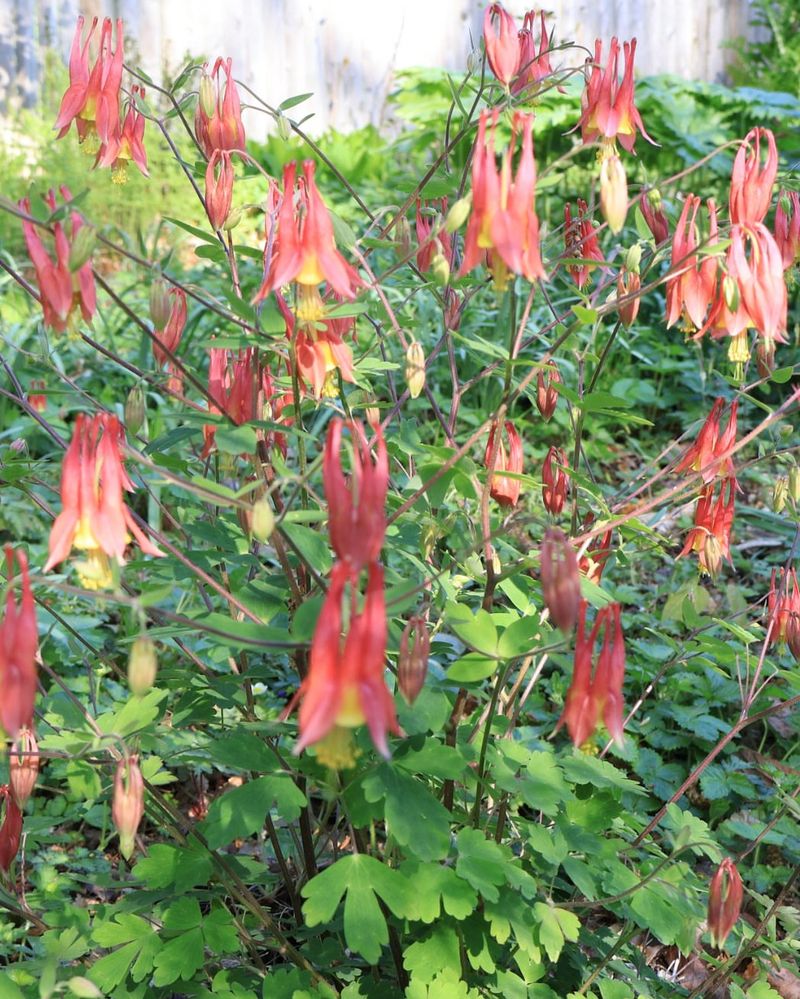
Picture delicate lantern-shaped blooms nodding in a breeze where you thought nothing would grow. Columbine thrives in the shady limestone canyons of the Texas Hill Country, so a dim corner of your yard feels like home to it.
The native Hinckley’s Columbine glows a cheerful yellow, while the red-and-yellow wild columbine adds a splash of two-toned color in early spring. Both bloom when much of the garden is still waking up, giving you an early payoff before summer heat arrives.
Its lacy, blue-green foliage stays attractive even after the flowers fade, filling in those bare shaded beds nicely. Bees and hummingbirds work the blooms, so you get pollinator traffic in spots that usually stay quiet. Columbine tends to reseed gently, popping up in new nooks year after year without taking over.
Give it decent drainage and protection from the harshest afternoon sun and it will reward you. For a Texas gardener trying to fill the shadows with something graceful, few natives look this elegant.
3. Cedar Sage (Salvia roemeriana)
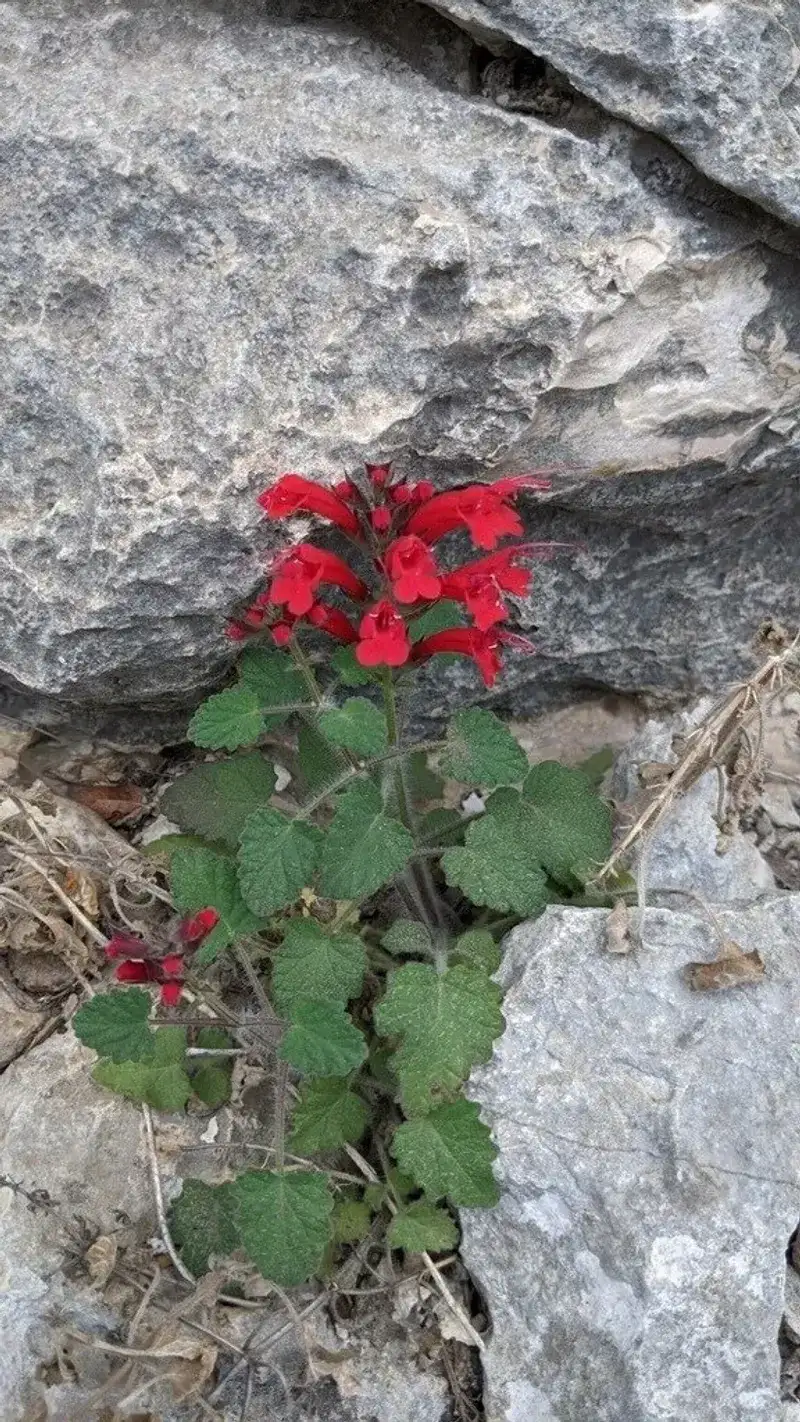
Tucked under junipers and oaks across the Hill Country, cedar sage quietly does something most salvias cannot, it blooms beautifully in the shade. Bright scarlet flowers rise on slender stems above rounded, scalloped leaves, lighting up the gloom like little sparks.
Because it evolved in the shaded understory of Texas cedar brakes, it actually resents blazing sun and prefers a cool, dim spot. That makes it a rare gift for gardeners fighting to fill the shadows with real color. Hummingbirds adore the red tubular blooms and will patrol them from spring into summer.
Once established, cedar sage handles our rocky, alkaline soils and dry spells without complaint, so it earns its keep during watering restrictions. It stays low and tidy, perfect for edging a shaded path or tucking between larger plants.
Let a few flowers go to seed and you will find volunteers filling in the following year. It is one of those under-the-radar natives that Texas gardeners in the know pass along to friends.
4. Inland Sea Oats (Chasmanthium latifolium)
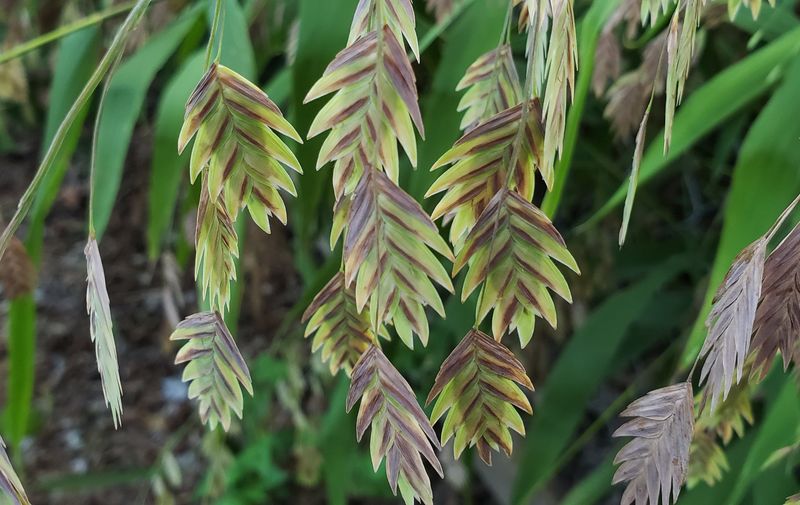
Not every showstopper in a shady bed is a flower, and inland sea oats proves it with drooping, oat-like seed heads that dance at the slightest movement. This native grass laughs at deep shade where other plants sulk, spreading a soft green texture through the darkest corners.
The flat, papery seed clusters start green, shift to bronze, then fade to a warm tan that catches low light beautifully into fall and winter. That long season of interest gives you something to look at long after summer blooms quit.
Along creek bottoms and wooded slopes, it holds soil in place, so it may help control erosion on shaded banks where nothing else grabs hold. Birds pick at the seeds through the cold months, adding a little life to the quiet season.
Be warned that it reseeds enthusiastically, so pull the extras if you want it contained. For a Texan wanting movement and texture in a spot the sun forgot, few natives fill the role so gracefully.
5. Gulf Coast Penstemon (Penstemon tenuis)
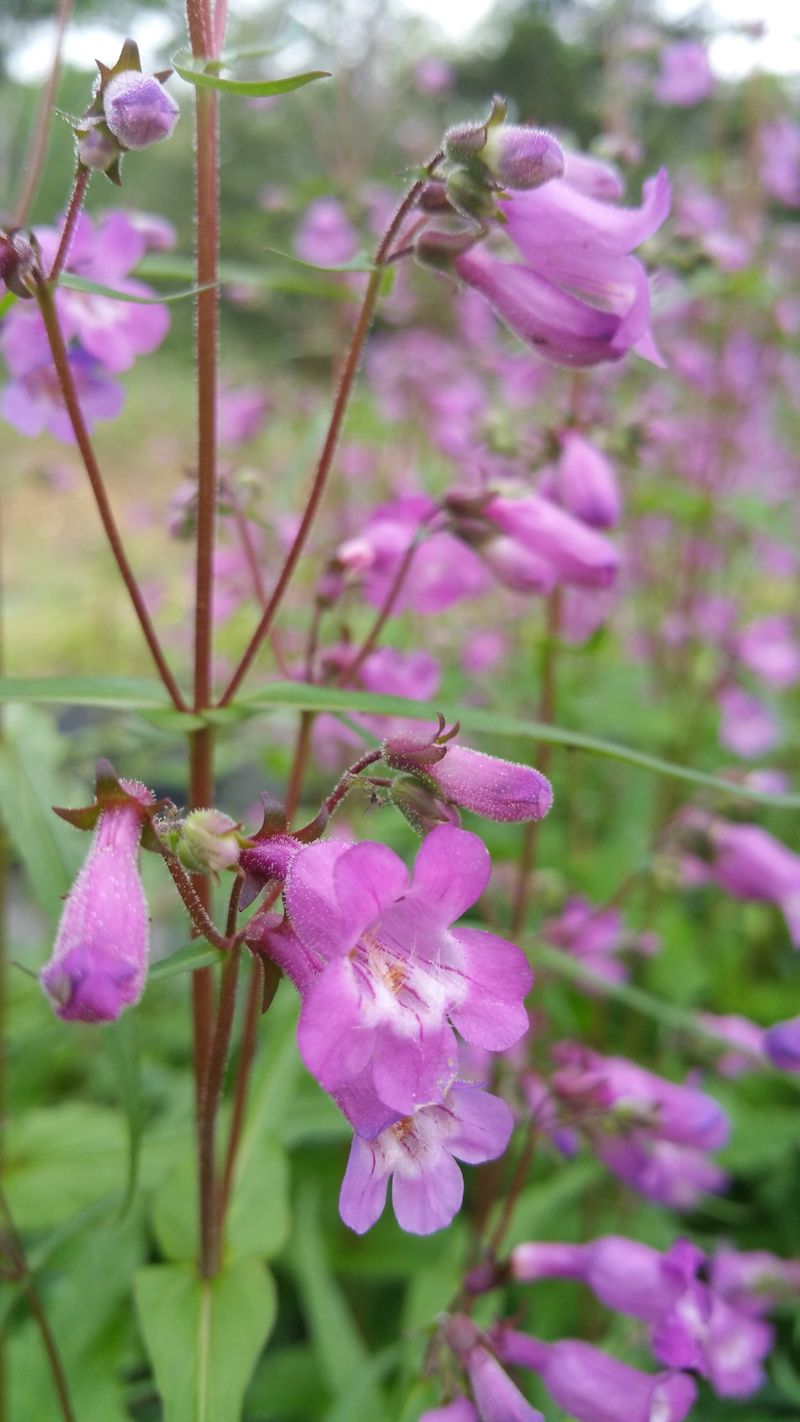
Down along the humid Gulf Coast, where soggy soil and part shade defeat most flowers, this penstemon feels right at home. Slender spikes of lavender-purple bells rise in mid-spring, bringing soft color to spots that stay damp and dim after Gulf Coast rains.
Unlike many penstemons that demand baking sun and sharp drainage, this one tolerates heavier clay and the moisture that lingers near the coast. That flexibility makes it a lifesaver for shaded, low-lying beds prone to storm-season standing water.
Bees and small pollinators crowd the tubular flowers, turning a neglected corner into a buzzing pocket of activity. After blooming, the tidy clumps of glossy foliage keep the bed looking intentional rather than forgotten.
It reseeds readily, so a single plant can gradually colonize a moist shady stretch on its own. For coastal Texas gardeners battling both storms and gloom, few natives adapt this cheerfully.
6. Wood Fern and Autumn Fern (Dryopteris species)
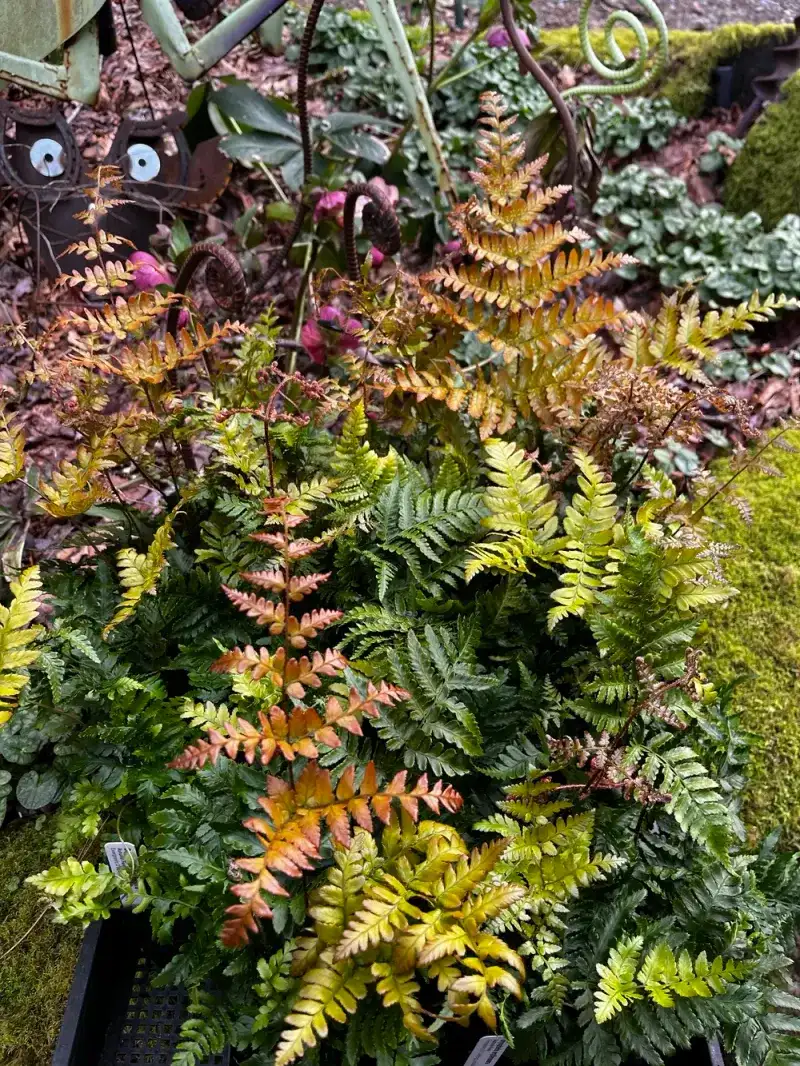
Ferns rarely get credit as flowers, and technically they are not, but their fronds bring the lushness a dim corner craves. Autumn fern unfurls new growth in coppery-bronze tones before settling into deep green, giving shaded beds a jolt of warm color without a single bloom.
Because they crave exactly the moist, low-light conditions that frustrate sun-loving plants, ferns turn a liability into a feature. Tuck them beneath a north-facing eave or under dense trees and they finally look like the garden was meant to be there.
Wood ferns handle Texas heat better than many gardeners expect, especially with a little mulch to keep roots cool and damp. They pair perfectly with columbine and cedar sage, layering textures in the shade.
Once rooted, they ask for little beyond occasional water during the driest stretches of a Texas summer. Think of them as the leafy backdrop that makes every nearby flower pop.
7. Rock Rose (Pavonia lasiopetala)
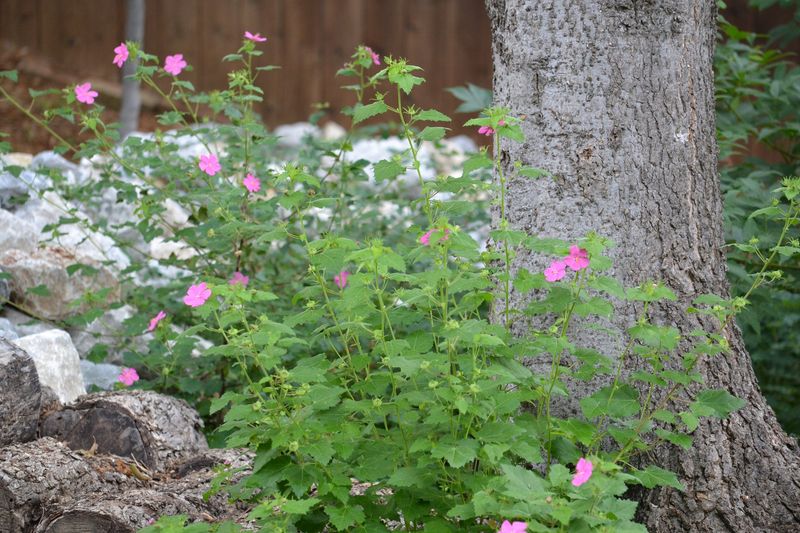
Soft pink cups that pop open each morning and close by afternoon give rock rose a shy, old-fashioned charm. It handles part shade with ease, blooming steadily through the hottest stretch of a Texas summer when most flowers throw in the towel.
A Hill Country native, it thrives in rocky, alkaline soil and shrugs off drought, so it fits right into a water-wise plan during city restrictions. Give it dappled light under a tree and it stays a bit fuller and softer than its sun-grown cousins.
The papery pink blooms draw bees and butterflies, and the plant keeps producing them from spring until frost. Its slightly wild, arching shape looks best mixed into a naturalistic bed rather than a formal row.
Fun fact, rock rose reseeds so freely that you may find it turning up in gravel and cracks around the yard, always a welcome surprise. For a tough native that flowers nonstop in tricky light, it is hard to beat.
8. Widow’s Tears / Spiderwort (Tradescantia species)
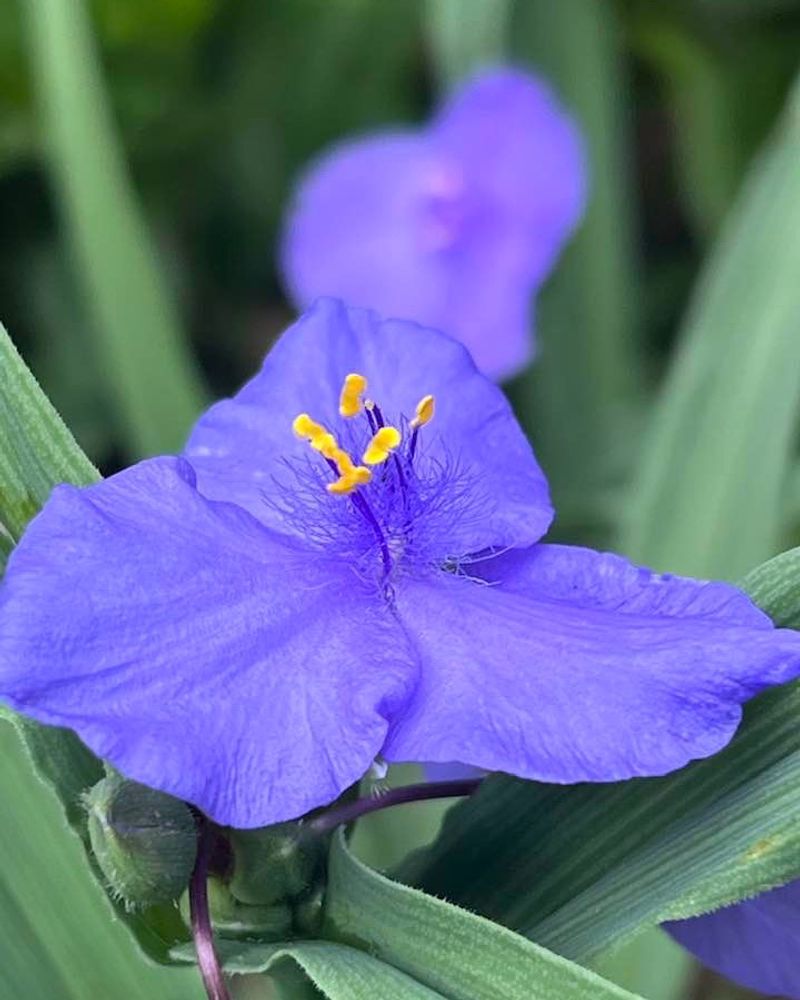
Few plants greet the morning quite like spiderwort, whose triangular blue-purple flowers open at dawn and melt away by noon into a jelly-like drop, earning the folk name widow’s tears. Each bloom lasts just hours, but the plant produces a steady parade of them for weeks.
Native across much of Texas, it happily colonizes shady, moist spots where the grass thins out and other flowers refuse. The grassy, arching foliage fills in bare ground quickly, softening the base of trees and fences.
It asks almost nothing of the gardener, spreading by seed and rhizome to knit together a shaded groundcover over time. In fact, you may need to thin it now and then to keep it from wandering too far.
Those saturated purple-blue blooms are surprisingly hard to find in shade, which makes spiderwort a genuine treasure. Cut it back after flowering and it often rebounds with fresh growth when cooler weather returns.
9. Coralberry (Symphoricarpos orbiculatus)
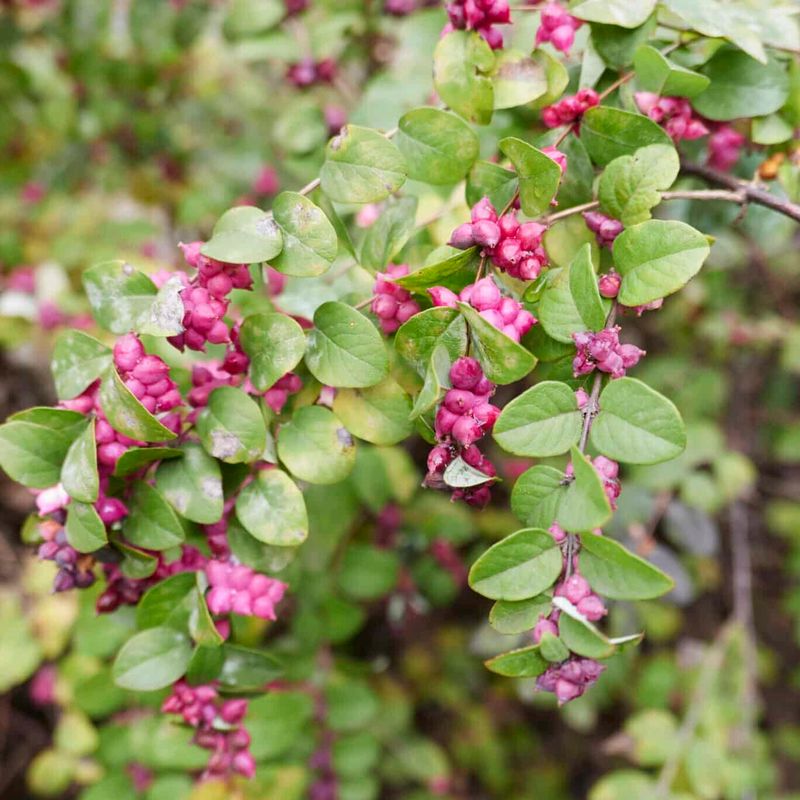
Come autumn, when the flowers have faded and the yard feels tired, coralberry steps up with clusters of bright magenta-pink berries lining its arching stems. The small summer flowers are easy to miss, but the fall show in a shady corner is anything but subtle.
A native understory shrub, it thrives in the dim edges of woodlands and along shaded fence lines where sun-loving plants would fail. It suckers to form a loose thicket, making it a natural choice for filling and stabilizing bare, shady ground.
Birds rely on those berries through the lean months, so planting it turns a forgotten spot into a wildlife pantry heading into winter. It tolerates poor soil and drought once established, keeping maintenance close to zero.
Also called Indian currant, coralberry has grown wild across Texas for generations and pairs beautifully with ferns and inland sea oats. When you want a corner that carries color into the cool season, this quiet native delivers.