
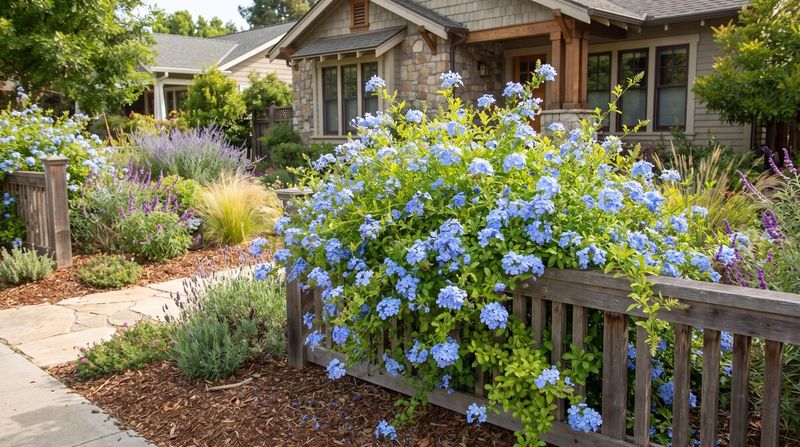
Hydrangeas look amazing in photos, but in a Southern July they often droop, scorch, and beg for water twice a day. If you love those big, fluffy flower heads but are tired of babysitting a thirsty shrub, you have better options.
The plants below give you large, showy clusters of blooms while handling heat, humidity, and long summers far more gracefully. Pick one or two for your borders or front entry and your yard can look lush without the daily rescue mission.
1. Viburnum (Snowball Viburnum)
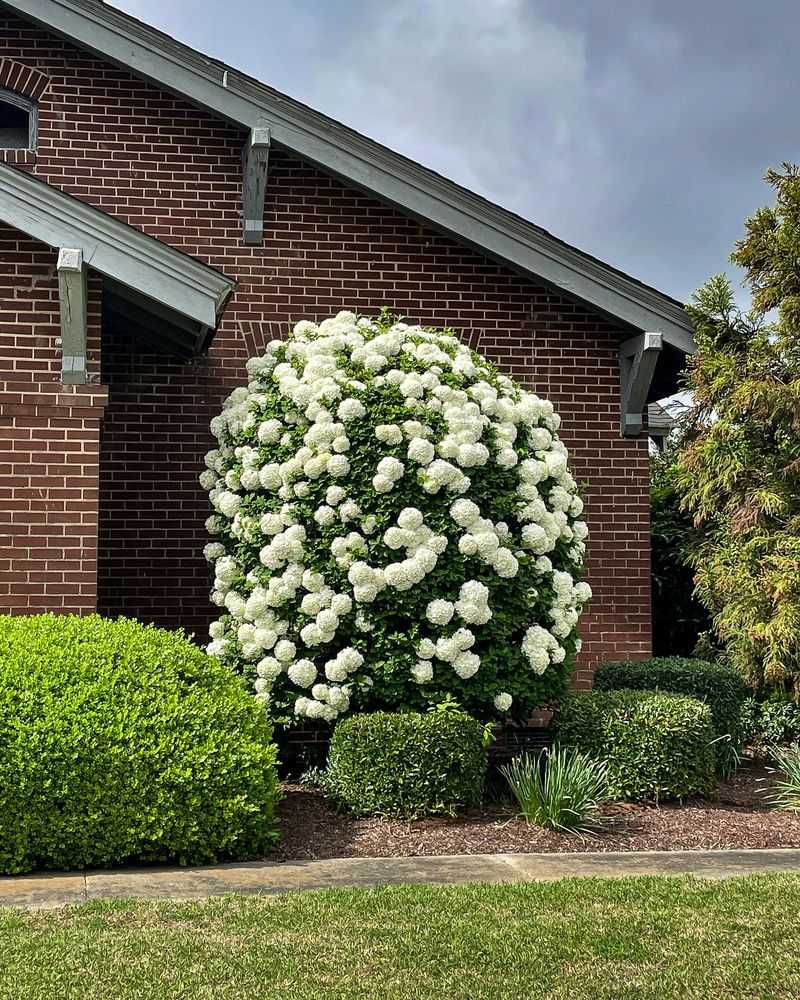
Plenty of Southern gardeners mistake a blooming snowball viburnum for a hydrangea from across the street. The round, white flower heads can reach several inches wide, and they show up in spring like a burst of fresh laundry on the line.
Where viburnum pulls ahead is toughness. Chinese snowball viburnum (Viburnum macrocephalum) handles Texas and Gulf Coast heat well once established, and it usually needs far less water than a bigleaf hydrangea.
Many gardeners find it shrugs off the afternoon wilt that sends hydrangea owners running for the hose.
Give it full sun to part shade and decent drainage. It grows large, often 10 to 12 feet, so it works beautifully at a fence line, property corner, or as a soft screen near a patio.
Prune right after flowering, since next year’s buds form soon after.
Fun detail: the flowers often open pale green, then fade to pure white as they mature, so you get a two-tone show from one shrub.
If you want the classic snowball look with a sturdier attitude, start here. It is one of the closest visual matches to a mophead hydrangea that the South can grow with little drama.
2. Oakleaf Hydrangea
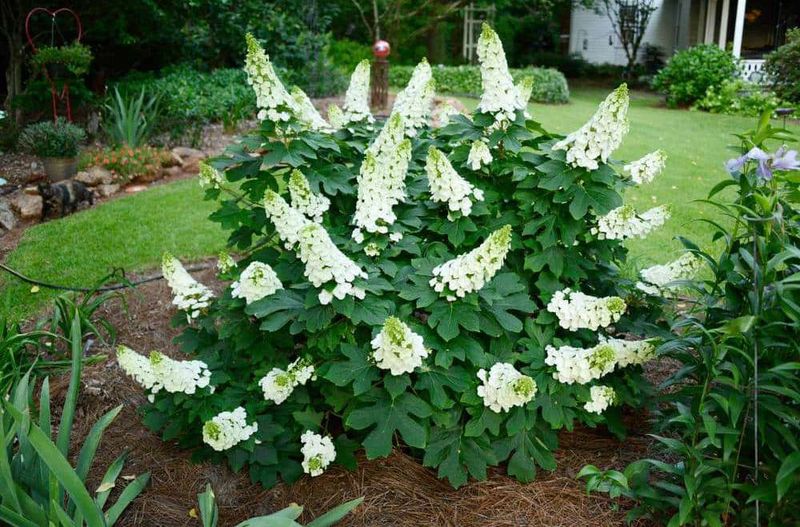
Okay, technically it is a hydrangea, but hear us out. The oakleaf hydrangea is native to the Southeast, and it behaves nothing like the fussy bigleaf types that collapse every summer afternoon.
Growing wild across Alabama, Georgia, and Florida’s panhandle, it has adapted to Southern heat and clay. Its cone-shaped white blooms can stretch nearly a foot long, then slowly blush pink as summer moves along.
Once roots settle in, it often gets by with occasional deep watering instead of constant attention.
The bonus seasons are what sell it. Fall turns the big lobed leaves deep burgundy, and winter reveals peeling cinnamon bark.
Few shrubs earn their spot for so many months.
Plant it in morning sun with afternoon shade, ideally where soil drains well. Soggy ground is about the only thing it truly hates, so avoid low spots that hold water after storms.
Pollinators visit the blooms, and the shrub suits woodland edges, shady side yards, and the north face of a house. If you love hydrangeas but keep losing the battle with heat, this native cousin may be the easiest switch you ever make.
3. Crape Myrtle (Dwarf and Mid-Size)
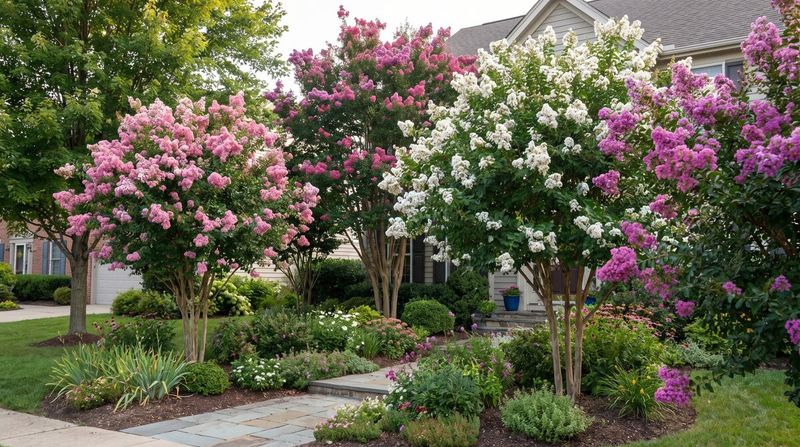
Drive through any Texas suburb in July and you will see why crape myrtle is called the lilac of the South. Those ruffled flower clusters, in pink, red, lavender, or white, keep coming right through the hottest stretch of the year.
Most people picture the tall tree form, but dwarf and mid-size varieties stay in the 3 to 12 foot range. That makes them a smart swap for hydrangeas along foundations, walkways, and mailbox beds.
They love full sun and often shrug off drought once established.
Here is the trade you are making. Hydrangeas want shade and water, while crape myrtles want blazing sun and very little babysitting.
For many Southern yards, that is a much better match.
A few tips help a lot. Choose mildew-resistant varieties, many released by the National Arboretum with Native American tribe names like Natchez and Tonto.
Skip the harsh chopping known as crape murder, since it can weaken branches and reduce bloom quality.
Trimming spent flower heads may encourage a second flush. Plant in spring or fall, water deeply the first summer, then mostly let it be.
4. Panicle Hydrangea Alternative: Butterfly Bush
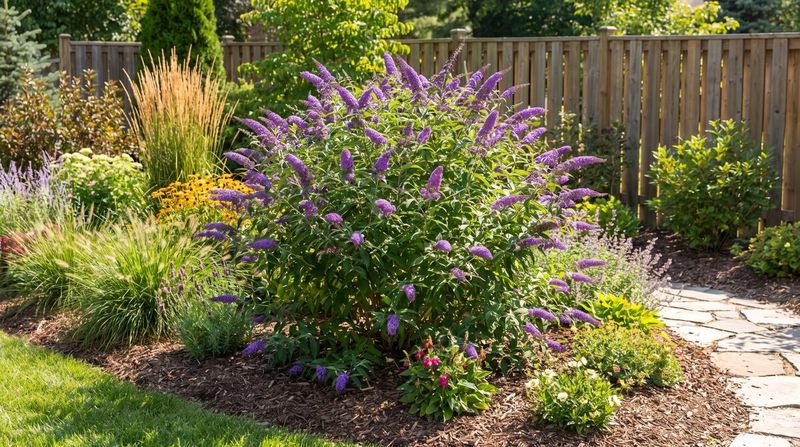
Watch a butterfly bush for five minutes on a summer morning and you might count a dozen swallowtails. Its long, cone-shaped flower spikes echo the panicle hydrangea shape, but it thrives in the sun and heat that wear hydrangeas down.
Colors range from deep purple to pink, white, and even near-yellow. Newer compact and sterile cultivars, such as the Lo and Behold or Pugster series, stay tidy and are much less likely to seed around, which matters because older types can spread in some regions.
Care is refreshingly simple:
Plant in full sun with well-drained soil. Water regularly the first season, then only during long dry spells.
Cut stems back hard in late winter to encourage fresh growth and plenty of blooms.
Deadheading through summer can extend flowering well into fall across much of Texas and the Deep South. Soggy soil is its main weakness, so avoid low beds.
For gardeners who want color plus visible wildlife action, this shrub delivers both. Place it near a window or patio seat where you can actually enjoy the parade of pollinators it draws.
5. Bottlebrush Buckeye
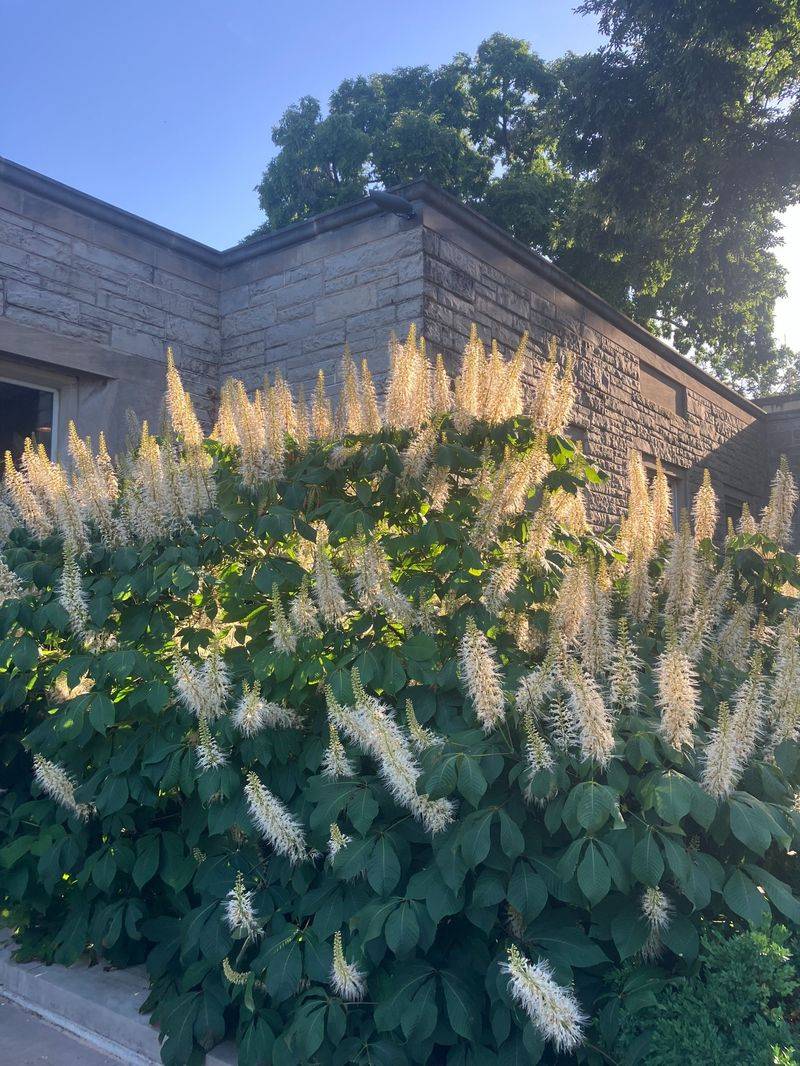
Picture a shrub dotted with white candles a foot tall, each one fuzzy with long stamens. That is bottlebrush buckeye in early summer, and it stops visitors in their tracks.
Native to the Southeast, Aesculus parviflora brings the bold vertical blooms of a panicle hydrangea to shady spots where many flowering shrubs sulk. It handles part shade well and usually needs little care once settled.
Hummingbirds and butterflies tend to stop by during bloom season.
What makes it special is scale. Over time it slowly forms a wide colony, often 8 to 12 feet across, so it is ideal for filling a large bare corner or woodland edge with one easy planting.
Think of it as a living hedge that flowers.
It grows best in Georgia, Alabama, the Carolinas, and northern Florida, preferring rich, moist but well-drained soil. Hot, dry South Texas may be tougher on it, so choose afternoon shade there.
Deer often leave it alone, though no plant is completely deer-proof. Fall brings buttery yellow leaves as a final show.
If you have room and some shade, few shrubs give such a dramatic payoff for so little effort.
6. Rose of Sharon

Grandma probably had one by the porch steps, and there is a good reason it is still around. Rose of Sharon blooms steadily from midsummer into fall, right when many spring shrubs have gone quiet.
Its flowers are single blooms rather than clusters, but the shrub gets so loaded that it gives the same full, flowery look hydrangeas promise. Double-flowered types like the Chiffon series look especially soft and ruffled.
Colors include white, pink, lavender, and true blue-violet.
Heat is no problem. It handles full sun across most of the South and tolerates clay soil and short dry stretches after establishment.
Hydrangeas often fade in that same spot by August.
One honest caution: older varieties can drop lots of seed and pop up all over beds. Newer sterile cultivars, such as Lil Kim or the Chiffon line, may greatly cut down on that cleanup.
Prune in late winter to shape it and encourage bigger flowers. Use it as a privacy screen, a colorful hedge, or a single standout near the mailbox.
Since it is related to hibiscus, it also draws bees and occasional hummingbirds all season.
7. Ixora
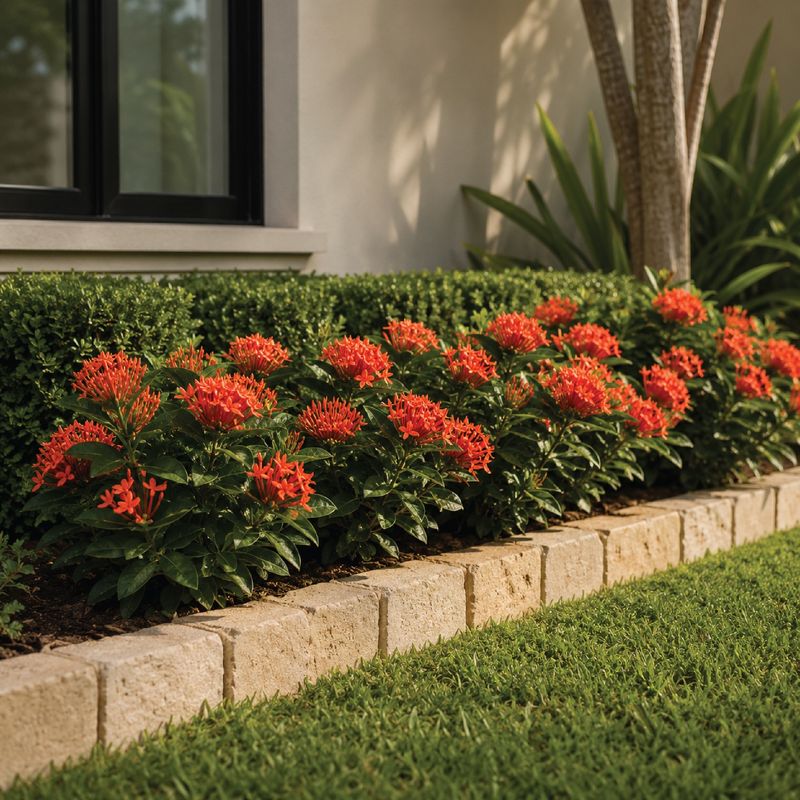
Florida homeowners, this one is for you. Ixora is practically a landscape staple from Tampa to Miami, with dense, round flower clusters that look like tiny hydrangea heads painted in fiery red, orange, pink, or yellow.
It blooms on and off almost year-round in frost-free areas, which is something no hydrangea can offer. Butterflies love it, and the glossy leaves keep it looking neat between flower flushes.
The catch is soil. Ixora prefers acidic ground, and in alkaline spots near concrete or limestone, leaves may yellow.
A fertilizer made for acid-loving plants, plus a little iron or manganese, often helps green it back up.
Plant it in full sun to light shade, water during dry spells, and mulch to hold moisture. Dwarf types like Nora Grant or Maui stay small enough for foundation beds and pool areas.
Outside South Florida and the Texas coast, treat it as a container plant you move indoors when frost threatens, since cold snaps can damage it. For warm-zone gardeners who want nonstop color and pollinators near the house, it is hard to beat.
8. Lantana (Shrub Types)
Some plants wilt at 100 degrees. Lantana seems to wake up.
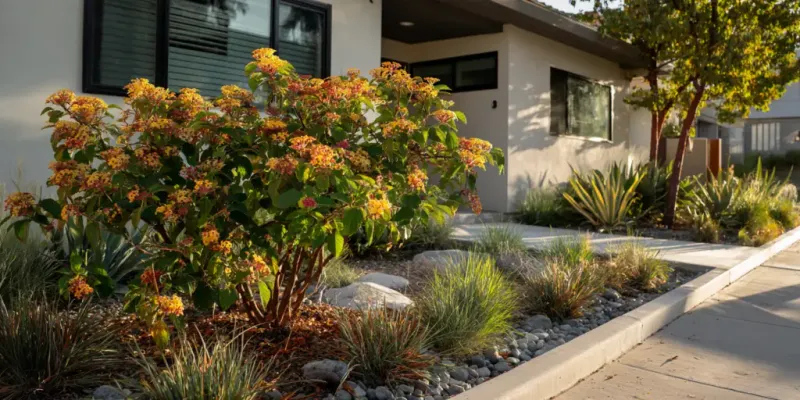
Shrub-type lantanas build into big mounds covered with small, rounded flower clusters, giving a bouquet-like effect much like a lacecap hydrangea, only in sunset colors.
Bloom heads often mix two or three colors at once, shifting from yellow to orange to pink as each flower ages. It is a fun trick that keeps the plant looking lively all summer.
For Texas and Florida yards, lantana may be one of the lowest-maintenance bloomers around. It handles sun, heat, salt spray near the coast, and poor sandy soil.
Watering can drop to occasional once it is established.
Choose your variety wisely. Sterile or native-leaning picks like Texas lantana or New Gold tend to stay better behaved, while some common Lantana camara types can spread aggressively, especially in Florida, where certain forms are considered invasive.
Shear it back in late winter, and trim lightly during summer if it gets leggy. Butterflies, bees, and hummingbirds visit nonstop.
Deer usually avoid its strong-scented leaves, though hungry ones may still nibble. For a hot, dry bed nothing else survives in, lantana is a smart fix.
9. Plumbago
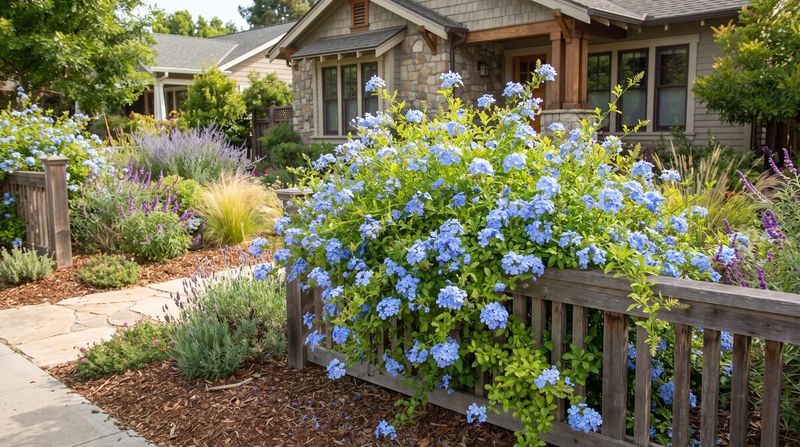
Love that dreamy blue of a classic hydrangea but hate fighting your soil chemistry to keep it? Plumbago hands you sky-blue flower clusters with zero soil tricks required.
The pale blue blooms form rounded heads that resemble phlox or a small hydrangea, and they appear from spring through fall in much of the Gulf South. White forms, like Alba, brighten shady corners and evening patios.
It thrives in heat and full sun, handles part shade, and adapts to sandy or average soil. In Florida, south Texas, and coastal Louisiana it usually stays evergreen.
Farther north in zone 8, a frost may knock it back, but it often regrows from the roots in spring.
Plumbago has a relaxed, sprawling habit. Let it spill over a low wall, soften a fence, or fill a slope that is hard to mow.
Trim it back in late winter to keep it tidy.
Butterflies, including the cassius blue, use it often. One small warning: the sticky seed pods can cling to clothes and pet fur, so keep it a step back from busy walkways.