
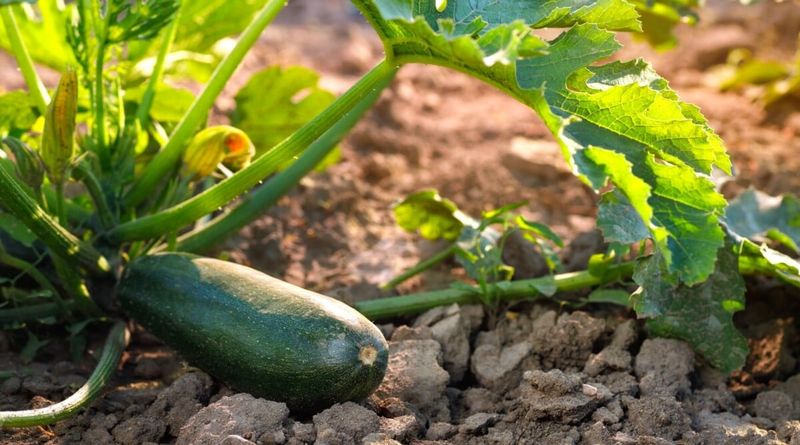
You walk out to your garden in late July expecting a pile of zucchini, and instead you find almost nothing new growing. Before you pull the plant out, take a closer look at what is already on the vine. One or two overgrown zucchini left behind can slow production, but that is just one possible reason for the lull, and knowing how to check for others can make the difference between a recovering plant and a wasted season.
A giant zucchini may slow the next harvest—but it is not the only explanation
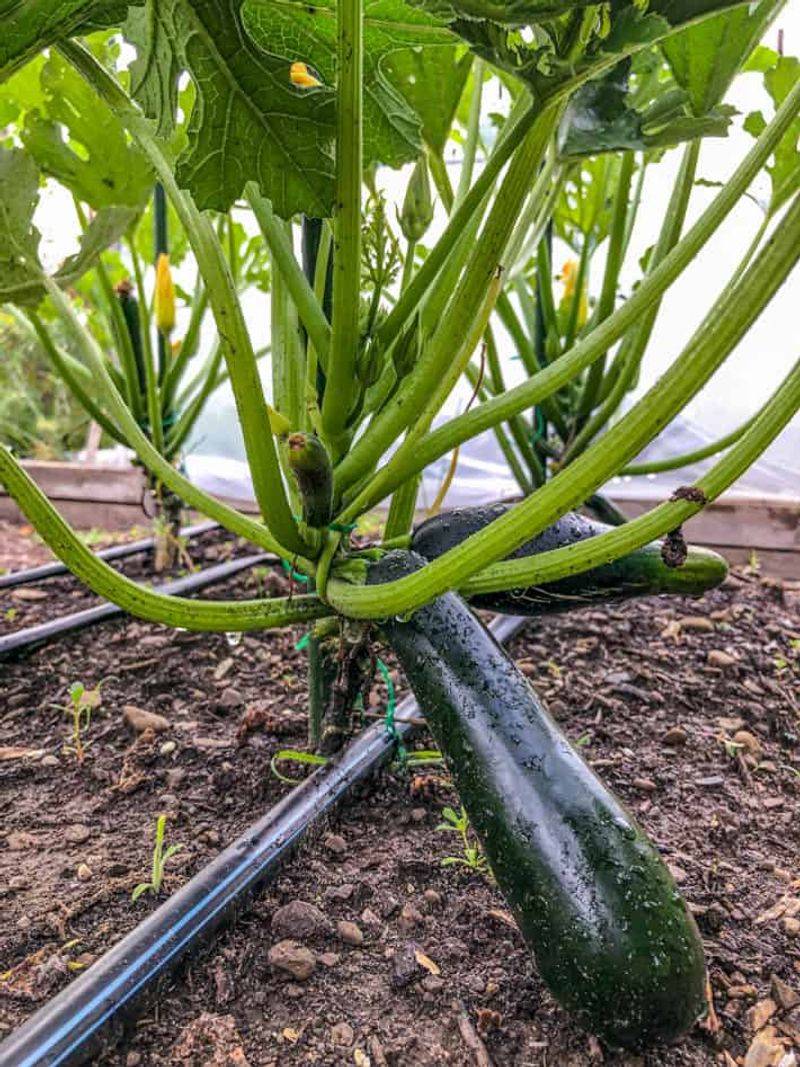
Finding a baseball-bat-sized zucchini hiding under the leaves is a common late-summer discovery, and extension researchers confirm it matters. University of Minnesota Extension guidance advises removing oversized squash even when the fruit will not be eaten, because plant yield can decline when very large fruits remain on the vine. Illinois Extension puts it plainly, noting that large, hard, seedy squash sap strength that could otherwise support new young fruit.
That relationship is real, but it is not an on-off switch. A large fruit left on the plant can reduce or slow further production rather than shutting the plant down entirely. Removing it improves conditions for continued growth, but it does not guarantee an immediate replacement harvest or prove that one oversized zucchini caused every bit of the slowdown.
A SARE-supported harvest-frequency trial found that more frequent harvesting increased the number of fruits produced overall, though results varied by variety and harvest conditions. That finding supports the habit of picking often, while stopping short of promising the same outcome for every plant and garden.
The oversized fruit is a sensible first thing to remove, not a complete diagnosis. Heat stress, irregular water, poor pollination, excessive nitrogen, disease, and squash vine borers can all produce a similar lull. The sections below walk through each one so you can find out what is actually going on before assuming the problem is solved.
Remove the overgrown fruit without injuring the plant
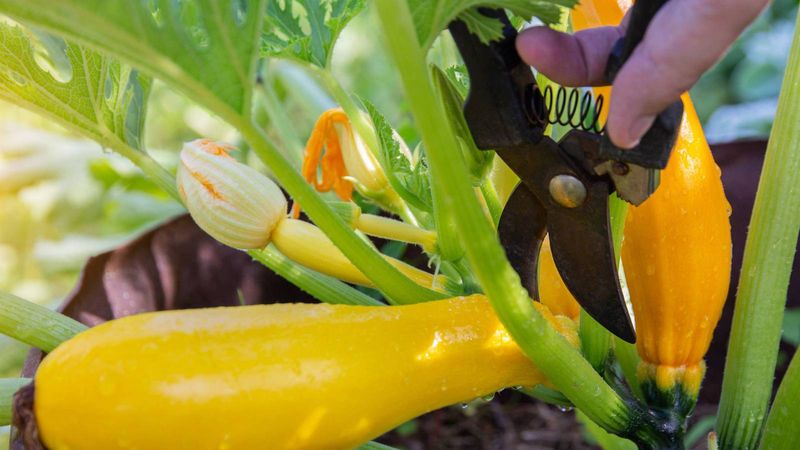
Once you spot a very large, hard-skinned, or seedy zucchini, remove it promptly even if you no longer plan to cook it. Leaving it in place ties up resources the plant could be directing toward younger fruit, so getting it off the vine is the first practical step in any recovery attempt.
Cut the stem cleanly with a sharp knife or pruning shears rather than pulling or twisting the fruit. Yanking a heavy zucchini can tear the vine or open a wound that invites disease. Minnesota Extension also advises against harvesting while vines are wet, because handling wet plants can spread disease from leaf to leaf. Choose a dry morning or afternoon and make a clean cut a short distance up the stem from the fruit.
Pay attention to where you step and how you move around the plant. Zucchini stems sometimes root where they contact the soil, and disturbing those contact points can injure the plant’s water and nutrient uptake. Work carefully around the base rather than dragging the large fruit out through the center of the plant.
After removal, the plant’s conditions for continued production are better than they were, but that is not the same as a guarantee. Whether new fruit follows depends on the presence of female flowers, successful pollination, adequate water, temperature, and the plant’s overall health at this point in the season. Think of removal as clearing an obstacle, not flipping a switch.
Check zucchini frequently and harvest for tenderness
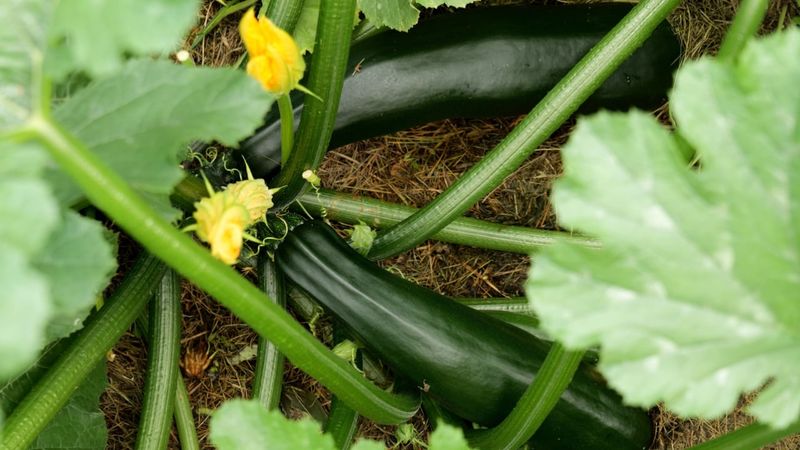
Regular inspection is one of the most practical habits a zucchini grower can build, because summer squash can grow remarkably fast once the weather is warm. Maryland Extension recommends daily checks, while Illinois Extension suggests every one to two days at minimum. A fruit that looks right on Monday morning can be oversized by Wednesday afternoon, especially during a stretch of hot weather.
For elongated zucchini, common size guidance falls around 6 to 8 inches long and roughly 1.5 to 2 inches in diameter. Those numbers are a useful starting range, not a universal rule. Cultivar matters: some varieties are bred to be harvested smaller or larger, and intended use plays a role too. A zucchini destined for the grill benefits from being picked at the smaller end of the range, while one headed for stuffing may be fine a bit larger.
A more reliable quality check than a tape measure is the rind itself. Run your thumbnail lightly across the skin; if it punctures easily and the flesh feels firm, the fruit is in good shape. A rind that resists or feels woody, combined with a noticeably heavy weight, usually means seeds have matured and texture has declined.
The SARE harvest-frequency trial found that picking more often was associated with higher fruit counts, though variety and conditions influenced the outcome. Frequent checks may help prevent oversized fruit from slowing production, and they keep you informed about what the plant is actually doing day to day.
Use the flowers to diagnose a pollination problem
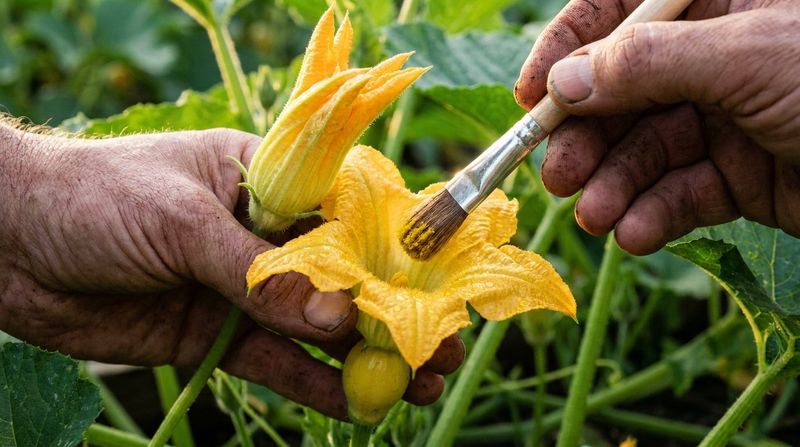
After removing the oversized fruit, spend a few minutes looking at the flowers still on the plant. Knowing what you are seeing tells you whether a pollination problem is contributing to the slowdown, which is a separate issue from resource competition caused by a large fruit.
Female flowers are easy to identify once you know the clue: each one has a small, swollen, zucchini-shaped ovary sitting just below the blossom. Male flowers have a thin, straight stem with no swelling at the base. Only a successfully pollinated female flower develops into a full fruit. If the plant is producing female flowers but they are dropping off without swelling, or if small fruits begin to form and then shrivel after a few days, the problem is most likely inadequate pollination rather than competition from an oversized zucchini.
Maryland Extension’s guidance on vegetable pollination problems confirms that misshapen fruit or fruit that starts developing and then collapses are characteristic signs of incomplete fertilization. Misshapen or blossom-end-rotting fruit points the same direction.
Hand-pollination is a reasonable, nonchemical option when female flowers are present but bee activity is low, rainy weather is keeping flowers closed, or male and female flowers are not opening at the same time. Use a small paintbrush or a freshly picked male flower to transfer pollen directly to the center of an open female flower. Research on vegetable crop pollination notes that high heat can also reduce pollen viability, so hand-pollination works best when temperatures are moderate and flowers are fully open.
Protect the bees that do the pollinating naturally. Avoid applying insecticides during bloom whenever possible. If a pest problem requires treatment, follow the product label and all pollinator-protection directions precisely, applying in the evening after flowers have closed.
Account for heat, water, and excess nitrogen
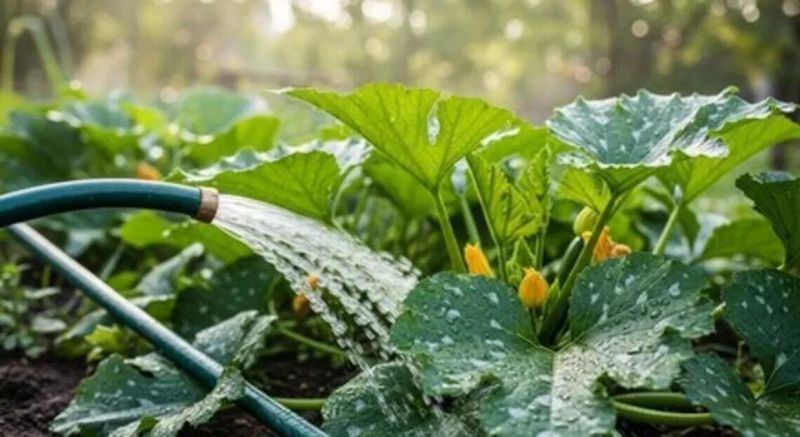
Removing a large fruit tidies up one possible cause, but late July brings other stressors that can look identical from the outside. High temperatures are among the most common. Heat can damage flowers directly, reduce pollen production, or kill pollen before it reaches a female flower. University of Maryland Extension research on pollination in changing climate conditions explains that heat and reduced light can also shift a plant toward producing more male flowers and fewer female ones, which means fewer opportunities for fruit to form regardless of how well the bees are working.
Water stress compounds the problem quickly. Zucchini has large leaves that lose moisture fast, and irregular or shallow watering during a heat stretch can push the plant into a defensive state where new fruit development slows. Water deeply and consistently at the soil line, not overhead, especially after the first fruits begin forming. Maryland Extension’s summer squash guidance emphasizes consistent moisture as a key factor in sustained production.
Watering well can relieve drought stress, but it will not reverse damage from disease, borer injury, or failed pollination.
Soil nutrition is another variable worth considering without overreacting to. Too much nitrogen encourages lush, dark green foliage at the expense of flowers and fruit. Illinois Extension’s cucurbit growing guidance notes this tradeoff directly. Adding fertilizer without a clear sign of nutrient deficiency can make the foliage look great while fruit production stalls, so hold off on feeding unless you have a specific reason to act.
A SARE harvest-frequency trial found that production peaked during weeks three through five and declined as cooler weather arrived, a reminder that seasonal conditions shape output independently of how well you manage the fruit on the vine.
Read the leaves and stems before blaming the fruit
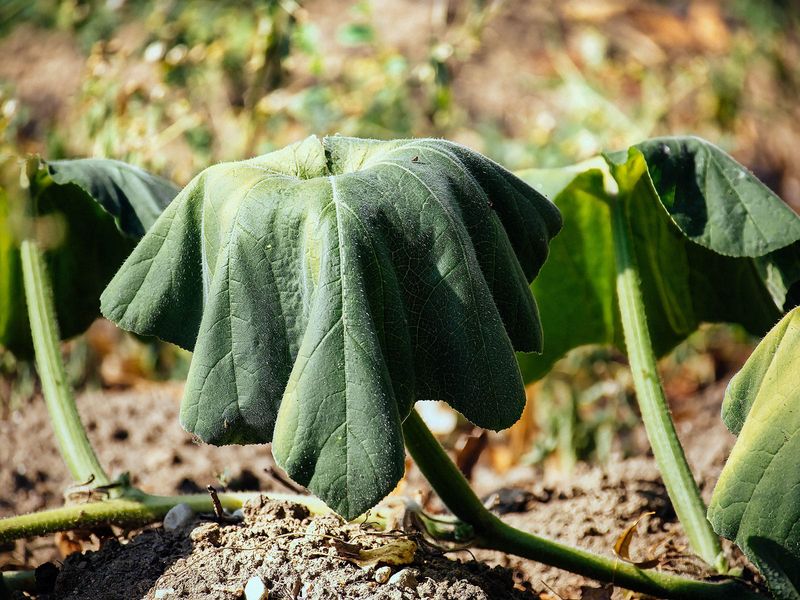
Plant condition tells a story that fruit size alone cannot. After removing the oversized zucchini, step back and look at the whole plant before deciding what comes next.
A basically healthy plant will have firm, upright stems, leaves that are doing their job even if a few older ones show age, open or budding flowers, and visible signs of new growth at the growing tips. That picture suggests the plant still has the capacity to produce, and your focus should shift to water, pollination, and temperature.
A very different picture warrants a different response. Sudden whole-plant wilting that does not recover after evening watering, collapsed vines, or orange-yellow sawdust-like frass at the stem base near the soil line are warning signs that point toward squash vine borer damage rather than a fruit-competition problem. Minnesota Extension lists borer injury among the most serious threats to summer squash, and the frass is one of the clearest field signs available to a home gardener.
Yellow leaves by themselves do not mean the plant has finished its season. Older leaves yellow naturally as the plant ages. Yellowing can also reflect water stress, a nutrient imbalance, fungal disease, or insect feeding, none of which is automatically a death sentence for the plant. Resist the urge to remove large numbers of leaves in hopes of stimulating production.
Leaves drive photosynthesis, and stripping healthy foliage adds stress rather than relieving it. Diagnose before you cut.
If you suspect vine borers, look for entry holes in the lower stem and the characteristic frass. Wilting that affects one branch while others remain firm can also point toward a localized borer or disease problem rather than a whole-plant decline.
Follow a measured recovery plan and wait for evidence
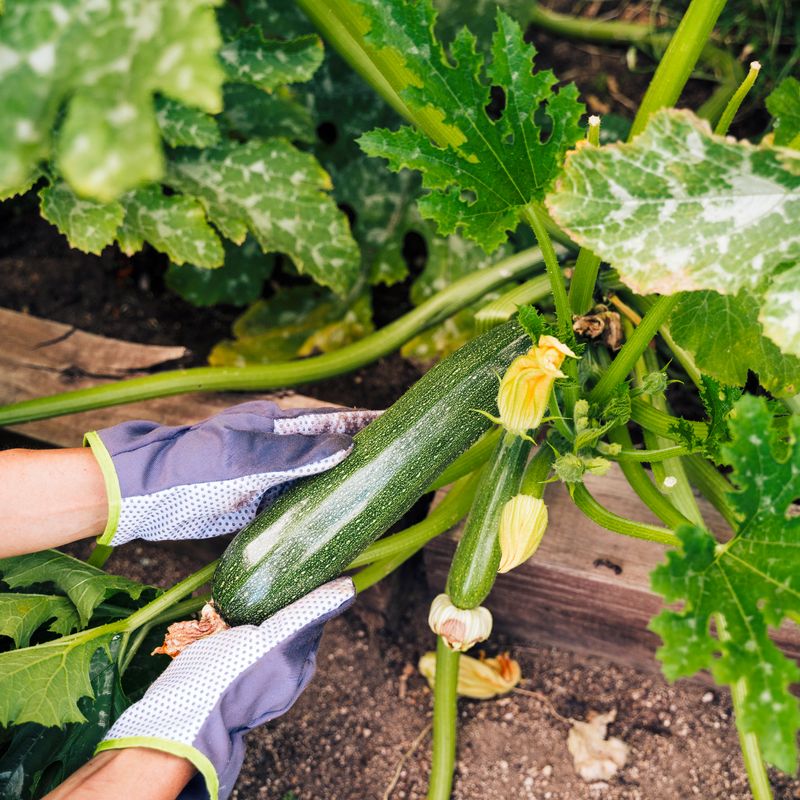
A clear, ordered response gives the plant its best chance without adding unnecessary stress. Start by removing any oversized, hard-skinned, or seedy fruit using a clean cut, as covered earlier. Then shift into a regular inspection rhythm, checking the plant every day or every other day so no new fruit escapes notice before it becomes overmature.
Water deeply and consistently at the base, especially during hot or dry stretches. Inspect the flowers each visit, looking for female flowers with their swollen ovaries and checking whether small fruits are holding or shriveling. If female flowers are present but fruit is aborting, consider hand-pollination during a calm, dry morning when flowers are fully open. Keep an eye on the lower stems for frass or wilting that could indicate borer activity, and hold off on fertilizer unless you have a clear sign of nutrient deficiency.
Maryland Extension’s summer squash guidance and Minnesota Extension’s growing advice both emphasize that consistent management, not a single corrective action, supports continued production. Late July is not a biological deadline for zucchini. Seasonal variation, plant age, cultivar, and weather all influence how long a plant remains productive.
The oversized fruit you removed does not have to go to waste entirely. Illinois Extension notes that overmature zucchini can be grated for baking or cooked after removing the tough outer skin and mature seeds, though texture will be inferior to younger fruit. For preservation, stick to tested pickling recipes or freezing methods. Penn State Extension makes clear that plain zucchini should not be water-bath canned; use current tested guidance for any home preservation.
Judge the plant’s recovery by what you actually observe: new female flowers opening, small fruits holding and swelling, and healthy new growth at the tips. Those signs matter far more than any fixed timetable.