
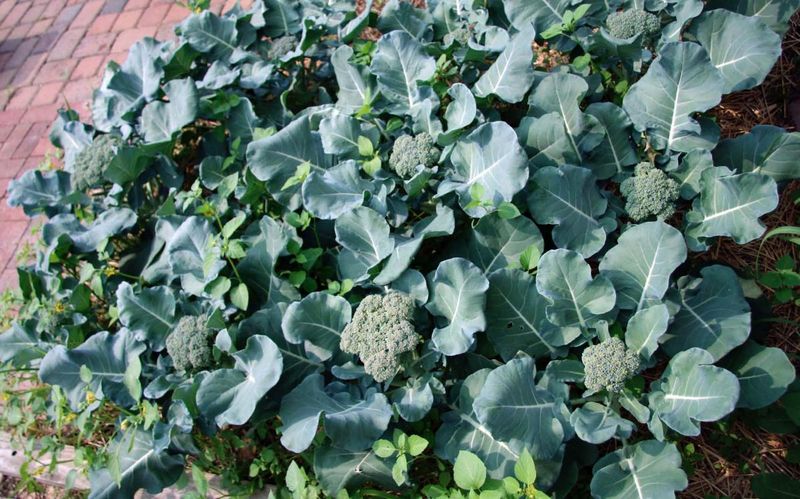
Growing fall broccoli and cabbage can feel like a race against the calendar, and right now that race is very much still on, depending on where you live. The catch is that there is no single August deadline that applies to every garden across the country. Your real planting window depends on your local frost date, the crop you are growing, the variety on your seed packet, and whether you are starting from seed or setting out transplants.
August is a regional question, not a national deadline
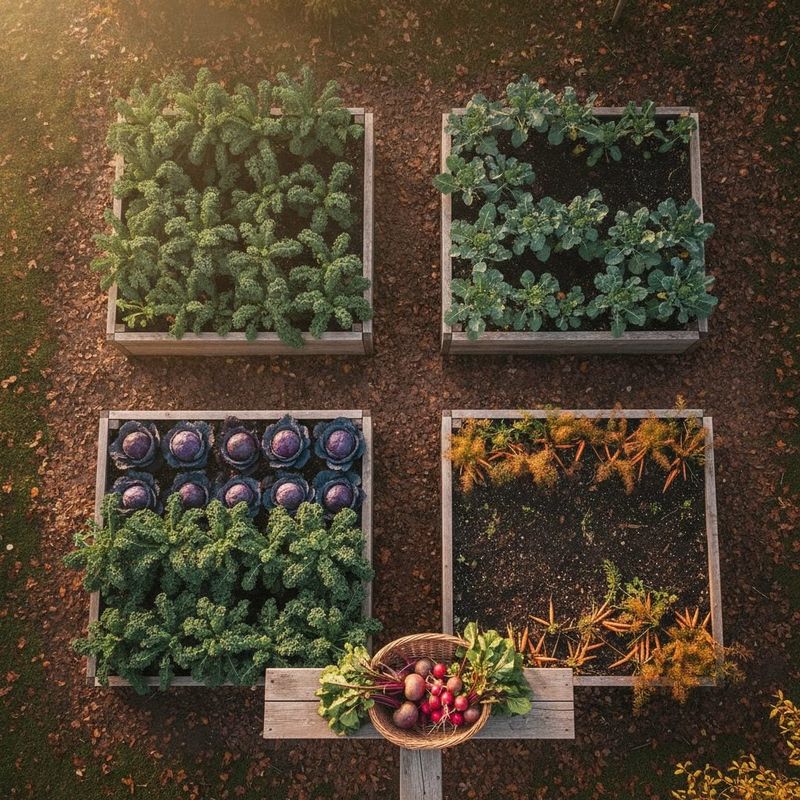
The headline on many fall gardening articles promises that August is the window every gardener cannot afford to miss. That framing is partly true and partly misleading, because the viable planting window for fall broccoli and cabbage shifts significantly depending on where you garden, which crop you are growing, which variety you have chosen, and whether you plan to direct-sow or set out transplants.
Consider what regional Extension programs actually recommend. Minnesota Extension guidance on growing broccoli places fall broccoli starting in early to late July, and fall cabbage direct-seeding in early July for that state. The Illinois Extension planting calendar lists fall broccoli and cabbage transplants going in around July 1 through July 15. Colorado State Extension’s raised-bed guide recommends direct-seeding broccoli and cabbage around mid-July on the Front Range.
By contrast, Georgia Extension’s fall vegetable gardening publication places fall broccoli planting from roughly August 15 through October 1, depending on location and crop timing. Warm-region gardeners may still have a comfortable window ahead of them. Gardeners in northern states, high-elevation areas, or locations with early first frosts need to calculate their own deadline rather than assume August is still open for them.
Calculate the deadline from your local frost date
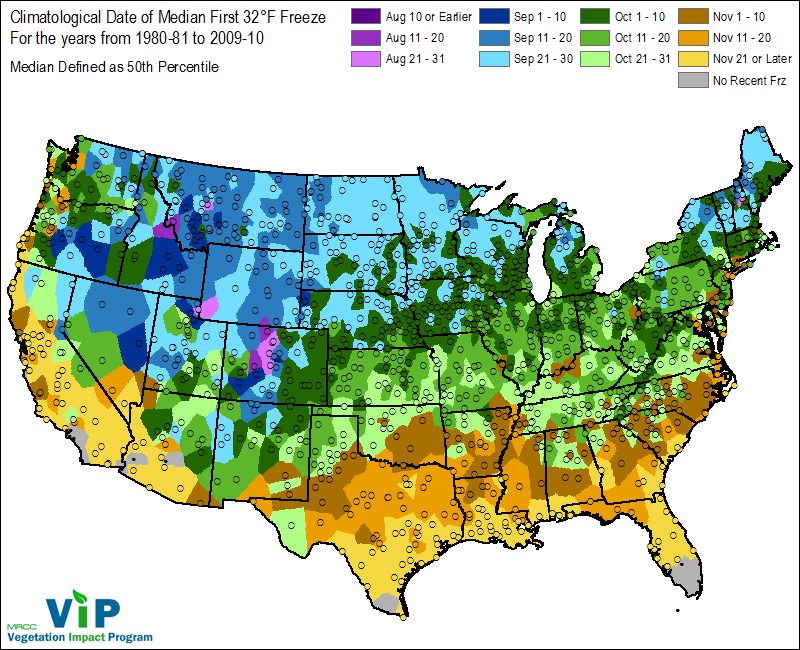
Every gardener’s fall planting deadline starts with one number: the local average first killing frost date. From there, the math is straightforward. Take the variety’s listed days from outdoor planting to harvest, add roughly two extra weeks to account for slower growth as autumn days shorten and cool, and then subtract that combined total from your frost date. The result is the latest practical date to get your crop in the ground or set out transplants.
Oregon State University Extension’s home gardening guide specifically recommends adding about two weeks as a “fall factor,” because cooler temperatures and reduced daylight genuinely slow the pace at which brassicas reach maturity. Skipping that buffer often means plants are still sizing up when hard frost arrives. If you are starting transplants from seed indoors rather than buying them ready to plant, add the time needed to raise those seedlings, typically four to six weeks, before counting back from your frost date.
Keep in mind that a local average frost date is an estimate based on historical records, not a guaranteed calendar event. Elevation, nearby bodies of water, and even your exact neighborhood can shift the real date earlier or later. Check with your county Extension office or a reliable local frost-date resource to get the most accurate estimate for your specific location, then run the calculation for the variety and crop you actually plan to grow.
Regional calendars show why July may matter more than August
Running the frost-date calculation for a few real locations makes the regional differences concrete. In Minnesota, where average first frosts can arrive in late September or early October depending on location, a broccoli variety needing 75 days plus two weeks of fall factor and four weeks of transplant time pushes the starting date back to late June or early July. That matches exactly what Minnesota Extension recommends. Cabbage, which may tolerate some later-season conditions, still has a July direct-seeding window in that state.
Illinois gardens face a similar situation. The Illinois Extension planting calendar schedules fall broccoli transplants from roughly July 1 through July 15, and cabbage transplants through about July 15 as well. Colorado’s Front Range, where early fall frosts are common, lands in a similar window, with Colorado State Extension recommending mid-July direct seeding for broccoli and cabbage in its raised-bed guide.
The Southeast tells a different story. Georgia Extension guidance places fall broccoli planting from approximately August 15 through October 1 depending on the specific location and crop, and recommends starting broccoli seeds indoors at the end of July and setting plants out by the end of August. These are examples meant to illustrate how wide the regional spread really is, not substitutes for calculating your own deadline from your local frost date, your chosen variety’s maturity estimate, and your planting method.
Choose seeds or transplants according to the time you have
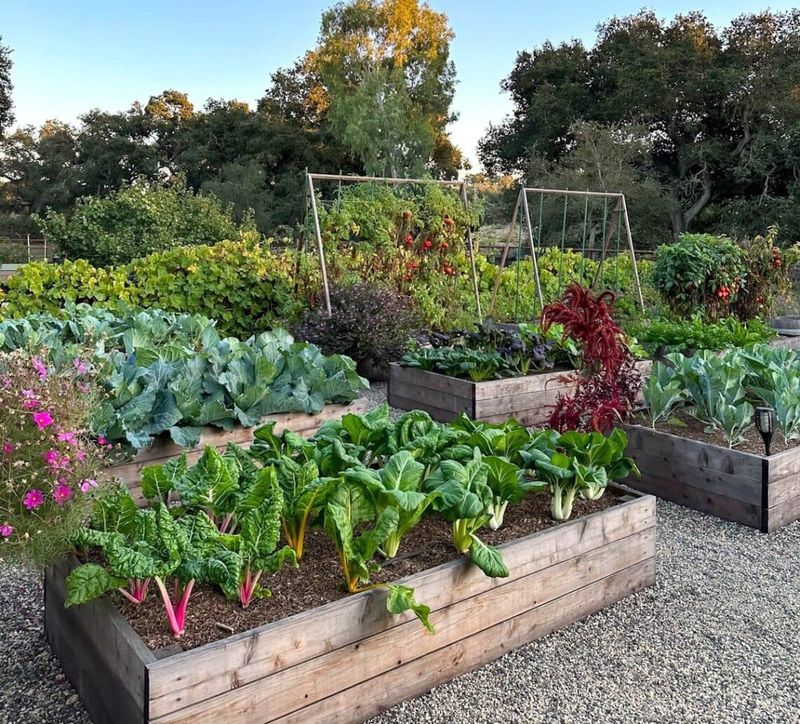
Whether you direct-sow, start seeds indoors, or purchase ready-to-plant transplants changes your deadline by several weeks. A gardener setting out a healthy six-week-old transplant today is effectively weeks ahead of someone just dropping seeds into the soil. That head start can matter enormously when the frost-date calculation leaves you with a narrow window.
UGA Cooperative Extension identifies broccoli and cabbage among fall crops often best handled as transplants, precisely because transplants give the crop enough runway to mature before short days and cold slow everything down. Direct sowing still works well in regions with a longer fall season. Colorado State Extension’s raised-bed guide and Minnesota Extension’s cabbage guidance both include direct-seeding windows for fall crops in their respective regions.
The transplant advantage disappears quickly if the plants are not in good shape. A root-bound transplant that has been sitting too long in a small cell, or one that has been hardened off poorly, can stall after planting rather than hitting the ground running. OSU Extension notes that a stressed or over-aged transplant may not deliver the calendar advantage you expect. Look for stocky, green plants with healthy roots, and avoid anything that looks pale, leggy, or severely pot-bound.
Give each crop enough time to mature before cold slows growth
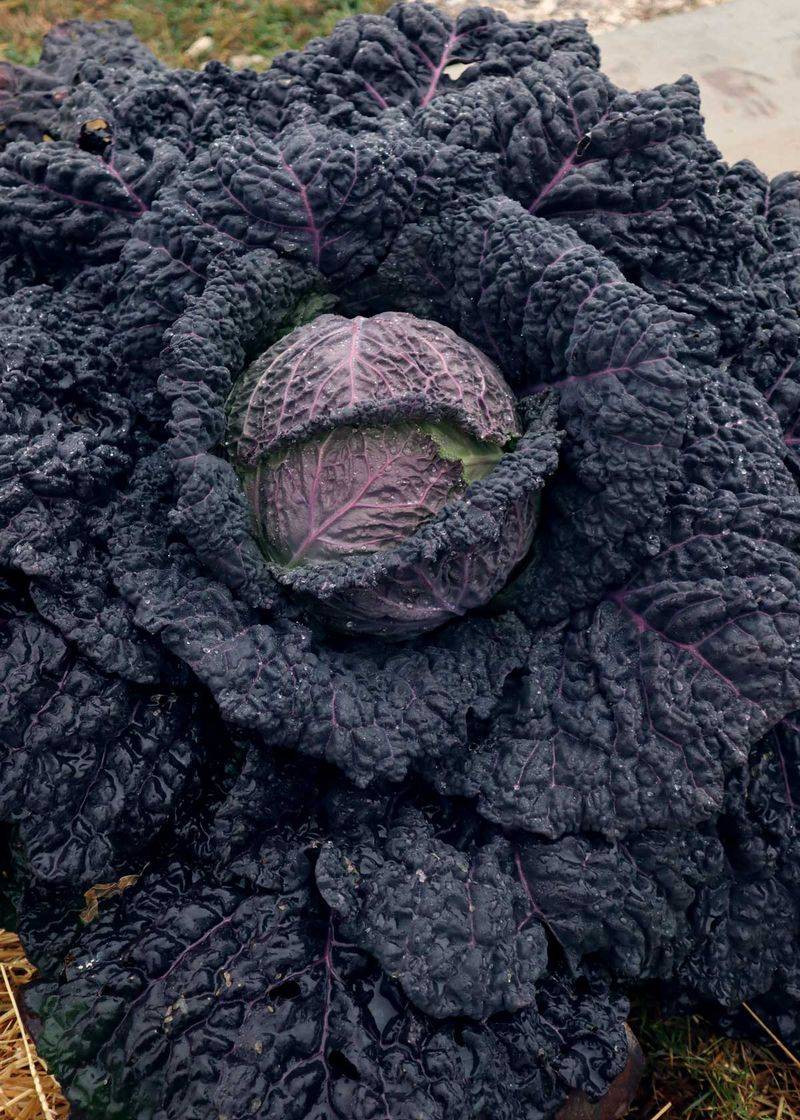
Broccoli and cabbage are cool-season crops, and that is genuinely good news for fall gardeners. Both tend to develop better head quality as temperatures drop, and the cooler air of late summer and early fall suits them far better than midsummer heat. The problem arrives when gardeners assume that because these crops like cool weather, they can simply be planted close to frost and still produce a usable harvest.
Established plants can tolerate some frost, but frost tolerance is not the same as having enough time to mature. Minnesota Extension’s broccoli guide notes that fall varieties commonly need approximately 60 to 85 days, and the OSU Extension fall factor guidance makes clear that those days stretch longer under autumn’s cooler, shorter conditions. Cabbage varieties vary just as widely; some mature in 65 days while others need 90 or more. Use the maturity estimate printed on your specific seed packet rather than any generic number.
Treating broccoli and cabbage as one category with a shared cutoff date is another common mistake. A fast-maturing broccoli variety and a full-season cabbage variety may need meaningfully different deadlines even in the same garden. Check the packet for each crop and each variety separately, run the frost-date calculation for both, and plant accordingly. The Minnesota Extension cabbage guide reinforces that cabbage timing should be considered independently from other brassicas.
Plant promptly and protect young plants from summer stress
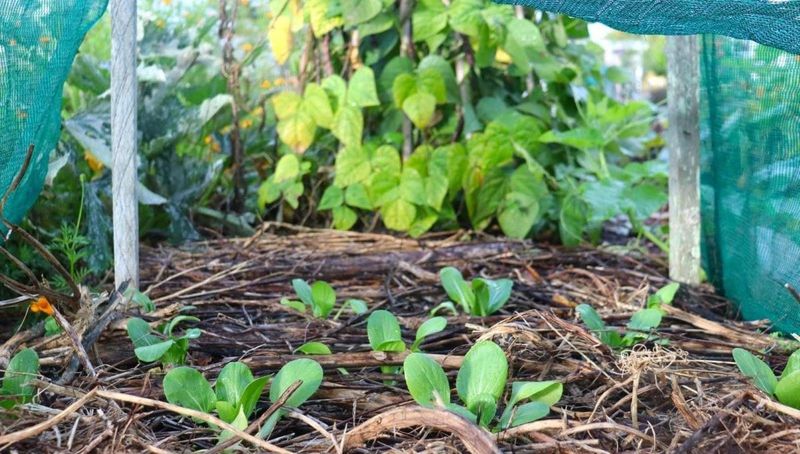
Once you have confirmed that your adjusted schedule fits your local frost date, the next step is simply to move. Bed preparation, planting, and consistent watering during establishment are the three things that matter most in the first week or two after seeds go in or transplants go out.
UGA Cooperative Extension recommends watering newly planted seeds and transplants immediately after planting and then watering daily during the first week as needed to support establishment. Summer heat can pull moisture out of the soil quickly, and young brassica seedlings have a shallow, limited root system that cannot chase water the way an established plant can. Skipping or spacing out those early waterings can set the crop back by days or even weeks.
A layer of mulch around transplants can help retain soil moisture and moderate soil temperature during the warmest part of late summer. Minnesota Extension notes that consistent moisture supports better head development in broccoli. The goal during this establishment phase is to get roots anchored and leaves growing before the days shorten noticeably. Plants that establish well in late summer tend to handle the shift into cooler fall conditions much more smoothly than those that struggled through a dry or heat-stressed start.
Protect fall brassicas from pests and recurring problems
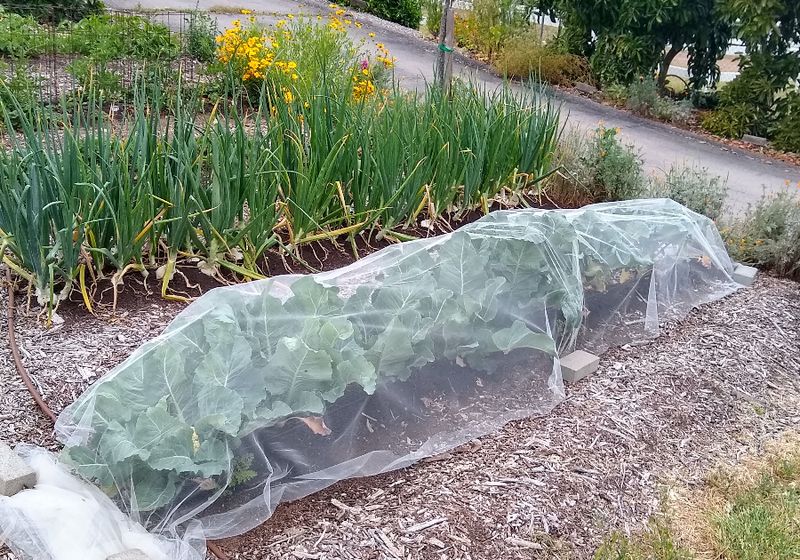
One of the most persistent myths about fall vegetable gardening is that cooler weather means fewer pests. Cabbageworms, cabbage loopers, and diamondback moth larvae remain active and hungry well into fall, and a fresh planting of broccoli or cabbage is an attractive target. Assuming that a fall crop will take care of itself without any pest management is a reliable way to end up with lacy, damaged leaves and undersized heads.
A lightweight floating row cover placed directly over plants at seeding or transplanting can meaningfully reduce the number of eggs that adult moths and butterflies lay on the foliage. Minnesota Extension’s guide to caterpillars on cole crops recommends anchoring row cover securely so that wind does not lift it and allow pests to reach the plants underneath. Even with row cover in place, lift and inspect both sides of leaves at least once a week. Covers reduce pressure; they do not eliminate it.
If caterpillar populations do require treatment, use only a product that is labeled specifically for the crop and the pest you are targeting, follow all label directions, and observe the required preharvest interval before cutting heads. Bacillus thuringiensis, commonly called Bt, is one option that Minnesota Extension lists for brassica caterpillar management, but the label is still the law regardless of the product type. Rotation also matters: avoid planting fall brassicas in any bed where spring cabbage, broccoli, cauliflower, or Brussels sprouts grew recently. Minnesota Extension recommends a four-year rotation for brassicas where possible to reduce the buildup of disease and soil-dwelling pests.
Treat frost as a harvest factor, not your planting target
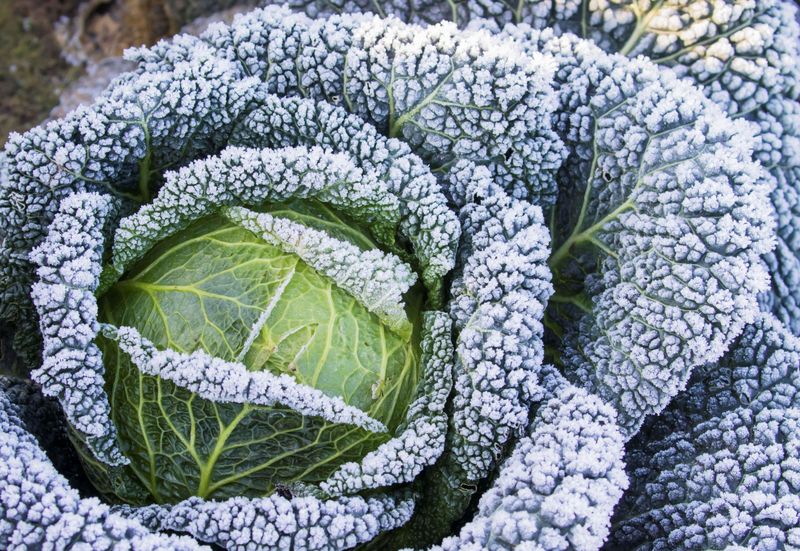
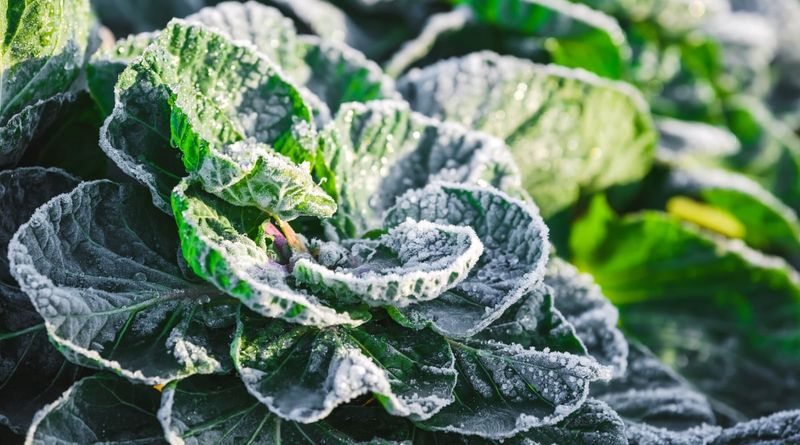
Established broccoli and cabbage can handle a light frost reasonably well, and in some cases a brief cold snap may even improve the flavor of mature heads. That resilience is one reason these crops suit fall gardening so well. What frost tolerance cannot do is substitute for the weeks of active growth the crop needs to reach a harvestable size in the first place.
Severe freezes, extended cold rain, and the combined effect of short days and low temperatures can stop meaningful growth or damage plants that have not yet formed heads. OSU Extension’s home gardening guide is clear that a first frost is not a harvest deadline, but it is also not a safety net that covers for a late start. Minnesota Extension echoes this, noting that frost tolerance in established plants does not eliminate the need to mature the crop before cold weather substantially slows growth.
The practical decision rule is this: run the adjusted calculation now using your local frost date, your variety’s listed days to maturity, your transplant time if applicable, and the two-week fall factor. If the numbers work for your location, plant immediately and use a healthy transplant if it buys you needed time. If the result is uncertain, contact your county Extension office for local guidance before committing seed and bed space. A fall harvest of broccoli or cabbage is genuinely worth pursuing, and knowing your actual window is the step that makes it possible.