

For a long time, lemongrass seemed like a plant meant for tropical backyards far from the Carolinas. But North Carolina gardeners are discovering that this tall, lemony grass thrives in our hot summers and does double duty as a natural helper against mosquitoes. It fits the goal so many of us share: a low-effort yard that protects the family and still leaves room for native wildlife. Here are ten real reasons folks across the Piedmont, coast, and mountains are finally giving lemongrass a spot in the garden.
1. It Loves North Carolina’s Hot, Humid Summers
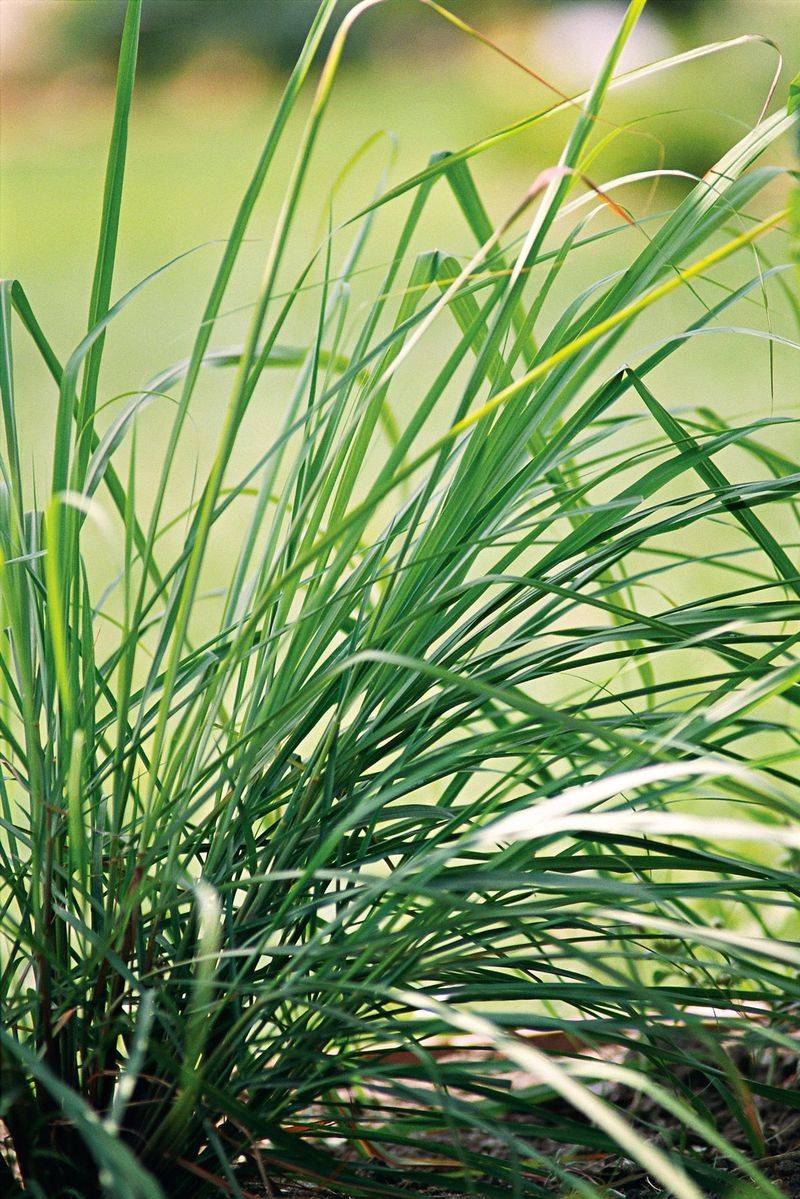
Ask any gardener who has fought to keep finicky herbs alive through a July heat wave, and they will tell you lemongrass is a breath of fresh air. Native to steamy parts of Asia, this grass actually perks up when the temperature climbs and the air turns thick with humidity, which is exactly what our Piedmont and coastal plain summers deliver.
While cool-weather crops bolt or wilt by midsummer, lemongrass keeps pushing out fresh blades. It handles the sticky nights around Raleigh and the muggy afternoons near Wilmington without missing a beat.
Full sun is its happy place, so a spot that bakes all day is a feature, not a problem. For anyone who wants a plant that thrives on the very weather that stresses everything else, lemongrass earns its keep from June through September.
2. The Citrusy Scent May Help Deter Mosquitoes
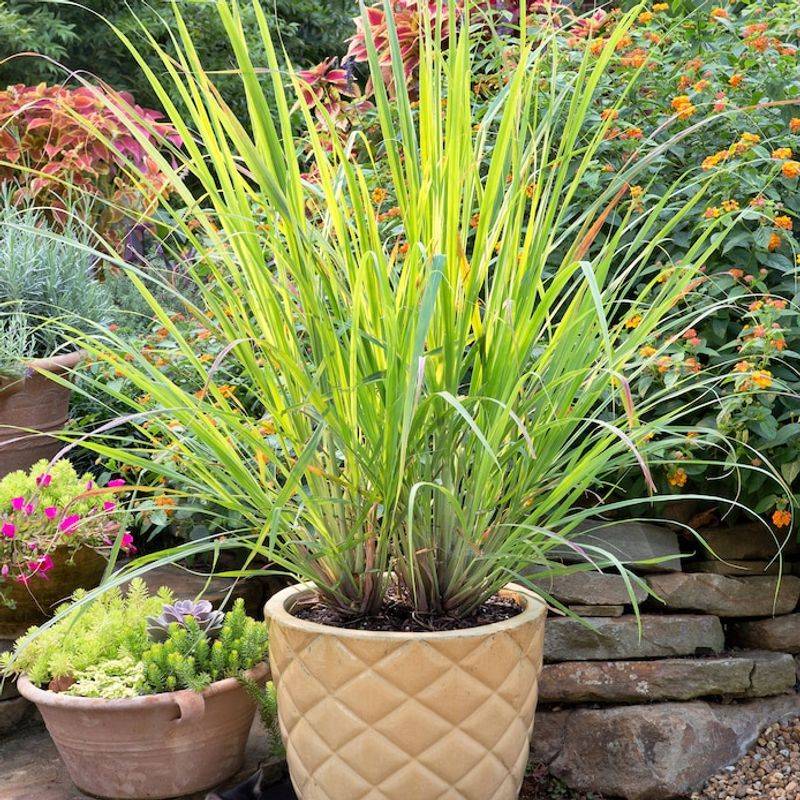
Summer evenings on the porch can turn into a slapping match with mosquitoes, and that is where lemongrass quietly shines. The plant is packed with citronella oil, the same lemony compound found in those familiar backyard candles and sprays.
Brushing against the leaves or crushing a blade releases a strong citrus scent that mosquitoes tend to avoid. It will not clear a whole yard on its own, but a few pots grouped near seating areas can reduce the number of bites during cookouts and quiet nights outside.
For NC families worried about mosquito-borne worries all season long, that is a gentle, plant-powered layer of defense. Pairing lemongrass with bat-friendly habitat, since bats may help cut mosquito numbers, gives you a one-two punch that leans on nature instead of chemicals.
3. It Asks for Almost No Fussing

Some plants demand daily babysitting. Lemongrass is not one of them, and that suits the busy homeowner who wants a good-looking yard without weekend-long chores.
Once its roots settle in, this grass is remarkably drought-tolerant and shrugs off the occasional dry spell between storms. Give it decent soil, a sunny corner, and an occasional deep watering, and it mostly takes care of itself.
Pests rarely bother it, which means no spraying and no fretting. Deer usually walk right past it too, a real bonus in wooded neighborhoods across the state where hungry deer treat most gardens like a salad bar. Low effort, high reward, and no guilt when life gets busy.
4. You Can Cook With It Straight From the Yard
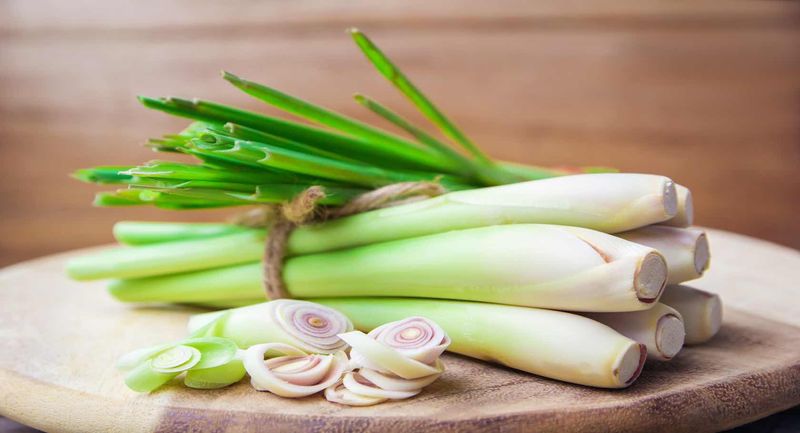
Snip a stalk, and dinner just got more interesting. The tender base of lemongrass brings a bright, lemony zing to soups, stir-fries, teas, and marinades, and having it growing steps from the kitchen beats paying grocery prices for a couple of woody stalks.
Fun fact: the flavor comes from citral, the same aromatic compound that gives lemon peel its punch, which is why a little goes a long way. Toss a bruised stalk into a pot of broth, steep the leaves for iced tea on a hot afternoon, or blend the base into a Thai-style curry.
Homegrown means you harvest exactly what you need and let the rest keep growing. For anyone who likes their garden to feed them as well as please the eye, lemongrass pulls double duty on the plate.
5. It Grows Great in Pots for Small or Renter Yards
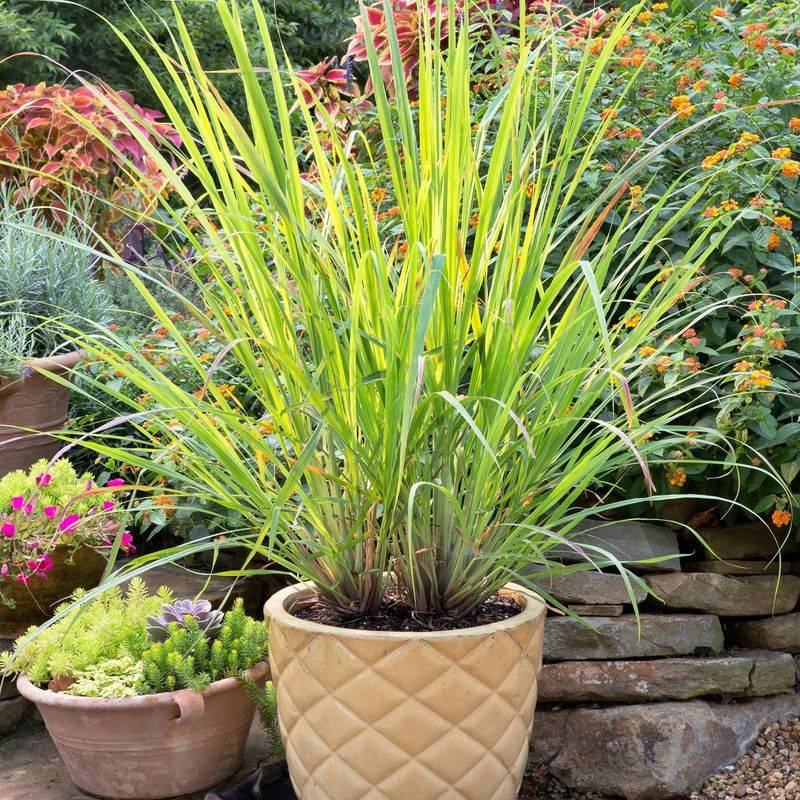
Not everyone has acres to play with, and lemongrass happily solves that. A single stalk from the grocery store, set in a jar of water until roots appear, will fill a large pot with a lush fountain of green in a single season.
Containers give you control that ground planting does not. You can wheel the pot into the sun, cluster several near the patio for scent, or drag them into a garage before the first frost to overwinter the plant for next year.
Townhome dwellers in Charlotte and mountain gardeners in Asheville with short seasons both benefit from that flexibility. Big impact, small footprint, and no permanent commitment to the soil.
6. It Plays Nicely With Native Pollinator Plants

Here is something the citronella-candle crowd rarely mentions: lemongrass makes a handsome backdrop for a native NC pollinator patch. Its tall, arching green blades set off the color of black-eyed Susans, purple coneflower, and bee balm without competing for the same nectar visitors.
Because the grass itself is not a heavy bloomer, it will not lure bees and butterflies away from the natives you want to feed. Instead it acts like a soft green wall that shelters those flowers from wind and gives the bed structure through the whole season.
Monarchs sipping from nearby milkweed and bumblebees working the coneflowers get to do their thing, while your lemongrass quietly frames the show. It is a tidy way to blend a useful herb into a wildlife-friendly design.
7. It Is Not Invasive Like Some Imported Grasses
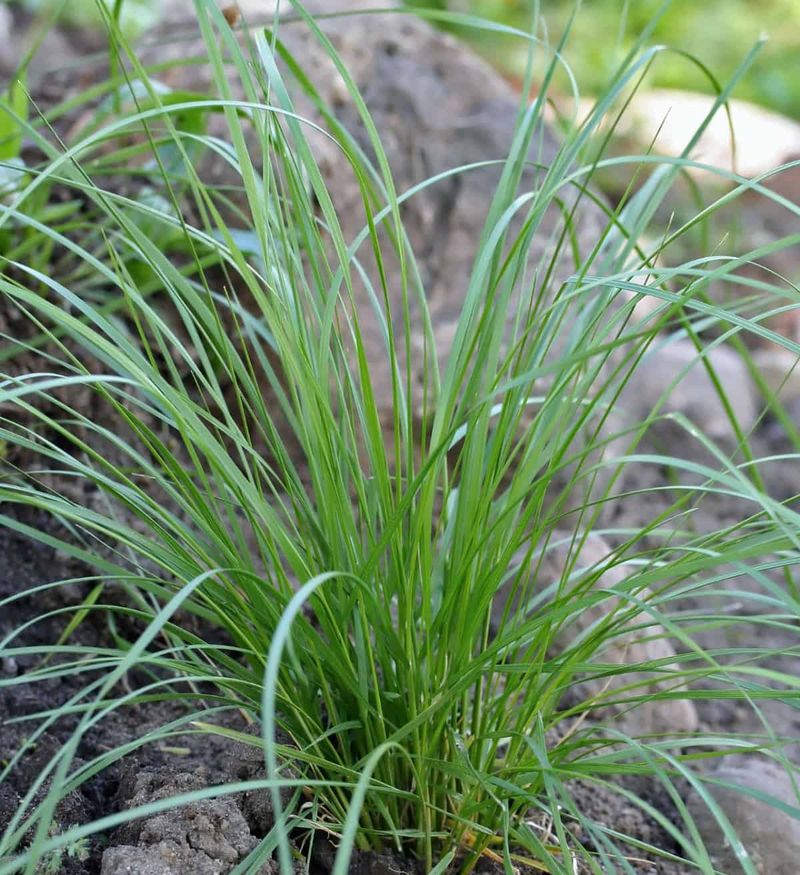
North Carolina gardeners have learned some hard lessons about pretty imports that turn into bullies, from running bamboo to aggressive miscanthus. Lemongrass sidesteps that headache in our climate.
Because our winters kill it back and it rarely sets viable seed here, the plant simply cannot spread and take over the way it might in the tropics. It stays put in its clump, exactly where you planted it, and never escapes into the woods behind your yard.
That makes it a responsible choice for the steward who wants to do right by the land and keep native habitat intact. You get the useful herb without adding another troublemaker to the roadsides and creek banks of the state.
8. One Grocery Stalk Turns Into a Whole Garden
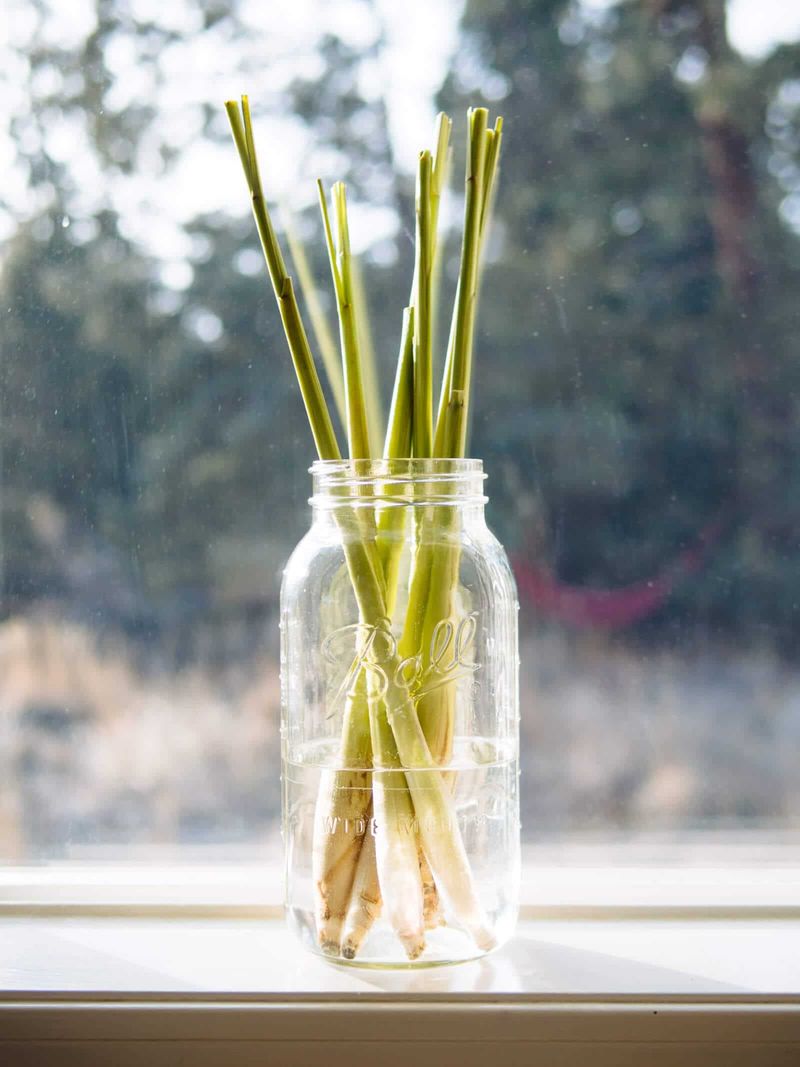
Thrifty gardeners love this trick. A bundle of lemongrass from the produce aisle costs a couple of dollars, and each firm stalk can become an entire plant.
Stand the stalks in a glass of water on a windowsill, change the water every few days, and within a week or two little white roots start to sprout. Once those roots get an inch or so long, you pot them up or set them in the garden and watch them multiply.
By late summer, that grocery-store impulse buy has grown into a fountain of grass big enough to divide and share with neighbors. Few plants offer that kind of return on such a tiny investment, which is a big part of why lemongrass keeps spreading through NC gardening groups.
9. Its Fast Growth Makes an Instant Privacy Screen
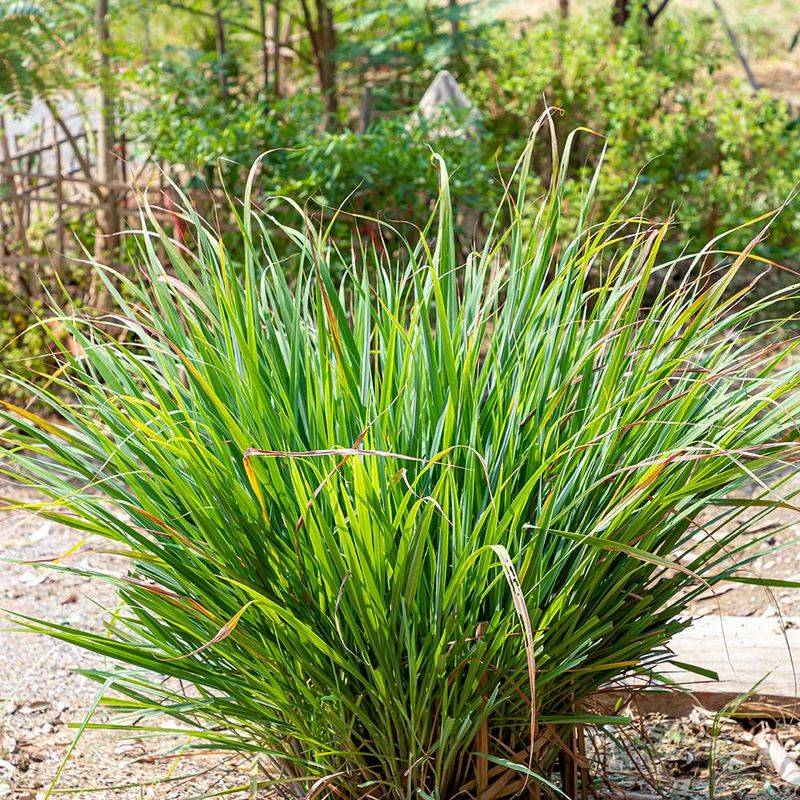
Patience is not always a gardener’s strong suit, and lemongrass rewards the impatient. In one warm NC season, a small division can shoot up into a dense clump three to five feet tall and just as wide.
That quick, bushy growth makes it a living screen for hiding an ugly AC unit, softening a fence line, or giving the patio a little privacy from the neighbors. Unlike a shrub that takes years to fill in, lemongrass delivers a leafy wall in a matter of months.
Come fall you cut it back, and next spring, if you overwintered a division, it races right back up. Quick results with a fresh lemony smell every time the breeze moves through it.
10. It Fits the Low-Effort, Family-Protecting Yard Trend
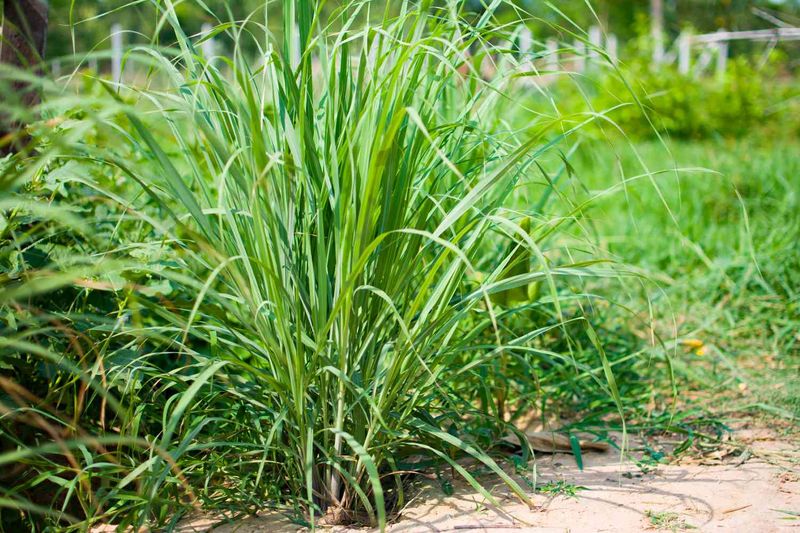
More than anything, lemongrass matches the way North Carolina homeowners want to garden right now. Folks are chasing yards that protect their families from summer pests, support the wildlife they love, and do not eat up every free weekend.
Lemongrass checks all three boxes at once. Its citronella scent can help make patio time less buggy, its tidy clumping habit keeps it from muscling out natives, and its no-fuss nature respects your time.
Slot it in alongside bird-friendly plantings and a bat house, and you have built a yard that leans on nature to keep pests down instead of a shelf full of sprays. As summer pest worries peak, that blend of comfort, stewardship, and simplicity is exactly why so many gardeners across the state are finally making room for it this year.