
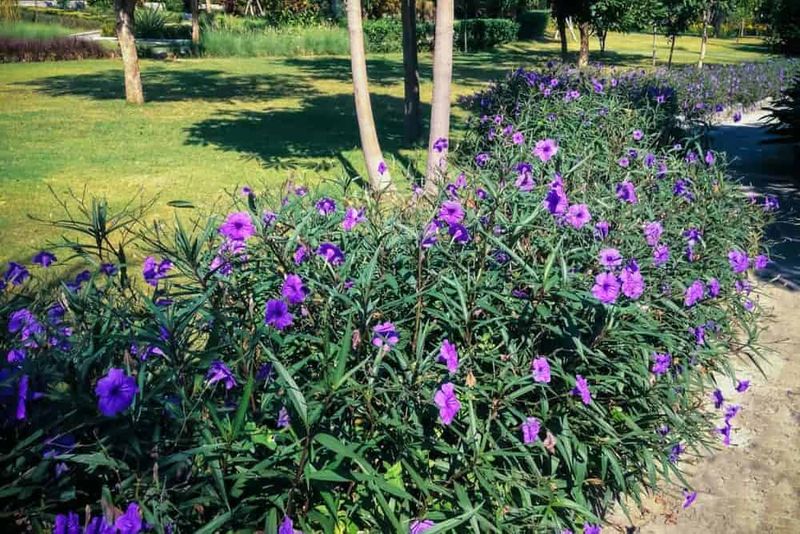
That purple-flowered plant filling your Florida bed may be taking over more than you think. Mexican petunia looks pretty, but it creeps underground and shoots seeds across the yard.
The sooner you dig it out, the less ground it claims. Here is a simple plan for removing it and filling the space with something better.
Fall is a prompt to inspect, not a final deadline
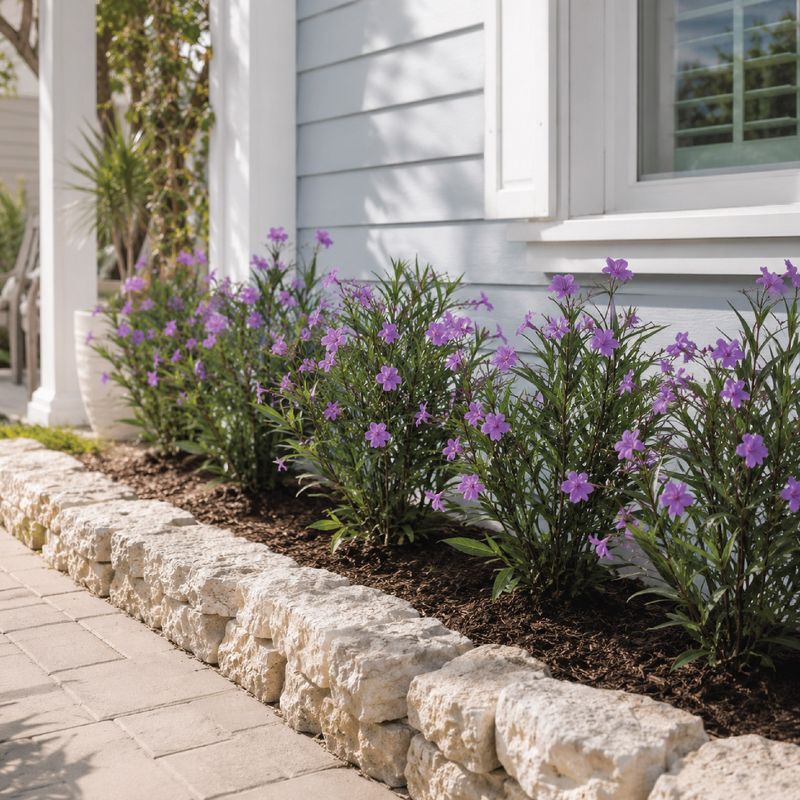
Cooler fall weather is a handy reminder to walk your beds and look closely at what is growing there. Plenty of Florida gardeners find a thick patch of Mexican petunia only after it has already filled a corner.
Fall is not a magic cutoff, though. According to UF/IFAS Extension, flowering and fruiting stages can alternate year-round in Florida, so capsules may form in any season.
Seeds can also germinate soon after they are released.
That means some seeds may already be out in your yard today. Waiting for a perfect date only gives the plant more time to settle in.
The better plan is simple. Look for the tall stems, purple trumpet flowers, and small brown capsules, then pull the plant out as soon as you spot it.
After that, keep checking the bed for new shoots and seedlings. Think of it as a routine, not a one-day job: inspect, remove, and recheck.
Try to get to plants before mature capsules appear when you can. If capsules are already there, handle the plant gently so you do not scatter more seed as you work.
Mexican petunia spreads above and below the soil
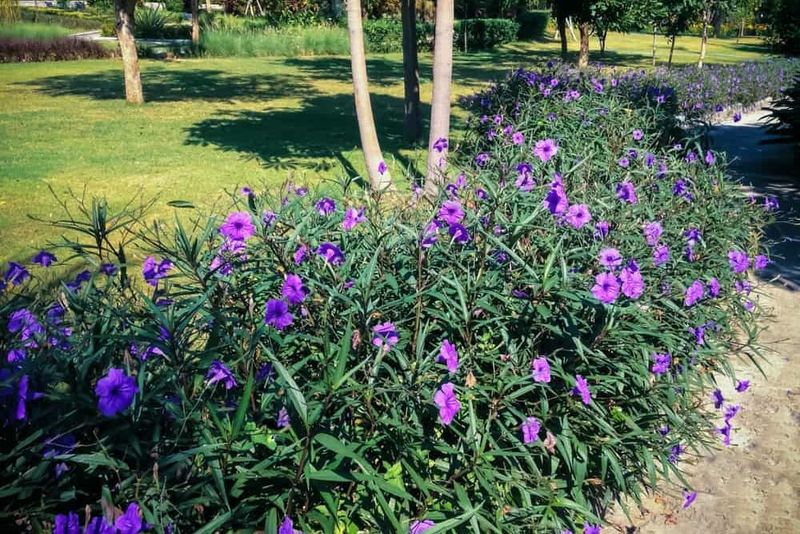
Ruellia simplex is not from Florida, and UF/IFAS lists it as a Category I invasive plant. That label means it has been found disrupting native plant communities.
It can form dense stands that crowd out native plants.
It moves in two ways. Above ground, its seed capsules can burst open and fling seeds away from the parent plant.
The seeds germinate readily, and when wet they make a gel that helps them stick to surfaces.
Below ground, creeping lateral roots, also called rhizomes, push the patch outward year after year. A clump that looks small on top may be much bigger underneath.
This two-route spread is why quick fixes disappoint. Snipping off seed heads may slow new seedlings, but it does nothing about the roots creeping sideways.
Even cultivars sold as sterile can keep spreading underground, so a plant tag promising few seeds is no reason to relax.
Not every cultivar produces viable seed, and some are listed for use only with caution. Treat any Mexican petunia in a bed you want to control as a plant that needs managing, whatever the label says.
Dig out as much of the small patch as possible
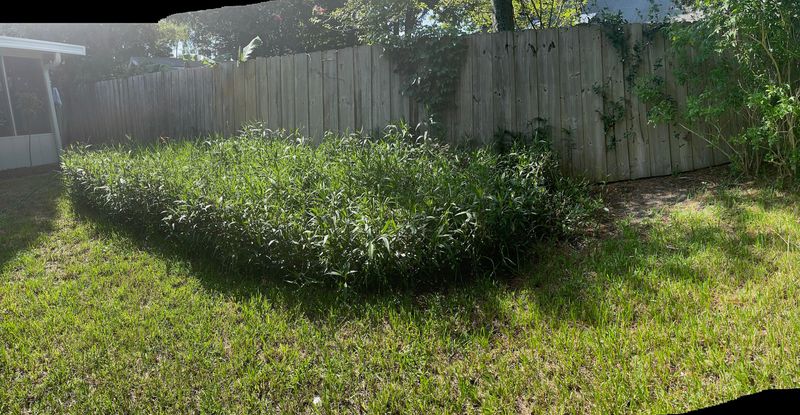
For one plant or a small patch, digging is a sensible first move. Sandy Florida soil often makes the job easier, especially a day after rain or a deep watering.
Start by loosening the soil around the clump with a garden fork or spade. Work a few inches outside the visible stems, since roots run sideways.
Lift the plant and follow any pale, creeping roots until they end.
Shake out the soil over the hole, not the lawn, and pick through it for loose pieces. Bag everything as you go so fragments do not get left behind.
If you see capsules, bag the plant gently to keep seeds from flinging out.
Set realistic expectations. UF/IFAS notes that hand-pulling or digging can work on isolated plants if all vegetative material is removed, but fragments and underground rhizomes can resprout.
One round rarely finishes the job.
Mark your calendar for a recheck in a couple of weeks. UF/IFAS also warns that regrowth from lateral roots is common, so any green shoot popping up where the patch stood deserves a quick dig.
Larger infestations or stubborn regrowth may need repeated effort over time. Do not be discouraged if a few shoots return, since catching them early keeps the work small.
Cutting the tops is not enough

Mowing, tilling, and weed-whacking look productive, but they leave the roots alone. UF/IFAS explains that removing tops while leaving roots and rhizomes is not effective.
Tilling can be worse, since chopped rhizome pieces may each start a new plant.
The same goes for deadheading. Clipping seed heads may cut down on new seedlings, but the underground network keeps growing.
Tops are the part you see, and roots are the part that keeps the patch alive.
Where your pulled plants end up matters too. Keep stems, roots, and clippings from touching soil where they could root, and never rake or hose them toward a storm drain, ditch, or pond.
UF/IFAS Sarasota County Master Gardeners suggest asking your county waste program how to dispose of invasive plant material.
Skip the backyard compost pile. UF/IFAS composting guidance advises against adding weeds that can regrow from plant parts.
A sturdy bag set out according to local rules is the safer route.
Check for regrowth and consider repeat control
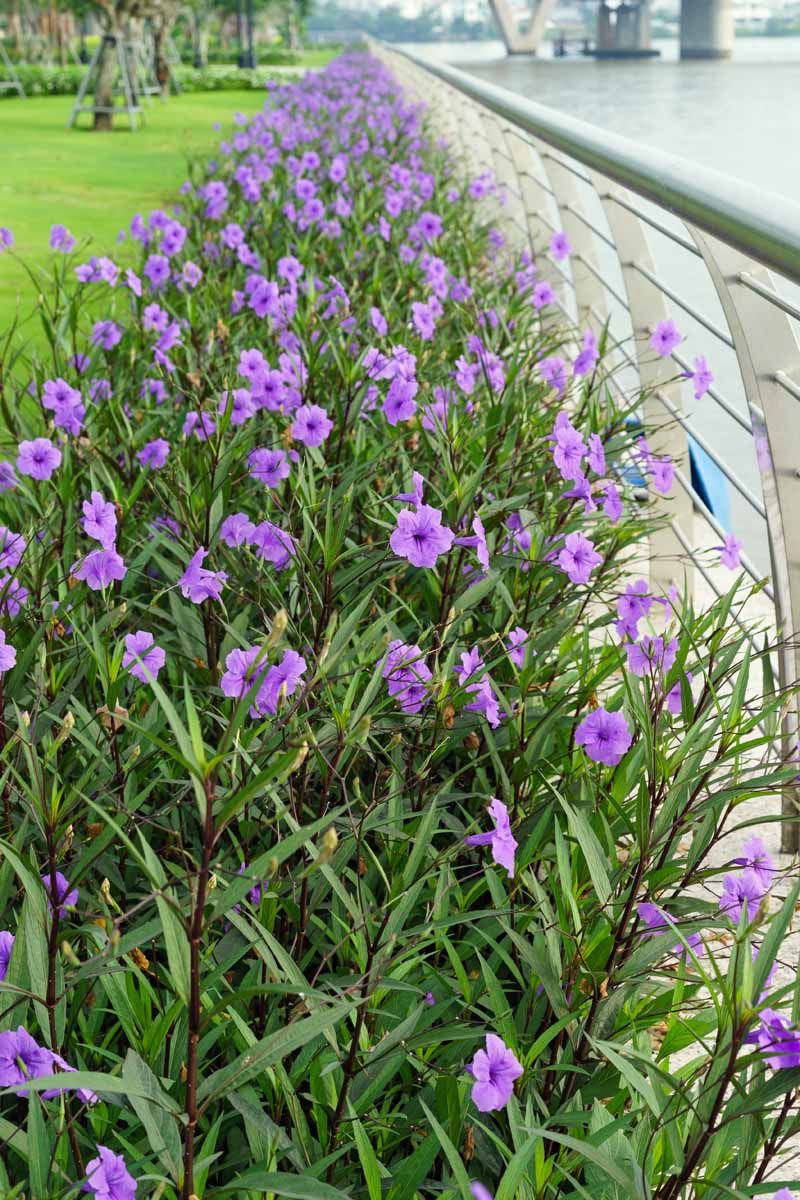
After the digging, the real work is watching. Walk the bed every week or two for the first few months, and look for narrow, dark green leaves poking up where the patch used to be.
Seedlings can show up too, especially if seeds were already in the soil.
Pull or dig each new shoot as soon as you see it. Small sprouts come out easily, and each one you catch early is a bit less root the plant can rebuild.
Some beds need more than a few pulls. UF/IFAS describes foliar herbicide treatment as an option for this plant, and notes that resprouting is common and follow-up treatment may be needed.
Natural-area research does not promise that a single treatment will clear a home bed.
If you choose herbicide, treat it as optional, not a recipe. Products and labels differ, so follow the specific label for mixing, application, and disposal.
UF/IFAS also cautions that regrowth from lateral roots is common and multiple treatments may be needed.
Take care around plants you want to keep. The EPA notes that glyphosate is a broad-spectrum herbicide, and spray drift can injure non-target plants.
Calm days, careful aim, and shielding nearby plants all help.
If regrowth keeps coming back, call your county Extension office for advice that fits your site.
Choose a native replacement for the actual bed
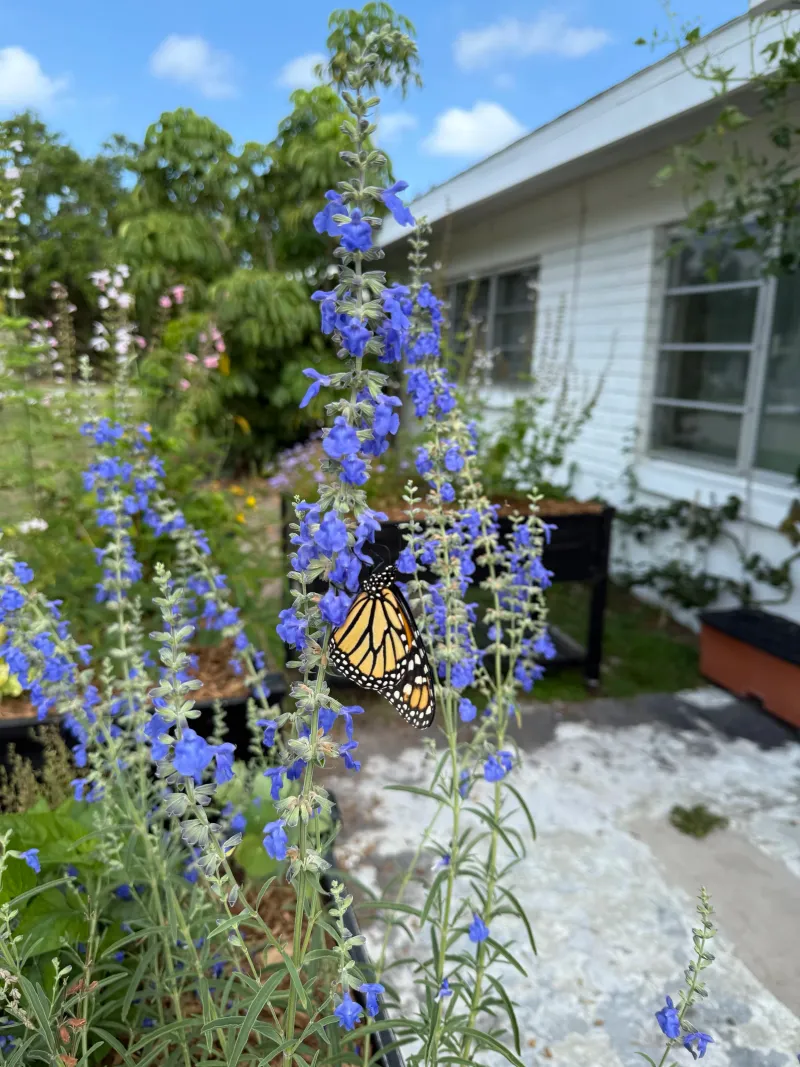
A bare bed invites weeds, so plan what goes in next. UF/IFAS Extension recommends planting something in the cleared area to lower the chance Mexican petunia returns.
Planting helps, but it does not replace follow-up checks.
That caution fits the research. A Florida study in a floodplain forest found that planting or seeding natives after herbicide treatment did not prevent reinvasion in the first year.
A forest floodplain is not a home garden, so treat it as a reminder to keep watching, not a prediction for your yard.
For ideas, a UF/IFAS alternatives list for North Florida landscapes names starry rosinweed, blue-eyed grass, blue porterweed, Stokes’ aster, and blue curls. These are examples, not interchangeable swaps.
Check light, moisture, mature size, and whether each suits your part of Florida.
Carolina wild petunia (Ruellia caroliniensis) is a separate Florida native, not Mexican petunia. UF/IFAS Gardening Solutions treats it as its own option, and it looks different, with sparser flowers.
The cleared bed will tell you if you chose well, because new shoots show up fast against fresh mulch.