
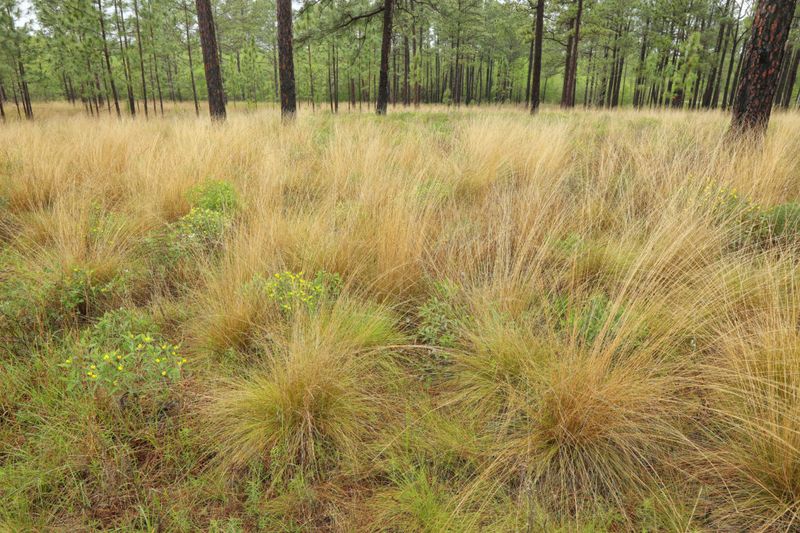
Rats around the patio can make your whole yard feel off-limits after dark. Barn owls hunt rodents, but no plant acts like a dinner bell that brings them straight to your home.
The Florida natives below can help shape a more open, wildlife-friendly yard where an owl already living nearby may find room to hunt. The trick is choosing the right plants without creating more hiding places for rats.
1. Muhly Grass
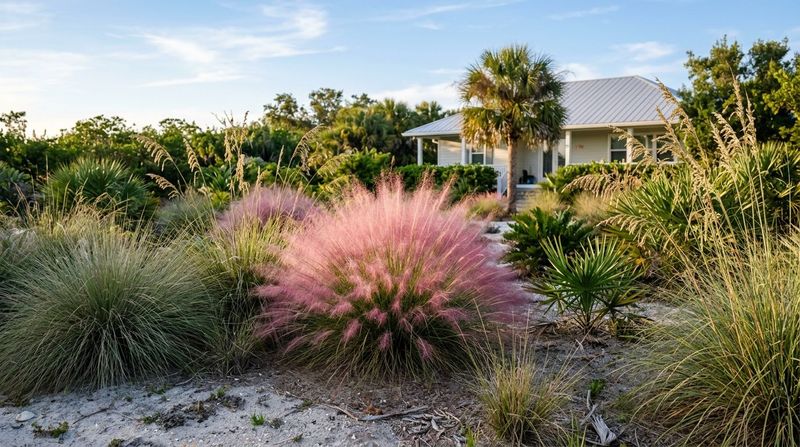
Pink clouds of fall flowers make a useful wildlife border look like a garden, not an abandoned lot. Muhly grass (Muhlenbergia capillaris) offers that polished look while tolerating sunny Florida sites with sandy, well-drained soil.
Use a few clumps along the outside of an open yard rather than filling the entire space. Plants commonly reach about 2 to 3 feet tall, with flower stalks rising higher, so allow room for their mature spread.
The connection to barn owls is the layout, not the flowers. Owls hunt over open ground, and a broad, short-grass lane beside scattered native bunchgrasses leaves more accessible hunting space than a solid wall of vegetation.
Keep muhly away from foundations, pet-feeding spots, and stored materials where rats already have shelter. Water new plants until established, then adjust irrigation to rainfall and site conditions rather than keeping the bed constantly wet.
For a tidy reset, cut back old growth in late winter before fresh growth gets going. Never burn an ornamental planting, and remove nearby rubbish instead of letting the border become a storage zone.
2. Wiregrass
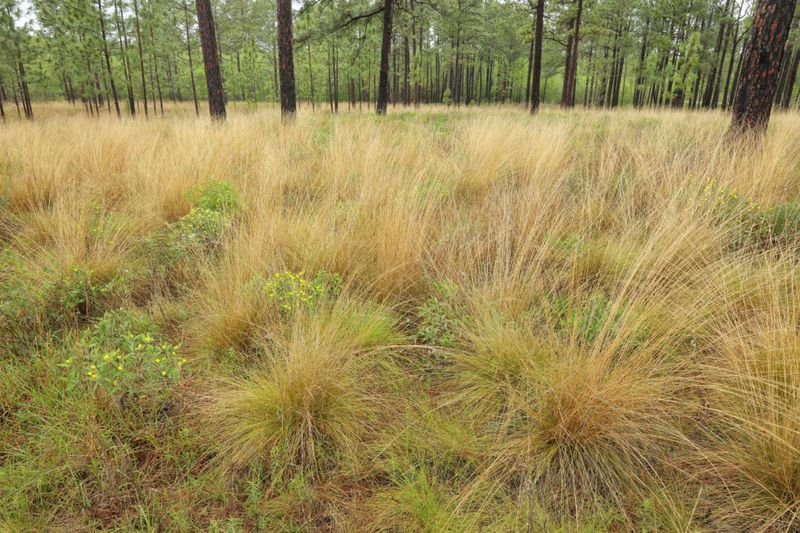
A little piece of Florida’s pine country can fit along a sunny property edge. Wiregrass (Aristida beyrichiana) forms fine-textured bunches that suit a sandhill-inspired garden, especially in North and Central Florida.
Choose a dry, sunny location and buy nursery-grown plants identified for your area. Wiregrass is slow to establish, so plugs need patience and careful watering at first, even though established plants handle lean, sandy conditions well.
Its strongest role here is helping replace a crowded, overgrown edge with a planned native planting. Leave generous openings between planting groups and preserve a wider open area alongside them for any hunting owl passing through.
Wild wiregrass communities depend on fire, but a home landscape is not a place to copy that process yourself. Ask your county Extension office about managing old growth without burning, and avoid assuming that fertilizer will improve a plant adapted to poor soil.
Seeds and cover can support small animals, including rodents, so wiregrass is not a rat repellent. Keep it well away from the house and pair it with strict cleanup of spilled birdseed, fallen fruit, and pet food.
3. Little Bluestem
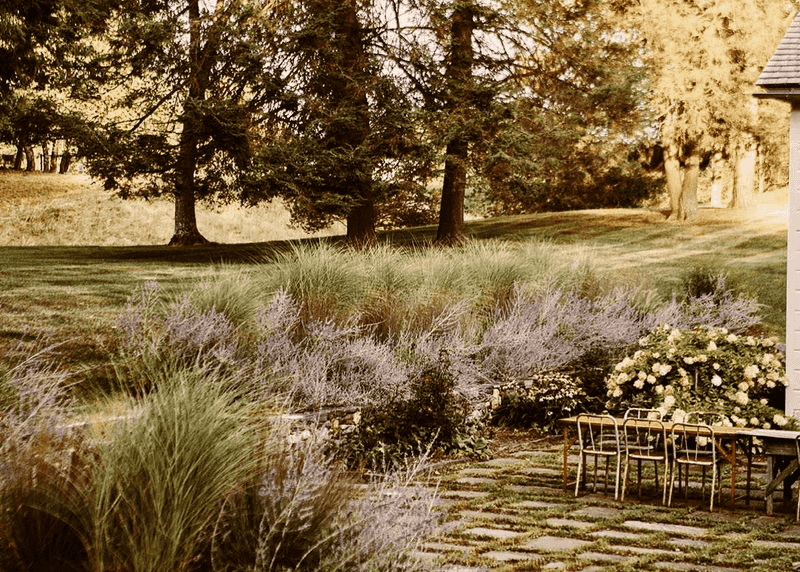
Blue-green blades that turn copper give a sunny border color without a row of thirsty shrubs. Little bluestem (Schizachyrium scoparium) is a native bunchgrass worth considering for well-drained Florida sites where locally suitable stock is available.
Ask a native nursery for plants suited to your part of the state. A cultivar selected far outside Florida may not perform like local material, and a wet corner with standing water is the wrong place to experiment.
Plant small groups on the outer edge of an open space, leaving room for their mature size. Depending on the selection and conditions, flowering stems may stand several feet tall, so keep the central hunting area clear rather than making a tall-grass maze.
Too much fertilizer or irrigation can cause floppy growth. Lean soil, sunshine, and occasional attention to dead stems usually make more sense than treating this grass like a heavily fed lawn.
Think of it as a handsome habitat accent, not owl bait. Barn owls must already have access to the area, and their presence will also depend on prey, safe nesting opportunities, and the surrounding landscape.
4. Broomsedge Bluestem
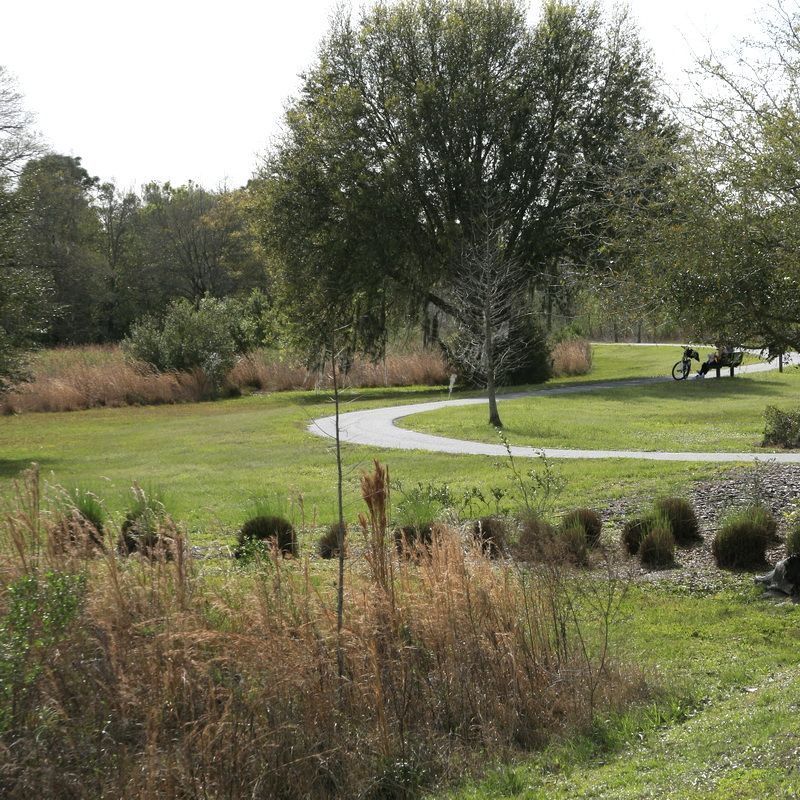
Rust-colored winter stems can turn an ordinary back fence into a warm-looking landscape feature. Broomsedge bluestem (Andropogon virginicus) is a Florida native that often grows on sunny, disturbed ground with modest soil fertility.
Despite its common name, it is a grass, not a sedge. Its tough nature makes it useful for a managed outer-yard patch, but its ability to reseed means it needs more oversight than a neatly contained ornamental planting.
Reserve it for larger properties where you can keep a clear separation between native vegetation and buildings. A small patch beside an open field-like area makes more sense than a thick stand behind an air-conditioning unit or shed.
The owl benefit remains indirect: a managed open landscape can offer hunting opportunities, while dense, neglected cover may shelter rodents. Do not grow extra cover or scatter grain in hopes of building an owl food supply.
Remove unwanted seedlings and manage dry stems before they accumulate near structures. If rats are entering the house, prioritize sealing access points and using protected snap traps rather than waiting for a passing predator to solve an indoor problem.
5. Lopsided Indiangrass
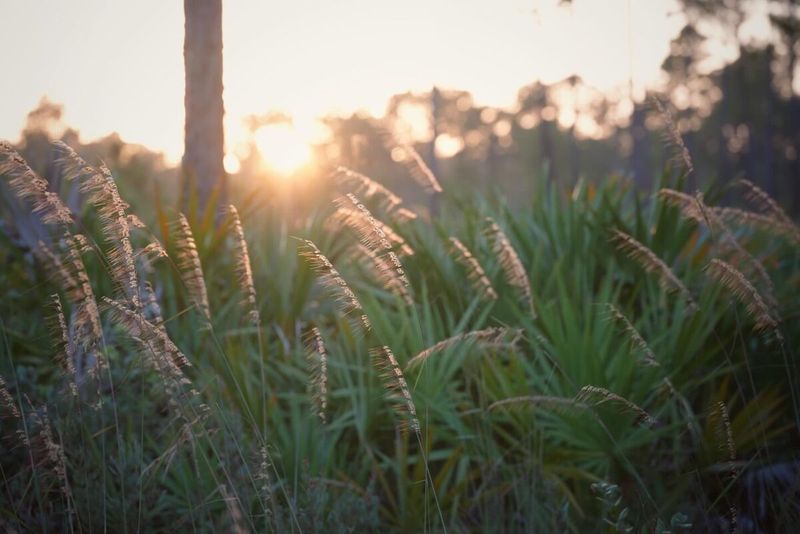
For a roomy yard, tall seed stalks can add drama without turning the whole property into a hedge. Lopsided indiangrass (Sorghastrum secundum) brings that upright shape to sunny Florida native plantings.
Its flower and seed clusters tend to hang to one side, which explains the unusual name. This is a better choice for a broad property boundary or meadow-style area than a narrow walkway, since flowering stems can rise roughly 3 to 6 feet.
Give it well-drained soil and choose a location based on advice from a Florida native nursery. Avoid adding rich amendments by habit, and water during establishment without keeping the root zone soggy.
Because this is one of the taller choices, placement matters more than quantity. Use a limited patch at the far side of an open yard, not a continuous screen between an owl and the ground it would need to reach.
Plan access for maintenance before planting. Clear paths let you remove litter, check for rodent activity, and manage old growth without trampling the whole bed, making this an intentional landscape feature rather than an overlooked thicket.
6. Purple Lovegrass
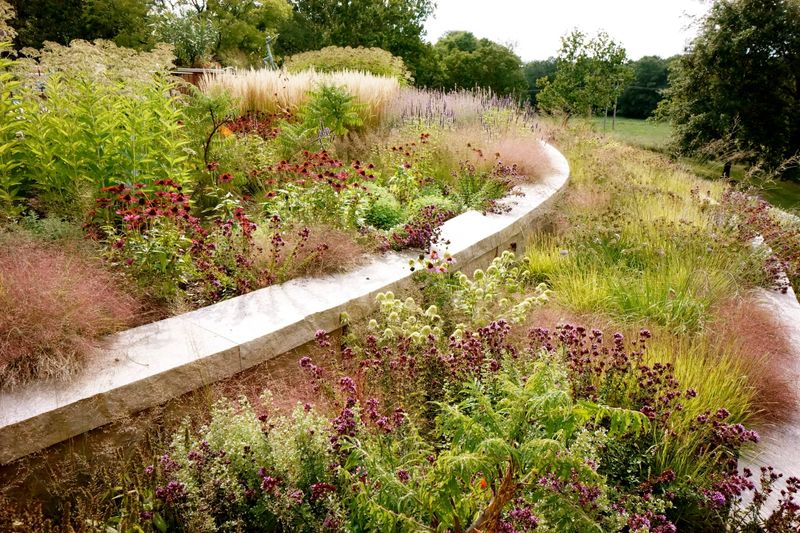
Not every native grass needs to tower over the dog. Purple lovegrass (Eragrostis spectabilis) stays relatively low, then sends up airy purple flower clusters that soften a sunny bed.
That smaller scale makes it useful where a homeowner wants native texture without losing sightlines across the yard. Give it full sun and well-drained soil, and confirm that nursery stock is appropriate for your Florida location.
Arrange loose groups beside a short lawn or another low, open planting. Its foliage often stays around 1 to 2 feet tall, though flower height varies, so it can serve as a transition between taller grasses and the open center.
Open sightlines alone do not guarantee owl visits. Barn owls also locate prey by sound, and they are more likely to use a yard connected to suitable open habitat than one boxed in by dense development.
Keep the design sparse enough to inspect the ground and remove windblown debris. Purple lovegrass may spread by seed, so pull volunteers where they crowd paths or beds; the goal is a manageable garden, not an expanding patch that hides fresh rat activity.
7. Sunshine Mimosa
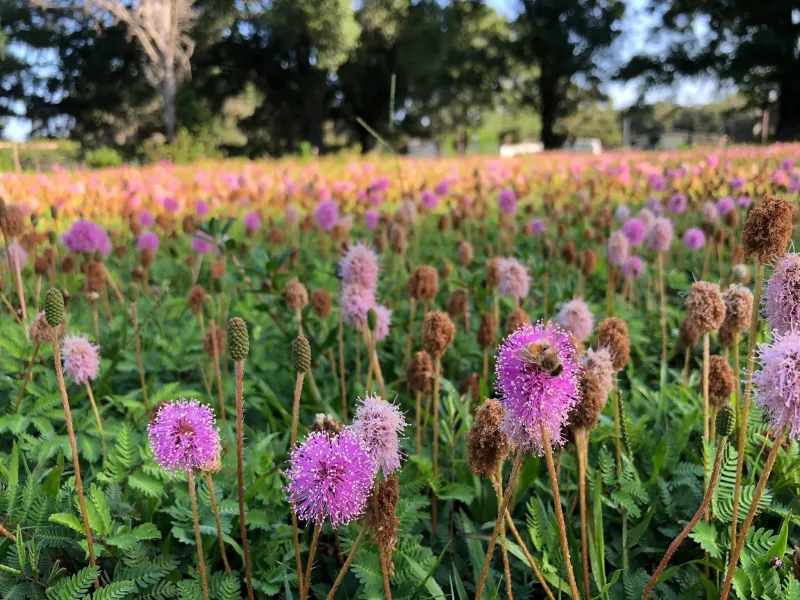
Imagine trading a shaggy corner for fernlike leaves dotted with pink powder-puff flowers. Sunshine mimosa (Mimosa strigillosa), also called powderpuff, provides a low-growing alternative to the taller grasses on this list.
Its value in an owl-aware layout is simple: it can keep a planted area relatively low instead of adding another tall barrier. It does not attract barn owls directly, and even low groundcover can shelter small animals beneath its leaves.
Plant it in sun to light shade, with the best flowering generally in sunnier spots. Give new plugs water while roots establish, then adjust care to rainfall, soil drainage, and local watering rules.
Allow space for spreading stems, and edge the planting where it meets paths or neighboring beds. Sunshine mimosa can mingle with lawn grass, so homeowners wanting a crisp, single-species carpet should expect some weeding rather than a completely hands-off result.
Use it away from areas with constant foot traffic, and remember that flowers attract bees. Beside an open yard, it offers a lower planting option while leaving room to inspect foundations, repair gaps, and remove the food sources that keep rats coming back.
8. Frogfruit
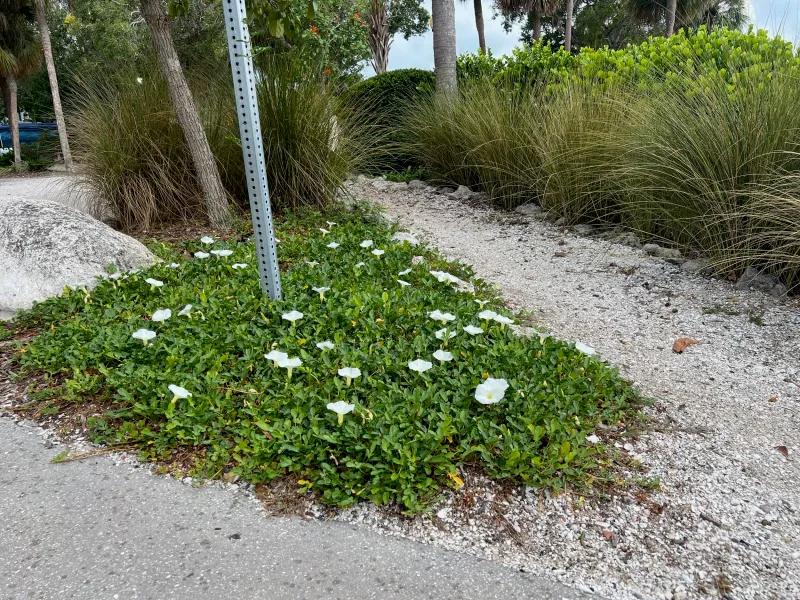
Small white flowers can do a surprisingly good job of softening a practical, open yard. Frogfruit (Phyla nodiflora) is a spreading Florida native groundcover that also supports butterflies and other flower visitors.
Compared with the dry-site bunchgrasses, it offers an option for ground that stays somewhat moister or experiences occasional wet conditions. It grows in sun to partial shade, although flowering and density depend on light and site conditions.
Use it to replace a weedy patch beside an open lawn, not to cover piles of branches or neglected equipment. Its low habit can preserve a more open layout, but it has no proven special power to summon barn owls.
Expect spreading stems and some seasonal changes in appearance. Edge it as needed, keep walking routes clear, and place flowering patches where bees will not conflict with barefoot play.
The most useful finishing step is protecting any owls that do visit: avoid rodenticides, which can poison predators that eat affected rodents. For an active infestation, combine sanitation, entry-point repairs, and safely placed traps with professional help when needed; native planting is habitat support, not a replacement for rat control.