
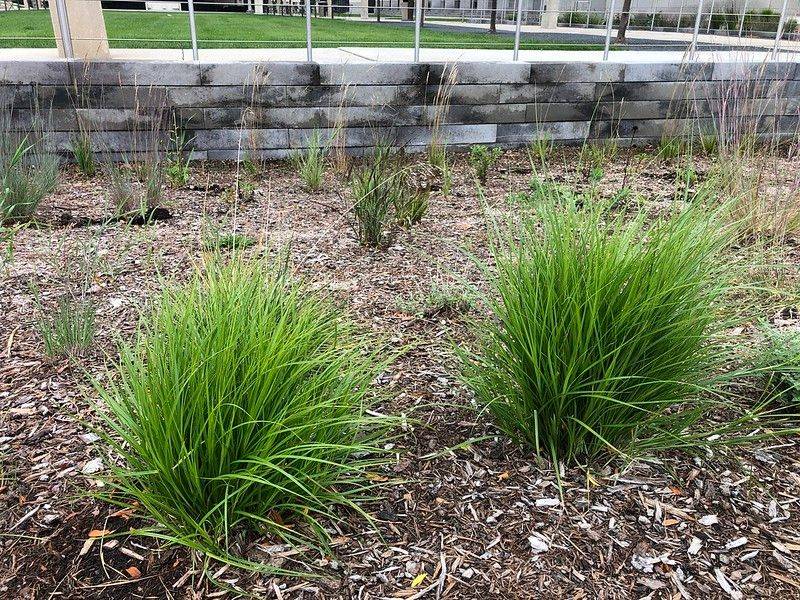
Liriope shows up along half the walkways in North Carolina, but it is not from here, and in many yards it spreads far beyond where you planted it. The good news is that our state is packed with native plants that do the same edging job while feeding pollinators, birds, and the good bugs that keep pests in check. Swapping in a native border is a low-effort weekend move that protects your family and gives local wildlife a home. Here are seven North Carolina natives that deserve a spot along your path.
1. Pennsylvania Sedge (Carex pensylvanica)
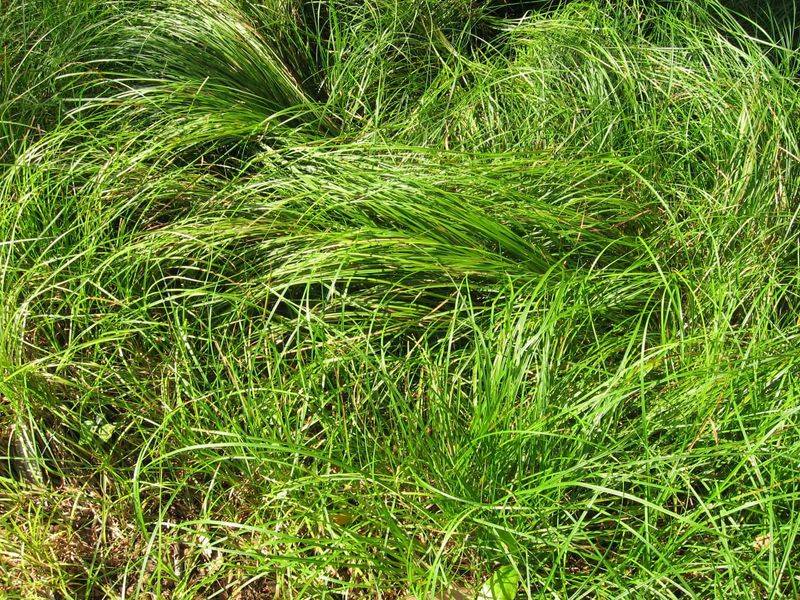
Imagine a soft green carpet that never begs for the mower. Pennsylvania sedge grows in low, arching tufts that ripple in the breeze, giving you that fine-textured liriope look without the invasive baggage.
It thrives in the dappled shade under oaks and maples, which is exactly where most NC walkways lose their sunlight by midsummer. Once it settles in, it spreads gently by rhizomes to knit together a seamless edge, and it shrugs off drought like a champ.
Beyond looks, this sedge quietly earns its keep. It shelters ground beetles and other small predators that can help keep pest insects in check, and it serves as a larval host for several native skipper butterflies. Plant plugs about a foot apart in spring, water them through the first summer, and you can mostly walk away after that.
2. Green and Gold (Chrysogonum virginianum)
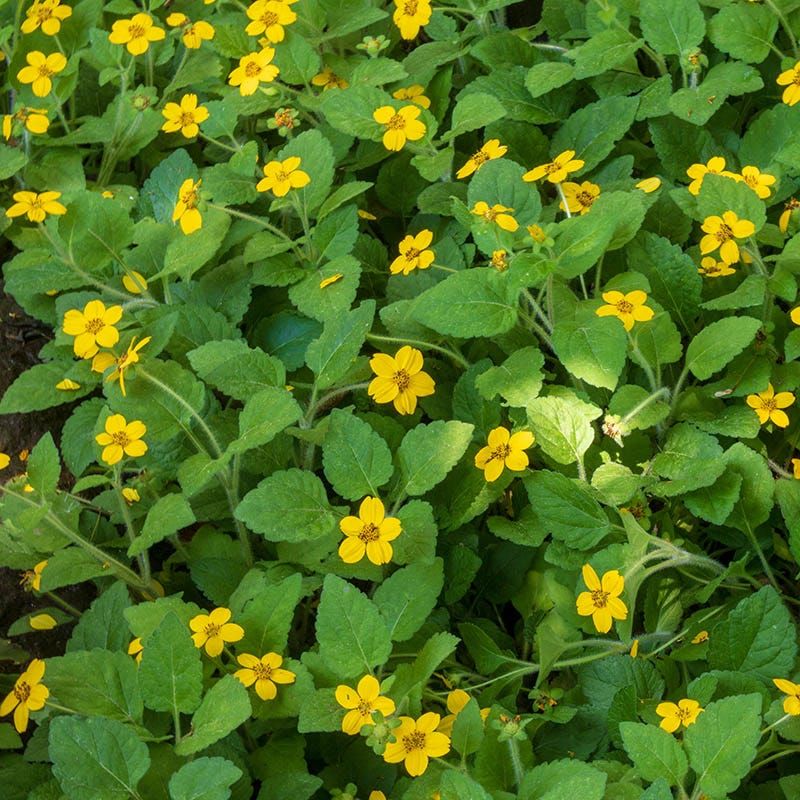
Cheerful is the first word that comes to mind with green and gold. Bright yellow, star-shaped blooms sit low against glossy green leaves, lighting up the shady front edge of a path from spring straight into fall.
Native across the Piedmont and mountains, it stays under a foot tall and creeps politely into a dense mat, so it fills the same role as liriope without the shove-everything-aside habit. Partial shade and moist, well-drained soil keep it happiest.
Pollinators notice it fast. Small native bees and hoverflies visit the long flowering run, and hoverfly larvae are hungry aphid eaters, so a patch may support the beneficial bugs that reduce garden pests. It is a tidy, generous little plant that asks for almost nothing in return.
3. Eastern Blue-Eyed Grass (Sisyrinchium angustifolium)
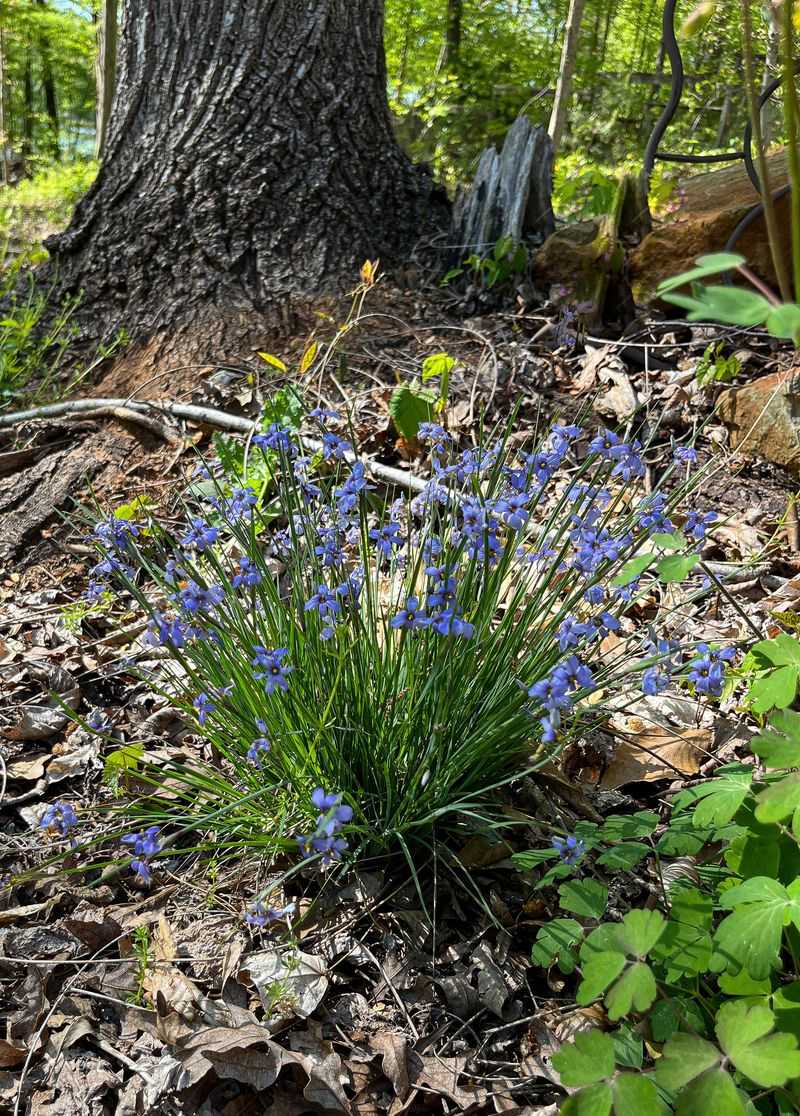
Do not let the name fool you, because this charmer is actually a member of the iris family dressed up as grass. Slender, grasslike blades form neat clumps, and in late spring they throw up dozens of tiny sky-blue flowers with sunny yellow centers.
Blue-eyed grass hits that sweet spot for a walkway edge: it stays compact, around six to twelve inches, and it clumps rather than running wild. You will find it growing naturally in meadows and along roadsides across all three NC regions, so it handles our humidity and heat without complaint.
The blooms draw small native bees looking for early-season pollen, and the clumps give cover to ground-dwelling insects. Give it full sun to light shade and average soil, then divide the clumps every few years to keep the display fresh. Few plants pack this much color into such a small, well-behaved package.
4. Christmas Fern (Polystichum acrostichoides)
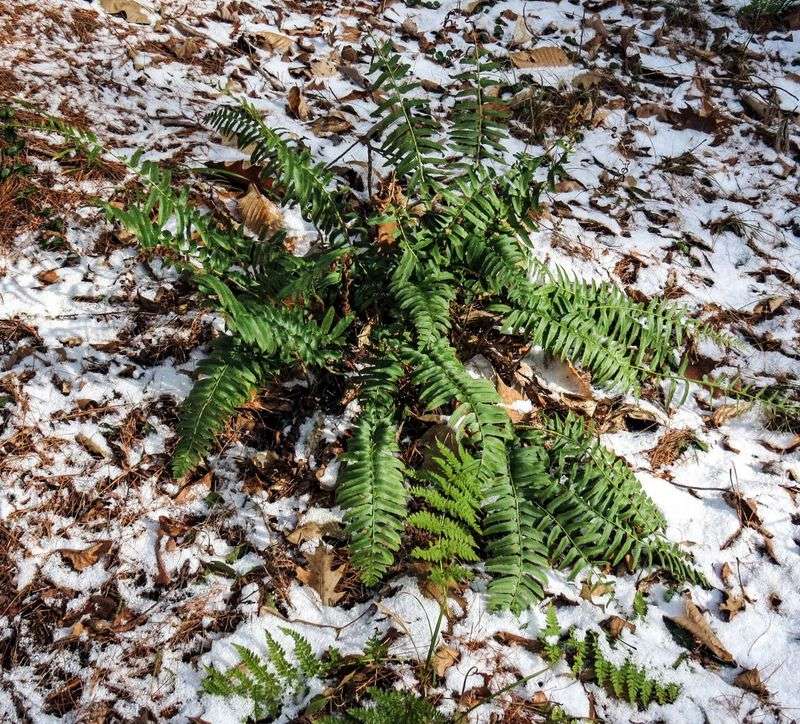
Here is the evergreen you have been missing. While liriope flops and browns in a hard winter, the Christmas fern holds its deep green fronds right through December, which is how it earned that festive name from early settlers who used it for holiday greenery.
It forms tidy, fountain-shaped clumps two to three feet across, perfect for anchoring the shaded corners and slopes along a path. This is one of the toughest natives you can plant in the Piedmont, happy in dry shade where fussier plants sulk.
The arching fronds create cool, moist shelter at ground level where spiders and predatory beetles hunt, and those hunters help keep pest populations down. Its fibrous roots also grip a slope and slow erosion after our summer downpours. Tuck a few along a shady walkway and enjoy structure that never quits.
5. Creeping Phlox (Phlox subulata)
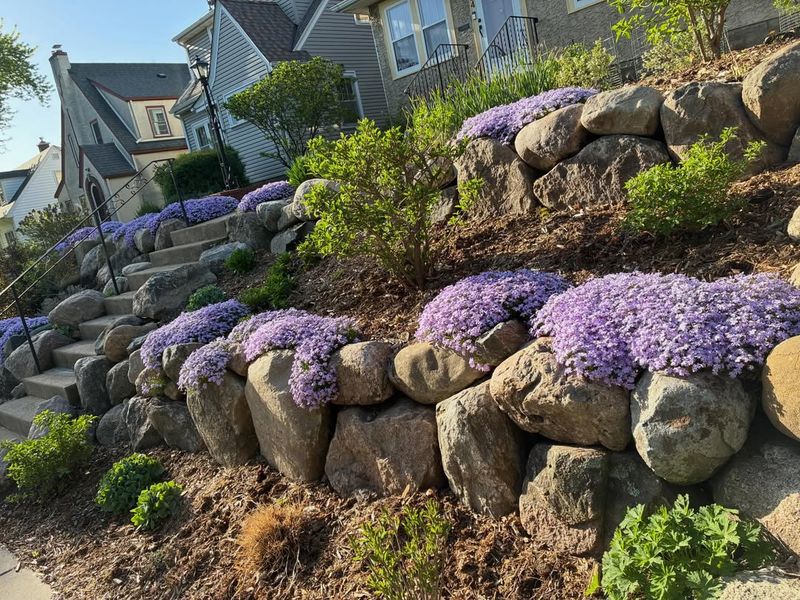
For a few weeks each spring, creeping phlox turns a walkway edge into a river of color so dense you can barely see the leaves. Cushions of tiny star flowers spill over in pinks, purples, and whites, and they look especially good tumbling over the lip of a stone path.
Native to rocky slopes and open woods, this low mat-former tops out around six inches and stays evergreen through NC winters, holding the edge long after the blooms fade. Full sun and well-drained soil are all it really wants, making it a natural fit for a hot, dry border strip.
Early butterflies and native bees crowd the flowers when little else is blooming, giving pollinators a critical spring meal. It knits into a weed-smothering carpet, too, which means less pulling and less mulch for you. Bright, tough, and generous, it is a showstopper that pulls its weight.
6. Foamflower (Tiarella cordifolia)
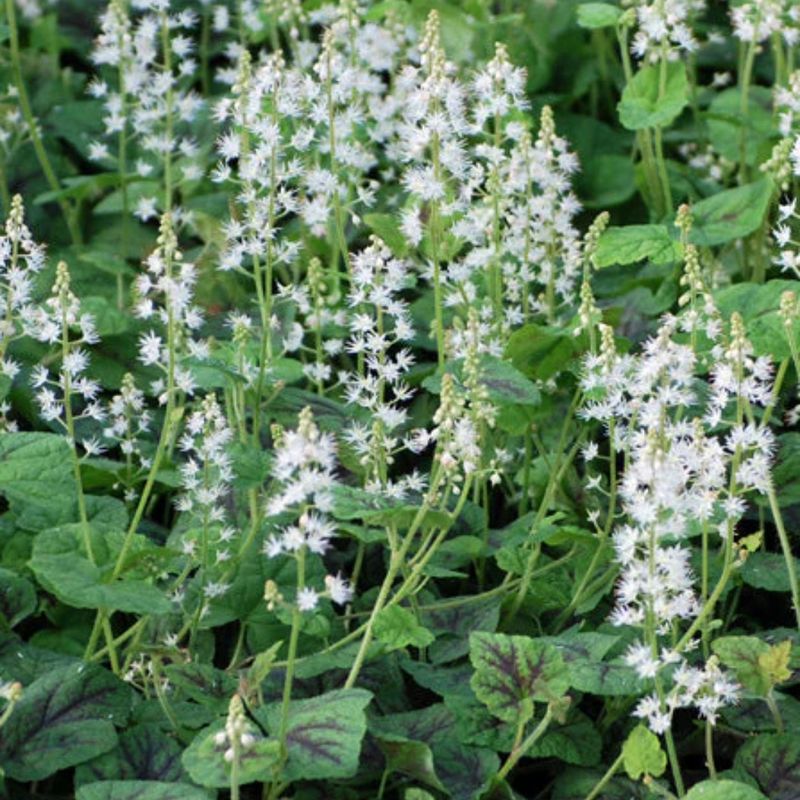
Picture a soft haze of white rising over maple-shaped leaves, and you have foamflower in spring. The airy flower spikes look like little puffs of foam, and the mounding foliage often carries deep burgundy veining that stays interesting after the blooms are gone.
A true woodland native of the NC mountains and Piedmont, foamflower loves the moist, shady spots where liriope gets planted by default. It spreads slowly by runners into a lush groundcover that stays under a foot tall, so it edges a path without staging a takeover.
The spring flowers are a magnet for small native bees and early pollinators, and the low, leafy cover shelters the ground beetles and other allies that can reduce pest insects around your beds. Keep the soil rich and damp, and this quiet performer will reward a shady walkway for years.
7. Dwarf Crested Iris (Iris cristata)
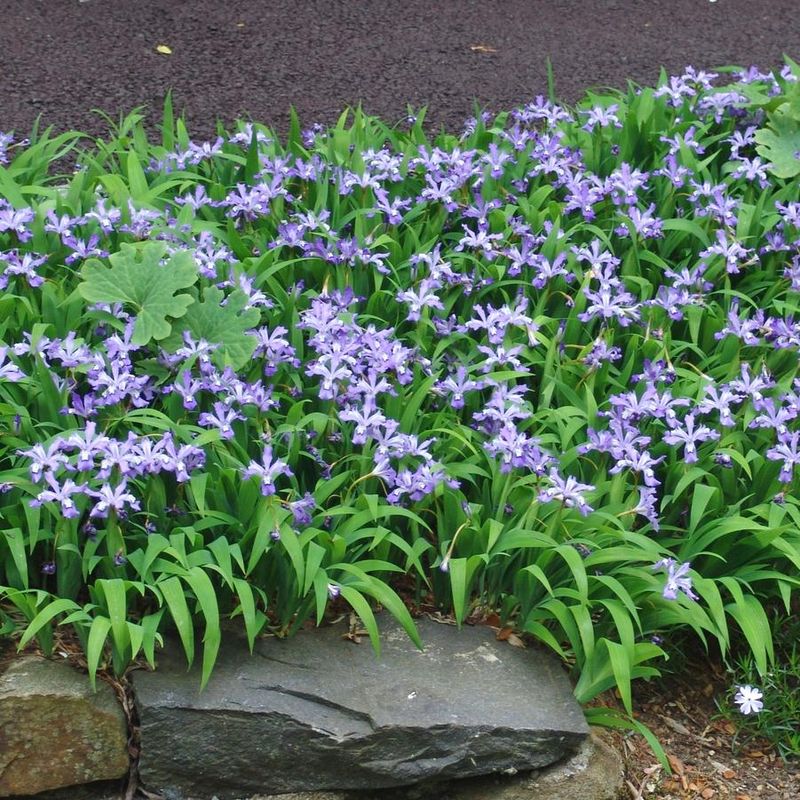
Big drama on a tiny plant is the promise of dwarf crested iris. Standing just four to six inches tall, it opens delicate lavender-blue blooms marked with golden crests in mid-spring, then settles into a neat sword-leaved groundcover for the rest of the season.
Found wild on wooded slopes across the mountains and Piedmont, it spreads by shallow rhizomes to form a dense, low colony that hugs the ground beside a path. It prefers part shade and rich, well-drained soil, and it works beautifully woven between larger ferns and sedges.
Native bees seek out the early flowers, and the spreading mat helps crowd out weeds while offering cover to beneficial ground insects. Plant the rhizomes shallow, barely covered, and give them a season to settle. Small in stature but rich in character, it proves a native edge can be every bit as elegant as anything imported.