
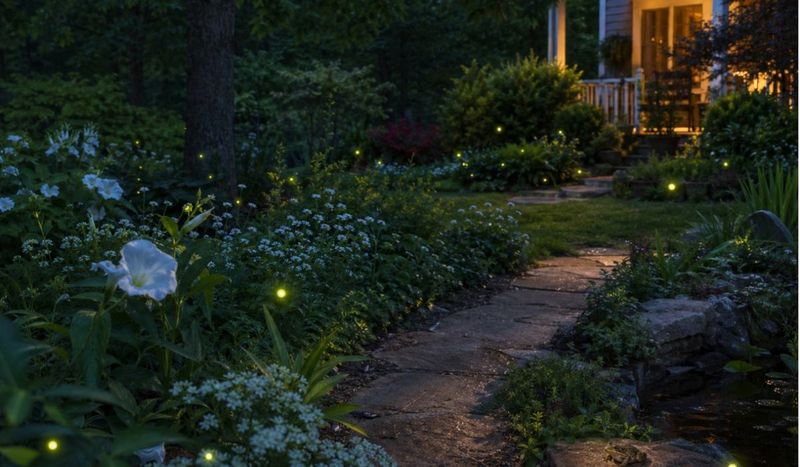
Warm summer nights in North Carolina used to sparkle with fireflies, but a lot of yards have gone dark. The good news is that you can bring those blinking lights back, and the fix starts with the plants you grow. Native plants give firefly larvae the damp leaf litter, food, and shelter they need to survive, while also crowding out the tick and mosquito habitat that comes with sterile, over-manicured lawns. Here are nine North Carolina natives that welcome fireflies home and help you protect your family at the same time.
1. Black-Eyed Susan (Rudbeckia hirta)
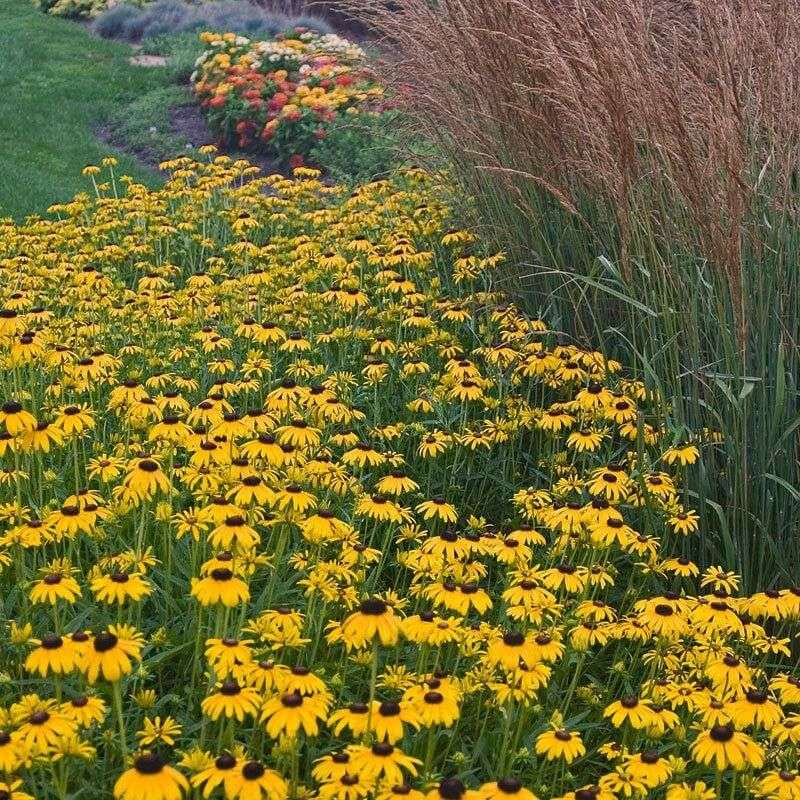
Golden petals wrapped around a dark chocolate center, Black-Eyed Susan is the friendly face of the Piedmont meadow. It asks for almost nothing and gives back all summer long, which is exactly the kind of low-effort deal a busy homeowner loves.
Fireflies benefit less from the flower itself and more from what grows around it. When you plant a patch of Rudbeckia and leave the ground beneath it a little wild, you create the shady, humid soil where firefly larvae hunt slugs and snails.
The dense clumps also shade out bare dirt, which can reduce the sun-baked, weedy edges where ticks like to wait. Come August, leave the spent seed heads standing. Goldfinches will thank you, and the leaf litter that gathers below becomes a nursery for next year’s glow.
2. Common Milkweed (Asclepias syriaca)
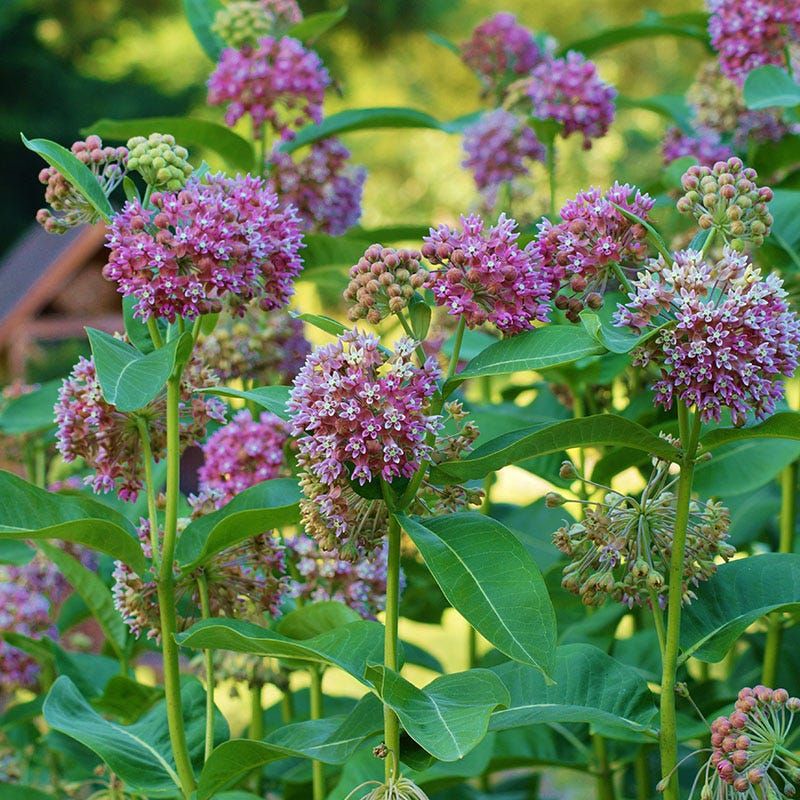
Say the word milkweed and most folks picture monarch butterflies, and rightly so. But this rugged native does double duty in a firefly-friendly yard, since its tall stems and broad leaves hold moisture at ground level long after the lawn has dried out.
That cool, damp shade near the soil is prime real estate for firefly larvae, which spend most of their lives crawling through the dirt before they ever light up. A stand of milkweed becomes a little humid refuge in the heat of a Carolina July.
Fun fact: the milky sap that gives the plant its name is mildly toxic, which keeps browsing deer from mowing it down. Plant it toward the back of a bed where it can spread, water it while it establishes, then step back. It can support monarchs, pollinators, and the leaf-litter web that fireflies depend on, all from one tough plant.
3. Wild Bergamot / Bee Balm (Monarda fistulosa)
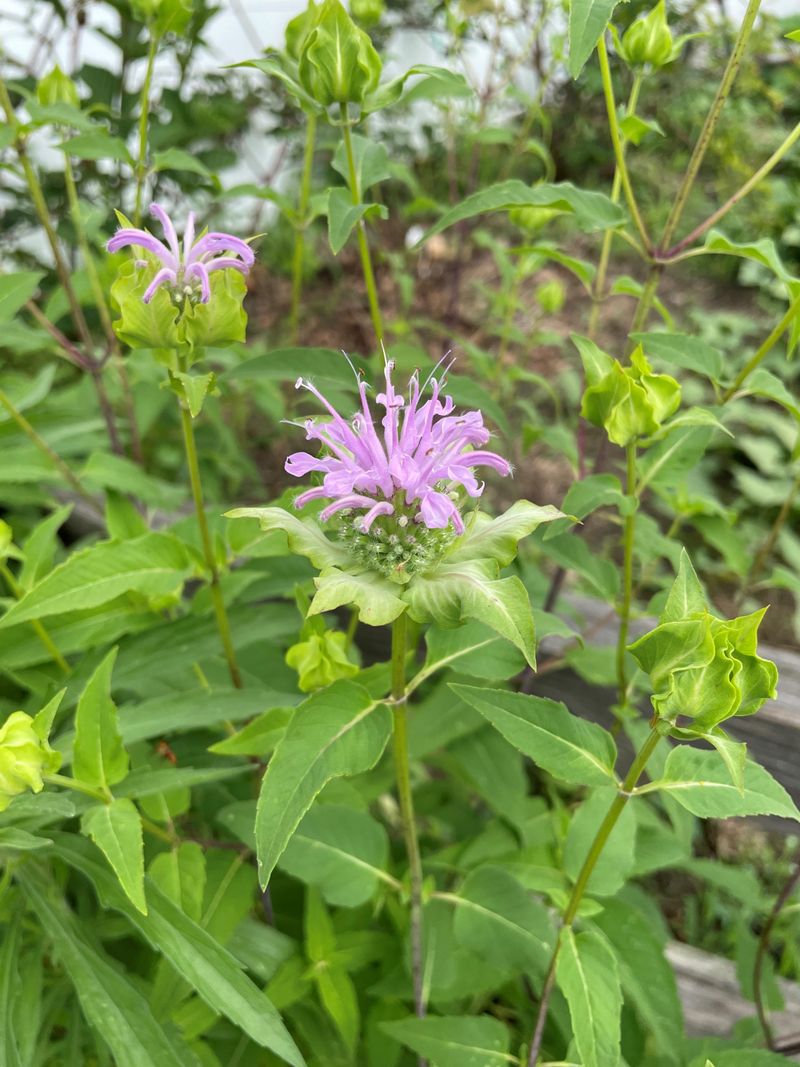
Crush a leaf of wild bergamot between your fingers and you get a scent somewhere between mint and oregano, which is why early settlers brewed it into tea. The lavender, shaggy blooms look like tiny fireworks frozen mid-burst.
Pollinators swarm it by day, but the real firefly magic happens closer to the ground. Bee balm forms spreading colonies that keep the soil shaded and moist, and that living mulch layer is where larvae find the slugs and soft-bodied prey they eat.
Here is the family bonus: the plant’s natural oils are related to the compounds in citronella, so a healthy patch may help make a corner of the yard less inviting to mosquitoes on a still evening. It thrives across the Piedmont and mountains, handles clay soil, and comes back thicker every year with almost no fuss from you.
4. Little Bluestem (Schizachyrium scoparium)
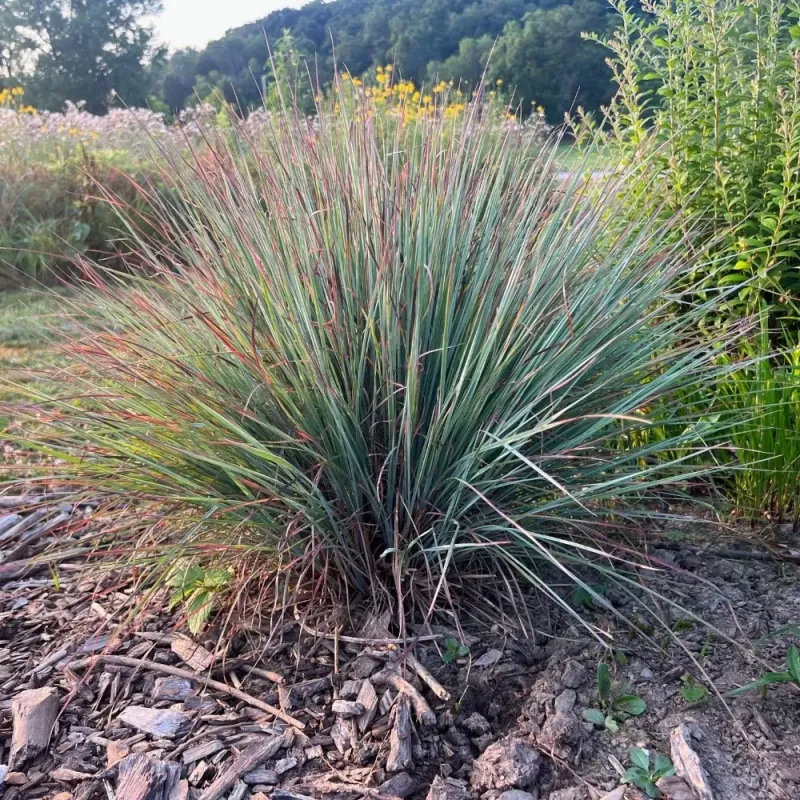
Grasses rarely get top billing, yet little bluestem might be the quiet hero of a firefly yard. Blue-green in summer and copper-orange by fall, it stands upright and catches the light like a handful of feathers.
What makes it different from the flowering picks on this list is structure. Firefly females of many species climb up grass stems to flash their signals to males cruising overhead, and a clump of native bunchgrass gives them the perch they need without a mowed lawn’s constant disruption.
Down below, the deep roots and tufted base trap fallen leaves and hold humidity, sheltering larvae through the dry months. Little bluestem is drought-tough once rooted and happy in the poor, sandy soils of the coastal plain as well as Piedmont clay. Skip mowing it until late winter, and you hand fireflies both a stage and a hideout.
5. Joe-Pye Weed (Eutrochium fistulosum)
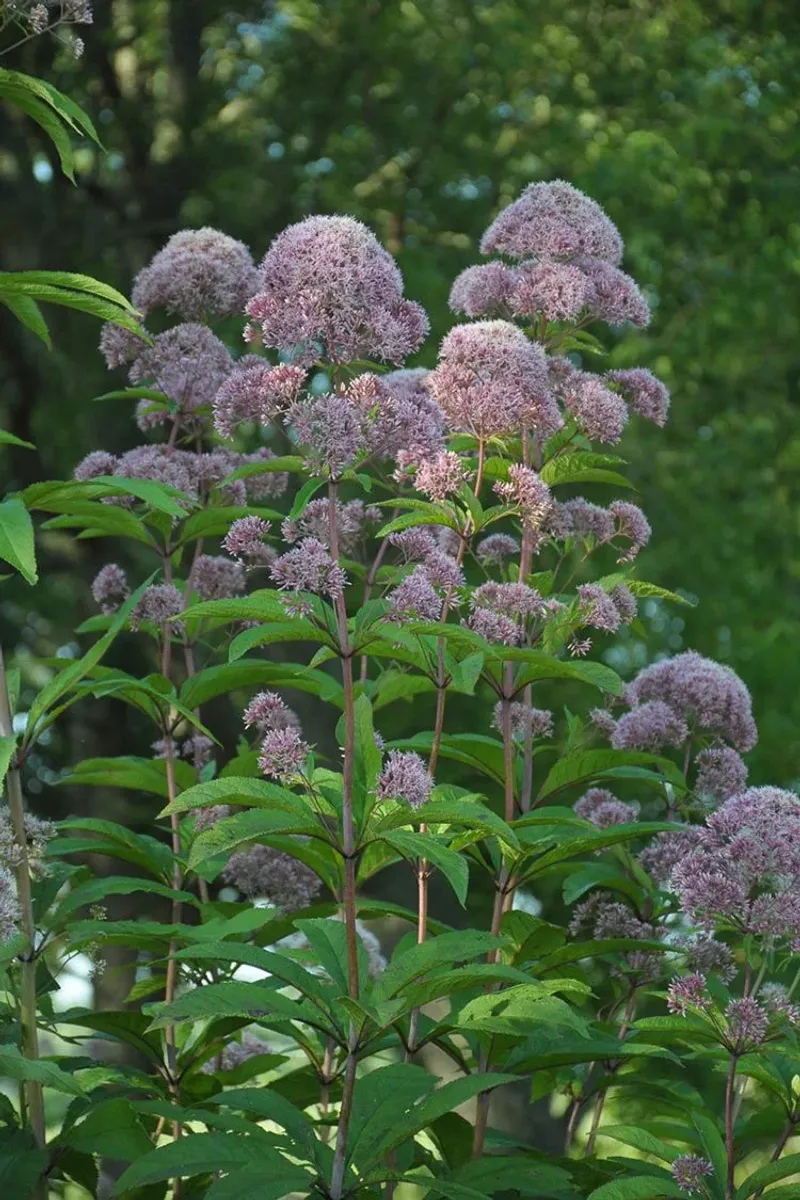
Do not let the word weed fool you. Joe-Pye can tower over your head with dusty-rose flower domes that hum with bees all summer, a genuine showstopper at the damp edge of any yard.
Its love of moist soil is exactly why fireflies adore it. Plant Joe-Pye along a rain garden, a soggy low spot, or a ditch line, and you build the wet, cool ground that firefly larvae need to complete their long crawl toward adulthood.
According to plant lore, it was named for a Native American healer who used it in traditional remedies, a nice reminder that these natives have been part of the Carolina landscape far longer than our lawns have. Give it room and a little water, and it turns a problem-wet corner into the glowiest spot in the yard.
6. Eastern Red Cedar (Juniperus virginiana)
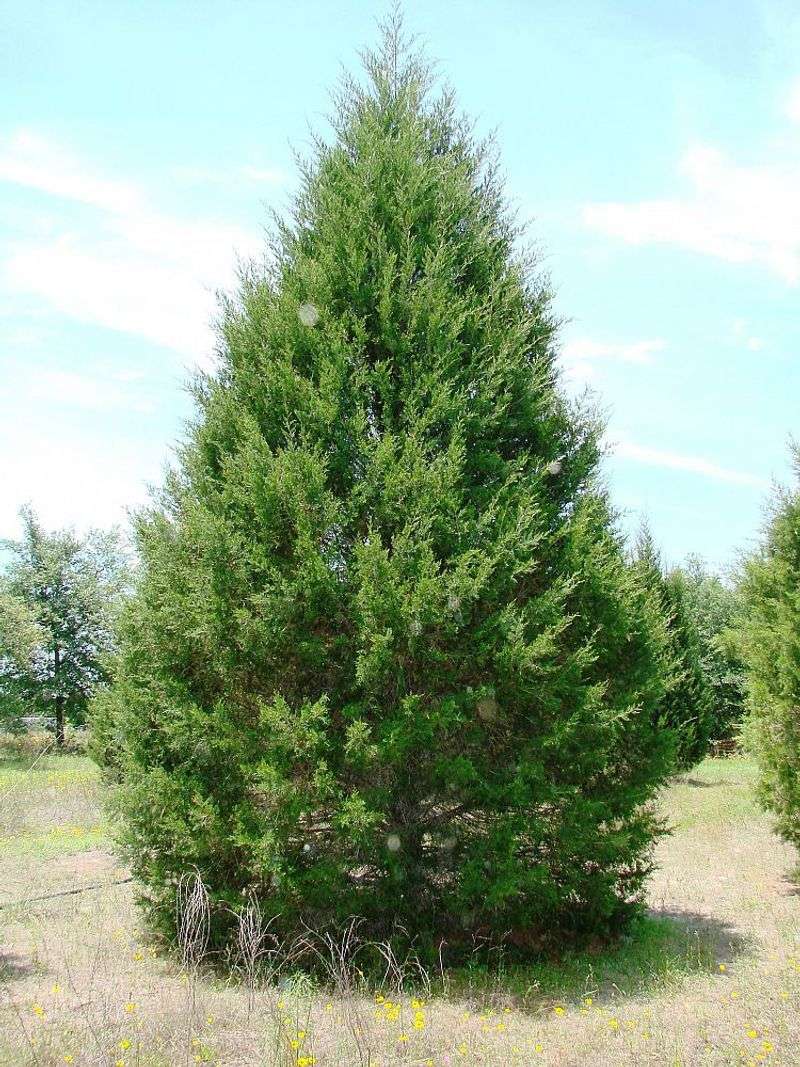
Every list needs an anchor, and the eastern red cedar is it. This evergreen native has watched over Carolina fields for generations, its shaggy bark and dense branches offering year-round cover.
Unlike the flowers and grasses here, a cedar works vertically. Its low, shaded skirt keeps the ground beneath cool and moist even in a heat wave, creating a protected pocket of leaf litter where firefly larvae ride out the harshest days.
The berry-like cones feed cedar waxwings and other native birds through winter, so you are supporting wildlife long after firefly season ends. Tuck one into a corner where it can grow, resist the urge to rake out every needle underneath, and you gain a living windbreak that shelters glow-worms below and songbirds above, all with practically zero upkeep.
7. Cardinal Flower (Lobelia cardinalis)
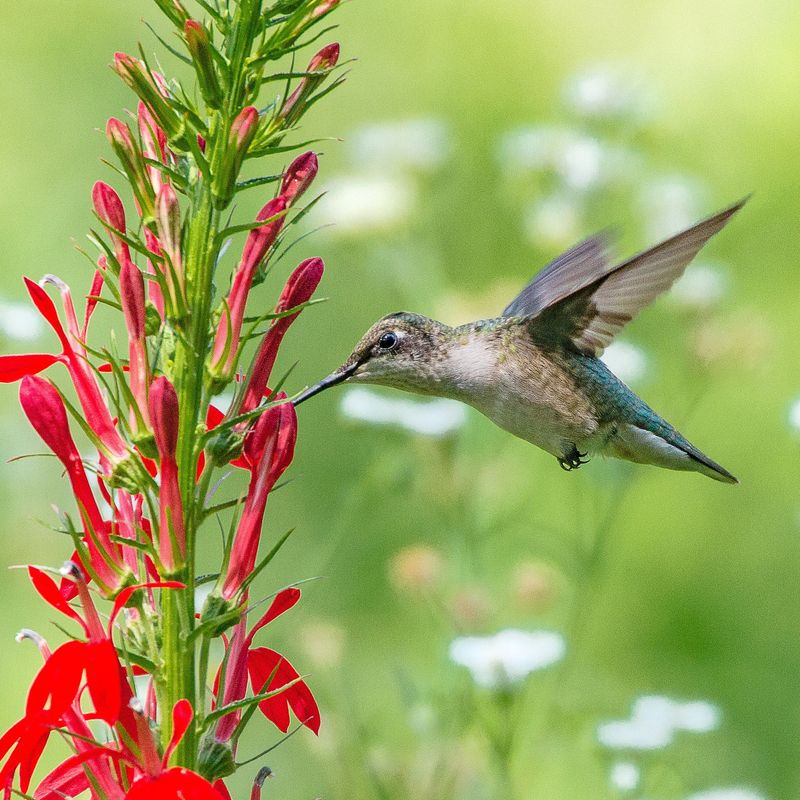
Few native blooms stop you in your tracks like the cardinal flower. Its spikes of intense scarlet look almost too tropical for a Carolina creek bank, yet here they are, native from the mountains to the coast.
Hummingbirds chase the nectar, but fireflies care about where this plant likes to live: wet, shaded, streamside ground. Wherever cardinal flower thrives, the constant soil moisture creates ideal conditions for firefly larvae, which can dry out and die in a baked, tidy landscape.
Plant it beside a downspout, a pond edge, or any spot that stays reliably damp. It rewards you with the kind of glowing summer evening where hummingbirds work the red spikes at dusk and, minutes later, the first fireflies rise from the shadows around them. Not bad for a plant that asks only for a wet foot and a little shade.
8. Purple Coneflower (Echinacea purpurea)
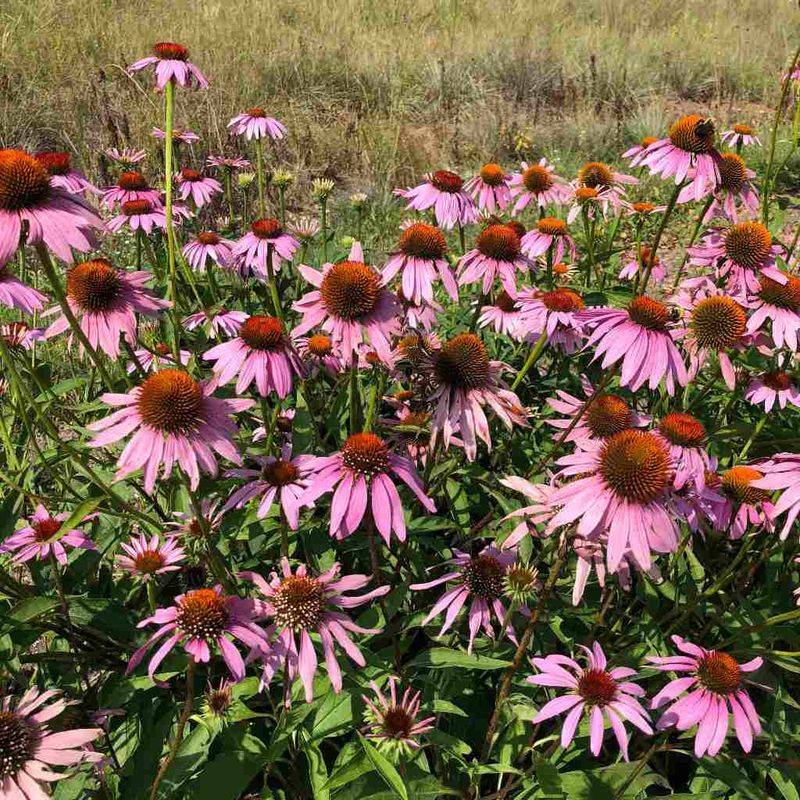
Sturdy, sun-loving, and beloved by every pollinator that passes through, purple coneflower is the plant that makes a native bed look intentional instead of overgrown. The drooping purple petals and spiny copper cones are unmistakable across the Piedmont.
Its role in the firefly story is about balance. Echinacea forms tidy, long-lived clumps that shade the soil and gather leaf litter at their base, giving larvae cover while keeping a bed neat enough that neighbors will not complain.
Leave the seed heads up after the color fades and finches will pick them clean through fall. That habit of not deadheading everything is one of the easiest, cheapest things you can do for wildlife: less work for you, more shelter and food for the glow-makers hiding at ground level.
9. Christmas Fern (Polystichum acrostichoides)
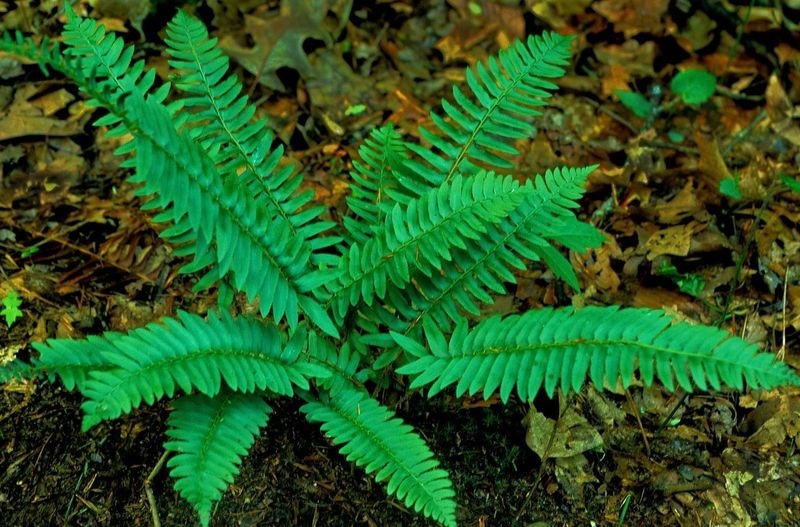
Meet the shade-lover that quietly ties the whole yard together. The Christmas fern stays green right through a Carolina winter, which is how it earned its holiday name, and it thrives exactly where grass gives up.
For fireflies, this fern is close to perfect. Its arching fronds trap fallen leaves and hold a blanket of cool humidity over the soil, building the moist, undisturbed litter layer that larvae need to hunt and grow beneath the trees.
Tuck a few along a shaded fence line, under hardwoods, or on a north-facing slope where nothing else looks happy. Once settled it needs no mowing, no fussing, and no chemicals, and skipping the sprays matters, since pesticides can wipe out the soft-bodied prey and the young fireflies alike. Plant the fern, leave the leaves, and let that shady corner do its glowing work.