
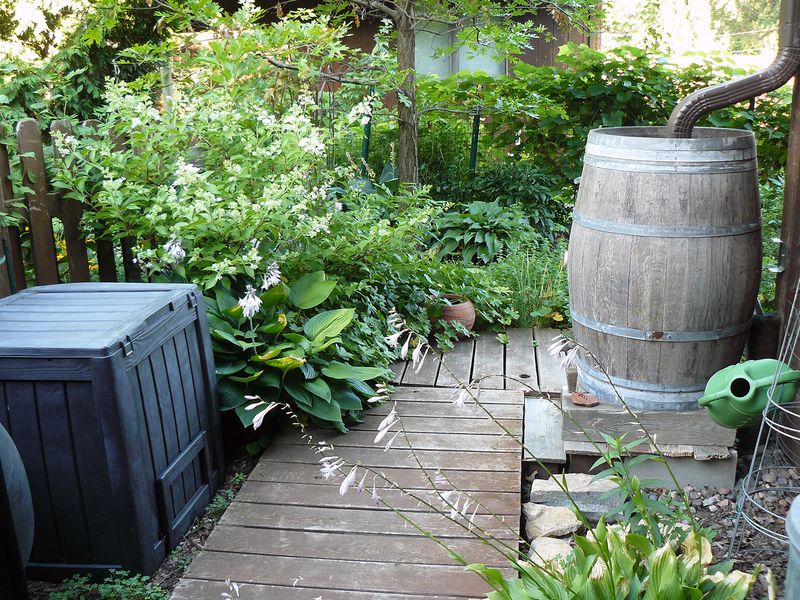
Dragging a hose across a hot patio to water a row of potted plants gets old fast, especially when summer humidity makes every chore feel twice as hard. A rain barrel connected to a downspout can collect runoff from your roof and put it within arm’s reach of your containers, cutting down on hose trips during short dry spells. One weekend of setup is genuinely all it takes to get the system running. The honest part, though, is that one barrel holds roughly 50 to 60 gallons, and that reserve has real limits when North Carolina heat is pushing your pots to dry out daily.
A rain barrel can cut hose trips, not guarantee a water supply all summer
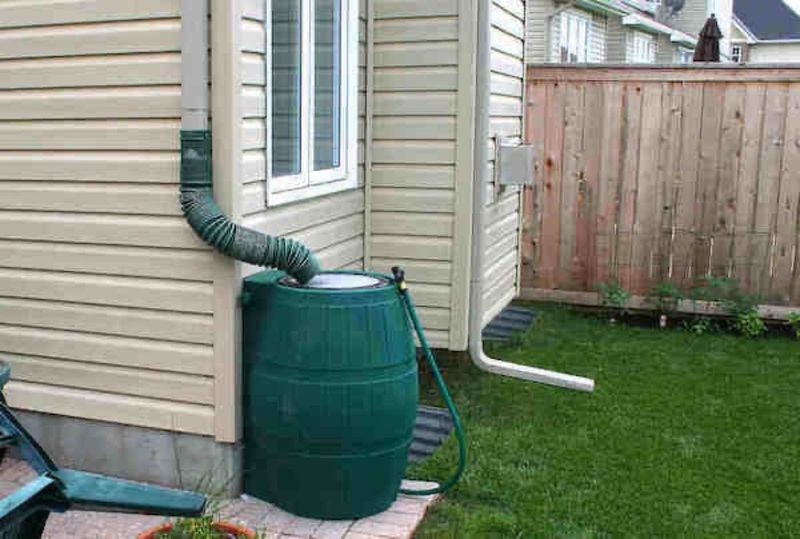
Rain barrels get sold with a lot of promise attached, and the most common version of that promise is that one weekend of setup will keep your container garden watered through an entire summer without ever touching a hose. That version is worth correcting before you buy anything. A properly installed barrel can give you a useful reserve of supplemental water and spare you from hauling the hose every day during a short dry stretch, but it cannot dependably replace your municipal water supply, a well, or a larger cistern for an entire season.
The core reason is math. NC DEQ notes that a typical rain barrel holds about 60 gallons, and that a single inch of rain can produce roughly 600 gallons from every 1,000 square feet of roof area. A quarter-inch event can fill a standard barrel on its own, so refills can happen quickly. The problem is that a full barrel disappears just as fast once your containers start pulling from it.
NC State Extension says mature container plants may need watering at least once a day, with demand climbing further in heat, wind, full sun, small pots, dark-colored containers, and during active growth or fruiting. A collection of six to ten mature pots can consume 60 gallons in a day or two, especially on a south-facing patio in July.
How much a barrel actually helps depends on a cluster of variables: the roof area draining into your downspout, how often it rains and how much falls each time, how many containers you have, what size and material they are, where they sit, what you are growing, and whether you are using any other water-saving strategies. The EPA frames rain barrels as a source for garden and lawn watering and a way to reduce potable-water demand, not as a complete irrigation system. That framing is the right one. Think of the barrel as a convenience and a supplement, and plan accordingly.
Estimate the roof supply and the garden’s demand
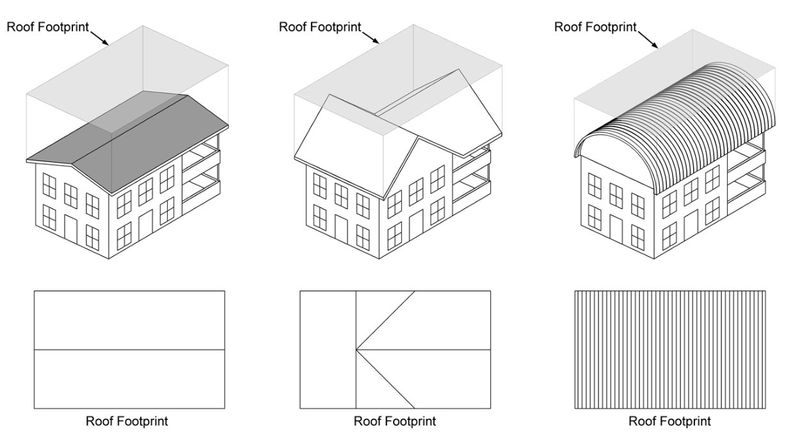
Before spending money on equipment, spend ten minutes with a calculator. The standard estimate for roof capture is straightforward: multiply your rainfall amount in inches by your roof area in square feet, then multiply that result by 0.6. Penn State Extension uses this formula and notes that half an inch of rain on 1,000 square feet produces roughly 300 gallons before any storage limit kicks in. A full inch on that same footprint would produce around 600 gallons.
Here is the catch: your barrel only holds 50 to 60 gallons. Once it is full, every additional gallon either overflows or gets routed away. That means the roof can produce far more water than one barrel can store, but the barrel still fills up quickly, which is actually a point in its favor. You do not need a heavy rain to top it off, just a consistent pattern of modest showers followed by periods when you draw it down.
The demand side of the equation is equally important to estimate. Walk around your patio or deck and count your containers. Note the pot size, the material, whether the pot is dark or light colored, and how much direct sun each one gets. NC State Extension explains that small pots and dark containers dry out faster than large or light-colored ones, and that sun, wind, and heat all accelerate moisture loss.
A single 15-gallon pot of hibiscus in full afternoon sun will drink more than three small shade-tolerant ferns.
Add up a rough daily water budget. If you have eight containers averaging about a gallon each per day, you will empty a 60-gallon barrel in about a week without any rain to refill it. NC DEQ notes that local rainfall timing matters as much as total annual rainfall, so a dry week in August can drain your reserve even if the season overall has been wet. Weather varies across the state, and your local pattern will shape how useful one barrel actually turns out to be.
Choose a complete downspout setup, not just a barrel
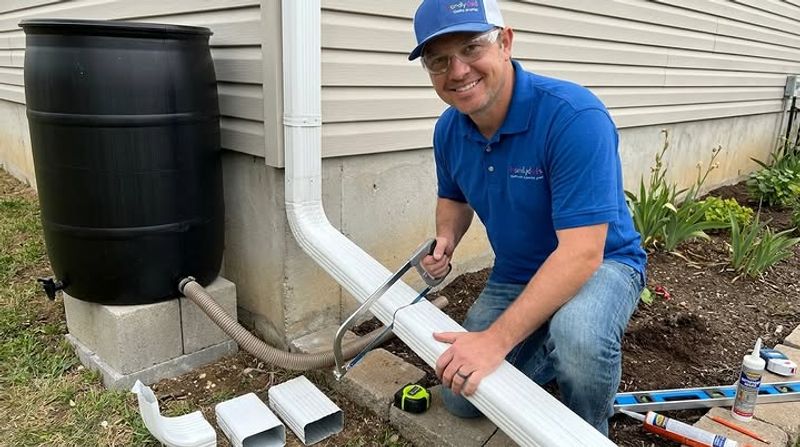
Picking up a barrel is the easy part. The system that surrounds it determines whether the whole project works safely and stays functional through a season. Start with the barrel itself. Look for one that is purpose-made for water storage or verified as safe for that use.
Avoid repurposing unknown chemical drums, since residue from previous contents can leach into the water and create risks you cannot easily assess. NC DEQ describes suitable storage as watertight, enclosed, and made from nonreactive materials, which is a reasonable standard to apply when evaluating any barrel.
The gutter and downspout feeding the barrel need to be in working order. A clogged or sagging gutter will reduce capture and may direct water in the wrong direction entirely. Most installations use a diverter kit that fits into the downspout, directing flow into the barrel while allowing water to bypass into the original downspout once the barrel is full. The inlet where water enters the barrel should be covered with fine mesh or a screened lid to block debris and insects.
University of Minnesota Extension recommends that rain barrel systems include a screened inlet, a spigot or controlled outlet near the base, and a managed overflow connection. The spigot placement matters practically: position it high enough off the ground to fit a watering can underneath, or use a short hose attached to the spigot to reach nearby containers.
The base is often overlooked. A full 60-gallon barrel weighs roughly 500 pounds, so the surface underneath needs to be stable and level. Stacked cinder blocks or a purpose-built platform work well. Rutgers NJAES installation guidance emphasizes securing the lid tightly to keep children and animals from accessing the water.
Elevating the barrel slightly also improves gravity-fed flow to the spigot. Finally, check with your local municipality or county about any applicable North Carolina rainwater harvesting rules before you finalize placement, since requirements can vary by location.
Route overflow away from the house
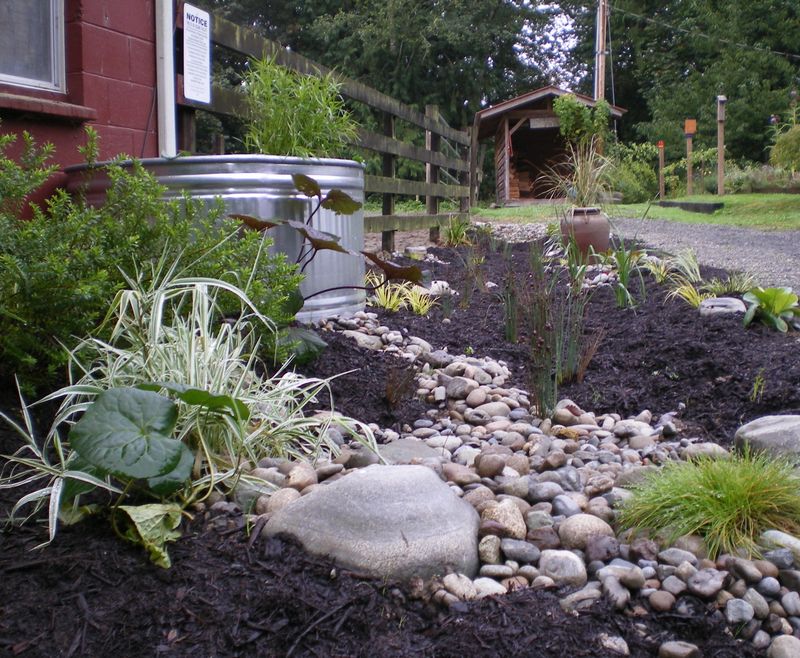
Every rain barrel installation needs an overflow plan, and that plan matters more than most guides make clear. When the barrel is full and rain keeps falling, water has to go somewhere. Without a deliberate outlet, it will find its own path, and that path is often along the foundation of your house.
Rutgers NJAES installation guidance recommends routing barrel overflow toward a lawn, garden bed, or other pervious area away from the house so that water can infiltrate the soil rather than pool against the structure. The overflow connection is typically a threaded fitting near the top of the barrel with a short hose or pipe attached. The hose should be long enough to carry water at least several feet from the foundation before it reaches the ground.
Where the overflow discharges matters as much as where it starts. A sloped yard section with established groundcover or a garden bed with good drainage is a reasonable target. Discharging onto pavement, onto a slope that drains toward a neighbor’s property, or into an area that stays saturated creates a different set of problems. Depending on your yard’s grade and soil, concentrated overflow in one spot can erode bare soil or create standing water over time, so choose a receiving area that can absorb the flow without pooling.
Directing water away from walkways and entry points also reduces the chance of creating slippery surfaces. These are site-specific considerations rather than universal outcomes, but they are worth thinking through before the first heavy rain arrives. A little planning at installation keeps overflow from becoming the reason the system causes more trouble than it solves.
Control mosquitoes and limit roof-runoff contamination
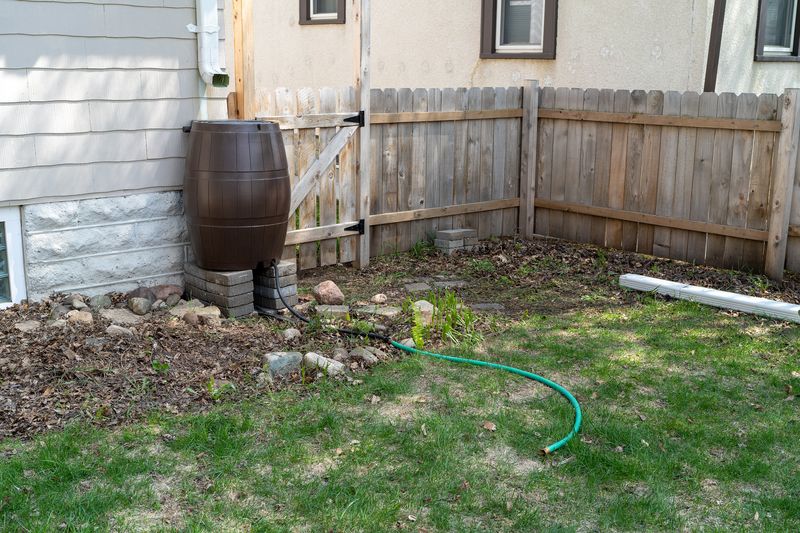
A barrel of standing water in a warm North Carolina yard is exactly the kind of habitat mosquitoes look for, so the lid and mesh are not optional extras. CDC recommends covering rain barrels tightly or using mesh with openings smaller than an adult mosquito, and advises emptying and scrubbing water-holding containers at least once a week. For a rain barrel that you are actively drawing down and refilling, the practical target is to avoid letting the water sit untouched for more than ten days. If the barrel stays full and unused during a rainy stretch, that standing water becomes a breeding site regardless of the screen.
Beyond mosquitoes, the water quality issue deserves a direct explanation. CDC states that collected rainwater may contain germs, animal waste, metals, and chemicals picked up from roofing materials, gutters, and storage containers. This water is non-potable. Do not drink it, and do not treat it as automatically safe simply because it came from the sky.
A first-flush diverter is a fitting that attaches to the downspout and sends the first portion of runoff away from the barrel after a dry period. That initial flow carries the heaviest load of accumulated dust, bird droppings, and roof debris. Diverting it away reduces some of the contamination entering storage, which is a genuine benefit. What a first-flush diverter does not do is purify the water or remove dissolved metals, chemicals, or all pathogens.
Think of it as a useful pre-filter, not a treatment system.
For ornamental container plants, barrel water is a practical and reasonable choice when the system is properly maintained. Rutgers NJAES installation guidance and NC DEQ both support outdoor irrigation as a primary use. If you grow tomatoes, herbs, leafy greens, or other edible crops in containers, use tap or bottled water for those plants instead. Roof-collected water should not contact the edible portions of any plant intended for consumption, and neither a screen nor a first-flush diverter changes that recommendation.
Water at the soil line and stretch the reserve
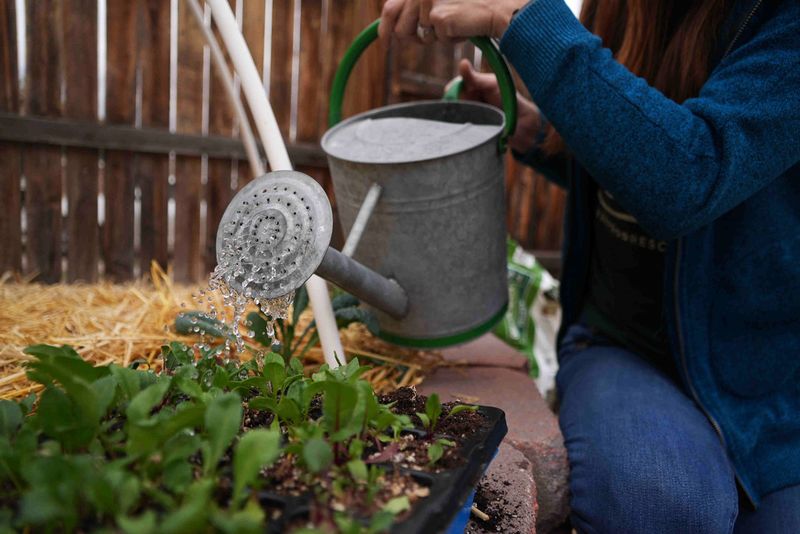
Getting the most from a limited water reserve starts with where the water lands. Pouring water directly onto the potting mix at the base of each plant delivers moisture where roots can use it immediately. Wetting foliage is generally less efficient and can increase the risk of fungal disease, particularly in humid conditions. NC State Extension recommends watering container plants at the soil line and notes that overhead wetting can raise disease pressure and, in certain situations, contribute to sunscald on sensitive plants.
A watering can with a long spout or a short drip emitter attached to the spigot gives you the control to do this without waste.
Mulch is one of the simplest ways to slow moisture loss from a container. A thin layer of shredded bark, pine straw, or similar organic material over the potting mix reduces evaporation from the soil surface and can noticeably extend the time between waterings. NC State Extension also points out that larger containers dry out more slowly than small ones, so if you are adding new pots to the collection, sizing up gives you a little more buffer between waterings.
Container choice and placement also affect how quickly you drain the barrel. Dark-colored pots absorb more heat and push moisture out faster. Pots in full afternoon sun or exposed to persistent wind will need water more frequently than those in partial shade. Moving a few pots to a spot that gets afternoon shade during the hottest weeks can extend the life of each barrel fill without changing anything about the plants themselves.
Even with all these adjustments, mature containers may still need daily attention or a supplemental source during a heat wave. The goal is to reduce unnecessary draws on the barrel, not to pretend that efficiency alone can replace consistent water access. Check the potting mix by pressing a finger an inch into the soil rather than following a fixed schedule, since conditions change day to day through a North Carolina summer.
Keep a backup plan for hot and dry weather
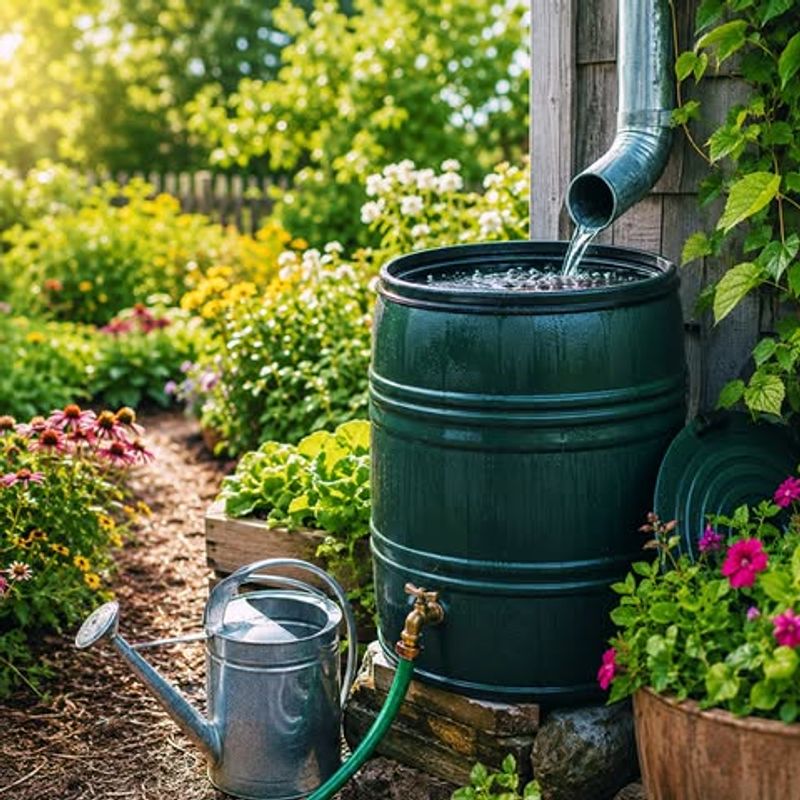
Rain can refill a barrel quickly, but the timing rarely lines up perfectly with your garden’s schedule. A week of hot, dry weather in July or August will drain 60 gallons faster than most people expect, and the next storm may not arrive before your containers start showing stress. That gap is exactly when a backup water source earns its keep.
Keep the hose connected and accessible. The EPA identifies rain barrels as a supplement to, not a replacement for, conventional water sources, and that framing is the right operating assumption for any single-barrel setup in a North Carolina summer. The barrel handles the routine days; the hose handles the stretches when demand outruns supply.
If your container collection has grown beyond a handful of pots, or if you keep large containers in intense sun exposure, one barrel may simply not be sized for the job. Linking two or more barrels together through a shared overflow connection multiplies your storage without requiring a new downspout connection. Self-watering containers with built-in reservoirs can reduce daily demand by releasing moisture gradually from below. Drip emitters connected to a timer and a hose bib offer a more automated solution for larger collections.
NC DEQ notes that cisterns are more appropriate than rain barrels when irrigation demand is consistently high. A cistern holds hundreds to thousands of gallons and can be designed with first-flush diversion, filtration, and pump systems that a standard rain barrel cannot match. NC DEQ’s rainwater harvesting guidance for state facilities outlines what a more robust system looks like, which is useful background if you are thinking beyond a single barrel. Moving a few heat-sensitive containers to afternoon shade during the worst weeks also reduces daily demand and protects plants from stress at the same time.
NC State Extension notes that container plants in active growth or fruiting have higher water needs than those in a maintenance phase, so the demand on your reserve shifts through the season. Build your backup plan around the highest-demand period, not the average week.
Use one barrel when the goal is easier supplemental watering
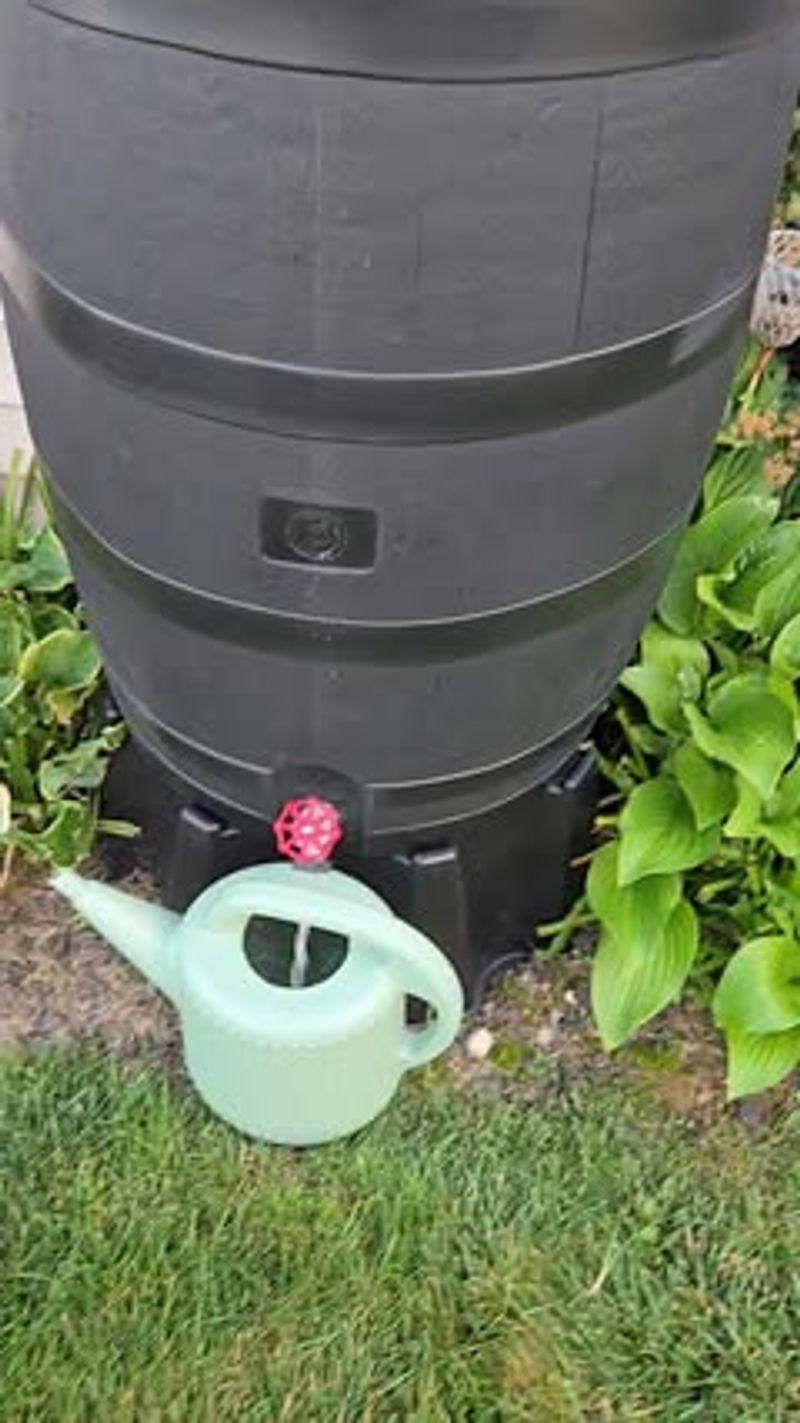
One barrel makes sense when a single downspout serves a small collection of ornamental container plants and the goal is fewer hose trips during short dry spells, not complete independence from another water source. A small patio with four to eight ornamental pots in moderate sun is a reasonable fit. The barrel fills quickly from modest rainfall, sits close to the containers, and saves you the walk to the hose connection several times a week.
Add storage or keep a reliable backup when the situation changes: more pots, larger containers, intense afternoon exposure, or a stretch of dry weather that regularly lasts more than a few days. NC DEQ supports outdoor irrigation as a primary use for harvested rainwater and notes that cisterns are a better fit when demand is consistently high.
Whatever the collection size, the maintenance basics stay the same. Keep the lid secured or the mesh intact to block mosquitoes. Remember that roof-collected water is non-potable, and use tap water for any edible crops. CDC is clear that collected rainwater may contain contaminants and should not be used for drinking or on plants intended for consumption.
Draw the barrel down regularly and check the inlet screen after storms. NC State Extension reminds container gardeners to check soil moisture daily rather than relying on a fixed schedule, which holds whether the water comes from a barrel or a hose.
A careful weekend installation genuinely can make summer container care easier. The hose may still come out during a heat wave, but it will come out less often, and that is a reasonable return on one afternoon of work.