
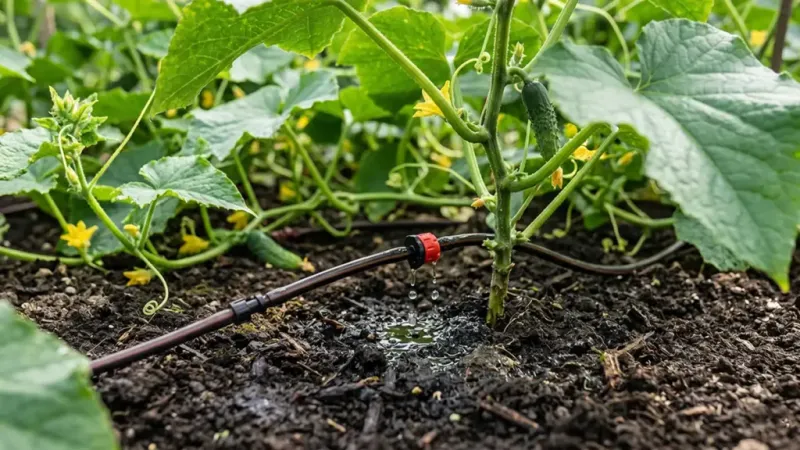
Biting into a cucumber you grew yourself, only to find it tastes like medicine, is one of summer’s most frustrating garden moments. That sharp, unpleasant flavor comes from natural compounds in the plant, and hot weather can push those levels higher in ways that catch even careful gardeners off guard. Uneven soil moisture is a real and common contributor, but it is rarely the whole story. Understanding what is actually happening in the root zone gives you a much better shot at protecting the cucumbers still on the vine.
Bitter cucumbers point to stress, not one guaranteed cause
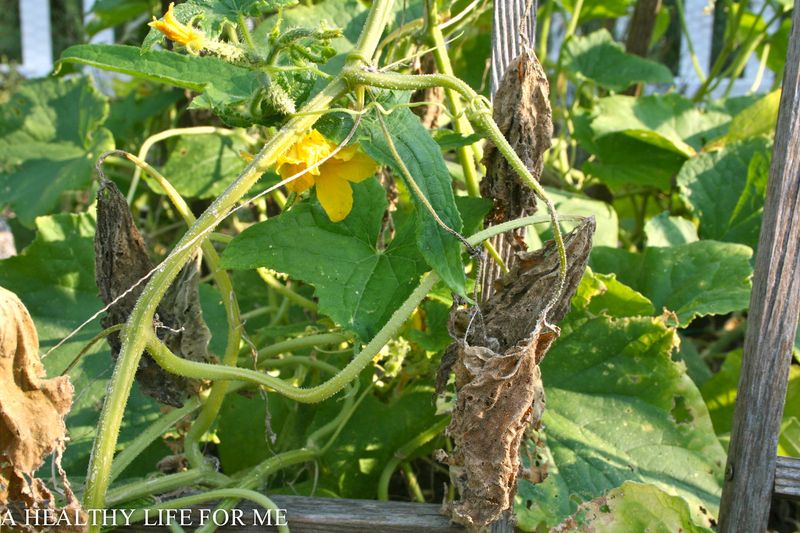
Cucumbers contain naturally occurring compounds called cucurbitacins, and these are the source of that sharp, medicinal bitterness gardeners sometimes discover mid-harvest. UC Davis research on cucurbitacins in cucumbers shows that both genetics and growing conditions influence how much of these compounds end up in the fruit. A cultivar bred for low bitterness may stay mild even under some stress, while a more sensitive variety can turn bitter faster when conditions get difficult.
Uneven soil moisture is a credible and frequently cited contributor, especially during hot weather when plants are already working harder to stay hydrated. But Oregon State University Extension guidance on growing cucumbers identifies a wider list of possible stressors, including drought, high temperatures, wide temperature swings, poor nutrition, excessive nitrogen, and delayed harvest. Any of these can push cucurbitacin levels upward.
Bitterness alone cannot tell you which stressor is responsible. A cucumber that tastes bitter in July could be reacting to fluctuating moisture, a stretch of extreme heat, its own genetic makeup, or some combination of those factors. Ruling out causes one at a time, rather than assuming a single explanation, is the most practical way to approach the problem.
Uneven soil moisture can amplify summer stress
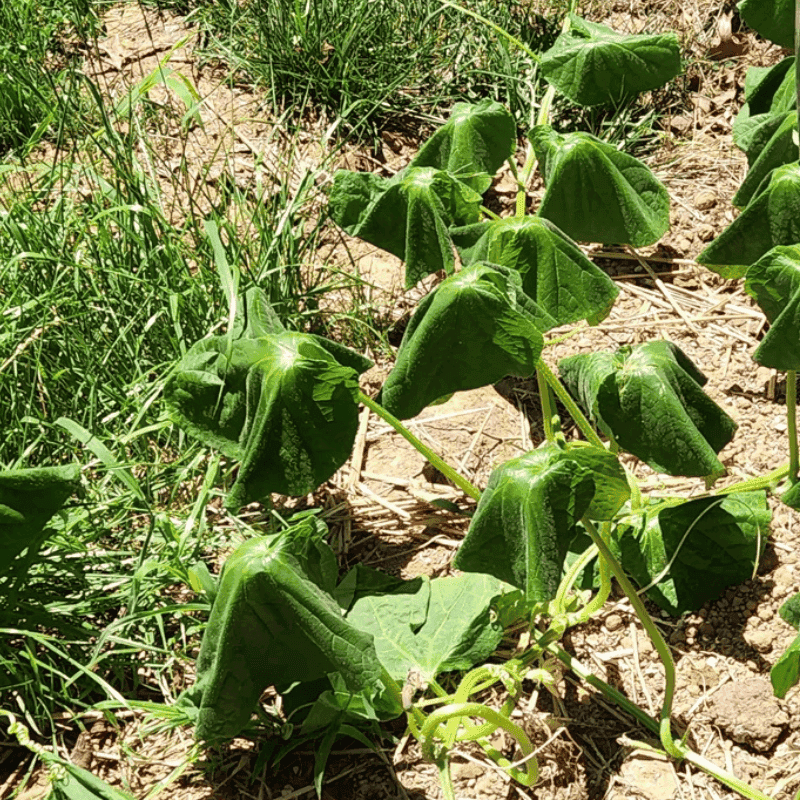
When soil moisture fluctuates, cucumber plants experience repeated cycles of mild water stress, and that stress can raise cucurbitacin levels in developing fruit. The specific concern is not one dramatic dry-to-flooded swing but rather a root zone that keeps drying out while fruit is actively setting and enlarging. Cucumbers are heavy water users, and the fruit-development stage is when steady moisture matters most.
Hot weather compounds the problem because it increases how much water the plant pulls through its roots each day. Penn State Extension guidance on cucumbers in high-heat growing environments notes that high temperatures can independently stress plants and reduce fruit quality, even when irrigation is reasonably adequate. That means keeping the soil consistently moist may reduce one stress pathway without eliminating heat as a separate factor.
Heavy corrective watering is not a reliable fix once bitterness has already developed. Flooding the root zone can leach nutrients and create new problems, including root suffocation and disease pressure. The goal is maintaining even moisture going forward, not trying to reverse bitterness that is already in the fruit. OSU Extension consistently frames the issue as avoiding moisture extremes rather than applying a corrective surge of water.
Check moisture before changing your watering routine
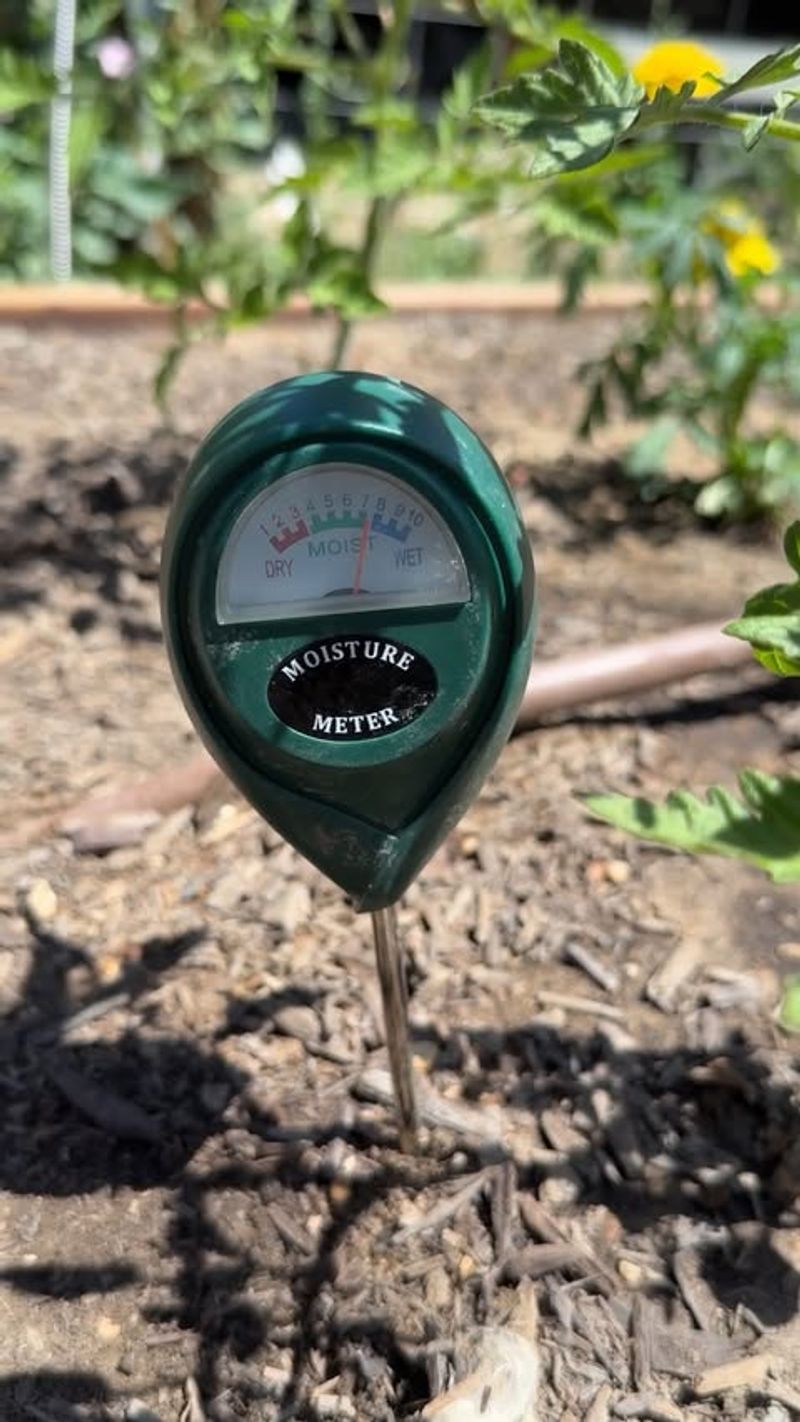
Before adjusting how often or how much you water, check what is actually happening a couple of inches below the surface. Push a finger or a narrow trowel into the soil about 2 inches down, near the root zone but away from the stem. University of Minnesota Extension guidance on vegetable garden watering recommends watering when the soil feels dry at that depth, rather than following a fixed day-of-the-week schedule that ignores what the soil is actually telling you.
A general benchmark of approximately 1 inch of water per week, counting both rainfall and irrigation, gives you a starting reference point. UMN Extension’s cucumber growing guide uses this figure as a broad seasonal guide, not a prescription. Sandy soils drain quickly and may need water twice a week during a heat wave, while heavier clay soils hold moisture longer and can become waterlogged if irrigated on the same schedule. Containers and trellised plants dry out faster than in-ground beds, sometimes requiring daily checks during very hot stretches.
When you do water, apply it slowly and directly to the root zone. Drip irrigation, a soaker hose, or a hose turned to a slow, gentle flow all work well. UMN Extension’s irrigation strategies for vegetables supports the goal of uniform moisture throughout the root zone, neither bone-dry nor saturated, as the practical target. Keeping water off the foliage also reduces the conditions that favor common fungal diseases, which is a secondary benefit worth noting.
Use mulch to reduce moisture swings
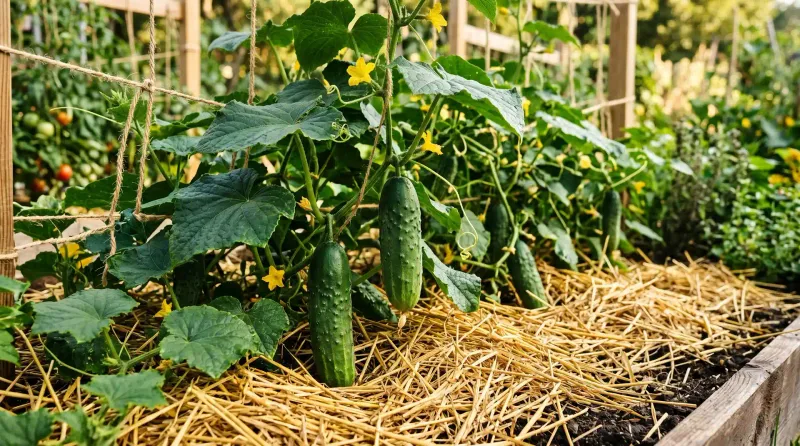
Organic mulch is one of the most practical tools for keeping root-zone conditions stable during hot weather. A layer of straw, shredded leaves, or wood chips slows evaporation from the soil surface, which means moisture lasts longer between waterings and the soil temperature stays more moderate on scorching afternoons. UMN Extension’s guide on mulching for soil and garden health supports mulch as a reliable way to reduce moisture loss and buffer soil temperature fluctuations.
A general starting range of 2 to 4 inches works for most materials, though the right depth depends on what you are using and your local conditions. Coarser materials like wood chips can go a bit thicker; finer materials like shredded leaves may compact and should be applied more lightly. Whatever you use, keep it pulled back from direct contact with the plant stems. Mulch pressed against stems can trap moisture and create conditions that favor rot or disease.
Mulch supports steady moisture but does not replace the soil-check habit. UMN Extension’s cucumber guide recommends pairing mulch with regular monitoring, because even a well-mulched bed can dry out faster than expected during a prolonged heat wave or a stretch of low humidity. Watering at the root zone rather than overhead remains the better practice regardless of mulch coverage, since wet foliage over time creates favorable conditions for mildew and other foliar diseases.
Look beyond watering when bitterness persists
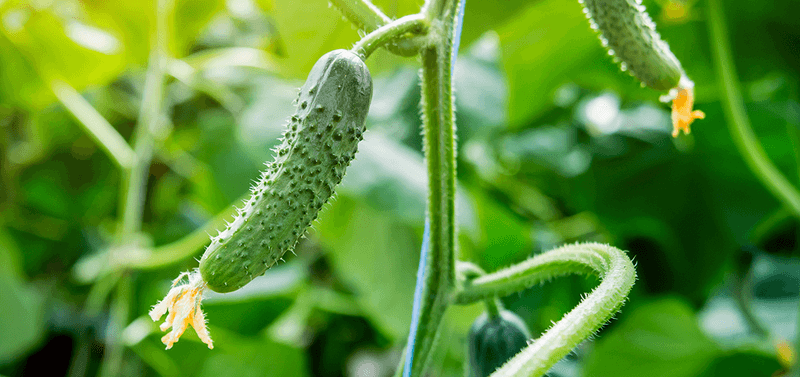
Steady moisture is worth pursuing, but it is not a guaranteed solution to every case of summer bitterness. If you have been checking soil moisture regularly, watering carefully, and mulching well, yet the cucumbers still taste sharp and medicinal, something else is likely at play. Penn State Extension’s cucumber production research identifies high temperatures as an independent stress factor that can affect fruit quality even when irrigation is managed well, so a brutal heat wave may simply overwhelm the plant’s ability to produce mild-tasting fruit regardless of how attentive you are.
Nutrition can also be a factor. Excessive nitrogen pushes leafy growth at the expense of fruit development, and some research suggests that nitrogen imbalances can contribute to elevated cucurbitacin levels. Wide temperature swings between hot days and cool nights add another stress layer that watering alone cannot address.
Pattern recognition helps narrow down the cause. If bitterness is concentrated in one plant or one cultivar while others in the same bed taste fine, genetics are a strong candidate. OSU Extension’s guidance on volunteer cucurbit plants notes that unusual plants grown from saved seed or unknown origins can carry unpredictable cucurbitacin levels that no amount of careful watering will change. UMN Extension also reinforces that cultivar differences are real and that some varieties are simply more prone to bitterness under stress than others.
Bitterness that continues despite genuinely good conditions is a signal to consider the plant’s genetics or the seed source, not to blame your watering habits.
Harvest young fruit and judge bitterness cautiously
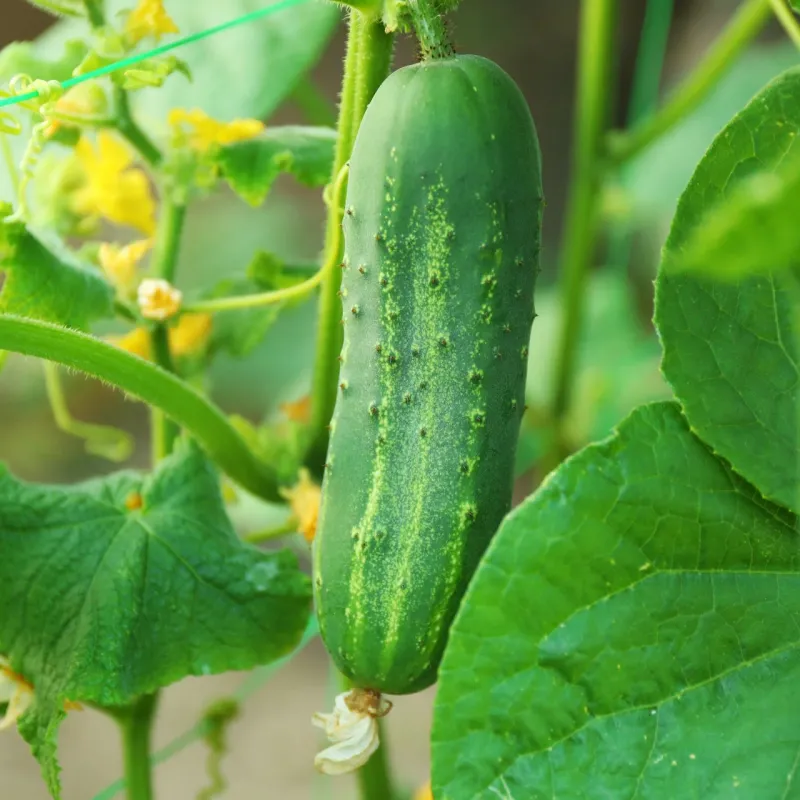
Harvest timing has a real effect on flavor. Cucumbers left on the vine past their prime become oversized, develop tougher seeds, and can accumulate higher cucurbitacin levels as they age and begin to yellow. University of Georgia Cooperative Extension’s cucumber growing guide specifically advises harvesting young fruit to help preserve quality and avoid the bitterness that can develop in overripe cucumbers. Checking vines every day or two during peak season is the most reliable way to catch fruit at the right stage.
When a cucumber does taste bitter, peeling and trimming may improve the flavor of mildly bitter fruit. Cucurbitacins tend to be more concentrated near the skin and toward the ends, so removing those parts can make a lightly affected cucumber more palatable. OSU Extension describes this as a flavor-management option, not a way to make a strongly bitter cucumber safe to eat.
Fruit that tastes intensely or unusually bitter should be discarded without eating further. Ordinary mild bitterness in cultivated cucumbers is generally treated by extension services as a quality issue, not an emergency. However, the cucurbitacin compounds that cause bitterness can be harmful at high concentrations, and documented cases of serious illness have occurred with intensely bitter cucurbits. A retrospective review of 353 cucurbit poisoning cases from French poison control centers and published reports on bitter bottle gourd toxicity both involve intensely bitter cucurbits rather than ordinary mildly bitter cucumbers.
The practical rule: mild bitterness can be trimmed around; intense or unusual bitterness is a reason to stop eating and discard the fruit.
Make steady moisture your first practical correction
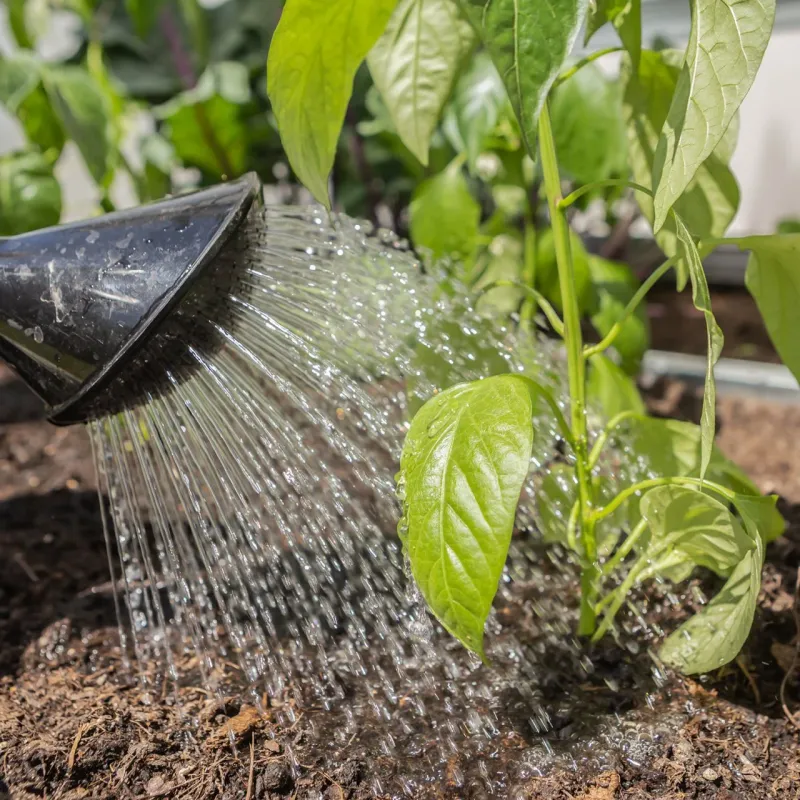
A reasonable first step when cucumbers turn bitter in summer is to check root-zone moisture and restore consistency if it has been uneven. Push a finger 2 inches into the soil near the plants. If it is dry, water slowly and thoroughly at the root zone using a drip line, soaker hose, or a gentle hose flow, and then monitor frequently so the soil does not dry out again before the next watering. UMN Extension’s vegetable garden watering guidance supports this check-first approach over any fixed watering schedule.
Add mulch if you have not already, harvest any fruit that is at or near its ideal size, and then watch whether cucumbers that develop over the following week or two taste better. Improvement is plausible when uneven moisture was the primary stressor, but it is not guaranteed. OSU Extension is candid that heat, cultivar genetics, and other stressors can continue to affect fruit quality even after watering improves.
For future plantings, UMN Extension’s cucumber guide recommends choosing cultivars described as non-bitter or bitter-free as a way to reduce the risk. No variety is immune under all conditions, but starting with genetics that favor mild flavor gives you a meaningful head start. Consistent moisture, good mulch, and timely harvest are the tools you control; the weather and the plant’s genetics are the variables you work around.