
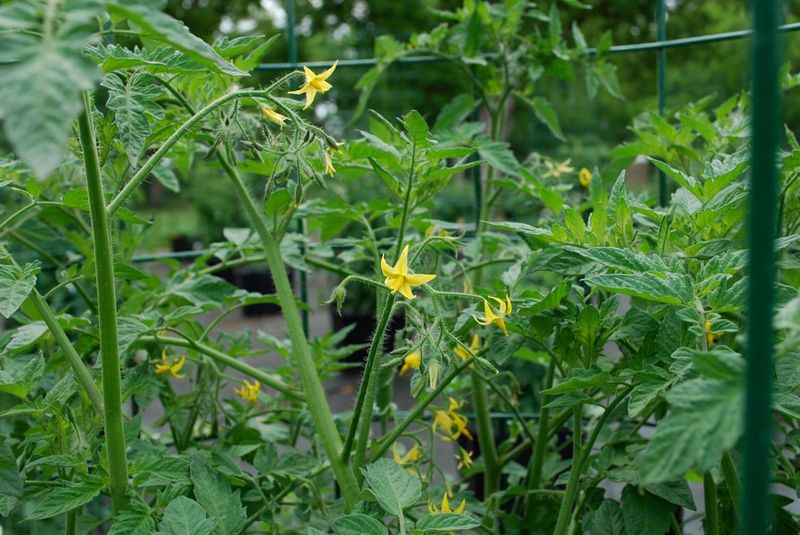
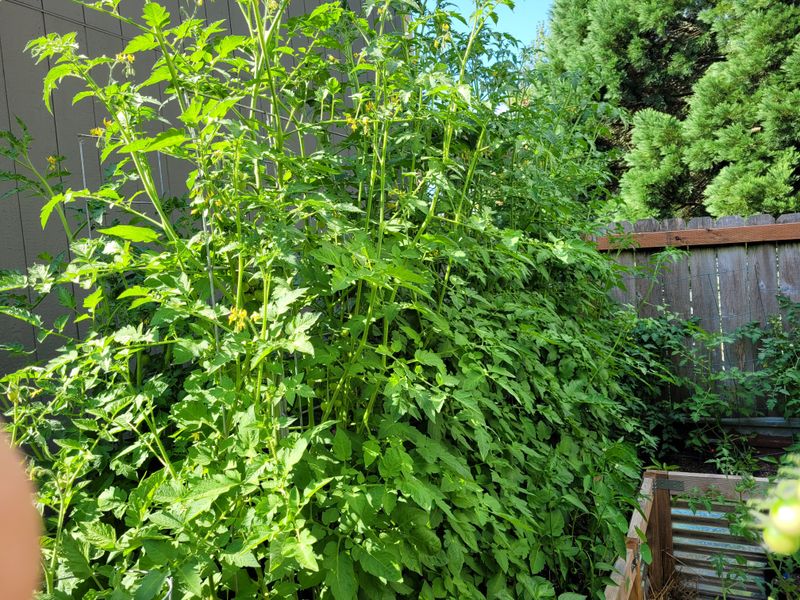
Walking out to a tomato plant that looks lush and tall but has almost nothing to show for it is one of the most frustrating sights in a summer garden. The plant seems healthy, so why aren’t there any tomatoes? The answer isn’t always what gardeners expect, and blaming the weather alone or reaching for another bag of fertilizer can actually make things worse. Understanding what your flowers are doing, and what you’ve been feeding, puts you on the right track faster than any quick fix.
Start with the flowers, not the plant’s height
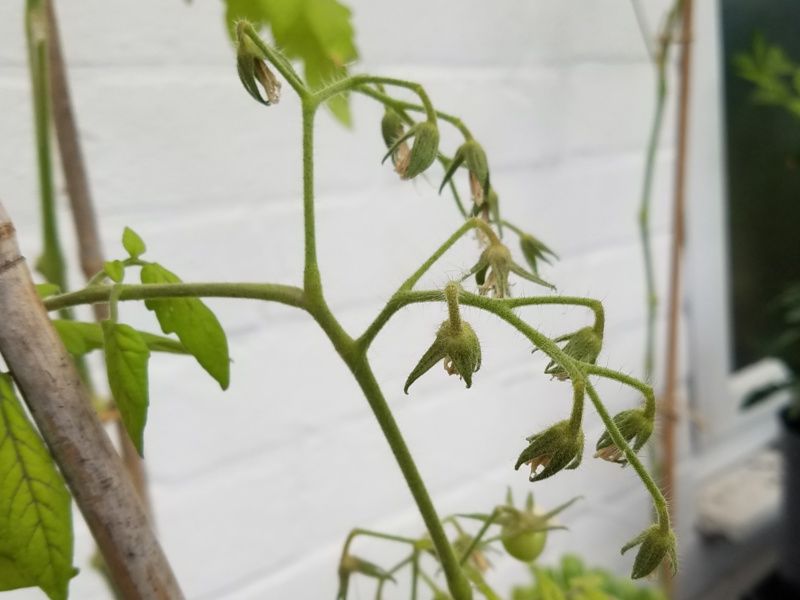
Before assuming a feeding problem, spend a few minutes looking at what the flowers on your tomato plant are actually doing. That single observation changes the diagnosis more than anything else. A plant pushing out lots of dark-green leaves but producing very few flowers, or none at all, makes repeated high-nitrogen feeding a reasonable suspect. But if you’re seeing flowers form and then dry up or drop off within a few days, heat stress, moisture problems, wind, or poor pollination deserve at least equal consideration.
Height alone cannot tell you what’s wrong. Many popular tomato varieties, particularly indeterminate types, are bred to keep growing upward all season. University of Minnesota Extension’s tomato guide notes that indeterminate varieties continue vine growth throughout the growing season, so a six-foot plant isn’t automatically a sign of overfeeding. Low light, transplant stress, drought, disease, herbicide drift, and severe pruning can each contribute to tall, leafy growth with little fruit.
The flower pattern is your most reliable clue. University of Arizona Extension’s tomato challenges guide lists temperature, watering, humidity, wind, sunlight, disease, pruning, and nitrogen among the possible causes of poor fruit set, reinforcing that no single visual symptom points to one cause. Look at the flowers first, then work backward to feeding history and recent weather before settling on an explanation.
Excess nitrogen favors vines and leaves over fruit
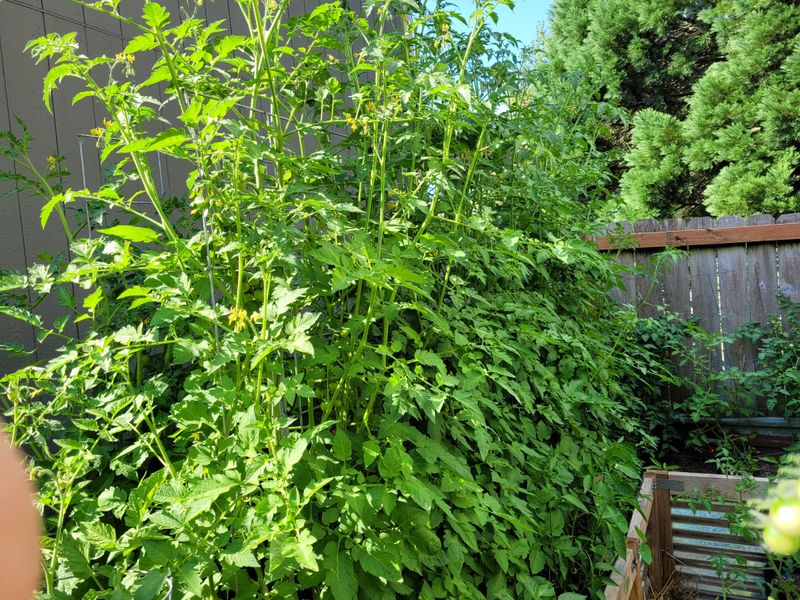
Nitrogen is the nutrient that drives leafy, green growth in plants, and tomatoes are no exception. When nitrogen is available in abundance, the plant often prioritizes building stems and leaves over producing flowers and fruit. The result is exactly what many frustrated gardeners describe: a tall, bushy, deeply green plant that looks vigorous but sets little or nothing.
Minnesota Extension describes tomato plants receiving too much nitrogen as “bushy, leafy, and slow to bear fruit,” while Colorado State Extension notes that high nitrogen can make vines excessively large at the expense of fruit production. These descriptions fit a pattern that many home gardeners recognize mid-July.
Even so, this visual pattern doesn’t confirm overfeeding on its own. The dose matters, as does the timing, the existing fertility of your soil, and the cultivar you’re growing. A single well-timed fertilizer application at the right rate is unlikely to cause the problem. The habit that tends to cause trouble is repeated applications of high-nitrogen products throughout the season, especially when the soil already has adequate fertility.
Arizona Extension acknowledges that nitrogen is one of several factors that can delay or reduce fruit set, and that environmental conditions can produce similar symptoms even when feeding is appropriate.
Use the fertilizer label to identify the risky habit
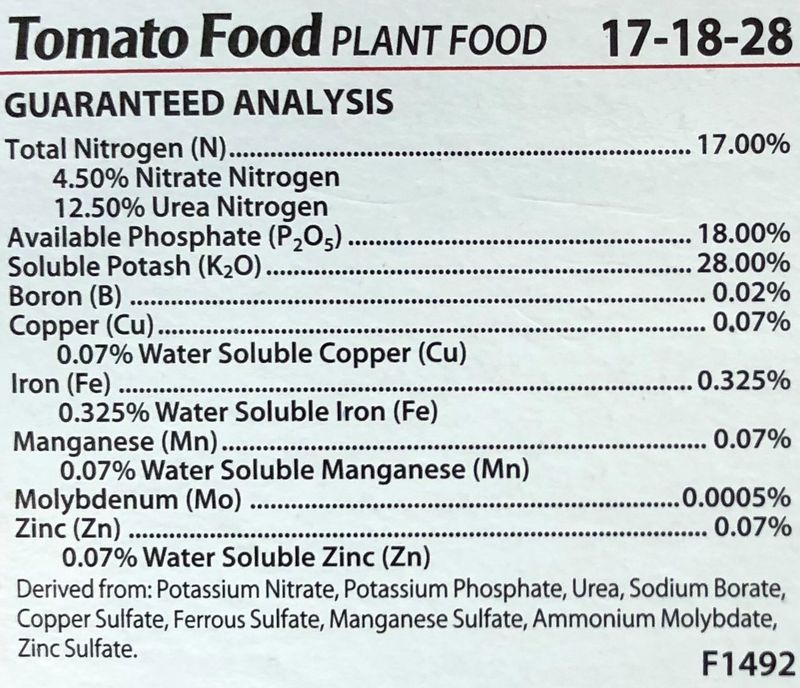
Most gardeners pick a fertilizer based on the photo on the bag or a neighbor’s recommendation, without checking the numbers that actually matter. Every fertilizer label carries an N-P-K analysis: three numbers separated by hyphens that represent the percentage of nitrogen, phosphorus, and potassium in the product. The first number is nitrogen. A product labeled 24-8-16 delivers three times as much nitrogen per application as one labeled 8-8-8, and that difference adds up quickly when you’re applying it every week or two.
Colorado State Extension’s fertilizer guide explains this N-P-K breakdown clearly and is worth a quick read before your next application. The habit to pause when diagnosing a suspected overfeeding problem is routine, repeated use of a high first-number product, especially if you’ve been applying it on a fixed schedule regardless of how the plant looks or what the soil already contains.
Following the product label rate is not optional. Penn State Extension cautions that excess fertilizer can burn roots, injure plants, and create nutrient imbalances that are harder to correct than a simple deficiency. Minnesota Extension’s fertilizing guide reinforces that applying more than the label directs rarely speeds things up and often causes new problems. Check the label before you reach for the watering can.
Pause excess nitrogen, but do not ban it forever
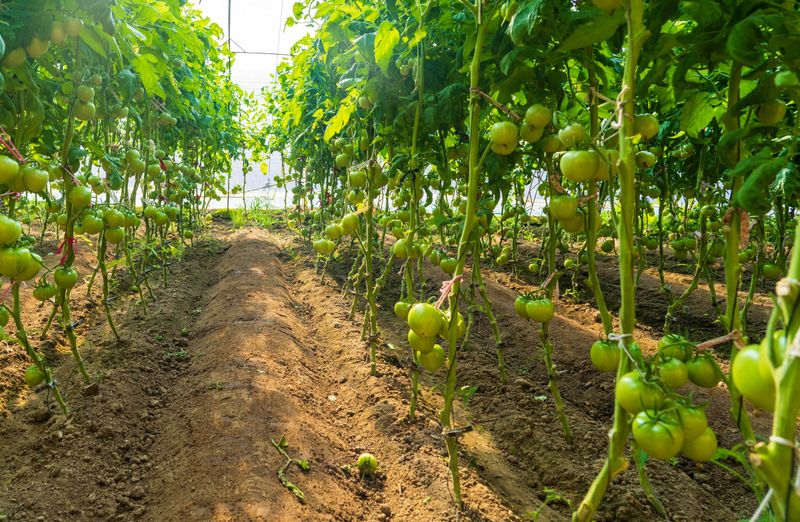
When repeated high-nitrogen feeding looks like the likely cause of your plant’s leafy, fruitless growth, the right first move is to stop adding more. Put the high-nitrogen fertilizer away for now and give the plant and soil time to work through what’s already there. Do not exceed the product’s label rate if you do apply anything, and resist the urge to switch immediately to a different product without knowing what the soil already contains.
If the situation seems more severe, such as root burning, yellowing despite heavy feeding, or signs of significant plant injury, that goes beyond a simple routine-overfeeding correction. In those cases, product-specific guidance or advice from your local cooperative extension office is a better resource than general troubleshooting. Arizona Extension notes that fruiting may resume as the excess nitrogen is used by the plant, but recovery takes time and is not guaranteed while heat continues.
Cutting off nitrogen entirely for the rest of the season is not the answer either. Tomatoes have a moderate, ongoing nitrogen requirement. Oregon State Extension recommends a light additional nitrogen application around fruit set, while warning that further applications after that point can promote excessive vine growth and delay maturity. Colorado State recommends light fertilization when the first fruits reach about two inches, with the frequency depending on how much organic matter your soil contains.
Before adding phosphorus, potassium, or any other nutrient, run a soil test. Penn State Extension emphasizes matching fertilizer applications to actual soil conditions, and Minnesota Extension notes that nutrient problems can look alike visually, making guesswork a risky strategy. A soil test takes the guesswork out of what to add and when.
Heat can abort blossoms even when feeding is appropriate
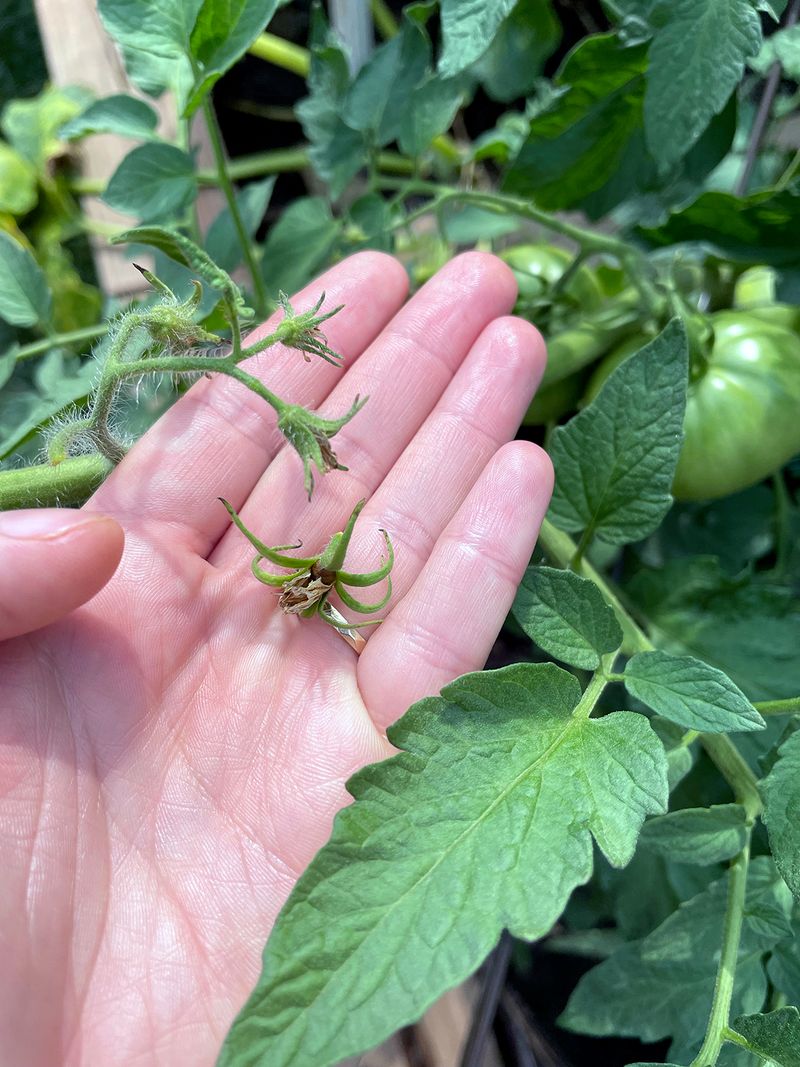
Midsummer heat is not just an inconvenient backdrop to a nitrogen problem. For many gardeners, it is the primary reason tomato flowers are forming and then disappearing without becoming fruit. When temperatures climb and stay there, pollen can become non-viable, fertilization fails, and the plant drops the flower before any fruit can develop. This process happens even in well-fed, well-watered plants with perfectly balanced soil.
Minnesota Extension reports that sustained daytime temperatures above roughly 85 degrees Fahrenheit, combined with nighttime temperatures above about 70 degrees, can stress tomato plants, impair pollination, and cause blossom drop. Georgia Extension’s commercial tomato handbook identifies nighttime temperatures above 70 degrees Fahrenheit as a major trigger for blossom drop. These figures are approximate starting points, not exact cutoffs that apply to every situation.
Cultivar matters significantly here. Large-fruited beefsteak types tend to be more sensitive to heat than cherry tomatoes, and dry heat, high humidity, wind, and nighttime temperature all shift the threshold. Illinois Extension and Arizona Extension both note that multiple environmental factors interact to determine whether a flower successfully sets fruit. If your flowers are forming and then falling during a heat wave, that pattern points more toward heat than nitrogen, regardless of what you’ve been feeding.
Reduce heat stress with steady moisture and temporary protection
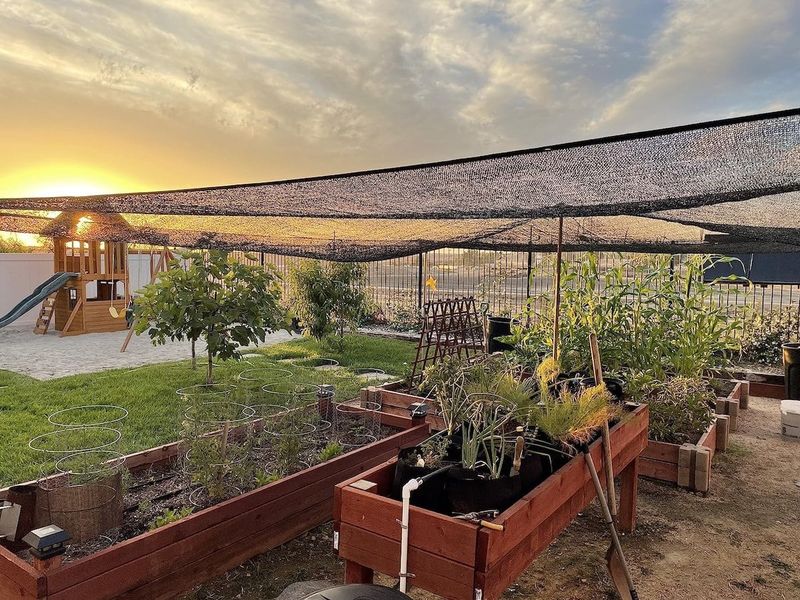
Steady soil moisture is one of the most practical tools available during a heat wave, even though it cannot override sustained high temperatures on its own. When soil moisture swings between wet and dry, tomato plants experience additional stress on top of the heat, and problems like blossom drop and uneven fruit development become more likely. Minnesota Extension’s irrigation guidance for vegetables recommends keeping soil moisture reasonably consistent rather than letting plants wilt between waterings.
A layer of mulch, about two to three inches, helps reduce evaporation from the soil surface and supports more consistent moisture levels between watering sessions. Colorado State Extension and Utah State Extension both mention mulch as a moisture management tool for tomatoes. Straw, shredded leaves, or wood chips all work reasonably well for this purpose.
Temporary shade during the hottest part of the day can help reduce plant stress during an extreme heat event. Minnesota Extension suggests shade cloth or other temporary shading during peak heat, and Arizona Extension guidance discusses using 20 to 40 percent shade cloth in hot climates. Keep this temporary. Tomatoes need full sun to produce well, and permanent shade will reduce yields more than it helps.
Avoid heavy pruning during heat waves as well. Illinois Extension notes that tomato foliage shades the plant and developing fruit, so removing too many leaves during hot weather can expose plants and fruit to greater heat stress rather than relieving it.
Rule out lookalike problems before adding another remedy
A plant that’s tall, leafy, and not fruiting can fit several different diagnoses, and reaching for a remedy before identifying the real cause often adds a new problem on top of the original one. Low light, transplant stress, cool early-season weather, drought, disease, herbicide drift from a nearby lawn, high winds, humidity extremes, poor pollination, and severe pruning have all been documented as contributors to reduced or delayed fruit set. Arizona Extension’s tomato challenges resource lists all of these factors and more as potential explanations when fruit set falls short.
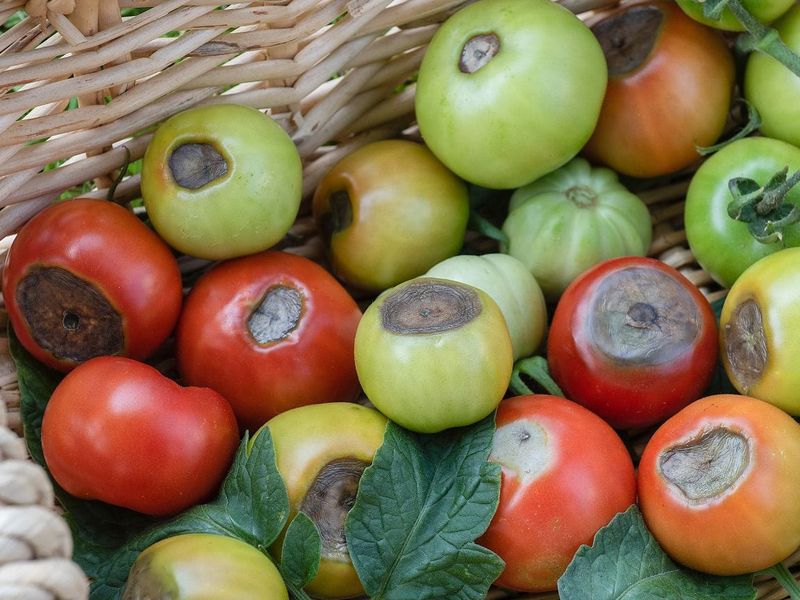
One disorder that often gets confused with failure to set fruit is blossom-end rot. These are not the same thing. Blossom-end rot produces a brown or black, sunken, leathery lesion on the bottom of a developing fruit. The flower did set; the fruit started growing and then developed a localized problem.
Minnesota Extension explains that blossom-end rot is associated with localized calcium-transport problems, irregular watering, and root injury, not simply a shortage of calcium in the soil. Adding calcium indiscriminately, or reaching for Epsom salts, will not reliably correct it.
High-phosphorus fertilizer is another popular but unreliable fix. Colorado State Extension’s soil management guide and Arizona Extension’s common tomato disorders guide both caution against adding nutrients without soil-test confirmation, since many garden soils already have adequate phosphorus and excess amounts can interfere with other nutrients. Hand-pollination, while sometimes helpful under mild conditions, cannot overcome heat-damaged pollen, flower abortion caused by sustained high temperatures, or drought stress. Identify the pattern before adding anything.
Give the plant time to respond to better conditions
Recovery from either excess nitrogen or heat-related blossom drop is not instant, and expecting an immediate turnaround after making changes will only add to the frustration. The practical sequence is straightforward: look at what the flowers are doing, pause any routine high-nitrogen feeding that looks excessive, check the product label before applying anything else, run a soil test rather than guessing at what to add, keep moisture steady, add mulch if you haven’t already, and protect the canopy during any extreme heat events rather than pruning it back.
Arizona Extension notes that fruiting may resume after excess nitrogen is worked through by the plant, but continued heat can keep suppressing new flower and fruit development until temperatures moderate. Oregon State Extension’s tomato guide reinforces that timing and soil conditions, not just the absence of overfeeding, determine when fruiting picks up again.
The diagnosis always rests on two things together: your feeding history and what the flowers are actually doing. Minnesota Extension’s heat stress guide is a useful reminder that midsummer conditions can suppress fruit set in even well-managed gardens. A tall, green tomato plant in August is not a failure; it’s a plant waiting for the right combination of conditions to do what you planted it to do.